9 Lessons I’ve Learnt Helping My Son Love Skiing
Tom Gellie shares nine lessons from teaching his son Archie to ski, starting with a long-held dream despite living far from snow. He covers patience, matching teaching to each child's risk tolerance, proper equipment, choosing wide-open terrain, keeping it fun, building community with other families, using video feedback, and friendly competition.
Chapters
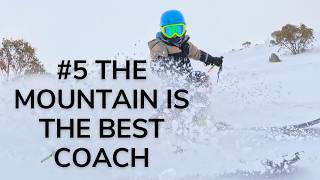
This year my son Archie really fell in love with skiing, and I have to say it was kind of like a sigh of relief as a ski coach and an obsessed ski dad, like someone that just lives for everything about skiing, to have their son, their child, love the sport that I love too. And so I've dreamed of that ever since he was a baby, you know, that he would one day go heli-skiing together and that he would be a better skier than me. But, you know, it hasn't always been that way. There's definitely been some times where some— I've learned some good lessons and I sort of thought maybe he's not going to be into skiing because you hear of parents that have kids that, you know, don't like the sports or the things that their parents like. So I was pretty, you know, worried at times about that. But I wanted to make a video for the parents out there with kids, the soon-to-be parents of kids that are into skiing, the ski coaches that coach kids, and just pass on 9 lessons I've learned in my life through helping my son really fall in love with skiing. So the first lesson is have a dream, because We don't actually live near the snow. We live on the northern beaches of Sydney. It does not snow around here. We have to travel. It takes quite a bit of effort to do that. And so we made sure that skiing, which is part of our life, involved Archie from a very, very early age. So my wife on maternity leave, we thought we were crazy, but at 3 months old Archie came to Whistler with us and we spent time in Canada in Silver Star and Sun Peaks. Following closely after that, we were in New Zealand with the Rookie Academy for 6 weeks. And so we sort of didn't change our life too much. If skiing was part of our life, Archie was going to be involved in that too. So the dream of him being this great skier and someone that loved it as much as we both do, we just made sure that he was woven in and brought along with that journey. I think that saying, if there's a will, there's a way, behind that is the power of dreaming and big goals. And I can still vividly remember lying in his cot with him when he was less than 1 year old, just thinking and saying, Archie, one day you and I are going to be skiing this steep black run, jumping out of a helicopter, powder coming over our heads, and we're going to be doing that together. And that sort of always sat at the back of my mind and and made me not compromise. It made, made us, this family, work it out together that we still kept skiing sort of a part of our lives. So yeah, make it happen. So number 2 is patience and playing the long game. So for example, we would fly to Canada. It takes a long time, like a day's worth of traveling and a lot of money. And I can remember after 20 minutes going, Dad, I'm done, I don't want to ski anymore, can we go play Lego? And I'm there going, this is— no, can't do this. Probably, you know, didn't quite hold back my feelings, but eventually, you know, succumbed and said, this is the long game, I have to go in, and skiing has to be fun, travel has to be fun, just doing these things with us has to be fun. But definitely was not easy when it was a great snow day too. To, to do that. But I think, you know, everyone gives you this advice when their kids are older, like short ski time, breaks, hot chocolates, you know, playing in the snow, all that sort of stuff. It's, it's very true, but I tell you what, in the moment it can be really frustrating when you can see all that great skiing out there and you've spent a full day's lift ticket and you're not spending the whole day on the lift. But it pays off in the long run. Because just, you know, this season Archie's skiing double black diamonds with me. And so playing the long game is worth it. Be patient. And thank you, Archie, for teaching me that this is a very important lesson. Number 3: every learner is different. So I've discovered that Archie is actually quite similar to me in that he's not a huge risk-taker. He's quite calculated. He'll want to sort of know that he can do something first and look for a progression to get there instead of, like, you know, some kids are just crazy and if, you know, they see a big massive jump, they don't realize the consequences of it, they'll just hit it anyway. He's not really like that. Judging him against everyone around him was not a good thing to do when I saw other kids that were, were brave or whatever. And one thing that was really quite hard is 'cause we don't, there's big gaps often between our ski trips, I'd see him regress. So we'd make this great progress, be like really on the edges and sort of almost carving, and then he'd come back and he'd be snowplowing again. And so this is a really important lesson, and probably the one thing that I realized is also everyone needs time to feel out snow. Snow is this weird sort of, different substance that we're not used to being on, very un-grippy, slippery surfaces. If you're not used to it, you need to build time to get that feeling back. So realize every time back on snow, he's just feeling out that he's probably in new boots, new skis, the snow is different. He's come from Canada back to Australia, and he just— I just needed to like give him time and space to just feel it out. It wasn't technical, nothing like that. It was just feel this weird foreign surface and get used to it again. So yeah, everyone's different. If you start to learn and pay attention to how people are, then you can change your, your style and approach. Now I understand Archie needs time in the beginning. He's also calculated, and if I can build little progressions for him, it's, it's much better versus just throwing him in the deep end. Coming back to the patience thing too, I know he will, he'll get there. The things he can do now are amazing. Because I've sort of accustomed and changed and respected the way he learns. So thank you, Archie, for teaching me that one. Fourth lesson, good equipment builds confidence. I think I knew this all along for my own skiing, but seeing it in my son really, you know, made me put a lot more emphasis on checking that. And there are sometimes people go, oh, they're just kids, you don't need to really don't worry as much about them. They'll, they can deal with all these like differences, but I disagree. I think it's just the same as if they're just smaller versions of us. They can feel when a boot's not right, when a ski's not right. So if you're really invested in it, do a good job of getting them in a good little pair of boots. I can remember the one year we went to Canada, Archie had just come off skiing really well in Australia. He needed a newer size boot, so we, we sort of rented for the season. These different boots, and they seemed fine. The length was right, flexes ankle fine in it, but literally the first day my wife and I looked at each other and said, what is wrong with Archie's skiing? Like, he's skidding everywhere way more, he's sort of A-framing, he's back seat, all these things. Took a couple of days before I just took a better, closer look at the boot, and the boot was basically too high volume this way. So even though it was the right length, like the buckles had to be done up so tight to get a fit around his narrow little leg. So essentially what happened was his leg was like a, a loose, too loose inside the boot. So he'd move his knee but the boot wouldn't move. So that's why we're seeing A-framing, skidding. That was one. And then the second thing was he, uh, was back seat because this boot had a huge ramp angle. So basically the heel and toe difference height was massive. It was really high in the heel and really low on the front. So He was sort of standing on this, this virtual slope inside, or actual slope inside of his ski boot, and he was just leaning back against that. So too loose a cuff, wrong ramp angle. I did some sort of DIY mods to make it a bit better, and instantly, you know, he's like, Dad, that feels much better. Once I leveled out the, took out, you know, having a huge amount of ramp angle. But we couldn't really change the cuff much. I tried to stuff some stuff inside to fill the volume up. It was a bit better, but Ultimately, we ended up getting this boot when he was, uh, 6, and straight away skied better. Straight away, like, much more parallel legs, better edge grip. He just looked more in control. And so really get some, some good gear. Just because they're kids doesn't mean they don't deserve it. And I'll say one more thing, he even had a couple of, like, injuries, twists of his knee in these other not right fitting boots, and I feel really bad about that. I wish I could have avoided it, but I think, you know, luckily that they come back when they're, they're young, their bodies bounce back. But it's a good lesson to learn early on— get the boots right, get the equipment right. Number 5 is the mountain is the best coach. So we were lucky enough to take Archie to some places with some really great easy, wide-open terrain. So Aspen comes to mind. We were in Aspen when he was just over 2 years old, and they have this mountain, Buttermilk, there, and it's pretty much a purpose-built beginner mountain. And yeah, there's such a long run, and for a just over 2 years old kid to ski on, it's about as good as it gets. I've talked about in other videos before, I really think this ecological approach to learning, this understanding of how we learn through our interaction with the environment is a great way to view things. What we're picking up on is these affordances and these feelings, like when I see this type of snow and this type of terrain, I need to do this or something happens. So the more you can teach through them learning about the environment, the types of snow they're on, the better, the less you have to talk to them and confuse them with words and technique. So let the mountain be the coach. If you can go to places like— I love it when we go to Silver Star and Sun Peaks, have these wide open runs that he can just go maximum speed on this minimum terrain. So if you can get it to places that have that kind of terrain where the mountain does a lot of the coaching, you don't have to get in their way, you don't have to be worried about them losing control, and they can build that confidence up really quick. And then you can change the terrain, make it harder. Like when we go to Australia now my home resort of Thredbo, it's quite different. It's more challenging snow, the conditions change, it's steeper. But it's good now because he can really sort of learn. Like, he's— I would say from there he's got a really good sense of everyone around him. Like, he's aware when he hears people coming and that sound, stop and maybe pull off to the side, which I think is great. Yeah, really be conscious of your decisions, of the terrain, the places you go to ski, because they have like a huge impact on how much you can learn and what you learn. Now at number 6, we've got keeping it fun. It's almost like 90% fun, 10% learning. And if you can kind of blend the two and make learning fun, then even better. We would just spend so much more time like this season free skiing. Uh, you know, he made it to the nationals in this interschool ski race competition. This is Australian competition where like over 7,000 kids across different age groups join and compete and race in ski cross, moguls, freestyle. Anyway, he made it to Nationals and got 5th overall in the little mini GS race, which I thought was incredible given his very limited experience in gates. You know, when I think about it, all the other people that I've talked to, you know, experienced coaches and dads and mums that have had kids coming up, they're like, yeah, spend way more time free skiing and having fun. Don't get too technical and into the gates. That'll come as they do it more. If you can make drills that improve their skiing and challenge their skills really fun, like we were doing hand drags, how long can you balance on one ski between his buddies, like it was a competition and I'd have a little time like counting like, oh, you got the longest, no, you got the longest, so you can get further. Who can hit the jump the furthest? Who can do the most amount of turns through the trees here? Who can make it through this little mini path? So keeping it fun, definitely huge success in that one, and hiding the learning in there. And especially through, like, if you choose the right terrain environment, the, the mountain, as I spoke before, will help to coach them. I just realized another one too that's really important. It's not in the 9, but I have to chuck it in there, and that is giving your kids the chance to explore the, the spectrum of edging. So that is all the way from teaching them what a locked-on ski feels like. See if you can show me some cutting, do a cut turn. Yeah, you don't have to worry about being parallel, snowplow position. When Archie was really young, I taught him this in-rigger move with your inside leg as a bit of a support and just taught him how to just lock the ski on edge and made sure he had like a really turny little ski, and he got the sensation of the ski turning him. So that was huge. And of course, terrain is very important, needs to be like very, very easy and wide open. But then the other end of the spectrum was lots of skidding, teaching him to side slip and pivot slip. And this gives him the ability to go all over the mountain with us very safely. We did a lot of skidding. So they were 2.5, 3 years old, and we would skid around the mountain. Falling leaf skills. First season, he didn't bother turning. He didn't actually think he needed to turn. Now and then I'd say, Zach, you can turn if you want, and you go, why? Why should I turn? I'm quite happy doing this. Make sure you explore the full spectrum of edging with your kids. They need to be really great at side slipping and skidding. And also the other end, teach them what happens when you lock that ski on and the ski design does all the work for you. Now, friends and community keep the fire alive is what I've got at number 7. And in the early days, it was just Jenny, myself, and Archie, and we were sort of moving around different places in Sydney, and we didn't have a core group of friends with, with kids of the same age that also did ski trips or went skiing. There's a lot of the time just the 3 of us skiing together, or he was with adults a lot of the time. And even ski lessons, he didn't really like going to those because he didn't have a friend. But that all changed when we started meeting some, some other families that also loved skiing and went to the snow, and it was a huge game changer. One of the best memories so far is this trip where a bunch of families and us, we went to Japan. And so the cultural experience, the, the huge amounts of snow, the fun evenings out, different like mountains that we all went to there just made the, the experience awesome. And it was so much better to share it with some like-minded people. So I really recommend finding like your, your little clique, your, your group, and trying to create something because then you help spur on the next ski trip and you can, you know, pass on ski gear. Big stuff goes to the little kids, so keeping, you know, costs down there. So yeah, find a community, find friends that do it with you as well. It'll, it'll really help. And as you know, you, if you're watching this, you love skiing, and it's not just about skiing that we go do it. There's, there's the travel side, there's the community side, the, the evenings out that really make it such a special sport. So I hope you find your, your clique and your community and your group too, because I think it's a, a really key one. It was kind of funny the other night, the Sölden opening World Cup race was on, and Archie was here commentating on what they needed to do and things that, oh, they're skidding a little bit too much at the top of the turn. And so at number 8, I've got video feedback builds awareness. So early on, right early on, I would always show Archie video of him skiing. You know, I started pointing out just little things like here or there, or asking him questions about what he thought about his position, his balance, um, that sort of stuff, or what he might do differently, or what he saw that looked different to how it felt. You know, over time, just through that, he's really started to build a good eye. And, you know, I think he's around me all the time talking about skiing, watching skiing, thinking about skiing. But that video part, I think, is really important. And now he sort of sees it in other skiers on the mountain and his friends too. And so I think really let them know what they're seeing. Like, video is so accessible these days with your phone, so taking some video of your kids and just letting them know what it's like, so they start becoming aware of where they sort of sit or how they look compared to everyone else out skiing and even people that they might watch, rising stars, whether it's in the racing world or freeride, freestyle, whatever it is. Video for all of us, I feel, is a huge component So, allow your kids, I've allowed Archie to do that, and it will really filter in and I think help, you know, if you want to become a better skier, I think it's just an essential thing, you've got to do it. So, this is actually Archie's bib from the Nationals interschool race this year. So, at number 9, I've got competition builds character. I think there are several key points here that are great and it's why I'm including it. And so number one, early on when he decided to do this, this interschools competition, he didn't do well. Like he was the youngest in this age bracket and he didn't have much experience and he saw others win. I can remember him there standing with him at the end of the competition and he's watching these other kids walk up and get on the podium and, you know, seeing how excited and everyone cheering for them. And I could see it in him. He was like, that's what I want to do. And we even chatted in the car, you know, wouldn't that be great one day if, you could do that. So it sort of set this, this goal, this challenge, and something to look forward to and keep aiming towards. And I think, you know, we all would know that's, that's really important in our lives, setting goals, something to challenge us into the future. So that was great. It's also sort of taught him a sense of pride representing his school in these competitions. It's helped him, you know, really focus on things when when we were getting closer to the event, I didn't have to ask him to work on things. He would want to go and do it out of desire to achieve this goal. So having sort of this competition element helped me not have to, like, there was a reason for him wanting to improve. And I didn't push it, but I saw him actually self-motivated to get there. So I think these competitions are like, are great. And you know, this year, to see him get up, especially, you know, the state level, he was on the podium individually, third place, and the look on his face, and then, you know, his teammates to get second overall when they didn't do as well in the regionals, it was just, it was just incredible. So I'm just so proud of him, and I think he's so proud of himself, and having this, this container, this format of competitiveness really like makes it worth something, puts some weight to it. So I really encourage you, if you can, in, you know, whatever type of, um, you know, format it is, it's very friendly to more serious. You can start adding a little bit of competitiveness to your skiing and your child. I think it can be a really positive thing. So Archie is just about to turn 8 years old, and I feel this year, this season, was the real turning point where Archie truly loves sking. I think there's a whole bunch of things in there that have sort of led to this point, and my hope was, you know, one, to share them all with you. Two, as sort of like, I love making videos, so this is a bit of a documentation of like of Archie's life so far and things we've learned together. And, you know, I can't wait to see where it goes in the future. There's still that dream of the heli skiing trip, the two of, two of us and him being a much better skier than me, that's still to be realized. But I really see this as, you know, partway there, and this climb up the mountain through all these, um, these moments, we're on our way. Continuing to improve, whether it's, you know, me at 42 or my son Archie at 8, I think is, is such a cool thing to do. Like, it's— I think it's what humans are built to do. We love learning things and getting better at them. There's, there's this satisfaction, these feelings we get, that is so worth it. And if some of these little lessons learned help you, you know, as a soon-to-be parent, as a current parent, as a ski coach, I really hope that that is, that is the fact. But I will leave with, uh, this, this final piece, and that is like, my story is my own individual one. Archie's one is his own individual one. You know, you don't have to do everything the same way to get a certain result. That's That's crazy to think that that is the truth. But really, if you can draw some little things, some parallels or some insights from what I've discussed and what my journey's been about, hopefully it'll help ignite yours and redirect yours to where you want to be. Remember, start with that goal, that vision of where you want to go, because I think that's always in the back of your mind helping helping to direct you towards and make decisions that get you there. Alright, thanks so much for watching. Hey, well done Archie if you're watching this in, in the future. I'm so proud of you, buddy. And yeah, I'll see you on the next video. Thanks for watching.
More from Tom



Most skiers overlook how they use their poles. Try these five pointers next time you’re skiing.







