Hip Position with Tomass Marnics and A.I. based ski coaching - Yeti Ski Coach
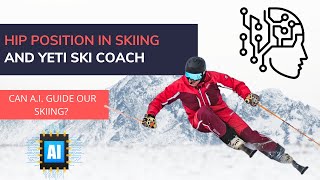
Ski coach Thomas Marnix explains why aligning your hips with your ski direction in carving turns generates more power, and why keeping your upper body downhill can actually push your hips outward and weaken the turn. Nick Abramov is building Yeti Coach, an AI app that watches video of your skiing and flags around 40 to 50 common errors, then prescribes specific drills to fix them.
Chapters
Hello skiers, welcome back to another episode of the Big Picture Skiing Podcast. I'm Tom Gellie, and today you're going to hear from a former guest, Thomas Marnix. Now, I love chatting with Thomas about skiing. He has some great ideas and thinking around how to get people moving better, fixing errors in their skiing using certain drills. He also just sort of thinks outside the box, so he's not someone that just takes takes what is there and thinks that's good enough. He's always trying to break new ground and figure out better ways to become a better skier. This is with the skiers he skis with as well as his own skiing. Now, if you haven't listened to the episode with him, it's back a few years ago, but just search Thomas Marnix. It's a really interesting one. He even talks about him studying animals and the way animals move around corners and that, you know, they don't angulate. So, why do we need certain amounts of angulation? That sort of thinking is, is the way Thomas's brain works. So, really interesting stuff. This time we catch up and hear about his sort of recent thoughts on helping people with the hips. So, the pelvis position, where it is aligned in all 3 dimensions. So, he's got some really interesting thoughts on that and exercises to help people get a better, stronger pelvic position. And what I found fascinating is I've also been on a path of figuring out this sort of stuff, and so have many other coaches around the world. So in Quebec, skiing with Warren Jobert, former coach of the Canadian demo team, he's been really sort of focused on the pelvic position and alignment there and having some great results even with World Cup ski cross athletes, as well as Jonathan Ballou from Aspen, also really interested in and focused on where his pelvis and body is relative to where the skis are. So, it's just sort of funny that all around the world, even though we're not directly talking to each other, there's this theme going on around the, the pelvis and the hips position and where the best place is to put it. I mean, not totally brand new stuff, people have been thinking about this for a long time, but I just find there's cycles, just like fashion, of what people are sort of focused on around the world. And yeah, so fascinating that all these minds are on the same track there. You'll also hear from Nick from Ski Yeti Coach, which is a new app coming out and is basically using artificial intelligence and machine learning and looking at skiing videos to figure out what you need to do to fix your skiing. So, Nick is working on this project and Thomas is actually involved in helping the prescriptive part of once it finds out what's wrong with your skiing, how do you give tips and whatever to improve the person's skiing. So, kind of fascinating stuff there, really worthwhile listening into what is going on in the tech world, because like it or not, in all industry, everything, machine learning, artificial intelligence is coming and it's coming really fast and is helping and also perhaps just changing the way things are really done. So, fascinating stuff listening to that. I'm just going to let you know, at first I was like, as a coach, sort of feeling almost threatened. That was the first thing, because of course if something's going to come out that can do my job and I'm not needed, I feel threatened. However, speaking to Nick and bringing this up, he actually puts my mind at ease and probably will put your mind at ease, because really it's more of a tool something that will help develop more skiers and help them get better, but there's still going to be a role for a great coach and great instructor out there, and it'll probably make it work even better with this tool. Alright, before we get started, just a note from myself about Big Picture Skiing, my company, an online skiing resource to help change your thinking and change your skiing. Hundreds of videos, just put out a couple of ones recently on the ankle and knee alignment, and it actually kind of ties in today's, with today's topic of the, the hip position with Thomas, as well as timing of weight shift and other things on equipment, getting ski boots right. I just keep seeing people not having the right fit and right alignment in their ski boots. Anyway, you can find lots of resources, great videos, learning that you can do off the slope so you can maximize your time on the snow. At bigpictureskiing.com. We also have an app for Android and Apple, so you can download offline for viewing later. So, fantastic resource there. Please go and check it out. And if you like it, you can use the coupon code PODCAST, all one word, capitals, to take 30% off any subscription. Alright, let's get into the episode with Thomas Marnix and Nick from Yeti ski coach.
Thomas, how's the season been? I know Europe in certain places hasn't had the best snow. How's it been where you, where you're based?
Well, I'm based on the glacier in Stubai, so yeah, this season the snow conditions are not perfect. I mean, in terms of amount of snow, but all in all, like skiing-wise, it's It's pretty good, I think, so far. Um, yeah, we are missing quite a lot of snow, but, um, I wouldn't say it was bad or it is bad. So like, yeah, off-piste or like freeriding is not the best this winter, but if you think about training on the slopes, I think it's pretty good now.
Excellent. And have you been running camps full, full-on, just back to back?
Well, I've been training myself. I've been helping people to get ready for different exams, mostly mountain guides getting ready for their exams on the skis. And yeah, yeah, like some camps, some, some private trainings, some trainings for myself. So it's been a busy season.
Yeah. And so what have you been— what have you been working on in your own skiing? Because I remember when we chatted, it's quite a few years ago now, you'd sort of been on this journey with— and, and a lot more about angulation— sorry, less angulation, more inclination. So where's the journey in your own skiing led to now that you're working to sort of perfect and refine?
Well, in last few seasons, I'm really getting deep into hip position in relation to your skis, mainly in the big radius turns, like especially carving turn, and how the hips affecting your footwork and actually how you how the, the general control over the ski is affected by the position of the hips. That was my— in last few seasons, that was my main, I would say, main, um, point in my own trainings and like talking to people and explaining these things to people and, and see how it changes the skiing.
That's tricky to maybe say this over a podcast, but starting with your own skiing and maybe one dimension— because really, I mean, being the ball and socket joints, three-dimensional changes are going on, which is why this hip position— I agree with you, it's, it's a really important one, but it's hard to coach and get people to, to get in the right one. Maybe starting with your own skiing, where have you found Yeah, what have you changed, maybe given— and maybe talk to us about the dimension. So like, you know, from the side rotated this way, or from above. So do you want to speak to that?
Yeah, well, um, most of the people think if we talk about the big radius turns, carving or skidded turn, most of the people think that, um, the upper body needs to face down the fall line always. And I was just trying to like play with the position of my hips, pointing down the slope, pointing in direction of the travel, pointing in different directions, and see how, how much power I can get from the, from that position and how, how much stronger I can feel on my skis. And I found out that, um, yeah, if you want to be, if you want to be strong on the skis, especially if you go faster, that position of the hip, of the pelvis, it needs to be like natural with your skis. Pointing in the same direction where the skis is pointing. And, um, and to me, I, I just started to feel much more stronger on the skis, and I could like really, um, use the, the shape of the ski much more and get, get bigger angles, get like more control on the steeper slopes. So that was, that was kind of a big opening point for me. And then I started to explain this thing to people just on the, on my own trainings and see if the people are getting the same results. And I was quite surprised that, um, it's actually, it's working because you are much weaker if you stay always pointing down the hill with your upper body, especially after the fall line closing the turn, if you are on the steeper slope, like, you, you're really just losing the, the power you can get from the, from the turn.
Yeah, definitely. And I mean, I think if people— I think skiers out there would have heard the term like stacking yourself, like get yourself stacked in a turn. And really what you're talking about is, is this linkage point at the hip joint that, like, stacking yourself really well there brings power. And I would totally agree, agree with this. Um, now which part— because I know sometimes you can get people to say change, so they're always facing down the hill, or their pelvis is facing always outside the turn because they think they need this counter and separation. That part is maybe not so— or changing the rotational alignment is not too hard. But then something I find— I don't know if you agree with this— when, when that happens, people then tend to put the pelvis outside the line of where the knee and, and shin is driving it.
Yeah.
So I've found it's hard to get that rotation so they're square to the skis, but then also get the pelvis laterally aligned so it's— so that— so the knee's not too angulated, so that— so they're in the right spot. Have you found any good drills, or do you want to speak to that part, how that part's gone coaching others with it?
Yeah, I actually don't really like the word angulation because, um, if I use this word with people, then I have to explain what angulation means, and then I think it's getting too complicated because I have to explain why we need it and, and then how to do it in a good way. So I usually, I usually trying to look for the balance and be like really balanced on the outside ski. And with what you are saying, that the hips are getting out of the, out of the turn, like kind of people are pushing the hips out of the turn, then immediately you are getting out of the balance. And if I think about being 100% of my, on my outside ski, then the hip, um, like needs to go laterally in, like slightly inside the turn. Just because, like, if you want to be in the balance, that's, that's the position. And I usually don't use the word angulation, so I, I just ask people, look for the balance, look for the, for the perfect position on your outside ski, and like, just feel if, if you are on, on the outside ski 100%. And that, and that brings— I think that brings The simplicity in the, in the way how we communicate in between each other without, yeah, without using the extra, um, extra like difficult words or difficult, yeah, difficult specific explanation.
Yeah, I've— I don't know if you find this too, but for the people, because I think that works. But there's some people who still, for whatever reason, their way of balancing, you know, when, when their hips are square, they tend to have the hip pushed out of the turn naturally. And I think even if you got them out of skis, that's like a habit they tend to do. So I don't know if you find that too. There's all— there are exceptions where people, their balance Yeah, naturally pushes the hip out and they kind of need to learn this, this hip inside the turn sort of sensation.
Yeah, for that, like, I— yeah, sometimes I get, I get, um, pretty hard time to actually change this. And what I found out is like jumping on one ski while doing a big radius turn, skidded turn is the best way actually to change it, because when you jump and land, it's pretty hard to land, um, pushing your hips out. So that totally— that helped me because like landing, um, well, jumping first of all improves the balance just in general. Like you are learning how to be in the middle of the ski in the middle of your foot. And then landing is the, the point where I ask people to pay attention the most. Like, jumping itself is not that difficult, but landing in the good balanced position would be the, the key for that.
Yeah. Now, how about your thoughts on the inside hip and leg position, because I've found that is just as important. And often that's actually the cause of the outside hip being in that weird over-rotated hip-out position. So yeah, you're shaking and you're sort of smiling there. Sounds like you, you found similar things.
Yeah, um, yeah, I always ask people to pay attention to the insides ski more than the outside ski. And actually, the inside foot, I think, is more important than the outside foot, because if you are like paying attention to the inside foot, then the outside foot will work anyways. Um, and yeah, in, in this case, if the hip is, is pushed out, I'm I'm also like asking people to kind of lift the inside part of the, of like the inside joint, the hip joint, like trying to lift a little bit up just to make sure that— because if you push your hip out, then the, the inside joint is getting down, like kind of.
Yes. Yeah. Yep, going, going the wrong way that you really want it to go for the power to go through that outside.
Yeah, and I usually— well, going back to the, to the inside foot, so I, in my skiing, I always pay attention that my, like, the pinky toe is always engaged during the turn, so I don't push on it. But I, I try to feel it in every part of the turn because that's how I control the position of my inside leg, and also that's how I control the inside hip. So like feeling that, that pinky toe during the turn gives me like the good balance on the outside ski, and that position of the pelvis is not not in the, in the bad position, because like in this case I'm not really able to push it out because then, then I have to use my inside ski more and rely on my ski, my inside ski more. And if, if I just pay attention to my like inside foot, then the outside foot is working anyways.
Yeah, it's, uh, interesting. I don't know if you also play around with one ski skiing or skiing more on the inside ski, but I, I use that a lot. And then I find when people try that— so say even if they just try turns, parallel turns, but the focus is more pressure on the inside ski or feeling on the inside ski than the outside— as soon as they do that, they tend to tense up that inside hip and that screws up the, the pelvic position, uh, on the outside leg. So I think, you know, some people go, oh, if I just practice one-ski skiing or inside-ski skiing, I'll get better. But there are some nuances to that inside-ski skiing. Like, you have to, you have to let go of a lot of the hip muscles to allow the pelvis to kind of stack better on, on top of that. What's your I think thoughts on that.
Yeah, one ski skiing is perfect. And like, you ask me what would be the best drills for the short turns, and actually one of my— well, the answer, one of my drills what I use the most for my skiing is one ski skiing. But if we talk about big radius, I think one ski skiing is good in terms of fixing your hips in the, like, in the direction of the, of the travel. Like, you— it's really hard to turn on the inside ski if you are not square with the ski, packed as you say. But also, as you said, you have to use your pelvis in a slightly different way in terms of angulation and, and inclination. And that's— if you, if you understand what is good in this drill and what is not really good, then I think it's, it's perfect. Because once you're skiing, it's like developing like many things. Yeah, if, if you just can get from, from that drill, if you can just get the best out of it and forget about the rest. I think that helps a lot with the regular skiing, the general skiing.
Yeah, well, I know that a lot of the, some of the pro athletes that I've interviewed and had successful careers, they all speak about one-ski skiing as being like the best drill for helping them improve. And, uh, yeah, it's interesting you use it in the short turns, uh, as well, because I find like the transition linking from outside foot to inside foot and how that movement occurs, that, that's where it breaks down for so, so many people. Because it's easy to just go outside foot to outside foot and then leave that, that old outside ski just dangling and pick it up and do whatever. But if you have to learn to to guide it, balance on it, move it properly. It really sort of fills in a lot of gaps for people of what, what they should be moving and doing in the top of the turn.
Yeah, I think that on one ski, that transition is like one of the most important things you actually learn from, from skiing on one ski. But I also find for the short turns, I find that um, you are learning so much about the right amount of movement on one ski. Because if it's easy to turn on the outside, but then as you said, transition, and then the next turn when the, the ski is inside ski, then if you are rotating too much or doing too much in the previous turn, then it's like really hard to deal with that in the next turn. So I think one-ski skiing is like also really good because you are learning how to do the just right amount of movement, right amount of rotation, right amount of getting on your heels in the— on your heel in the end of the turn. Because if you are doing just exaggerated moves, then it's really hard to deal with that in the next, next turn or the other turn. But it just, yeah, it gives you the, the idea how much you have to do it.
Yeah, totally. So that's one drill you like to use for short turns. What, what else have you found has been a useful or go-to drill?
Yeah, I, I don't know how to call it properly, but I call it the cowboy turn. It's where you get like in a really wide stance like really wide position of your skis, but trying to keep the skis flat. So you can get like even wider, but then your skis are getting on the inside edges. So this is, this is not what I want. I want to be like in a really wide position of my, of my legs, but keeping the skis flat. And then from that position, it's, it's really weird position to turn. But from that position you try to do like medium or short radius turns. And what I found in that drill the best is that you cannot twist your skis like quickly because this is, this is like really weird position. I hate this drill because it's difficult to do in a good way, but I also like really like it because because of how much I get out of it. And what the main focus would be for me in that drill is to stay on the parallel skis. This is really hard because the— if you are in the like really wide stance, being low with your, um, center of mass, then the outside ski is really easy to rotate, but the inside ski is just like— you struggle to rotate the inside ski. And then you have to change the edge with your foot. And that's, that's the hardest part of that drill. And I find it like really, really useful because, um, yeah, most of the time I see people skiing short turns and then at the beginning of the turn you get, you get the snow like little snowplow position because the outside skis is rotating quicker than the inside ski. And I think, like, to me, that the best— well, one of the best, or maybe the best drill to get rid of it is actually to activate your inside ski. That cowboy— I call it cowboy turn because, yeah, it looks really from the, from the side, but people like getting in the weird position and trying to ski in that position, but I think, I think it's— well, in my skiing, it helped me a lot to actually activate the inside foot at the beginning of the turn, then keep the skis parallel through the turn.
Yeah, it seems like just thinking about that too, the really forced wide feet, yeah, also helps you at a certain point, your hips in the right position, because it's inside or the foot's outside already. So when you get to the right spot, yeah, probably where, where the pressure usually comes in a short turn, like foreline and afterwards, your hip's already in the right spot. So it'd probably help a lot of those people that have that hip to the outside.
Yeah, in that, in that actually drill, I'm trying to avoid, uh, putting my skis on the edges. So I'm trying to do turns on the, like, flat ski—
on the bases.
Yeah, on the bases. Exactly. Well, it's, it's not flat, like totally flat, but I, I try to avoid putting the skis on the edge because the key for me from that drill, what I can get the most, is that, that rotation of the both foot together. But yeah, and as soon as you get on the edges, it's really hard to rotate the inside, uh, foot. And so, yeah, like, being on the bases is, is important, and then trying to be on the parallel skis is the goal.
Nice.
Yeah, sweet.
So, Thomas, we've got Nick here. A project you've been working on in the last few years is, uh, is Yeti Coach. Y-E-T-I Coach. I'm going to pass it to you guys because this is definitely out of my depth. It's in my interest in terms of it's, it's analyzing skiers and helping skiers, but there is artificial intelligence and, and software and computer stuff going on. Thomas, do you want to do a quick intro and then pass it over to Nick, who probably will be able to talk of the technical stuff more? But yeah, what is YetiCoach?
So we know each other with Nick for, yeah, some years already, and he was skiing with me many times. And then I think he's like pretty cool computer guy. Well, he helped me a lot with my computer. But, uh, yeah, we came out with this idea to actually create a pretty cool, um, yeah, pretty cool thing, tool to learn and improve your skiing. But I, yeah, I would, I would pass the, the microphone to Nick because he's the— he knows how to explain it in a, in a simple way.
Oh, okay. Thank you, Thomas. Thank you, Tom. Let me, you know, just make a quick, you know, introduction of myself. My name is Nick Abramov. I have a PhD in computer vision, and I'm an alpine skiing enthusiast for more than 27 years. Of course, I'm not as good as you guys as regards to skiing technique, but I'm really eager to learn, and I'm also a big fan of sports, but as it turns out, and my life is in a way that mostly I have, you know, a mathematical education. I've done a lot of things with computers, with computer vision and everything. So, you know, not to overstay my welcome, the main idea right now is that there is a thing called an artificial intelligence. Everybody thinks that it's a thing like in The Matrix. Yes, it's like, you know, it is a global thing that can do anything that, you know, a man can, that human brain can do. Actually, computers right now can do similar things, but not, you know, a real powerful artificial intelligence. But for example, if you send a show to a computer, a lot of pictures of a banana, for example, it can identify these pictures much better than a human right now. But if you show to this software something else than a banana, it may be not as good in it. So we're talking about, you know, small parts of technology that's available for us. The recent thing that maybe you've heard of is ChatGPT. It's a real-life chatbot that you can talk, you know, and, you know, ask it to write for you a letter or something like it. So basically we are doing a similar thing but with the videos of alpine skiers. The main idea is to feed the neural networks a lot of images and videos of alpine skiers doing different turns Then we identify the position of each joint of the skier in each part of the turn, and based on this, you know, position relative to each other, to the skis and everything, we identify the mistakes. Stop me at any moment if I'm saying something, you know, too—
actually, okay, I got a question. So then You have, say, 300,000 videos of short turns. Do you have to go in? You probably don't have to do all of them, but you have to go in and tell it, we like this one, or? Yeah. So you put, you plot the joints on and then you start telling it, we like this, this, this, we don't like this one.
Yeah. Okay.
Keep going.
Basically. Yeah.
Yeah. Yeah.
Tom, it's an amazing question because the The things we do in, you know, from a mathematical standpoint and view in the computer science is called deep learning. Basically, we are trying to imitate what a brain does, but, you know, in a bit different way. It's a common mistake to tell that these neural networks that do this understanding of what we're actually doing is the same the computer brain. They are not. It's sort of like it, but it's not, you know, just to educate a bit your listeners. So the issue with all this deep learning stuff, the main issue, that it's really difficult to train it. You need a lot of data. Why, you know, we see the surgeons of all these technologies right now? Because you have all the data thanks to Google, thanks to, you know, all these big chunks of data that are collected through the internet. And with our task, we also need to analyze a lot of different skin videos. And in all this deep learning, you have to mark it by yourself. So you— it says exactly as you said it, you literally hundreds of thousands of videos of still images, and on each you must show, uh, the, you know, the mark, the position of the joint, and tell what we do correctly or not. For example, there is a common, uh, mistake of A-frame when the, you know, knees are together in the turn. Of course, you both know this mistake really good. And there are some freely available frameworks. For example, one of the most famous ones is Google MediaPipe. It's a simple program, you feed to it a video of, you know, of a working human and it shows you all the joints. Basically, if we feed the skin video of an alpine skier, it will you know, simply detect all the joints and it will show that the knees are too much together because we will see all the, you know, parts of where the head is, where the legs are, where the hands are. And for example, for such a simple and easily detectable mistake, it will be, you know, easy to detect automatically. And the idea is to move it a bit forward because, you know, being a a good student of Thomas, I know that he has a really unique teaching method and he can explain all the things really clearly and technically, you know, in a way that it's easy to translate to the computer language. So you can— there are— there is no magic, you know, in this or in all this computer stuff. You need to explain it on a really a detailed and technically accessible level to a computer to, you know, to understand this mistake. And we, with this technology, we want to do two things. One of them is to make a mobile app to which you can upload a skin video of, you know, of your friend, of yourself, and then it automatically processes it and gives, you know, a detailed report. And the second, we want to do a system that you can install on a ski resort. I know for sure many of your listeners have used the SkiMovie system that's installed on many ski resorts where you can, you know, where there is a test slope, you just drive through it and then later with your ski pass you can download how you, you know, were on the slope with, you know, just video and without any analysis. We can do the same thing but with a really good analysis. So we just install a video camera on the part of the slope and we can analyze all the passing skiers and give them really detailed review. And the idea is to transfer all this, you know, knowledge of Thomas, of all this, you know, modern skiing technique to the system so we can detect for about 40, 50 different errors Basically, as an experienced instructor, more than experienced, you know that it's really hard to— they're not that, you know, they're not that many, that 50 different errors basically, but you need to, you know, to detect them in a correct order and to give correct exercises to, you know, improve on these errors and, you know, make them go away. And with our system, you just, you know, passed near a camera, download this report, and for each error you also get a detailed number of exercises, exercises that you should do to improve your skiing. So right now the technology is there to make a really good video analysis free, basically free, so you don't need, you know, to sign up for Tom Jelley or Thomas Marnik's course, you know, you know, staying live, you, you, you, you just get— you will be able just to get the same, you know, evening in the alpine shelter experience of video review but straight into your app in just in a few minutes. So right now it is doable, the technology is there. Uh, we already have a lot of interest from different resorts and schools and in a process on finding angel investors and venture capitalists. Uh, so right now we are raising money for this, uh, project.
Sweet. So the few things come to mind, obviously being being a coach, and I'd say a lot of people listening could probably maybe feel the same thing. The first thing is computers taking over. You feel threatened.
Yeah.
So, so, you know, what's, what's your response to the people that are threatened by the, by the technology?
You know, at the beginning of the 20th century, 97% of the people of Earth were working in agriculture. So right now we have a completely different economical situation, and of course there will be a huge change in how people learn things, how people do things with all this technology generally. If we are talking about the sports technology and all this, you know, there are a lot of apps that try to analyze your golf swing. There are apps for tennis right now. There are apps for, um, you know, squatting, you know, for heavy lifting. But unfortunately, or maybe it's still good, that all this, um, automated stuff didn't give you, um— it's, um, still limited in, uh, you know, in the, um, level of personality. For example, this ChatGPT online thing that everybody uses to write emails, to, you know, to make introductions and everything. For example, if you ask it to write you a joke, it still writes really bad jokes. So don't feel threatened by the technology. It will change how you teach people for sure, it's, it's out of the question. Uh, if not us, but I still hope it will be us, in a few years there will be a technology that will analyze all these alpine skiers' videos really with really good detail. But it still be a bit general if we're talking for, for example, the really high level of professionals. Uh, it still will be, you know, too bad a lot of people, uh, will be, you know, using it for, for example, something, um, you know, just to improve their skiing, on just what to do on the slope if they, you know, come to the, uh, resort just or alone, or, you know, without, you know, uh, idea, you know, that I'm gonna learn a lot, but they decided, you know, to, to, to, to try, uh, something. But we all need connections, and without, you know, this group learning, without real-life experience with the coach, a lot of people will still not be satisfied with, you know, completely using the computer. But just to add one more thing, right now you can learn, for example, Tom, you know, 10 people in a group, maybe 15, or maybe you take even smaller. But with this technology, you can learn a few thousand people. You just, uh, add your, uh, ideas of what's wrong, what it's right to these neural networks. They detect your idea and your way of skiing in the, you know, videos of your pupils. And, uh, you can make a big chat or, you know, something like a group where the details they can discuss with you, and they will pay you for, you know, the ability to not, you know, to sign up for your course, to, uh, you know, to get to your resort or something like it. You will get bigger opportunities. So don't, uh, don't be threatened. Just, uh, use it, use it for your own good. But the bad instructors with a low level, they will have a bigger problem because it will be much more convenient to use an app inside the phone. Or for example, you know, this system that we installed, those will be installed on the slope. It will give you a better advice, especially for beginners with, you know, really common and simple, common and simple mistakes. So it will help you.
Yes. So cool. Yeah, in summary, that, that's, that's helped me. I'll quickly say, and then I'll pass to you, Thomas, but I can see some good points there. It's, it's, it brings the level of, of skiing up. I would say that's the first thing I would sort of think of. If more people, you know, they go on a ski holiday for a week, they get the app, and they film their wife or their brother, and they're like, oh, this is your problem. Boom, fix it, get some simple feedback. So, so that's, you know, more people are enjoying and realizing that technique is, is important. Because I would agree, there's, you know, people out there I don't think realize that getting better at skiing technically is really fun and rewarding. And the ceiling is also extremely high, as probably Thomas and I could— you are still working on that perfect turn, and we have a lot of resources a lot of practice. And so working, working towards that high ceiling is, is fun and probably never-ending. So I get that, uh, that part. So that's really cool to hear. And the fact that you said, you know, it's— I think Thomas said in the beginning, it's a tool. And so the good people will adapt and go, great, here's a good tool to help analyze it. But just like I can see in my own skiing errors the solution to fix it sometimes takes a long time. So, so it's just another helpful tool to, to get a, get an idea of, oh, did you realize compared to 550,000 skiers, your right hand is in a really weird place compared to the top 2%? And, and that sort of stuff. So yeah, so I, I love that, and I can see how it's just an evolution You've probably— it's coming whether you like it or not. You either get on the train or you miss the train, in a way. Yeah, Thomas, I don't know, you said you were going to say something.
Yeah, another thing is that if we, for example, choose randomly 1,000 people, how many of them would like to be Level 4 ski instructor. So I think the main, main part of this people, they need to get just like few tips how to improve the skiing and they will be happy already. This is what I see in the ski resorts, that like how many people go. And if you, if you want to become a World Cup skier or a Level 4 ski instructor, you will have to find a good coach anyways. So with this, with our idea, you won't get to the top of the World Cup, but for most people, they don't want to be a World Cup skier or Level 4 instructors. So they want to have fun on the skis, they want to get slightly better on the, on the snow, and they already enjoy the skiing. And I think this is like, you don't have to be stressed, Tom, but the technology is coming. But, uh, as Nick, as Nick said, it will be a little bit harder time for those instructors who are not, um, not highly qualified. But for like good coaches, good instructors, I think this will be also the tool which can be used in the, in the training process.
Yeah, well, I know, I mean, if I speak, I know like something like Carv has brought more people interested in carve, like, like carving skiing, because I think in general skiing's gone more down the road of fatter, wider skis and everyone's skiing off-piste and rocker makes it easier, but techniques probably have dived a little bit, and something like that has brought more people interested in working on that part of their skiing. And so sort of, I would say the same, same thing. If people realize there are these things going on in their skiing and they get intrigued on how to fix it, then yeah, it'll help feed more people into good coaches' sort of arenas and the possibilities. I mean, yeah, possibilities like online video libraries like I've got have become a great, great resource once you figure out, you know, it's telling you these things and you're coming up with, yeah, maybe a dead end. So yeah, it's cool. Nick, do you want to speak to anything more there?
Yes, for sure. Yes, it's, you know, a really good point by Thomas. For example, I'm something, I'm something of a ski instructor myself, as you know, this famous meme from Spider-Man. Uh, for example, uh, I have a business partners and we were some, uh, once on a trip and I just showed them a couple of exercises from the Thomas's, um, uh, you know, learning program at, uh, and, um, I they just found a couple of exercises, um, useful and they were completely satisfied. They, of course, they didn't become the world-class skiers, but they just, uh, but they just started having much more fun because they improved their stability, they improved their speed, and that's all that they needed. And through this app, I believe we will help people to find their exercises that will help them have more fun. Of course, there are guys like, you know, you guys, like me, you know, that's, you know, big fans, you know, big enthusiasts of skiing and everything. But, uh, for most people, it's just, it's just fun, it's just leisure. And they want to, you know, feel more stable near. And with this technology, uh, they can also be able— and it's really important what Carve does— they have this leaderboard of, you know, level of skiing. Of course, this SkiIQ is, you know, differs from— I believe Thomas last year was in top 1 or top 3 at one time, then it changed., and with this technology we will also be able to add this, um, championship-like, um, thinking to people. You can, you know, after, you know, uploaded your video or, you know, um, right near the, uh, camera installed on the slope, uh, you will get your skin assessed and for many people it will be the main idea. We are all constantly discussing how to improve our skiing, how to improve our turns. There is a good saying: how many ski instructors do you need to know to change a bulb? 3. 1 is changing and 2 are discussing the turns. So, so it's the same mentality here. We are giving people a way to talk about their turns, to assess their level, maybe ask their instructor, hey, you, how good are you? Please upload your video and let the neural network decide which mistakes you are making inside in the turns. It also helps to filter the bad instructors and this technology Of course, we are talking about alpine skiing on this podcast, but it can be applied to many other, you know, sports. And you have, you know, this sports companion. For example, I do a lot of basketball here. I like to train and I just, just, just use the app, the similar as your project, the Big Picture Skiing. I just have a video library of exercises and I have quick access to them and I, you know, decide which drill to do today. But if, for example, I will be able to upload my video and it will give me an advice how to improve, what exercise to do today, it will help me a lot. For example, I know today I tried, you know, wake surfing. At first I have uploaded, you know, video of my wake surf and they just gave me 3-4 points. I, you know, wake surf 4 times a year. But at least it will help me. And this— there are a lot of tech apps, you know, sports apps, but unfortunately they are not making a lot of money because, you know, they, you know, only, you know, big projects like Strava, you know, financially successful. But there are a lot of money getting poured into the sports techs, and I believe the future is with an app that can— you— that you can do any sport you just, you know, add your photo, it will analyze your weight, your, you know, posture, which, you know, sport is better for you. And like a companion, you can chat with it, you know. And, you know, for example, you're in a ski resort, it helps you with skiing. You're now playing tennis, it helps you to improve your, you know, swing, and golf, etc., etc. So the future is with an app that will give you at least decent level of experience with a personal trainer. So I believe it's the future.
Yeah, no, it's, uh, it would be cool. I mean, I just, I'm thinking if I could add that as part of big picture skiing, it would be like you said, the basketball thing. What am I doing wrong here? It gives you 4 things, 3 things, and then, you know, you've got a few ideas from the app, but then if you want more, then you can Yeah, it sounds, sounds really cool, Nick. So what are you— you mentioned you need venture capitalists, investments, that sort of stuff. Are you looking— because I know we've discussed this before— are you looking to go down the road of working with ski resorts? Are you looking for— yeah, is it— or are you just open to anyone?
You know, there is a good idea right now because we need— we want to focus on alpine skiing at first because we know how to do it. We have, you know, developed algorithms, we already partially trained neural networks to do the stuff correctly right now, but unfortunately the whole field of ski industry in Europe and US, I've already contacted a lot of people inside these industries, they're really closed. In Europe it's really diversified because one man owns the resort, the other owns the ski school, the third one owns the rental, and it's different. In US it's one big conglomerate that owns everything on a few resorts, and they're really— but it's really hard to get to all of them. So we are completely open right now to, you know, any people who are interested in, you know, testing, piloting, and or maybe investing in this technology. Because even my really expensive, really experienced venture capitalists that we are now working with to, you know, that they're using their network, uh, of, uh, they're telling that they're really surprised of how closed this, uh, market for the new ideas. Maybe that's threatened, maybe they just don't know, don't want to try new things. So it's really difficult to push that idea, I have to be honest here, because I haven't had in my life such— because I'm in the business for more than 10 years, I've developed mobile apps, used to, you know, do different things, and And generally the industry in other fields are much more open because they need to improve, to iterate. If you are not running, you are getting behind. But here we are having a problem, you know, getting in contact with all these ski resorts, ski schools. So if anybody is interested, I hope, Tom, you will leave some, you know, contact or email in the podcast. We are open to, you know, to work. With anybody right now. We have some interest, we have a line of investors, but it's still too small.
Okay, cool. Hey, Thomas, anything now you've heard Nick speak? Because I know you're involved in the prescriptive fixing side. You've got all these videos coming in and this is good, this is not good. And then the app is going to say you've got an A-frame or whatever it is. How's it been for you on that side of things? What's your experience? And maybe if you want to speak of a couple of things that have surprised you perhaps or been like, wow.
Well, yeah, we started to talk about this idea a couple of years ago and actually the The reason why we started was that I am, I am analyzing a lot of videos from people who are training with me or who I'm trying to help, and also my own videos. And it takes, well, from my side, it takes so much time. Well, you know it for sure, um, it takes so much time. And, um, but as we spoke at the beginning there are not thousands of mistakes. So like, if we think about 100 people, most likely you will see the same mistakes from like pretty much all of them, right? And, um, so this was the beginning of the idea, oh, maybe we can, we can create something that will analyze the video, um, for, for me and for many people at the same time. And what we— Nick didn't mention what we are thinking, that I, I won't be the only guy who will be detecting and teaching the software. Um, okay, because I'm, I'm not the only guy who will be deciding this is the good way of skiing, this is wrong, or this is that way. So what our idea is to in the future to collect, um, a good team of, of people, of professionals who will be working on the same idea and, um, like detecting what, what is the good way of skiing, what is the, the way of skiing which needs to be changed. And this team of people, I don't know how many, 10, 20, maybe 20,000, I don't know. We see in the future. But, um, more, more opinions we will have, smarter the software will be.
Yeah, yeah, like the— yeah, exactly. Okay, that's cool, that's very cool.
The way, the way I see skiing maybe is different from, from yours, and, uh, if we combine and like discuss things that maybe we can come up with a good idea in between two of us. And then if you have— if we have 1,000 good instructors, there will be much more, like many, many ideas of the way to change the certain mistake or the way to improve the certain thing. So I, I really hope And I'm really positive about how in the future how this thing will work, because I'm pretty sure we can get like good ideas from good skiers all over the world.
Nice. Can I add a small thing? It's a really good thing that Thomas said it because If not getting into details of convolutional neural networks, that's a thing that is used for analyzing the videos. But the idea of a lot of different people putting their input and explaining to the neural network what is good. If you try to analyze this big, how this neural network works, you will not be right. Because for example, if you think, you know, basically, you know, if the first part of neural network will focus on, you know, of the hand position, something like it, you know, and, you know, some others here, you know, think that, you know, the first part of a good turn is, you know, hip positions or inclination or angulation. Even you try to analyze how the final neural network that works correctly works, you can— you often cannot do it. It shows really random stuff but gives you amazing results, and mostly it depends on the quality of the training. So the idea of Thomas is actually responds really good with the math and the technology that works behind there. All this, you know, this neural network stuff, because the final product is mostly a black box. You know the parts of it, you know everything, but the more good input it gets, the better it— why we have, you know, this emergence of this ChatGPT and everything, because people figure out ways to, uh, train these neural networks really good, you know, in, in the simplest terms possible. And the more people giving their good input to this project, and we of course invite you, Tom, to, to, to do it if interested and everybody that, you know, have a good understanding of, you know, it will make the final product better. And even if you try, you know, to, you know, to separate these different parts of neural network, you won't be able to do it because it's sort of like your brain. Yeah, psychologists and, you know, neuroscientists still understanding, you know, which part of brain does it For example, this, you know, there is a really common mistake that, you know, right hemisphere of the brain does this, left, you know, you know, one is for artists, the other for the, you know, mathematics. It's completely wrong. You know, there are— it's still really difficult to understand what actually this, you know, black box does. Of course, we know, you know, some parts and everything, and Thomas's idea is you know, it's really corresponds well with the technology.
Yeah. Cool. Because I know just thinking about my evolution of coaching and analysis over the years, what I learned to see, like, I can almost. I watch a video. Someone shows me a video of their skiing, and I can almost tell my brain is going through just like flipping through, like is it, this is this, this, this is this, this, this, this, this stands out. And I know possibly in the past that's standing out. I've gone, hang on, that person doesn't know about this element of skiing. You know, I, I can tell they know about rolling the ankles and knees and balancing on the outside ski and, and, and edging here. But yeah, so it's just exactly the same thing why it's called artificial intelligence, machine learning, because it's the same way we learn. We just go through, we, we see, does this, do we know this? Does this result in good, bad? And then keeps evolving. Yeah.
Yeah.
Yeah.
Yeah. Yeah. And this final product can be, you know, smarter in a way, in a way, not in all the ways, but generally it can give a really good advice, even better than both of you does. But it doesn't mean that you won't have any pupils or, you know, any students. It just will be— it will be a different, uh, and, uh, really, uh, good, uh, system that will help people to improve their skin with its own audience, basically.
Yeah, kind of take— the first thing is I realize it takes some of the emotional side out of it, for sure. Even cognitive, like biases we have. Oh, I like this person, I don't like this person, so I'm not going to tell them, or I'm going to You know, and I know that we, we don't mean to, but that's just human nature. We, we do things like that. So it would eliminate that.
Yeah. One thing, well, to me, what separates the good instructor from a bad instructor is not that the good instructor is smarter, is the experience. Like, as you said, um, like, the, the good instructor is having experience, and he or she have seen so many different people, so many different ways of, um, mistaking or like doing good on the skis. And you know, the good— the good instructor from the experience can tell, okay, this tool or this drill would be suitable the best for you. To get rid from, from this mistake. And the bad instructor is just using the basic, basic knowledge from the whatever first level course, even down to like maybe even not even just experience.
But as you said, your point about not just having you as the input of machine learning, but hundreds of other perspectives, just like Thomas and I have not been at times satisfied with the types of answers we've been given for this is how your body should be for a long turn from one particular perspective. We've gone out and gone, hang on, but I see it different here, and that person's skiing better. I'm gonna go ask them their thoughts. So I think that experience part— I would also add, good— a good coach has experience, but also a vast amount of different perspectives and input on what they believe develops a good ski turn.
Exactly, yeah.
Yeah. And can I add one more thing? It's a really good point about this, you know, this— your experience, and also what can we do um, because we will, uh, see this, you know, videos and how these exercises that we recommended, if, you know, the person does them correctly, we can see how his skin changed from, you know, one video to the next one after he done our advice and everything. So we, we, and we can also use this information and to improve the algorithm. For example, right now, uh, there are neural networks that analyze the, uh, the, uh, CT scans of people and their, you know, internal organs, uh, better than experienced, uh, doctors. But that doesn't mean that we don't need doctors anymore, you know, but it helps them a lot because he will have an input from the neural network, how it, you know, define this, uh, you know, you know, humor to be, you know, good, bad, or something like it, and make his own decision much better.
Nice, cool. All right guys, well, I think we should, uh, wrap it up here. That's a good point. I think there's a lot of things for people to be taking away and thinking about, uh, from this. Certainly got my brain wearing. So, um, Thomas, thanks very much for, for your time and, and the catch-up. And interesting to hear about your, your sort of recent focus on, on the hip position. Would totally agree. I've been sort of trying to help people with that part too and playing with my own, own skiing with that. Nick, thank you for sharing the, the Yeti Coach and, and the, uh, the insights into artificial sort of machine learning around, around ski technique. Really exciting stuff. I will leave in the notes at the bottom a way to get in contact with Nick, but is there a website people can go check out to see a little more?
Yeah, yeah, there is a website. It's— I will also send you the link. It's yeti.coach. It's, you know, pretty, you know, Not to spoil it, I will just send a link to you. And of course, we are completely open to any collaboration because we're still in early stage, but we believe in couple of years we can make a disruptive innovation in alpine skiing, and we really want, we really want to do it.
Fantastic.
Excellent.
I will leave that there. Thank you very much, gentlemen. Have a great day.
All right, Tom. Bye.
More from Tom



Most skiers overlook how they use their poles. Try these five pointers next time you’re skiing.







