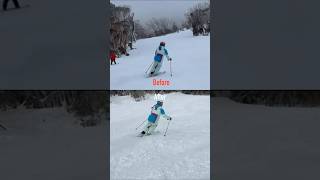
In this instructional video, Tom Gellie explains what ramp angle is—the difference in height between a ski boot’s heel and toe—and how it influences a skier’s balance, edging, and overall control. He challenges the common belief that a larger ramp angle promotes a more aggressive stance, showing that excessive heel height can shift ground‑reaction forces toward the heel, making it hard to pressure the front of the foot and leading to toe‑clawing and ankle strain. Tom demonstrates a real‑world case where a skier with a 5° ramp angle struggled to engage the front of her skis despite years of effort. By creating a simple cardboard shim to lower the front half of her footbed, they reduced the ramp angle to about 2.5°, resulting in immediate, noticeable improvements in turn quality, grip, and confidence, as confirmed by the skier, Jenny. Tom then offers a quick DIY test—cutting flat cardboard to place under the front of the liner—to let viewers evaluate their own boot setup, while also recommending a professional boot fitter for a permanent solution. He encourages sharing the video to help other skiers improve their stance and performance.
Chapters
The drastic difference between this skier's stance before and after was purely down to ramp angle. It's for sure something you want to check yourself in your own ski boot setup because it will make a big difference in your balance, your edging, and just control on the snow. Ramp angle is basically the difference between the heel height and the toe height, so the bigger the difference, the higher the heel or the lower the toes, the more ramp there is. The general assumption is more ramp angle actually tilts you forward and helps you have an aggressive stance. This is not the fact. Just look at this video where I've tilted the ramp the other way. I actually move my body more forward to counterbalance ground reaction forces when the ramp angle is reversed. What I find is the ground reaction forces go through people's heel more as the heel is more elevated. They find it difficult to pressure the front of the foot and often are clawing at their toes or just feel like they can't get much pressure to the front of the ski. This was exactly the case with the skier you're watching in the video. She'd been trying to flex her ankles, trying to get forward, trying to get the skis to grip for many seasons, yet she had a boot with 5 degrees of ramp angle and really couldn't feel the front of the ski engage much. She was clawing her toes and actually had sore ankles from trying to flex them so much. So at lunchtime, we went in, had some food, and I ended up ripping up some of the food containers we were eating from, shaping that to the front half of her footbed. So essentially leveling out her ramp angle to about 2.5 degrees instead of 5. She went out and instantly made these better turns, feeling so much more in control. Let's hear from Jenny.
So what did that feel like? Oh, amazing. Yeah? It feels so good. Like more grip, more in control, angles are working. All the things people told you. I'm actually flat now. Yeah, my feet are flat.
Very cool, she was stoked. Now don't take this as right or wrong. I want you to go test this for yourself, and it's very easy. You can just chop up a bit of flat cardboard to put under the front half of your footbed inside the liner to help level out that ramp angle. You can make a more permanent change by going and seeing a good boot fitter, but for now that'll help you determine if it's right or wrong. I do it to my own boots, my my son's, my wife's, many other of my students as well have had some great success and better balance and all skills improving through having a flatter ramp angle. I hope this video helps. Please share it with anyone that you think might help improve their skiing.