Legends & Lost Stories of Skiing History
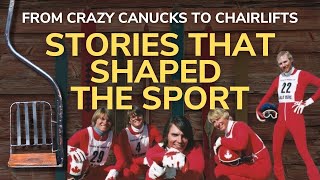
In this episode of the "Legends & Lost Stories of Skiing History" podcast, host Tom Gellie chats with Blake, known online as Old Bald Skier. The conversation weaves personal anecdotes, historical curiosities, and a call to action for the skiing community. Blake explains his passion for uncovering forgotten ski‑shop origins, the quirky beginnings of ski‑run difficulty colors, and the legacy of Canadian pioneers such as the Crazy Canucks and Shane McConkey. They discuss the creative process behind Blake’s 90‑second Instagram videos, the challenges of condensing rich history into bite‑size content, and the importance of visual storytelling through photos. Tom encourages listeners to visit local ski shops, ask shop owners about their family histories, and engage with the channel’s social media to suggest future topics. The episode closes with mutual appreciation: Blake credits Tom’s YouTube drills for helping his kids improve, while Tom highlights the podcast’s role as a portable ski‑culture conversation for families and friends.
Chapters
Skiing has some really interesting stories in its past, and on today's Big Picture Skiing podcast episode, that's what we are going to delve into and find out more about. Because I think when you visit somewhere new, say I'm going to a new ski resort or a new ski town, one of the things I love most is finding out about what makes that culture, that community, that place, uh, special and unique. And a lot of, uh, how that's shaped is from its past. The influential skiers that used to ski there or visited there or built some type of infrastructure. Perhaps it was the first chairlift. All those things sort of lead to making that place unique and that place the kind of place you want to come back to and love skiing at. So today's episode, I found someone and his name is Blake and he's better known as Old Bald Skier on Instagram. You should go check him out. You'll find out some great stories today from him. But I was intrigued by his way of, of short-form storytelling on Instagram about some influential skiers, ski racers, free skiers, as well as sort of some fun, interesting facts like how we got like the green circle to black diamond designation of ski trail difficulty. There's a really cool story you'll find out about there, and even down to like how bananas actually helped shape how we ride chairlifts today and not just T-bars and surface lifts. So, I guess this podcast is a storytelling one. I hope that it encourages you to perhaps take a keener interest in your own resort or perhaps your favourite resort or skiing history in general. Ask questions of people that came before you, like what was it like? Why did their— why did their runs get built this certain way? Why are we skiing with this type of style today? Who, who are the figures we are standing on the shoulders of before us to help us get to where we are? So, uh, this is one really sort of dear to my heart. I love skiing history. I love finding out about what happened before me because that's definitely shaped, uh, how I am, how we all are as skiers today. So I hope you enjoy this episode of the Big Picture Skiing Podcast, where we take a look at some stories from skiing history and how they've influenced where we are today.
Blake, how did you get into skiing history? Was it something you stumbled upon or a passion from an early age?
Yeah, that's, that's kind of a cool story that comes along with that. So, um, my my buddy Steve, who actually owns the ski shop that I'm in right now in Thunder Bay, it's called the Ski House. So his family started this in like 1963. His dad started this in 1963. And so he's been around skiing his whole life and he knows skiing better than anybody, probably, you know, well, definitely better than me. Maybe he loves skiing more than me. And anyway, he was at the Calgary Ski Show and he was dealing with a rep at this, at the Calgary Ski Show. And they, this rep was taking over an account from, from an, from their, their, their senior rep. And Steve was saying, he's like, do you know who your senior rep is? He's like, gosh, she's so wicked. It's, that's Lele Morrison, who's now Lele Henry. And they're like, okay, yeah, we know Lele. And they're like, yeah, but you know, she was in Maltese Flamingo with Glen Plake. And they're like, well, who's, who's Glen Plake? And he told me that story and I like it. It kind of made me not angry, but like, it just blew me away. 'Cause like, I mean, I grew up in the, in the, in the '80s and '90s and like Glenn Plake was the man. Glenn Plake, Scott Schmidt, like those guys were, those were the guys. And like Maltese Flamingo and Blizzard of Oz, those, those were the movies. And to think that there were these super influential skiers that weren't known to like the current generation of skiers. Kind of bothered me. And I thought, okay, if that's the case for these skiers, these guys who are in the industry, I must be, I must be missing some people as well. And so that's kind of where I got into like, well, let's talk about like the most influential skiers of the last century. 'Cause we didn't just wake up here with, you know, fat skis and, and, and carving skis and amazing technology. How did, How did— and culture, like, how did, how did we get here? And that's kind of, kind of how I, how I got down, down into that. Yeah.
Yeah. And we live in an age now where you can take that idea. You don't have to wait for some TV show or the radio station decide to do something. You can take it on yourself. And, uh, because that's how I found you, that, um, you had the, the post on Instagram And by the way, Old Bald Skier is Blake's handle. But you had this post about the Crazy Canucks, and it was just really in 90 seconds, you kind of did this great little piece on them.
Before 1975, not a single North American skier had ever podiumed at a World Cup downhill event. But that all changed with Ken Reed, Dave Irwin, Dave Murray, Steve Podborski, and Jungle Jim Hunter. But you probably just know them as the Crazy Canucks.
And I knew Some things about them, but then being reminded of like the kind of the steps, the milestones these guys had made. Yeah, I think it's really important and it's like, it's fascinating finding out these things that kind of got us to where we're at. So that's, that's, that was a big part of your, your passion here.
Totally. Like, like going, going into, into those guys for me as well. Cause I'm like, I'm Canadian. The Crazy Canucks were like, you know, I grew up with these guys, but not really knowing who they are. Like, You know, like Steve Podborski and Ken Reid specifically, those guys are— they were household names when I was a kid. Like, literally, they were on TV all the time. You always knew where they were skiing or not. You knew who they were. But I was— it wasn't really until I did this series that I really got to know, like, what they accomplished. And, you know, like, Ken Reid being the first North American, not just Canadian, but North American to win like a World Cup event. That's, that's probably a bigger deal than we can really appreciate right now. Yeah. Yeah.
So maybe we should start there. So, so you, you're like, okay, I've got to, I want to take on this, this sort of job of bringing some of this history to, to more people. You start researching and you do this, this bit on, on the Canucks. Like, yeah. What, what did you discover about them?
You know, so it, it actually, it didn't start with the Canucks. It started with, uh, with Stine Eriksson, who was like Fat Egg. You know, he's kind of like the, you'll call him the, like the grandfather of modern, the great-grandfather of modern, modern-day skiing. And I, I didn't start with him for any particular reason other than I was like, well, where would all of this stuff have started? And, you know, I found Stein Eriksson, I got to learn about him, and then it kind of like moved into, into, into, you know, Franz Klammer. Actually, from Stein Eriksson, I went to Ed, Ed Lincoln. And the reason for that was I made a mistake in the post and people corrected me. And that was really cool too, cuz I'm like, oh yeah, like I didn't know that. And like you said, like I'm just some guy who's like, you know, I'm not, I'm not a TV, not produced on TV. I don't have like a network behind me. I'm just researching this stuff and throwing it up on, you know, on, on, on the computer and making a video and then putting it up on, on Instagram and I'm making mistakes and it's cool when people correct those mistakes and you learn about a guy like Ed Lincoln and then people are like, well, what about, what about this guy? And that it's kind of like, it's been almost organic in that way where people have just kind of, you know, suggested, well, if you're gonna talk about him, talk about, talk about him or her, you know, or these, this group of guys, you know, like, like the Crazy Canucks. And then you get into Crazy Canucks and there's, there's a whole bunch of them, you know? It's just like, okay, well, I can't just talk about one crazy Canuck, and then I got to talk about this other one. And then, and then people are— yeah, it, it's, it's been a really interesting, uh, journey and a fun thing to do on, on the offseason. Um, yeah, you'll see, like, in, in the, in the spring, like, that's when I'm kind of doing these, and they kind of fade off in the summer as I get into, like, the summer, summer, uh, uh, vibe. But, uh, Yeah, it's, it's cool to have to see how, how everything kind of morphs together like that.
So you started with Stein and I'd never heard of Stein Eriksen until I had, had moved to Deer Valley to work as an instructor one season there. And he's pretty deep, you know, links to that place. So yeah, what did you learn about this guy? You know, being the great grandfather, perhaps like, why is he the great grandfather of skiing?
Well, okay. So like, you know, when Stein Eriksson was born, he was born in like the '20s, like I think it was 1927. He was born in Norway. Skiing back then was nothing like we have today. Skiing back then was basically— it was ski jumping. And then, you know, and that's what he was kind of getting into. And then they started doing ski racing. It was more like slalom-type racing. It was much different what we have today. And skiing got into— got into the Olympics at some point. He ends up by winning the Olympics. And kind of opening skiing up to the masses. 'Cause it was probably, I'm not, I don't know this for sure, but it was probably one of the, the first times that the, the skiing, skiing in the Olympics was televised. So people could actually watch it in some way. Maybe it was in newsreels, I don't know. And so he, he kind of bursts onto the scene and he is like, they're like, oh, this is the best skier in the world. There's, okay, Stein Eriksen, best skier in the world. And, and, and Sun Valley, contacts him and says, come here, we want you, we're, we're, we're gonna put you up, we're gonna put you up at residence and you're gonna come here and you're gonna ski and you're gonna ski with movie stars and people are just gonna be around you and we just want you to be here and, you know, do your, do your 1 o'clock front flip every day and, and grow. And, and it grew ski culture around him. He was kind of like the, the nucleus that, that like our North American ski culture kind of, kind of grew, grew around. And, uh, I mean, it, it's kind of cool that it came outta Sun, like with Sun Valley too, because Sun Valley is on its own, is kind of a little nucleus. 'Cause I, like, I, I'm sure as you know from one of my posts, like Sun Valley was where the first chairlift was, was built. Like the first chairlift, not like one of, like the first chairlift. So anyway, so Stein Eriksen moved there and, you know, and, and ski culture just kind of was created around him. 'Cause we're talking now in like the, the '50s and '60s and, You know, there, there's new, new clothing, new, new fabrics, colors. And he just, you know, he just sort of like pushed skiing into like a new modern era. Yeah.
It's just a, he, he was sort of the interesting dude, the coolest dude of that era, of that time.
Oh yeah. What was it? What, there was that quote, like Billy Kidd said, like, the women wanna ski with him and the men wanna ski like him. Like everybody, you know, you remember that, that, that old school style of like your knees were locked and like, you know, like that That was Stein Eriksen started that, that was, that was Stein Eriksen's major influence. One of his major influences on, on skiing.
You know, he then, uh, did he work for Sunbelt? Like, did he help the ski school? I'm trying to remember.
Oh yeah. What was his name?
Yeah.
He, he basically like revamped the entire ski school. So they had him over there to like ski and be whatever. And then also like, yeah, we, we want you to teach skiing. And he made his own skiing, like he had his own skiing style. Um, and he had this thing, it was called like the delay shoulder turn. And I don't, I don't know what it is, 'cause it's hard to see like what skiing was like before him. 'Cause he was sort of like, like that's when ski media, we'll say, kind of, kind of took on. So you couldn't really see what a skier before him looked like other than like, you know, kids with their, their, their toes pointed in and, you know, poles up in the air. And he created his own ski academy style of, of teaching. As, as a lot of these really influential skiers, skiers did, you know, and that's, that's a really common thing that you'll see throughout ski history are guys that are, are winning the Olympics or doing really well in, in ski racing, take up residence at a certain ski hill, ski resort, mountain, and, and they kind of make their own, their own ski, ski style. Because, you know, like, I don't know what the, the The body is in, in Australia, but like in, in Canada it's the CSIA, right? And you know, the, the CSIA wasn't around, it wasn't, it wasn't a thing. And, and you know, so they, you know, all this stuff had to be created. There was no book, there was no manual, there was no YouTube videos. If you wanna learn how to ski, you went to, you went to Sun Valley and you, and you hung out with Stein Eriksen and yeah. Yeah. And later on, later on he went to Deer Valley and did, did the same thing with them. So he, he, he took over their ski school and, um, and I think that's where he ended his, ended his career was at Deer Valley.
Yeah. And I'm sure there are probably people listening who are like, well, you know, I know in Australia anyway, the Austrians had a huge impact, influence on, um, on many nations outside of their own and how, you know, that, that style was, was influenced. Um, but yeah, there are these other people that, that Stein Eriksen turn, you know, with the kind of the body really facing to the outside and, you know, the feet close together and sort of that, that angulated, over-angulated look and the, and the really, you know, flat-out pole plant. That was, that was totally, totally him.
Um, and those, those long, like sort of almost cross-country, you know, like poles, you know, like things. Yeah. It, it, where we've come to now, like if you just took a photo from then and a photo from now, they don't even look like the same sport. You know, like, other than the fact it's, it's two poles and, and two sticks on your feet, it's not, it's not the same sport. It's, it's wild how far we've—
and he had a real slinky kind of like, you know, a little bit retraction-y sort of style, didn't he? The sound of the footage you had in there, it was smooth, like very smooth.
I, I, I, I've never had the opportunity to try out the equipment from back then, but I— there's no way I can make it look like that, you know. They're like— I just, I I look at it and I'm like, he's making it look easy, which must be really hard.
So from, from Stein, you then started researching Franz Klammer, is that right?
Yeah. So he, he was a super influential skier as well. He was in the, in the '70s, but what he did was won. And the way that he, he like clobbered, you know, they, they call him the King Kaiser, like the King. Like he, he clobbered people. The, the, Nobody could really keep up with him. I mean, unless he, unless he fell or was having an off day or something. But what he did was not so much in, in, in ski culture, but he changed skiing as a sport by carving. So he, he, he actually widened his stance in his turns and carved around. So he was using his inside and uphill and downhill ski and using his, his, his edges to try to carve around the turns. And you have to remember, like, these skis back in the day are like, you know, they're 240, I think, like just massively long and straight. You know, there's a little bit maybe of, of shape to it, but not very much. And the only way to really control them before this was if you needed, wanted to do a turn, you would just kind of like pivot your, your, your feet and your ankles and just kind of skid around a turn, put your skis in the direction you want to go, and then, and then try to, and try to dive into that. And Franz figured out to like, you know, if you widen your stance and keep your, your edges engaged, and allow them to, to guide you around, around the corner, you know, you're not gonna lose that speed. And, and, you know, as, as an instructor, like when you are teaching racing and, you know, you see that snow coming up, you know, you're teaching in slalom or GS or whatever, and you're like, okay, that's that right there. That, that snow in the air, that's speed. You're lo— you're losing, you're losing speed. Yeah. I mean, there's, there's a control factor with all that as well, but yeah, he was, he was the guy, he was the guy. Who, who brought that in and that's why he won the, the '76 Olympics and, you know, and, and he was the guy that the Crazy Canucks were not only chasing but were copying. They were emulating him.
So from, so from him, and is, is he Austrian, German or, oh yeah, somewhere there, somewhere there.
Yeah. We're gonna get, I'm gonna get a lot of crap for that one. But yeah, he's, he's either, he's either the German German or the fun German and I can't remember which one it is. But I think he's Austrian. Yeah, I think he was Austrian. Oh geez, I shouldn't know that.
But that's, that's, and I think that's probably a good point here because the reason I, you know, brought you on and I wasn't, you know, finding, you're not like a, a university major in, in history, you know, skiing history. This is, this is something you've sort of found interesting. And, and I think even there, just like, like we just mentioned, it makes you then go, oh, I don't know about this, I'm gonna go find out about it and research it and, and find out, um, find out more things. So, so you got to give Blake, uh, like a bit of leeway here, you know, just as I also don't know some of this stuff as well. Hopefully, that's from this—
I hope—
I hopefully, like, from this, people then like start checking their facts or researching and finding out all this cool stuff.
Yeah, yeah. And like I said, I mean, like, it was, it was a story, like, it was, it was people not knowing who these— who, who some of the, the odds are that made me realize, I'm like, okay, we, something needs to be done about this. Like you said, I'm just a guy who's figuring, figuring that out. And then when people do correct me, things happen. Like who, who, like, did you know who invented the Lincoln Loop? Like where the Lincoln Loop came from? Why was it called the Lincoln Loop? I didn't know. And wasn't— yeah, I mean, I'm sitting here, look, I'm sitting here beside, uh, let's say this is Steve's, uh, um, mouse pad and it's, it's Seth Morrison. And, you know, Seth Morrison, that was his trick, that the Lincoln Loop. And I didn't know where that came from. So it's, it's really cool when people chime in and be like, hey, Franz Klammer is actually Austrian. I know he is. I, I just looked it up. He is Austrian.
Okay. Yeah. Okay. Yeah. Yeah.
Good, good.
The Austrians will be happy to, yeah, binge your, yeah, stated there.
Um, I get, I think I, I think I, I think I won them over cuz I'd call 'em the fun Germans. Right.
That's, so we've got Franz Klammer making like, I guess, probably an impact on, on like carving turns to keep speed, be cleaner, and, um, and win races. Then did that lead you into— because obviously you're Canadian— the Canucks? Yeah, so where was the overlap?
There was the overlap. There was, you know, Franz Klammer was— he's a little bit older than the, uh, the Crazy Canucks, and the, you know, the, um Ken Reid won the first, um, uh, World Cup in, I think it was '74. Shoot, that's another one I should know off the top of my head. But, um, anyway, he competed against, uh, Franz Klammer in, they competed against Franz Klammer in, in the Olympics. And, and there was that, that, that overlap. And they were called the Crazy Canucks because, you know, they just kind of let it all go. Like they were just, they were going for it. And, uh, and Ken Reid basically in an interview, he's like, I, you know, I don't really get it why they call us the Crazy Canucks. I mean, we're just doing what Franz Klammer is doing. We're just copying him. You know, we're carving around turns, we're, we're staying on the edge of control, we're diving down at the end of the turn when we should be. And, uh, you know, just nobody else is doing that yet. And, and that was, so that was like, that was the thing. It was Franz Klammer was a major influence on The next, like the, the, the, the Crazy Canucks, essentially, I wouldn't say they dominated in the, in the, in the late '70s and, and early '80s, but they were, they were there and they were, and there was no North American there before them. So they, they were just on the scene and people were wondering like, where do these, where do these guys come from? Where do these kids come from? And it was essentially, they're like, well, just, just doing what, what you guys are doing, but. Better.
Yeah, because— and in some of the— thing that caught my eye in some of the footage of these crazy Canucks, yeah, is it— is it did look like— like there's that one where the one of the guys is in a wheel, like inside of a tire. Like, I guess I'm just, uh, referring to some of the— maybe the crazy training. So he would make himself dizzy and then get out and try and get in a— in like a dry land tuck.
And I, I don't really know what, what the— what the idea behind that was, but yeah, that was Jungle Jim Hunter. So he grew up in, in Shaunavan, Saskatchewan, which, you know, I, I don't expect you to know Canadian geography, but Saskatchewan is like, it's the Great Plains. Okay. Kansas, Saskatchewan, you know, North Dakota, Saskatchewan. They're, they're basically, basically the same. I'm probably getting in trouble for saying that too. But yeah, he had nowhere to train and yeah, like there was, there was no ski hill nearby and he wanted to, you know, build up his muscles and build up his ability to ski. And you have to remember, like, there wasn't really even a Canadian ski program. Like, he was, he was like kind of the first, part of the first Canadian ski team, especially for downhill anyway. And, and, you know, he'd had no way to train. So he would like get his dad to drive him down these Saskatchewan roads in a tuck on top of his truck, like he'd strap himself down the top of the truck in a tuck. And he built a starting ramp in a hayloft in his dad's barn. And, you know, and but he, he was right in the sense that like Being a good downhiller, a lot of it is being strong and being able to, and, and, and being able to, uh, to outlast your, your competitors. You know, you're going down the, the mountain at 120 kilometers an hour for, for a minute and a half. You know, you're, you're gonna get fatigued. And if you can beat that fatigue down, and if it means that you're throwing hay bales around or riding in a tire, that's how you do it.
That's how, yeah. So, so there's, so can you go through who, who are the, the Crazy Canucks members?
Okay. So I, I'll go through, um, the ones that everybody essentially know. 'Cause there, there's, there's no like, you know, you are the Crazy Canucks, you know? Yeah. So there's, there's no like group of guys that are the Crazy Canucks, but, um, so you got like, I'll kind of just go through like the, the ones that everybody, that everybody kind of knows. So there's, there's Jungle Jim Hunter. So he, that's who we just, we just talked about. And then there's, there's Dave Irwin. So Dave Irwin's from, from Thunder Bay, which is where I'm at right now. And then there's, there's Ken Reid. So he was, you know, some people will say that he was like the leader of the Crazy Canucks. I, I would, I would probably push back on that. And him and he would probably agree. It's like, no, they were, they were a group and there was no necessarily leader. He may have been one of the more successful. Steve Podborski. And then, uh, um, Todd, um, oh shoot, what's Todd's name? Todd, Todd's, Todd, uh, is, is, uh, the guy who had that really, he had a really bad crash.
Um, I remember that, the video you posted about, about him.
Yeah, yeah, like super, super bad.
That will come back to you, I'm sure, or I'll look it up as you keep—
yeah, and one of the reasons that I don't— oh, and, and sorry, and, um, Dave Murray. And Dave Murray was a wicked dude. He's one of the only crazy, or he's the only crazy kid that unfortunately has passed. And, but he was one of those guys that started his own ski school. He did it at Whistler. And, you know, he's got, you know, I mean, he's got followers basically. Like people absolutely love this guy. Incredible, incredible skier and just an awesome, an awesome dude. And so yeah, these guys, so it was, it was the first, you know, group of guys and Todd kind of came, kind of came later. He was a younger kid and he, he kind of excelled in the, in the '80s. But this, this core group. Yeah.
'Cause actually I'll, I'll quickly say it, it, when I search that on ChatGPT, it's like, no, he doesn't come up.
Right, right, right. He doesn't come up, but it's funny if you look at these, some of the interviews of the crazy Canucks and they'll say, well, who's, who's the craziest? And, and they'll say Todd. They'll be like, oh yeah, it was Todd. But you know, and, and, and you know what, and some people will even drop Jungle Jim Hunter off that as well. 'Cause he kind of was only on the team with the rest of the guys for like a year. And then the other guy, the guys kind of like, you know, Steve, Steve Boborski, Dave Irwin, Dave Murray, and, and Ken Reid kind of overshadowed him. Shadowed, um, uh, uh, Jungle Gym. And so then they, there was this other just group of, of guys and, uh, and yeah, that, that's, that's sort of, those were, those were the core, those were the core guys really.
Yeah. So I was, so here, so Steve, he, he actually won the World Cup downhill.
Yeah.
Overall title. Yeah. Okay. That, which I mean, I think for like a nation like Canada, who obviously, you know, you have snow, but in that era, you know, there's no Franz Klammer yet. There's no, like, that type of person. Um, you know, Stein came from, from Scandinavia. So I guess for Canadians and even North Americans, that must have been quite a huge morale boost and young people going, like, oh wow, we've got, we've got the ability to compete on the world stage and win.
Oh, huge, huge. Because I mean, before this, before any North American won, before Ken Reid was actually like stepped onto the scene and, and won. And yeah, you know, you have to, you have to also mention someone like, um, like, like Nancy Greene. And so she was, she was a huge influence on skiing even before the Crazy Canucks, right? Um, but people up until then were like, well, no, this is, this is a North— sorry, a European sport. Like, North Americans— and that's kind of the way the Europeans thought like, North Americans can never, can never beat us. And I mean, Europeans used to think that, you know, there was no, there was no good skiing in North America. You know, they'd be like, yeah, you got mountains, but like, you can't, you can't really ski 'em. So anyway, this, this group of guys come on the scene and they start winning races and, and then it's just like, okay, it's, it's open. And I mean, you've got, you know, like we were talking earlier about the Australians are, are, you know, they're, they're, they're on the scene in moguls and you got Japanese as well. So it's, it's no longer like a sport that's, you know, that's just for the, the Europeans. Now it's— yeah, it's, it's global essentially.
Yes. Yeah. But that impact, you know, it's just like when you see the first double backflip or something, is someone's like, oh well, you can probably do a triple. Yeah. You know, North Americans can win in the World Cup.
Yeah.
We're also gonna, gonna take it there. So you— now I don't want to jump around too much.
Sure.
But, but you mentioned something important there, Nancy Greene.
Yeah.
So I think let's, let's go, because she actually fits in a little bit in the history before that. And you did some research on, on Nancy Green. Yeah, I'm only really familiar— I know she was a champion and extremely competitive, always wanting to, you know, be the best skier on the mountain. So what did you learn about, about Nancy?
So again, when you talk about household names in Canada, Nancy Green in the ski industry, in the ski world is so ubiquitous that you just assume that she's— that, that name's always been there.
Okay.
Like there's, there's entire ski leagues and ski programs. And, and, you know, essentially mountains named after this woman, started by this woman and her husband. And she was like the best female skier in, in the '60s. And she, she grew up in, in Rossland, which is out, which is out in BC. So Red Mountain, grew up skiing that. And I don't know if you ever skied Red, but like it's steep and it's hard, you know? And so she grew up skiing on that and she was, she was skiing with the boys and she was trying to keep up with the boys and, you know, she, she would beat them most of the time. And so she gets on the Canadian ski team and, and is like, is like winning. She's winning the Olympics. So what did she, what was that? She, she essentially almost broke her ankle a couple of days before, or a couple of months before the, the Olympics in the '60s and got up and won the slalom and came second in GS. You know, like, think, think about that. Like, think about having like an almost season-ending injury and then getting up and, and winning, winning an event at the Olympics.
You know, it's, it's, it's something that really shows so much is in the mind, right? Like, Yeah, sure. You've always gotta be good, but the mind is saying, we're gonna do this despite there being this, you know, critical injury.
Yeah. And, and, and what she did, like after, after skiing, I mean, not only like, did she, she do all, she was a young, she was a young kid basically. She was in her twenties when she was, when she was winning all this stuff. And so she, she retires from, from skiing and then it just stays super involved in, in, in Canada, not only in sport, but she was actually a senator in Canada as well. So she was involved in, in politics and then, you know, she's, she's also, she, she helps start Whistler Mountain. I don't know if you ever heard of it. And, and, and, and Sun Peaks as well. So, her, her and her husband started, essentially started these, these two mountains and she had like an enormous influence on, on skiing, on ski culture, on the ski industry, but then was also just a, just an amazing role model for, for young girls and women all across Canada and beyond, and for young boys as well. I mean, she basically let the boys know, it's like, yeah, we can beat you.
It's still called the Nancy Greene program, like that early, early starting race program in Canada. I remember, you know, being at Silver Star and Sun Peaks and on the weekend you'd see these, all these little kids in Nancy Green vests.
Nancy Green, Nancy Green Ski Club is all across the, all across the country. So from, from Newfoundland to British Columbia, up to, up to the, the Yukon, like anywhere that there's a, there's a, there's a ski hill, a mountain, you know, Nancy Green, um, is, is essentially there in, in, at least in, in the town.. And I don't know exactly how, where the funding comes from or how it works, but you know, it's just, you know, some kids learning the basics of skiing and ski racing specifically and just kind of loving it. And yeah, it's, it's huge. Like it's absolutely massive. So it's literally countless number, numbers of kids have a countless number of kids have learned how to ski because of, because of Nancy Greene. Like, I, I don't know if you can really say, I don't, I, you probably can't say she's the most influential skier. But she's pretty damn close. Yeah.
For Canada, like, yeah.
Yeah.
I mean, impacting a huge amount of people from an early age, which I think is so important in, in, yeah, building people up to that national level. So then after Nancy, where did you, is that when you started going, okay, well, not just people. I really enjoyed learning about some of the other things like. Like, uh, where, like, the history of why we have green circles, blue squares, black diamonds. That was cool. So I want to hear about that one, or the chairlifts, history of chairlifts.
So where do you want to go first? Uh, let's start, let's start with the, the Mickey Mouse thing, because I think that was probably that, that kind of threw me for a loop. I can't remember how I found out about it, um, but you know, like I say in the post, it's like, for me, and, and you know, I know you ski a lot over in Europe. I, I've only skied in North America. And for me, like, like the, the, the blue green circle to, to double black diamond, it's just been a system that's, that's always been around. And I just thought that's the way it was. And, and when I found out that it was actually Walt Disney that came up with that, that system, I was, I was pretty much mind blown. I was like, one, Walt Disney is like, I, when I think of Disney, I think of California. And I think of, I think of, of Florida. But sure enough, yeah, he was gonna, he was trying to start a, a ski resort in California, probably not far from, from Lake Tahoe. And, and he needed a way to designate the, the runs. And he came up with, yeah, green circle for easy, blue square for, for more difficult. And then it was just black diamond for most difficult. And then double blacks came on a little bit later and then the triple blacks just for, just for fun. Were thrown in there and yeah, before that it was kind of like a mishmash of, of, of, does it just run names? Was it, I mean, like, did they even, I suppose that they had, yeah, no, no, they had like a, you know, a designation. So like, I think green circle was, was still, or was it blue square? I can't remember, but I think it was green circle was like still the easiest, the easier run. And then there was like a yellow triangle, but for, for more difficult, but it like at another resort, it could have been like just, just the run name. You just had to know, like they would call like the easy run, the Bunny Hill, the Bunny Run. Yeah. And the, the more difficult one and the most difficult one, they call it like, you know, like Devil's Dive or something like that. And you just had to kind of know and there was no way, whereas now you just like, oh, green circle. Okay. Take the kids down that. And it's like, oh, I'm gonna go try that this afternoon. This one, Devil's Dive, double black diamond.
Let's do it. And so in finding, you know, in finding out more about that stuff, because I always thought, oh, there's got to be some rule book of like a, a blue square has to be within this degrees and has to be a certain—
there's no— totally. Yeah, no, I couldn't find anything. Uh, there's, there's a number of, of governing bodies and there was not one that said like, yeah, like you said, like it, you know, you know, from, from 0 to, you know, 12 degrees is a green, and then from 12 to, you know, 18 is a blue, and, and then up from there. No, it's totally just like you find out, okay, that's like the easiest run and you think like anybody can snowplow down that. Okay, we're gonna call all that, call that a green. And then that's the hardest run on the mountain. So, you know, you have to be a super expert to be able to do it. Okay, that's a double black. And they just kind of like come up with, you know, the designations as you want and You know, I say in that, in that post, I'm like, yeah, it's possible that, that, that double black could have been a blue at Revelstoke because we've all done that, right? We're like, what? This would be like, this would be a green at that mountain. Like, why is this a black? Like, this is, this is kind of ridiculous. And, you know, and there are like the, the main at Kimberley. So that's the, the longest lit ski route in North America is actually has its own kind of designation that I haven't seen at too many other places. It's actually a blue square with a green circle in the middle. And I think that means it's like, it's kind of in between. It's not really a blue square and it's not really green, but I'll tell you there are parts in that run that could be again, like black, green, and blue throughout, throughout the whole run.
So, but yeah, it must be tricky, right? Because yeah, because you know, some places something gets called a black just because of this, you know, 20-foot section that's, you know, you know, the rest of it's green. But you wouldn't send a beginner down there. So it's really tricky in, I guess, figuring that out because I know, like, using Carv, the— like, they draw on, on the maps and go, okay, well, that one's been designated as a blue or a red in, in Europe, and they're starting to read the pitch, the slope, right? And so you're getting— right, so you're getting actual numbers on it. And of course it's, it's different because half of it might be 12, and then the other half might be like 28. Yeah. And so I'm not sure yet with that, you know, I think they're breaking into sections, but you can see which sections are exactly what, and, you know, you, you look at this black run and it's like 18 degrees. It's like, hmm, you know, I don't know if that really is the case, but yes, I found that fascinating when you, you said no, there's no, like, if I started a ski resort now, I don't have to adhere to blues being this and whatever. And I even know, like, at some places they actually even deliberately make, like, the blue squares a darker blue. So it's like, that's not just a blue, that's a dark blue.
Oh really?
Yeah, which I think is great, you know. I think that's— and even like greens, because then if— because we, like, like you said, it's like a gradation of the colors. Yeah, because, because go back, Walt chose that because he realized Yeah.
So people will pick up, we can pick up on colors and shapes a lot more quickly than we can pick up on description. Like I could flash a card to your face just really quick and in like a millisecond, you'd be able to know what the shape was on that. If it was a simple shape, like a square or a circle, you'd know the color. But if I was like, you know, I had this like convoluted designation and I flash that to you real quick, you'd be like, I don't know what you just did there. Yeah. And, and he recognized that, uh, um, you know, from being in, uh, in, in animation and, and that's again, like, I, it's really, it was really interesting to learn that a guy like Walt Disney, which I mean, I, it's funny to say those two words to in the same sentence, skiing and Walt Disney, but he had again, an enormous, uh, influence on, on our industry. Like the, the, the, the designations that we're all so aware of came from him drawing pictures with Mickey Mouse.
Who knew? Yeah. Fascinating. So then, then, then ski lifts, ski lifts and bananas.
Or bananas.
Bananas.
Bananas.
Okay.
Yeah.
Whatever. Bananas. Tell us.
Oh yeah. So this, this one was, this one again, it kind of blew my mind and, and there was, there was two things that blew my mind in this. One was that that, you know, the ski lifts came from like moving bananas around. And the other one was that the, the first ski lift, like chairlift in the world was actually in North America. We talked about this a little bit earlier where it was in, it was in Sun Valley, Idaho was the first, first lift. And the towers still stand. I don't, I don't think the lift is still in operation, but there's, they still stands at another, at another mountain. But yeah, so there was, there was this guy, was his name James Curren who worked for Union Pacific and Union Pacific. We have to, we have to kind of roll our, our brain back and think about, the 1920s and '30s and, you know, before Amazon and Facebook and these huge massive conglomerations or corporations that we have now. And those back then were the railroads. So the railroads were huge. So Union Pacific, CP Rail, like these were the companies that basically ruled the world and Union Oil and all that stuff, right? And so Union Pacific owned this, own this mountain, um, and they wanted a more efficient way to get their, their riders, and a cooler way too, right? Because this— we're also talking about marketing. They wanted a cooler way to get people up the mountain because before this, people were using, you know, T-bars were kind of around, rope tows were the thing, and, you know, sometimes they would have like, you know, horse-drawn carriages or whatever to get people up.
And, uh, so let me just jump in there. So because I, uh, yeah, I'm just trying to— I'm making sure I'm getting it right in my mind. So before this drag lifts. Yeah, so it's not like first lift because I guess in my mind I'm like a lift is a, um, uh, is anything that drags you up.
But, but we're saying that this is the first chairlift, the first time that a skier like was, was carried above the ground, you know.
Yes.
It's like, how cool is this? Like we're taught like this has never been done before, no one's thought about doing this before, right? Like we've We've been up until this point, we've been moving rocks in mining and a lot of ski lifts came from old mines and old mining equipment and bananas, bananas from one place to another. And, you know, this guy James Curran, who worked for Union Pacific, you know, was tasked with converting a hook, like a banana hook to put a seat on it and turn it into a chairlift. And they installed it at Sun Valley, which again, Union Pacific owned, and boom, the chairlift was born. And like, literally skiing was never the same. 'Cause I mean, I don't know, I love surface lifts, like I love T-bars, but I also really love an old center pole chairlift. You know, I, I, I love a, a high-speed quad and a gondola.
And oh yeah.
Yeah. I mean, it, it wasn't always there. Like, again, like it's, you know, Stein Eriksen brought, you know, ski culture and skiing to, to what it is, you know, more to what it is now. And, and, At the same time, around the same time as Stein-Eriksen was around, the, the, the ski lift was, was invented. It's, it's, it's totally bonkers.
Yeah. Cause I suppose then it opens up a different, you know, where you can put a lift. Cause now I'm thinking, okay, you know, it was a pretty good system just dragging people up and it has positives, you know, like I know in Australia, Perisher has a lot of surface lifts and they run at the wind. Whereas the chairs shut down when we get the, that's right. The weather systems come in. So there's positives there, but you can't go up over a rock band like the Tottsreisler out.
Although, although I'll tell you, okay, so there's, there's this defunct ski resort, ski hill in Thunder Bay. It's called Big Thunder. And, and you could, you're allowed to kind of hike around there. And in the winter, you know, if you're allowed to, but you know, people go up there and ski and I was up there once and I was skiing down and I was in the, the old T-bar area, and there was like a boardwalk that they had built over a cliff so you could use the T-bar to go over, over this cliff. So I mean, whether, whether there's a will, there's a way. But yeah, it's a lot easier just to, you know, pick you up here and drop you off up there and not have to worry about those rocks whatsoever. And so, yeah, the chairlift, you know, opened up, you know, terrain that wasn't really accessible that easily. I mean, you could always walk up there if you wanted to, but the chairlift really made it so you could do that. And, you know, the chairlift morphed into, into the gondola. So you're now, you're enclosed. Yeah. And you know, the detachable quads and detachable lifts came around and, you know, the bubble lifts. And now we got heated seats and yeah, it's, it's, it's common.
Did you find out, did you find anything out about, you know, when lift companies first sort of, you know, like you think of Palmer and yeah, so like the big Austrian names. Did your research take you into that yet?
I haven't gotten there yet, but it's definitely something that's interested me because, you know, we've got like, now we have Liebherr-Palmer, right? And I think Liebherr also took over what was it? Not Obelmayr, that's the clothing company, but Doppelmayr. Doppelmayr. Yeah. So they, they took, they like, Lietner-Palmer bought Doppelmayr and Doppelmayr and got their technology and, and whatever. I think, you know, I haven't, I haven't researched that, but it's, it's, it's one that I want to get into 'cause I think it's really, really interesting. And, and again, it was really interesting to know that it wasn't one of those big companies that we know of, the ones that we see on the side of the, the, the, the lift shacks, Doppelmayr, Lietner-Palmer. That, that invented or created the first, the first chairlift, you know, cuz yeah, like the first elevator was invented by an elevator company that's, that's still around, you know, like Otis, Otis Elevators, like that's, they're still around. Like they're, they started elevators. And you know, we didn't, it's, it's not the same way for this. It was just some guy with, he was like, yeah, we could, we could put a, a chair, a, a chair on that and put people up. Let's do it.
So, uh, at this point, you know, what, what do you, what would you say some things you've really learned from now taking this interest in, in ski history and sort of going back and, and learning where things came from? Like, what has it really taught you?
Oh yeah, that's a, that's a really heavy question. I mean, I've, I've been skiing for as long as I know, like I think my parents put me on skis the first time at 3. So skiing for me isn't like a, it's not a pastime. It's like a vocation. Like it's an obsession. Like my son will even say, my son has said, you know, that I like skiing too much. You know, he likes skiing, but he doesn't like skiing as much as I do, I guess. But, and so it's just, it's always, always been around. And where, where, like how I, how I got this involved in it and how I got this kind of obsessed with it. I can't, I can't really say. But the thing, some of the things that, that, that I absolutely love about skiing is like, you know, the culture of skiing, how it brings people together. I, this is, this is true. Like I'm not making this up. I had two kids And I told my wife, we're only having 2 kids cuz you can only fit 4 people on a chairlift. You know, being, being a, a kid of, of 3, so I'm a middle, middle child. There was, you know, if, if we were all skiing together as a family at 5, which we rarely did, my mom didn't really ski, but there was always one kid left out or, you know, there'd be a 3 and a 2 and there'd be a fight of who's going with mom and, you know, and this and this sort of thing. And, and so, you know, it. Skiing has, has, you know, influenced a lot, a lot of my decisions and, and how, how, how I got there. The things that I, things that I learned through, through this has been, has been super, super interesting. I think probably one of the more important things that I've learned along the way of doing this, you know, going back to that ski culture thing is, you know, I kind of talked about like the nucleus of different ski culture and how they, how they grew. And I think one thing that we need to recognize is, you know, we can maybe say there's like a, a trifecta of, of skiing and, and what, like a triad of skiing. One is like the, the ski community. One is your, your local or your, your reg, the regular mountain that you go to. And those two things can't exist really without, and sometimes it happens at the ski, at the ski hill, but they can't, can't exist without like a a ski shop and your local ski shop is— it's, it's— I don't know, maybe a bike shop would be an equivalent or something, but there are things that you can get and advice that you can get at a local ski shop that you can't get anywhere else. You can't go on Amazon and say, oh, that boot is the color that I want and it's in my price point, put it in my cart and check out because, you know, I've been following your, your boot fitting obsession on your podcast here. And I can tell you that one of the reasons why Steve, who owns the Ski House, and I are so close is because I actually came in and I bought a pair of boots. I did just that. I was like, those boots are green, they're $250, and I want 'em. And they didn't work for me. And Steve spent hours punching these things out and making them work for me. And, you know, we developed a relationship basically over these boots. And that's just not something that you can, you can get from, you know, a big box store even, you know, like in the States they've got Dick's Sporting Goods, in Canada we've got Sport Chek, and you probably have something similar in Australia. You know, I can come into the Ski House in Thunder Bay and tell Steve, I'm like, okay, I'm gonna be going to Revelstoke in March. What skis do you think I should bring? And he knows my skis, he knows my skiing ability, he knows what skis I have and he can set me up with, with the right, the right equipment. He can make sure that, and if there's anything that goes wrong, he's there. He's there as, as a support. He does all the brokering between, between me and, and, 'cause I'll tell you what, man, I break a lot of stuff and, and that, you know, that's, that, that's the truth. And, you know, it's, it's that kind of touch that you're not getting from, from these big box stores or from these, from, from an online retailer. Now, some of these online retailers are our local ski shops, but going in and, and having somebody walk you through that process is, is invaluable. It can really save you from having a terrible time out on the mountain. And I have a friend who's, who's, who's a ski rep and he, that he's, he's now working for, for Atomic and he had, he's got, he's got a, um, a theory that he's like, you know what? Shops shouldn't have boot walls. Get rid of boot walls. Put the boots like up, up above where people can't really see them. 'Cause you don't want somebody coming in and, you know, doing that. I want that boot. You know, I'll take it. You want, you want them, okay, you need boots. Sit down. Let's measure your feet. Let's figure it out. Uh, okay. You, I'll go to the back. Okay. Price point. Flax, all that. Okay, boom, boom, boom. We'll, we'll, we'll line you up and we'll get you the boot that's, that's, that's right for you. And that's just it is that person, that boot fitter, that, that, that the owner of the ski shop, the kid who works at the ski shop, they're there to make sure that you are getting what is best for you. And they want you and your family to enjoy the sport as best you could. Steve has a program here in Thunder Bay, which is wicked. So he has, um, I think he's got 1,500 pairs of kids' skis now, and he rents them out seasonally. So you can come in like with your 4-year-old who's just learning to ski, rent a pair of skis for $150 with skis and boots, and then next year— so you bring them back next year, buy, you know, you don't have to buy another pair, use another $150, and maybe they're using poles now, so it comes with poles. All the way up until like, you know, almost 16 years old, he has, you know, his skis are that And one, he's doing that because it's a service he's providing to his, to his community. But it's also like, you know, skiing's not, not that cheap. Like it's, it's, it's, it can be, it can be quite expensive and having the ability to, you know, to, to come in and, you know, for, for a family of, if you got 2 kids for $300 and just get boots and skis and, and not have to deal with them in the, in the off season, not have to worry about selling them on Facebook and making sure you're getting really good equipment the next year, it really helps with that, with that affordability and, and get you out there. Yeah. Yeah. That's, it's, it's one, that's, that's the thing. That's the thing for me that, um, you know, kind of brought it around and I was like, there's a lot more to, um, to skiing than, um, you know, just watching guys go down and, you know, down, down a face and do big flips and whatever. There's so much more behind that. And behind that is, you know, your local ski shop and the people who are running your mountain, who are, who are holding your chairs for you, who are grooming the hills, who are, who are going out and, and cutting down, you know, the doing the glading, like all that stuff. You know, what we do, the enjoyment that we get, it couldn't happen without, without this, this group of people, you know, and these people are just love the, love this sport more than maybe you would think.
Yeah, absolutely. So I think what, what I'm getting from that, uh, ski stories and sharing these ski stories so that these things don't get forgotten. Because I know whenever I go to a new ski town, a new, uh, new ski resort for me, not new as in it's, it's built new.
I know what you mean.
Yeah.
Yeah.
Uh, I am fascinated by going into a shop or, you know, those cool pubs that have history and there's all this stuff on the wall, and I love hearing the stories about those places. You know this place, Village Idiot? I, yeah, I don't. I've been to Revelstoke a few times, but I don't know about—
if I haven't been to Village Idiot, I've been to Revelstoke.
Okay, okay. The one that came to mind was in, in, um, uh, in Red— at Red Mountain.
Oh, rafters.
Yes, right. Yeah, places like that.
Oh, um, yeah, but that—
but I think that's what, uh, what I think fascinates everybody. These, these, these stories, the history, what built upon what to get us where we are now. Chairlifts starting from, you know, the being— carrying bananas, uh, to places, and, and, you innovations in ski style from all over the world.
Yeah.
And, you know, influential figures like Nancy Greene. I think finding out about those stories is so interesting. So I want to urge you to, to keep like finding out these more sort of interesting, interesting things. So maybe I'm going to point out now, get on Instagram, follow @oldbaldskier, and, you know, comment on some of the videos, or even maybe you should make one. What should be the next topic and pin it at the top, and people should put in, I wanna like, what about this? Or this is— or I know a fascinating story, look into— into this. Totally, totally. Yeah, because that's what I love about your channel. Like, like, you know, I sort of know of these Canucks, these crazy Canucks, but you know, what are some other little facts that we don't know about? Where did ski run difficulty designation colors come from? Like, that's, uh, yeah, it's, it's really cool. So you, you're in this unique space in being interested in filling in the blanks for us. So thank you.
Yeah. And there's, there's more guys coming up. Like, I know people are, are, you know, they're like, well, what's going on with Glenn Blake and Scott Schmidt? Guys like, you know, like Shane McConkey, Canadian, Canadian kid, by the way. Um, you know, like, what, what's going on with these guys? Like, there's, there's so many there that need to be, need to be explored, and they're, they're, they are, they are coming. But I'm just just a regular dude, you know, making this up as I go.
If you haven't checked it out, it's like— I'm, I'm giving you some props here. The, the editing to take the photos and the— and, and you sort of bring them to life and, and cut it down to 90 seconds, I know that is really difficult, but there's, there's kind of like an art and something to that that I think is, uh, is good for, I guess, ourselves. When you have to make these videos, you go, what really— what can be cut? What's really interesting?
Yeah.
As opposed to having 60 minutes.
And it's, it can be, it can be tough to, to figure out. And then I, I appreciate you, you know, mentioning the, the photos because they take, those take a little bit more time than, than you might think. It's, there's, I know there's some nuance to it for sure. Yeah. I mean, I could, I could pump out like so many more of these if I just, you know, kind of, you know, maybe dumbed it down a bit. But like, I kind of want to just, you know, it's fun for me and I want people to be entertained and, and educated at the same time.
So so thanks for mentioning that. Yeah, no problems. So I mean, I guess as we, as we wrap this up, I would say my hope in reaching out to you and bringing this up is I hope it maybe encourages people to go to their local ski shop and talk to the, you know, the guy that started— hey, why did your dad start this ski shop? You know, maybe find out a little bit of history in your area. Or if you're, you know, new to skiing, you go somewhere take an interest, I think, in the culture, in not just skiing down the mountain but finding out where did this place— how did it start, why is it done this way? Because I think it just ties you further into the fabric of skiing. And, and that's what I love about— I, I do love about skiing.
So yeah, and you know what, I know I, I have a tendency to ramble, and I know you're trying to wrap up here, but one of the things I, I was chatting with Steve about, like, I was like, like, when did this shop start and how did it start? It's actually kind of a funny story, was His dad and his dad, Bill Scully, and his business partner, Bill Sheehan, owned a men's clothing store. And they put like in the front window, they put a display of like men's clothing, but then had like skis there as well. And people were coming in about the skis and not the clothing. And then they're like, oh, this is something. All right, let's start a ski shop. Then, you know, here they are like 60-some years later, still running a ski shop.
Yeah, like stuff like that. That's just super cool. We think we know the direction life is going to take us in, and then, you know, once you start doing that and the world interacts with you, it often tells you, no, hang on, your calling is to do, is to do this. So yeah, any final, any other final words you would say, uh, before we, um, yeah, before we finish this up?
No, but I, I do want to thank you for, for giving the opportunity to do this. It is nice to know that, uh, that people are, are for, you know, sort of engaging with this and absorbing it. You know, 'cause I do, it's nice also when people are commenting and I can kind of, you know, bat back and forth with them. It is really nice. But I also do wanna say, like I said to you earlier, I found your channel this year with my kids. I was teaching them some drills and I found your channel and I found it really helpful to get the drills that I needed to get my kids from, you know, getting rid of a, a certain habit and getting into something else. And it, I, I appreciate what, what you do as well, Tom. It's, it's great. And, and it's, it's so great that we have the, these communities like YouTube and Instagram that, that are used appropriately like that. And, you know, we're, yes, having fun with it. So I, I think, yeah, I agree. And thanks for, for having me on today. This was, this was pretty fun. I mean, I could, I could talk to you about skiing for another 3 hours.
I know, and that's, that's what this podcast is about. It's, it's so you can then sit in the car, on the bus, you know, out on a walk, and listen to a ski conversation. Because maybe your wife doesn't want to hear more skiing chat with you because you're like, you and I, too obsessed with—
so yeah, she'll, she'll get up in the middle of dinner if I'm chatting, or like at the end of dinner, buddy and I are just drinking beers, chatting, just like, I'm gonna get out of here. Yeah, totally.
I know that situation. So yeah, I'm sure a lot of the listeners do too. So yeah, thanks so much for your time and yeah, keep putting those, those great stories out there. And thanks everyone else for listening to the podcast.
More from Tom



Most skiers overlook how they use their poles. Try these five pointers next time you’re skiing.







