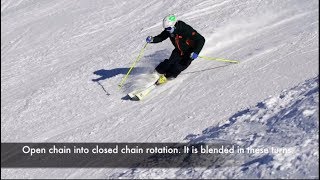
Skiers need rotational control for power and edge grip. The hips, glutes, and knees drive these movements, trained through drills like glute work and dragon pistol squats. Tom Gellie explains how deliberately stopping rotation makes skis bite and generates peak power.
Chapters
Okay, so this video is going to be focused on the rotational plane of movement in regards to skiing. I had a good question from someone on Facebook that asked me about this particular topic and my thoughts on it, so I'm going to try and get across a few things which I've written down just to remember. The main things I want to get across are: why you need to understand and know how to control rotational plane movements, what exactly are these movements, where in the body can you create rotational movements from, and their positives and negatives, How do you create these movements? So we can maybe do some dryland type sort of training awareness to get that going. How do you know when it's the right amount or when it's correct? So some markers of success. When would you create these movements?
Because it's not going to be— it's going to be different at different parts of the turn.
If there are any situations when this will change. And then finally go over some common problems I guess I see see with skiers and their rotational plane movements.
He deliberately is going to apply more force and direct and stop his rotational movements so the skis bite.
And you'll see, so very quick and the most amount of power generated in that very small moment. So it's a body turning against the legs as opposed to the legs turning against the body. But there is the ability to rotate at the knee joint, as demonstrated here. If I go into what I would, uh, be like a dragon pistol squat setup, rotationally through the turn could come from either tight glutes on this side Or—