What If Your Skis Knew You? | Custom Ski Design with Original Plus
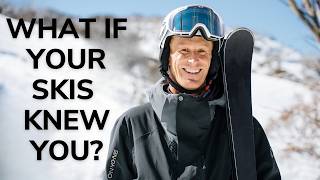
In this hour‑long Big Picture Skiing podcast, ski coaches Tom Gellie, Demelza Clay, and Jason Simpson discuss the concept of truly custom skis made by Original Plus. The conversation opens with the question of whether a "perfect" ski exists, then moves into personal anecdotes about past skis that felt ideal (e.g., Fischer Progressor, Fischer CT) and the limitations they faced due to weight, gender, and ski geometry. They explain Original Plus’s design process – the Origo questionnaire that captures height, weight, age, skiing speed, preferred turn radius, and style – and how those metrics feed into a custom build that specifies under‑foot width, side‑cut radius, flex (Nm), torsional stiffness, plate choice (full, split, or none), and even top‑sheet graphics. The hosts share on‑snow impressions of prototype skis in Chile and Austria, noting how a light, medium‑flex ski with a split plate delivered early tip engagement, reduced shudder, and felt like a lifelong ski. They contrast this with earlier over‑engineered carbon skis that were torsionally too stiff, illustrating the need for a balance between flex and torsion. The panel also critiques market trends: the prevalence of wide “SUV” skis, the misconception that a single all‑terrain ski can serve every condition, and the importance of narrower carving skis for skill development, especially for ski instructors. They stress that ski tuning (edge bevel, base grind, wax) can dramatically affect performance, sometimes more than the ski’s construction itself. Finally, they discuss Original Plus’s semi‑custom menu options, guarantees (re‑build if a ski doesn’t work), and the broader business model of a skier‑run company. The episode ends with a non‑salesy reminder that custom skis are an option, not a requirement, and a plug for the Ski Coach Collective and BigPictureSki.com.
Chapters
In my hand are a pair of skis that are built based on my metrics, my height, my weight, my skiing style, and today on the Big Picture Skiing Podcast you're going to tune into a discussion between some good friends and fellow ski coaches Demelza Clay, Jason Simpson, and myself Tom Gellie, and we're going to discuss this whole process because we've all found it really fascinating on getting a pair of skis made specifically for you. So I'm not going to give much more away in here. This is not just about this particular brand, Original Plus. It's also just about ski selection and what sort of things that does for your skiing and our opinions on that. It was also based partly off an interview I did with one of the founders of Original Plus, Siggi.
I said to him, hey, was there a ski— have you ever built a crap ski, like a bad ski? And he said, well, you know, I don't really want to start the conversation there, but kind of, yes. In the early days when he was, you know, designing, he built this car— lots of carbon ski that was torsionally very rigid, super light, and very flexy. And you'd think that was the holy grail. I can bend it and it doesn't like break off the edge torsionally. He was like, that thing was horrible to ski. It's not actually this kind of— the torsionally stiffer the better. And then the softer at the same time, the better.
I wanted to sort of distill a lot of the, the really detailed information I got from him around like torque and materials and the science and background to him starting this company, and I want to distill that and put in more of a discussion format. So that's what you're going to hear next. Let's get into it with my first question around: is there a perfect ski, or have you found the perfect ski for you just yet?
There's this idea that there's the perfect ski out there for you. And I'm not really sure about this, but I know there's been skis that I've gone, wow, that thing was so fun. First run in all sorts of, you know, where I took it that day, it was just stuck, stuck in my mind. Jason, is there a ski that did that for you?
Sure was. Yeah, probably back in, gosh, 2013-ish when I first joined Fischer, actually, I was given the opportunity to test a quiver of skis at Panorama. And one that stood out was the Fischer Progressor at the time. And it just, I don't know, it just, it did everything I wanted it to. I, I felt very confident, very in control, and I felt like I immediately skied better. And when I tried to describe that to the rep at the time, it was, it was that the whole ski seemed to flex, like the length of the ski bent. I was, I could feel the entire sidecut, yet it, it held like it was soft longitudinally but strong torsionally.. And it, and that's what it was. It was just this really unique combination, I guess. And, and I joined Fischer after that. I became a, a Fischer ambassador for a long time.
Okay. I actually telemarked on that one. It was, or a Progressor 9. Mm-hmm. And telemark skis, like, so that's a, a sort of a carving type ski, wasn't it? And it's hard to find the right sort of flex ski for, for telemarking because you, you're not bolted in at the heel. Point, but that one felt really good and I had a similar feeling. What about you, Demelz? Was there a ski—
I actually feel like I've not found that perfect ski previously, and I, I think that's probably because of my weight. So like, I usually ski on pretty aggressive skis, you know, especially for skiing on the groomers. I've always just found that the, the one main like daily driver ski that I have never really does everything within reason that I'd like it to do. And I've just sort of always put it down to the fact that I'm a female skiing on gear that's been designed usually for men. And there are some more exceptions to that rule now. There's a lot of really good women's skis coming out, but they're all very short. They're not in the length that I'd ski on. I'm about like 5'8", 5'9". But yeah, I mean, I I couldn't really actually give you one that was amazing. Like, I loved the CT, the Fischer CT, when I jumped on that. And the next year I had, I had a pair. And I mean, I can get down a bump line on those skis, but it is unpleasant. And, you know, so really this like search for the Holy Grail, the Goldilocks ski, is what continues, I think. Yeah, it continues with the exception of, you know, we're going to chat about Original today, the one ski I just, just demoed.
Yeah, I think it's interesting what you said, Jason, the feeling, because that's what you notice is, is this feeling that sometimes is hard to articulate. But I would agree, this feeling of the ski bending right through the middle, and as you— as it bends and it's turning, you just have this sort of sense that you can feel what's happening up the front near the tip of the ski and the tail. And so I guess, yeah, we're here talking about Original Plus skis because we're all moving across to ski on these skis that are designed and built based on your weight, height, metrics, where you ski, all that sort of stuff. But I noticed that on the first turn, and I'd say that's a very nice feeling. Especially the thing I noticed with this ski that was built for me was I felt that very early. You know, you know, it's like sometimes hard to get the tip to engage and feel like, yes, running away from you. This one I felt like I could sort of send it even further away because I could sense the tip, which would then pull back around and come back in. So yeah, I guess this is— I guess it brings up this idea that Original Plus are designing skis like for the individual, because they mentioned it. I sent you this, this interview I did with Siggi, who's the one of the founders of this company, and he's worked for Fischer. He helped restart the brand Casley again. And then this is his sort of, I guess, uh, baby. He wants to make this company, this, this product that is really customized because he truly believes, you know, many great skis, but not every single ski is made for you. And you might be lucky and find that one Jason. So yeah, well, I guess where, where should we start, like, talking about this whole, this custom idea? Do you want to talk about— because Jason hasn't actually skied on the skis yet.
No. Yeah, yeah. Well, I mean, so I could speak to my first time skiing on these skis in Chile, and this was the experience that you just asked me about before. You know, I jumped on this ski and literally just felt like I've been skiing on it my whole life. It was— and I was very— I was quite dubious about it because it was very light. The ski was quite light. And I always associate that with a ski that's going to shudder on me. And I'm not sure if the listeners have experienced this before, but when you're increasing your edge angle through the turn, sometimes a ski that's not torsionally stiff enough will start to shudder and make these kind of really uncomfortable. It's not nice. So, you know, this ski has no plate and it was— it's a 69 underfoot. And I took the 171 just under 14 meters radius and I was in Chile and the snow at that point of the week wasn't great and it just, it bent so easily. In fact, I think I'm going to do the, the next stiffness up, or they're going to make a ski for me when I pick up my custom ones in a couple weeks that will be a little stiffer. But, um, yeah, I mean, I skied around for 4 or 5 days on it, ducked off the groomers into the bump lines, like straight through, lower back, no pain. It was just an easy, easy ski. And normally I just have this like be like, oh, I gotta brace myself, you know, when I'm taking a carving ski in the off-piste, which it is a big ask, you know. And we've got some things to talk about that as well with the way Siggi described like the SUV ski and whether they're sort of really into that concept or not. But for us as coaches, it's really important to be able to just sort of like have a ski that's pretty good, really good at everything. And I feel like this ski is definitely going to be that for me. And I think really it's one of the most important things that we do in our job and our work is getting our clients on the right gear and gear that's going to help them and have that experience that I had. Because when we have to fight a ski, we can get down and still sort of make it work. But when our clients are fighting a ski, it makes it really, really hard for them to progress and hit that next level. So it was a really cool experience. Then my partner jumped on the same ski, Darren, who you guys know. And I couldn't get it off him for half a day. And just— and he's probably 10 kilograms heavier than me, but really beautiful flex, um, just really easy experience without any of the— those unstable feelings at higher edge angles.
Jason, you're, you're the one that hasn't, because I've had— I got a ski to try half of this Australian winter as well, and I'll talk about it later. But what do you want to ask? Is there anything you want to ask because you haven't got yours yet? Like, what, what did you plug into the, uh, the Origo software to sort of— because on their website you can put in your height, weight, age, skiing speed, sort of turn radius, uh, preferences. Yeah, what have you ended up with? And is there a question you would ask us? Are you kind of not sure? Are you like, I don't know if I should go longer or should I go stiffer or should I go—
no, I think I've had some great conversations with the guys at Original Plus to kind of fine tune the final design of my skis. And I will have a 6S and a Mod 7 are the skis that are currently being designed for me. I don't know the, I haven't seen the final, final numbers, but like the length and whatnot that they're gonna, they've decided on. But I don't really have a lot of questions to ask because like I almost feel like I'm responsible for pulling you guys into this 'cause I was going down the Original Plus road without trying based on feedback from people I trust, skiers that are Instagram heroes, if you will. They're people that we watch and the turns that they're making. And it turned out that they're on this particular ski. What is this brand? So I actually just took a flyer, phoned directly to Original Plus, talked to a gentleman named Zorn, one of the major investors there. And the next piece that pulled me in was just the company, their attitude, the people that are there, they're skiers like us. Like, I feel like we're on the level with the owners, if you know what I mean. The people that are designing the ski are skiers like us. They— and when they said to me, we're not a ski company, we're a skier company, it's like, I'm in. You kind of got me at hello, like from Jerry Maguire. Like, I was— I'm in. I'm going to give it. And then when the two people I trust the most in the ski world, you two guys, get on them and both come back going, Wow. I don't really have any questions to ask. I just can't wait to get on the ski.
So did you— so you haven't made a decision around which height or length, pardon me, that you want in your 6X, Jason, or you just let it—
Yeah, I mean, I went— no, I did. I did put some suggestions in. I said around 165 for the 6 and in the 175 to 180 range for the Mod 7.
Those are the choices. Interesting.
Okay, cool. Because I wanted a slalom ski, something that really comes around, you know, narrow underfoot, tight radius, and then something a little bit more forgiving. I, I kinda like having both of those skis in my quiver. I actually think I might have an email here. I'm gonna just look that has some numbers. So I'll stand by. Okay.
Yeah. Because, yeah, he, he said the 6S, which is, and we should probably explain it. Yes. Because you, you've got this 6S, 6X, 6G, and the S is the sort of slalom cut. Slalom. And so in general, it feels like they have— you can, yeah, you can choose a slalom ski that's 69 underfoot, a sort of a mixed radius, like a medium radius ski of 69 underfoot, and then a more longer radius GS ski at 69 underfoot. And then you can kind of do sort of similar things at the, um, in the 70s. Yeah, yeah. So I think the 70s, it starts getting a bit more like that's more of a medium Radius, different flex, different length. Yeah, I guess the two things you're really playing with is the length and, uh, and the flex sort of. Um, yeah, because he brings up— when I chatted to him, he's like, people say, why can't we choose the radius? You know, it's like, oh, but I, like, I want a 77 underfoot, 11-meter radius, short turn sort of slalom ski. And so he explained that like the, the 3 main things that, that really affect the radius is obviously the flex, um, and, and the sidecut, and then, and then the length. And he said it doesn't really matter as much, like if you've got the right flex, that ski comes around like, like the radius is quite nice. And I would agree with that because I was given this 175, 16-meter radius ski in the, in the 6X, or this sort of medium radius one. And it felt, compared to some of the Fischer skis I've got in a similar kind of length and radius written on the ski, it felt like I could tighten it more easily. Like, when I did want to— and I think that must have been the flex, because I felt the same thing, Jason. It was like tip to tail, I was right in the middle of it, could stand on it, came around. And short turns were way easier. Like, it didn't, it didn't sort of say no, we just loved it. Like, the CT loves doing fast long turns.
Oh yeah.
I found some numbers here if you want. Okay. Oh, okay. The, the mod is 175, radius 17, flex of 255 Newton meters. It's 122, 77, 106.
So 77 underfoot.
Sweet.
So that's your 77 underfoot ski that, that they've Built for you.
And the other one is a 6S is the other one. And let me just get down to the numbers. I'm looking at the ski itself like I'm looking at my design. I'm going to the tail where the numbers are printed. And this— oh, wow. It's 165, radius of 12, 6600 foot, 12 meters.
Does it say a flex?
Does it give you a flex? Is 255.
Yeah. And the other one was 240.
I think it was 255 as well. Let me go back to it.
That's because I think that's really interesting. Also 255.
Yeah. Yeah.
Like, that's what I— because that's your—
what are you guys getting?
Well, I'm not— it wasn't written on mine. It was like, so I've got— I was given a test ski, but it had a red sticker, which sort of is like, I guess they—
it's the medium.
The medium flex. Yeah. Medium flex. Because, because there's two roads you can go down. You can go fully custom, which is what you've just done there, Jason. Yeah, well, they have like these sort of like semi-custom ones where it's like you can buy a 175 16-meter radius in a soft, medium, or a hard flex, right? Which is kind of cool. So I got, I got the medium flex one there, and it was pretty darn close. It was when I was pushing it on, on steeper slopes that I found I wanted a little bit stiffer than that. But, um, it was pretty cool to be able to just even that point, because, you know, say you go into a shop and you go, great, I love the look of this, um, say, Vocal Kendo, but, you know, I, I, I like the stability of a long ski, but I don't think I need the flex, because, you know, maybe you're Demelza, it's like, I don't weigh a ton, I'd love everything else in it, but could you just make it a little bit softer? And they're like, nope, it's, it's this, it's this one. Is this one. And that's why, in like a ski test, certain— I think that why they bring on a selection of different people, like lightweight females, heavier females, heavier guys, faster skiers, more precision skiers, to try and then help people go, oh, I resonate with Demelza, I'm more like Demelza's shape, so it's skis she like, I might like. But still, it's— you've got to take a chance on that, don't you?
Yeah, you sure do.
Yeah. And you skied moguls, a lot of moguls on that ski that you were sent out. Do you have a sense— do you feel like your custom ski, Tom, is going to be a little stiffer than that red stickered ski?
Yes. Yeah, I've gone— yeah. And what I've done, because the next time I'll be skiing will be on the glacier in Austria, and I know from last year the snow is quite firm, very hard. Yeah, yeah. So I've asked for a stiffer ski. I've asked for a plate, like a hard— there's this sort of—
it's sort of like a hard plate, split plate, which I really love the idea.
Yeah.
Yeah, so it gives you some torsional, uh, sort of rigidity in the binding, but then it still flexes a little, a little nicely. So I went for stiffer because of the snow, and I went a little bit shorter radius, a little bit for this idea of, okay, if I'm there to film some videos and it's like you've got this pitch and you want to try and get as many like high-performance cool turns, I went a little shorter radius so I didn't have to take up as much space or get as much speed to to go higher.
But, um, when you guys mentioned the plate, the split plate, was that something that you requested, or did that come through the process? They went, oh, you're going to need the plate. They advised it.
They have a full plate and they have a no plate option. And so when I had my conversation with Jella after testing the ski, and this was interesting, so Tom and I were going back and forth. So I'm also getting the 6X in a 171, um, I was originally what came out of the computer questionnaire was a 175, but similar sort of situation with Tom on the glacier, Austria, hard snow. I found when I skied the 171 in Chile, I was bending that ski so much, it was just coming around so quickly. And so I thought, oh, maybe I need the longer one, which is just a little bit longer than what I would normally ski on. But then Jelle made the point, he's like, it probably just is a little bit too soft for you, you're bending it too much. So let's, let's build you something a little bit stiffer that's still going to have that adaptability that you would like. Um, so I'll be on something that's probably more like that medium flex, but I get the sense that we're not really— it's not— they have their 3 flex patterns, like soft, medium, and hard. But when you do the custom ski, I feel like there are some ways that they can sort of create increments around that. So they, they look at how we ski and our style and like long conversation about what we'd like to do with it. So that's what I've decided to do. And I think that on that same ski, it's, it's not going to be like hooking around underneath me so much. It's going to—
yeah, yeah, exactly.
Buckle underneath me. Yeah, it was, it was nice. Like, I love skiing on a soft ski. Yeah, it was almost a bit too much.
Yeah, yeah. So on that, they, they have this machine that they bought from Canada, and the names escaped me now. And that machine basically Yeah, you can put a ski in it. So say a Head Rally, eRally or something, put it in there and it'll flex the tip, flex the tail, flex it like longitudinally and give you all these numbers. And so if you're like, oh, well, I don't have a test ski to try out, you can say, well, I loved this Fischer Progressor from 2000 and whenever, and I love this Head Rally, but I didn't like it. In these situations, if you really kind of want to nail it down, like, you can speak to them and give them this kind of information, and they can then use that to, to go, oh yeah, okay, well, you would probably like something around this flex. Yeah, because yeah, it is when you realize it's like, oh, I can have everything dialed, like, having, uh, the access to like everything on the menu in the whole entire world and going, oh yeah, what do I—
what should I order off menu?
Yeah, exactly. Yeah, I don't want to mess this up. I don't want to mess this up. So I feel like I felt a little bit of pressure on myself. I'm like, God, like, I've got this ski for Austria, the chance to get like this perfect ski for the conditions. Have I chosen the right one?
I think they guarantee them, don't they? They kind of guarantee.
Yeah.
So if you, if you do order something that's just not working for whatever reason, I think they—
yeah, they build you another one, fix it, or just build another one. Yeah.
So do you want to know my— they only had— oh, sorry, I was just going to say, I think they only had what, 8 pairs since they started building them that they've had to like redo for people. Yeah, I think Siggy mentioned that.
He did. Yeah. And it wasn't to do with— it was sort of something maybe, I think, to do with the grind and the tuning machine. So it was sort of not, not so much the ski that they built someone, but something else in the process that they've, they've since fixed. But yeah, that's a good—
you want to see my numbers, the numbers of the ski that I skied on in Chile, which is their softer, like if you, if you just purchased, I think they're called Original Now, like off the shelf.
Yes, correct.
Original Now. Yeah. So it's the 171 radius 14 flex, 240 Newton meters, and torsion 140. And then the ski they're building for me now, do you want to see the top sheet? Yeah.
Okay, show us.
I've gone with the little wood, wood panel.
Oh cool.
They've got this wooden kind of like a wood grain effect through it. Yeah, it's total wood grain. Yeah, with a little shading on So this one, same radius, same length, flex 255 Newton meters and torsion 2.22.
That sounds like my ski, actually.
Yeah.
Yeah. Very much. I think mine is at 2.22 as well at 255. Yeah. It's interesting to see that number on a ski, a torsional number.
I've never seen that written right down there on the bottom.
Yeah. Which I love because I thought that is brilliant. Like, because, you know, on a ski boot you can kind of get an idea, especially in the race ones, you know, like a 150 and an Atomic and a Fischer and a Head, like sort of similar sort of thing. You don't have to choose it as like the something name, do you know what I mean? Like, if you're choosing a ski, it's— I think it's really cool. I like that they put on there, hey, this is the torsional, you know, stiffness, this is the, the flex of it. It just makes it way easier. You could go look at your friend and go, oh, and you could try it and you go, oh, that's why I like— I'm feeling this because your flex is 20 Newton meters lower than mine. And oh, that's interesting, I didn't— I thought a softer ski might not be good for me, but actually, oh, I like the feeling of that. Um, because that was one thing I realized, I was worried that my ski didn't come with a plate. That's the first sort of carving ski I've had in a long time that didn't have a race plate on it. And I thought, oh great, Thredbo, icy morning, I'm gonna do some turns down High Noon and it's just gonna chatter like you said to Melsoren. Yeah. And I'm gonna have to back it off. Nope, not the case. Not the case. And I was explaining like the race plate sure will help on ice and it's more transfer of, um, of energy from the binding into the ski. But the torsional stiffness is just— is mostly in the ski. And so this ski must have just been— yeah, just had pretty good torsional rigidity to, to hold well.
So yeah, it was, it was interesting. Yeah, that's that light and that flexible and soft. But then for it not to shudder was just crazy with no plate. I mean, and I'm getting the split plate on my new one coming up. You're doing the same thing, guys, are you?
I think so. Is it called the Evo plate? I just see that in my description of the ski that's coming.
I'm not sure. I'm, I'm, I'm just don't know. I don't know. But you know what I would say too, if that race plate Evo, I reckon it probably is then. Yeah. But yeah, it's just there behind me. I, the one that didn't have the race plate, I was like, do you know what? If I was in West Coast Canada, like Whistler or Silver Star or time, I'd be very tempted to not go a plate because of how nice the ski flexed. And, um, and I guess that brings us around to this idea in this conversation with Siggi. He said he doesn't believe in the all-terrain ski, the all-terrain vehicle, the SUV. Yeah, does everything. Yeah, because he says a lot of people come and they go, great, well, a custom ski, I want to be able to carve on ice, I want to be able to ski powder, I want to be able to do bumps, I want to be able to do everything on that ski.
Yeah.
It's a bit much. Yeah. Yeah. So what was your take on, on that idea, his perspective of there's no such thing as an ATV ski, it's all mountain type thing.
Well, yeah. Yeah.
Go ahead, Jason.
I don't know. I think that, you know, from my experience being out there and it's interesting, I was talking to Jella today. So about skis and which ones I want to bring to a demo that I'm doing in Austria. And I kept saying, I want skis that are 70 underfoot. I'm in the Mod 7 because that type of ski seems to do it all for my clients, you know, in where they ski in Western North America. And he said, no, no, no, man, like Austria, it's hard snow. We need a narrow ski. You got to be the 6. The 6 series is where you want to be. So it's interesting to have that discussion. And I think that's what's really cool about them, because one of the questions that they ask is, where do you ski? The snow conditions? Are critical to the design. Like, where will you primarily ski helps them narrow it down. So I do believe, for me personally, and this is just my opinion, a 70 underfoot ski in that 15-meter radius is, for me, all-terrain. I can go anywhere on that ski. And because of us, you know, and the way we teach in a day, we'll start on some low-angle groomer, we'll be in some broken snow, we'll ski some steep bumps, we'll be on some hard snow. I kind of want something that will kind of Swiss Army knife its way through the day for me. And so for me, sweet spot is a 7,500-foot, 175 ski at about a 15-meter radius. But that's just my opinion now, and I'm not a ski designer, but that's what I enjoy when I'm out there.
I think, I think I get what he means when he says that. Yeah. Like putting powder, crusty bumps, ice like that's that's too much. What we look for is just something that will deal with hard snow, hard moguls, or just, you know, off-piste, like not fresh snow. And I think that's like, that is doable with, with the one ski. But obviously like powder skis, I was just going to say, do you guys remember before we had powder skis? Yeah. Oh gosh, yeah. Tell you, right. And I had, I skied on this Dynastar Speed 66, I think it was called. And I actually skied all the way through my levels on the same ski. I changed over to different lengths for level 4. And yeah, we just, we skied powder days. It's like this skinny, you know, underfoot. It didn't matter at all really. I mean, you know, of course it's better, but yeah.
Powder skis back then were longer. Like my powder ski was a 207. Yeah.
You know?
Yeah.
And actually that was a great ski. I got on the Salomon 1080. Do you remember that one that came out pretty early?
Absolutely.
Yeah. That was a really great ski. It was very light, could still carve really well. I remember taking that thing to Snowbird and skiing all those really great chutes off the tram and just having the best time ever. But now here we are. And I think Jelle has said the same thing to me. He's like, no, no, no, if you want to go and ski in the soft snow, you go down and just change skis out, which is, you know, practically not possible most of the time for people like us when we're running a lesson and our clients might only own one pair. But I think what this does mean for, for us and our clients is like, think about the amount of time that a client spends researching their ski, like which one they're going to buy and which length. And they have to order on menu. Well, when you can order off menu and get something that is really going to work very well for you and have that perfect two-ski quiver, which ideally I would like to have a two-ski quiver for all of my traveling. Putting a third pair of skis in a ski bag is not possible usually.
I agree.
Taking all the bindings off and what have you. So yeah, having this really simple kind of lineup of like we've got something in the '60s, the '70s, the '80s and the '90s that I just sort of tweaked onto that one recently. And then all the Down skis, which is their, their powder line, is just a really simple way for people to come in, order off menu and spend that time actually talking to the ski designer and get something that is really great for them, you know, rather than risky, like, oh God, you know, am I going to buy this Fischer or this Atomic? And this person said it was great.
And you know what I think is interesting is— so I was just gonna say, no, no, go, because we're all ski instructors. And you know, some people listening to this podcast are ski instructors, some are not. And if you're in the ski instructing world, you'll, you'll resonate with, like, maybe you come in at level 1, and even if it's now, not back with the straight skis, you're coming in, you'll probably— you might have a twin tip. Or a fat ski, an all-mountain ski that you love, and you ski around, and then you soon find out the limitations of that. And if you want to go up and do your Level 2, Level 3, you start going, oh, all the examiners and the trainers are telling you like you need to get on a better carving ski, a ski that really gives you more feedback and pulls radius around better. So people start being narrowed down, and by the time you get to the like the Level 3, Level 4, like the top, the full cert level in any country, you're getting pulled into this about 66 to 70 underfoot type ski. Even if you're on the West Coast of North America, East Coast of North America, Europe, it's Australia, you're getting pulled into this type of ski. And I feel you then spend all your time teaching guests on that type of ski. So you start building your skills around being on a slightly narrower, nimble underfoot sort of ski and just figuring out where the, the balance limits are, no matter if it snowed that night or it went slushy or it went, went icy. And I think, so I was just saying, like, for the people that don't get kind of pushed down that pathway, they're not a ski instructor. Yeah, a lot of them are on these, like, yeah, like a Volkl Kendo, a Salomon Stance, um, you know, Head Core now. These kind of skis, which are great, super fun. But if you want to end up— you're watching videos and you like turning and you like seeing, like, you love watching like the races, freeskiing— you're never going to learn to get there if you stay on that type of ski. You need to get on like, yeah, a 69 set, like Jason said, up to 70, sort of like mid-70s ski if you're on, if you're on like sort of drier aspen-type snow, you can get away with that. But you need that sort of ski that's built to turn, not be this kind of ATV-type one which compromises and just allows you to kind of surf around and slide on stuff.
Um, yeah, I thought why people have that ski, because like when it, when it dumps 10, 20, 30 centimeters of snow, they want to be able to enjoy that. And I guess it's just one of those sports, isn't it, where eventually you're going to have to get a second pair if you want to be able to really make your best turns in both ends of the spectrum?
Yes. Yeah. You know, people like Markus Kasten who rips and he skis around like the Blizzard, like 90, even 100+ underfoot and takes them to places where the snow is also still firm. That guy grew up ski racing Yeah, you know, almost making it to the national— he maybe did make it to national level. He learned to like carve and rip a racing ski, and then he can transfer it. But I think it's really hard. Like, I look at some other people, like even, uh, sort of people on, on YouTube and stuff who were freestylers, and then they're trying to learn to carve, and they're still on these sort of twin tip type skis. You can tell they're not getting the feelings that they need to learn, that then once you've learned them, you can try and put that into a different ski. Anyway, I guess my point is, yeah, around this, like, that those skis, these carving type skis, really help open up feelings which then you can transfer to other skis. But those other skis, it's very hard on 100 underfoot, even 85 underfoot, to learn like a really good carve turn.
Yeah, exactly. Yeah. You're sort of saying once you get that training and that foundational, all those movement patterns dialed in from skiing on those carving skis, then you can go and take something 90mm underfoot once you've got the skills and you can lay it over and deal with it. But it can't happen the other way around.
Yeah. No, it's interesting too, because at least I don't know what shops are like, say, in Europe, but, you know, in Western Canada, Western North America, you go into a ski shop and everything is wide. It's hard to find a carving ski. You almost have to order it. And, and when we watch the skiing public, most of them are on these wider skis. And I, and I think they do have this great experience in terms of confidence in broken snow, but they never get the feelings that we generate on a ski that can be generated on a ski that is, you know, the playing with force and pulling into a turn, which I think is that feeling that golfers get when they hit the 300-yard drive or you catch the perfect wave. It's that feeling that will bring you back.. And a lot of people aren't getting that. They think that they're like, yeah, they're getting everything out of skiing, but there's a little piece missing and it's these narrower skis with shorter radiuses that will teach you that and help you experience that feeling. And to Demelz's point, you can then take back to your wider skis, which become even better.
Because you think, think about it.
Go ahead. I was gonna say the conditions, like we're definitely onto something here cuz we're all wanting to talk.
Yeah.
Yeah. This is, this is right where like, this is, definitely something I sort of have opinions about. Like, the amount of days that it's great to ski off-piste at most places around the world— this is excluding like the, you know, the Aspen where it's just sunny snows, skiing off-piste is easy all the time— but, you know, Australia, it's not often always great for that. And so say you've bought a lift ticket or you've booked a holiday for a week or 2 weeks and you arrived and it's, it's gotten warm or it's rained and then it got sunny again and it's cold. And now the only kind of decent fun skiing is on the groomer. If you don't know how, like, like to hit that 300, 300-meter drive, that catch that, that really great feeling of a turn, I think you're missing out. So I think what we love about what we do and what we've learned is no matter what the conditions are, it's like, oh, today is great for bumps.
It's slushy.
Yeah, that's what we're going to go do because we know that's where on the mountain is good. Or today is perfect for groomers, today is a definite— like, let's not be on the groomer because it's just soft snow everywhere, let's go off-piste. And I think if you have this ski that builds the skills of carving and feeling how ski turns you and all that stuff, I think you open up more days. And I think, to be honest, more of the days that are actually good are the ones that you're going to be on the groomer. Yeah. Then off around the world.
So the groomers are good 95% of the time in the ski resort and the off-piste is less different places, you know, but it's always less in the off-piste. Do you feel like this tendency for consumers to purchase these fatter skis comes down to their marketability and their association to this very marketable culture of freeride and front cover of the magazine and the way they push these super good-looking, you know, great artwork on the ski. You look at the skis that we really love, like for a lot of people who probably haven't accessed what we're describing here in skiing really well on groomers, they look at the ski and they're like, that's ugly. It's a huge thing for a lot of people. It's like they don't want to ski on a ski that is aesthetically not nice, you know? And it's really cool with Original. I think we're all planning our own top sheets and everything.
Yeah, you want to see mine? Yeah, can I share this screen?
But I really feel like, um, I mean, yeah, in my home mountain, the guy who does all the purchasing for, um, the sports store up at Silver Star, I think he's got some carved skis in this year. The only ski shop up on the mountain. And there's a great ski shop down off the mountain, Olympia, that has some carving stuff, but not as, not as much as the the fat ski selection. And yeah, it's no, no wonder that consumers are buying, usually entering the market with their ski purchase with something that is usually not appropriate for the conditions that are good most of the time.
Yeah. You know what this made me think of too? How often we get, what ski are you on, Jason? What ski are you on?
DeMellza?
Yeah. Oh, should I get on that? Like, like, people like, oh, it's a Fischer CT 175. And then, and then I've met people that have bought that and it was definitely not a good ski for them. Oh God. Um, oh, here we go. Here's Jason's one. But what is cool now, I think is great.
Can you see that? Nice.
Yeah, that's cool. Wow. For the, for the people that are not watching on YouTube and you're listening, it's, uh, it's like this really nice sky blue color and then he's got like a topographical map, almost contour. Yeah, contour lines. Like, oh, that is really cool. Cool. Yeah, you got to choose that.
So yes, I picked that one, and the other one is here. I wonder if I can bring that up too. Here's the other one. It's, uh, black on black. Can you see that?
Is that up there?
Oh yeah, yeah, you just got to zoom it out a bit, I think. Yeah. Oh yeah, there it is. Oh, that's cool. Yeah, stealthy. That is very cool. Yeah. Oh no, I'm jealous. I chose like a black with subtle yellow, and then I went for this sort geometric, geometric colored blocks, white, uh, ski. Um, yeah, yeah. Anyway, to finish what I was saying, people go, hey, what ski you want? Like, they see that, Jason, they go, okay, like, should I get that one? You go, I don't know, but what you should do is you should go and like plug in your own numbers and maybe even chat with them and find out like what should be changed— shorter, longer, stiffer, softer.
Exactly. I think Demel's made up a a great point earlier too about ordering on menu versus off menu. Because I think for a lot of— I mean, the custom ski is a little bit more money. So maybe you go with an original. Now you're on menu, but you get to choose. It's like ordering a steak, you know what I mean? Do you want— do you like it rare, medium rare, well done? You can still dial inside of that and find the, you know, maybe not the perfect ski, which is the custom, but really, really close. And so I just loved your analogy, Demelza, and I wanted to come back to that.
Yeah. Yeah, I'm thinking so. I haven't decided on the next— the other ski that I'm going to do. I've got the opportunity to test the Mod 7, I think it's called, and the Mod 8 in Austria. And if I was to be a— if I was a betting person, I think I'd like to get something in the 88, which is great for like in-resort powder, but something that is stiff enough that it can still lay down a great turn. And that's always been one of the tough things. I mean, Tom and Jason, did you have the Ranger 96 at all, Jase? Yes, you did. Yeah. I mean, great ski for— blows your mind still even on like hard, but just a little bit too wide for firm conditions, but great in the powder. I mean, that powder day that you saw on my Instagram recently was on the 96 where it was over my head and everything. Amazing. So yeah, I'm looking forward to— because it reminds me, Tom, you were talking about about, uh, your conversation with Ted Ligety, who was saying carving skis should always be wider than 85. And he's with, uh, is it DPS that he's with? Yeah, he's always on a pretty wide ski laying down, you know.
I think he was saying 75, wasn't it? Yeah, but it was wider than I thought because I thought he'd be on a race ski at 65.
And was it a booting out thing that he was sort of talking about there, or just more around—
I think it was more the torque on people's knees that, you know, aren't, don't, that aren't as athletic as, you know, uh, FIS racers. I think that was part of it.
But Tom, maybe I'm missing part of that conversation. Yeah. I can't remember what was there, but I would speak to the fact, like, I'm really looking forward to a 77 stiffer carving ski. And, and I want to, I'm not sure if I should have gone 88 either because I boot out. Like, I have to, yeah. Every time, like this season, unless it's really like grippy and hard that my ski doesn't dig in too much, I have to be careful when my hip is right close to snow because if I'm not completely balanced against that outside ski and my boot scrapes on the snow and then, then my ski loses grip and then, and then I'm sliding out or chattering. And so like Ted Ligety stacks his one, his boot, he's got extra plates and underneath because he's not fist under the binding or just on the boot. Under the boot, I believe. He might even on the binding as well. I know it's really high, it's way higher than normal, and that stops you booting out because he cranks it right over and then you go wider. Yeah, and you don't boot out either. And he skis in Park City where often the groomers, like, you're trenching in like a good, you know, inch sometimes. Yeah. So 60-something underfoot is not great. Um, so yeah, I agree with that. Where we ski— and here's the thing, I think because Original Plus is an Austrian company, and speaking to them, they're always on, on the, on the piste in, in Europe, which are firmer. And, and we're all going, oh, we want this like 70-ish, 80-ish underfoot thing, because a lot of the time reloads of snow happen, they groom it in every couple of days.
Yeah, it just snows a little bit, and yeah, it's different.
Then you go to this like Ranger and it's like almost there but it's too wide. Or you get this like, you know, I've ordered that Fischer Ranger 84 thinking yes, that's the—
it would be stiffer and it wasn't.
And it has no metal in it and the thing is a noodle. And that one's way too— I was just like, whoa. Yeah, couldn't, couldn't hold, so I couldn't go fast or on firm snow. Yeah, so I'm excited to get a wider proportionally stiff, like exactly the flex that I want.
Yeah. Ski. Jason, you're—
Yeah.
Well, I think I have a feeling that these, that Original Plus, because they focus so much on all of the numbers, that they may perfect that wider ski. They'll understand the torsional requirements of, you know, performance skis. Like, you plug all that in there. I want a powder ski, but I'm— but these are my other metrics. And you're like, I, I would love like, I don't— I haven't ordered one yet, but I, I have a feeling that a wide ski with, with O+ could become your favorite ski.
I have a feeling too.
Yeah, because you've seen Ted Ligety, his newest carving ski is, I think it's 95, really wider. Yeah, so the other one he made, I think, was in the 80s last year, that DPS Pieceworks, I think it is. But he's made this other one that's got even more carbon in it, I think, and Actually, I have no idea. But anyway, it's wider, it's wider. And, um, yeah, he seems to be cranking around on that.
And so for those who—
oh, sorry, I was going to say there's two things I want to bring up here before I lose my train of thought. One is the fact we talked about wider and torsion on the knees, because there is research and studies that the wider skis are also not great on your knees because of where the center of the knee is and the edge of the ski. So there's torque there. So there's, there's that going on, but is snow condition dependent, so we should— we talk about that quickly. The other thing too was, uh, this torsion flex, like super flexy. Like we keep talking about that, oh, we love this flex in the ski, like tip to tail flex, the bend, but then we want the right torsional stability. Like, because the, the more torsionally stiff, the better edge grip you've got. And so I'm going to talk about— so Sigi said— I said to him, hey, was there a ski— have you ever built a a crap ski, like a bad ski. And he said, well, you know, I don't really want to start a conversation there, but kind of yes. In the early days when he was, you know, designing, he built this car— lots of carbon ski that was torsionally very rigid, super light, and very flexy. And you'd think that was the Holy Grail. I can bend it and it doesn't like break off the edge torsionally. He was that thing was horrible to ski.
We tried to bring carbon, for example, to a large extent into racing and carving skis, and the first products were over the top. So while excelling in certain directions, for example, edge grip, we had skis that were relatively soft with, with a huge amount of torsional rigidity, which sort of a lot of fantasies in forums, etc., go in the direction that that would be the trim ski. And our experience, you optimize to a certain point, but if you go over top, it's also nothing you want because the skis would get extremely aggressive, like almost like skiing on, like say, ice hockey shoes.
So it's, yeah, so it's really, yeah, it's really interesting. It's not actually this kind of The torsionally stiffer the better, and then the softer at the same time the better. You need some forgiveness in the torsional sort of rigidity of the ski, I guess.
Yeah, there's a dampening in that.
I think it's— I think so, yeah. And sort of like, like a smoother entry instead of just like— I imagine with that one it was probably just— it was on, and if you're not ready, like, that thing is just ripping around and pushing against you gripping into the snow and, and, and being sort of just like a really rough ride. Yeah. Anyway, I thought that was, yeah, that was really interesting to learn.
Yeah. Yeah. Like, I don't know, but I assume that they're probably torsionally softer away, you know, at the, at the ends and get stronger underfoot where it's thicker, of course, and the plate is there. And then when you finally get into the middle of the turn, you're standing on that very torsionally gripping surface, and then you need it to bend and untwist to really help you release, right? So that's a really interesting point.
It is. Yeah.
The 8—
I was going to say before, for anyone who's listening, um, who is not familiar with the way flex patterns change in skis as the width underfoot increases, and would you guys agree that generally speaking, you know, as the width underfoot increases, they normally make it quite a bit softer? You know, like something in the 80s. You wouldn't normally find a ski that's 88-ish underfoot that— well, there are a few out there, I guess, that carve pretty well, like that have quite a bit of metal in them. And, um, uh, but like you're saying as well, Jason, this gives you the opportunity to be like, yeah, I know I want that 88 and I'm going to ski powder in it, and I'm also going to make some carve turns. It may— you're right, it could just be that one One Ski Wonder for like the most all-purpose one that you can get. But one of the things I'm really excited about, I know you guys have the same experience because how many DMs, text messages do you get from either followers or people that we've skied with before? Lots of followers, people I've never met who are asking about ski advice. And, you know, I respond to those messages. You know, I, I think that it's just really great to be able to help the community make better choices with their skis. But and, you know, being able to sort of direct them to a company like Original and have their questions answered there, or at least have the modifications made so that the ski really works for them. But specifically for women who are very aggressive skiers, all different types of heights, weight— like, think about Ange down in Australia on the APSI team. She's— what is she, like 5'5" or something? Or 5'4"? She's a short woman. She's super powerful. Doesn't weigh a lot and she's skiing on a 1.7, but she's skiing on a ski that's 20 centimeters longer than her, you know, taller than her. So I think a lot of these— and there are guys in that same category as well, just, you know, men of short stature that are going to be able to really find a ski that really works for them. Because I think it's the people, just like with anything, you know, they're making skis for the masses. There's all these outliers that will fall out of the category. And I think it's totally interesting, like proposition.
Yeah, seriously, Siggi said at the beginning, he was like, unless you can go and test— like, the great thing is ski tests. If you can go to one of those, like, that's a great way to be able to fine-tune. Because he said there's like, there's so many great skis out there, and we've all skied on great skis. We weren't jumping to another brand because we were unhappy. It was just this cool opportunity. But, but yeah, that's it. So I would say if you can, go do ski tests or, or try and borrow friends who've got lots of skis and try some different skis, because you don't realize what maybe you might like. Like, I didn't realize that I really liked sort of like a bit softer of a ski. I thought, because I was skiing on this Fischer sort of Masters GS ski at the beginning of the season, and it was great, it was, it was good, but I wasn't loving every turn. Some turns, yes. Instead of just harder work. And, and, but I wanted that ski because it had the race plate, it had the torsional rigidity. I knew it could go fast, but it wasn't every time. Turn was great, but I didn't know that. I was just like, oh well, this is, this is the compromise. If that's what I am trying to do, I have to suck it up and I just have to work harder. And this other one, those custom made, I have this picture at high noon, often you need this top and a bottom bit. And the top bit, I usually make short turns and then sort of stop at a certain point. And this season I realized I was stopping lower than normal on these custom ones because I wasn't as tired. That's interesting. Yeah, it was really interesting. I'll just say it was— yeah, I felt that the flex, this right balance there, made it— like you said to me, as you said, it felt easy. Like, oh, it got along with it. Yeah, I would agree. I didn't get as tired for the same kind of energy I was getting out of, out of turns.
You normally spend 3 or 4 runs, don't you, or 3 or 4 days on a new ski figuring it out. You know, there are some things that the ski does really easily, like the CT. When I jumped on yours that year, Tom, I'm like, oh my God, I'm having one of these next year. And really easy for what it's built for, like carving hard snow, but but moguls, hard, like no thanks. But this ski, I just didn't even think about it. It's just like I'd been skiing on it for ages. It was really easy to adjust to and forgiving.
And yeah, guys, where should we go here? We're getting close to the, to the hour. How should we wrap it up? Is there anything, any closing thoughts or anything we haven't said? I want to mention that I found it really interesting to talk about this, and we're not saying and like here, the message is not to like, you must now buy a custom ski. Like, I don't want to come across as like pushy or salesy on this. I thought it's a really great opportunity to discuss something like in the, in the realm of things we love skiing, everything to do with skiing we always want to talk more about. And we've talked lots about customizing boots and how important that is, and, and just it makes things easier. And so I think it was cool to be able to bring up our experience of having more of a customized ski. So no, I just want to get that across, that as you listen to this, we're not trying to pressure you into like—
this is not a sales pitch.
Yeah.
Or that you can only ski well on a custom ski. No, this is the first time we've ever— we've all like— Jason hasn't even got one yet. I haven't even done it yet, right? And we've all made great turns, had so much fun out there. Yeah. I think my closing point would be it's just really interesting that you can get something made for you. And yeah, I think it just makes things easier. And it was really fun. Like, I just had heaps of fun doing all the kind of skiing that I like to do. And so that's why it's not a must, but I really like that, that that's now something that I can, I can go with. So maybe you guys have a closing thought on this topic.
I'll just say quickly, if you touched on this before, Tom, when you were sort of saying with the way they provide the measurements and, you know, these are averages, the torsion and everything, the flex for the ski. But being— having access to those numbers, you know, the ski, it's kind of tough. Like, you know, in a world where we're sold these boots with like 120, 130, 140, 150, and for those who might have heard this before, but those numbers are fairly arbitrary from, from brand to brand. What 120s aren't always always the same flex. They don't measure them. There's no way to do that. So I'm really intrigued that this has now been offered in the market, that they do give these numbers. So for someone who— you don't have to be a genius to go, oh, I skied on this ski, I really didn't like it, and it had this— the flex number on it was 260. And then I skied on a ski that I really liked, and the flex number on that one was 190 or something. So That's just such simple data and for consumers to have access to. So I think it's just they're doing a really interesting thing. I mean, top-level skiers get to choose their skis and have them all made for them specially. And it's just an option now for us on the market to be able to access that same experience. So over to you, Jase.
Yeah, I would just say that, yeah, I think all the companies make really good skis. Like, I think that the consumer is very fortunate in modern skiing, no matter what brand you choose. You're gonna find a great ski. Yeah. The one thing that will really affect your ski though, that could turn a great ski into a bad one, is the tune. So keep an eye on your tune. It can, you think it's the ski, like the ski itself, the manufacturing of it, and it's not. A little mistake on the tune, a half a degree out, a little bit of a burr can really change the way that ski moves under your feet, making it almost impossible to turn or impossible to grip. So be aware of your tune. But just to wrap up the thought around custom skis, I think that if you're the kind of person that optimizes everything, like you, you don't want, like there's no stone left unturned, skiing is, is so important to you and getting the, the maximum out of it, then of course owning a, a custom ski is, is the right way to go. You've customized your boots, you've made that connection between you and the equipment. Now that equipment needs to be optimized as well. And why not? It's out there and there's gonna, I think we'll see more of it, but But to Tom's point, you do not have to buy a custom ski. I have skied my whole life. I'm in 40-plus years of skiing. I've never owned a custom ski, and I, and I am in love with this sport. So it's not mandatory, but I can't wait to try it.
It's on the menu.
It's on the menu.
I'm having a medium rare for sure. Yeah. I was gonna, I was gonna try and close it out there, but you just made me, like, think of a few other points because— Okay. Well, one, the tune. I should say, like, so in the process, you get to, you get to choose your ski, like the radius, the flex. You have to choose the top sheet, like you saw Jason's and Demelza's. You could choose from colors there. Uh, you get to choose the binding. You also get to choose the, the finish, like even the, the wax preparation, whether it gets hot boxed, like infrared soaked whether you have a sharper or a less sort of sharp tune, and that's often based on where in the world you're skiing. But I've never had a ski come out of the factory so well tuned than this pair of skis. I just expect nowadays when I get a brand new ski, I'm like, I have to tune it, or if I don't, there's going to be something wrong. Like, remember we did that camp and I had the new pair of skis, those Master GS ones. I was like, oh man, guys, I'm hating it this morning. The snow is perfect. Nothing wrong there. Tail is just grabbing and catching. And so anytime I try to steer, it's these skis, yeah, like straight out finish perfect. So I would choose, if you do it, choose like the hand finish option. It's a couple of bucks more, but you just, you just know you're going to get out there and you're not feeling a weird ski. Jason, you're absolutely right. So much of the time it's the ski tune. And Phil from Ski Talk said it too, is like when you test skis, you're testing ski tune, number one, the conditions, the, the binding, and then you're testing the ski. Like, there's all these things first that you've got to get through before you actually really, really test the ski. Totally. Um, so there was that. The only other thought I had is now I think I've really— because I've gone so deep on boots and love modifying, and, and I can now spot when people— it's like, that boot, the canting or the cuff alignment's off, or the flex is off. I think we're all getting better at seeing that, you know. We're like, what, what's going wrong there? They can't flex their ankle. I think we're going to start to be able to see that in skis. And now knowing it's like, oh yeah, I tried Jason's 255 torsion flex one, and I tried this other one, and, and I'm going to know what numbers mine are at. And then seeing other people get on these skis, you're gonna be like, ah, I think you're going to be able to start really zoning in and know, and you're like, I think you're on too soft a ski, and you're on too stiff a ski, I think you're on whatever it is. So yeah, exactly. I'm excited for that part, just, uh, being the, the full— I want to be the maestro of knowing like technique, equipment, tune, everything. So yeah, I love the fact I'm learning more about ski design, all things that that affect it. So yeah, gang, thanks very much for, for your time to, to chat on the topic. Thanks everyone for, for listening. Uh, I'm going to give a shout out to our new Ski Coach Collective website where the three of us have teamed up and we run some big picture skiing camps together with myself where it started, but then Jason and Demelza have got their own kind of style. And, and so Jason's got True Motion and Demelza's got her own camps as well. And so you'll also find camps designed and aimed at like what these two love doing and are passionate about doing most. Like the Mels are going to, um, Switzerland to do some crazy cool off-piste and technical skiing stuff. Jason, Panorama in Japan with people that are sort of stuck at the intermediate cracking through to advanced level. So anyway, check out the Ski Coach Collective. Check out bigpictureskine.com as well if you're a self-driven learner. And thanks very much for following the podcast and listening. Leave questions or comments below, and we'll, uh, hopefully see you out on the slopes.
Cool.
Absolutely.
See you on the slopes. Yeah, thanks a lot, Tom.
See you, Demelza. Hey, thanks for getting this far with us. I hope you enjoyed the discussion between Demelza, myself, and Jason on this topic of ski design and finding like the perfect ski for you. And And if anything, I hope it makes you just think and make some better decisions in the future and just explore this cool sport, skiing, that we all love. If you do happen to be the person that's intrigued by the custom skis from Original Plus, the ones I got here, there'll be some links in the description below and some coupons for a discount from me as well to help make that price just right for you. But otherwise, I hope you enjoy your winter wherever it is. Is this coming season. And yeah, if you come and see us out on the snow, please come and say hi.
Thanks for listening and see you next time.
More from Tom



Most skiers overlook how they use their poles. Try these five pointers next time you’re skiing.







