2024 3 28 Q&A with Tiago

Tiago draws insights from theater and physical practice to teach human relationships and body language. Tomas advises testing whether people actually want this before building a course: start with coffee chats and pop-up workshops, not slides and websites. Validate assumptions fast and cheap, or waste months building something nobody needs.
Chapters
personal bottleneck. So let's go with Tomas.
Hey, well, this question, it came because of the question that I made in two sessions ago of how to improve the personal, personal, improve you personally. And I read the Throughput of Learning and it sticked in me, in myself. How can I improve my life, my personal bottleneck, when I have already experienced it? I already experienced my life and have some experiences that enhances my point of view and my perspective. So So it's how can I translate all those experiences to a valuable asset so I can make a product or a service?
What's the product you want to create?
I am still thinking about it. It's all about personal growth and I experience a lot of, yes, it's like things that enhance yourself as a human. And to learn about. I love to learn.
What's the, what's the knowledge that you have that you think is most valuable for people to learn?
I think it's under the subtleties of how the relationships between humans happen.
Say more. In what way?
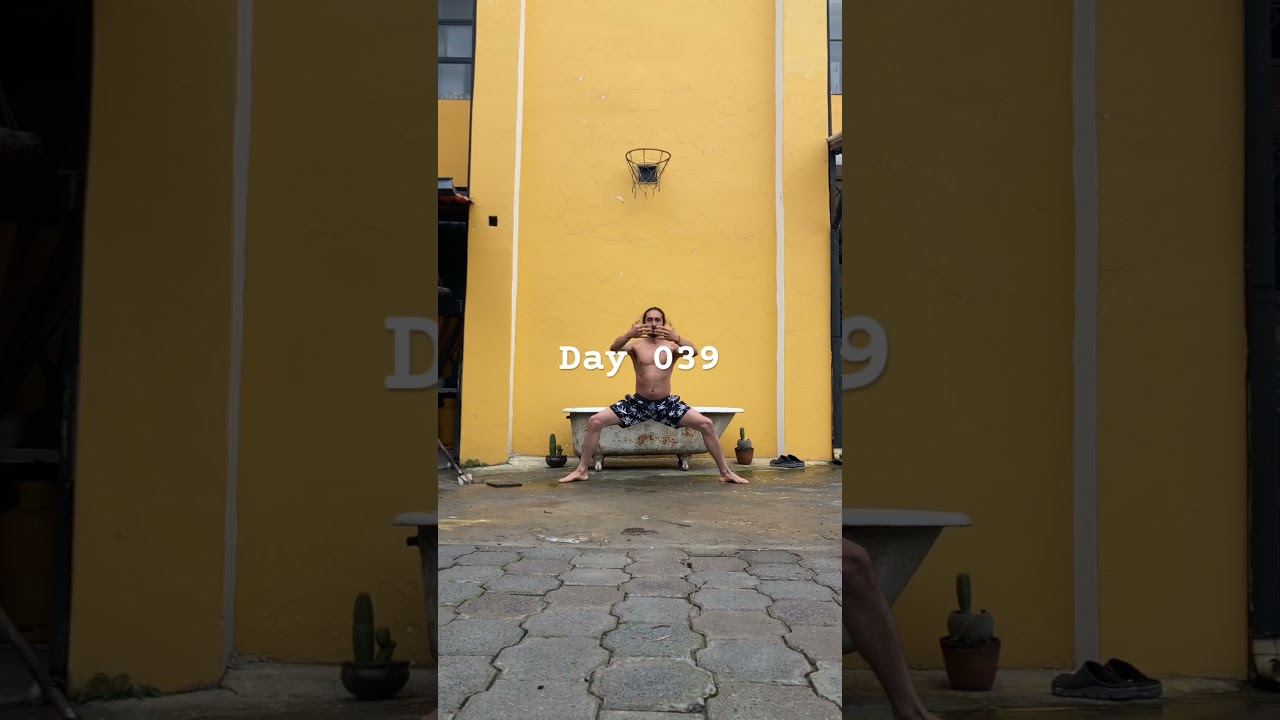
Yeah, it's, it's kind of weird. It's still in the place of the of the ideas, right? But it's kind of how we behave with, within each other and how we manage ourselves and our lives are the way, is the way that we can relate to another people and how we can learn through the mentalization of these behavior in a physical way.
In what do you mean by a physical way?
Like, how— this is kind of— how is this field called? Well, I will remember. How can the fact that I see you in this way, for example, in the camera, instead of looking at you in this way, so the physical space and the physical manifestation of the things, of the thoughts, is influencing the way that we relate and the way that we learn and teach each other.
So like the physical position and relationship in space, in physical space?
Yes. And from the body and all the nuances from how we communicate.
Interesting. And what in your past gives you insight into that?
All of the learnings that I have in theater, and in physical activities. And also all the, um, I, I, I dare to say that the spiritual path that I follow has granted me and helps me a lot to sharpen, uh, my perspective and my attention of things.
Amazing. What's your, like, for, for yourself, what is the open question or the favorite problem, the open question that you currently are wondering, like, what question are you in right now?
How can I make this a product or a service so I can sell it?
What's your open question about that?
About the thing that I am studying?
Yeah. So how can I make this product or service? But what about that are you most wondering?
There are, there is, I think, two questions that I have. It's one, how can I get the audience so I can have the people to buy it? Or how can I make this a product or service, but it's attractive so people want to buy it?
I mean, it seems pretty clear to me. Seems like a course or some other type of training program where you teach people what you've learned about from theater and from, you know, the physical pursuits that you've had, how to relate to each other and communicate using physical space and their position in physical space as a main element. What's, what's not clear about it?
That's a good question, yes.
Is it, is it what's the next, the very next step? Yes. And what are you considering? Is there, are there two steps you're trying to choose between?
No, actually it's not, not clear what are the steps that I must, I can, I can do in order to make it.
What are some, do you have any ideas, any potential starting points? Like what's the first step that comes to mind as, as immediately apparent.
Yeah, what I am doing already, it's to jot down all the ideas that I have in my second brain, in my note-taking app. So it's all of those are in maps of contents and in different folders so I can search for them. And in the reviews, especially in this monthly review, I am going to do the review of all of those ideas so I can structure something into one kind of, I don't know, asset so I can present it to the public.
That's, that's an amazing next step. I mean, that's what I do. Like before I even decide whether to move forward with a project or whatever it is, I dive into my second brain and see what I have. If I don't have enough material, that's that right there. It's telling me you are, you're skating on thin ice. You don't have a leg to stand on. You have no, you have no knowledge resources to make this work. Which, which I like because it makes a totally subjective question, which is like, are you ready? Or how, how do I do this? Which don't have real answers into a yes or no question, which is simply like a quantitative question, which is, do you have enough resources? Do you have enough notes? That's an incredible, and if the answer is no, you, then, then, then the next step is consume more content or have more conversations or go to events or, which are all ways of consuming content until I do have enough material on this topic.
So for example, if I have one idea in my head right now that came, that it's, I think it's the one that I can make it. It's, I have, I got, I grabbed this idea and start to make an, I don't know, reverse engineering so I can make something out of it or how cool those steps be. Yeah.
I mean, this is a whole topic, you know, digital, uh, information product development, uh, or course creation is a whole thing, right? Um, maybe we should do a pop-up workshop on this, uh, next month. It's probably an interesting topic for people. But, um, what I would do is just as quick before, so the biggest mistake I, I, I'll just give you like one kind of principle. The biggest mistake I see people make is build a bunch of infrastructure or just stuff. They may, they start designing slides, they start, um, setting up websites. They start, spend a bunch of time choosing their course platform and their payment processor. I mean, this is the biggest mistake in all of entrepreneurship is you start doing all this stuff without testing your most basic assumptions. Assumptions like, do people want this? Assumptions like, in fact, even more fundamental, can they even understand? What this is? Can I even communicate what this is? Can— each question I'm saying is more fundamental than the one before. Like, can I even get clear in my own mind and write down in one sentence what I'm trying to do? Like testing these assumptions. Although I think the most important assumptions have to do with other people. That's always where we make the biggest assumptions. Do they want this? Do they understand it? Are they willing to pay for it? What format do they want it in? The faster you can test those assumptions, you can just save months or years of your life. This is the great strength of cohorts, by the way. You know, when you get on a Zoom call and within minutes start delivering what you have to say and people's eyes glaze over, which will happen the first few times you try, it's so con— confronting to just see visible evidence that you're not— it's not that you're not ready, it's that there's more work to be done, uh, which is always the case in the early days. Uh, but I would do it live. I would do it in, in highly interactive formats so you can get feedback instantaneously before going off and creating anything. No infrastructure needs to exist until down the line. It's all just your direct connection with people. And ability to create value for them in the moment. That's, that's really what matters.
So this, uh, could be going into, I don't know, meetings in Zoom or something like that, or—
yes, okay, Zoom, or even better is in person. If you think about it, even a Zoom is infrastructure. You need links and they have to have what, webcam, and you have to message them on some other platform. It's, it's really incredible to me. 9 times outta 10, if someone is working on some big, let's just say course or other product, and I say, have you ever tried taking someone to coffee, buying their coffee and saying, hey, can I run something by you? The answer is no. And it's like, why? And I do that. I've done that. I've spent weeks working on things and then I have one conversation and realize it makes no sense. I don't know why we do this. We hate, we hate, or we're so scared maybe of what people are going to say. But that's, that's ultimately how assumptions have to be tested. Try to do it in person, just one-on-one. Because it, look, if it doesn't work in that situation where you're there with them with all your attention on them, if it doesn't work, then it's not going to work any other way. Okay.
Yeah. Awesome.
Who else?
More from tomasflores


MONDO - Estreno en el Festival ENCENDER 2025 – Pabellón de las Artes, Casa de la Cultura Ecuatoriana