Short Q&A from a WebRTC-focused YouTube video discussing which browser versions to support. Speakers recommend testing current stable, the previous one or two stable versions, and pre-release channels (beta/Canary/dev) and advise automated end-to-end tests. They also note enterprise considerations (Firefox/Chrome ESR, Electron/CEF bundled Chromium, and customers frozen on older versions) that may require testing additional versions.
Chapters
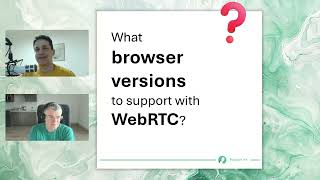
Here's a question for you. What browser versions to support with WebRTC?
So in general we always say current version, last two versions and better and Canary. And you should have automated end to end test covering all the versions. Or you might get a breakage in one version that you don't notice because you don't use that version for dog footing.
Okay, so we're going for the, let's say the future versions, which are the beta, Canary, dev, whatever you call them, because we want to make sure that our application will work once the browser vendors release their new version. Yes, that's the current one because that's what our customers are using. We test the previous ones because not everyone upgrades at the exact same moment and sometimes it's a rolling upgrade for a browser vendor.
Yes. And you have things like Firefox Enterprise support release or Chrome has a slightly less wide range enterprise release.
And then on top of that, it actually depends on your customer base and your applications. So for example, you might have an Electron or CEF application that has an older version of Chrome in it, which means you need to test that as well because that's what your customers are actually running your users. Or there might be users that got frozen on a specific version if you're on an enterprise enterprise setting with customers that are very reluctant to move forward with the versions that they have.