Wilson Hulme on why people collect stamps, from his start in Cub Scouts to the psychology of wanting a complete set. Most modern stamps are worthless, but error stamps like the 1918 Inverted Jenny, worth up to $150,000, are rare exceptions. Collectors develop a deeper appreciation for American history.
Chapters
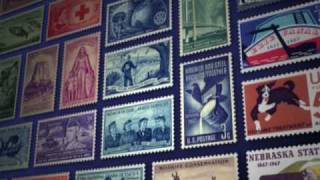
Must be a gene somewhere for people who collect stamps. There's some desire to have, you know, one of everything. And I collected as a young boy. I started in the Cub Scouts. I think there was a merit badge or the equivalent of a merit badge back in those days. You should collect stamps because it's fun, because they're pretty, because you learn history, because you like the subject matter. Because you just like the content of the stamps, but not because you think you're going to find great riches. Most stamps that have been issued in the last 60 to 70 years are not worth a lot of money. It's only when something comes along like an inverted stamp. In some of the runs, they would get the sheets upside down on the second pass, and so you would have a— collectors call it invert, which are stamps of great rarity, and they're worth a lot of money today. The one that's the most popular here in the United States is something called the inverted Jenny which is an airmail stamp issued in 1918. Depending on its condition, it sold for about $150,000. Back when they were issued, they were 24 cents if you were the lucky person that found those. Only 1 pane of 100 of those stamps were ever found. I would venture to say that people who have collected stamps have a much greater appreciation for our history and culture than those that haven't.