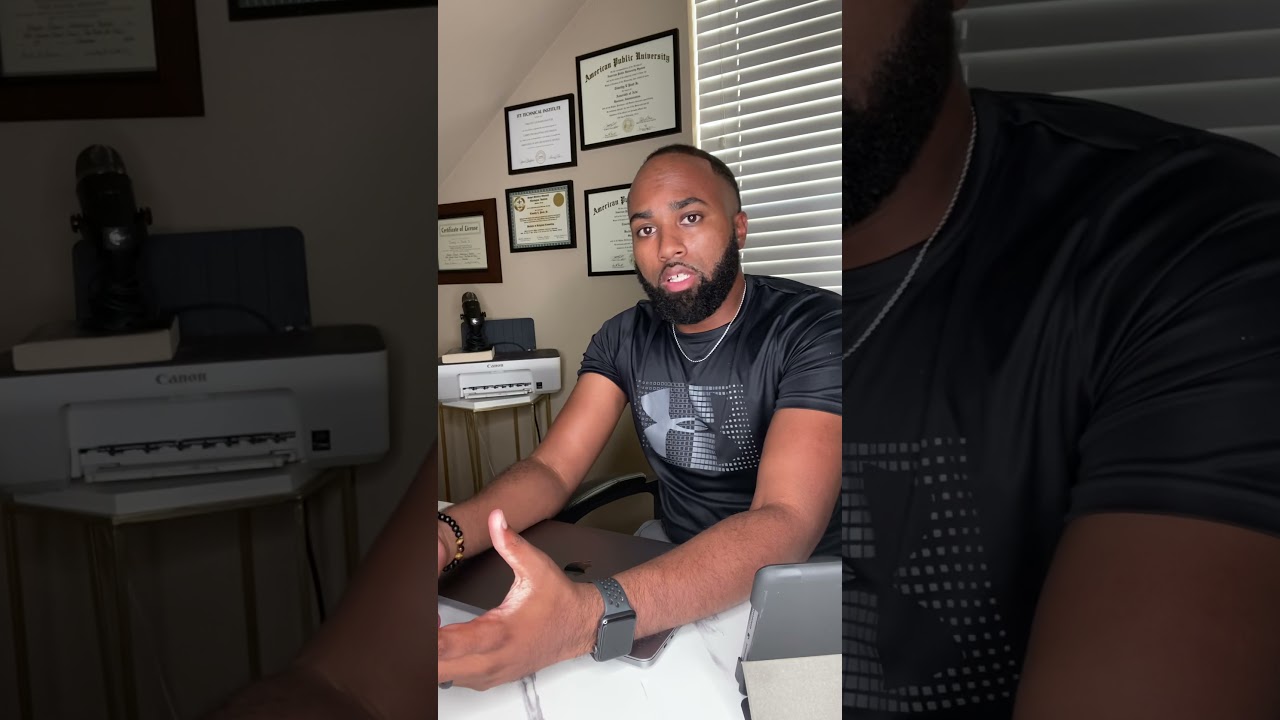
In this monologue, the speaker expands on the concept of a "submissive" heart posture in leadership—being teachable, coachable, and willing to develop—while emphasizing the critical practice of connecting with people before attempting to correct, coach, or mentor them. Drawing from personal experience as a senior technical project manager and referencing John C. Maxwell’s Five Levels of Leadership, the speaker argues that positional authority alone is insufficient; true influence stems from relational intelligence, emotional intelligence, and a deep understanding of context. By ensuring that team members feel understood and valued, leaders can foster a positive culture, increase commitment, and motivate people more effectively than relying on title or default assumptions. The talk encourages leaders to step back, assess context, and prioritize empathy before corrective actions.
Chapters
So, uh, I talked to you all a little bit about the S-word in leadership, and you can go back and check out that video, but it's basically being submissive. Uh, it's not necessarily being a doormat, but like I said, in the context of that video, it's more so having a heart posture. Uh, learning assumes the heart posture of being submissive, meaning that I'm willing to be teachable, I'm willing to be coachable, I'm willing to be developed in that context. Uh, in this video, I kind of want to talk to you a little bit about the dynamic of connecting before we correct. And I'm not just saying always, like, it's just like going out here and setting out like, oh man, I gotta correct this, correct that, you know, whatever. It's just as a leader, uh, especially in more in the secular world and ministry, in my situation, um, a lot of times I'm, I'm, I really believe in the servant leadership model. And when I see things that need to be done I continually try to take that step back and say, okay, do I have the proper context? And anybody that has worked close to me— I'm not saying I've always practiced this, but recently as I just continue to evolve and grow, uh, one of my biggest things is like, okay, in what context? Because when I attempt to set things right, um, I want to make sure I see things right. And so in order to do that you know, um, I have to make sure that I'm being relational, that I have a high degree of relational intelligence, that that gift is being cultivated. I don't think that we always just have to have a deep relationship in order to engage in a certain conversation to set things right or, you know, move things in the right direction. But I do think we have to be highly relational. We have to have a high degree of relational intelligence along with emotional intelligence. I think when people see those things, uh, it helps because it's, it's showing a heart posture of, hey, like, I might not really know you, we probably haven't had time to cultivate the relationship, um, but this is what I feel before I say anything or release anything. I just want to make sure that you feel understood, uh, before I start attempting to say things or attempting to, like I say, course correct or just any, any type of terminology you want to use. Because when we get, you know, thrust into leadership or whatever, uh, or aspiring, or, you know, we're trying to motivate people, we're leading an entrepreneur, uh, charge or whatever, uh, sometimes we can get on our high horse. And, you know, it's, it's, I see it this way, I see it this way. And it's like we're not— we don't have the proper context. And so in other words, it's like we think by default, because, you know, with leadership, especially like I said, in most dynamics, uh, some of us lead from just position on. And John C. Maxwell talks about this in The Five Levels of Leadership as he, you know, goes through that, through that content. Uh, but positional authority only gets you so far. So with me, you know, like, I was a senior technical project manager, uh, then I, you know, I guess now like they moved me to technical projects managers where, you know, I inherited a small team. And, uh, but if I walked into every meeting and was like, as the senior technical project manager, as the senior technical project manager, I'm continually having to throw my title around. But so it's some, some level of positional authority. But when I'm walking in there and I'm connecting, I'm being relational, I'm building influence and cultivating influence, I don't worry about that. It's just like, hey, you know, I'm, I'm, I know I have so much positional authority but I really want to influence this situation because I believe this is what inspires people, this is what motivates people to really plug in. Uh, and like to say, the culture and things like that, you know, it has to be conducive for that. No matter how influential you are, uh, if you're fighting against a negative culture, then it's probably going to be more difficult. But you just want to really make sure you take that step back as a leader, and hopefully that you are cultivating an environment or helping be the catalyst for that environment to, you know, just embrace that context getting, if that makes sense. Just, hey, you know, before we correct, we want to make sure that this person feels understood, that we see things right, we see things the right way. And so, uh, last thing, man, because I would say most people don't necessarily follow leadership because the leadership is understood, or just it's the leadership team. Most people commit, truly commit and buy in when they feel understood by the leadership team. And you know, you could probably argue that, yeah, it's like with so many leaders and followerships, things like that, with great coaches and not great players and stuff. But for the most part, in the context of this video, when you talk about a leader that, that strives to connect with people before they correct, that strives to, you know, touch your heart before they ask for a helping hand, or touch your heart before they, um, correct, touch your heart before they try to coach, touch your heart before they try to mentor, just really engaging with that person and concerned about, okay, the context, what context are they coming from? I think that empowers us to lead in a whole different capacity versus just leading by default because we assume that we understand the context. And so therefore it just leads us to lead in a way without the necessary empathy, if that makes sense. So I just wanna encourage you to Correct— I mean, connect before you correct, and make sure you see things right before you attempt to set things right. See you.