AI might find another earth before we do!
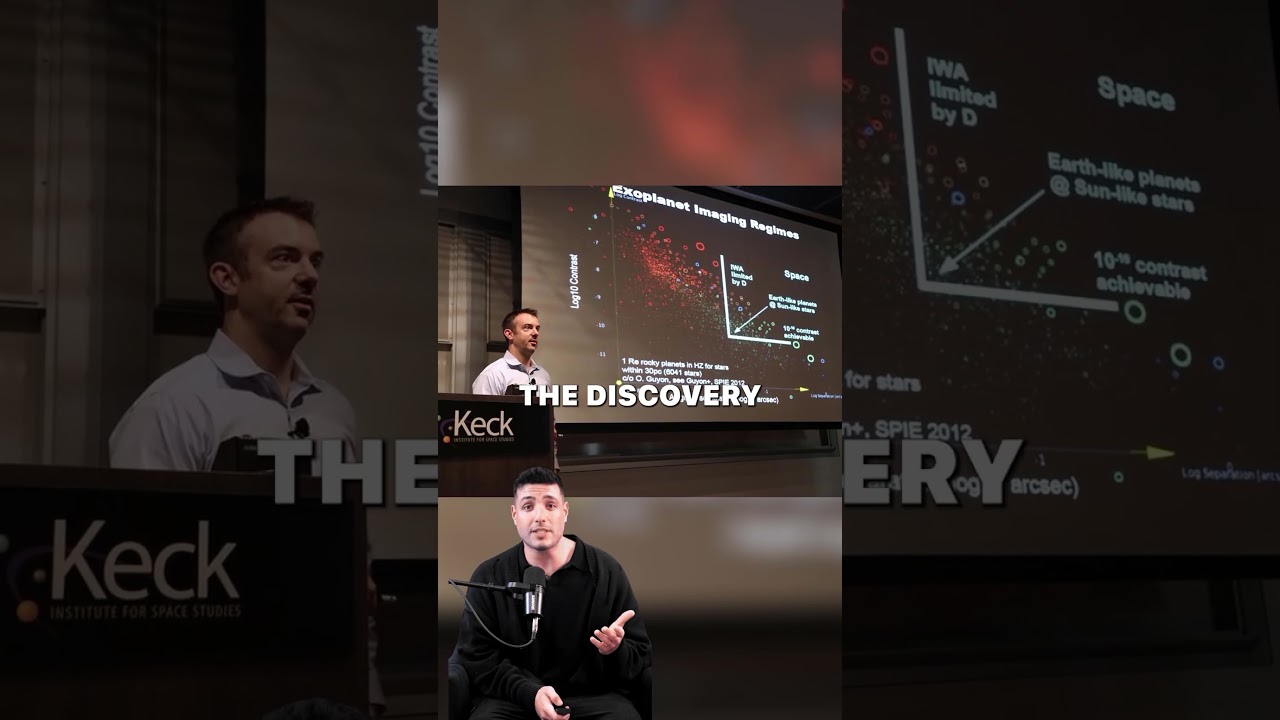
In this video, Dan Novaes explains how the massive volumes of data gathered by space telescopes are beyond the capacity of human analysts, and how artificial intelligence is employed to sift through these datasets to detect the minute dimming of stars caused by transiting exoplanets. He describes the transit photometry method, the role of AI in flagging candidate signals, and the subsequent human verification process that confirms true planets while discarding false positives. Novaes emphasizes that as newer telescopes generate even larger data streams, AI’s ability to locate these hidden signals will become increasingly critical, potentially revealing countless undiscovered worlds—including Earth‑like planets—already present in archival observations.
Chapters
More from Dan

A robot "attacked" a customer in a Russian store, and the truth is more interesting than the video.