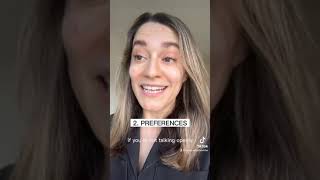
Vanessa Marin (licensed couples therapist specializing in sex therapy) introduces a six-facet model of sexual compatibility in a short YouTube video. In part 1 she names and explains the first three facets — Frequency (how often partners have sex; she rates this as least important), Preferences (specific sexual activities and the need for open communication), and Mood (the vibe or energy around sex). The clip ends with a call-to-action to watch part 2 for the remaining facets.
Chapters
More from Vanessa

Fantasizing about someone you know? Your brain isn’t betraying you, I promise! #marriagetips




If you’ve been feeling a little lackluster, pick one of these and try integrating it into your life!



Are you a fan of toys, but wondering if it's been affecting your ability to O without one?

To wake… or not to wake… that is the question 😴 #relationshipquestions #relationship #marriagetips

Is your socks life spontaneous? 👀 This is what we have to say... #relationships #marriagetips
