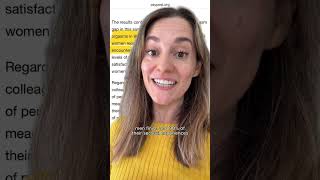
Vanessa Marin (YouTube) summarizes new research identifying a "pursuit gap" as a driver of orgasm disparities between men and women: men prioritize and feel supported in reaching orgasm while women prioritize partners and feel less supported. Reported figures in the clip: men finish in ~90% of experiences versus women ~54% (and a claim that men are "15 times more likely" to — wording in source is garbled). Marin frames the problem as relational (partners' priorities and support), not an individual female deficit, and calls for collaborative, mutual-pleasure dynamics.
Chapters
More from Vanessa

Fantasizing about someone you know? Your brain isn’t betraying you, I promise! #marriagetips




If you’ve been feeling a little lackluster, pick one of these and try integrating it into your life!



Are you a fan of toys, but wondering if it's been affecting your ability to O without one?

To wake… or not to wake… that is the question 😴 #relationshipquestions #relationship #marriagetips

Is your socks life spontaneous? 👀 This is what we have to say... #relationships #marriagetips
