How to Delegate Smarter, Build Trust, and Buy Back Your Freedom with Tone Williams and Kayla Pollak
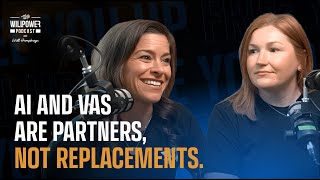
This YouTube interview (Will Humphreys with Tone Williams and Kayla Pollak of Virtual Rockstar) explores how virtual assistants and AI tools can be combined to delegate work, build trust, and free leaders to focus on high-value activities. The episode covers practical workflows (recording meetings with Fathom/Read AI, using transcripts with ChatGPT to create next steps and quizzes), recruitment and onboarding practices for VAs, mindset and trust as barriers to delegation, cultural practices for remote teams (Marco Polo check-ins, Notion for task tracking), and the speakers’ perspective that VA+AI hybrids, rather than AI-only replacement, are the near-term future for healthcare operations.
Questions this video answers
September 2, 2025
Chapters
In today's fun conversation, I talked to Tony Williams and Caleb Pollack of Virtual Rockstar. And no, this episode isn't a commercial for that company. As a matter of fact, we're bringing on a totally different virtual assistant company to balance things out. What I care about is that you know how to leverage these trends to get you free. So we talk about AI, how we use it in recruiting, which is going to be huge, how you can de stress recruiting. We're going to talk about best practices for vascular to help offload you. We're going to be talking about tips and tricks of how to get free. We are going to dive deep and have a lot of fun on this episode. So stay tuned if you want to learn the shortcuts, the cliff notes on how you can get to that point of freedom using the two best trends in healthcare. Enjoy the show.
All right, well, time. Tony and Kayla, thank you so much for coming back to the Willpower podcast.
Thank you. Thank you.
Yeah, guys are repeat experts in all things, and we're so excited to have you back on this very special season of AI versus va. To get it clear right out of the gate, yes, we all work for a virtual assistant company, but we will not. This is not a giant commercial. We are here to talk about, from experts who live in this space, elements of both virtual assistants and. And artificial intelligence. We'll talk about, I want to know, like, how do you guys feel AI is coming for this industry since your livelihood is tied into it, but whether you use us or not for VAs, we're gonna talk about the ups, the downs, some additional insights, and just delegation and freedom in general. So that being said, why don't you guys set the stage for us a little bit? Introduce yourselves, what you do and what, what drives you from a place of purpose or passion. Toni, why don't you go first?
Well, hello, I'm Toni Williams. I'm the VP of growth with Virtual Rockstar. For me, I started out kind of at the beginning with will in the company and the physical therapy practice. Well, yeah, but even just in the beginning of Virtual Rockstar, I started out as the client success specialist and quickly grew to love being able to help people, people here in the States and different pt, ot, SLP practices just grow their businesses and be able to do it in a way where it's a win win on both sides. So being able to support families in the Philippines and also be able to help these businesses here in the States grow, I loved it. I fell in love with it. And now that I'm able to get out and go to these marketing events and being a part of all of these, well, these events, I'm able to find and help other companies be able to have. Be in on this, I guess just be a part of what we're doing and making a difference across the globe.
That is really cool. Thank you, Tony. That was great. And then Kayla.
So I'm Kayla Pollock. I'm the VP of Operations for Virtual Rockstar. I joined the team as the director of talent acquisition and then transitioned more into Ops. I have three. No. Yeah. Three VAs that work under me, in addition to Denise, our partner success specialist.
And she's American. Just.
And she's American.
Yeah. And I think that, you know, to be honest, like, I kind of went into this blind, like, I didn't know much about virtual assistants. I didn't really know kind of how beneficial it is to American businesses to leverage VAs and their practices. But it's been just an incredible experience to see, just like Tony kind of mentioned, like, just the impact that this is having globally, not just for US businesses, but for our VAs in the Philippines. So it's something very. It's just, you know, empowering to be a part of and just love to see the growth that we're having.
That's cool. Yeah, I love it. I think it's nice that you're talking about that. This is our third company that we've been in together. We started in a healthcare private practice, and then we went to the company that purchased that, and then now we're here together. And I think it's interesting to note that you have three virtual assistants working underneath you within the company. I have one, you have one, and I have three. And so we all did the math right there of the team that we know. And it's an interesting journey because we're walking the walk. We're not just talking about it. We're walking the walk ourselves as we're going through this journey. But let's scale back a little bit and talk about freedom. Because the main purpose of this show is about helping people break free and free them up. And these, this season is all about the two fastest growing trends in healthcare. But it's so much more than that. If freedom had a love language, it'd be delegation. So if you're tired of wearing all the hats, the CEO hat, the insurance hat, the why am I doing payroll at midnight hat, it's time to get help. Book a free discovery call@virtualrockstar.com and. And let's show you how hiring a virtual assistant can finally free you up. We have paired hundreds of private practice owners with their ideal virtual rockstar assistants. Don't miss out on the second fastest growing trend in healthcare. And in saving $20,000 per year of profit per hire. Remember, you deserve a business that gives more than it takes. So we're going to dive into you guys a little bit. Perfect. First, as I put on my old man glasses. So let's talk about where you feel limited at work. Where do you feel limited at work that prevents you from feeling free even now? Because we're growing incredibly fast. Right. We've got so much success, but, like, there's a lot that comes with that. What is. Where do you guys feel limited?
I will say for me, my journey with the feeling limited started at the beginning because we're, you know, you're an entrepreneur. We started this company at the beginning and it's like we. You're doing everything right, you're doing everything from the beginning and you feel really stretched in and you start realizing that you need help and you need. But you don't know where and what you want to delegate. So for me, it was that moving into it was going from the director of client success over to my VP of marketing and learning, this new, whole new department that we were developing together. Will. And then us seeing that I needed help in like the backside of things, SEO and website. That's where my.
Yeah. So you started expanding, doing all the things really in marketing and sales. And then as you started expanding, there was limitations in your knowledge base.
Absolutely.
And in your time.
Yes.
Yeah. What about you currently, Kayla?
Yeah. So I think the one thing that we've done really well is recognizing like, when we are spread thin and knowing when it's time to bring additional team members on board to help us, you know, get to our ultimate goal and our vision for the company. And so, you know, I mean, I couldn't do what I'm doing without them because they, you know, they are my right and my left hands and they take care of so many things, you know, day to day tasks that I just, I don't have the bandwidth to get to. And so, like, I lean heavily on them, you know, in terms of the operations team.
So especially on ops, we're scaling at such a rapid pace. Gratefully, everything's been going great, but where does that limit, you know, as a leader of a team with virtual assistants?
Yeah, I think it's just, it's limiting me in a sense of not like Reaching my full potential and, like, what I have to offer to the team when I am being bogged down with a lot of these daily tasks. And so being able to bring on these VAs to delegate some tasks to them, it frees me up to be able to focus on my own professional growth and to be a better leader and support system for the team as a whole.
Yeah, it's true. I think whenever we are in a position where we're growing individually, when we get super busy and that could be productive, meaning actual bottom line, top line growth of a company, or it could even just be the fact that, like, we're super inefficient. Right. You can be busy either way. There's always a little bit of both. But either way, when there's no time, there's no progression. And so you're leveraging your team to grow as an individual. What are some of the challenges that you guys faced in delegating to virtual assistants? Like, what are some of the things that might maybe that you struggled with before or currently struggle with? Like, where. Where is that challenge come for you guys? Because a lot of people hesitate on, like, hiring a virtual assistant.
I mean, as much as I loved and could see the benefit of a VA in the very beginning, I was a tiny bit hesitant whenever I was bringing one on, as excited as I was, because it's literally letting go of things that you have the control over. Right. You're handing that to someone else and trusting someone else to take those tasks on. So even though, like little things, like our CRM management. Right. And that's something that my VA came in and she handles for me just to make sure that I'm not missing anything. And that's something that I would do every day, but it would take so much time to go through each one and make sure that I was on top of everything. Right. Whereas I could be doing other things to help our company grow.
So. So that's. Yeah, I'm not naturally good at delegating. I have a hard time with it because I do like control and I like things done a certain way. And it's not to say that my way is the right way, but it is efficient. And so it's just letting other people have the freedom to do it on their own and to grow in their own way.
Yeah.
I love how you said efficient for people who are watching the episode. I want you to go back and rewind. Kayla went, it is efficient. It was like this whole, like, it kind of rocks. But it's true. You're very productive. I think that's a big barrier though, for people to get free. Whether. Cause we talk about this thing about freedom, about having pillars and there's all these mindsets that go with it. One of the mindset applications is around delegation. It's a mindset and it's an actual action. So part of that is like, we know we can do it at a certain quality that's hard to do. So I think what you're talking about is trust. What has been your journey, Kayla, around overcoming the barrier of trust related delegation in your journey as a leader?
Yeah. And I don't think I ever, like, it didn't ever come from a place of distrust because I do trust my teammates fully. It's just. It is. It's handing over that control that's difficult for me. And so I think just, you know, being along this journey, you know, with one of my VAs. We've been together in Virtual Rock Star since day one for both of us. We start on the same day. And so we've just built this camaraderie together. She's been so involved in everything that I've done from day one. Like, she knows our department inside and out. And so it's more just me letting go and just knowing, you know, the trust is already there. So just knowing that she will, you know, fulfill that task and carry it through.
So, yeah, you've built that. And were you gonna say, Tony? I felt like you were gonna chime in.
Yeah. Like, the trust is. I feel like trust isn't. Isn't the hard thing if you lead with that. Like, you. You lead it and you trust it. But it's like that initial giving that delegation or giving some. Some tasks over to them. I feel like once you do that and it's successful, you're like, oh, it's like, okay, then you can start handing more. You're like, you're not so hesitant to hand more out and be like, okay, I can trust you to do this. Cause I've seen it. Right. Yeah. But if you lead with that going into it and are willing to be like flexible and have that mindset that you're teaching someone else how to do it, whether it's your way that's more efficient or it's their way and it's getting to the same.
Yeah, well, and it's hard having the time too, to train somebody on a certain thing. So sometimes it's just easier. Like, oh, I'll just take care of it.
I already know how to do it.
It's not trust related. It's just efficient.
It's time. It's like, that's another thing where I have to set aside in my schedule schedule to be able to train this person on this process. And so, like, that's another piece of it is just having that space to be able to train somebody into those tasks or those delegations.
But when you bite that bullet and you organize it and you get it. Exactly, Exactly.
So I rock stars. As you're listening, I'm going to share something that Kayla and Tony are talking about that I spent the most amount of coaching until recently on, which has been a huge game changer for me. It was this concept of trust. My favorite book of all time, as you guys know, is the speed of trust. It's the most important business book any of us should ever read. And I remember talking to my coach and this was a very high level, Expensive coach about eight years ago, 10 years ago, we were talking about earning trust. And I just remember him saying, oh, people don't earn trust with me. I just give it. And I remember, well, how do you prevent against this and that and this and that? And he's like, well, I trust but verify. But they don't ever, ever have to earn that with me. It's given so immediately that when I invest that into them, there's nothing else I can invest in people that makes them feel confident individually and want to do what's right more than that. And we just had a team meeting. I think it's come up in a number of our team meetings where people are grateful for the immediate trust that the leadership team gives them. Have you guys noticed how that comes up in every one of our weekly meetings? We do a little acknowledgement piece in every one of our meetings and over and over again. It's like, I think especially virtual assistants who have to deal with the barrier of how people sometimes enter that relationship as, is this person gonna take my credit card number? And like, I don't even know why we think in today's world that would be any different than someone in America doing it. I know it's like this interesting thing and I get it, though. But the same same time when we can step into a relationship and let the systems create the verification of the trust that we give, but give the trust freely to our teams. That's the mindset of being free, if nothing else. Yes. It accelerates our ability to delegate. And because we don't have that barrier but be free of fear, just get rid of it and go, I'm going to trust and I'm going to use that language intentionally. And I do. I don't know if you guys ever hear that, but I. Every chance I can say, you've got this. I trust you.
Yeah.
It's not a manipulation. It's an actual, like, using my language as a way to help create that for me. It's like, no, I trust them. I do trust them. That's right. I'm glad I said that. And then the other person receives it, how they're gonna receive it. So this thing called trust is a big thing when it comes to delegation. It can be applied to VAs, it can be applied to any. Anything on a leadership scale. And I'm so glad to hear you guys talk about it, because you guys, 0 to 10, how much do you trust your team? I already know the answer, Kayla. 10.
10?
Yeah, me. 10. To Kim, who has my credit cards, to my social media team and podcast team that have everything to do with how I look. Like. I trust them so much because they're putting content out there and I'm trusting them to edit it. You can edit things down or up, and I trust that they're going to make me look way better than I deserve. Right. So I think that trust is there. Talk about.
This is a fun question. What's the best investment under $100, whether personal or professional, that has saved you hours?
I don't know.
Under a hundred dollars?
Under $100 that has saved you hours? It can be personal or professional.
Oh, God.
I don't know if there is one under 100. Well, okay, okay.
ChatGPT. You don't have to. I don't pay for it. It's the free version and it is.
How does. How does ChatGPT save you hours?
Just me. Like, with us being a growing company, we're creating, you know, workbooks and playbooks. I don't know, just. I would say, like, any helping us with templates and things like that to get you started so you're not having to start from scratch and like, typing everything out. Like, you get templates and you edit it.
Love that. And it's true. I think what's funny is I think ChatGPT is only as good as our ability to prompt it. Yeah, but like you're saying, there's all these workbooks and the materials that have saved you hours. What about you, Kayla?
Yeah, I mean, I don't. I haven't invested in many tools, but ChatGPT is one that I use on a daily basis in operations. I Use it for creating ads for. For the job openings that we're recruiting for.
Yeah.
And a lot of it's just kind of taking the information that we gather from our partners, you know, that they want in the ad specific to their practice. It's not perfect, but. And so I have to go in and kind of make some edits, but that is something I use on it on a daily basis is chatgpt.
So why did you guys choose Chat PT over Perplexity or Gemini or any of those guys?
I feel like it's just super easy. It's like it's just right there. And maybe I just, I just haven't tried the other ones. It's the first one I tried and I loved it.
Oh, there you go.
This works.
Which I think is a lot of people. I think it's the most common first one to market. It's the first one we think of. It's kind of like the Kleenex versus tissue thing. It's like you call it a, you know, a Kleenex. Give me your hand me Kleenex. No matter what the brand is.
Yeah, yeah. And I know One of my VAs, Andre, he has started using Gemini just this last week as kind of a filter within Google Drive just because we house a lot of our candidate information in drive that we share amongst our team. And so I think he's been using Gemini just this last week to kind of filter through and find candidates that match, you know, specific requirements of.
Yeah.
Of our.
Let's dive into how you guys use it, ChatGPT and Gemini a little bit more. The last thing I'll say just real quick on that is I said this in a recent episode with Alexander, is that, you know, ChatGPT hit first to market. They've had so much progress, it's hard to kind of beat them. Perplexity is a little bit different, but ChatGPT is pivoting. Gemini was always at the bottom, but they're Microsoft. They are leaping and bounding. And they just released last month, this is in June, while we're filming this, they released last month a whole new upgrade on their video production thing that is mind blowing. So there's no question that they're going to be a front runner in it. So going Back to the ChatGPT Gemini, however, how do you guys use it? You mentioned Playbooks and like content. You mentioned like recru reading. Is there any other ways that you guys use it?
Yeah, I use it for like communication, for templates, for communication. To start my template, if I'M reaching out to, you know, someone for an event or so.
Like an important email to a. Yeah. To start a conversation. You guys will use that. How do you prompt it?
I will oftentimes, like, have something drafted in my email and then I'll paste it into ChatGPT and like, please, please clean this up and make it sound a little bit more professional.
So you'll originate the copy and then put it in ChatGPT to modify it. You don't just say, hey, create a letter to this person.
No, I take my words and then just ask them to kind of clean it up and make it sound more pleasant.
And I've done both. I've done both. I've done where I've created something and put it in there and asked it to clean it up, make sure I'm not misspelling anything, all that fun stuff. But I've also just gone in and I don't use a voice. I actually type. I just say, hey, you know, type me a. An email that it has this information as a topic and then pop something up. And I'm like, okay, great. I like this paragraph. I don't like this. I like this. And then I just take what I want out of it. And yeah, I think adjust it.
I think people have to be so careful in using ChatGPT for communication because it's probably one of the most commonly used applications of it. And I can tell when I'm getting a chat GPT email, and I hate it. Like, to me, it does the opposite effect. I see the ChatGPT email. There's. There's a certain emoji use. A lot of times they'll use these dashes. When I see an email with dashes, I'm like, totally. But the bigger thing is the voice. Like, I can tell when someone I know well is sending me a chat GPT email. And it. It's not offensive, but it's. It. It. It feels like a kick.
Yeah. And I. And that's where it's important to, like, go. Cause it happens to me too, is like, I would never use that word. And the person I'm sending it to knows I would never use that word. And so I'll go in and I'll still make edits on it because it does. It doesn't sound like me. And so I want to make sure that it still is my voice. Yeah, it's just a nice, polished email.
Yeah, it's a. It's a. It's a wonderful tool. But I think when it can, like, any Tool can be overly.
Oh, for sure.
I remember with an employee back in the day saying, hey, could you create this type of document for me? It wasn't an email. It's like a. Like a policy or something. And I got it back within 30 seconds. And it even had like, the prompt at the end. You know how chat GPT will ask you questions at the end, like, did you want me to do anything else? I was just kind of like, wow, that was the laziest. That's where technology utilization goes from being, like, useful to make it more efficient to super just does the opposite effect. Like, dude, I'd rather you scribble down some original thoughts and kick it over to me. Although I'll say I expect people to use it. I just. When they're not using it intelligently, it actually has the opposite effect. Fact, right?
Yeah, absolutely.
And so let's talk about note takers. How do you guys use your note takers? You guys have some very unique utilizations for. And what do you guys, first of all use?
I use Fathom.
Fathom.
So I use Read AI. I feel like I'm the only one in that camp. Why do you guys. Why do we use. Why do you guys use Fathom?
I like, I like.
I think because Kim was using it.
Kim was using it.
But I.
But I also like. Because I got into the your Read8i platform early on, and then I got into the. I got into the. The Fathom platform. I signed up for both, and then I stopped with Read AI because I thought the Fathom platform was easier to navigate at the top with. Like, because it's your team calls. My calls. It's just like three different. It was three different tabs, and all my calls were in my calls. You know, I use mine in my discovery calls.
Yeah.
So I record all of them so that Kayla and her team can go and watch it as they are sourcing.
So you'll interview someone who might want a virtual assistant, record the entire meeting there, and then you'll send the recording. And first of all, it's cool because it does go into our CRM so that if we ever have a question on what any detail, we don't have to, like, watch the whole video. We can ask it and it'll tell us, but what do you do with that recording?
So I create partner profiles for my talent acquisition specialist, and I pull that discovery call, the Fathom notes, and put it in the partner profile. So I kick it over to my talent acquisition specialist. I give them, like, a little blurb of what the partner is looking for. I include, like, the partner's company website, the. The discovery call notes when their group interview is scheduled. And so it's like this, like, nice little package I kind of hand over to them so that they can start their recruiting.
Yeah. By the way, this is great. I think this is a really cool way of. Of doing that. And then we, as a leadership team. This is my executive council.
The.
The three of us, we have started opening up a computer and just starting a virtual meeting, even though we're physically in the same room to record everything that we're doing. What's been. Some of the applications, like, what do we just kind of share with the audience? How do we use that?
What is the application?
It's.
We just. We usually will use your notes.
Sorry, I mean, by application, I mean, like, what do we do with the recording after we're done? Like, how do we.
Oftentimes there's like, key takeaways and things that we want to kind of follow up on. So then, you know, we can take kind of all those notes. It's not like we're sitting there scribbling down notes throughout the call or the meeting. So now we have a nice little transcribed summary of the meeting with like, key takeaways and action items for us to fall back on.
But then we also send that to your va, Kim. And Kim stays on top of us as far as, like, the tasks go and doesn't let us forget certain things. Here's the other thing. When we're in these meetings, we're in creation mode.
Yeah.
And we think about a hundred different, different thoughts. Like, yes, we could do this. And we get super excited and we got this. And then the next day we'll be like, oh, my gosh, we had like 100 ideas.
What.
What were we talking about for this? I can't remember. And we have to, like, try to trace, but we can just go back to that, to the call and look at it.
What a great tidbit for all the rock stars. Because what a waste of creative currency. Like, we, we create in these moments that are only occurring when the, like, the universe is in alignment and like, the busyness isn't totally absorbing our thoughts.
Yeah.
So to have it recorded in real time and then uploaded somewhere can be like, hey, let's please generate. I use, I do that a lot where I'll take transcripts of our meetings, throw them into chat GPT, because that's what I use and be like, please produce next steps. The next five steps. You can't do that in. In the software, the recording software. But. But like you mentioned, Tony, is the brain brilliance of leveraging these two trends together. So, like, we're in a meeting physically together, we record it together. It's all an AI. AI summarizes it, pulls out the bullet points. We throw it into ChatGPT to further build out some steps. We send it over to a virtual assistant, who then is in charge of putting it into a tracking software like Notion. Notion is my contribution for the under hundred dollar thing that saves hours. It's a. It's a software that helps organize team. Teams and tasks. Super Intuitive, crazy, easy to use. And so then she goes through and she follows up on it so that we can focus on staying in the creative space, whereas the work getting done is done by some of the best human beings on the planet using systems that support them, clearly. We had a podcast meeting with our coach on Monday, and the coach pitched an idea because we're going to promote this VA vs AI podcast season differently. We're gonna go pretty loud with it because it's so amazing. And this is like episode 10 right now. And so we were talking about it on Monday, how these are the best episodes we filmed. How do we advertise it? And she goes, well, one thing we could do is we could create a quiz. Who are you? Are you more AI or va? And it's like. And she listed five questions. I'm hoping people are watching this going, I took that quiz because it's not even created yet. But she went through three or four questions. At the end of the transcript, uh, Kim knew, because in the meeting, I said, hey, Kim, it's on transcript. Can you please take this and finish that quiz using ChatGPT and then I'll edit it. So she like, the next day I had this quiz. I changed two of the questions. ChatGPT took the three that my coach came up with, built out another seven, and now we've got the quiz like that would have. That took seconds. Seconds. And it came in a spark of creative brilliance, and it got caught fire through the team leveraging everyone together. So I love. I love that we do that. I think that's a really fun way to do it. Okay, so now we've talked a lot about virtual assistants and the whole AI piece of it. What do you guys. What would you tell someone who's, like, scared to get started with AI or virtual assistants? Where do you tell them? Where would you tell them to start?
Well.
You know, I have. I have mixed. I have Mixed thoughts on this because I've talked with, you know, I've had hundreds of discovery calls and there are, there are potential, you know, partners that come. Come on, that are worried about the VA side of things, and then they're also like, super freaked out about AI taking over, you know, and worried about it. Personally, I, I feel like we need both of them.
To work together to be the most efficient that we can be, but also still have this human element. Right. Because AI is not something that's perfect and it's not something that always comes out.
Kind of sounds robotic unless you spend hours on training it to have a personality. But I think that the VAs are huge to be able to come in and help help, like, humanize, like the efficiency side of the AI side of things. But I would say a lot of people are. Would be. It would be easier starting with a VA if we're picking where to start. Like, start with a VA and bring in the, Bring in the AI tools to help make your VA more efficient.
Supercharge that va. Yeah.
And I think, you know, for those that are nervous about just starting is to just do some research around, like, what a VA can do for you and how they can offload you. And part of that is, again, not trying to push Virtual Rockstar, but setting up a discovery call like Tony does, just so that you can learn more about how to leverage a VA in your practice and the things that they're able to do. I mean, yeah, there's different roles depending on what your needs are. And so I think just doing that research and kind of seeing where to start.
Yeah.
In my discovery calls, I help people decide whether or not this is something that would benefit them and work with them. But I will have a lot of them where people will come and they're just like, I just don't know. I don't know what they can do. And I can sit there and go over, they can do this, this and this. But what's great with our company is that.
These potential partners have, like, full autonomy on what they're going to be having these VAs do. And that's what we source for. Right. So if they're early, early stages, yes. Go out research, I will. Even if I have a call and I'm like, okay, this is definitely. They'll need to have a second call for a better understanding on if this is going to be a good fit for them or not. Seriously, this is. I'm going to say chat GPT again, but go on to chat GBT and Be like, what can this can of va do for me in my business? Right. And under the front desk realm, or marketing realm or even recruiting or whatever it may be, and start creating tasks. And look, take that and go talk. Sit down with your front desk. Go sit down with whoever is in that department and be like, what are some of the things that you guys are doing in your tasks that you're doing that are time consuming that you would like to take off of your plate? Like, those types of things and then just combine them all together.
I love that idea of going regardless of whether or not people go virtual assistant or AI, going to their people and saying, what do you hate doing?
Yeah.
What would you love to never have to do again?
Yep.
And so I'm tempted to ask you guys now on air, what you guys hate doing we'd love to never do again, but we'll hold off for now just because, I don't know. I haven't thought through that yet, but it's an idea of, like, minimally helping her. You have. Okay, well, let's get into it. Toni is bringing it up. What do you hate about your job, and what would you like to never do again?
Well, I mean, I wouldn't say hate about my job.
What did you throw up?
Nothing makes me throw up. It's just time consuming. It's just like being on top of emails and like, it's the little things because you and I have the same type of brain, and it's like the teeny, tiny little things that drive us insane. So emails and then task tracking things like, I'm always worried that I'm gonna drop something because that's just how my brain works. Am I missing something?
Tony, we go so fast. The thing that I'm known for is like, what did I say last week? Or did I even do that? Yes.
Yes. So that's where I'm like, man. But that's where Abby comes in my va and she makes sure I'm not dropping things, and she's helping me with my task tracking and things like that.
I think it's important to recognize, too, before I go to Kayla for her answer is that VAs are human beings, and not all human beings are good fits. And what I mean by that is so, like, kind of to your point. If someone's, like, trying to get started in the virtual assistant world, I would say, and I mean, this interview, multiple companies, oh, my gosh. Don't just go to virtual Rockstar. We're not a perfect fit for a lot of people.
Yes.
What percentage of your discovery calls are not fits, would you say off the top of your head?
I would say between 30 and 40%.
See, we're not meant for everybody.
No.
And truly, I like it when people have already talked to other companies and when they talk to us, because when we are fit, it's really good. In our team. Abby, Seth, Sab, Kim, Andre, Liz, Hope. Like, I'm just so grateful that we're great at recruiting because those people are the salt of the earth, the best human beings. We would clean toilets to work with these wonderful human beings. So it's a little bit. I always do this tongue in cheek when we talk about VA's, because it feels like a generalization. There's different people from different countries. But the model of that VA thing is such an important piece that you have to. I think people should interview different companies and then, like, really recognize it's an individual experience as they go through that.
Absolutely. Absolutely. And I actually go over that in. In the majority of my discovery calls, I'm like, make sure you are talking with other companies, because we are one model that you're talking to. Right. You might get real excited or you might just be like this. That was a lot of information.
Go talk to other companies because there might be another model out there that you get really stoked about. And I just want to make sure that you're getting the right kind of service, the right model, the right partnership that you need to make sure that your business is successful.
Yeah. And so much so that I'm so dedicated to the audience here that it's. I'm bringing on another virtual assistant company to interview them as part of this series. I just think people really need to know what's out. Yeah. It's a people thing. So, Kayla, what about your job? Do you wish you didn't have to do.
Yeah, there's really not anything that's, like, glaring. Like, I don't enjoy doing this. I enjoy a lot of, like, aspects of my position. But one thing that maybe isn't, like, my strongest area is kind of those, like, VA partner relationships. And that's where, again, that's where Denise comes in. And she's managing a lot of those relationships.
She's amazing.
Oh, my gosh. And where Hope is coming in and now she's doing a little bit more VA support. And so to have them kind of, you know, bridge that gap for me, because, I mean, they're just. Especially Denise. No. Is newer into the role, but Denise is just so empathetic, and she Just handles relationships with such grace and understanding.
Yeah, she's a ninja.
And I'm not quite as like patient and like, you know, it's just, that's not my strongest area and that's where she thrives.
Got it. I love that answer. That's super great. So, so let's talk about like tips and tricks for people who are listening on how. What would you say are that, like some top tips and tricks that people should know when working with a va, a virtual assistant. Whether it's technology for communication, whether it's a mindset, whether it's certain things that they can do that people don't even know what they can do. Like what comes to your mind When I go through that, I think we.
Always come back to like being prepared and like having time and like training set aside for this VA coming on board. I think the biggest disservice that a lot of our partners do that this doesn't work well, is that they come in and like, there's no plan, there's no structure and they're, they're just like.
I guess, fix my life, fix my life. And they're like, it's a plug and play. I'm ready to go. Like they're, this person's gonna be ready to go. These are humans on the other side needing to be taught when they're doing it.
Sometimes there are PAs that you can plug and play, but that's not the majority of them. They still require a lot of training. A lot of one on one time. Initially I think that a lot of. Not a lot. But there are partners that have come on board where they're just like, I thought they were just gonna come in and just hit the ground running. And that is the case for some, but not the case for most.
Especially when they're gonna be, you know, defining what they're doing in real time. Obviously you guys hire specific roles so that like insurance verification, specific specialist, you guys can go find someone with tons of experience and that's a minimal training. But it's still state by state insurance rules. There's going to be, you know, different policies. They have to. So if you don't. I always tell people if they don't have time to train an American, they're not going to do well with a virtual assistant. They can't dump on anyone and expect it to do well or become like a super VA where like they're giving them marketing and sales and bookkeeping. Because it's just like once. That's the other problem, I think People get excited when they realize they can't can take on so much and they're so good at so many things. They start over and they VAs are usually like, hey, guys, I'm really tired. Let's call us. I want to leave because I hate my life.
Yeah. I'm thankful that we do have VAs that feel comfortable coming to our leadership team and saying, hey, like, this isn't what I thought it was going to be like. I'm feeling overwhelmed. I'm like, thank you for coming to us because let's help this go. Right? So it's us having now a conversation with a partner and saying, hey, just want to let you know, like, your va is feeling overwhelmed. And oftentimes they have no idea. They're like, I didn't know that they felt that way. And so it's just kind of opening their eyes and like realizing like they are just a person and they have a capacity.
So I love that. What about you, Tony? Any tips and tricks?
My.
Mine is it kind of goes hand in hand with that, but it's mindset and that's just like going into this knowing that you're training a person on your team and that it's not going to be immediate, but you know, you should, you should absolutely see progression consistently. But it's a mindset knowing that you're training someone in and there's going to be a new person on your team.
And yeah, I love that.
Yeah.
I have got a tip I just thought of. I would love to share this with the team. Anyone who's listening. If you have, if you're watching this on video, you can see this more. But we have an app that we love to use called Marco Polo. So Marco Polo is a really cool app because it's an asynchronous app, video communication app that's kind of like a conversation. It's almost like texting, except it's your. Your face. When I started my first virtual company in 2020 with medical within the black billing, it was like, how do we keep culture alive? Coming from a healthcare practice where culture was so easy to control because we're all there for a passionate reason, all you had to do was give a little bit of structure around it and make sure you hire the right people. And it was amazing. Right? It was a totally different deal when you're dealing with remote companies. But this app has been huge because we check in. Everyone checks in every day. It's a one minute check in of what they're doing. If they need Help with something. There's individual reach outs. We have one going from the three of us. Both of you, direct report to me. I've got one I haven't seen from either one of you yesterday. So there's just that piece of it that helps us feel and see and have that human element to it even though we're not physically. Nothing does beat being in the same physical space. But you can. You, I argue you can develop as powerful a culture with a virtual company with virtual employees than you can in person. Oh yeah, I've. We've. This has been the greatest culture we've ever. Greatest culture I've ever experienced.
Oh yeah. Our experience is proof, is absolute proof. And I've never been happier and on a team ever than I am right now.
And we've been on some amazing top teams. This is not a slam to anyone in our old team. It's just that we're at a stage and position now because we've. And we wouldn't be here without those previous teams. They are still in this with us, culturally speaking because if it wasn't for their individual awesomeness, we wouldn't be able to shape what we've now built with a virtual rockstar. So it's, it's a really cool thing to think about how regardless when it comes to delegation, that mindset, you know, really keeping it as like, no, you can, you can totally build a family, connected culture and not have someone physically be in the room.
Yeah. I love that you brought the Marco Polo app up because that's another thing I think that is really important to build whenever you're bringing on a VA for the first time, it to help. To help build the trust. Not that they're earning the trust, but it just helps is having that communication and having that visual, the visual of seeing your VA and it makes you look at them and see that they're a human and it just does something, I feel like in your brain.
I agree.
Instead of just them being on the other side of the world or even if they weren't in the same state virtually, whatever that may be.
Trust but verify.
Hearing, hearing their voice, getting to have these check ins daily. I love it that, I mean, so communication building, that helps, you know, building and having that trust easier without having to be like, ooh, in the very beginning when you're a little bit nervous. So yeah, the Marco Polo app's awesome, you guys.
I think it's normal to have that fear. I think that's great that you said that because, you know, it's not a reflection of you not trusting. It's a. It's an indication that you're doing something great. If it's not scary, we're not growing. If it's not hard, it's not worth it. Like, so as people are going through these steps of development, it's so nice to hear that, like, yeah, you're going to be scared. It doesn't mean you're going to miss something up. It's just what you choose to do with that will determine your success. I love that. Tony, that was great. So let me ask you guys, as people who work and pay the bills based on working for a virtual assistant company, are you scared at all, honestly, about AI coming in and taking away your jobs, the jobs of our company shutting us down?
Me personally? No, but that's. I'm not. I'm not like, yes, I'm worried about this. I'm nervous because I see the benefit in having both of them.
Yeah.
I would prefer to have that human element, but at the same time use the AI tools to make things go faster, more efficient, better, more in depth. I don't.
Yeah.
So I. I personally am, like, very excited about the combination of the two going up.
Sure.
Yeah. And it doesn't concern me. I think that, you know, we just have to adapt and kind of adopt AI just to help us, you know, continue to grow in this industry. I think we've kind of built our niche in healthcare, and I think that healthcare is always gonna require a human element. And I don't think. I don't see a world where AI is gonna completely replace that human piece within healthcare. And so I think it's just about how do we leverage that and how do we use that to maximize the impact of what we're doing?
I love that. I think that's such a great perspective. So I think I've shared this with you and I'll share this with the audience. It was 2000. It was 2023. I was on my 25th anniversary trip to Bali with my wife. And so we were. She's. She knows what she. She knows what she married and.
Hi, Heather.
Hi, Heather.
And so love you. And so I read, you know, a handful of books on the long flight over. Right. And so I. So if I'm not with her and we're not, like, actively engaged in something and there's downtime, usually ideating on some sort of business thing that I'm excited about. And we had just piloted the Virtual Rockstar program with some of my clients, and it had Been a huge success. So it was July 10th is when we decided we were going to move forward with it. And I was on vacation with her early August, like, three weeks after I decided, I'm going to turn this into a real business. And.
I could see how the way we were going to do it. And this is before I knew the great Tony and Kayla were going to join. Like, if I had known that, man, what would that have been? Like the universe again. This is the company God built. But I. Back then, I was just, like, I even knew how great it could be. I could see it in a way I've never seen anything before, what this could be. The other thing I saw, and I still see it clear to this day, is that it would be dead in the water by the end of the decade. And this was before AI became what it is now. Like, I knew if I focused on building, like, just even front desk replacements for virtual assistants, I knew, and I still hold dear that apart from the relationships that people are going to have with their VAs and not wanting to switch over, everyone else is going to go, you will not see a physical human being at our front desk by the end of this decade. And people who are listening, like, there's no way. I promise you, there will be AI avatars that are going to be the best version of the best front desk you've ever had. 100% of the time. Never calls in sick and never asks for a raise. And they're totally affordable. That's going to happen by the end of this decade. You're going to walk into every physical center and apart from the people who still are using VAs, but there will not be a physical person in any medical office unless the person is, like, technologically completely backwards. It just won't make sense. So I thought about it. Would we want to do this business? And I said this to my wife, and she just goes, yeah, but, will. And this is where her brilliance came in. She goes, you have a window to really make a difference until then for both the practices and the people overseas. She goes, you can't stop thinking of ideas. If you just get the right team, you'll figure it out. And as we look to the future, it's a weird thing that I hold. And I don't know if I've said this to you guys, but I see it as both as, like, excitement. It's mostly excitement, but there's awareness for me that if we aren't dramatically different by the end of this decade, our business will not exist in the same way, if at all. So for me, I don't mean to say that doom and gloom it's coming from, but it's a. It's a realization of, like, what's possible and on both ends and so sure. I love that we've had this discussion. What a great way to, like, kind of cap it out. So let's do this. Let's wrap things up with a rapid fire question. I'm going to ask. We'll ask in reverse. So I'll ask six questions. We'll start with Tony. Oh, gosh. Go to Kayla. Then the second question. We'll start with Kayla and go to Tony. So just kind of go back. Okay, rapid fire. What's the worst mistake you've made in your life? I'm kidding. We're going to go.
The episode would get so much if that was the show. Okay, Tony, what's the top book that's blown your mind?
Who not how.
Who not how? Kayla?
Well, I'm still working on speed of trust.
Okay. So. So mine's to be blown. It is a heavy lift. Okay. Love that answer. Kayla, who's someone in your life that you haven't forgiven? I'm kidding. Top.
Just kidding. This is fun for me.
Top.
Time saver. Hack.
VA's.
Oh, my gosh. Mine's VA. Abby. Abby, you're my time saver.
Abby's kind of smiling right now. Tony, what's the most time consuming task you secretly enjoy?
I would say for me, it's traveling and going to the. It's very time consuming and going to the events and being a part of the events, because those can be long days.
But I really love it.
Okay, got it.
Yes.
Kayla, I'm the exact opposite of you.
I. That'd be your Hades.
I love tracking stats and onboarding. I love lists. I love checking things off. It's like that fulfillment.
Look at you light up, by the way.
I know.
She's so excited.
I like checking.
No, I do still track my own stats. I have delegated onboarding over to Hope just because I don't have the time for it. But I do like it because I just.
I love.
I love checking boxes.
That's so cool. That's so cool. Okay, Kayla, what's the latest thing that.
You'Ve delegated onboarding to Hope? She's only. She's two weeks fresh in the company, and so she's taken on onboarding, offboarding.
Waterboarding, all the board, all the boardings. What about you, Kim?
Tony, Mine would be collaborating with Abby. My va where we've. Where I've given her direction. And she takes it on to help create some our Rockstar summit tasks.
Very nice. Yeah, very nice. I had Kim most recent delegation. I never answered these questions, but most recently delegated to Kim. I spoke. I was supposed to speak at the event yesterday, and I had her, like, last second, like, hey, I need to edit my. My presentation. And she jumped right on and edited the whole thing within five minutes. It was. She was actually in there moving it while I was doing it, and I didn't know it was her. So we ended up, like, stepping on each other. But it was. It was so fast. It was. It was awesome. All right, so this is more of a personal question. I've never asked this to anyone else on the show, but because you guys are in the family, I feel like asking this. And this is a fun question. Totally fun. I'm going to ask Kayla first. So what character from a TV show, book or movie best represents you?
Probably Monica from Friends.
That's hilarious. I was gonna say I'm Rachel from Friends.
Is that really your answer?
It was either gonna be that or I was gonna go with Big Bang Theory as me being a combo of.
Leonard and Penny. Like, there's a combination of both of them that I'm like, oh, that kind of.
That is actually really funny. Yeah, I can see all those answers.
But what's hilarious is I've used some. Is it GIFS or gifs? How. Who said. How do you guys say it? GIF or gif? I say gif.
It depends whether or not you're hungry for peanut butter.
Okay, this one's very good that I've sent to Kayla, and I always. I've done some that are Monica and Rachel, because for me, I always think of her as Monica and me as Rachel in our relationship, in our friendship.
So I did this last night. This is an AI hack for people who are at the end of the episode who are just in the fun with us is that I did this, and this was so freaking cool. So that question comes from a psychologist, and it's supposed to be a way to help people really understand, like, how I. How for me to understand how you see yourself. It's actually more because, like, it's not always the same. And the example she gave with this story about how her friend that she was super close with, she asked her the same question, and she thought about it, and she said, oh, Katniss Everdeen. And she's like, the girl who's fighting for her life and this woman's very Uptone and jokey and all these things. And she goes, yeah, I feel that way every day. So me and my wife had this discussion last night and then what I did afterwards with ChatGPT is I plugged in, I said, can you please give me a full description? And we went through the characters that we were that we identified with and it listed it out and it is freaky scary how it like for my wife, it described her character. It was my wife. And to answer it's Jane, Jane Bennett from. From Pride and Prejudice. That's how my wife answered it. And I was like. It was like it was probably this. If someone who knew my wife's innermost soul described her, it was that. It was so powerful. And then, you know, anyway, so there's lots of things you can do from that and then you can ask Chat GPT like my chatgpt I talk to all the time. I said, could you pick a character from a TV series, movie or book that best describes me? And it came up with like five different answers. It was crazy.
What was yours?
Top one by far. And it said this Ted Lasso.
We all say you're the Ted Lasso. You're Ted Lasso.
I was so honored by that because I love Jason Sudeikis and whatever. I'm a huge nerd and I anyway, but I so fun things you can do. Last question of all. This is the last question of all and it's the one that we've been asking all season long, guys. AI or va.
Va.
All right, Seth. The amazing Seth. Every time we'll put it on screen. We don't know. These episodes aren't being filmed in order. So I don't know the tally yet. I've seen everything up to this point. And we're on episode 10 of a 14 episode season. So I'm really excited to see when this comes out where we're at. But Seth, please put it above for the YouTube and Spotify video watchers. Guys, awesome final thoughts. Start with Kayla.
Yeah, I guess just understanding that taking that leap into you know, va AI, it's scary. It takes some courage. But I think for most of our partners having kind of heard their testimonies, I don't think that they would change a thing. There's growing pains in it. We get that. We understand. But yeah, just take a chance.
Yeah, I was gonna say. And just, just trying to be open minded because it's coming, you guys. Whether it's a IVA combination like it's coming. Be open to it. It's change, but once you jump into it, it's phenomenal.
Love that, guys. Well, thank you so much for being on the show. This has been incredibly insightful and helpful. Thanks for tuning in to the Willpower podcast. As always, this is Will Humphreys reminding you to lead with love, live on purpose and and never give up your freedom until next time.
Combination like it's coming. Be open to it. It's change, but once you jump into it, it's phenomenal.
Love that, guys. Well, thank you so much for being on the show. This has been incredibly insightful and helpful. Thanks for tuning in to the Willpower podcast.
More from Will





Highbar PT’s Blueprint for Culture, Brand & Growth With Michelle Collie and Dave Pavao

Highbar PT’s Blueprint for Culture, Brand & Growth With Michelle Collie and Dave Pavao




