The #1 Mistake Healthcare Leaders Make—And How to Fix It with Lance Gross
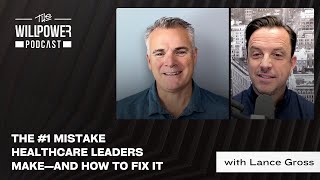
This YouTube interview (Mar 4, 2025) features Will Humphreys and Lance Gross discussing Lance's expansion of a physical/occupational therapy business in Arkansas from one to ~20 clinics over ~6.5–7 years with further openings planned. Central themes: a mindset shift from patient-first to team-first (prioritize team happiness to improve patient experience), recruiting by internal referrals and hiring locally, promoting clinicians into managers/owners, leader development via weekly Zoom meetings and a book-club (John Maxwell's 21 Irrefutable Laws), unlimited CEU support, competitive pay, strong retention (Lance states only one clinician left in ~6.5 years), and practical operational choices (open clinics where team members exist first). Also covers personal routines (clean diet, limited exercise, still sees patients ~15–20 evaluations/week) and recommended books (Who Not How; One Minute Manager; 21 Irrefutable Laws).
Questions this video answers
March 4, 2025
About 20 clinics (with 4 more opening soon; interview references ~24 in total planned).
About 6.5–7 years.
One clinician left (Lance's statement).
A once-weekly 45–60 minute Zoom meeting with clinic managers (leaders' group) and a book-club discussing one law per week from John Maxwell's 21 Irrefutable Laws.
Chapters
Foreign.
Hello and welcome back, rockstars. So grateful to have you tuning in today's special episode with Lance Gross. Lance Gross is a master physical therapy practice owner. He went from one location to 20 locations in seven years, and he's opening four more in the next year. So we're going to talk about recruiting and, and retaining at a level that is going to be mind blowing. What's really cool about this episode is that it's very simple. When you hear how he grows, it's going to release stress from you because I think oftentimes we end up holding tightly these things because they are so hard and all these things. You're going to hear how Lance has very simply addressed these issues through a mindset shift that anyone can make. So Whether you have one location or 50 locations, this episode is going to be essential to helping you not only just recruit and retain better, but it's going to help you shift the way you see your business. Enjoy the show. Okay, so, Lance, you started your first practice six and a half years ago. You have 20 today. I, I'm sure that along with that type of rapid growth, there's been some incredible shifts in your mindset. What are some of those mindsets? Like, what's, what's a mindset shift that has occurred for you and your team that has been, you know, evident in your growth?
I would say when we, we first started Our First Clinic 6 and a half years ago, you know, we were obviously, you're thinking, we're building this clinic, we're going to make lots of money, we're going to serve patients, we're going to take care of these patients, we're going to make all the patients super happy. And over time, you realize that's not the case from one practice. You don't make a ton of money, you don't make every patient happy. Sometimes your team members aren't as happy. So as we've grown and moved along and added more things, it's, it's become, especially the last two years, a huge shift in our mindset. Where we were at first, we were worried about making every patient happy, patient satisfaction, all this thing, and not really taking care of our team so much, not really taking care of our team members. So they were kind of getting, you know, work harder, work harder, work harder. You know, not a lot of positive energy feedback to them. Not, not a bunch of negative either, but not a lot of, you know, not a lot of pats on the back going around. So over the last couple years, we've changed our Mindset to more mentorship and more education, more leadership training for our team members and not really worried about the patient so much because if our team is happy, the patients are happy. So they're smiling faces, the energetic, they're enthused to be there. The patients pick up on that and they're, they all stay happy. So we really strive to, to make, I tell our team all the time, I want this to be your favorite place to work. So we want to be make sure that you want to work here forever. Like this is your career, not just a job hopping. This is where I want to stay forever because I'm happy doing what I'm doing.
Lance I think what's so powerful about that is that when I, when I coach across the country, most of my clients get super stuck around one area and that's recruiting. So it's interesting that like for a guy in Arkansas, you know, there's not like a billion PT schools floating around out there. It's, you know, it's not like you have you. For you to grow, you have to have a unique strategy that is not really something of a strategy as much as just a mindset shift, which is that you're not so hyper focused on just patient care being the primaries. And again, it's not that you're neglecting that you're saying my, my team is my focus. Building an experience for employees that makes them like super happy to come to work every day. Like you said, you want them to wake up every day excited to come to your company. How did you discover that mindset shift? What occurred for you around that, you.
Know, multitude of things. So I, you know, I plug into some things that you, that, that you talk about and other folks talk about. I think it was just a conglomeration of all that stuff and kind of sitting back and looking. And to be honest, the first week, when you have multiple clinics, we had the first four or five. Managing, managing five clinics is very difficult because you're, you're, you really have to, they really have to be efficient and have to be generating revenue in order to keep things going. But once you get like more than that, it becomes a little easier because each clinic doesn't have to be, they don't have to be the breadwinner that it's got to be a little successful. And as long as they're a little successful, people that work at that clinic are happy. I'm not, you know, you're not so demanding on them, I guess, as to be productive, if that makes sense.
There's not so much pressure. Like I hear what you're saying. See, I never had more than five. And I remember those days of like, everyone's got to pull. We've got to maximize profitability at every location to do it right. Because there was no middle ground. It was like either we were maximally productive and profitable or we or not at all. This whole thing about, like when you have five locations, the profitability expectations are so big it makes you put pressure on the team almost because you have no choice. But when you're getting bigger, you get past that because you get the accumulation of marginal gains that start to allow you to focus on the team and not worry so much about the minor ebbs and flows of productivity, of profitability.
That's correct. And it's no doubt I was telling someone the other day. Cause we were. We have the 20 clinics now and we're opening four more within the next three or four weeks, depending. Depending on when the construction gets done. You know how it goes. We're remodeling the emergency of contractors at the moment, but so sometime before the end of February we'll have four more. And someone asked me the other day, like, how do you do that? I said, actually it's. It's become easy now. Like it's easier. It's way easier to open clinics now than it was five, six years ago. We have a system in place. We go over that way. We know what had it. We know how to set the equipment up, we know how to get the place set up. This and the team members are the important part. So we don't ever. We've never. Something unique about us. We've never opened a clinic and then try to find team members. We have the team members first before we open the clinic. So we have team members, a therapist that comes and works for us for a year or two years and has starts. Starts expressing management opportunities and exemplifies the leadership skills. We kind of mentor them and say, okay, where would you. If you had your own clinic, where would you want to put it? And they say, I don't want to put it here. And then we go look in there. Then we put them a clinic there and then they take off and manage that clinic.
So amazing.
So it's.
All of.
All of our clinics have grown from inside out. So we haven't ever gone out and put a clinic in and had to hire someone to fill it.
Guys, okay, rockstars. This is mind blowing. Pay very close attention to the brilliance of what he just said. So Dan Sullivan said it in a different way in a book called who Not How We Grow around who. You love that book? Yeah, it's great. For me, that was transitional because normally as an entrepreneur, I get, like, the shiny object syndrome. I want to go build all these ideas, but the truth is I want to build people, and the people become the determinants of what the strategy is. So obviously there's some limitations. You wouldn't go nurture an engineer at this point. You would stay in the physical therapy realm, since that's your business. But, guys, rockstars, this idea about growing around who, not how. Here's one thing I want you to hear is that Lance is able to recruit powerfully because he's not needy. He has this success that has accumulated over time. And it's in my mind. The thought I have, Lance, is slow is fast, and fast is slow. Because if you had got started saying, I'm going to open 20 clinics this year and then try to recruit for that, it would have. It would have gone much slower, more painful. But what you did was like, let's just go one clinic at a time. Let's focus on the team above the patient as you've realized that. And then you attract better people who grow. And then when they're ready, you start more locations. And it's this exponential compounding effect of growth. And so because most of the people Lance I work with, they're so desperate for pts yesterday, or they want to sell because they're so done. They've been treating for 40 years and they just want out. But they've never recognized. And by the way, don't feel bad if that's you listeners, rock stars, don't feel bad. That was me for years. I didn't do 20 clinics in that timeframe. It took me 15 years to get to my five. So it's not the age, it's the stage of learning. So now that we've learned this concept, let's really drive that in of, like, building around the right who's. Because, yeah, Lance, what I would love to hear from you a little bit now is like, what do you guys do for recruiting? Like, how does that work for your company?
So we recruit from. We have five physical therapy schools in Arkansas. So we recruit from them, of course. But most of our recruiting comes from word of mouth, honestly, from someone that works with us, knows someone else that works somewhere else, and they say, hey, this is a pretty good gig over here. The state treat us pretty good. That's, I would say, 99% of our recruiting comes from our own team members recruiting someone else to come work for us.
And do they come from out of state or is it mostly from Arkansas?
Mostly from Arkansas, yeah. So we try. We try our best, and I don't think we've ever. I think. I don't think we ever recruited someone from out of state. Everybody that works for us is local, which is another kind of beauty that works with our. So someone that is from, let's say, Smithville, that works for us. They grew up in Smithville and they work for us for a year or two and say, hey, I'd like to put a clinic on my own in Smithville, Then that's the perfect fit because that person is from there. They have roots there, and that's their clinic in their town. So that's. That's. That's the whole gist of what we've done.
Well, I love this conversation because, like, the next questions are gonna be. I can hear my audience, like, well, how. What does he do to take care of his team? So we'll get into that. But here's what's funny, Lance, is I've coached people in Arkansas in recruiting specifically, and it's such an amazing difference what mindset makes, because I've heard the. The same facts that you just mentioned, and as reasons why they can't recruit, they're like, well, I can't recruit unless they're from Arkansas and it's this tiny little state and there's only five schools. And frankly, like, they just start listing all the same things that you just said, how you recruit. Well, are the reasons why. Other companies I know have told me why they can't recruit well. And so it's just this idea of focusing on team has put you guys in a position to where it started to snowball. Your brand has started to compound as you've made impacts. So that would be a great tool for all the listeners is what are you doing with your people? Your mindset is focused on helping them get excited about coming to work every day. What do you do with your teams so that they do wake up excited to come to work every day, and then down the road tell their friends to come work for you.
Not to get too far into depth of that, but we do pay very well.
Yeah, yeah, yeah.
So that makes. That makes it. That makes a difference for sure. But we also. Our leadership mentorship training, we have unlimited access to continued education. So we have no limit on CEUs or further education or certification. So anybody that works for us that comes to us and says, I want to get certified in this or trained on this, we pay for it. And unless they come and say, hey, I want to do this three week course in Hawaii, we're not, you know, we're not doing that.
But. Right.
Within reason. We, within reasons that we do that. And yes, I don't. We probably. There's no telling how many certifications we paid for this past year and how many CEU hours our staff earned. Most of them, most of them did well over 30 or 40 continuing education hours this past year. Whoa.
So that Con Ed is really big for students in particular because they're coming out and they're looking for leadership. But it's not just the Con Ed. I think that's a cool, like, attractive thing. But I think, Lance, it's, it's this leadership program as well. Like, it sounds like you're giving them a path to the future of what that is. So is that like, when you say leadership, is that like directorship or is it more just general leadership?
So a little bit of both. So we do a general leadership. We have a, we have a leaders group. So the clinic managers. Our clinic managers are all our leaders, as we call them, our leaders group. So they're all the leaders. And we do a once a week meeting with them. And it's a zoom meeting. These last 45 minutes to an hour each week. And we just talk about topics of the week, what's been going on, clinics. But we also do a leadership. We call it our book club. So we, we read the same book and then we talk, are talking about it. So right now we're working. We're working through John Maxwell's 21 irrefutable laws. So we're working once a week. We do one law a week, kind of go over that. And then we've done a couple other books, so. And we'll do that in the future. So anyway, then they take that training and take it back to their local team at their clinic and then they implement whatever they want to from that. So I'm helping, I'm helping train the leaders and they're training their team. Teams, individual.
So guys, so this is me talking to the rockstars. Audience, listen, look how simple that is. But how powerful it is. I think where we get overwhelmed sometimes, Lance, is this idea that leadership programs need to be super thick and meaty and we have to build them out first. It feels like you're building the plane as you're flying it with a leadership program where it's like hey, let's pick a. Let's pick. Why are you laughing?
That's how I do everything. So that's how I do everything. Literally, it's like I have this idea and we just do it. And my wife, wife's also a pt, but she doesn't practice anymore. She, she actually runs the business part. So she takes care of, you know, all the new clinics. And I just come on this hairbrained ideas. And she's like, we can't do that. I'm like, oh, you probably can. Let's do that. Yeah, that's. And if you're asking anybody that's been working for, with me for a long time, I have several employees that have been with me for 15 or 20 years because we have some other. Another therapy business before the clinic. Anyway, they all know that about me. Like, they, oh, here's another idea. We're going to do it. And sometimes they work out, sometimes they don't.
But you do it together and you implement quickly. And I think what's brilliant about your leadership program, Lance, and I want the rock stars to pay attention is this idea that you're taking it just something simple like a book, and everyone reads a section of the book and you call it your book club. But one of my favorite quotes I ever heard was from a mentor who said that who we are in five years is a combination of what we read and who we associate the most with. And it's so true, like the books we read. So you're developing this team in a very step by step way of like the 21.
Was it irrefutable Laws?
Irrefutable Laws. I've heard of that book. I can never say irrefutable, but like that week to week process is so simple, right? It's like, but, but then how does. How are. How are. Does the big changes occur? It's always like these small and simple but consistent. I think the thing I hear in you is consistent changes. So rockstars, as you're listening, what are the things that you could implement that are small, that but you could do consistently? Is it a book club where you just. Everyone reads a book and you talk about it? Is it something else like an online program or a training course? Is it listening to the same podcasts? Like, what is that for you guys as you're listening for Lance? For you, how do you pick your books and stuff? How do you determine the book club content?
Mostly recommendations from guys like you and people I listen to and people I talk to that I associate with that are other leaders in. In the therapy world. Most mostly in the therapy world. So it's been recommendations. You know, I think, I actually think you gave me the book who Know how. I'm pretty. Pretty sure you did.
Oh, yeah, I forgot. Yeah. When we first met.
So I read it. I read it once and I'm actually reading again right now. And the second time through it actually better. Of course it's better than the first time. Yeah, yeah.
So that's why you're such a successful leader. You've read the book twice. I've only read it once and I think that's. That's amazing.
I'm only halfway through the second time, so it's not. I'm not quite get it twice yet.
Man, I love this idea. So one thing that you said too, Lance, I want to talk, I want to hit on really quick is this idea that people leave our companies. According to LinkedIn, over 86%, 88% of our people who leave us, it's because they don't see a future in it. So it feels like between this unlimited con ed concept and this constant like, leadership development plus, like you open clinics, like, that's the other thing is if I was working for you, I, you know, I'm getting paid well. I'm also getting nurtured. I'm getting like this, this idea of, like, I could open, I could go be a director of a clinic one day and then I get to go join this elite group of cool people. So, you know, how do you filter out. How do you know, how do you guys filter out people who aren't a fit for your company? How do you recruit or what do you do in a way that prevents people who, who could disrupt that. That beautiful thing that you're building?
So we've been really lucky that kind of like I said earlier, most, most everyone that all the therapists, clinicians that work with us knew someone that works for us before. So they. We have already a relationship, so there's a history. They know, they know them personally already before they come on our team. So we have very few people that just came to us organically. They just, that applied for the job. We have very few of those. Most of them we knew ahead of time. We've had this. This will blow your mind. And it blows everybody's mind when telling this. Since the last six and a half years, we've only had one clinician leave us.
I have to sit down.
Right, right. And it was, it was an unregetable leave. Like we were it's okay. You know, that was.
Yeah, it was one of those.
Yeah. But only one is left. Clinician has left us. Of course we lose, you know, ancillary staff that come and go.
Yeah. But the core team, the core pts, all those people. You've asked one person in six and a half years.
Right.
What would you say some of your secrets for retention would be then?
So, like I mentioned, most of our team are, they're local. They, whatever town they work in, where their clinic is, that's where they grew up and they live and they have roots there. Their husband's there, their family's there, their wife is there, their parents are there. So they're, they have no reason to leave. And then we, the incentives that we have as far as pay goes and then the education we give them, if they're going to be a therapist, there's no better place to be a therapist. And that's kind of, that's what we want. We want to. If you're going to practice physical or occupational therapy in Arkansas, the only best place to be is at gts. That's the best place you could do it at. So that's what we really strive for.
Amazing. Have you worked with any coaches along this journey for you?
Nope. No coaches.
Okay. So you're probably listening, going, will you say all the time that you should always have a coach? Well, listen, I will tell you this organically. When it comes to leadership, there are natural born leaders and there's everybody else. The natural borns are very few and far between. And Lance, I'm going to make you feel bad, but you're one of those natural born leaders. You're one of those that. My brother Law is the same way. He's this guy who dropped out of college, he's never had a coach, and he has the third largest pest control company in the country. It's massive. I was a keynote speaker at his internal event for two years in a row. And there's hundreds of people at his own company event that are just the leaders. They're not the employees. It's the local clinic director types for his pest control company. And there's just people who kind of see it. What's fun about talking to natural leaders like you, though, Lance, is this idea that, like, you just see it so simply that you spell it out really cleanly. This idea of like, what's the secret to retention? Well, there's no real secret when you're building around the right people because the right people attract the right people. So what's your secret for recruiting? Well, we started with the right people and we incentivize them so we love on them so well. We nurture them so well that they tell their friends. And so it's created this snowball effect. So guys like me.
We have to grind a little bit harder to figure that out. But that's what's beautiful, is that anyone can do it. So I want rock stars who are listening that to feel intimidated because that is not a. That's not a typical path. But you've also put your whole heart and focus on this, and I think that's what's beautiful. Just because it was natural for you doesn't mean it's been easy. You've gone through some really challenging times, I'm sure.
Yes. Oh, yeah, of course there's. It's not. We're painting the rosy picture here. It's not all roses, of course, but there's no but.
It is interesting because you're in the top 1% of all the people I've met. And I think that's what's great for my audience, is to hear this. So what are some of those challenges that you've overcome in the growth of going from. That is. That is super fast. Going from 0 to 20 in. In seven years. Really?
Seven.
Probably 24 in seven years.
What.
What are some of the key challenges that you've experienced along that way?
So I think just a knowledge, maybe the knowledge base of how to actually run an outpatient therapy clinic, because I really, really know how to do that. You know, I'd been the therapist for 28, 28 years now, so 20 something years when we opened our first clinic. Never had an out. Never had a clinic before, ever. And just the ins and outs of actually how to do that, how to actually run a clinic with the credentialing and the hiring and insurance and just all those things we had to learn at the first. And it was a struggle. We had five clinics. We had open. We went five clinics the first year and they opened within like six months of each other. So we had a core of five clinics for about two years. And for that two years, it was a struggle. Like mental, financial, everything. There was no. There was no money being made. There was no. We were just pouring money out, doing this. And finally it started. Everything started clicking. And then, since then, it's been much, much easier. And that a lot of it was my personal growth. I just didn't. I didn't know how to handle all that at first. Much better. Not great at it yet, but much better than I was then.
Hey Rockstars, are you having a challenging time recruiting, retaining or training your people? Then man, am I excited to tell you about the Rockstar Summit guys. This is my personal event that we are launching on March 1st and 2nd. It is going to be two full days of nothing but workshops on how to solve recruiting, training and retaining problems. It's very heavy on the recruiting side. We're going to show you where to find candidates that no one else is accessing so that you can get a leg up in the industry and grow the business that you deserve. So again, that's March 1st and 2nd. Please go to www.rockstar-summit.com to learn all about the details. I will be there in person teaching some of the classes. But we have experts from across the country coming as well. You do not want to miss it. I hope to see you there. As you're talking, Lance, what's clear for me is that is the difference between mindset and skill set. I think one thing that as we're talking about, I feel like I'm embarrassing you. Like this natural leadership you have is mostly tied to your mindset. I think that's what makes you powerful is this idea that you have a natural way of just seeing things from an optimistic growth minded set. But you still hit limitations on your skill set. And that's the thing, like there are ways that we, there are things that we have to learn. So even you, you have to read books, you know, you go to conferences like everybody else and that's where you learned your. Actually I'm putting words in your mouth. Where did you learn the skill set? When you're at that level, when you were stuck with your five locations, what did you, where did you go to learn what you needed to learn?
Just plugged into a couple of just conferences and groups and things. I don't know name names or not, but I did that. Oh, go for it.
Mention names, plug, plug anything that these people can hear and go why you should join those groups.
Right? So at first one was plugged into Breakthrough with Chad Madden and his group.
So love that guy, love that.
And I've been been three years now with them and 10 I've only missed one conference because my wife wouldn't let me go. Wedding anniversary. She's like no, you're not going. I'm like, okay, so wedding anniversary.
Smart woman, right?
So smart guy, it's got to stay at home. So I'm maybe. But anyway I missed one of those and I've done some other reading, listen to you talk and talk to you. Not enough times, but several times. And it's helped. Thanks tremendously.
Well, I've learned a lot from you too. I think that's the cool thing about leadership journeys. It's kind of like your team, right? Your team is in there reading books together and learning together and everyone brings something special and different to the table that they can grow from. And that's my favorite part of this journey for me is being able to rub elbows with guys like you. Like Truly, when we met, it was like, wow, he's accomplished something in your space. I was in your space. I never got to that level. So you have this like, influence as well. So we can all just take what we've come from with our own specialties. And rockstars, as you're listening, you might be thinking, oh, I don't have anything. Bull crap. I've met some of the most powerful leaders I've met are actually guys and girls who've only had one location for 40 years who just have felt stuck now they haven't realized the same profits and there's some unlocks that could really help them. But I kid you not. One of my favorite leaders of all time. I won't call him by name, but he is in Arkansas. He's had this one practice pretty much his whole career, but he has influenced the industry 100%.
I know you're talking about it.
Yeah, yeah, yeah.
Tremendous person.
Tremendous. One of my favorite human. I'm just going to mention him. His name is Seth Coulter. He is one of my favorite people on the planet. And he just, you know, he's had one location, but he's helped build this network in Arkansas that I believe is the model for how the whole industry should be organized to fix the industry. Like if you're basing it off of like number of locations or, or growth, that's just one way to measure impact. There's multiple ways to measure it. So rockstars, as you're listening, just take what you can from Lance and recognize that everyone has something very special. And I really believe that, Lance, and clearly you do too, because you have this team of people that are growing. You would have to believe in each person's ability to contribute, otherwise you would never grow.
True. Yeah. I truly.
Let them do their own thing, if that makes sense. So I give a little bit of trust them advice and then let them let them do it. So I have whatever those locations we have. There's a few that I haven't Been to in over a year, honestly. Haven't even visited them. Haven't even been there to see them. I've talked to them on the phone. We do a zoom meeting once a week, but actually step my foot in the clinic. Have not even been there. I don't typically do much treatment in the clinics. I do one of our clinics that's close to my house. I do a couple evaluations a week there. I do some home visits, still home health stuff, practicing. So I practice every day. I see patients every day.
But not like, near like I used to. Of course.
I love that you said that, by the way. That was in your intake bio for the. For the podcast. And I wanted to hit on that because I've been guilty of saying, you know, kind of overemphasizing the need to get out of treating because it's like this. I. But what I think. What we're trying to say when I say that is that it's not a matter of stop treating. It's a matter of start leading so that people get so wrapped up in their identity as providers that they get stuck. And that's something that we see commonly is like, stop looking for the cookies at the end of the treatment sessions and start looking for the team that you can build. But what's cool about what you've done is that you've been able to build your company to where you do what you want and you still care as a therapist to develop those skill sets. So you keep that as a part of your routine, but it's not at the sacrifice of your company's needs.
Right. That's probably been the hardest thing for me personally, is to try to step away from treating patients like it's. Yeah, I know I need to. I know I need to do more because I. Right now, right now, I probably do. Oh, I know I do. I do. I do 15 to 20 evaluations a week.
Wow.
Right? So that's what. That's what I. Between home health and outpatient clinic. That's what I typically do a week. But I need. I need to get away from that more. I really need to get, like, away so I have more time to manage because I. It would give me more time to manage the business.
Yeah. I think you're at that stage where need is maybe not the right word, only because you're creating it so intentionally. Does your team look at that positively? Like, does that influence your team in a way where they see you as a provider? Oh, he still treats. He's one of us. Or is that kind of irrelevant to them.
It's important. Some of them I think, I think part of them give me, I get more respect from them and other people because I still treat patients, I think. And then there's part of them that's worked for me for a long time that are like stop treating patients. You need to stop. They're telling me to back up some not, not do so much of this.
So yeah, yeah, I could see it because I think the ones who know you know, you understand your impact on them because when you're not treating, who are you thinking? Who are you working for? It's. You're really impacting the team more than the patients if you're not treating. So I can see them. The people who really know you are like hey this is great but when you're over here in leadership, my life keeps getting better and I want my life to get better. So maybe you should stop treating.
Exactly that. They would probably agree with that statement, I think.
Oh, that's great. Well, okay. Well listen, you're, I don't know, you feel to me like this guy who's been able to do what very few have because of your team and I want to make sure that as your team is listening to this, that this is a complete your company experience. Where are you guys going? Like 20 locations in seven years. 24 locations in seven years is so phenomenal. Do you guys have aspirations of being a multi state business or are you just kind of like figuring it out? Are you still building the plane as you're flying it kind of thing?
One of our clinic, we're opening a clinic in Missouri this month or February. So we're multi state I guess going to be multi state. So. Right. Which has turned into a whole bigger nightmare as far as insurance credentialing than we realized it was going to be. But any, that's the other thing. So I don't really know. People ask it all the time what like we're, I don't, I didn't. When we first started this, I didn't envision 20, I didn't think six years ago we were going to have 24 clinics. That wasn't even my idea. Um, I thought we'd have, we'd have four or five and we'd be happy and that'd be fine. But as like our just leaders keep growing inside our group and they want us, they're like saying I wanted to have my own clinic. That's how it's all just happened. So I haven't, I haven't really sought after. I haven't said, hey, let's open a clinic in this town. Someone came to me and said, let's open a clinic in this town. I'm like, okay, let's do that.
Yeah. And isn't that, isn't that so much easier.
Oh.
To just kind of be more intuitive with what's already happening versus like, okay, guys, we're going to be 80 clinics in five years. Mm.
Yeah. No, my wife would kill me if we did that.
I'd be on the front porch. So. Yeah.
Oh, man. Yeah. I really feel that it's interesting. Cause in my journey, when I had those five locations, I got that team dialed in to where I was working only in recruiting for and some high level leadership for about 20 hours a week. And I was busy kind of building that merger exit thing that I created. But my team was like, hey, let's go open 20 more clinics. And like, they, they were the ones who was driving it. I think that's when you know you've. You've crossed that line. Reactive to proactive growth is when your team is telling you where they want to go. And that's when I tapped out, actually. It's funny, Lance, because I wanted to do something more for the industry, kind of facing the industry. And that was when I was like, okay, this is going beyond what works for me. But it sounds like for you, like, you'd be open to whatever it needs to look like. So if it's more great, if it's 80, more great. Like you're just kind of open.
Yep. Yeah. If it's no more, great. But I don't think it'll be that these, I mean, these, these four we're opening next month or next. Whatever there's going to be. All those just came from one meeting one day. I said, anybody want to have another clinic? And they're like, yes, yes, yes, I do. Yes, I do. These four people picked out a place and we are doing it. So.
And that's why you can be so confident in stating that, because it's not like you're like, I'm putting. Because you already have the who's. So, so how do you. Since you're so rock stars, as you're listening, I think the key takeaway with what we're talking about right now is about being open. You know, there's a. There's a balance, I think a dance that exists behind having an intentional focus for growth, but also being open to what is. And so maybe there's kind of some letting Go like, once we create a vision for the future, which I still think is valuable, what can we let go of and just be open to what's. And paying attention closely to what's already happening around us? So, Lance, since your vision is pretty open, how do you define success for you and your business? What is the criteria that you use to determine what success looks like?
I think just honestly, at this point in time, if my team is happy, that kind of sounds cliche, but I think if they're happy and we're not losing money, then not that successful. So our. Our brand in north Arkansas has become kind of mean. We're kind of known for the therapy in the north Arkansas. There's other great providers, of course here, but we're kind of known as the therapy place because we're drafting north Arkansas. You're going to see one of our clinics in every town almost. But I think that as long as our team's happy where they're working and they're making a nice living and our patients are happy and they keep returning and sending their family and we're able to make a little bit of profit at each place, then that's successful to me. I don't need to make $200,000 off one clinic. I don't need that. I just need to make sure they're profiting a little bit and we're not losing money and everybody has a place to work and they're happy working there. That's really, honestly, that's it.
What if all of our criteria for success was just this balance of happiness? Right? You know, instead of, like, my sons, I have four boys. Like, as a parent, I could destroy my peace and my happiness by having expectations of them to being like, professional athletes or whatever. And again, I do think there's something about having some standards and expectations. I don't think that's like saying that we get rid of those. But what if it was a matter of, like, supporting people in their journey to be happy and successful? And as long as they're doing well in a team sense, then we're all doing well. And like you said, there's criteria, profitability. It's not like that. You don't look at stats or anything.
Oh, yeah, that's constant. I mean, I'm a. Whatever. Numbers freako. I look at every day, metrics every single day, just kind of see where we're flowing and ebbing at, make sure we're still just on track. But. But it's not the. It's not the driving force that Makes us successful.
Yeah, it's how people feel. And as your team is happy and feeling nurtured, the stats, the stats just kind of take care of themselves.
Yeah. Like I said first, when you first question you asked, I think it's that if the team is happy working where they're working, everything else falls into place. Like everything else just works great. So as long as they're happy where they're working at and happy with their job, happy with their performance, happy with me, everything else takes care of itself. Really does.
Wow. You know, it's hard for me to not have these discussions and take what I learn and apply them to other groups. What I mean by that is organizational health is something that applies to all organizations. So when we're talking about your company, Lance, I think about my family, I think about like my church organization. I think about any group of people that are coming together to form a team. And you know, as you're talking about like happy team, it reminds me of that phrase, happy wife, happy life. And it's true. Like, I think one thing that I have paralleled with you is that I've been very blessed to have a marriage that I feel very content in and very happy in. And my wife tells me the same and I don't have any reason to disbelieve her. But I think it's because there's this balance that I see it. That's the one place in my world where I see a parallel. I have this marriage where we really do. As long as I'm taking care of her and helping her be nurtured, she takes care of me. And it's just, it's this beautiful like back and forth relationship behind that.
So we didn't talk about that. But I'm, we're the same way, my wife and I, we're the same. Like we were high school sweethearts, college. Like we're the same, like we're the same person. And that's probably huge, probably more benefit than we realize it is. It's probably helps us more growing our doing the things we do that, that we have that support from them and we think the same and have the same ideals. I joke about her getting overwhelmed, but she's, she's fantastic. So I couldn't do this without her. There's no way.
Yeah, I think, and by the way, I think this is an important lesson to hit for the rock stars as well. I think there's this concept so part of like your natural, like, you know, leadership we've talked about. And again, I Want to give your full team credit because I recognize that you are a reflection of these great people that you've taken care of, but they've taken great care of you back. So you have this wonderful symbiotic relationship. But it started in the home. I from pers. When there's problems in the home, it's really hard to be a powerful leader at work, even if someone's a natural leader, because that domain, that innermost, tightest domain, think about it like this. The smallest personal domain is our health. If someone is super sick physically, they can't show up powerfully at home, they can't show up powerfully at work, and it continues to compound. So I think what's cool is just how you've been able to identify this balance and synergy you get in your home world and how that's kind of radiated outward into your teams and it compounds. And so the rockstar's reason I say all this is because as you were going through places of being stuck, you might want to look outside your company. Sometimes people get really focused on, like, why am I stuck at the five locations? Well, maybe it's something they don't know that they don't know. So they could use coaching or whatever, but maybe there's something internal in their home environment or even in their personal world, mentally that needs to get addressed.
I went through EMDR therapy. It's like a psychology kind of thing once. And I helped overcome some mental trauma that occurred to me when I was in high school. Fell off a mountain rock climbing, broke my arms and legs. I talk about it all the time, but I remember when there was a shift in there and I remember feeling this release. And then when I had my PT practices the next week, all my stats started going up, like everything started getting better. And I was like, oh, there's no way there's that. That's a correlation. It was like, because I show. I started to pace the leader, pace the pack. Like, how the leader shows up is how everyone shows up. So if we can take care of ourselves, we are able and our families and our families are taking care of us, we can continue to radiate outward. What do you do to take care of yourself, Lance? Are there any things you do mentally, physically? No, there's no way that's a no. Do you exercise or eat clean or any of that?
I eat cle. Do I eat clean? I don't. Yeah, I. I eat like super clean. Like everything's got.
Healthy. I don't eat any dairy. I don't eat, you know I don't drink. I like water is all I drink. That's it. I don't drink any sodas or caffeine or nothing. I used to drink caffeine like crazy. I mean I used to drink like a couple years ago. You know 12 pack of diet man do a day was pretty easy for me.
Right. So I quit all that.
So you were hitting the caffeine but you eat clean. Do you exercise? You read books? Read books and self care.
I read books a little bit. I don't, I don't exercise very much. I really don't.
I do a little bit.
I should do more. Yeah I do a little.
I'm trying to take care of ourselves.
A little bit more, you know. 53 years old so it's time to start doing a little something to maintain my health I guess a little better. So I probably start need to start that. Maybe they all start tomorrow.
No, it's so fun to talk to you too. I've been in a business networking group for 20 years called EO and there's these hyper achievers and these are guys and girls that run like triathlons and they run their multi billion dollar business and they're like it's just like it's so overwhelming and it's not who I am. I want to be more like a Lance Gross where I'm just like yeah, I just do some things and I just care and as long as everyone's happy and we're making money I think that's there's an ease of life around that that helps us enjoy the here and now because what's the point if we're just constantly trying to push next success.
Yep. So yeah that's right. Not to you haven't asked this but not to talk. So I don't. My leadership skills are very much. I've never raised my voice at a single person that works for us. I've never had it. I don't, I don't lose my temper. I don't do that. I'm very like just even keel all the time. Maybe it's to a fault so much people can't read my emotions some because I'm just like you happy or are you sad? We can't tell you're Is it a good day or a bad day? What is it? I'm like it's a great day.
Every day is a great day. Like we couldn't tell. I'm like well it is so.
And that's the truth. So I, I could do Better that I could do better as like, I give a few more high fives maybe, you know, do that when I walk into the clinics. Hey, how's it going today? How's the wife and kids doing? But I'm. I'm not really that. I'm just.
Yeah. And by the way, I see truly the most successful leaders I've met are ones who are even keel. My wife is even kill. I am not right. I. What's hard about me is that I'll go into my team and I'll be like your favorite person. Like, dude, let's gonna do this. We're gonna take and we're going to be billionaires and save the world. And the next day I'm having an average day and people are like, dude, Will's pissed. Like, no, I'm just. I'm just not as hyped as I was yesterday. So I think even. I think there's another lesson in leadership about trying to provide consistency around that. What would you say your team would say are the best qualities of. Of your. Of your business? What would you say that your team would say is the best. The best? You know, few items that they would say are the best parts of your company.
Stability. I think the stability of it and the fact that they know that I've. I've got their back no matter what in. In situations.
People that have been with her a long time know that. So they know that I'm. I'm 100 pro them and I'm going to take care of them for whatever. Whatever situation they're in, whether it's work life or personal life. I'm going to try to help them get. Get through that or give them the time to get their space to get through that or whatever I need to do. But I think the stability of it, they just know it's a stable place. And I. They feel like I'm a stable person, that I'm not going to lead them off a cliff. I mean, there's a joke all the time that they just. They're going to follow me off a cliff if we go off a cliff some way. So we were in. We were in land. We were in Orlando at a conference a while back and there were several of them, 12 of us that are at this conference, and we went to walk to dinner one night and I said, well, I know where we're going. We'll go. Well, I took a wrong turn and they just followed me just down the road. Must have been like a standing joke today. We just followed you the wrong direction. And the half of them were like, no, it's over here. I'm like, nope, he must know. Let's follow him. So, yeah, so totally my fault. So we end up having to Uber from where we're just kind of walking. But yeah, so it's been a long joke with us for a couple years now.
Yeah. It's interesting that, like, you would say that they, that they would say you have their back and what does that result in? It has them having your back. Like, it's funny how when we commit to people, how they just would follow. Following is more about committing to them. But I think there's also something I. This is something. I think there's a balancing counterpoint to this, is that I've been so employee focused that I've put their needs above the company. I've done that by accident where, you know, I'm like, well, they, they're working hard. I'm going to give them more money and I don't know my numbers. And I, I change. I actually take us into an impro. Unprofitable state because I'm trying to be in that decision matrix and putting them above the company. So I think part of the stability that you create is that the, the priority is that what's best for the company then, then the employees, because those things have to be done in that order. So I think that's interesting that they would say that. What would you say are your favorite.
Aspects of your team? What would you say that you love most about the people and the leaders that you get to work with?
I think it's just their willingness to not, not follow, but willingness to, all right, my ideas and things are willingness to jump on board and go. So as we're rowing the boat, they're all rolling the same direction, if that makes sense.
Yeah.
So that's, I think that's, that's, that's a big one for me.
They're all in. It sounds like they're all in pretty much.
As far as I know. Maybe somebody's not all in, but I think they're all in.
So, you know.
They'Ve convinced you. If they're not, they've got me fooled. And what really, what really matters at that point, because if they've convinced you and you feel that, that's great. Because that says a lot about them. That says a lot about them. That they're the type of people who are willing to put their shoulder to the wheel and push and just make it happen. That's amazing.
Yep.
Yeah. Well, I love it. Well, listen, Lance, it has been a joy to be with you. I, I, this episode has covered so many wonderful aspects of leadership. What would be some top book recommendations you would make for our audience?
So who not how. Who not who not how for sure. And that that go. And that's gonna, that's gonna cover gamuts. Not only in your work, that's uncover gamuts and in your personal life and all kinds of things. I mean from your lawnmower to your. And all that stuff. I'm serious. So that's a great one.
The One Minute Manager is good. If you ever read that One Minute, that's a great manager's good book. Simplifies things down. That's, that's, that one probably impacted our leadership group a lot. And they all took away from that and started implementing those things in their own clinics. And it's. Yeah, they, that's a good one. So that's, that's. I would. Let's go with those two for now for sure. One Minute Manager and who not how for sure. For those. There's some other financial books that real boring but recommend. But yeah. Then 21, if you're like John Maxwell fan or not. The 21 irrefutable laws of Leadership. That's, that's probably a little sidebar here. If you guys. I got a second. That's probably, that's the, probably the, that's the very first leadership book I ever read in my life. And that was. I read that probably 20 years ago now because I was a young new graduate, got out of school looking for something to do, look for ways to make money. And I got involved with Amway.
So no way.
Right.
So.
So I never made any money with Amway at all. But the leadership stuff they taught me probably propelled me to where I'm at now. So that's, that was kind of the start and foundation. So that was one of the first books I ever read for leadership. And I've read it like three or four times since then.
So people that are watching this are thinking, do you think I'm an avid reader? Not avid reader. I'm a good listener. I like doing most of my stuff on audible. So I'm not, I don't want to sit down with a paper book using read too much.
But yeah, it's funny how people. I think that's a key thing. Rock stars, I want you to hear this, is that people forget that everyone learns differently. There's a guy by the name of Gary Vaynerchuk Gary Vee, he's a huge successful influencer business. His big thing is social media and marketing. He's like the world's greatest at it. And he was on stage, he's written like all these bestsellers. He's like, I wouldn't read my own books. I don't read books. I listen. I don't even think he listens to Audible. But like, there's people who listen to books, there's people who have to read the books, there's people who read and listen, there's people who watch videos, there's podcasts. Like it doesn't matter. Like, I think, but the idea is to just be doing something there. As a side note, people who probably don't know what Amway is. Amway is a multilevel, was the, was the mother of all multi level marketing schemes. And I once sat on a plane, Lance, where the guy next to me had jewelry on his hands. Like, he was like an old king from old England. Like he just had these giant on every finger and stuff. And he was an older guy at the time. For me, I was probably in my 30s, he was probably only in his 60s, but he felt older to me. And he just had all this jewelry almost so pimped out, it was crazy. And he just started talking to me and I was like, so what do you do? And he's like, I just get degrees. I have five doctorates. And I'm like, really? He's like, yeah, I was one of the third guys and one of the first guys in Amway. Yeah, he just made so much money. But anyway, like, that's kind of a worthless story. But the idea being that, like, you, you took those 21 principles and have been applying them and growing them. So I think that's an incredibly useful tool. It sounds like it really impacted you for sure.
Yeah.
All right, well, dude, thank you so much for being on the show. We're definitely gonna have to have you back and do an update on these new locations that you're building out. And yeah, man, thank you so much for being on the show.
Thanks. Will appreciate it.
Thank you for listening, rockstars. And if you're one of the many medical professionals and leaders who have had it dealing with the drama of hiring and training people that you think are overpriced, then let's think about how virtual assistants can offload you to do what you love, which is changing people's lives. In the show notes, there's a link to jump on our calendar so that we can show you why LinkedIn shows that virtual assistants is the second fastest growing trend in healthcare next to artificial intelligence at no obligation. We'll see if this is a fit for you. I hope to talk to you soon.
More from Will





Highbar PT’s Blueprint for Culture, Brand & Growth With Michelle Collie and Dave Pavao

Highbar PT’s Blueprint for Culture, Brand & Growth With Michelle Collie and Dave Pavao




