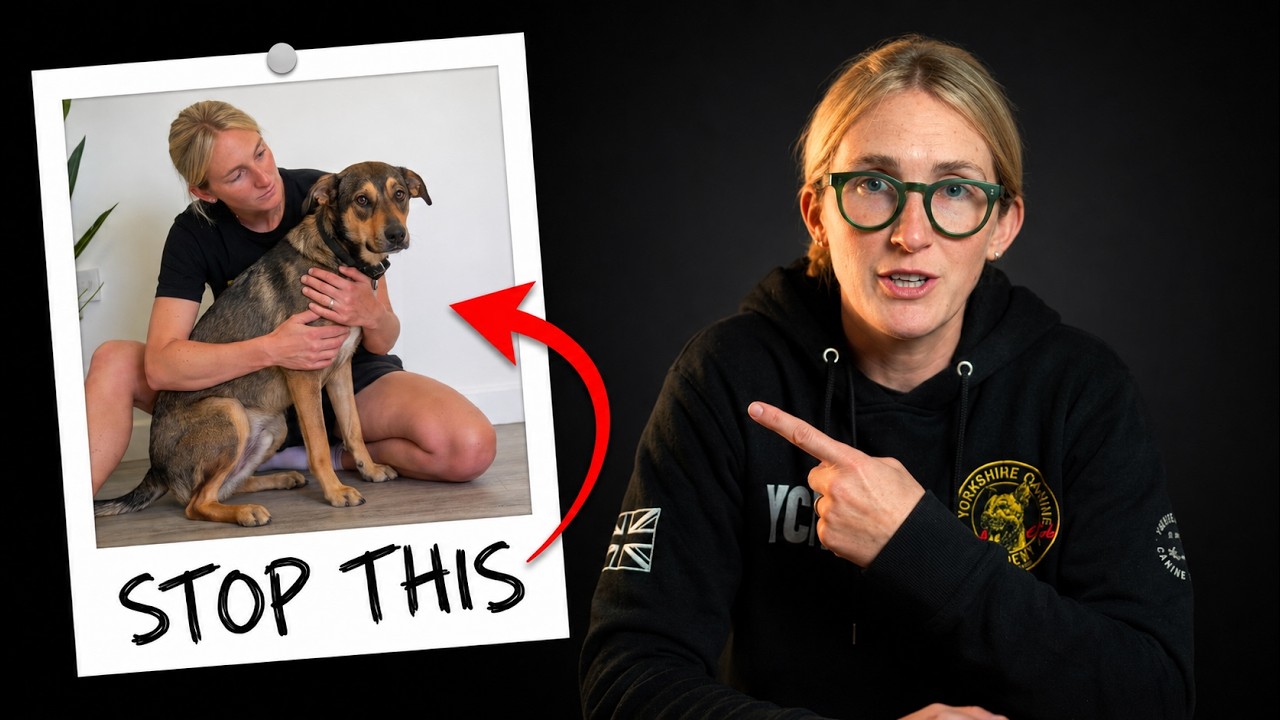
In this instructional video, Jacob Morgan, a trainer from South Coast Canine Academy, shares the hard truth that rescuing a dog does not mean love alone can fix the behavioral challenges shaped by the dog’s past. He explains that many owners unintentionally keep rescue dogs stuck by over‑relying on affection, safety, and guilt‑driven avoidance, which prevents the dogs from learning how to handle pressure and fear. Morgan introduces three core pillars for effective rescue‑dog rehabilitation: (1) clarity – providing predictable, consistent guidance so the dog no longer has to guess what is safe; (2) fulfillment – offering safe off‑lead freedom, problem‑solving opportunities, and mental/physical outlets to rebuild confidence; and (3) active intervention – using structured training plans rather than waiting for time to heal the dog. He warns that passive waiting lets problematic patterns solidify, and that owners’ lives can shrink as they rearrange schedules to accommodate the dog’s anxiety. Morgan encourages owners to adopt clear, kind plans, seek community support through the Behaviour Bible, and consider the South Coast Canine Academy boot camp for hands‑on help. The overall message is that rescue dogs need direction, structured training, and purposeful freedom to move beyond their past, not just sympathy.
Chapters
I've got two rescue dogs myself, so when I talk about rescue dog behavior, I'm not talking about it like it's theory. I know what it feels like to bring a dog home and wonder what they've been through. I know what it feels like to think, you've already been through enough stress, I just want to make you feel safe now. And that instinct is a good one, but it can also be the thing that keeps a rescue dog stuck. Because the biggest mistake I see with rescue dogs isn't that people don't love them enough, is that they try and use the love as the whole training plan. Love matters, Safety matters. Trust matters. But if your dog has spent months or even years learning that the world is unsafe, that other dogs are a threat, that people can't be trusted, or that pressure means panic, affection alone won't change that pattern. It might make them feel safe with you in the house. It might help them bond with you. It might help them settle on the sofa at night. But then you step outside that front door and suddenly it looks like you have a different dog. They bark at dogs across the road. They pull you towards things or even away from them. They scan every corner. They can't relax visitors come into your house. They look soft and loving at home and then completely overwhelmed when they hit the real world. And this is where rescue owners often start carrying a lot of guilt. They say, sorry, they're a rescue. They start avoiding more places. They walk earlier or later. They let the behavior slide because they feel bad for the dog. They keep trying to reassure them, comfort them, and protect them from everything that's difficult. And I do understand that, but here is the line I want you to remember: your dog's past matters, but it cannot be the whole plan. If the only explanation we ever use is they're like this because they're a rescue, then we accidentally leave the dog living inside that story forever. We explain the behavior, but we don't change it. We protect them from the pressure, but we don't teach them how to handle that pressure. We manage the world, but the dog never learns how to be different in it. A rescue dog doesn't need you to pretend their past didn't happen. They need you to help them stop practicing the patterns that their past created. That might be fear, It might be reactivity, it might be guarding, it might be shutting down, it might be following you from room to room because being alone for them feels impossible right now. And this is where clarity becomes kindness. A lot of people hear the word clarity and think it sounds cold, but for an anxious dog, clarity is actually relief. Clarity means the dog doesn't have to guess. They don't have to decide who is safe. They don't have to monitor every dog moving on the pavement past them. They don't have to control the doorways, the windows, the guests coming into your house, the other dog, or even you. Clarity says, I'll show you what matters, and I'll guide you through pressure. I will not let you rehearse the same panic every day and just hope that time fixes it. This is also where fulfillment really matters. A lot of rescue dogs live really small lives— short leads, same quiet walks, no actual freedom, no real outlet, no chance to move, explore, decompress, problem solve and see that they're actually capable. Then we wonder why they're restless, reactive, frustrated, or obsessive. At South Coast Canine Academy, we don't see safe off-lead freedom as a luxury you can only think about once everything else is perfect. We see it as one of the first foundations to consider because dogs need more than just control. They need fulfillment. That doesn't mean unclipping a struggling rescue dog and just hoping for the best. It means building the dog properly, recall, relationship, guidance, boundaries, and safe freedom that gives the dog an actual life again. For many rescue dogs, the goal is not just to stop barking. The goal is to help them breathe in the world. The goal is to stop living every walk like it's a threat scan. The goal is for the owner to stop apologizing before anything's even happened. There is another piece that matters here, and I see this a lot with rescue dog owners. They wait for time to just solve the problem. They think, it's only been 3 months. Maybe after a year they'll settle. Maybe once they realize they're safe, this behavior will stop. Sometimes time can help a dog to decompress, and I would never dismiss that, but time itself can also become another form of avoidance if the dog is still rehearsing the same behavior every single day. If your dog has been reacting on the same street for 8 months, they've not just been living with you for 8 months, they've also been practicing that reaction. For 8 months. If they've been barking at the window every afternoon, that's become part of their job. If they've been following you around the house, unable to settle unless they can see you, that has become a pattern they trust. So yes, give rescue dogs time, but do not only give them time. Give them information. Give them predictable guidance. Give them appropriate outlets. Give them chances to succeed before the world becomes too difficult for them. Give them kind support that doesn't just keep them comfortable today but helps become more capable tomorrow. And this matters because the owner's life is often quietly being rebuilt around that dog. At first, you stop going to that one café because there's too many dogs there. You stop inviting certain people around because your dog can't cope. Then you stop walking at normal times. Then you stop going away. Then you start arranging every plan around whether the dog will be alright. Nobody calls it restriction in the beginning. They call it being sensible. They call it management. They call it giving the dog what they need. But one day you realize your whole life is being planned around the behavior you hoped would just fade away. That is the moment I want owners to catch, because rescue work is not about forcing a dog into a life they aren't ready for. It's about carefully building the dog so that life can get bigger and better again. So if you have a rescue dog and you feel like you've tried to be patient, kind, gentle, and understanding, but your life is getting smaller, I don't I want you to feel blamed. I want you to see what might be missing. Your rescue dog might not need more sympathy. They need more direction. They may not need every trigger removed forever. They may need to be guided through the world in a way that changes what they practice. They may need another label. They may need another plan. And if that feels uncomfortable, remember this: a plan is not a punishment for a rescue dog. A plan is how you make the world feel less random, how you help the dog learn, I don't have to make every decision by myself anymore. If you feel like you're alone in that, the Behaviour Bible community is a really good place to start. We go live in there every week and you can ask questions. You can be around people who understand what it's like to live with a dog that makes normal life feel difficult. And if you're on the South Coast and your rescue dog is reactive, anxious, shut down, or making your world smaller, apply below for the South Coast Canine Academy boot camp. Because rescue dogs absolutely deserve decompression, but they also deserve clarity, fulfillment, and the to become more than just their past.