The CAGED System!-An Intro For Bluegrass Pickers
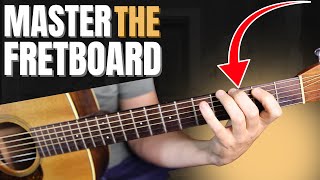
Aaron Jaxon teaches the CAGED system for bluegrass guitarists, breaking down the C and A major bar-chord shapes and the arpeggios and scale patterns inside them. He covers major pentatonic, major diatonic, and blues scales, then demonstrates each shape with a backing track to show how to make them sound musical rather than technical.
Chapters
One of the best ways to navigate the guitar neck is through the CAGED system. So today I'm going to show you how to get started with this, and I'm going to show you how understanding the CAGED system can really unlock the fretboard for you. Well, hey there, it is Aaron Jaxon coming to you today. So there's a ton of information on YouTube about the CAGED system. A lot of people pass this off as, you know, it's the secret to really mastering the instrument. And while I don't think it goes that far, it's definitely something that as a lead guitar player you want to have a good grip on. What I love most about it is it shows us the relationship between chords and scales, and it shows us how to take that and move it up and down the neck in any key. But I don't want to overwhelm us here today, so all I'm going to do to get you started with the CAGED system— we're gonna do one key and we're going to do one major chord. We're just gonna stay in C major for today. So kind of the general premise behind the CAGED system is that our chords have different inversions that go up and down the neck. So when we're using C, and I'd say a lot of y'all have seen this here here before, but just in case you haven't, when we're using C, we have a C chord down here, which is also known as our C shape. And we can play that same chord up here using this bar chord. That's an A shape. We can come up here to this awful, painful shape called the G shape and play the same chord. We can come up here and play this again. This is an E shape. And we can come way up here and we can, again, still playing a C chord, but play a D shape. Okay. When we're saying A, G, E, and D shapes, we're referencing our open kind of cowboy chords down here, but we can move those up, but we have to play them as bar chords. So I'd say a lot of y'all have seen that, you're familiar with that idea, but really where it really helps us unlock the fretboard as lead guitar players are in two ways. Each one of those chords has an arpeggio that we can play, and all an arpeggio is, it's the notes in a chord played as a melodic idea rather than a harmonic idea. So for instance, instead of taking this A-shaped C chord right here and playing it as a chord, which is a harmonic idea, we could take the notes in the chord and play that as an arpeggio. So each one of these positions has an arpeggio that we need to know, but they also have associated scale shapes and scale patterns. So with each one of these shapes, we have an arpeggio and we have associated scale patterns. Now for today, again, where we're just getting started here, and I'm just going to keep us in not only in the key of C, but we're just we're just gonna do C major. We're gonna do one major chord for getting started with the CAGED system here. So the scale patterns that I'm gonna show you, we're gonna do a pentatonic scale, we're gonna do a diatonic scale, and we're also going to do a blues scale. Blues scales and pentatonic scales are almost the same thing, but blues scales have one extra note. Sometimes that one extra note causes us to really have to change up the fingering, so it's almost like having to learn a new scale pattern. Now, one other thing that I would say before proceeding with this lesson here, If you are a guitar player and you don't already know your scale patterns— and when I say scale patterns, I mean your pentatonic and your diatonic scales up and down the neck— I would really recommend starting there first before jumping into the CAGED system. And I have a really short, just a little over 2-hour mini course you can check out down in the video description below. It's called Guitar Scale Fundamentals, and it's just a real simple way of learning your pentatonic and your diatonic scale patterns and learning how to use those in any major or minor key. I'd also recommend checking out my Blues Scales for Bluegrass Guitar Masterclass. You can check that out here, and I'll also link that down in the video description. I would recommend having a good grip on your scale patterns though before jumping into the CAGED system. And so for today's lesson, I'm only going to cover the C and the A shape part of the CAGED system because I don't want to bog us down with too much dense information in one video. So this will be a two-part series. I'm going to do the C and A shapes today, and in part two, I'll do the G, E, and D shapes. You can get the tabs for all of these ideas and some backing tracks down in the video description and in the top pinned comment. Okay, so let's jump in and let's learn our arpeggio and our 3 associated scale patterns in the C position here. So let's start with our little C shape down here. And so let's start with our arpeggio. So we're just gonna do— okay, okay, so we're just mapping out the chord tones in our C major chord here. Okay, so there's that. Okay, and I'd say most of y'all are, you know, obviously very familiar with that, but we want to take those chord tones and turn them into melodic ideas there. Okay, now let's go ahead and let's, let's do our associated scale patterns here. So, so again, if you're not already familiar with your scale patterns, again, go check out my Blues Scales for Bluegrass Guitar Masterclass, get my Guitar Scales Fundamentals course. You really want to have a a good grip on these before jumping into this lesson. But anyway, associated scale patterns, again with this position right here. So pentatonic scale will do. Okay, now where we are using open strings right here, that may feel a little unfamiliar, but basically that's I, in my mind, I think of that as pentatonic pattern 4. Like, if you've learned your minor pentatonic patterns, like A minor, starting with A minor, which these will work in C major too. That's like pattern 1 up here, pattern 2, pattern 3, and then pattern 4, you know. But we're playing pattern 4 down here with open strings. Okay, so that's our associated pentatonic scale. Let's do our associated diatonic scale, and that's going to be this. Okay, and again, I consider that It's like diatonic scale pattern 3. Okay, and then let's do our associated blues scale, and it's gonna be the same— it's gonna be very similar to the pentatonic scale that we played, but we got an extra note that we're gonna throw in. So that's gonna go like this. Okay, so all almost the same thing, but— okay, so one more time.
Arpeggio, pentatonic scale, diatonic scale.
And blues scale. Okay, so like, how cool is that? Like, look, look at how much juice that we can squeeze out of 3 frets out of a, out of a freaking C major chord shape. Okay, I know a lot of people have been playing the guitar for decades and they get they, you know, they just get stuck. I mean, I hear about it as a teacher all the time, but this is a great way to really get unstuck because look at, again, how much juice you can squeeze out of a C major shape out of 3 frets. It's insane. It's such a cool thing, and that's why learning this is such a great thing to do as a guitar player. One of the other things that we want to do when we're learning this stuff is not just learn these patterns, not just learn these notes, but where, again, I'm mostly teaching bluegrass guitar on this channel— that may very well change in the future, I may start expanding into other styles— but as of now we're mostly doing bluegrass here. What we want to do is you want to practice your technique, you want to practice your alternate picking, and you also want to practice your timing. So here's what I'm going to do here real quick. I'm going to play that arpeggio and I'm going to play the 3 associated scale patterns along with a Strum Machine backing track. Okay, I'm not going to play this fast. This does not need to be a chop builder or a shred fest here, but what we do want to do, we want to practice technique and timing, but we also want to make this sound like music. Okay, so I'm going to do that here. This is a Strum Machine track. And I'm— again, I'm gonna play the arpeggio and the 3 associated scale patterns, and that'll sound like this. Okay, so now let's jump up and let's do the A shape out of our CAGED system here. So this is our kind of A shape bar chord for C major here. Okay, and so let's go ahead and we're gonna start with the— let's, let's start with the arpeggio. Here. So we're gonna do—
okay, I'll play that again.
Okay, and we want to do 3 associated scale patterns again out of this kind of— out of this area of the fretboard here. Okay, so we'll start off with with the pentatonic scale. Let's do our diatonic scale. And our blues scale. Okay, so again, look at how much juice that we can squeeze out of, you know, just a couple of frets here out of a C major chord shape. Arpeggio, pentatonic scale, diatonic scale, and blues scale. Okay, so I want to do the same thing with the A shape that I did with the C shape. I'm going to play this along with the Strum Machine backing track again because we want to practice technique, we want to practice timing, and we also want to make this stuff sound as musical as possible. So that'll sound like this. So in just what we've covered today in our C and our A shapes, I want you to see— again, I use this phrase a lot here— but how much juice that we can squeeze out of that. And again, what we're doing here— and again, whether we're learning our CAGED system, whether we're learning our scale patterns— we're mapping out of the territory on our guitar. We're navigating the fretboard, and this is a great thing to learn in addition to the vocabulary-based stuff that I teach on there. And that's licks, phrases, tunes, note-for-note solos, all of that kind of good stuff. Because when you have a good grip of, you know, the way your fretboard is laid out and you've built your vocabulary, you can see where your favorite players are pulling from, and it just gives you a much greater context and enables you to come up with your own Again, I will be doing a part 2 to this lesson where we cover the G, E, and D shapes here, but for right now, just get started with the C shape, get started with the A shape, and just get started with C major. Don't worry about the other types of chords, just get these couple of major arpeggios and associated scale patterns down, and it'll be a great foundation for really mastering the fretboard. Remember that you can get the tabs for this lesson and the backing tracks that I was playing along with down down in the video description and in the top pinned comment. I really hope this starts to unlock the fretboard for you and shows you just how much juice that you can squeeze out of these basic major bar chord positions. Always, thanks for hanging out, and I will see you next time.






