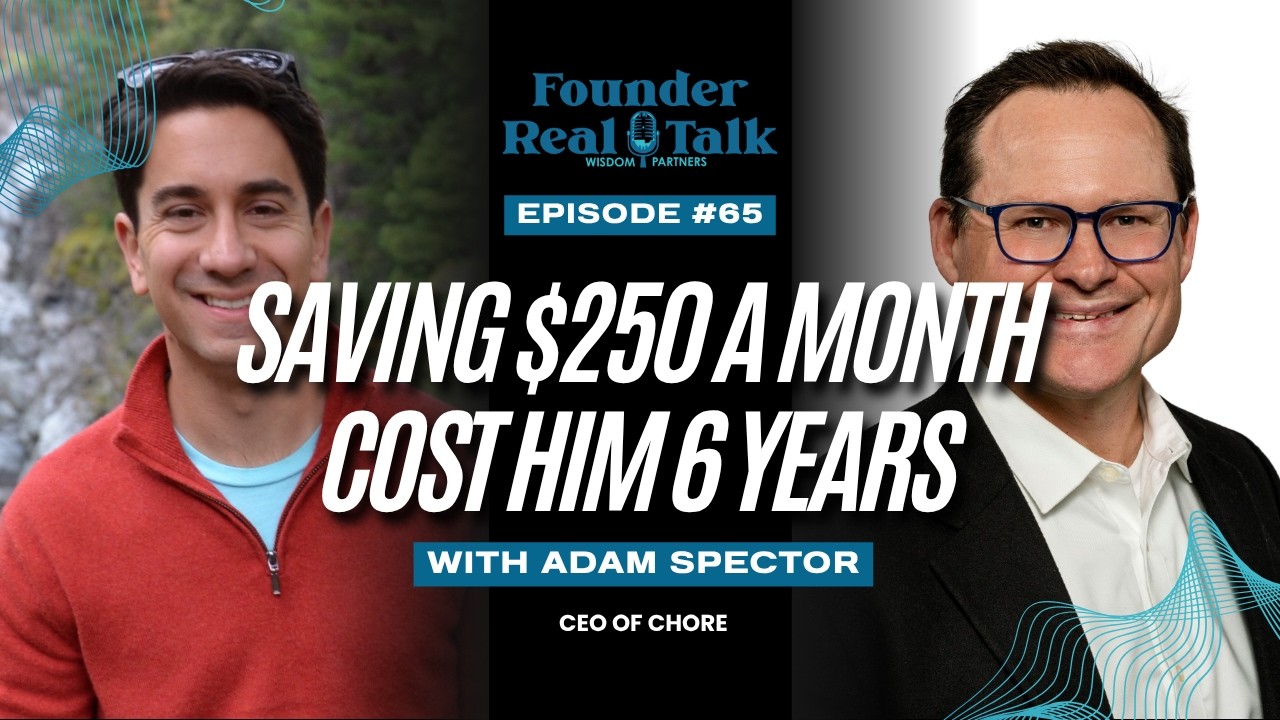
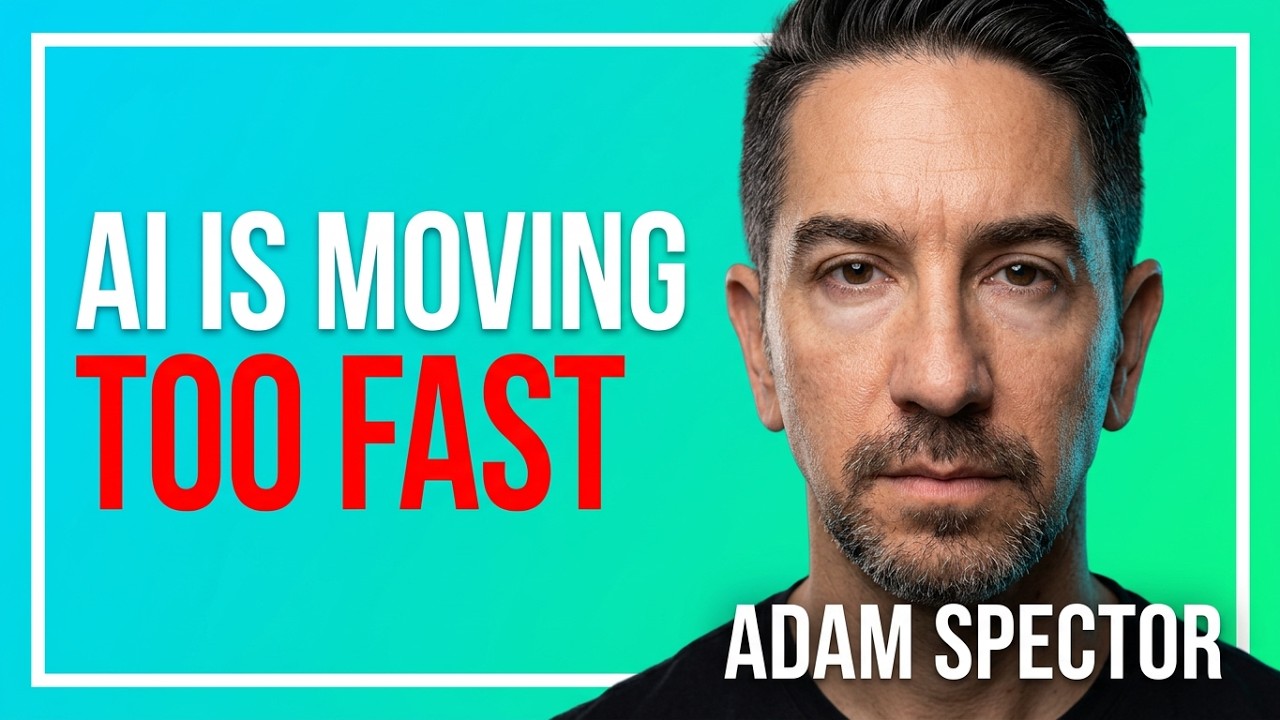
In this conversational interview, Adam Spector and a co‑host discuss the core traits of successful entrepreneurs, emphasizing that intense obsession with product and outcomes drives high performance. They explore the downside of such single‑minded focus, noting the risk of burnout, and propose a shift from a sprint mindset to a marathon approach that balances speed with long‑term sustainability. Using the analogy of Olympians, Spector shares his personal habit of working six days a week for 15 years, framing it as a built‑up muscle that feels normal to him despite appearing extreme to others. The dialogue underscores the responsibility founders have to manage their own pace, ensuring it supports the company, personal health, and family life, and highlights the need to find a personal, sustainable rhythm rather than adhering to external notions of normalcy.
Chapters
We've done about 120 or so episodes. Um, probably the key learning is the best entrepreneurs are the ones who are the most obsessed with their focus, their product, what they're trying to build. They care deeply about outcomes, um, and they almost can't sleep because they are just so focused on what they want to get out the door. So it's just obsession, right? To the detriment of other things, but obsession.
Right, right. Yeah, I, I agree. I mean, I think That makes a great entrepreneur. I mean, I, when you're talking about that, I relate it to myself and I feel the, and then, you know, what we're talking about is after you went to that extreme of obsession, then pulling a little bit back so you can have more balance in your life. Because, you know, the way that I see, I used to think is, you know, it's running as fast as possible right now. I'm thinking more if it's a marathon. So yeah, we want to run fast, but also we want to, you know, balance the speed so, you know, we don't burn ourselves out.
Yeah. Exactly. And that's, you do need to find balance. Although once again, a lot of the best entrepreneurs not only find, they balance for sure, but they find a different level of work or sort of a different gear than most people. Like, so maybe an example would be we just had the Olympics and Olympians, you know, you and I can go run a race or something, right? Like I can run a race, they can run a race, but Olympians can do it for so much longer because they're so much more practiced at it. So to them, running it or skiing it or whatever analogy for the Winter Olympics you want to use, their pace is so much different because they built up that muscle in ways that you and I, sort of regular people, don't have. So an example, in my case, I work basically 6 days a week and I have for probably 15 years. Most people think that's crazy. They're like, oh my gosh, that's insane. I'm like, that's just normal. Like, it feels weird when I don't work 6 days a week. It feels odd to me. Am I an Olympian of working? Maybe. Maybe it's also unhealthy, but it's what it takes in my mind to be successful and I built that muscle. So to me, it's not abnormal. It's actually the norm to work that hard.
Right. I mean, we, we, we just, what I've been trying to say with, with being a marathon is that we have to find that rhythm of pushing ourselves, but not too much. So we, we build up the training and then we can keep it, keep it towards the long term. Right.
Right.
Yeah. And what's normal, what's not normal. I don't care what's normal. It's what's normal to you. Right. What pace can you sustain? Right. If you go too fast, faster than what you can, then you're going to burn down. Right. And that, that, that becomes counterproductive for the company, for yourself, and for your family. So you have a big responsibility to, to keep that balance, right?