Bob Sutton: How to Outwit Workplace Jerks [Entire Talk]
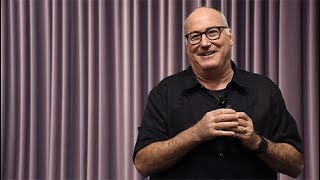
This content was created by GHION.AI . This content was uploaded by GHION.AI . This is a YouTube video titled "Bob Sutton: How to Outwit Workplace Jerks [Entire Talk]" created on October 23, 2017, featuring a talk by Bob Sutton on strategies for dealing with difficult colleagues in the workplace.
Chapters
Great to see you all. Welcome to the STVP now classic series. Are we over 20 years, Tom? 15. Yeah. It seems like we've gone a long time. And I think this is the fifth or sixth time I have talked. It's only my second talk about assholes. I talk about other topics as well. Let me describe kind of the adventure that led to the book I'm going to talk about in some detail. So I didn't mean to write two books on assholes. The first one was kind of an accident. It was as a result of writing a short article for the Harvard Business Review called More Trouble Than They're Worth. And I actually was inspired because a department which has now been merged out of existence called Industrial Engineering that Tom and I were part of actually had a no asshole rule. And at the same time, my wife was managing partner of a large law firm. And when you are managing partner of a large law firm, asshole management is part of your job, because lawyers are like that. So we were kind of getting it from two different perspectives. So I thought that was sort of interesting. I got remarkable response to a short essay in the Harvard Business Review. So I wrote a book. I thought what that book, that book was called the no Asshole Rule. I thought what that book was about was about how to build an organizational culture that was relatively free of jerks. Okay, that's what I thought it was about. But there's sometimes what you think you're selling and then there's the market response. And the response I got, which I continue to get. I got three or four today because I have a new book out is a deluge of emails that essentially all say the same things, personal conversations. It just goes on and on. I actually have two phone messages right now that have this. And essentially they all ask the same question, which are help I'm dealing with an asshole? Or a bunch of them. What do I do now? I do have a PhD in psychology, so I'm sort of qualified to address this. But you can judge how well I address it. And I resisted for a decade answering. And just to give you a range, I'll give you some quotes. I got them from a CEO who asked me about dealing with. So this is the entrepreneurship part. Where's Tom? This is the entrepreneurship part. So a CEO of a Silicon Valley company, you would know who asked me about dealing with douche boards and bored holes. Okay, so that's a Baptist minister who asked about dealing with mean parishioners and on Walmart, people from Walmart. A whole wide range. And this one, this is a more serious one. This is a woman who so many of you probably know that a really great job for a young lawyer is to clerk for a federal judge. So you write opinions for them, you do research, you do all sorts of shit work too. And so she was in an asshole rich environment. Okay, so here's what you wrote me, this little excerpt. The judge has thrown numerous temper tantrums this year for seemingly insignificant events. I love this. Late or incorrect water delivery. What a sin. My two co clerks yell and belittle each other and me at every chance. One gets very angry and bangs his phone on his desk violently when he's upset. They are hell bent on unleashing their misery into the world. What do I do? So this is a relatively dramatic one, but not unrepresentative. And then as part of this, there was an editorial cartoonist named David Wilson who for the first book wrote, just drew some cartoons randomly. And then we commissioned him to do some. So this is one of his cartoons. And this is a guy who wrote me the inspiration for this cartoon that he had worked at, what he called, he called it an asshole factory. It's exactly how it was in the email with the dollar signs for seven years. And he described this really hostile environment. He described how he started having anxiety problems, sleep problems, trouble with his family. Classic effects we're going to talk about in more detail. And one of the things that, and this is a theme. If I was to do factor analysis or cluster analysis of my asshole emails, there's this thing where people do weird stuff with food. And so what was going on here was the owner of the asshole factory had this tendency, when he had a bag of chips, he would stick his hand in it and eat his chips. Kind of a violation. Okay, so on one hand he got all these emails, all these conversations. So I'm getting this sort of qualitative data and I really, I try to answer them. I don't answer all of them, but I'm pretty good about responding to them. So that's one hand. Okay, Then if we go back to 2007, it's 2017. The other thing that happened. So I'm a behavioral scientist. And those of you who know about the way the behavioral sciences work is the way that you find research. Typically the way that we actually rank scholars when we consider whether or not to give them tenure at the Stanford Engineering School is by going into something that's called Google Scholar, where that keeps track of all the academic papers. So one of the things I would do is keep track and do a search every now and then among certain keywords. Bullying, verbal aggression, phone rage, workplace victimization, things like this. If you do a search under what I'm calling all or most things asshole, there's about 200,000 peer reviewed papers that have appeared in the last 10 years. So for academics this is a growth business. And I could name 10 or 15 academics I know at first year universities who got tenure doing things air rage, verbal aggression, abusive supervision. So in my business, in academia it's a growth business. So those are the two things that sort of pushed me in this direction. Oops, sorry, I always tripping everything. So let me go back one. So there's a whole bunch going on in this literature, but there's a tweet that I saw, it was actually tweeted originally out retweeted by William Gibson, famous science fiction person who coined the term cyberspace I believe. So he got the credit. But here's what it said. Before you diagnose yourself with depression or low self esteem, first make sure you are not in fact just surrounded by assholes. Those 200,000 or so studies I'm talking about, a remarkably large percentage of them are sort of reflected by this one little tweet. So if we're going to do a rough sort of parsing of the academic literature on what I'm calling all things asshole, there's two kinds of effects. My focus, especially in the workplace, and I'm talking about studies that look at conditions and this is I guess my definition of an asshole, that leaves others feeling demeaned, de energized and disrespected. So that's the kind of, that's what would be my definition. And anxiety, depression, physical health problems. There was a longitudinal study in the UK that people had abusive supervisors were more likely to have fatal heart attacks, for example. And then you got a whole bunch of performance effects. So we might have the whether or not assholes finish first conversation which people seem to love to have in Silicon Valley. But whether or not they are finishing first, the people around them are not, as the evidence is really clear on that. So the way I like to describe it is if it helps you get to the top of the hierarchy, you are climbing to the top and simultaneously destroying it at the same time. Okay. Another thing about it that's really important is it's incredibly contagious. We have very good research that shows that negative emotion is more contagious than positive emotion. That if you're around nasty people are going to catch It. And there's another thing that happens. There's even been some studies published since I just. I finished this book in late 2016 that show that assholes prefer to hire and be around other assholes, especially assholes like them. So if you're Machiavellian, you want to be around Machiavellians. If you're a narcissist, you want to be around narcissists. So assholes attract. So that's another problem that you've got. All right, so I'm going to spend the rest of the time and what I'll do is I'll talk until about 5:20, and then we'll make sure and open it up for questions. With all these people, you better have a conversation. But if I was going to take some mental provisioning, if you are thinking about dealing with a situation like this or advising someone, keep in mind there are a whole bunch of enormous cognitive biases that we human beings all have where our tendency is to blame other people for our problems. And this is certainly true of assholes. And my advice to you is, if you're in a situation where you feel like somebody is treating you like dirt or a bunch of people are, as a slight debiasing technique, and we talk about this more, be slow to label other people as jerks. Be quick to label yourself. And even this probably isn't enough, given how strong the bias is. But in much of the literature, and I fall prey to this too, I tend to say, well, there's the assholes, those are the bad people, and it's the good people. That's me and people like me. Life's more complicated than that. All right, so one of the things. So when I started working on this book, there's somebody. How many have heard of Dan Pink? Well known, sort of management writer. His daughter Sophia actually is a student here. I think he may have been another kid. Anyhow, so Dan. So he was giving me advice about this book. He's well known, sort of management author. And he said, so what you need is to have sort of a decision tree or flow chart, which if you have this type of problem, you do that. And so of course, because Dan's a smart guy, I thought he was right. I spent like months and months trying to come up with it. And the thing I kept running into is, and you all know this, that life is so messy that I can't give that to you. And the best I can offer you is that you've got to craft your own strategy or help the person you're advising to craft their strategy. But still, there's some things you might keep in mind. One is how long does it last? So, for example, one of the places we did interviews was Phil's Coffee. How many have heard of Phil's Coffee? Stanford audience A lot of Phil's Coffee. So there. Even if you've got a terrible customer who's treating you like dirt, it's not going to last much more than five minutes. But if you've got a boss or you've got a customer who you've been serving for 25 years who treats you like dirt, then maybe you got to mobilize a little bit more and do something a little bit different. Another distinction I really like to make, and this is related to my assholes are us sort of theme is it's important to figure out whether you're dealing with a temporary asshole or what I call a certified asshole. All of us under the wrong conditions and experimental psychologists are brilliant at turning people into jerks in the laboratory. And these are people who are randomly assigned to conditions. If you put somebody in a hurry, if you deprive them of sleep, if you put them around a bunch of jerks. And one of the best ways to turn people into jerks, which does fit into the local scene, you give people power and they get worse and worse. They get selfish. All sorts of things reliably turn people into jerks. And we're all capable of, of being temporary assholes under the wrong conditions. But there's some people who, across times, people and places tend to treat others with disrespect. I would call those certified assholes. And obviously what you do with somebody who's temporary versus certified is a different sort of handling. I already talked about power as something that potentially causes problems and turns people into jerks. Power is also important because if you are dealing with a jerk, if you're the CEO and let's say you don't have a board, you can just fire them. But if you're at the bottom of the hierarchy, or maybe you're in sort of more of a democracy, it gets more complicated and you got to use a different approach, one or many. The other thing, if you just got one person, you it's just the boss and you got one asshole to deal with, and everybody else is pretty civilized, then it's kind of easy to avoid them. You just got to kind of be where they aren't. If you are in a Lord of the Flies situation where everybody is all asshole all the time, you've Got serious problems. First of all, it's going to have all sorts of negative effects on you. And the second problem is that the odds you're going to turn into a jerk are really high. And the third thing, and we might talk about this some in Q and A, I don't necessarily advise barking back at people who are jerks, but in a situation like that, if you don't defend yourself some, probably you're really in trouble. And then finally the damage done. One of the things that really strikes me is there are some people who have remarkable ability to be around jerks and to barely notice them and to barely get upset. And some of us, I would include myself, are more thin skinned. And so you got to kind of do a self diagnosis, which is how much am I suffering? And the worse you're suffering, probably the more dramatic action you should take. Okay, so that's some guidelines. The basis of the book. These are four chapters that are the heart of the book. Let me talk a little bit about some methods from each one. The best thing you can do, let's start out with this, is if you are in a situation where people treat you absolutely horribly. If you can get out, you should get out if you possibly can. In fact, the email that I just got this morning, which a woman bought the book and she told me the book wasn't as useful as she hoped because she worked for the IRS dealing with really, really hostile small business owners. She's a lawyer who were always late and it was just mean people day after day after day. And I said to her, the only thing I can think is either to get out or to form the thickest skin possible. I suggest that she find a therapist. She didn't quit. That's the best I could do. But. So there's lots of times when you should get out, when the situation is bad. But to give you scientific advice, do not be stupid about it. It's a long life. If you burn bridges and piss people off, it gets harder to get another job. And I think we all know this. One of my favorite examples, JetBlue, some of you may have heard of this. In 2010, there was a flight attendant named Steven Slater. What happened was, and if you're going to pick a job where people treat you like dirt, being a flight attendant is a pretty good one. So this poor guy, Steven Slater, he's on a flight with two women, are really being hostile to them and he's fighting with them about their luggage and the overhead compartment and everything. And then as the flight lands I believe it was in Pittsburgh. One of them, and it's taxing. One of them opens the overhead bin, he gets hit on the head with the luggage really hard and he's pissed. So he gets on the microphone as the plane is pulling to the gate. He cusses out everybody on the plane, he activates the emergency exit slide, he takes two beers and he leaves the scene. Okay, it's a true story, it's well documented. Okay, so this is classic Johnny Paycheck, take the job and shove it material. He was a folk hero, blah blah, blah. But things actually sucked for him after that. He got fired, he was on probation, he had to pay a fine. He said he was depressed and sorry. So don't be stupid about it if you possibly can. Although sometimes it's tough. So there's also this notion of whether it's better to stick it out. There's sometimes when, although it sucks, what happens at the end is worth it or the cost of quitting are so high that you'll pay too big a cost. So the attorney who wrote me about the horrible office she was in, this was like four or five emails back and forth. So I said, you got to quit, you got to get out of there. You are suffering, you are taking damage. We go back and forth and eventually it comes out, well, she's got all these student loans and her mentors all tell her she's one year into a two year clerkship, that quitting is career suicide. So at that point I was like, okay, well let's figure out how it will hurt you less. But, so sometimes it's stupid to quit. The other thing that's really important, we've got very good evidence about this. You see, like there's things like good Place to Work survey, Google tends to be at the top. I hope Equifax is at the bottom. Just a little editorial opinion, but the fact is that we have 30 years of evidence from Gallup that the quality of the organization on the Best Place to Work survey, for example, is a terrible predictor of your immediate colleagues and your immediate boss. And that's what really matters for your well being and whether or not you have a jerk problem. So if you can find another role within the same organization where, by the way, you usually have better information than if you just go to Google or something like that, you're probably better off. And then I've already made this point, there's a difference between what you do and how you do it. It might be fun to burn bridges, but beware okay, one other thing. I talk a fair amount in the book and this came from the emails about clients and customers. So having clients and customers who are nasty is a bad thing to do. Sometimes you just got to take it. But sometimes you can fire them. And so you might want to consider the conditions under which you can do that. Most major airlines, I know for sure this is true of Southwest and JetBlue from executives. They have a separate do not fly list from the security list. These are people who are such jerks they are not allowed to buy tickets. Some restaurants do the same thing that they won't give you if you can't get a reservation when it seems like it's empty, that might be a sign for you. And I like this quote. This is a wine buyer from Berkeley wrote me. We have a rule that says that a customer can either be an arsehole, he's originally English, or late pay, but not both. So you sort of pick your standards. Finally, before we leave this, let me talk about red flags. So even better than quitting a bad situation is before you take a job or start working with a client is to try to figure out if you're getting into an asshole rich situation. Now you can do something like Glassdoor. Not very useful. It might tell you overall about the company, probably not about your boss, unless you're going to be working for the CEO. One thing that's really useful sometimes gets dissed. But we have more and more evidence. Gossip, if you can find. Is that me or you? So if you can find people who've worked in the same situation, that's very useful. One of the best things is to actually do a little project with them before. And so the little story here. So this was eight years ago. I think I have this right. My colleague Huggy Rao and I, Huggy and I still work together. We did a book on scaling up excellence. It was around that time and we were considering having a long term consulting relationship with a client at, let's just say a famous U.S. firm. And we flew to Boston and spent the day in the conference room with them. So it was about eight people and we had a classic alpha male, all transmission, no reception kind of dude. He just talked, he talked, he talked. We were just dying. Anyway, went on and on and on. So finally it's two o' clock in the afternoon and unfortunately I was sitting next to him and he looks at me. As it says here, he was quiet for 15 minutes and he said, it looks like I'm listening. I'm just reloading so he was just. And then we got on the plane and Huggy says to me, that guy was a classic hippo. What do you mean by hippo? And he stole this, by the way, from Frank Flynn, who teaches the Stanford Business School. One is highest paid person in the room. Maybe you've heard this. And the other thing about hippos, and I love this picture of this hippo, is they got these tiny little ears and giant mouths. So this guy was a real hippo. And so we elected not to engage in a long term consulting relationship with him. Okay, so that's the first one. The second one is asshole avoidance techniques. The way that I think about it, and this is a summary of a lot of studies, but essentially assholes are sort of like quite kryptonite that the more exposure you have to them, the longer, the closer you are to it, the worse it's going to be for you. And we can show this in lab and field studies. And so finding ways to limit your exposure is important. Some of the most interesting studies which have been around for a long time, going back to research by Tom allen in the 70s at MIT, shows that essentially as you sit further away from somebody, further and further away, you have less communication with them and they have less influence on you. These studies have been going on for a long time. I mean essentially his research shows that if you can get 150ft away from someone, it's almost like they're in another country. Now we've got some newer studies of open office environments. And essentially what this group of researchers did out of Harvard at the time is where they were was they looked to see the effect of a toxic person in an open office environment. And what they found was if somebody, so it could be you is within 25ft of a toxic person, number one, the odds they will become toxic themselves go up. Remember how it's contagious and number two, the odds they are going to get fired also go up. And by the way, the more positive stuff just came out, they've got newer stuff that shows that if you sit next to a collaborative superstar, it's good for your career. So who you sit next to in an open office is very important. Another thing, so another thing that comes out of partly research and partly experience is that if you're in a situation where you have somebody who's abusive, especially somebody who has what I would call, or that researchers would call Machiavellian personality, these are people, often childhood bullies, who, when they're nasty to you and you look like you're in pain or suffering literally. They can show these brain scanning studies that their brains light up. If you are dealing with an asshole like that, doing what you can to slow the frequency and rhythm of encounters is really important. And I'll give you an example. So this comes from a doctoral student I know. She's now a professor at prestigious university. She's tenured. So she had what she called a batshit crazy advisor early in her career with him. He would call her up at 3 o' clock in the morning and yell at her. He'd send strings of nasty emails and they'd have these in person meetings where he would also be nasty. So what she did was she slowed the rhythm. For example, she said, I'd wait to get 7, 8, 10, 15 emails and then I'd do a short polite response. I wouldn't respond to them all at once. With meetings, she slowed things down where she would meet with him every two or three weeks and as much as once a month, as opposed to the weekly meetings he wanted. So anything you can do to sort of slow the rhythm helps find a safety zone. Sometimes you can hide from them. I saw this, the reason we have this picture. When I was in graduate school, we did an ethnography. My friend Dan Dennis and I did an ethnography of a hospital in Ann Arbor, Michigan. And literally we're standing there talking to a nurse and she's telling us about a doctor that they called Dr. Gooser. And he was somebody who was famous for his sexual harassment. As we're having the conversation, literally the doctor runs by grabbing the buns of a nurse while she was screaming. And they would go into the nurse's lounge to hide from him as an example. Another thing you can do, find a boss who will protect you. All sorts of evidence that this is the hallmark of what a great boss is. A great boss is somebody who protects you from IDC from on high abusive customers. So that's another thing you can do. Here's somebody who talks about, my job is to hold the umbrella so the shit above doesn't hit you. That's the kind of boss you want. Finally, and this is something that there's both evidence and stories about is a lot of times when coworkers have a nasty boss or client, they kind of collude together to monitor that person. So this comes, this is actually fictional. This comes from a movie called the Proposal. And there was a woman who was a nasty. Started as the nasty boss and she literally, she was moving from one, from one office to another, she was a publisher. And in the movie her assistant says, beware the witch is on her broom. So it's sort of like a warning that it's going to happen. And so that's another thing you can do to have avoidance. Okay, the third one, the third sort of methods that are effective comes from cognitive behavioral therapy. Kind of, you all heard of cognitive behavioral therapy, the leading evidence based kind of talk therapy in the world. And essentially what these are are methods where you work on changing the definition of the situation so it doesn't upset you quite so much, even though you don't change the situation itself. So let me give you an example from one of my heroes. This is Becky Margiotta. Take a sip here. So Becky, who went on kind of an amazing career. One of the things Becky did was she led something called the 100,000 Homes Campaign that found homes for 100,000 homeless Americans. But when she was 18, she went to West Point. And if you know what it's like being a cadet, first year cadet at any of the major military academies, you get hazed every day. And so at first Becky was getting upset about the fact that a couple times a day some upper class cadet would scream at her, for example, because she could not perfectly memorize and regurgitate every headline in the New York Times that day. That's a typical sort of offense you would do. But what she started doing was starting to view her tormentors as witty and funny as comedians, and she would focus on admiring their skills as opposed to feeling personally attacked, sort of this distancing depersonalization strategy. So that's one of the sort of methods that that kind of comes out of cognitive behavioral therapy. Another thing you can do, another sort of approach is when somebody is treating you like dirt, get some empathy for them, even if they don't deserve it. Start feeling sorry for them. Sympathy for the devil. Somebody at Google, this was years ago, described me how when somebody's nasty, I think of them as a guy with a bad user interface and a good operating system. So sort of Google ish stuff. And if you look at research on forgiveness, what you're doing in that situation is even if the asshole doesn't deserve it by forgiving them, what happens is there's a lot of evidence that when you forgive people, you ruminate less about, bothers you less. So even if it's not helping them, it's helping you rise above it. This is the Michelle Obama when they go low, we go high. So if we go back to revisit Phil's Coffee. This was about a year and a half ago. I had some conversations with Jacob Jabber. He's the CEO of Phil's coffer, Phil's Coffee. His father was Phil himself. And so I said to Jacob, what do you do with asshole customers? And he said, our philosophy, and we'll see if this gets past the censors. Our philosophy is be nice to him. Fuck them, but be nice to him. And then we did some subsequent interviews with some of the folks at Phil's Coffee. And what they had, this whole philosophy, which was when they're nasty, you kill them with kindness. And the reason you do it is, first of all, they pride themselves in giving good service. But it's also this feeling of sort of superiority that you won't stoop to their level. So that's another method you can use then. This is one that's especially evidence based. There's very good evidence that, especially a series of six or seven lab studies from UC Berkeley about a year ago that when people have something upsetting, they break up with their partner, they fail an exam, and when they respond to it by saying, gee, a year from now, when I look back at this a month from now, a week, rather than focusing on how upset they are now, they'll have less anxiety, less depression and less sadness. So if you can look back from the future rather than now, that helps. And to go back to military academies. One of the more interesting emails I got was from a guy who wrote me. He was describing how he got through the Air Force Academy. So he said, I'm again first year, sort of cadet. And he said they'd be screaming at me. And he said he'd do two things. The first thing's really interesting because it's really subtle. He said I would look at the person's eyebrow rather than their face because then I just sort of focus on the eyebrow. Then I wouldn't get the whole thing. Performance. And the other thing I would do is imagine it was three years later, I was in my plane and I was flying. And really this wasn't much to get through. And to me, this is a really good example of temporal distancing because he was imagining being in the future, looking back to what he was experiencing. Now, finally, this one is really interesting because an unnamed Stanford administrator told me about this. In general, a lot of these strategies I'm talking about are what psychologists call emotional detachment ways. When you've got somebody who is being nasty attacking you, upsetting to sort of seem like you're watching a movie unfold in front of you rather than being part of the scene. So to emotionally detach. So this is one of my favorite ones. So this is an administrator I know well, and he describes how he deals with the assholes at a certain university we're all sitting in right now. And he's somebody I know who is especially skilled at it. And here's what he does. And it's kind of amazing that I don't use this strategy and I'm not capable of using it. So maybe it'll work for you. It doesn't seem to work for me. He imagines that he's a doctor who studies assholism. And what he does when he has somebody who's acting like a jerk in front of him is he tells himself how lucky he is to have such an amazing specimen of this behavior and to have it happen in close up. It's like adding to your stamp or your bug collection, sort of. And it works. And this person, who some of us in the room know well, he's very good with assholes. So all of these methods I'm talking about so far are means for reducing the impact of somebody who you believe is treating you like dirt. But you notice none of them really have any effect on changing the person. So now let's change to fighting back and other methods for actually somehow or another changing the person or fighting back against the person who treats you like dirt. And one thing I really like to encourage is it's sort of like quitting. Yeah, it's great to fight back. But once again, especially the harder and longer you're going to fight, the more you should be strategic about it and do it in such a way it doesn't hurt you. So doing some analysis like, well, how much power do you really have in this situation? So another amazing exchange I had was with a woman who became head of HR, new head of HR of a Fortune 50 company. And she wrote me how proud she was that they had installed a no jerk company rule in the company and she was going to get rid of three senior executives who were jerks. And I just wrote back, I said, well, so you're new. How much power you got? She said, no, no, no, the CEO's on my side. We're going to get rid of these guys. Three weeks later, she got fired. They pushed her out. It didn't work. So you got to be careful about being overconfident about your power. How much documentation can you get? Some of you may have, if you've got great documentation you can take somebody down who's a jerk especially. And we should go into this just slightly. I'm not a lawyer, but I've read some of this and lawyers might correct me some, but my understanding is it's not against the law to be an equal opportunity asshole. In most states if you treat everybody like dirt, it's just when you're selective against women, minorities in other groups and so on. So you may recall what happened with Roger Ailes when he was brought down by former by Stanford graduate Gretchen Carlson. What she did was she brought her phone into a bunch of meetings with him where he would essentially say, I want sexual favors and then your career will be advanced. And so she had really ironclad evidence that's one of the reasons he got fired so quickly. And they settled so quickly because she had such good evidence. Just as a word of warning, this was in New York. It would be against the law to record somebody in the state of California, especially where there's reasonable expectation of privacy without their permission. So you should consult your lawyer before you do that. And then the other question is what your options are. The better options you have, the more you can fight back and in particular what the evidence. And there's a number of sort of small settings on bullying that imply that essentially if you're going to fight back against a bully, you need two things. You need documentation and you need a posse. Because the more people who are joining you in the fight, the more power you have and the less likely they can just say it's your problem, you're crazy. So this is an example of a woman who wrote me about the asshole journal she kept against her hostile racist co worker and she recruited her other colleagues to, to keep the evidence. And what they did was they presented these asshole journal to their supervisor and then she disappeared. The asshole disappeared a few days later. So that's sort of a good way to fight back. A few comments. There's sometimes when you're dealing with somebody who's a jerk where it's really useful to have a backstage conversation with them. And here I'm going to talk about a distinction I think is really important. And this gets back to the self awareness stuff I've already talked about. One way I would roughly classify as assholes is there's some who are strategic assholes. They believe that the reason they're treating you like dirt is it helps them get ahead. Having a backstage conversation with somebody who is doing it on purpose to make you feel bad probably isn't going to work. But There are many people who treat others like dirt or at least leave them feeling badly who don't realize it. In those cases, it can be useful. So this was an example. So we have these executive ed programs at Stanford and had a woman come up to me after we did this sort of group dynamics exercise where we looked into interruptions. And she said, so we had a really interesting situation with our CEO. He kept interrupting the two of us. There were two women who were executive vice presidents, but not the four guys. By the way, just as a timeout, there's new evidence. Two weeks old just came out. They did an analysis of the US Supreme Court. The female justices get interrupted three times more often than the male justices. This is not a new pattern. It still continues. So anyhow. So what they did with their well meaning but sexist CEO was they did a count of how much he interrupted. They pulled him aside after an especially interruption intensive meeting, showed him the data, and he felt bad. He said, please call me on it again in the future. He was a clueless asshole and it actually helped. But if you're dealing with one of these strategic Machiavellian assholes, it's not going to work. And in that case, some direct confrontation is probably the best thing to do. Especially research on people who are Machiavellian. These people who, when you cooperate or sort of back off or look hurt when they push you around, they take that as a sign of weakness and they'll throw even more at you. So this is a story from a woman who wrote me about the major asshole she worked with who took her kindness for weakness. He was stealing her resources, he was taunting her in public. And finally she snapped back at him and yelled at him and told him in a meeting and said that such behavior was unacceptable and she was going to take it. Then he turned. Nice. Wrap the message in humor. So the Becky Margiotta story is a case where the humor was a coping mechanism. It's also, for certain people, a delivery system. And in fact, the person who told me this story, we can't name him, but Tom and I were at a baseball game together when I first heard this story from the unnamed CEO, who Tom especially knows. Well, I better stop there. So I'm talking to. This is a Giants game, literally. We're sitting in his seats and I'm talking to him, telling him about my stuff on assholes. And he tells us this story, which is that when he was CEO and his company was making this run up to ipo, he had a penchant for Vegetable insults. So he would say things to members of his top management team. Like, the average zucchini could figure that out. You're dumber than a head of lettuce. So he was doing this a lot. So one day he walks in the boardroom, and he sent me the picture. Did I send you the picture, Tom? I can't remember. Anyway, and instead of seeing his top team, there's a bunch of lettuce heads with glasses and sunglasses and stuff, and hats that are essentially his team. They made up T shirts. And essentially, the way he put it is I didn't exactly become like a doormat after that, but I'd stop for a second before I'd start insulting people. One more kind of more positive method. There's also some evidence that with certain types of assholes, ones who especially aren't nasty to everyone, but are especially nasty to you, you might want to turn your hater into a friend. And the social psychology here is really interesting. And so here's the basic summary of a lot of studies on cognitive dissonance or cognitive consistency. Remember, the more harm you cause, the more hate you feel, the more kindness you express, the more you come to love those you help. So the implication of this, and this is something that Benjamin Franklin used to turn haters into friends. So that's where this comes from, is that if somebody is treating you like dirt, try getting them to do you some favors. Because when they start doing you favors, they have a cognitive inconsistency problem, which kind of goes back to this, which is, I'm doing this person favors. They must be. Okay, all right, now let's talk about power. So I haven't talked about this a lot, but some of you in the room are or will be in positions of power where you have people beneath you in the hierarchy or some sort of power structure who are acting like jerks. And it's good to be king in that situation. The person who's most clear about this, this is Paul Purcell. I got him to blurb the book. As we look at the book, it's on the back of the book. And he's CEO of a company called Baird. They're a financial services company. He's actually chairman. He just stepped up whatever from CEO to chairman. He was CEO for about 12 years. And they have a no asshole rule. So the great thing about Baird is that actually the person who's head of communications and I like, we work together on the no asshole message together. And so I've talked to Paul a lot, and so they're doing very well financially. They're up to number four in the best place to work list, which they've been on for 14 years. So a few years ago, I'm interviewing Paul and I said, give me an example of what it means to implement the no asshole rule. And this is what he said during the interview. I tell them I discover they're an asshole, I'm going to fire them. And he described how he fires people and how it scares them away. So that's. It's good to be king. And. And one from our very own Stanford. Is Perry Claibon here? Okay. I'm having dinner with him, so I thought maybe at least show up. Anyway, so this is my friend Perry Claibon. He's from the Stanford D School. He's head of the executive education operation. And Perry and some people in the room know Perry, Perry. He kind of looks and acts like the Clint Eastwood of the design world. He's tall and thin. He doesn't say very much. Former executive CEO of a company and founder of Atlas Snowshoes. Senior executive, Patagonia. He knows how to deal with difficult people. And as many of you know, we have big groups of executives who come to the D school who you put through sort of intense hands on sort of experiences. 40 to 60 executives. And one of the things that Perry's noticed is that every year or so he'll have a problem with what he calls alpha types. Overbearing jerks who are in three or four or five different teams. And what he does is he takes all of the bad apples, all of the jerks, and he removes them from the team and creates basically a team of bad apples, or I would say a team of assholes. And this has two effects. They're pretty interesting. One is, of course, you're literally removing the jerks from the situation, having the trouble. And the other thing, let's go back to similarity and attraction. They actually often like each other and do great work. So that's a case where it's good to be king. All right, there's the survival methods. We're going to be the questions in about five minutes. Let me make some parting thoughts. Especially I want to turn to the notion that in situations where you feel like you're besieged by one or more jerks, or perhaps you are the jerk, it's kind of on you, in my opinion, to be part of the solution, not the problem. And let's go back to this notion that if you're a jerk, the odds you're going to Admit it to yourself or others are not high. And there's some good national survey data. It's not great, but it's pretty good by the Workplace Bullying Institute. They do something with Zogby about every year or so. And if you look at surveys over the last 10 years, the general pattern is about 1/2 of 1% of Americans, so that's 1 out of 200Americans, will admit to being sort of a consistent, ongoing doing consistent or ongoing bullying. About 50% of Americans say they've either experienced it, are experiencing it, or witnessed it firsthand. Those numbers don't add up. And there's a whole bunch of other research on self awareness that suggests the worst person to ask if you want to figure out if somebody's an asshole, is the asshole him or herself. And that includes you. So looking in the mirror actually doesn't work that well. What the evidence suggests is the best thing to do and research on self awareness says this pretty consistently is having people in your life who can tell you when you've been a jerk, a temporary one or a certified one. That's the best path to awareness. And one example of this. So it's June 1940. Winston Churchill's in a pretty bad situation. You think about it. They're losing the war. They're being bombed like crazy. The US Isn't in the war yet. Dunkirk has happened or is just about to happen. It's just kind of a mess in the UK and he's getting grouchy. So his wife Clementine writes him a letter. One of the men in your entourage, a devoted friend, has been to me and told me that there is a danger of your being generally disliked by your colleagues and subordinates because of your rough, sarcastic and overbearing manner. And then she goes sort of wifely. But my darling Winston, I must confess that I have noticed a deterioration in your manner and. And you're not as kind as you used to be. I think that's kind of interesting in light of current events. And I would also add there's two or three sentences at the end where she sort of lays out a mini theory that treating the people who work for him bad is not just sort of bad because it makes them feel bad. It's bad because it stifles dissent and drives out the best people. So it's sort of interesting in light of some current events. All right. Another thing that's really interesting that has come out of some of the communications I've had is this notion that in really functional organization, in really functional groups, People find ways to protect weaker others and not to continue the sins of prior generations. And the most interesting, this is sort of like a seven email exchange that I had five emails with a guy who is now a senior surgeon at a famous hospital. And he described to me how when he was in medical, not medical school, when he was a surgical resident, he and the other young residents would meet every Friday afternoon. They'd drink beer and they'd tell the stories about their attending. So attending is sort of the senior surgeon on site in a hospital. And they tell stories and what they would do is they would nominate the asshole of the week or they pick the asshole of the week. And once they decide who that was, they'd write it in this little book that they then would bring to every meeting pass from generation to generation. And he wrote me, he said, yes, some of this was sort of like moaning and bitching, but in addition to that, one of the things that we did was we vowed to one another that when we got in positions of power we would not be that abusive. And he said, we're not perfect. But I believe that because of that experience, all of us who are now department chairs and senior surgeons, that we're better as a result. So I sort of like that because it's taking responsibility for stopping an ongoing flow of abuse. Finally, one other way in which you can be part of the problem and not the solution, but not be an asshole is something that. It also is a great job for people in Silicon Valley. Some of you may have this, some of you may have had it. This is essentially people who are toxic enablers. And to go back when I wrote the no asshole rule, I had a chapter on if you want to be a successful asshole, there are certain things you should do. One is don't be all asshole all the time. For example, smart assholes know when to sort of kick people and then to pour on the charm. But the other thing you need is essentially somebody to clean up your mess. So these are people who after you have screamed at or otherwise abused other people in the organization, they go from office to office and they say he or she, because can be both. Really wasn't that mad. Really, it's not that bad. Just calm down. And then when they talk to the, in this case the sort of asshole boss, the boss says, was I bad? They say, no, no, you weren't really that bad. They're just thin skinned, sort of like these people who are toxic enablers. And there are a number of people, I was thinking, Tom sitting there, I Remember, Tom had a speaker here once who I won't name, and he's a famous toxic enabler for a famous toxic person who wasn't Steve Jobs, but somebody else you would recognize. And I described this concept to him and he said that after 10 years, he decided to quit doing this every day. On the other hand, this guy became, I think, nearly a billionaire as a result of this. So some of you may find employment doing this. Okay, so my final point so we can talk about whether or not it's better to be whether or not assholes are sometimes winners. Tom actually even set me up on that. The way the book starts out is I start out with a real story. I did this conversation, it's a classic thing. We did a research interview on scaling with a CEO of a startup. And after I turned off the recording and put away my iPhone, the guy looks at me, this is 2011, and he says, so I'm really worried that I'm not going to be a great CEO because I'm not nasty enough. I'm not enough like Steven, Steve Jobs. And he said, what do you think? And I assured him there are many people in Silicon Valley who are successful without being nasty. And also in the book, and some of you may, some years ago we had Ed Catmull come here and speak. So I've gotten to know Ed Catmull fairly well. Ed is the president of Pixar and the president of Disney Animation Studios. So he spent a lot of time with Steve Jobs in his life. And his argument, he fact checked this and we went back and forth. His argument about Steve is that the Steve Jobs who built Apple, Pixar, who became the great Steve Jobs, was maybe not like the nicest person in the world, but was a much less jerkier person than he was when he was younger. So even he learned to sort of calm down before he could be successful. So I think that's the argument. So my argument is still, if you're an asshole and a winner, you're still a loser as a human being. Because if you look at the evidence, even if it's helping you win, because you're in an I win, you lose zero sum game, you're inflicting physical, deteriorating physical and mental health on others. And as I said kind of at the beginning of the talk, you are literally undermining the productivity, driving away the people who you need to be successful in your role as a leader. Okay, so that's the end of my prepared remarks. I think we're ready for questions. All right. Am I going to talk. Thank you. All right, so if you must leave, now's a good time. So questions, how do we do questions? So raise your hand and I'll repeat them. Yes, sir. Right in the front row here is a health benefit as an asshole. Does it help the asshole? No, it's a health benefit to be an asshole. So the evidence is there's actually. The question is basically, is being an asshole good for your health? Is that the question? So there's actually studies coming out that show the exact opposite, that if you're angry, if you treat people with disrespect, it's not good for your health. And the reason I would speculate. So there's starting to be longitudinal studies on this and they'll even do stuff in the lab where they'll provoke people to be nasty and their blood pressure will go up and a whole bunch and some of the other physiological indicators that they're under stress. But the other thing that happens when you're an asshole, remember, it doesn't just go out there. People throw it back at you. So that's the problem is you create a vicious circle. So at least the evidence we have is it probably isn't good for your health. Other questions. I like that one. I've never had that one before. I'll try to pick somebody on the right wing here. Yeah. So in a situation where someone's trying to slow the rhythm to avoid dealing with an asshole and waiting for a few emails before responding back, can't that be framed as you just being bad at your job or bad at responding to email because you're bad and then the asshole is more angry at you because you're bad at your job. And it just creates a cycle. So every tactic in every situation has risks. Yes, that can get you in trouble, but I still think that if somebody sends you a nasty email at 2 o'clock in the morning, that at least waiting to answer it to the morning might be a reasonable sort of thing. But yeah, I think that is one of the risks. And I don't. The particular person we're talking about, who I know very well, I don't think her dissertation advisor had much good to say about her, but she recovered and is doing great. But yeah, certainly that's a risk. I would not just.
Yes, yes, I have one comment and one question. My comment is about fighting back. When I lived in. I bought 10 of your books.
10. Yes, thank you.
I give eight to friends who are dealing with assholes and I gave two to assholes. And As a medical person, I just have to say I really do appreciate my. So I tend to insult people by calling them hemorrhoids.
Would you repeat that, please?
As a medical person, I really appreciate my asshole. So when I insult people, I call them hemorrhoids. But my question is this. Having been from Cleveland, I noticed maybe from being on the outside and being an observer that there's a lot of excuses. I. I mean, maybe in the Midwest, we're not sophisticated, so we just say, wow, that person is rude, or we call them on it. And here it's like, oh, they have Asperger's, or they are borderline autistic, or they're blah, blah, blah, blah. I mean, it's like, you know, you can still learn manners. There's a lot of enabling.
So how are you dealing with this? So I have a son, an adult son who has Asperger's syndrome. So he does have some of these issues. And so the question is that this woman has noticed that compared to Cleveland, that in the east, in the west coast, where we are now, there's a lot more excuse for people who are nasty that they have Asperger's. I don't know. They're in a hurry. They're really important. I've heard them all. And in the Midwest, this doesn't happen quite so much. By the way, I agree with that assessment of our area. So all you can do, and this is where it's on us to the extent that you can call them out on it quietly, and if you have power and even if they're high performers, please don't reward them. And this is where, especially the professional services firms, including the medical establishment, I won't say our medical school. It's all the same. A really good diagnostic for an organization is that when somebody is a jerk, you're not supposed to reward them. My understanding, I don't know whether you're from the Cleveland Clinic, but my understanding about the Cleveland Clinic is that is a place that does not reward superstar surgeons who are jerks. Yeah. So I heard that from Toby Cosgrove and from Mark Gillanoff, who did heart surgery on me. So Mark Gillanoff told me he might be a great surgeon, but if he was a jerk, he would be fired by Toby Cosgrove. Yes.
So if you're in that situation where you have to make the clean getaway, you're just cornered, and there's nothing you can do about it, do you recommend in future job interviews, if they ask you, you know, why did you leave, let's say everything else is perfect, but you just are cornered and have to leave for your mental physical.
What? Well, so to me, you got to be really careful about bad mouthing anybody. But this is where gossip's really useful. So there's h, I hate to say it, there's hr and there's the way the rest of the world works. And so you might not tell your future employer that you're leaving an asshole, but everybody you know who ever interviews for them, maybe you could make the world a better place by chasing people away. So to me, there's a difference between what we have to do to satisfy the human resources department and not stain our record. I do not have a high opinion of the human resources department in general. If you have an asshole problem, be very careful about going to hr. They are not your friend.
In my case, my boss and my HR manager were best friends who were together doing things.
Yeah. So that's the best thing if you're an asshole to do is to befriend the people at hr. Okay? Yes, sir. So we know that assholes have small ears, but oftentimes also small heads. No comment. Yes. Assholes have small ears and small, small hands. Yes. So on a society level, is it a good time for assholes these days? So my argument. So the question is on a societal level, is it a good time for assholes? My argument about this is we're at peak asshole. At least I'm hoping we are. So there's a whole bunch of forces that are creating nasty behaviors. Let's just say leaders in senior positions, both corporations and politics, are modeling bad behavior. We're spending time online. There's a lot of evidence. We don't have eye contact with people. You're nastier to them. The more rushed and sleep deprived we are, the nastier we are. There's a whole bunch of forces that are making people nasty. But on the other hand, there are also countervailing forces. So I go Back to my 200,000 peer reviewed studies journalists seem to make a sport out of. As soon as one of these studies come out, I hear it from them rather than from doing searches immediately. They're just on it constantly. There are a bunch of lessons, let's just say what's happened at Uber and some of the experiences United Airlines have had have made them more cautious about treating people like dirt. So my perspective is I don't know where it's going to land. But there are countervailing forces and we were talking about the medical thing. There's something called the Joint Commission, which accredits US Hospitals. And at least if you believe there are new guidelines, I think 2008 on if you have a hospital, that hospital, that is a hospital work environment, you can lose your accreditation. So there are some countervailing forces and I don't know who's going to win. But the worst thing's the web, by the way, for creating bad behavior, I would nominate the web is we all are less nice human beings on average on the web than we are in person. One more, one more final question all the way in the back. Yes, sir. Okay, so the criteria that you use to determine whether or not someone is an asshole is largely based on your background. So how do you balance differences with all of this? So the question is the criteria that I use is largely based on their background. So the way that I defined an asshole, and I do this on purpose, and I've read a lot of peer reviewed studies, is somebody who leaves you feeling demeaned, de energized and disrespected. And it could be because they're treating you like dirt, they're insulting you, they're treating you like you're invisible, they're doing political backstabbing. But it also might be, and this is why I say you've got to take responsibility for yourself. It also might be you have really, really thin skin. And it also might be, and this is a good diagnostic in addition to having people who tell you're an asshole, if everywhere you go people treat you like dirt, there's a pretty good chance you're throwing it at them and they're just throwing it back at you. So that's actually a good question to end on because you forced me to be more rigorous about my definition than I was to start. And with that, Tom Byers is going to tell me I am done. Thank you very much.
More from GHION.AI


O processo de reconhecer limites, mesmo quando a vida parece exigir sempre mais.





Depois de tantas histórias, aprendizados e pausas necessárias, o @interior_iza está de volta



