Brit Morin: Inspiring Creativity with Great Content [Entire Talk]
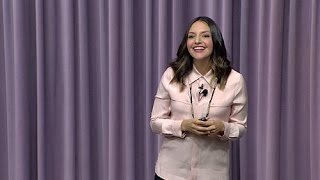
This content was created by GHION.AI . This content was uploaded by GHION.AI . This is a YouTube video titled "Brit Morin: Inspiring Creativity with Great Content [Entire Talk]". It is a talk given by Brit Morin, focusing on inspiring creativity through content creation. The video was created on November 20, 2015, and last edited on December 31, 2025.
Chapters
Thank you thanks for having me here i am originally from texas i went to ut so i didn't think that the first time i would be in front of a classroom would be outside of my home state but it's great to be here raise your hand if you've heard of brit company or know of brit company before okay awesome good before you even did that intro i'm going to have a pretty candid discussion with you guys today i'm going to tell you about kind of my path to becoming an entrepreneur the hard times the happy times it's been four years now as of monday that i've started brit company i did it all by myself in the very beginning literally alone in my apartment in san francisco now we have a team of over eighty people have raised over thirty million in funding so i'll tell you all about that i'm also going to talk a lot about creativity and why i think it's important not just for us as human beings but for society at large and how it ties into the maker movement which is something i'm very passionate about as well but before we get started i wanted to paint the mission of brit company especially for those of you who might not have known about brit company before today and this started as an experiment that we did i had the hypothesis when i was starting this company that adults and especially adult women don't think they are very creative my girlfriends all the time and even myself occasionally would just say literally things like ugh i wish i were creative i wish i were an artist and i kept asking like why would you say that when you were three four five years old i'm sure that if people put blocks or legos or play doh or crayons in front of you you went to town and you just dove right in so what happened between the five year olds and the twenty five year olds so i got a group of the five year olds and put them into a room and asked them to do a lot of creative things and then i got the twenty five ish year olds and put them into a room and asked them to do the same things we caught it all on video and here's what happened emma scene two take one this is a really fun one okay i want you to pick any of those capes they that you like and i want you to think about and become a character and i want you to act out that character okay ready set go hi elizabeth ready to go play want a jump rope now we use our imagination lot okay you can paint whatever you want i painted me and my dog playing it's almost morning time and those are little pieces of the day and that's the grass that's the dirt and under it is just all color it's just a bunch of slashes and dots i'm not an artist but i love painting i considered going to art school when i was a lot younger my life took a different path and i rarely paint my former dream job as a kid i loved drawing and i loved doodling and animation what would you do in your life to be more creative just make time for it you know i have a busy life and oftentimes that's something that can fall by the wayside having how did it feel just in general to be creative today it was very hard now we go play some more while it's cooking now it's done and now we put it back on the table to cool off and then we dance some more that was awesome it was really really fun did anything scare you no not at all it was awesome it was the best day of my life so that went the way i thought it would thank god because we invested a lot into making that video but that fundamentally is our mission at brit company and i saw the same pattern in my own life this was me as a little girl i was a girl scout i loved making things loved creating things took art classes as a kid this is my third grade masterpiece was constantly doodling and drawing into my early teenage years and then i got a cell phone and i became obsessed with technology i started taking computer science classes and i really just cared about getting straight to silicon valley i actually graduated college at ut early almost two years early and came straight out here all through college i was interning with silicon valley companies i ended up taking a job at apple i was working in itunes this was itunes pre anything but music so that was a really fun job i was going to concerts a lot i was meeting with record labels a lot starting to learn a little bit more about the entertainment industry i and then i went to google for about four years i started on the search team sorry i started on the maps team and then moved to search products worked for marissa meyer who's now become a great mentor of mine i was working in product management and product marketing and ultimately they asked me if i would go over to the youtube division and head up a new product we were going to be launching called google tv google tv was an android based platform that really brought everything you love about the internet and internet video to your television and it was my job not only to launch this product i was given literally tens of millions of dollars as a twenty four year old to go do that but i also had to convince content networks cable operators all kinds of content providers to digitize their content and put it on the internet this is back in two thousand nine and back then that was such a foreign topic for them they i would meet with people like abc and the new york times and cnn and they'd ask like google just wants to take over the world you just want our content we're not going to do this we don't even know how to digitize our content no one's ever going to watch internet video they're only going to watch television and i was just kind of shocked because i was like are you joking that's all people want to watch especially if you can turn on your tv in your living room and have the option to watch a new york times video or an abc family like movie marathon who cares video is video so what i saw when i was doing that was that these traditional media companies were pretty behind in their thinking and even if they were forward thinking about digitizing their content they were large businesses that were moving very slowly what they did have however was a lot of eyeballs these people actually wouldn't even want to talk to google sometimes because they didn't care they already had mass distribution they did have a lot of advertising dollars as well and most of them cared mostly about the brands of their shows and their characters and their cast members and when i thought about what i was doing even working in youtube it was the same thing it was people connecting with people in silicon valley that's a foreign concept because you build an app and just try to make it viral you don't really think about the brand or really connecting with a community of people behind the screen but in the media world that's all anyone cares about it's having that emotional experience and creating really high quality content anyways fast forward i left google when i was twenty five because i felt like after having a few years under my belt at apple and google i was ready to try something new and to take a risk and to start a company of my own i knew i wanted to do it in the tech space that was where i was based i had a lot of connections at that point and being twenty five there's not a lot to lose i was not yet married i had made enough money at apple and google to save up a little bit of money to get started and i didn't have to worry about funding a family or kids or so forth but first i took a few months off i decided i needed to just chill out a little bit i'd worked really hard i graduated college early my friends thought i was crazy for doing that and what i missed the most was actually doing things with my hands it had been years since i had actually made stuff it just so happened the same month i left google this place called techshop opened in san francisco who knows what tech shop is oh not that many people so it's basically like a gym for making things you pay about ninety nine bucks a month and you can come in anytime and use all of these really cool machines ranging from three d printers and laser cutters to digital sewing machines and screen printers and vinyl cutters and you really just get to go to town i had such a fun time at techshop i ended up being there literally every day and i had no idea how to use these machines when i started but after understanding that really what i was doing was creating designs in photoshop or illustrator pressing a button and exporting it onto a a laser cutter or a three d printer to create a physical product my mind was blown and i just wanted to do it over and over again everyone around me at techshop were mostly men they were kind of working in silos it didn't feel communal yet at the same time that same year pinterest had launched and on pinterest it was all millennial women and diy was the top category all they wanted to pin were things about crafts and cooking recipes and all kinds things to make and that seemed kind of crazy to me because while i was at techshop and i was doing all this stuff my girlfriends would come up to me like i told you before and say oh you're so creative i wish i were creative like you and i was like i didn't know how to do this stuff a few months ago it really wasn't that hard i just learned it there were like online galleries and resources these machines actually did the making like i didn't really do it and meanwhile they were pinning all the things they wanted to make so it seemed like there was this delta and this gap between them aspiring to be creative but not actually knowing how to be creative so brene brown says this i'm not very creative doesn't work there's no such thing as creative people non creative people there are only people who use their creativity and those who don't and i fully agree with this statement and that again is the point of my business and that's when the light bulb did go off and i was like is this a business like how could i make this a business clearly i'm really passionate about it i could see myself doing this for a long time it matters in the world it's a problem i see so i started looking at the industry and of course i thought of martha stewart and i was like she was the leader of creativity for my mom and my mom's mom but it doesn't really resonate with today's consumer the stuff martha would make would be beautiful cakes and table settings that might take you the whole day but it would be really amazing and your friends would be so jealous and it felt really aspirational but not really relatable today's society has maybe thirty minutes has never done it before like is totally freaked out about doing it in the first place so what are like the hacks to get them there faster i also thought about the retail world of crafting and arts and crafts michaels is the leader of that space they do five billion dollars revenue a year followed closely by joann's and hobby lobby who each do multi billion dollars of revenue as well the whole craft industry at large in the us alone is a thirty four billion dollars industry which has not been disrupted in a very long time then i started of course going to data so i looked up terms on google search trends how to had been growing over the years three d printing of course was a new technology that was starting to grow as a search term and the maker movement which i found the most interesting was a term that didn't even exist before about two thousand seven or two thousand eight so the maker movement is about this new cultural shift and how people especially young people want to be making and creating and how these new types of machines and internet resources are helping them do that so why is all this happening now why are young people really interested in this i have some hypotheses i think a lot of it is cultural so we're seeing each other do it a lot we're seeing trends of artisanal we're backlashing against packaged food brands we don't want to buy frozen dinners anymore i know my parents bought me in the eighties and early nineties we want to shop small and support our local communities we also have a research report that says i could actually buy the right resources i could make products that are better than the ones i buy in stores and this is from about twenty to fifty year olds consumers who said that i also just think like we're tired of screens sometimes sometimes we want to disconnect and we haven't been able to do that this is the first generation that's really grown up without being forced to take home economics or shop class who's had two working parents while they were growing up as children and really just never learned to do this stuff before finally it's just our human nature look back at our ancestors they literally had to create to survive they had to build things they had to cook for themselves it was a part of society now of course we can outsource all these things if we want to we can postmates our dinner over if we want to we can have people do all the building and making for us but inside we are literally made to be creators so i decided to do this as a business i really didn't know exactly how i was going to do it but i knew i had to just start and i went back to my google roots especially from the google tv roots i thought if i'm going to attract a large audience i don't want to have to pay for that audience so i'm going to create a lot of really amazing content that's going to get them to come to the site then i can market whatever it is i end up wanting to market to them for free and hopefully i can actually teach them some things as well so i literally did this all on my own i spent a few months just making content i was the photographer the editor the writer the ceo the accountant everything i did have an outsourced design agency i think i paid five thousand dollars to make our kind of now looks ghetto website i did all my press alone i actually scored an la times article on the day of launch which was huge in my opinion i tried to pretend like i was a ten person company when i was a one person company and i just kept deciding to keep going it was really hard at first i actually said this in the launch blog post i wrote which is creating things businesses products software and crafts it's my life's destiny it's my true passion and i couldn't be more excited about putting my knowledge and skills to use to help others live a more creative and efficient life at home it's nice to look back at that i actually found that on monday which was our four year anniversary like i told you and to see that your mission hasn't really changed in four years is something a lot of startups can't say so i feel proud that that leaves that's still intact hiring a team is the next step so again i was bootstrapping this for the first few months my first two hires were that guy he was our first engineer his name's paul then the girl in the back behind him that was a cooking off site for our team was our first kind of writer content creator creative director kind of all rolled up in one the other girl was a freelancer who helped create content as well and the goal at first was to just continue to create a lot of content but to build these ancillary apps that we would use to create utilities in people's lives and we were starting with all the life stages we wanted to do wedding and home and and baby and pets and create ways that people could be creative through software that's what our team ended up looking like after the first year we've had about nine people and we ended up actually raising over a million dollars as our seed round about six months in we raised from mostly silicon valley investors a lot of big names as well as some angels as well in that round but it was really again to launch our first app and to create the content around it that would help drive people to that app just to touch on this being a woman this is a question i get asked about in silicon valley quite a bit especially every reporter asks me about it all the time and my response is this i think it actually can set you apart clearly there are a lot of men in this room so i'm sorry but if you are a woman you're thinking about starting a business i have had the opportunity to not only create a business for women mostly by women we have about three quarters of our staff are women but women buy the most things they're the biggest consumers on the internet they consume the most content as well they're hopefully going to be president one day and it's a great way to set yourself apart from what everyone else especially in silicon valley is doing there are far too few women and and i think those who actually are starting as entrepreneurs really can stand out so the first year these are some images that's us taking out the trash in the office it was a scrappy year again we had about nine people by the end of the year this is in twenty twelve we would also do photo shoots that were really i'm going to use the word again ghetto like we would go up to the roof and pretend like we were in some fancy city or something and they actually ended up looking nice like that was in the sf chronicle on the far right but it wasn't that glamorous behind the scenes we didn't have a professional photographer like we were really faking it till we were making it so kind of like in summary again over a million raised nine team members we did actually have a small pivot so a few months in like i told you we were creating these apps and thinking about this whole strategy as content marketing for the apps the content itself was becoming really popular and so we sort of paused halfway through the year and decided let's actually just focus all of our effort on growing this company as a media business instead of an app business and see what happens we actually started testing commerce as well so diy and creativity are kind of the essence of what we do we decided to create diy kits as a subscription business kind of like birchbox for diy so every month people would get a different project with all the supplies and components they need to put it together in a kit we right off the bat had hundreds of subscribers so it was going pretty well started going on television i put my name in the company primarily because i wanted people to understand that i was authentic as a person behind this brand that i cared about it that i was the target consumer and could relate to our demographic that we were reaching but i called it brit and company and the co stands for community and i wanted everyone else to feel like they were part of that community as well so our community today consists not only of all of our users but of designers makers artists all kinds of creative people who we highlight around the site and i'll talk more about that later anyways it did help me though secure different types of press opportunities because there was a face to this brand so the today show called up midway through the first year and asked me to come on and it was crazy to think that my childhood dream of going on today show could come true and it happened and i was so nervous about it and then they kept asking me back so that was a big highlight of the first year i think overall though the first year of a startup is just ups and downs every single day i'm a very numbers driven person i would constantly be tracking our analytics and if it was a bad day i literally wouldn't talk to anyone the rest of the day didn't want to go out to dinner at night i would just go home and sulk it was an amazing day i would have dreams about selling my company and thinking everything was going to be amazing it was just like this all the time and of course we were scrappy i remember fond memories of ordering the toilet paper and thinking why didn't we have an office manager yet why am i the ceo doing all of this that's just how it has to be in that first year so my learnings data data data we use that data to understand that our content business was by far and away growing faster than the app business and decided to really focus our efforts there that leads to the second point of keep your mission don't be afraid if your execution tactics need to change and if you think you should fire someone it's already too late i had to make my first fire that first year we had an engineer literally he brought in a six pack one day to work and just kept drinking i was like what is happening he was a really amazing engineer but had a really terrible attitude and in silicon valley amazing engineers there are many of them but it's really hard when you're a small startup to attract them so it was a really hard thing for me to have to let that person go but it was right for the company and be a waffle there's this book called women are spaghetti and men are waffles which is basically about how our emotions interact with each other so women have i guess the point of this from the author's perspective the women have all these emotions and they're loosely framed and men just compartmentalize things and can easily move from one thing to the next and i learned in that first year that you really have to control your emotions and you have to be able to fire someone one minute and step into an interview with the new york times the next minute and be extremely positive and happy about everything going on in your life and that's just the way that business works the second year we were starting to outgrow our space we literally had conference rooms and bathrooms again to the scrappy thing we did double in size though and we raised a series a so we raised over six million dollars continuing to secure really great press about twenty team members we ended up killing subscriptions the business i was talking to you about not because it wasn't working but because our customers really wanted to customize all of their products in their projects so they wanted to make jewelry instead of home decor they wanted a baking project and operationally it was just not possible so we decided to sort of put a can on it until we rethought commerce and what that meant for us instead we up leveled our content we finally hired a professional photographer we hired more editors we hired a sales team so we could actually start making money we launched a new york office we launched remake which tina actually was able to speak at this year this is our third year doing it the first year remake is a conference and a festival the conference is focused on all of the biggest influencers in the maker movement ranging from neuroscientists to artists to musicians and the festival is a place for the general public to come and actually just get their hands dirty learning how to make stuff and shopping from makers and artisans so that was a really big deal for us we did secure major partnership deals i became a spokesperson for companies like target and even velcro and we were beginning to really get into the press cycle more and more continuing to do television and things like that as well so this is really a good growth year for us biggest learnings hire a sales team as soon as possible i was probably about a year too late on this learning that i could do a million dollars in revenue in a year was shocking to me and it really just took a small team of salespeople to go make that happen shake them haters off so especially when you are the face and the name of a brand you're going to get haters and you're going to get people critiquing you all the time that was probably one of the hardest lessons i had to learn in twenty thirteen the second year it's difficult celebrities talk about this all the time i guess but it's like everyone has an opinion about you and the work you're doing and why you're doing it and what your motives are now my response to this is that if you believe you are truly a good person who is really kind to people and you have a good mission you just want to help people do more of like what they want to be doing i don't know if anyone can actually bring you down so that's been my response to all the haters and then content quality is king so as soon as we leveled we up leveled our content i mean traffic just exploded we had amazing photography amazing journalism and writing and we really saw that payback for us the third year our team we didn't actually have to fundraise which was a big deal if you don't have to fundraise you shouldn't we doubled again to about forty people this is last year twenty fourteen and i would say this is the year we really truly found product market fit we were tripling if not quadrupling in growth year over year both from a revenue perspective and a user perspective but we did reenter commerce again and we started by really testing we did two week sprints which we would put a new product out there meaning a software product and a different variation of commerce and in two weeks or maybe a month max we would understand if it was successful so we had parameters set up to understand and gauge what do people want to buy from us what do they not want to buy from us and let's do more of that and less of the things that they don't want to do we ended up finding that people really wanted to come to us to learn they wanted to take classes about how to do this stuff because they didn't know how so we started launching classes ranging from calligraphy to coding to cake decorating to digital photography we started giving them the kits of all the supplies they needed to take those classes so if you want to take calligraphy you can get the inks and and the pens and the papers and everything you need and we found that they also wanted to support artisans and makers but they sort of felt like going to a place like etsy was a little overwhelming there was so much supply of product that no one was really curating it down what we were really great at especially being a media company was curation and editorializing things and products so we launched a marketplace a curated marketplace of different types of makers and their products i was pregnant last year that's me on stage at remake again last year literally thirty seven weeks pregnant that was really crazy i literally could have been in labor if i hopefully i didn't i was actually a week late which is another story but it was nuts like i had a lot of women entrepreneurs that i knew but not many that had been kind of in the thick of their growing their business while they were having their first child and you know it's hard you think like what are my employees going to think what are my investors going to think we do have to raise another round of financing soon like what do we do about that can i walk into a new venture capitalist office like thirty seven weeks pregnant and go raise money and so it was difficult and made it through but decided to fundraise in january instead of in q four of last year which meant that i basically had a month or two after having a baby to pull myself together and go pitch investors meanwhile i was writing a book our first book i was hiring our first adults so people over forty is what i qualify as adults which really can shake up the culture of a startup when you're all people in their twenties and early thirties we also were testing retail businesses so we launched a pop up store in san francisco which was all based on experiential retail so people could come in they could take classes they can sit down and do free projects they could also buy goods from our makers so it was a combination of traditional retail and experiential retail and we also tested wholesale so we are making all these kits and products and we wanted to test if they would sell in other stores so we put them into different types of retail stores all around the country so it was a big year learnings from that year product market fit is crucial this is something that you should if you're an entrepreneur strive to get to as soon as possible it's what your investors will continue to invest money in and if you aren't there they will not company cultural changes should be as you scale we had a lot of pushback from our twenty five year old engineers who were like why are we hiring an adult that's a suit we had to kind of explain why it would be good for the business and why the culture wouldn't get super process heavy pregnancy bias is a real thing i did have to rethink our fundraising schedule because our board didn't want me walking into a venture capitalist office like eight months pregnant it's conquerable we got through it but it's not the greatest thing and it does detract if you're a female entrepreneur who's young and wants to have a family the fourth year we continue to grow so this is this year to catch you up we raised twenty million dollars so after going through that labor and delivery process i went right out into the streets and started pitching and got a lot of really great interest brought in some amazing investors raised twenty million dollars which has now enabled us to hire eighty people the book launched a couple months later and made the bestseller list that was a big highlight of this year too at remake this year we had over ten thousand attendees come out which was huge so we've been doubling attendance at that event every year we now have ten tens of millions of people every month coming to our sites and all of our different platforms that we're on we have made a deeper investment in commerce and online education we now have close to fifty classes online we have thousands of products in our marketplace continued tv and major press got invited to the white house to interview our cto megan smith the white house has also invested in a department of making which is a new initiative to get more people into making and they truly believe in the maker movement and what it can do for stem education in america we actually just a couple weeks ago put our first real product into all target stores which is actually a coloring book for adults and i'll get to that in a second we launched a foundation which for a startup in its third or fourth year is kind of unheard of but it's called the i am creative foundation and even though we aren't we're giving grants up to fifteen thousand dollars to women and girls for their big creative pursuits of course that's not millions of dollars but it is something and it's pretty meaningful and we've been able to now fund five different women one thirteen year old is part of that to go out and open photo studios to teach after school programs to girls and teach them how to create fashion tech hardware and then go sell that at different maker faires around the country we've been able to make differences in people's lives which as a startup is really meaningful and then we launched video so up till now we've been doing a lot of editorial content a lot of written content and we really wanted to focus on video kind of going back to my google tv roots again i'm going to show you just a couple quick videos that we have so you get an understanding of what that means so again just kind of trying to bring to life some of these projects and ideas and teaching people that they're pretty easy and you can learn all of that in under sixty seconds in a video we've also done more documentary style videos and really starting to think about you know back to the google tv days how do we start creating digital video content that can maybe one day go to television instead of vice versa creating television content that becomes digital i'll just play like a few seconds of this next video so you see the dramatic difference of the type of video quality that we're producing there's no real recipe of how i work my opinions and outrage slowly grow in me based on my everyday experience and things that i see the way the media portrays women and sexuality that bothers me a lot the importance of how you look the certain way of being feminine that is something that goes very deep in your self esteem i think that has been the tool to keep us down that frustrates me so it goes on for a few minutes but the point is that we're doing a variety of different types of creative directions with video by the way that woman she was working at an ad agency hated all the way that the media was stereotyping women in advertising and decided to start vandalizing their content and putting up pictures on top of it it's a different story about creativity and about art that we really wanted to tell it's a little deeper and a little bit darker anyways our brand is expanding though to think about all the different ways we can tell stories stories about art and creativity that aren't just practical how to projects we really are trying to be really mass in understanding the world of creativity so my last year what have i learned moms are superheroes it's true i feel like a real superhero there's literally a point in my day when i was out there pitching doing press interviews for the book launch i was breast pumping in the back of a car like an uber and the guy was like what's happening in the backseat and it was totally nuts so i've had to completely change my life and my schedule and randomly this has been our best and most successful year yet so i don't know maybe there's an alignment there don't be afraid to hire expensive people they do the job of two or more people so this is the first year i really up leveled our executive team i hired a cfo which i wish i would have hired three years ago because i hate everything related to the cfo job function like i just hate spreadsheets and having her here has given me so much more free time to go and do the things i love to do and to focus my time on building the vision of the business the product and engineering organization the content organization the video organization so anyways that's the second one and the last is two most important cumming traits have been communication and focus so there's a period when you're under growth between fifty and one hundred and fifty employees this is a pattern that happens to all startups where you go from this team that everyone knows each other and everyone kind of hangs out together to there being cliques that form to hiring your first real hr person your first lawyer there's more processes and everyone starts getting upset and clicky and passive aggressive the thing that you have to do the most is over communicate why you're doing the things you're doing why you're making the changes you're making reinforce how important everyone is on your team and reinforce the focus of the business you can't be doing a million things you have to really focus on the things that are working and do more of those so what's next well for brit company we're going to continue to really scale as a media business we're going to keep keep doing more video more editorial the media has really beautifully aligned into this online education platform which is another version and adaptation of video in my opinion and then continuing to create products and to help other makers sell their products and that's kind of what we're up to but more importantly i'm interested in what's happening in mass culture and there are two trends that i'm really seeing the first is mainstream creativity literally as i was driving down here today a new york times reporter called me wanting to interview me because she's under the pretense that creativity is the next meditation and that's exactly what i've been starting to think about this year we've had that's under the same pretense of why we met i'm fascinated with the neuroscience behind creativity and how it really can impact your brain this is me at burning man this year it was the first time i ever went it was a crazy experience i was there for two days i thought it was like this crazy rave in the desert but what i found was that it was this beautiful place where people were making art they weren't afraid to express themselves this woman is dressed up all in tutus like literally that's all she's wearing which is really crazy celebrities even are starting to go to this festival and they're experimenting with their own creativity and the way that they dress and the way they act i look at my son who's now one his name is ansel and he wants nothing more than just to do creative stuff all day long and again like i keep coming back to this like why is this good for humans adults and kids alike we tend to find that there is a lot of data about how creativity can be good for your well being so it can reduce cognitive impairment as you're aging we also find that anxiety disorders which are the most common mental illness in the us is the most common is helped by creativity coloring books and back to kind of my point there are one of the things that are helping people with anxiety and depression relax and de stress four of the top ten amazon products from this year are adult coloring books all of amazon products four of the top ten thirty million globally are affected sorry three hundred fifty million are affected by depression so imagine the impact that we can make if more people are participating in creative projects that can help them release stress anxiety and tension more about the brain we're really working to understand what's happening with the brain there are actually people here at stanford who we're working with who are completing research studies that have lasted for five years and are understanding how the brain is impacted by creativity and if it's a muscle that can actually be trained similar to muscles in your body and how they're trained when you're exercising sneak peek yes it does get stronger as you practice more this was an example of the coloring book we launched just to start proving this stuff to the mainstream culture we did it in partnership with crayola and we're continuing to scale our online classes like i said i really think part of the reason why people aren't participating in creative projects is because they don't know how to start they literally don't have the skills that they needed that other past generations had the maker movement though is what's more exciting to me and this is something that will continue to get bigger and bigger every year like you saw in that google search graph it's about everything from kind of the analog world of making and creativity traditional arts like letterpress which are coming back but also all the benefits that technology is bringing to how we're making and creating we're able to open source our designs so that others can freely download them and access them there are online learning platforms not just from brit company but from others as well where people are able to get educated if they don't live near a college university or any type of workshop that offers classes three d rendering is so cool right now this is a new startup called modzi that launched you can literally take a picture of any room in your house and they'll three d render it and show you what real furniture looks like in that room they're importing products from like west elm in crate and barrel and letting you swap things in and out so from an interior designer's perspective this is a new way to think about creativity smart devices of course and machines that are helping us learn things faster this is a favorite example of mine it's called the getar it's an iphone connected guitar it literally shows you the chords from an app on your phone that you should be playing so it teaches you how to play the guitar just from looking at your phone crowdfunding of course is what's enabling all of these small entrepreneurs and startups to actually get started we've seen some amazing new products launched because of kickstarter and indiegogo there's only more of that to come three d printers which has not yet gone mainstream for sure they're still very expensive quality isn't there yet but they are getting way better people are using them to create human tissue and bone to create all kinds of food i'm an advisor for a company that's actually using three d printers to create real clothing and textiles through a process called electronic spinning and in the future imagine going into your closet downloading a blouse design from j crew pressing print and having it export for you in a glass machine like this is a real future that's literally years in front of us so what does this mean this is all just a few years out like we're in this moment before when inkjet printers were only able to be found at kinko's and we're in that moment with three d printers right now and a lot of the maker movement but soon we're all going to have access to these devices they're going to be just a couple hundred bucks we're going to have them on our desktops in our kitchens they're going to be the way that we produce and manufacture on our own and so what implications could that have it's something i'm thinking a lot about maker spaces right now are the fedex and kinkos of the world it's where people are going to use these machines and devices i think these will continue to be popular for the next two years until we see those price points fall the cost of prototyping because of these makerspaces has gone down significantly you used to have to prototype things in china for like tens of thousands of dollars this is the dodo case it's an ipad case you guys might have seen it before literally it was made in just a couple weeks for about one thousand dollars apple saw it decided to pick it up in their online store sold like a million dollars a product within its first month so all for just one thousand bucks and a guy who's tinkering with a laser cutter i'm really excited about customization think about the idea that if we have this long tail manufacturing or you're able to make stuff on your own you can add your name to things you can add colors that you like you can scan your body and make things perfectly fit you the way you want it to customization is going to be a really big option for us in the future but it does open us up to copyright issues think of this a lot like the music industry for all able to download and open source files what does that mean does the designer who made the j crew blouse get credit when you download it does he get paid can i illegally send that file to someone else it's going to get really interesting with the way that digital files are transferred for product designs the whole nation like i mentioned the white house is behind this is incredibly excited about table steam science technology engineering art and math and i say steam because art is included in that and the white house is starting to use that term as well but we're seeing kids especially those in their early preteen years really embrace this i mentor a group of twelve year olds who actually know more about cad design than me and it kind of freaks me out and they also speak mandarin so the future generations are definitely in this but of course it all comes back to play regardless of how this affects our economy or different industries i hope that people will also just take time to participate in creativity in their daily life one exciting note to end on is that with all of these changes with the maker movement people are predicting that self manufacturing in homes could equate to a fifty five billion dollars industry by the year twenty twenty that's just five years away this is on top of the arts and crafts industry that already exists so this industry is only getting bigger it's getting bigger very quickly so pay attention that's the end of my talk i have a few minutes for questions but i hope everyone in here will also just take away not only my story and what i think is exciting about the future but the fact that all of you i don't care how old you are were that kid one time played with legos blocks paint told stories and you're still that person today thank you questions eight minutes if anyone has a question yep yeah would you change anything about she asked what would we change about the way we hired and the order that we hired i think coming out of the tech industry i was very serious about hiring engineers at first which is always a good thing to do every company today is a technology company and needs engineers but i think a salesperson from the start would have been a really smart hire the sooner you can start creating and generating revenue in your company the more freedom and autonomy you have about whether or not you want to raise more money whether you have to and how investors are valuing your company and on that note if you're going to be generating revenue hiring a cfo who can really manage those budgets and maximize kind of your profits and losses is a really great thing to have hire early on as well yep in the back well as some people say you know with great series a comes more responsibilities to more people i'm wondering how you balance all of this stuff you know the needs of the venture capital needs of people in your company the philanthropy and of course stuff that's healthy for yourself that's a good question yes how do i balance everything so i'm investors we have a foundation i have a real life sort of the answer is that it's an ongoing challenge especially now that i have a family i'm constantly torn between whether to hang out with friends or to go home and spend time with my son or to go to an important business dinner that may or may not lead to a major partnership or a future round of financing and i have to make these trade offs all the time and it sucks because you think about like in five years if my company completely crashes and dies am i just wasting am i wasting my time by not spending it with my kids or my friends and going to that business dinner but it puts the pressure on you to make sure it's going to work and for me this isn't a company that i started just to try to make a lot of money it's a company i started because i'm genuinely passionate about it and i genuinely believe there's a problem in the world and a big opportunity coming as a way to fix it and i wanted to be part of that so i'm just excited because my life and my work are almost one in the same and that makes it easier to create that balance yep right here can you tell me more about how did you find product market fit sure he wants to know how he found product market fit sort of goes back to data and for us primarily being a media company at the start we were creating tons of different types of content and i wasn't even sure what type of user would want to ingest that content i had a hunch it would be women similar in age to me in their twenties and thirties but i didn't know if they wanted beauty content or knitting or cooking or technology content and so as we created more and more of it every day we're looking at the numbers and understanding what to do more of and what to do less of and it's become a really iterative process these days too as a media company you're putting your content on all these social platforms and every social platform responds differently so that's been a big kind of awakening over the last year we have over forty million users a month on pinterest alone and that audience loves cooking crafting kind of beauty content we do a ton of that type of content just for that audience the facebook audience we have over twenty million monthly users on our facebook channel they love trendy pop culture content how to get someone's purple hair that they like nicki minaj just dyed her hair purple how to do yours like that too so it's a little bit more celebrity infused a little bit more pop culture and we've learned through understanding analytics of all these platforms including our own how to program content for different channels and different audiences i think it's really interesting watching blake lively's preserve brand that had just such a short longevity and i think that there's a big trend in capitalizing upon this diy movement and so i'm just wondering what really do you think distinguishes britco's success in comparison to other startups like preserve that have failed in this space sure so yeah blake lively launched the site and it was kind of an artisanal marketplace sort of similar to part of our commerce business her price points were really high and that's the trade off with this industry is that people that are making things by hand they're spending literally a month making an intricate embroidered leather bag like they're going to charge one thousand dollars for that bag because they need to gener revenue for them to live yet most consumers that live in the fast fashion world want to only pay fifty or one hundred bucks for that bag so it's hard because i think their price points are a little bit higher and also again i think it comes back to how do you get that audience to engage with you on a daily basis for us instead of having to pay to acquire them through google adwords or social channels we create content we keep them coming back and give them fresh new things to look at and regardless of whether they're buying something hopefully they're learning something or they're inspired to want to do something so i don't know that a commerce business in this space that's selling high priced products is always going to win it's just a hard market with high price points so different consumer yep so you talked about how in your first year that you learned how to be a waffle and to compartmentalize your feelings as a woman entrepreneur so as you're growing and you're in your fourth year is that becoming harder or easier so she asked okay i was a waffle i learned that my first year is it becoming harder or easier definitely easier i've gotten i think even better at it my husband calls me a rock i'm just hard to break anything can happen to me good or bad and i just try to stay solid and level about it because i know in startup world everything's temporary you raise a twenty million dollar round of financing and everyone's giving you high fives and press are writing about you all the time and in the back of your mind as an entrepreneur you're thinking like will we raise again is this going to last everything you're thinking about the end of the world yet you just secured runway for two years so your thoughts are always going to go back and forth and you just have to find that middle ground i've gotten a lot better just through experience and practice yep how are you planning to globalize your company how are you planning to globalize yeah i should have did you notice the hands on that what's next slide where a map so we are definitely thinking about that probably preparing for it in twenty sixteen and actually starting to globalize in twenty seventeen the maker industry is happening worldwide the maker movement the diy kind of culture it's not just in the us so we're really excited to bring it to other countries i'm sure you'll agree this was totally inspiring hopefully all of you will go out and do something creative today thank you so much thank you guys.
More from GHION.AI


O processo de reconhecer limites, mesmo quando a vida parece exigir sempre mais.





Depois de tantas histórias, aprendizados e pausas necessárias, o @interior_iza está de volta



