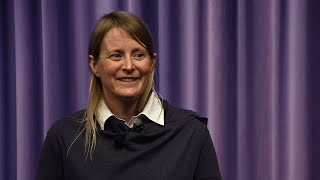
This content was created by GHION.AI . This content was uploaded by GHION.AI . This is a YouTube video titled "Build a Plan B Team" featuring Elaine Wherry discussing her experiences at Meebo. She emphasizes the importance of having a Plan B in startups, sharing insights on strategic planning, innovation, and organizational challenges faced when pivoting from a chat to an advertising platform.
Chapters
I want to talk about within Meebo, we had one thing that we always wanted to do and that was we always wanted to make sure we had a plan B. And so we're always really, really good about this. For those of you not familiar with Meebo, we were on the back of aim, we were on the back of all these other things and we knew that we could be turned off at any second. And so we originally said, hey, listen, if all else goes, we can always be open source. At one point, when we thought AIM was potentially going to release a competitor, we actually ended up building a copy of the entire social, their social graph so that we could launch something that was a competitor overnight. And then at the very, very end, like three to four years in, you end up in this point where in an organization you need to be able to deliver on your promises to your investors and we need to be able to deliver on profitability. And in this point we thought we had a plan B, which was. We were really, really excited because our plan B was going to be. We were also building mobile at the same time. If we needed to switch over, we could. And we built this amazing. We swung hard, we said we're going to go from chat to advertising platform because we wanted to own our own destiny. We wanted to be able to generate revenue, and if we had revenue, it would make everything else easier. And built it, worked on it for, I don't know, 12, 18 months. And then the market slipped and in Q4, which is the biggest advertising quarter of them all, all of a sudden, it was the first time where we really had to implement our plan B. And though we had kind of a Plan B in our pocket where it was like mobile and all these other things, what we realized at that point and what I realized at that point was that the plan B was there, but the team was not. And I had spent all of this time doing all of the strategy and thinking through things. And we built this entire organization around this new idea of advertising platform. And we wanted to be able to innovate and we wanted to be able to go to next things. But the people who had been responsible for the innovation, who were part of our really core DNA, they had either left the organization, they were no longer in the right roles. And from that point, even though I really wanted to be able to be nimble and be able to move and be able to pivot again, I had built an organization that was probably going to take another two to three years to be able to get to the point where I'd be able to have that again. And so that's the reason I share that story, is because typically, whenever you're at that point in a startup, there's this tendency to swing. Really, really. You build out a product and then you swing really, really, really, really hard to be able to meet your first deliverables, to be able to deliver profitability. And you forget that once you achieve that, you're probably going to need to have more R and D and you're going to need to be able to innovate again. And if you swing too hard and you omit some of those really wonderful key initial players, you may not have that Plan B. You should have gotten more buy in from the organization overall.