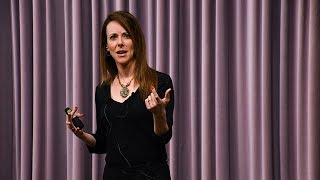
This content was created by GHION.AI . This content was uploaded by GHION.AI . This is a YouTube video titled "Catherine Berman: Pitch to Their Pain Points" (created 2017-11-01) containing a first-person talk by Catherine Berman. She recounts moving to San Francisco during an economic downturn, working with a nonprofit consortium that trained formerly homeless individuals in technology, and then creating a for-profit diversity recruitment agency — framed as a social enterprise — by aligning nonprofit outcomes with corporate diversity hiring needs. The content is a personal narrative/presentation about social enterprise, workforce development, and bridging nonprofits with corporations.
Chapters
I just moved myself out to San Francisco with a job I thought I had. The economy's tanking in front of me. What am I gonna do now? And so I spent some time thinking through, all right, I love being out here. If I could do anything, what would I do? And what I realized is what I really wanted to do was take everything I have learned working on Madison Avenue in New York, working with high-caliber clients, and everything I had learned working for community development over the years and see if I could build bridges. And so I ended up getting a really cool job at what is now considered a social enterprise. And so at the time, there was a consortium built in San Francisco to bring in formerly homeless individuals back into the workforce by training them through technology. And I thought that was awesome. And so my role was to build a bridge, was try to get large corporations to care about what we were doing. And so I would go into Wells, and I would go into Citi, and I would go into Genentech, and I would talk to all of these large corporations and say, don't you care? Look how the homelessness situation in San Francisco, look at the tech campus that we've created. We can get people back into the workforce. Don't you care, don't you want to join us? And you won't be shocked by the answer. The answer was no, they didn't. I'm sure people did, I'm sure individuals did, but as a corporate firm, that wasn't their chief motive, that wasn't their operational goal. And so I decided to take a different approach. I started interviewing these corporations and I said, well, what do you care about? What are your pain points? What's actually hard for your job? And what I learned was while they didn't really care about the nonprofit side of what we were doing, they had a diversity problem. They could not get enough diversity candidates. And so I said, well, if I could get some incredible diversity candidates for you, Do you care where they came from? Nope. And so I created a diversity recruitment agency out of this nonprofit. 100% for-profit, totally motivated by these corporate recruiters' desire to bring in diverse candidates, but got hundreds of diversity candidates jobs just by changing the positioning. And so at the time, I was working very closely with the board, including the vice president of Goodwill Industries. And he took me aside and he said, hey, Kat, you know what you just did, right? This recruitment agency you just built that's getting all these people jobs, that's called a social enterprise. That's called a social venture. Totally new to me, was not a common phrase at the time, but I instantly knew. That's what I wanted to do.