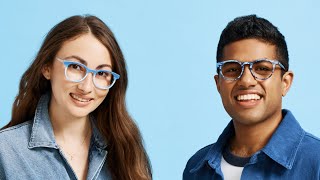
Sophia Edelstein and Nathan Kondamuri from Pair Eyewear discuss how to find the right experts when you're building fast in an unfamiliar industry. They cover networking, hiring decisions, and protecting intellectual property as a startup scales.
Chapters
Can we talk a little bit about maybe that period of your rapid learning? Because I know, you know, you have this culture of how do we learn as quickly as possible from as many people as possible. So not only did you interview 400 people, but you managed to talk to people who you know are maybe competitors, right? Like the head of product at Warby Parker. How did you manage to find your way to speaking to individuals like that and being able to have open conversations with them and learn quickly even though it might feel competitive or in conflict of some way?
That's a great question and I think this is one as well where being a Stanford student I think really helps. When we were first starting Pears, Nathan mentioned we had created handmade prototypes in the Pro. Very difficult to go from handmade prototypes to an actual product you can sell on even though people were asking us to buy them.
So.
So we knew that if we wanted to accelerate that process and do it just as well as the top eyewear brands out there, we were going to have to find an eyewear expert who believed in the mission and could help us bring the product and vision to reality and help us also protect it through intellectual property. So we essentially just looked on LinkedIn, right? We were looking on LinkedIn. We cold messaged this man, Lee Zara, who's the former head of product at Warby Parker, recently coincidentally left. He was there for their first five years, led all of their product development. And I, you know, the message essentially began as like, we're Stanford students, we have this crazy idea to change the business model associated with eyewear to make it more retention focused and to make it something more self expressive. We think we can partner with all of these brands. Can we just get on the phone and chat? Right? And like I think yeah, you have a Stanford email address. That's something that's incredibly powerful and you're really only a few degrees of separation really from anyone in the world. So you have to kind of just shoot your shot. And this was one of those examples where we did that and it really paid off. So Lee loved the idea. I think, you know, in eyewear the most innovation there had really been had been Warby Parker, which was, I mean incredible. They really led the revolution of E commerce eyewear. Prior to them, people were just buying eyewear in person, but the actual physical product didn't change. They had made something that was more fashionable and slightly more wrapped to your door. But still the physical product, you know, was still a one and done product. You buy it every two to three years, the fundamental business model, the fundamental margins weren't very different. This really appealed to someone like Lee, who had been in the eyewear industry for 40 plus years and wanted to do something different, innovative and exciting. So he started working with us to create the initial prototypes and then he became our first hire. So we ended up hiring him as our head of product. And that's really important. Like, we both really fundamentally believe that hiring as a founder, like, it has to be your superpower, like, you could be the best coder in the world, you could be the best product lead in the world. But if hiring is not your superpower, like, you probably won't succeed in creating a startup because it's all about being able to paint your vision to other individuals and convincing them to join something that's incredibly risky. I mean, at any stage when you're joining a startup and invest, you know, in equity. So we were able to do that with Lee, and then from there it was really two plus years to really make sure that we had the defensibility around the product. So we didn't just want to launch a product to market, we wanted to make sure we had a family of IP that would protect it in the long term. We wanted to make sure the quality was up to par, especially because we were originally just launching with children, and that was incredibly important.