Hemant Shah: Gaining Emotional Buy In
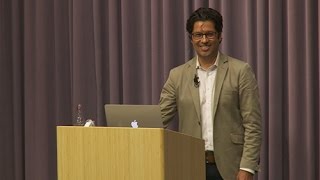
In this talk, Hemant Shah reflects on his early experience leading a change‑management initiative and identifies two key missteps that limited employee adoption. First, he admits he over‑intellectualized the new strategy, presenting logical arguments without connecting to people’s emotions, which left the workforce feeling alienated from a business they love. Second, his initial messaging was overly optimistic, emphasizing only the upside opportunities. Recognizing that people view the status quo as the safe option, Shah and his leadership team began to balance the narrative by explicitly communicating the risks of staying the same. They introduced a calibrated “downside” emphasis—roughly a 22 % weighting of potential negative outcomes—while still maintaining an optimistic tone. This balanced approach helped employees see that not changing also carries significant risk, thereby creating emotional buy‑in. Shah concludes that future change efforts should allocate more time to emotional engagement and risk framing rather than relying solely on top‑down logical arguments.
Chapters
More from GHION.AI







Depois de tantas histórias, aprendizados e pausas necessárias, o @interior_iza está de volta



