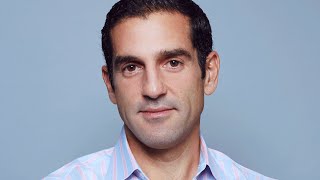
Othman Laraki explains how Color, a genetics company, shifted its lab infrastructure to run COVID testing and vaccine programs during the pandemic. The company identified gaps in public health systems and used existing capabilities to scale operations rapidly.
Chapters
So because we're in the space, and so in general in the healthcare space, I think we were very attuned. For example, we shut down our office way before all the kind of other companies and so on were in order. Initially, actually, we shut down our office to protect our lab team because we're like, okay, just the density of humans increases likelihood we'll have an outbreak. And who are the people that have to be here to do their work? We want to keep them safe. And so we initially. So we. But we kind of got kind of deep into the, you know, what's going on with COVID and trying to understand it just to protect our own people. Progressively as that was happening, I think one of the things that kept being really striking is like. And one thing that struck me, I feel, at the time was like, you know, we feel when the world is kind of running, you always think that there are people behind the curtain that, you know, make stuff work. Like, you know, and. And I think a lot of us were convinced that we see all the movies and we think like, okay, something like this happens. Someone in D.C. is going to press a button and people in hazmat suits descend and they're going to solve everything in a few days, and it's fine. But you realize there's no one behind the curtain. And it's like, it's just us. It's like people like us. And one of the things that, for us, that really started, know, you know, ticking for us was like, you know, a, this is increasingly seeming like a. A singular event, like probably the biggest health crisis of our generation. And it was increasingly being clear, like, very, like, you know, early March. That was, like, very clear. That was probably where we were heading. And B, we felt like we were like one derivative away, one degree away from being able to have a very big impact. Like, you know, the question we're asking ourselves is like, okay, clearly no one has a clue what's going on right now. And so if not us, who? Right? Like, if it's not people like us who can make a difference, then who will? Who will like? And we couldn't come up with a better answer at some level. And so we just started, like, there's initially a very small group of people. Like, there was like, literally it was four people where we were spending about 18 hours a day, calling everyone we knew who was somewhere in the space just to get their perspectives and to understand, like, their hypothesis where things were going. And after, like a couple of weeks, we came up with a few conclusions, like, One was we felt on the testing capacity side, there was a big dearth of just basic testing capacity. And we felt we could actually, we had built, we run an incredible lab in Burlingame. Like because of all the work we do in genetics, we, which is actually much more involved than COVID testing. We're like, you know, we actually are running one of the most interesting, high complexity labs in the country. We think we can take a relatively unique approach to actually running COVID testing. And then equally importantly was like, you know, from our genetic experience, like what I was talking about earlier was like, you can make all the beautiful technology you want, but you can't get it to people in the US because we don't have a public health system. And that to us was actually a much bigger blind spot that we felt was very generalized and we felt we had a better answer for. And I think that ended up transforming the company in a very deep way where like, you know, right now we're running, you know, some of the biggest, like COVID testing programs in the country, running some of the biggest vaccine programs in the country, where it's like, it's all about that simple last mile. How do you disseminate very basic healthcare building blocks deep into people's lives? And to us, that felt like actually that was. There was going to be a repeated version of that as we all kind of evolved through the crisis. And so but initially it started off as four people. We then started working on the, on building our lab side and then working on the software side again, like as small grassroots effort. I mean, the initial it went from four people to maybe about 20 people that were involved in the kind of a core thing. And then it kind of like spiraled from there and so, and just kept growing so.