Lessons from a Large Founding Team [Entire Talk]
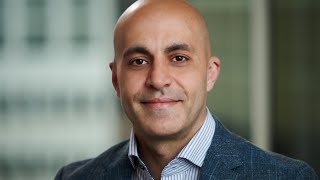
Ali Ghodsi, CEO of Databricks, discusses founding and scaling the company with a large team. He covers the jump from academia to entrepreneurship, monetizing open source, and why trust and diversity matter in founding teams.
Chapters
Welcome everybody to the Entrepreneurial Thought Leaders Seminar at Stanford University. The Stanford Seminar for Aspiring Entrepreneurs ETL is presented by stvp, the Stanford Engineering Entrepreneurship center and and basis, the Business association of Stanford Entrepreneurial Students. I'm Ravi Balani, a lecturer in the Management science and Engineering department at Stanford and the Director of Alchemist and Accelerator for Enterprise Startups. And today I have the pleasure of welcoming Ali Godse to etl. Ali is an adjunct professor in Computer Science at UC Berkeley and the CEO and co founder of Databricks, a leader in data and AI. How many people are familiar with databricks in general? Okay, fantastic. So Ali was born in Iran during the country's revolution and later his family, who were part of the opposition, fled to Sweden to escape persecution during the Iran Iraq war. He learned to code as a kid, just as a hobby, on a Commodore 64. And then he went on to study and got an MBA and a Master's in Computer Engineering from Mid Sweden University in Sweden, and then a PhD in three years in computer science from KTH, the Royal Institute of Technology with a focus on complete decentralized. What was that gesture? Complete decentralized computer systems. We then got him over to California when he came out on a postdoc at UC Berkeley. And while at Berkeley, he was part of a small team that created the open source project Apache Spark, which was a groundbreaking tool for crunching big sets of data for analysis and transformation. He's described himself in a previous article and the small team that he was with when they created Spark as a bunch of Berkeley hippies who just wanted to change the world and give the product away for free. But in 2013, he jumped into commercial ventures and entrepreneurship when he and six co founders jumped in and launched Databricks, which was a company that would commercialize Spark. He started as the VP of Engineering and Product Management, but then transitioned to the CEO of the company three years after its founding. Databricks is now valued at over $43 billion. It has over 8,000 employees, and according to Forbes, by Ben Horowitz's own admission, Ali is the best CEO in Andreessen Horowitz's portfolio. So to learn about how this hippie became a true maverick in venture backed entrepreneurship, please welcome Ollie.
Awesome, by the way. So Ben also said that the pitch deck was the worst I have ever witnessed in my whole career. Like we walked out saying this is the worst pitch deck we've ever seen.
Well, and so that's a testament to these innate skills you have to change and improve and so I really want to unpack that because I think this is such inspiration. Everybody here in this room is in academia by virtue of being in this class. Everybody in this room is interested in entrepreneurship by virtue of being in this class. You went deep into academia. You were a PhD and now you're an associate adjunct professor. And then you went deep into succeeding in entrepreneurship too. And so there's some innate skills that you're, you possess inside that we want to unlock. So there's, you know, we're limited on time. The interest is going to far exceed the time that we have. So let's jump in.
All right.
There's a couple of things that I think are particularly unique about databricks and Ali's story, the first of which is that you had seven co founders when you started databricks. I have never heard of a company that's gotten to the size that you guys have with seven co founders. And so I want to first click on that and understand advice for aspiring founders on how they should think about co founders. First of all, are all seven co founders still at the company?
Kind of more or less. You know, we're kind of best friends, but you know, I would say two are not really super active, but we're great. I mean, the seven of us are like super tight knit.
And so can you share any advice for aspiring founders on how should, how they should think about co founders? Who's the right person that makes a co founder? How do you preserve good co founder relationships? I don't know if you can talk about aligning incentives with your co founders. Can you share?
Yeah, I mean, this is, we could just discuss this the rest of the time and we're running out of time. A lot of building companies ends up being, I mean, initially it's like about the product market fit and what you're building and all that kind of stuff. But a lot of it is also how do you work with other human beings? And as you scale the business, it's gonna be even more how do you work with other humans? And one thing that's really, really important that's not emphasized, I think in business books and whatnot, is that it actually boils down to trust. Do you trust another human being? Right. So it's like just, it's that, that's it. So do you trust your co founders? Do they trust you? It's as simple as that. So, and it has nothing to do with business or anything like that. Do you trust that human being? Are they going to stab you in the back. Are they going to do the right thing? Do you trust that they can do the right thing? Do you trust that they're just going to be able to handle that if you just delegate that to them, you know, all those kind of things. So it all comes back to human trust. So if you can do that. Well, I think it's amazing to have seven co founders because we're sort of like best friends. We trust each other in a way that we can't trust any other human being on the planet. We've been through. I feel like we've been through war together and survived it. But also, seven co founders could mean. And we had some of this also in the early days of databricks could mean constant infighting and why should I have that? You have that title. Why don't I have that title? I mean, you're the CEO, so I'm not CEO. Oh, whatever. What's going on? It could be a lot of stuff like that. And there's a lot of drama, you find out. But, you know, so you see a lot of companies where there's a lot of drama in the founding team and it's very, very usual that like, you know, one of the founders bombs out, leaves start their own competing endeavor. There's a lot of these stories out there as well. And it all kinds of comes down to can you build trust?
I love that heuristic. And that's different than the bar for an employee.
Yeah.
So trust is the founder bar. They have to pass that bar of trust.
Yes.
And, and then can you talk about equity? Did you just split the equity evenly across all seven? Was that an issue on deciding?
I think we should have, but we didn't.
You think it should have been equal, but it wasn't.
Yeah, I think it ends up being a lot of like, oh, but then I did this and how much have you done? And like, you know, but I did a little bit more here and so on. Ignoring that. Look, why are we doing this together? We're doing this together because we think we're going to create something amazing in front of us. And when we create that amazing thing in front of us, like 99% of the effort is in front of us, not behind us. But we're focused on this 1% that we did already or haven't even done or like, you know, whatever you're looking at. How famous are you? Like, oh, they know you, or you're like older or you have like, you know, or you put in a little bit more capital. But all that's going to matter is what do we do over the next 10 years together? So, you know, it's complicated. You could. We obviously are an example of a company that didn't do let's split it.
You didn't do it equally. It was sort of, you didn't do it solely.
And it ends up being a super weird heuristical negotiation that people do. And you see founding teams like bombing out and not starting their endeavor or splitting off just because of these kind of conversations that they have. I've seen many, many, I've advised many, many people that are like, oh, you know, that's unacceptable. I can't believe that he's going to have 5% of me and then it doesn't work out. But usually those discussions of how much should you get? How much should I get? They end up being completely wrong because they're all going to be, what are we going to do together next five, 10 years? And that's unpredictable. We don't know what's going to happen. And I also think people waste time and they end up on a bad footing together. It's like, I have bad feeling, okay, we'll do this together. But I'm really pissed off that you got more than me. So that's lingering always in the back of our head and it's going to pop up when we get into conflict, like, oh, is this. Are you saying that now because you have more shares than me and so on. So I prefer not to have that.
Okay, so you're a fan of equality across.
Yeah.
Okay.
Because you just don't know how it's going to pan out. You don't know how things are going to evolve.
Okay, fair enough. We had Huggy Rao, who was a professor of business schools, advocating for the opposite.
All right.
But I think different.
Well, I mean, he's right in the sense that databricks did it the way he said. And you guys, we're still around, so.
Okay. It wasn't earned equity based on performance. It was just pre negotiated, different amounts.
Yeah. It ends up being a super ad hoc based on the past, which is not indicative of how things are going to pan out in the future. I promise you we'll move forward.
I know there's so many topics to cover and Geng, I will give you guys a chance also for questions to start thinking about them. And we'll start to have the team teed up in about 20 minutes to solicit audience questions. But we are at Stanford. You guys are an amazing poster child for an Academics who've become, as you sort of pointed out the very beginning. Ben Horowitz said it was the worst pitch he's ever seen. And now you're the best CEO, according to him, in Andreessen's portfolio. So I want you to share if you can accelerate the development of all of our aspiring academics turned entrepreneurs, can you share pitfalls that they should avoid that would have accelerated your development if you had learned those earlier?
Yeah, I mean, first of all, when you start a technical company, you focused a lot on like all that matters is the people that knows the technical thing that you're inventing in the product market fit and you don't respect anything else. And I think that was a mistake. I remember at some point we were hiring an office manager just in the office, and we're like, well, he or she better know how to program. Right? And we're like, well, maybe they don't need to know programming. I mean, does the office manager really need to know? Well, they should at least know HTML, which was one of the co founders said, yeah. And then everybody's like, yeah, definitely HTML. I think that's over time you learn that, hey, there's so many other skills that are so important. There's so much else that you're going to need in the company. So we started super insular like that of like, okay, all that matters is the technical acumen on this particular thing. And this is again why it goes back to like, I think those, like when you split the equities, you're just going to be focused on this narrow thing. You don't see how things will evolve in the future. You have to broaden your perspectives. I think having team members that have other backgrounds. And by this I mean usually when you say founding teams, it's a founding team. They all are exactly looking the same. I don't mean they look the same, they have the same gender or they have the same ethnicity, but they're all like PhDs in computer science in the same narrow field even, and they're publishing the same papers or they have the same. Or sometimes you meet business people and they're like all McKinsey people together starting a company. And they're like, oh, we're looking for some people that know how to do programming. And so if you can have a little bit of, so that you can have more well founded team.
So it's not just trust on the founding team, there's also diversity.
If you can get diversity so that you can cover more so that you're not you're kind of redundant, you know, like, you're like, there's five of you, but you're actually the same people.
Okay.
And you trust each other so much, you're literally just one person.
Yeah.
Just split into five bodies.
And.
Okay, yeah. So I think if you can. But again, it's hard to find people that you trust. But if you can get people that understand the business aspects, that know how to do partnerships, that understand go to market, that understand product management and so on, that's going to be super, super important. And those are going to be some of your most important hires in the next six months or 12 months of your company. It's going to determine the outcome in the future for your. For your company.
And I just want to make sure people get this point because I think oftentimes in academia, we're rewarded for actually understanding everything. And is it true or was your experience that that was an asset or a liability when you were foraying into these other areas outside of your areas of expertise?
It's an asset and it's a liability. It depends on how you use it. It often is a liability. I see a lot of the. I have a lot of folks that I've seen that come from academia that fail, and then obviously it's a liability. The reason they fail is that especially if you have, you know, if you've done research and so on, you're very detail oriented. You have a certain deductive mindset. It's sort of. You come from this kind of background where you reason through everything and you work with these people that are super smart, so you expect everybody around you to be that way. So then when you hire someone in marketing, you apply the same kind of judgment on them, and you question what they're doing, and they're like, oh, you know, we're going to do a campaign that looks like this. And then you apply. Exactly. The bar you would apply in academia. Like, okay, walk me through from first principles why you're thinking through this. And they usually don't have the backgrounds we have. They don't think like us, they don't speak like us. And we're like, okay, this doesn't even hold water. This person is. What are they even doing here? Like, no. I'm an absolute no, by the way. I'm gonna micromanage and do it right myself. So now I'm suddenly a marketing expert here in five minutes, and I'm gonna. I think we should do it this way. That's the failure mode of academics.
And then what's the right mode. This is so good. And then what does the right mode look like actually? What's the counterintuitive but correct thing to do?
Yeah, I mean they speak a different language than you. Yeah, they're not going to come at it from deductive reasoning first. I mean, maybe you find someone that's just like you and you find the perfect marketer and salesperson and corp dev and so on and. Okay. But usually they come from a different background. The people that do sales are a little bit different from the people that do engineering. The people that do marketing are a little bit different. So. So I think you should kind of turn off that part of your brain. You should value experience because it matters. These fields have been built over the last 40, 50 years in business and they know how to do sales. There is art to doing marketing. There is art to doing product management. There is an art to do that. So just because they don't speak and look and can articulate it the way you would like to, you shouldn't just dismiss them. So actually as a founder I kind of like, I kind of turned off and sometimes I would go and talk to my co founders and they're like, oh my God, like how can you even stand this person? And I'd like, I'll give them a chance. You know, I agree with you that it didn't add up. And yes, that part of the argument didn't make sense. And yeah, it's like they're a little bit funny like that. But maybe they're right, you know, maybe they're right about how they're doing it. And that way you can kind of broaden the diversity of talent in your company. So that's the way to do it. Right. You know, and the way to fail is to just look to hire all people that look exactly like you. Not physically or gender wise or ethnicity, but they're wired like they have the same background. When you look at the cv, it's like the same CV as you. Yeah.
Okay. I want to move into moments that the inflection moments in databricks story, so moments that unlocked phase shifts and growth. And I want to start by talking about how databricks growth accelerated because after starting the company it didn't happen right away. So can you talk to us through that? What was the catalyst for product market fit and growth? And if you can package any timeless lessons for the aspiring founders that you learned, it's welcomed.
Yeah, I mean look, what we went through might not apply to every startup or to your Startup. But we were based. We had an open source project, Apache Spark. Apache Spark did not have. It was not the market leader. It didn't have. There was something called Hadoop back then, which you don't even remember probably, hopefully that had. That was like, nobody got fired for using that. Not our thing. So stage one of the company was how do we beat that thing? And it just, it was very, very hard. So this was really mostly a marketing and an open source fight that we fought from 2009, 10, 11, 12, 13, 14. Suddenly something shifted in the market and suddenly we became the hottest thing in the market. It's like the coolest thing ever. And everybody wanted to embrace our.
Six years later. Was that six years.
Six years.
Six years. Guys, I just want you to understand.
It was a long time and many, many people, like, after that, they knew us with Spark and they're like, oh, you know, you obviously had this very successful thing. No, we like, it sucked for six years. And you know, you really need. So I think marketing is really, really important. I think we underestimate marketing, especially technical people with my background underestimate it. But something happened in 2014 in particular, there's a lot of FUD in the market. Like these vendors that were hearing about our open source project, they were sort of saying, hey, oh yeah, I've heard of these Berkeley guys. And Spark, it's only good if you have a lot of memory in your machines. For that very narrow use case, it works well. If you don't have enough memory, the whole thing just falls apart. And it was not true. And we kept telling people, but it just. Every reporter, every article kept repeating this, every conference kept repeating. We were like, where is this FUD coming from, this fear, uncertainty and doubt that was being sold by the existing vendors? Or you can use Spark for machine learning and AI, which at the time was not hot. So it was bad. And it was like, you can use them for AI and machine learning, but you can't use them for anything else. And we were like, oh my God, if we're going to be in that tiny, narrow market, we're dead, right? So what happened is basically in 2014, me and my co founders, we were up whole week and we got a bunch of machines. These machines had less than a petabyte of memory in aggregate. But we sorted a data set that was more than a petabyte, which means we proved that we can process a lot of data without having enough memory. So we're basically dispelling this myth that you need enough memory to use our product. And we set the world record in sorting a petabyte on machines at the time. And we sorted the petabyte in 22 minutes or something. And it was a world record. Alibaba had the world record before us, I think, at 60 minutes or 70 minutes. And for some reason we worked with reporters, and the reporters really picked this up and it really, like, went viral and that kind of like dispelled the main myth. And I think that was like an inflection point where suddenly all of our competitors that hated us and so on suddenly said, oh, we love spark. Spark is the greatest thing since apple pie. Like, every day we would see articles popping up. You know, in the beginning, you have one article talking about your company, you're like, super excited. In a year, you have one article, you're like, amazing. Now we were getting like an article a week, an article almost every day. Oh, four or five articles per day. It was like, unreal. We're like, oh, my God, this thing has gone viral. It was like the most amazing thing. So this was 2014, 15, and our vision was at that point, we were like, hey, we're going to be product math growth. We have this viral open source thing. So plg and the product would just sell itself, right? Make slick website. Slide your credit card. We don't need to hire salespeople. We don't like salespeople. We don't want to hire salespeople. We only want people like ourselves. So we don't like those guys. And that was kind of the thinking. And it'll be awesome. And revenue just was super, super slow. It just wasn't growing. And then just 2015, we're like, hey, we need to double down on this. We called it zero touch. No more salespeople. No more talking to customers. Let's just make the experience so awesome. This thing goes viral and people buy our product. And when we doubled down on this PLG product led growth, revenue just stagnated completely. So it was like 2/4 Q2 and Q3 of 2015. It was literally like a flat line. It's like, oh, my God, like, nothing is happening. So there was a crisis moment. We ended that year at 1.5 million revenue. And it was sort of like, yeah, basically most of us, at least me, let me speak for myself. I was kind of like, hey, we're great academics. We had great success with open source, but this business thing is not for us. And we just don't know how to make money. We're not good business. Business people have Business sense. And they do this, MBAs and all this kind of. We don't have that.
And this is. How much cash do you have in the bank? I mean months of cash. Are you going low?
We probably have quite a bit, but we've hired so many people. We are valued I think 50 to 50. We're I think valued half a billion or maybe 250 million. And you're doing. That's a huge valuation for a million of revenue. Yeah, for a million of revenue. So it's even the multiple is very rich even by today's crazy standards. And you know, and, and we keep pointing all the investors to downloads. Like we have so many downloads on our open source project. There's like million downloads here and they're like, stop showing us the download charts. We need to see revenue.
Okay.
Like, you know, so that's kind of like I would say the second inflection point happened that year where we kind of went through like multiple pivots.
And what was the unlock there? Because you know, just everybody right now, I don't know what the numbers are, but it's over a billion in revenue. We were like eight years later from that point. Right. And so you went from a million to a billion. You've grown 1000x. What was the unlock? Because product led growth is still sort of the gospel from above that a lot of entrepreneurs swear by. So. So if PLG wasn't giving you the dividends that you needed, what changed? Was it sales? Was it just higher sales team?
Yeah. First of all, I'll say I'm not a big fan of PLG personally. Very few people can crack the code on plg. If you do, kudos to you. But it's kind of like if your kid comes and says to you, hey, I want to be like NBA world champion when I grow up, that's going to be my career choice. Like very few people like you're this tall, you're probably not going to get there. So what we really did, we did two things. Two kind of pivots. Pivot number one was we doubled down on enterprise sales. So like the opposite of plg, get salespeople. Every salesperson needs to sell it. You need to hire a lot of sales so very people that we said we don't like go hire like the most enterprise y sales type of those people. So that's pivot number one we did. Pivot number two we did is that we can't. It turned out that we were open sourcing this technology, but people didn't Want to, You know, they could just get that open source technology from Amazon. They could get it from the other cloud vendors. Those guys had much bigger distribution channel. Why would you come to Databricks? I had this funny joke. I think we were in a restaurant in Amber, India in SF and having Indian food. And it was like a bunch of people came up to us like, oh, are you guys spark guys? Like, yeah, we're the spark guys. We're like, can we get a selfie with you? And we're like, oh, yeah, of course. Yeah. I kind of feel like I'm famous. And then took like selfies and then the same people, we met them the next day because they were also a customer. And we're like, hey, can we like do this deal? Can you pay us $100,000? And they're like, why would I pay you $100,000? Same person who took selfie like the day before. And we're like, well, because our software is awesome. He's like, yeah, but I don't want to pay you $100,000 for that. I can get that for free almost on Amazon. Why should I pay you that? So then it was like, that's when we started realizing, okay, so yeah, it's cool that we open source this thing and you can download it for free. You're not going to pay us a dime, are you? So then pivot number two was how do you figure out a way to make money on open source, which anyone can download for free and people that are much bigger than you are going to offer it for free. So those were two pivots that we had to really nail over the next. Took almost 2 years to nail the next 2 ones.
And can you give us the quick Cliff Notes answer to number two? How do you monetize open source?
Yeah, so open source is very, very hard to monetize. I don't recommend that either. Just like plg, if you're going to start an open source company, how many are interested in doing an open source company here? Maybe no one.
One another's too shy.
Three.
Raise your hand.
Open source. How many people believe in starting an open source company? Come on, raise your hands. Be proud. Yes. You're making the world a better place. Right? And hopefully making money. The problem with open source is that the perfect formula for succeeding with open source looks as follows. It requires two home runs that happen consecutively. And each home run is kind of a product market fit. 10x value. What Peter Thiel calls 0 to 1 10x value. Right? So home run number one, you better have an open source project that goes viral and the whole world downloads and adopts. If you can't do that, then it was a real big mistake for you to start an open source company because you've given away your IP and you've given your IP to anyone who'd like to beat you and compete with you and you got nothing back for it. Nobody's downloading it, no one cares about it. So that was a big mistake. So you better have your first home run. Of course, business entrepreneurship comes with risks. You should take those risks and if you fail, you can try again. But let's say you succeed. And now this thing is going kind of viral. Lots of people are downloading it, lots of people are using it. That's stage number one. Stage number two, you need another 10x value. Just like Peter Thiel says, you need 10x to really change the market. You need another 10x on top of it and you layer that on top of the existing one. That one you keep proprietary and that one they have to pay you. And it's very hard to do one home run, let alone two home runs consecutively, keeping one using one for open source, using the second one for proprietary value and selling. If you succeed doing both, you have an amazing formula and you're going to crush everybody because you're going to get the amount of marketing you're going to get out of the first home run. And the worldwide sort of is unprecedented. It's almost, you know it's right because it's free and the whole world will know about you. And then with home run number two, you use that demand that came in and you convert it into revenue and it's amazing, but it's hard.
So what's the takeaway? Because the fastest growing companies on the enterprise space that have monetized are all.
Open source, Are they?
Yeah, I think the top three of, at least the top three of the top four, I can get the data.
That's the reputation.
I think it was like.
I think we are the largest company that per developer is open sourcing lines, open source per developer, like Google has more engineers than us, they have more open source projects. But if you look at, if you normalize for the number of engineers, I don't think anyone is open sourcing more than we are per engineer. So I think we would be the largest kind of successful one right now. Before us it was red hat. I think open source is hard. All I'm saying is hard if you can pull it off, it's awesome. But you better think about both of those two acts.
So what was your. Oh, sorry.
Think about both acts and nail both of them. Try to think it through the way we did it was not optimal. We were Berkeley hippies and we just give it all away. We didn't think about the second act. So when we had to think about the second act, we had to kind of like, oh, my God, I can't believe we open sourced this part of it. That's so stupid. I wish we had not open sourced this portion. So try to think that through in advance.
And so you had to actually go through two zero to ones, is that what you're saying? So you did zero to one, which was a 10x improvement with Spark, and then you did another zero to one with closed.
Let me explain it. Yeah, let me explain the second zero to one. The second zero to one was we built this engine that was leveraging modern hardware, parallel instructions, blah, blah, blah, and we wrote really low level code and we basically made Spark 10x faster. So you can just, if you're using Spark, open source, we have an engine that you can plug in. It'll be completely compatible to whatever. If you're using Spark, it just works with what you have. It just like it's a turbo pack. That makes it 10x faster. Okay. And 10x faster. In, like, when you're processing big amounts of data, that means you can use 10x less machines. Using 10x less machines means you get a 10x improvement in price. So then we split the difference with you and we say, hey, you pay us a little bit for that and you get some savings on the infrastructure and it's 100% compatible with Spark. And most people, initially, their reaction is like, wait a minute, I thought you guys are the awesome open source people. You're telling me there's like this other proprietary thing, like, well, do you want it or not? And they're like, well, is it really 10x faster or not? And we're like, okay, let's do an eval. And then they're like, okay, fine, fine, it's 8x, so let's split the difference.
Okay. So open source is not the path to go. No, I think, I mean, look, it's nuanced. You're just saying it. You have to understand, you have to be sober.
Yeah, I feel bad because I'm here, like, contradicting all the things we did. I'm like, oh, you know, split the equity equally. But we didn't do it. You know, don't do open source. But we were open source. But it's harder if you can do a company that does. I mean, like one of our competitors at Theorbricks is Snowflake. Is a company called Snowflake. Completely proprietary. Everything was proprietary. And I think it was easier for them because they didn't have to worry about which part do I open source, which part do I not open source, you know, all that kind of stuff.
Okay. I could spend so much more time on this, but I know there's so much to recover, and I only have like five or ten more minutes. So get your questions ready. But I want to go to another unlock now, which is scaling.
Yeah.
So now you're in the scaling phase.
Yes.
You have 8,000 employees.
Yeah. 7,000.
Sorry, 7,000 employees.
LinkedIn says 8,000. Yeah.
Okay.
Former employees refused to remove databricks from.
There because they love it so much.
But.
But you guys are famous for having built a really amazing culture. Can you talk about what the unlock was that you learned when you were scaling that future founders should know? I know it's a sort of open question. I can ask you something more specific.
Well, there's like, how do you do scaling? Well, then there is like, how do you have awesome culture?
Yeah.
And then how do you have awesome culture when you're scaling? Which is way harder because much easier when you're all together and you know each other. And then there's The Dunbar's number 150. Right. Above which everything gets harder and below which. Or there's a phase shift that happens above 150 employees and there's a, you know, below that things are different. Which one. Where do you want to.
Let's do the unique insights to creating a great culture that nobody talks about.
Okay. I have very controversial opinions here. I think when you start your company, the culture of your company is more or less the personality of the CEO and that's it. Nothing else. Okay. And as a result of that, by extension of that, that means also recursively, like, if you have a leader that runs this whole department, the culture of that department is that leader, and it's kind of recursive all the way down. Right. And just to prove that, because that might seem really controversial to people like, oh, I thought this the culture principles, or I read about these in a Netflix deck or something like that. But if you look at it, what I'm saying is that Bill Gates Microsoft is a very different culture from Steve Ballmer Microsoft, which is a very different culture from Satya Nadella Microsoft. So it's literally the personality. And. And if you can get along with Satya now and you operate the way he likes to operate, you're going to be successful with him. And if you operate probably the way you would do with Steve Ballmer, it's not going to work great. And then it's turtles all the way down. So my key thing is this. Can you formalize that? So make culture principles out of that. Then you're giving people the cheat sheet of how they can succeed in your company. So culture is just. Can you write down what those are? Those things that make the CEO. By the way, I believe at Amazon, this is how they came up with their 11 and then now 13 leadership principles. I think initially they just wanted. Jeff Bezos just wanted one, which is leaders are right. And then eventually they studied how he does things, and they kind of try to replicate his personality, and that became the leadership principles, I believe. So if you codify them, you're giving the cheat sheet to the employees to know, like, hey, here's. Here's how it is working with me. So you're making their life easier. When you're codifying those principles, you can lie to yourself and pretend you're someone you're not. That's not going to go well. You're misleading the employees. So Ben Horowitz has a great book. I think I always screw up the title. I think it's you are what you do or something like that, which means it's what you do that's who you are, not what you say or what you think you should be. So write down properly who you really are. Introspect that. Write down those as the cultural principle. Okay. Second, after you've done that, make sure that you are promoting people and making them successful in the company if they follow the culture principles. Third, hire people according to the culture principles. Fourth, manage people out according to culture principles. If you do these, you know, you will have a consistent culture, and these.
Principles are your values. Because before, there was also a takeaway of diversity. You don't want everybody to look like you.
Yeah.
But you do want everybody to look like you along certain values.
Yeah. You can't have a CEO that's super introverted and quiet and maybe passive aggressive, which, by the way, believe it or not, there are successful CEOs that have that personality trait that I know. And then you hire a sales leader that's like the polar opposite. They're not going to be able to work well together. So there's certain values you need to have in common. To work. This is what all these business books call Is the person a culture fit or not?
But I just want to make sure that the takeaway is clear. So there's certain values that are sacred, that are through lines for the whole organization. But then you want diversity for skills or.
Yeah, I mean, let me tell you what the culture means about databricks. You get a sense. But really they're like, we came from research, we're research personality. The seven, six, seven people that started the company. It's really those values that all of us kind of had. We work from first principles. We added that. Yes, I know earlier that we should broaden it, but it's still, if you look at databricks, it's gonna be a company that largely works from first principles. We're very picky about who we hire. So we have a culture principle called raise the bar. Don't settle on hiring. Because we saw a lot of people coming, successful leaders coming from other companies and we were completely constantly fighting each other. We couldn't get along. We were like, that person is no good. And like, no, they're amazing. And so that's a culture principle for us. We're truth seeking, which comes from the research background. Like, we're very like, tell it as it is. Be honest about it. We don't like that's not common in the industry. A lot of execs in the industry, they like to present a nice executive presence, nice rosy picture of how things are going. Those people don't work out at databricks, but it's really like my personality and my co founder's personality that we've codified.
And so can we walk through how these principles might inform a hard decision? So I don't know if you want to talk about this or not, but I presume there's a lot of pressure on databricks to go public. I don't know if that's true or not. Stripe and other companies have had a lot of pressure to create liquidity for their employees, to give their employees wealth. And so they've done this thing where they created a mechanism for the employees to get paid out. Is that something that you, is that an issue that you are thinking about and if so, what questions are you wrestling with that maybe people don't think about or to make that decision?
Yeah, look, it's. Of course the employees want liquidity and you want to provide them opportunities to have liquidity. And we have provided lots and lots of those over the years. And we're going to keep continuing Doing that, being public, that's one of the main advantages is that your investors and your employees get liquidity. Some people would also argue that it makes you operate, it provides certain rigor and certain accountability and so on. I think in database case we already have that in spades. I think we already operate like a public company. But what do I know? Maybe I'll change my view once we go public. I think there's a downside in that markets force you be very sort of quarterly focused with earning reports every 90 days. And I think you want to run a successful company and when you IPO for your first time, you want to be successful in your ipo, you don't want to just go out there, miss numbers and say I don't care, I have a 10 year vision. Who cares that the stock just tanked to zero, right. And your employees are going to care. So I think it's going to affect how you make decisions. And I think being private lets you make asymmetric moves to win in the market that being public doesn't let you, it just ties your arms. And we have very, very successfully, I think used techniques like that, like price cuts, like acquisitions, like deploying lots of people in certain countries that other people are not going to deploy because the ROI right now is not high in that country when the markets are crashing and they need to drive our roi. So it was just for us it was a way to raise huge amounts of money. Our belief in 2021 was that there's going to be massive inflation in the future. By the way, inflation was like not existent in 2021. Interest rates were zero. Our hypothesis was there's going to be a huge correction. Interest rates are going to go up, grab as much money as you can humanly do. So I think we raised 2.5 billion in that year. And then the idea was let's not go public like everybody else is and let's use this strategically. Well, everybody else we thought that there's going to be a market correction. We couldn't nail the time and it didn't really happen. It's been like a, you know, soft landing is unclear. And our idea was let's, like when our competitors like Snowflake and so on, let's asymmetrically invest where they can't invest and utilize the fact that we're private. And we did that. I think theirs will be public. I'm not going to give you exact date, but I think it served us well.
You know, there's so many more questions I want to ask, but we're out of time. I want to ask one final question. I'm going to open it up, which is, are there any. You are this genius who's been able to move from academia to industry and become a phenomenally successful CEO, and you also have, you know, a childhood history of moving cultures, moving from Iran to Sweden, then to the United States. Are there any practices that can be shared to develop skills that you think are very valuable, that you've. You realize now are really valuable for you as an entrepreneur?
Yeah, I mean, I do think that this is what kind of always tell my wife, which is like, you know, if the kids go through rough times or change schools and so on, I think it's good for them. It sets them up for. So it's just, they're just gonna learn more. They're gonna kind of get out of their shell. Each challenge they go through, when they're having a hard time in school and so on, it's a challenge. Later in life they might see something similar as well. So I think it's great. The advice I would give is just try to broaden and challenge yourself and work with people that you otherwise might not want to work with, or you don't like, or you think they're different and so on. Broaden your perspectives. Because in running a company at like databricks today, I have to deal with salespeople that are super extroverted and super optimistic. Right. And if you have to generalize, there are of course many different types of salespeople, but they're like the kind of, if you had to generalize them. And they're not all like this. They're like kind of the jocks from high school. Okay. You have the engineers, more pessimistic, more conservative, more sort of risk averse, very detail oriented. You got to work with them. If the marketing people who are more storytellers and more artistic, you know, they're very different. They're, you know, on emotional versus rational. Left side of the brain, right side of the brain. All these people are very, very different. You need to be able to get the best out of all of them. And each of these department end up being, and end up being very important in your success. So you want to be able to work well with all these different people, get the best out of them and make them do something that puts your company ahead of the other companies out there. So challenge yourself to work with these different types of personalities. You see them already in your life.
In society, and is that a skill that you built. I mean, I can feel how multivalent you are, how you can go on different levels just by talking to you. Were you born with that, or is that something you actually have built by proactively doing these exercises?
No, I think you learn. I think you can learn a lot of this stuff. You know, dealing with people and so on. You know, you learn and you make mistakes also. You learn to do your mistakes. But I think the key thing I would say then maybe last thing I would say is as much as possible, try to put yourself in people's shoes and walk backwards from how they're thinking about things, how they're perceiving the things you're saying, how they're thinking about the world. If you always do that with your employees, how is the HR department going to understand this, that I just said? How's the engineers going to feel about this? How are my customers going to feel about this? If you can do that really, really well, you can get the best out of them. You can get them energized, and you can get them to kind of sympathize with you. So the more you can do that, the better. And it's hard to do because we all like to see the world from our own lens, like, just from my own personal perspectives. And I think everybody thinks exactly like me, but they don't. They're in a different spot and they see things differently.
Awesome. Thank you. We're going to do questions, gang. Raise your hands. We're very limited on time, so try to keep your questions succinct. Thank you. Amazing interview. My question for my question is, what's the biggest challenge that you have encountered for the company stage? From 0 to 1 versus from 1.
To 10 for both of them or just 0 to 1 only?
Yeah. 0 to 1 versus 1 to 10. What's, like, the biggest challenge from 1 to 10?
I mean, look, 0 to 1 is just a constant challenge of product market fit. How do we build something that people want to use just once, and then how do we build something that they use? Because, you know, and then finally you crack the code and they're using it once, but then they throw it away. So when they're in front of me, they're like, oh, this is super cool. I love it. But then you go and you look at the numbers and they stop using it after one day. Why are they not using it again? So then you go and you try to get them to use it again and again and again. And that's a whole journey of understanding. And that's when you realize, okay, you built a vitamin. We all take the vitamin, we're excited when we buy it, but then the next day we forget to take the vitamin, and the next day we forget to take the vitamin. So you have a vitamin, you don't have a painkiller. That's necessary. Then once you crack the code on that and you have the painkiller and they're taking it all the time when they have a headache, then the challenge is now you want to charge for it. And then a whole bunch of people are like, oh, if you're going to. If I have to pay for this, then I don't want to have it at all. And like, what, you were using it every day? Yeah, but it's not that valuable. So then you have to figure out, how do I actually price it and how do we monetize it and how do we change the product to make it more valuable. Each were distinct product market fit before we had really revenue and things were working. Those were very, very challenging steps, you know, that we had to really nail. But they didn't have anything to do with scaling the one to N. The challenge is scaling. And there the challenge is you can no longer also, you typically have a certain size, so you're probably now beyond 150 employees. The game changes from, I understand everything everyone is doing. I have it all in my head. I was there from day one. I can micromanage everything. I know exactly what everybody should be working on to like, okay, there's a big team of hundred people in Japan. Netherwatch today has a big team in Japan. Many of them don't speak English actually at all. Right. There's a big team in Brazil. There's a team in India. There's a team in China. There's a team in Europe, Germany, France, blah, blah, blah, you name it. So now it becomes like, what are the processes? How do we scale this machine with processes that enforce our culture and things going right without me even knowing, I can't even talk to them. So there's a different challenge. And so it becomes much more process oriented than scaling and doing that in different markets with also their own culture. So we talk about culture, but database culture in Japan is probably a little bit different from database culture in Italy.
Awesome. Great answer. Next question.
Thank you so much. I have a question. I read an article about it. Talk about at the beginning, the goal is to sell the company for 100, $200 million. And now it's much bigger.
So.
So I bet during the time you got multiple offer, but how do you make decision like, oh, whether I sell the company or not. And for you yourself, like, how do you make decision on your own career? Like, why do you want to become a CEO or you want to start a new company? So that's my question.
Yeah, I mean, I didn't want to start a company and I was the reluctant, I was the least in of the co founders. But you know, for selling or not, I mean, advice number one, don't tell your co founders if you have an offer, okay? Because there's going to be a lot of politics and they're going to have a lot of opinions and you don't want to hear their opinions. It's really your decision.
If you get an acquisition offer as a CEO and you have co founders.
Don'T tell them again in this lecture, I'm just going to contradict everything I did and tell you do the opposite. I told my co founders it's a terrible idea. Don't do that. They have a lot of opinions. Okay.
Even though you trust, you trust them.
I trust them.
You don't trust them.
Literally. Literally. I was like, since I trust them and we have this tight knit group and we're. So I have to tell them this, okay? And I told them and then I didn't like what they were saying. Okay. So in my opinion, be very careful. Like if you end up not wanting to sell or if you're not selling, be very, very careful. Because what if they're like, no, no, no, you're destroying the company. This is our only chance to sell. You have to sell it now. And you're like, no, I don't want it. That's a very tough spot to be in. Be very careful with that.
How do co founders have good. Have fights in that situation? Is it just might is right. The CEO that makes the decision.
No, it's siblings, right? And it is like, it's, it's very hard. That's why I'm saying don't do it.
Okay. Okay.
It's gonna be very hard. You know, it's a, you know, you're gonna get me into trouble soon. I'm gonna lose my co founders. But so that's, that's what I would say. You know, I think that most, I think a rational way of thinking about selling, there's many ways. I'm not gonna give you all the answers, but pretty rational way is to say look at your growth rate and see how it's going to. And if you just compound that for three years where will you be in three years? You can do a best case, medium case, poor case scenario and the acquisition offer better. Definitely beat the worst case scenario, right? Probably also the middle case scenario as well. Then you can decide what you want to do with your life. Do you want to do another one or not? So this is a lesson for people who want to buy companies that I think most people who buy companies don't understand this. The founder is not going to sell it for the value it has today. They can just sit on their butts for one year and the growth rate will be this much and with this multiple will be this much. So you have to pay a significant premium. There are two types of acquisitions. There are, in my opinion, there are acquisitions of companies that are kind of, it's not really working. And there are acquisitions of companies that are doing well. What I'm talking about is companies that are doing well, it's going well, it's growing. Then there's companies that you have to close doors and it is over. You have to. Then that's a different equation and you only have this much time and you have to find the best offer.
We have time for one more quick question.
He had his hand up first. So from fairness perspective here, thank you.
So much for coming by. I really resonated with what you said at the start of the talk about having a large team because I also worked in a venture recently that split up because we had concerns about too many founders and also overlapping fields of interest. And so I'm wondering for you, when you founded the team, how did you go about protecting your physician given the existing overlapping expertise of your co founders? Now you protected it when you brought in an additional folks who have potentially more expertise or specialized expertise.
This is a great question.
It's a great question. We have 40 seconds.
Okay, 40 second answer is everybody has to have. You have to agree with your co founders from day one that you have to have the best interest of the company in mind. And if everybody agrees on that, everybody pays lip service to that, then you have to make that reality. And that's going to be very hard because what's best for me doesn't necessarily match what's best for the company. But if you want to succeed in your venture, you have to make sure that that's the guiding principles and then the difficult decisions will have to be made from there, which some people are going to be unhappy.
And is it hard to hire people when you have so many co founders and give them leadership responsibilities and feel like they have control you when you have seven co founders.
As I said, we have to do what's best for the company.
Okay?
Okay. So if we have to do what's best for the company, then if the new person is above you or below, if you're a co founder of mine, if I layer you, if that's the best thing for the company, you and I have to agree now that that's the right thing to do. You might not like that, you might want to quit, but we agreed from the beginning that we were going to do the best thing. And that also applies to me. Maybe I'm not the best CEO. We should also that we should just at all times do the best thing. We don't have time for any other thing. It's hard enough as it is.
And on that mission driven principle, let's give Ollie a round of applause for sharing so generously. Thank you Ollie for sharing your experience and insights, gang. Next week we're going to be joined by David Alleman, who's the co founder and executive co chair of on the fastest growing shoe company. It's not open sourced. You can find that event and future events in this ETL series on our Stanford E Corner YouTube channel. And you'll find even more of the videos, podcasts and articles about entrepreneurship and innovation at Stanford E Corner. That's Ecorner Stanford Edu. Thank you everybody.
Awesome. Thank you.
More from GHION.AI


O processo de reconhecer limites, mesmo quando a vida parece exigir sempre mais.





Depois de tantas histórias, aprendizados e pausas necessárias, o @interior_iza está de volta



