Sandy Jen: The Rewards of Taking Risks [Entire Talk]
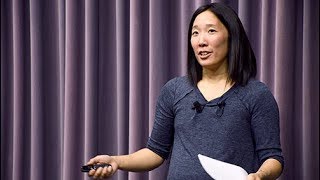
This content was created by GHION.AI . This content was uploaded by GHION.AI . This is a YouTube video titled "Sandy Jen: The Rewards of Taking Risks [Entire Talk]" created on October 12, 2017, featuring a talk by Sandy Jen discussing the benefits of taking risks.
Chapters
You. Hi, everyone. First off, I just want to know who's here. So how many of you are undergrads? Okay. Almost all of you. Freshmen. Wow. Okay. Sophomores, juniors, seniors. Okay. And how many of you are sort of thinking about becoming an entrepreneur, starting a company, kind of getting into all that? Okay, cool. Okay. So thanks for having me. It's really nice to be back at Stanford. As Tom said, I graduated over a decade ago, so it's been a long time. This building was not here. You guys are really lucky. It's really nice. And it's not every day that I get invited to speak for 45 minutes about myself. It's a weird thing to happen to you. And student habits die hard. So I procrastinated and didn't really prep for this talk until about last night. So I have my cheat sheet right here. So when I thought about what I wanted to talk about, what I wanted to share with you, I asked myself, what would I want to hear if I were a student in your place? And obviously, things were a lot different when I was a student here, but I thought a lot of these things could translate. And so I went down memory lane and sort of thought about my college experience and remember that it was awesome. I love Stanford. But it was also really stressful. Like, I remember the exams, the problem sets, the coding projects, the biking in the rain with the plastic Safeway bag over my bike seat, and then really hoping I got a job interview at Google because if I didn't, I'd be a total failure to my parents, and it was just really stressful. And to sum it up, I had absolutely no aspirations of becoming an entrepreneur. Like, zilch. None at all. But here I am today in front of you talking about entrepreneurship. So how did that happen? It happened through a series of interesting opportunities. Very unlikely. I call myself an unlikely entrepreneur because I. It didn't come out that way. And I wanted to kind of give you this sort of executive summary about myself where I wasn't building computers when I was 6, and I wasn't starting businesses when I was 12. Not even a lemonade stand. I played in the dirt. I was shy. I was really insecure. I was quiet. And I grew up in an immigrant family, and so I was there. And now I'm an entrepreneur. I'm not as shy as I used to be. I've sold a company to Google. I still occasionally like to play in the dirt. And I'm now running an engineering team and a startup that's helping old people. So not the path that I thought I would take. But I kind of wanted to give you sort of a snapshot into how I got here so that maybe that will inspire you to sort of find your own path. So first sort of revelation is that you don't have to come out of the womb with a startup idea and a computer. So I've met a lot of founders through my career and a ton of them have that itch, like as soon as they're born, they pop out of their mom's womb and they're like, I gotta start a company. I was totally not that way whatsoever. I grew up in Maryland in the east coast to, yes, Maryland, to immigrant parents from Taiwan. And they came to the United States to find jobs, to go to graduate school. And so I was born as a first generation Chinese kid in a very typical suburb in Maryland. And I was shy. Like I said, I was quiet. I followed all the rules. I got straight A's, I came home on time, I did my homework, I played piano, I went to Chinese school, I graduated top of my class, I got straight A's. Like, I did everything that you're supposed to do. I just sort of followed the path. And my parents were really lucky. I never went through that rebellious teenage phase. So I was like the easiest kid possible, not someone you would think would move off to the other part of the country and help old people one day. So not really what was in plan. And I kind of pretty much did everything with the flow and according to plan. And so when I was applying to college, I threw Stanford in as a long shot. I was like, there's no way I can make it. I'm like, this average kid did really well in school, but what's so special about my high school? And so when I got accepted and the possibility became real that I could go to California and leave home, I was really torn because I'd always followed the safe path. Like, I got the good grades, I did what my parents wanted me to do, and my parents were going to pay for my education. And so it was really expensive to go to Stanford. I had a scholarship to go to my local state school. And so I was kind of weighing the pros and cons and I was like, I don't know, should I do it? And ultimately something kind of clicked. And I was like, well, not every day you get into Stanford. And the doubts were kind of trying to push my want to go to Stanford away because Stanford's like worse. Super smart. Kids go, and I'm smart, but I'm not that smart. And so it was just sort of this dream. I was like, oh, my God, this dream could become real. And so ultimately I decided, okay, let's do it. And my parents were super supportive. Although my dad does joke that he could have bought a really nice sports car with all the tuition money he could have saved if I went to Maryland, because it's pricey here. And so that single decision where I decided to go to Stanford was probably the single most important decision of my life. It set me on a path that would not have happened if I had stayed in Maryland. And I often kind of talk about and think about what my life would have been like if I had not come out to California. And I have to say, it would be super different. I'm pretty sure I would not be an entrepreneur. I wouldn't have had the opportunities to push myself the way I did here. And I think the capabilities and the potential that I have realized now would have never sort of materialized. And so sort of a key lesson for me and to impart to you all is that when an opportunity like that presents itself, don't take the safe option, like go and push yourself to take something that's a little bit scary because you just never know where it's going to lead. So fast forward to when I'm about to graduate. And this wonderful building was not here, but most of my classes and various activities were at gates. And so I was walking through Gates to turn in an assignment or something, and I spied the names Larry Page and Sergey Brin, name tags on an office door. And this was back in the day when they had become famous from Google, but they still had an office at stake Stanford. So that dates me a bit. It sounds a little bit old, but that was sort of like, you know, a big deal. And when I walked by, I was like, oh, my gosh, it's Larry and Serye. Like, you know, nerdy celebrity, sort of awe. And what was interesting was that when I saw was so unrelatable to me that it was just sort of like a. Ooh. Like a celebrity sighting. Because being sort of a real live Silicon Valley founder seemed impossible. It was like they were these magical beings that had some sort of interesting combination and rare combination of skills and brains and ingenuity to sort of start a company. And that seemed so impossible to someone like me, who was shy and insecure and didn't think she deserved to go to Stanford, things like that. So you set a trend here where I was not very secure about myself and didn't have a lot of confidence in my abilities. And so that sort of feeling of untouchability of those folks really kind of put a mental block in what I thought I was possible of doing. And so I graduated in 2003 and this was shortly after the first Internet bubble burst in a spectacular fashion. And if you mention the word startup, people would think you were an evil person who's trying to take their money. And so I landed a great job as a software engineer at a semiconductor company and I worked there for a couple years and I sit there in my cubicle and I think I'm like 23 or something. And I'm thinking there, I'm eating my lunch, I'm like, okay, I got a great education at Stanford. We're taught that we can change the world. I'm five two, sitting in this 20 square foot space surrounded by six foot cubicle walls. And I was like, what the hell? Because I was like, what am I doing right? I was like having this midlife crisis at age 22. And I was like, I've done all this work, I've gotten the good grades, I've gotten the good school, I've gotten a good job. Like I'm not happy, like what am I doing here? And so I talked to my boyfriend who I later married and who's now my husband, and he had chosen a very different path. So he was already doing a startup with his co founder and he had started it when he was still in school. So he sort of graduated and sort of jumped right into startup land. And he, he and I were talking and I realized when we were talking that he had flunked the same test that I did. He had no business background at all. He had acquired funding in a period of time where it was really difficult to get funded because the startup environment was so bad. He wasn't, I mean he was smart, but he wasn't like a genius. And he was basically as dumb as I was in a lot of ways. And so I was like, well he did it, why can't I do it? And the difference was that he didn't have that mental block. He said, oh, I'm just going to go do this as opposed to what I had was there's no way I could do this. And so that was really eye opening for me. And I was trying to figure out like, why was he so happy and enthused and engaged in his sort of work. And I was just not happy whatsoever. And so I tried to shut the shy high school kid part of me out and tried to channel the let's go to Stanford me more, because that part had been sort of nurturing a little bit more of that brave bravery and courage throughout my college years. And that part ultimately won out. And so I got my butt into gear and opportunity knocked in the form of a partnership with a friend of a friend who wanted to start a venture. And when he asked me if I wanted to join, I was like, hell, yes. So, which brings me to my next point, which is that everybody has imposter syndrome. And I may have sounded really gung ho, but I was absolutely terrified. I was, like, scared shitless. I had said yes, but I had no idea what I was getting into. I had no idea how startups worked. I had no idea how fundraising worked. I had no idea how to build a team, had no idea how to do anything. And yet I was like, just keep going, because why can't I do this, right? And I want to pause and really make this a point, because the thing that really crystallized for me was when I saw someone that I could relate to do something that I thought was impossible and so accessible role models is really, really important. And I think one of my goals to, you know, coming here and talking to you guys and I always make time for students is that the unreachable, untouchable sort of founders that you hear in the news are kind of untouchable and unreachable. But there are plenty of founders that are sort of normal folks who just, like you are sitting in a class listening to someone talk about entrepreneurship, who have a lot of potential, who never realize that potential. And so for me, it was really important that I saw my, you know, he's not dumb, but I call him my dumb husband, do the same thing that I wanted to do, and it was like, okay, someone else could do this, so can I. So. And consequently, at the end of the day, what's the worst that could happen, right? Like, I try something for two years, I fail. You know, it doesn't go anywhere, and I go back and get another good job, and I go back on that path, right? So the consequences of failing weren't as crazy as, you know, I. My high school self had told myself, and I think, you know, a lot of us tend to overthink these things. We list all the. I'm sure all of you have, like, had a giant decision, and you listen pros and cons, and you make a spreadsheet of what's good and what's bad, and then you kind of calculate all the odds of what's the best decision that you can make. And I kind of think of it as the choose your own adventure book. When you were a kid and you stick your fingers between every single storyline that's possible, and then you find the one that you've already read that wasn't good, and you picked the best one. I was an optimizer as a kid. That was what I wanted to do. And so that kind of person generally tends not to trust their gut because there's no data in gut. So kind of a raw feeling. And so I decided to shut all that out, right, and trust the gut and then really prove to myself that I could be an entrepreneur and I could be a really good entrepreneur. And so through getting to know my co founders, it wasn't like we formed a team. Like, the idea just like shot into our brains and then we got funding and boom, we're like, we're a startup. Like, no, no, no. Nothing works like that. Took two years of sort of failing and exploring ideas and coding up prototypes and then getting disillusioned and then almost quitting and then succeeding a little bit, killing ideas, and then a lot of learning to sort of get things up and running. And all the while I was still really uncomfortable and I was really scared because you're still. Just because you say I'm going to be an entrepreneur doesn't mean all those insecurities go away. And so even after I quit my job and I was like, I'm committed to this, And I was like, okay, I'm going to use my savings and eat junk food for the next two years, it was still really terrifying. I kept thinking, ok, what if someone asked me a question I don't know the answer to? Or, what if I'm not smart enough to do this? What if I'm not good enough? What if this, what if that? And sometimes that chatter just got really loud. And so one interesting story I want to tell is, it got really, really loud when we finally got lined up to pitch to Sequoia Capital. I'm sure a lot of you have heard Sequoia, it's a pretty good vc, I suppose. They funded Google and Yahoo and all those folks. And so we each had our part in the presentation and my part was to explain the technology. So I'm like, all right, I got this. So I studied for hours, like it was an exam. I was like, okay, what are the coding decisions that we made? What are the bugs that we fixed? What are the design decisions I made? Why did I Architect. This way. What are the giant coding obstacles that we had to overcome? And I was like, all right, I got this, I got this. And I was really, really nervous. We practiced and we practiced because you're basically in a room full of billionaires, generally older white men. And I'm like 5:2. Like I said, I look like I'm 18 because I'm really young at the time. I have one good outfit which I've recycled for all of my pitches. And you're sitting there thinking, okay, I'm going to ask these people for a lot of money. And then I was like, there's no way they're going to ask me a question about memory management. Why am I stressing about memory management? And that moment of sort of realization was sort of amazing to me because I kept thinking, I'm a fake, I'm on a posture, I'm not good enough. But I built the product, I did the work. So no one knew that product better than I did. So I wasn't an imposter. I couldn't be. Couldn't be standing here if I was an imposter. And so that sort of quieted the chatter a lot. And there are those sort of key times in my career and I think will happen to you guys where you have all this self doubt and you have all this hesitation and then something crystallizes where you're like, why am I thinking that way? And those moments are extremely powerful. And so I tend to sort of stock those up. So when I do feel insecure or I do feel doubtful, I can kind of remember back to when I was able to overcome that. So what I want to say is that everybody thinks they're not good enough at some point in their careers. Actually, this plagues a lot of young women as well. There's always this sort of feeling like I'm not good enough. I got here because this excuse or that excuse, and it's not that you can't feel that, everybody does, it's sort of how you overcome that, how you get over that and move forward. That's really important. And the thing that I want to sort of emphasize is to, you got to give yourself a chance to succeed. You got to give yourself a worthwhile shot and don't shut it down before you even have a chance to try. So rewinding a little bit to before we started to pitch VCs, a lot of folks are always interested in, well, okay, I have an idea. I want to do a startup. What do I do? And the thing I want to emphasize is that ideas are really cheap. If you think you have a brilliant idea, 30 people have already had the same idea, 20 people are thinking about working on it, 10 people have already started working on it, and 5 people probably launched variations of it. So no one's special. And there is no successful entrepreneur who's been really successful because they had an idea. They're successful because they've been able to execute on the idea. So a lot of young entrepreneurs I've talked to are really nervous about sharing their ideas because they're like, oh, my God, I have this really cool idea. I don't want to share it. Some of us might steal it. And they treat it like this really fragile baby, and they wrap it in winter clothes and fleeces and no one can see my baby. But like all babies, babies love running around naked. That's all they want to do. And so your idea needs to run around naked. And the reason I say this is because ideas don't grow in a vacuum. Ideas only improve if you get feedback. And so when we had the idea for Meebo, it was through a long series of failures. And I'll go over that, but we asked everybody what they thought, because if you don't ask, you're never going to find out. And so, like I said, the idea is not unique because many people have had that idea, but it's how you craft the idea, how you improve upon it, how you work on it, how you grow it that's really important. And when ideas are thrown around elsewhere in the country, I think a lot of people will tell you why it's going to fail. Like, oh, my God, you're crazy. Why are you doing that? That's never going to work. Or why are you quitting your job to pursue your silly startup? And what's special about here is Silicon Valley and Stanford and this community, is that people here tell you how to improve the idea. They riff on it, they tell you, oh, my God, if you did this, it'd be really cool. Or have you talked to this guy? He had a sort of similar idea. You might be able to get ideas from him. And I think what's special and amazing about this place and why, I think reinforcing the point I made where going to Stanford was sort of the best decision of my life, is that this is a very unique environment. Silicon Valley nurtures crazy people. It nurtures. It encourages you to sort of follow the unbeaten path or go nuts on some weird idea, because that's where innovation happens. And I think one of the best pieces of advice I would give folks who ask me, should I move out to California, should I go and move out to the west coast and talk to entrepreneurs? I always say yes, because there's nothing like putting yourself in a place where opportunities can grow. And a lot of times you never know what's going to happen unless you try. So back to Meebo. When we started the venture idea of wanting to start something, we started with a Dropbox like idea. Kind of didn't get that much excited about it. Timing wasn't right, took a lot of money. And the thing that we figured out was that if I'd rather go out and have dinner at a restaurant, than code probably wasn't like the greatest idea in the world. So we killed that idea and then we ended up doing something more like a media file sharing program. Think sort of like Napster esque, if anybody still remembers Napster for sort of family files and then kind of decided, well, downloads are kind of dying and web apps are the kind of way to go. And so killed that idea. And the point here is that we kind of stumbled upon the idea for Amiibo, which I think. How many of you actually know what Meebo is? Okay, like three people. So basically Meebo was instant messaging for the web. And so this is like a duh moment for all of you since everything's on the web these days and mobile. But this is before cell phones, before the browser became really powerful. And so what Meebo did was our tagline to the VCs was we're bringing instant messaging to the web, like Hotmail brought email to the web. That really dates the time period that I'm thinking about. And so we didn't sort of evolve into that idea until we learned from our failures on previous ideas. And so instead of sort of trying to nail down the perfect idea, you're never going to, that's never going to happen on the first try. You're going to sort of explore something. You're going to kill something. Explore something, kill something. And then eventually that's going to get you to something that you're really passionate about. So don't wait for the perfect idea, because there are no perfect ideas. And generally speaking, the idea that you first come up with will never be the one that you launch with. That's pretty much the norm. So next point, make yourself uncomfortable. So a great analogy that my co founder Seth likes to use is that doing a startup is like jumping off a cliff and trying to build an airplane around you. Before you die. And so you can land. And it's very accurate. And starting the company is sort of one point in time of your journey. Running it is a totally different beast. Totally different beast and totally different ball game. And so when Meebo got at Series A, we got money. And there's a sort of a notion that once you get the money and you get fundraised, you're like, done. You're like, yes, I made it. That's so not true. That was the easy part. The hard part is actually running the company, like, doing the company. And when people give you money, they expect you to do something with it. Generally speaking, get an office space, hire people, pay people, build a product, do stuff with it. And that's the hard part. And so remember, I'm like 23, 24 at this point, and I know jack shit about hiring, building a team, managing a team, running a company like nothing. And I was very uncomfortable. But like I did before, you keep going and you learn. And so, so many times I hear from young entrepreneurs that they need a little bit more experience. Oh, I need to, like, do four startups before I start my own, or I need to take this class, or I need to go and talk to this guy before they can do something. And I didn't do any of that. I was thrown into the deep end of the pool and I was expected to swim. And I think that's sometimes the best way to learn. And so when I was thrown in, I learned how to build a team, like a really good team. I learned how to operate, I learned how to talk business strategy, I learned how to hire. And I slowly gained confidence. And like I said before, confidence is extremely powerful. And so when my shy high school Persona would have totally freaked out, my sort of confident, entrepreneurial aura took over and tried to be calm and learn and move forward. And I remember when I had to interview a few senior hires from eebo, like the first sort of senior crew that we had to bring into the company. And like I said, I look like I'm 18, I'm usually wearing a T shirt and jeans, and I'm super short. So I did not look like a senior leader of a company. And I remember, though, that I had gained confidence in myself. I accomplished a lot more than I thought I could. And so I proceeded to interview a ton of people who are way older, way more experienced than I was. And guess what? They joined. Meebo became almost 200 folks before we sold to Google. So we were doing something right. And the thing I'M actually most proud of, besides overcoming a lot of my insecurities and fears, was that I was able to build a really good team. That team was really special to me. Some of those folks I was able to pull into my current company in honor. And so I've worked with some of these folks for more than a decade now. And a lot of these engineers, actually, I've pulled from college directly. I've plucked out of different parts of the country, and we've had this really great relationship for a really long time. And they've gotten married and had kids now. And so the journey that I've taken also has brought along a really, really awesome set of people that I've also taken along with me. So the next part is there's more than Google and Facebook. And the reason I say this is, I think when I was a kid, not a kid, when I was a student here, the big names were sort of Microsoft, the usual Microsoft, Apple, Google. And if you didn't get an interview or you didn't get a job there, it was like you weren't good enough. And I'm here to say that you are plenty good enough if you don't go to those companies. After we sold Meebo to Google, I got a firsthand look inside of Google, and I'd never been in a company as large as Google. Obviously, my first company was not that big. And I basically had my formative working years in a crazy little startup that I had started. So I had no experience sort of understanding what that kind of machine look like. And I was really curious. And Google is a magical place. It's full of free food. There are engineers for miles. There are those toilets that make your butt really toasty when you sit down. Like, that's super cool. And I felt a really big sense of relief when I got Meeboat to Google, because arguably, Google is one of the best software companies in the world. And I had landed my team there, and hopefully things would turn out really well. And so if I were really smart, I would have just coasted along. I got a great paycheck, really enjoyed those toilets, and kind of had a good, cushy life. But even though I didn't set out to be an entrepreneur, I became an entrepreneur. And so that mindset was now burned into me. And it was who I was, it was how I operated, it was how I thought. That's how I sort of saw the world. And it took a decade, but I sort of had that entrepreneur's confidence, and it really chafed At Google, I was really surprised. Google's an amazing place to work, but I was really hooked on the pace and the impact that I had at my previous startup. And because I couldn't move as fast, it just bothered me more than I thought it would. And again though, I was like, well, I'm going to have kids soon. Google has like this great maternity program. Like I get a great paycheck, go in every day, like sit on the toilet, get my free food and just like relax. But I came home every night and I was like, God, I'm not happy and something's really wrong. And so I kind of fell back into that trap where Google was a safe option. It would make everybody, it was the best thing for everybody. And again, it was my husband that kind of woke me up again because he was like, look Sandy, if you don't quit right now, I'm going to do it for you because you're unhappy and you're making me miserable. So that was sort of another kick in the pants. It was like, ok, I like Google, I like this team, but ultimately this is not the place for me. So I left after about a year and call it a quarter, like a year and a half or so. I took some time off and that time was actually really valuable for, for me because if you think about it, there was Google for a year and a half or two, there was Meebo for seven years, there was the other company for two years and there was college. And so I didn't really had no time off since high school. So I took the opportunity to watch a lot of bad tv. I did no startup work at all and just sort of tried to get my mojo back and kind of reset. And some months passed and I was like, well, should I do another startup? Do I have the itch again? And the answer was definitely yes. I still had more in me that I wanted to do. I wanted to have more impact. I really needed to sort of just reset and figure out what I wanted to do. And so when my current co founders of honor freed up, we kind of regrouped and we decided to dive right back in. And so an interesting point I want to make is as a second or third time entrepreneur, you have a lot more experience obviously because you've done a lot and you have better tuned instincts than the first time around. And as first time entrepreneurs, which I think a lot of you would like to be, the excitement of being an entrepreneur is kind of like a shot of adrenaline. So it's sort of the sustained adrenaline shot that kind of like rides you through the first startup because you're just like full of energy, full of enthusiasm. You can work like 40 million hours a week and you're just like crazy. And later on that adrenaline kind of wears out, but the adrenaline is replaced by sort of more efficient muscles, better thinking, a little bit more pause when you act, and a lot more experience, which is actually really helpful. And for the second startup, it was actually a big deal to decide to jump back in. And the reason I say this is that they say the average lifetime of a startup is about seven years. So if you're going to think about doing a startup and really committing to it, you should really commit. Seven years, that's usually like seven years till some sort of exit event or whether it dies or succeeds or whatever. And it's a commitment. It's sort of like you're trading off social time, family time, personal time to really commit yourself to this venture. Because ultimately you're responsible for your team, the product, you have fiduciary responsibilities to your investors, things like that. And so when we decided that we were going to jump back in, we kind of had these sort of like stipulations of. As a first time entrepreneur, Meebo was really exciting, it was really cool. It was social media esque stuff, but it didn't have the world impact that I think an honor had. And when I wanted to do it again, I really wanted more impact. I was hungrier, I was greedier to make a bigger difference in the world because I had these skills and I had these things that I had learned and I really wanted to use them for better. And so the four of us got together and we're like, okay, we're really picky, what do we want to do? And so we decided that it needed to meet three criteria. And the first one was it had to be a huge market. So huge market translates to huge impact. So if I picked a small, tiny market, like people who liked purple cars, that's a really tiny set of demographic that I could work with, as opposed to senior care, which can affect people worldwide. So huge market. The second idea of the second sort of stipulation was it really had to help people. I can argue how Meebo in the beginning helped facilitate communication between friends and family and opened up, you know, chat networks for folks who couldn't get online. But at the end of the day, it wasn't like it was like changing someone's life. And so we wanted something that I could look you in the eye and Be like, I made your life better. And then the third one, which is interesting, is that we wanted it to be an execution risk. And so the way we think about it and this sort of framework my co founder came up with, which I think really resonated with all of us, which was if you think about a spectrum of a startup, there's market risk and then there's execution risk. And market risk is kind of like Snapchat. Where did the world really ache for a messaging platform that had messages that expired after three seconds? I don't know, like, who knows? Like, I have no distinct advantage over all of you to figure out whether or not that would work. So there's this sort of market risk of well, if I build it, like will they come? And on the other end of the spectrum there's if I build it, which is execution risk, will I build it? They will definitely come, but it's really friggin hard to build. And so we wanted this end of the spectrum because we have no inherent advantages over folks like you who understand what 18 year olds want on their cell phones. I have no idea. Oh my God. The speed at which you guys text is amazing. But on this side, I had a lot of sort of experience. I knew how to operate, I knew how to hire, I knew how to get resources. We had connections in the D.C. space, I could get funding. And so we really wanted to skew this way. And so if you sort of think about all three of those criteria, we kind of listed like giant problems in the world, like unemployment, poverty, education, childcare, senior care. We even joked that we could like get a VC to get us money to buy out a third world country and fix it. We had grand aspirations, but then we ultimately decided we didn't want to move to a third world country, so we kind of killed that idea. But that was the scale at which we were thinking about. And so my co founder Seth went to Connecticut to visit his mother. And his mother sort of had a lead foot her whole life and got a speeding ticket in Montana, which is really hard to do. And she was driving really slowly. And so he was like, well, what's wrong mom? And she's like, well, driving's a little harder than it used to be. He's like, holy crap, what am I going to do? You're getting older, you can't drive as well. You live in Connecticut, I live in California. What am I going to do? And, and so that kind of keyed us in on the senior space. And so when we kind of started to dig and dig and dig. It turned out that was, like, a really interesting problem that we could solve. And so we dove into the senior space. And I'll get into a little bit about honor in a little bit, but one of the things I think that was actually really unique for me was that I had made a lot of mistakes at Meebo. First upon entrepreneurs, you don't know what you're doing. You're learning as you do. You're in the deep end of the pool. You're learning how to swim. You're building the airplane. At the end of the day, the airplane was kind of, like, lopsided, and one wing was really far out, and the other one's kind of, like, gimpy, and the wheels weren't really there. And so, as a second venture, I had the chance to sort of plan out how I wanted to build the airplane as I jumped off the cliff. And that was really exciting for me to learn from my past mistakes. And one of the interesting things was that during the Google acquisition for Meebo, during the last stage of it, you do a lot of sitting around and waiting, because it's not actually particularly glamorous. They ask you for documents, and you give them documents. And so you kind of sit there and wait for that, those responses. And we literally sat down and Seth and I wrote down all of the mistakes we had made and what we would do differently. And so when we started Honor, we literally took that list back and said, okay, let's do all these things. So it was a way to sort of, like, reset and learn. So a little bit about Honor. The mission, basically, is to care for our parents. So pretty sure none of you are super in that market right now. Maybe some of your grandparents are, but it's an extremely personal space. Everybody we've talked to has some personal story, whether it be a loved one, a grandparent, a friend, a neighbor who's gone through this. Where home care itself is an interesting industry has not changed in 30 years. The space is worth a lot of money. It's like $30 billion alone, but it's really broken. And so when you put a big market size with a really broken industry, entrepreneurs are, like, drooling. So we were really, really excited to jump into the space. It's been an interesting journey because it's so different from social media. Like, we came in knowing nothing about home care, and now we're really, really good experts in home care, and I find it a lot more rewarding. One of the interesting things is, by the End of the Meebo run. And when we had sold to Google, when someone asked me what Meebo did, it took me like a paragraph to explain because it was like, well, it's like this messaging platform with this social media bent to help publishers do this or that. And it was just really complicated. So it was really hard to sell. But when people ask me what I do now, I'm like, I'm just trying to help your parents. It's this really simple, really, really mission based statement that I can make and feel really confident about when I go out and sort of talk to people about honor. And the thing is that I'm not 23 anymore. I'm 36, I have a family. So my risk profile is a lot different than it was when I was 24. And what I find really exciting is going to be different from what you guys find exciting. And I went so far away from social media now because at the end of the day, I realized in that world I was working really hard to make an Advertiser an extra $2 when someone clicked on an ad. And I just didn't feel like that was something that I really wanted to continue doing. And so when I had the opportunity to do something new, I really wanted to flip that coin and go all the way to the super mission driven, super hard, super challenging, but really, really worthwhile venture. Because like I said, when you commit yourself to a startup and you commit yourself to a venture, it's grueling. It's a long time to put yourself in one project with one team and there's a lot of ups and downs like people say. And for me, it was the possibility to make a lasting impact on the world. I don't think Meebo really did that. And so for me, it was really rewarding to finally go to an industry where I could do that. So for you guys, a lot of you are probably not interested in home care, but I would say the advice I would give to you is that when you're contemplating in a future startup or even if you're not really in the entrepreneurial mood and you want to go and just get a job, get a great job, pursue something different, look beyond the surface, right? There are plenty of other companies that do awesome things besides the Googles and the Facebooks. And home care on the surface is not sexy, but we solve a lot of sexy problems, really sexy problems. And so a lot of industries have these really interesting challenges that require engineering, thought and ingenuity that you all have. And I think that would be a boon to different industries as well. Well, so. Oh, so this is Seth and me in 2008, I think. And that is me and Seth a decade later at Honor. So we have a lot more gray hairs, which I cover up with dye. Seth does not. But it's sort of an interesting, like, snapshot into sort of how we've, how we've grown up a bit, I guess. Cool. And the other point I want to make is that you might be a little young for this, but you can have a kid and do a startup at the same time. So honor is about 3 years old now and I had a baby in year one. Seth also had a baby in year one. And so it is possible and clearly I have another one on the way. So it's not like this is not for any of you from having a family. And the reason I say this is that we've had kids. You know, a lot of the, it's really interesting. A lot of the engineers that came over with me from Meebo to Honor when I plucked them out of school, you know, were my age or younger. They all have kids now too. And they're, you know, they're working at onrr. And ONRR is still the fastest moving, most aggressive, fastest milestone reaching company I've ever been a part of or worked with. Which means to say that we're still moving really fast, we're still pushing ourselves. We have families, we have mortgages, we have social lives. But at the same time we're very focused. And so like I said before, where I think a lot of first time entrepreneurs are just running on adrenaline, we're trying to be a little smarter about how we do things and work. Life balance is hard. Work hard, like I'm just going to tell you, right, it's hard. There's no magical formula. I'm sure a lot of moms in here understand that. And I had to learn how to be a mom and a founder. And I didn't realize a lot of the challenges, how real they were for working moms until I became one. Right. And it's even harder when like you have to, you have two babies, you have your human baby and you have your company baby and you had to take care of both. And the pressure of being responsible for the livelihoods of your team, we know Honor has a large number of employees as well. That does weigh on you. And so the point I'm trying to make is that the insecurities that come back, especially when you're a mom, the doubts, the fears all of that still running inside me all the time. And sometimes it gets really loud, but you just have to keep going. You have to eye on the prize, focus on what you want to get done, and then balance that out. And sometimes that balance comes at a cost, but it is possible. I know a lot of founder moms who've had kids while they were trying to fundraise, while they were trying to hire and pop out babies, while they were trying to get out of a hole or raise dead or whatever. So challenges always happen. There's never perfect timing, but if you really want something, you should just go and get it. Let's see. So last point is that when I look back at my career, it all really started again, like I said multiple times when I decided to come back to California. And it's really amazing how sort of these seemingly small decisions, I guess it wasn't that small, but these decisions sort of take you down different paths. So my final piece of advice is. Oh, wait, actually, before I get that, I brought my infant to the office a lot because I couldn't get childcare, and then that Seth with my son when he was just a few months old. So it is possible. Stop listening to me and go do something. Opportunities open up all the time. You just have to keep an eye out for them. And you got to put yourself in situations where that occurs. Right? If I had stayed safe, tucked away in my little suburbia life and stayed, you know, done what I wanted, like sort of the safe path, none of these opportunities would have opened up for me. And I would never be. I wouldn't be standing here in front of you today. And so my advice is to tell your shy high school self to shut up and buckle up. So I really like to end these talks with this slide because I think it's a really good summary of the points I'm trying to make. Everybody has doubts. Like I said, timing's never perfect. Things are always scary. And there are plenty of entrepreneurs who are not the crazy Mark Zuckerberg, Larry Page, Bill Gates types. There are plenty who are like me, who trying to balance a kid and startup and a really long commute. And we just want to make a difference in the world. And so a lot of you here sitting here listening to me, I'm flattered that I'm here in front of you, but I can't tell you how to be an entrepreneur. I can't tell you how to go pursue the things that you want to do. I can only tell you sort of my story and how that hopefully that inspires you to kind of get your butt in the ear and do little extra things here and there to kind of open up those opportunities for you. And ultimately you have to pull the trigger, right? You have to make the decision to go and act. And so you'll hear a lot of talks from different entrepreneurs in this series and I think hopefully a lot of them will inspire you as well. But at the end of the day, it's up to you. But I always like to say if a shy, short, quiet kid from Maryland suburbia can do it, you can too. So thank you. Yes. Questions? Yes, I have three questions. Firstly, when you came up with your idea, this. Yah. Messenger existed. Right, sorry, Yahoo. Messenger existed when you came up with your id. Yes. So how did you. How did you develop other. So, yeah, so at the time there was like aol. Hey folks, would you hang out a few more minutes please? And as a courtesy, appreciate it, thank you. So at the time there was aol. Like I don't know if anybody uses AOL anymore. Aol, Messenger, Yahoo, msn, icq, all sorts of networks and all of them had sort of these janky apps. But we were the first ones to actually bring a more seamless experience. You could actually just drag and drop windows around, which now is like, whatever. But back then it was like, oh my God. And so we didn't actually go and pitch any VCs until we launched. So we literally just let it out wild so people could test it. And that was the way to get traction. And by the time we had a bunch of users and then the VCs were like, oh, hey, what are you doing? What's that? And then that became interesting. So VCs now are a lot more savvy about consumer Internet and so they generally expect a working product with some user traction before they will even be willing to talk to you. So if you're going to go down the sort of more consumer Internet route, definitely don't be afraid to put your product out there first because that's another way to share the idea to get feedback. My second question, it's better to first form the idea and then have the group or is it better to first form the group and then think of an idea? That's a tough question. Oh yeah, sorry. The question is, is it better to form the idea and then get the group or get the group and then form the idea? Let me tell you, the number one thing I get asked about is how do I find a co founder? So if you have a Group, keep the group. It's really lonely to be an entrepreneur by yourself. Like I know a lot of founders who are single founders. The burden, the stress, all of that on a single person is just really tough. So if you have an idea, great, go find people who are passionate about it as well. But if you have a group and you don't have an idea, that's fine too. So either way. But if you can find a co founder or a group of people that you want to do something with, that's probably that's the best way to go. Just because you can share the stress. Yeah.
So Eric Rice talks about the story about we were and then he talks about something like validated learning. And then when you think about it, you can say there is a lot of do you need to have money to sort of COVID the risks that you take? Because if you're going on the path of validated learning, that is you're doing and then at the same time you're learning.
Right.
So do you need to have the money to cover the risks that you're taking? That's the first question. And then the second question is, how do you know that you have the right product? As you said, do you have filters? You have to take your idea into it just to make sure that.
Yeah. So the question was, if you decide to commit to a startup, do you have to have the money to cover that risk? So if you don't get a job or have to pay rent, and the second question was, how do you know that the product is right? So for the first one, obviously if you are on paycheck to paycheck, that's a little bit harder to take the risk. I ended up saving some money and I didn't have student debt, which is a huge fortunate thing that I had in my life because my parents were able to pay for my education. The thing advice I give to folks who are to trying, trying to figure out the balance between sort of spending the money, using their savings to go and make that leap versus getting a job or doing it part time is that you need to set a timeline. So folks who say, okay, I'm going to do this for two years, I need to have a product by this time, a team by this time, and I need to launch something by this time gives you a timeline that you can work with so you can at least plan. So if you are strapped for cash or you're strapped for finances, set a shorter timeline or figure out some way to make sure that you're reaching those milestones and so that it's not some open ended, ambiguous venture that sort of just sucks everything out of your bank account for the second question, which is, how do I know I have the right product? You just don't. You don't know if you have the right product. The only way to find out is to launch something and to get feedback. And even when that happens, you still don't know until you sort of see success. And so that's the market risk part that I was mentioning. That spectrum where if I build it, will they come? You just don't know. There's no magical formula, like why did Instagram succeed and why did some other company didn't? Why did Snapchat become how it is and how another company that had a similar idea didn't get there. A lot of it is timing. A lot of it is the right product. There are certain nuances within the interface that you just have to get right. Sometimes it's by accident and serendipity, but there's no general like, okay, I got it, ready to go. You just have to try and see what happens. What are some of the hardest or most frustrating things about running Honor? Running Honor, I'd say Honor is human, messy. So at Meebo and a lot of consumer Internet, like when you want to test something out on users, it's like, oh, I want to change the color of this button, or, oh, if I change this font or if I add this feature, like, what happens with users? It's not like a critical end of the world kind of feature. At Honor, we have angry parents, we have angry adult children, we have seniors who have dementia, we have folks who have chronic conditions, we have people who are dying. And so it's a very emotionally fraught industry. And so one of the hardest parts is that we have to maintain a really high client experience because at the end of the day, like, I'm a technologist, I'm an engineer by training, we build a lot of awesome cool tech. But we are a services company, right? We present ourselves as a home care company, not a super high tech, you know, tech company from Silicon Valley. And so at the end of the day, the technology serves the end human experience. And that's been challenging for us because a lot of us are used to, oh, if I just like release this code and refresh the page, boom, new app. That's not how it works in home care. And so that's probably one of the biggest challenges for us to learn from, but it's also most rewarding because when you actually save someone a trip to the hospital? Or some adult child is super happy that their mom is happy. That's amazing.
More from GHION.AI


O processo de reconhecer limites, mesmo quando a vida parece exigir sempre mais.





Depois de tantas histórias, aprendizados e pausas necessárias, o @interior_iza está de volta



