Susan Feldman: Bootstrapping with Flair [Entire Talk]
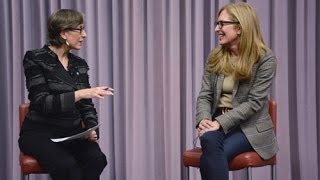
Susan Feldman founded One Kings Lane, a home furnishings company, and shares how she built it through bootstrapping and strategic decisions. The talk covers the challenges of starting a business, navigating partnerships, and choices around venture capital funding.
Chapters
So let's dive in. After years of working in these large companies with really senior and important roles, why did you decide to go off and start your own venture?
Yeah, well, I think I always have that entrepreneurial mind. I think we talked about this mindset or spirit. I don't know, maybe I was talking to somebody else about this. But I think, you know, even working in large corporations, I always felt I was entrepreneurial. And I had spent most of my adult life in Manhattan. Moved to Los Angeles about 11 years ago, and we bought a house. I know it sounds like it's a big deal buying a house, but I realized it was the first time I'd actually lived in a house since I left to go to Stanford. And I became somewhat of a lunatic about designing entertaining and became so obsessed with it that, like, I think a lot of businesses, I was looking for something and I couldn't find it. And I was looking to find unique product for my house online. And this was back in 2007. And it was pretty dismal as far as, you know, interesting, unique products. There were, you know, Amazon was there. So, like, if you knew that, you know, if you knew what you wanted, you could just type it in and find it. But if you were sort of on a journey looking for interesting and unique products, it just didn't exist out there. And so I was. I thought, hmm, there seems to be a big white space there now. The question was how to go about, you know, what to do about it. And so that was really the beginning. Thinking about One Kings Lane.
So what was the vision for the company and the product and the service for One Kings Lane?
Yeah, I think the vision was really. And it remains the same today. It's really to inspire people and help them really create the homes that they love through bringing together a collection of really unique and interesting products that they might not otherwise be able to find and get access to.
And was there anything else like this in the marketplace at the time?
No, there is literally nothing out there. I mean, there was, like I said, there was Amazon and then your big box retailers, so Restoration Hardware, Crate and Barrel, Pottery Barn, head websites. But actually many of the manufacturers that we went to to try to work with, they didn't even have. I know this sounds so crazy. They didn't even have their own corporate websites back then. So it was actually quite interesting trying to talk somebody into giving us their merchandise to sell online when they didn't even have their own websites online. They were a little bit behind the times. This industry, when it came to online.
So before we dive into exactly what the company did and the strategy, I know you started this with a partner with Allison Pincus. How did you meet her?
Well, this is kind of a unique. I think there's a lot of things that are actually unique about how we actually started this business and actually got going and started. But my background, as you had mentioned, was in retailing and merchandising, so I felt we were really covered on that end. But I really didn't know very much about digital marketing and things like that. So I felt it would be great if I could find a partner to do this with that would really complement what I had my skill set. And my husband actually met a woman, another female entrepreneur, and said, my wife's got this idea. What do you think about it? And she said, I think it's a really great idea. I'd like to talk to her. So I spoke to her. This is Lisa Stone from BlogHer, I don't know, a big blog. And she said, well, what can I do to help? And I said, well, if you know anybody that would be interested in this venture and partnering with me that has digital marketing background, I'd love to meet them. So she said, you know, I actually think I know somebody, but let me check with them and get back to you. And literally the next day, Lisa Sohn sent an email introducing me to Ali and said, have fun, like, go at it, hope it works out type of thing. And that was it. She disappeared. So Ali and I started emailing and talking on the phone because I lived in Los Angeles and Ali actually lived in San Francisco, so we were a little bit geographically undesirable as far as where we were living. And I finally said to Allie, like, three weeks into this, hey, if, you know, you're really interested in this, you need to get on a plane and come to Los Angeles so that we can really talk about this. I need to meet you. I still hadn't met her yet, and she said, I'm coming tomorrow. So she flew down. I had to go to Google and look up what she looked like because I said I'd pick her up at the airport.
Had you already decided that you were going to partner?
No, no, no. We're still in the dating stage. We were still dating for sure. And so I pick her up. We spent the day together. Everything was going great. And we kept talking and trying to think about strategy and how we'd go about doing this. And three weeks later, I finally said to her, listen, are you interested in this? If yes, great. If not, cool. Then I'm moving on. And she said, no, I want to do this. And so we decided to form a partnership. And it was the height of the recession because this was in November 2008. I think all the VCs were hiding under their desks at the time. So we didn't even try to go out and raise money. So we decided that we would both contribute equal amounts to the business and we bootstrapped it.
Ok, but I want to back up. So you basically dated your partner for.
Three weeks exactly before deciding it was six.
It didn't be a six weeks. Six weeks. And then you decided to work together. How did you struggle structure that partnership? Because that's often a really interesting discussion about who has more equity. I mean, you had some background in business, you had had an mba, and she knew something about starting ventures. So how did you actually structure the partnership?
It's kind of remarkable because it just wasn't that complicated. And I think that was part of what made it work and enabled us to really get going and move very quickly. We just did not complicate it. We said, we're each putting in the exact same amount of money. Expectation is we each would work just as hard as the other one. And so it was a 50, 50 deal.
Okay, great. And that worked out.
And it was all good, good, perfect.
Because we often hear stories where that ends up not being a good decision. But it sounds like that worked out.
Yeah, I mean, you know, we could have sat around and talked like, you know, it's my idea, I could take more, you should take less. But it just felt like we knew what was in front of us. It was a lot to get done. And it just felt like, we're gonna do this, we're gonna do this together. Let's start off on equal footing and go at it. And I think that was. That made a big difference.
Okay, so tell us about the early days and what you did first. Sounds like you bootstrapped it, right? You didn't raise any money.
No money.
You basically put your own funds in and you do first to build this venture.
So I think, you know, what we realized is that. And I should just also say that when we started off, the idea was actually to do this as a flash sale. So I don't know if everyone's familiar with that model, but flash sales really came sort of on the scene in 2007 in the fashion business. And basically this was almost like a sample sale brought online. So every day was a different day at A flash sale every day you would, you know, log on and there would be different things for sale there and they would only be. There would be limited inventory for a limited amount of time. So that was actually our idea, was to take home and do it in this model.
So it was scarcity. Right.
So it was a device and there.
Were only this many throw pillows this day.
Exactly. Scarcity. Also, you never knew what you were going to find. So it was a little bit of a gaming, you know, gaming aspect to it, which made it sort of fun. And the one thing that we did which hadn't really been done is that we really curated what we were doing. Like, it's a word that's really overused today. But back in 2008, 2009, when we were doing this, there were no websites like this. So what we actually did and brought to market was kind of interesting because when you came on our site, it was inspirational and it was beautiful, but you knew you had to get in there and shop and if you wanted something, react quickly. The business has now evolved and we can talk about that. But that's what it was when we started. So what we knew was there was a bunch of things we had to do. One, we had to find customers because it was an email based model. So once we started, we needed to have a group of people to email to to tell them what we were going to sell. So we developed a plan around how we could build a customer base. And our goal was to get 5,000 people signed up prior to the launch. And we did this by because there was nothing to see, which is really hard to get people to sign up. You know, it was just like a splash page. But we told everybody that if you signed up prior to us going live, you would automatically be entered to win an Hermes throw, which we felt would resonate with this consumer. It hurt us in the pockets because I had to go buy a $1,200 throw when somebody actually won it. But we got 5,000 people. We actually, weirdly enough, this is another funny story. The day we launched, 8 o' clock that morning, the email went out. Our developer called me and he said, this is really strange. I know Your goal was 5,000 people. You have exactly 5,000 people signed up right now. I'm like, send that email right this second.
That's amazing.
Yeah, it's just coincidence, but it was kind of crazy. So we had to get people signed up. So we did that and we used an ambassador program also to make that happen. We had to get manufacturers to Sign up. We felt like that was if we could get a month's worth of what we called sale events, then we would be fine because we felt that there would be enough momentum that once other vendors saw somebody else on there, that they would be willing to work with us.
Did you have inventory or did you just essentially make these deals? And did they have to Essentially, yeah.
So the model was basically the vendor would hold the inventory, we'd negotiate what, what items we wanted to sell on the site, and they would hold the inventory for three days while the sale ran. And then if we sold it, then they would get a purchase order. So it's kind of like I would call a new age consignment model. So that was also part of the beauty and why we were able to do it and bootstrap it because there was no inventory costs.
Very cool. So tell us about the early successes. How did you. What sort of data did you look at to see whether this was actually gaining traction?
Yeah, I mean, we looked at a couple different things. I mean, one was membership. So we started with 5,000 on day one. On day two, we had 25,000 people. That was based on a PR strategy that we did, which was we gave an exclusive to a company that was out there that had a daily newsletter at the time called Daily Candy. They're no longer around, but by giving them the exclusive to One Kings Lane the next day, we went from 5 to 25,000. So we were measuring the growth of our memberships. So, and that was growing really pretty much exponentially. So that was one measurement, obviously revenue. And we were experiencing the same thing on revenue. So first day, I think we did $1,600. The second day we did $32,000. By month four, we were doing a million dollars. The first nine months we did $6 million. So, you know, revenue.
And let me ask you, but what about net? Did you actually make money on these sales?
I mean, was this possible? Actually, that was kind of the amazing thing. We were cash flow positive and making money six months.
So this is fascinating. You then decided to go out and get venture capital funding. Why. Why did you not just decide to keep this a private business and just keep growing it based on, you know, reinvesting the profits?
Yeah. So it very tough decision. I mean, when I say that we were cash flow positive and, you know, and profitable, we are also incredibly under resourced. So, you know, literally we would wait till the end of every month to see how much money we made to see if we could hire another person. So at the end of that first six months, I think we were nine people in total doing all of that. That was kind of crazy. So we knew we needed to do something. To scale? Yeah, to scale the business. And it was a really tough decision. I mean, this happened, I'd say about four months into it. We started getting a lot of inbound requests from the venture community. And when you start off and it's your own money in the beginning, then all of a sudden saying, okay, well, I understand the positive. This is going to be smart money coming in and it's going to help us scale. And we think this is now going to be a really big thing. In the beginning, Ali and I were worried about whether it would work or not. Now we knew it was going to work and how big could it actually be versus ok, we're going to keep this like a nice lifestyle business and go along. It was a lot of conversations about it and giving up a percentage of the company to the investors and things like that. But we ultimately decided, we felt we really were onto something big and that taking the money and the investment was the right thing to do to scale the business.
So what was your pitch to the investors? What did you tell them? Or did they just come and say, start writing checks?
No, it wasn't always like that. Actually, it's an interesting thing. We kept it down to, I think, four or five different firms because it's really time consuming to do this when you're running a business. Actually, I wonder Sometimes if the VCs even realize you're trying to run a business and then you've got to go meet with them and nobody ever comes to you. And actually there was one VC that we were really interested in working with and they gave us a term sheet that we didn't like. So we passed on it and he called me a couple months later and said, I'm so mad, like my wife's so mad that I didn't invest in your company. I said, you should have probably talked to her when we were meeting. Then maybe you would have given us a different term sheet. But no, I mean, the pitch was that this was something new and different. We were first to market. We really were disrupting an industry, which is really what was starting to happen is that the home furnishings industry, incredibly fragmented, kind of a mystery to a lot of people. You know, you sort of had at one end, like I said, Crate and Barrel, Pottery Barn, where you could go in and get a look. And that look might be exactly what your neighbor had the other End there was something called to the trade which nobody could really kind of figure out. It's where, you know, high end interior designers have access to merchandise and, you know, people like ourselves wouldn't be able to sort of figure out how to get there. And we really democratized that and gave people access to all of that merchandise. And that hadn't been done before.
So when you were growing, what kind of people were you adding? I mean, it sounded as though you went from four to 500 people over a very short period of time. What type of people were you adding to your team?
Oh, to the team, yeah. Well, for sure, merchants. I mean, one of the things that we had this hyper growth and one of the things that was a little tricky is that we didn't have systems in place to help us scale. The technology was not in place. So the only way to continue to perpetuate the growth was almost really to throw bodies at it. So these were merchants. So as we brought on more and more categories, we'd have to add buyers to cover off on those categories. Also marketing, we built out a pretty robust marketing team. And I think also really important was our creative, which really is sort of the hallmark of what One Kings Lane is. You know, you can go to our site, all the imagery that you see there is done internally. So we do everything there. And we started to build really a world class creative organization internally.
So let's talk about your relationship with the venture capitalists. Along the way you said they were bringing in smart money. Was what kind of advice and guidance were they giving you? Were they leading you in the right direction? Did that feel like that was a really terrific contribution to your team?
Yeah, I think at the time it all seemed good. They had all done this before, so we certainly listened to them. Took direction as far as the type of marketing people, as an example, because we were doing very little marketing prior to raising money. So I actually remember this is funny, Allie coming to me because she was sort of in charge of that saying we need to start spending Money on Google AdWords. We need to start buying. And I'm like, well, how much money are you talking about? She goes, we need like $10,000 a month. I said, $10,000 a month? That's crazy. That's so much money. Which is a joke because I think once we started to scale our marketing team, we were probably spending that in, well, for sure, less than a day. We were spending a lot of money on Internet marketing. So anyway, they gave us advice about hires. They helped a lot with that. As we started to build out our leadership team and I think that was helpful. Obviously they're all pretty well connected and they could help us sort of source the right people.
So I know, so this is great. I know that oftentimes, especially in those days, there was a lot of emphasis on building your mailing list and the traffic. But I wonder, were you also looking at profit at this point? Because I know at some point things started turning in a different direction and people started looking for different types of metrics of success. So can you talk about what you were looking at and how that switched?
Yeah, we were not looking at profit actually. We were looking at a number of people that were coming to the site that were signing up. Obviously revenue again, we started to be able to look at the lifetime value of the consumer and actually there were some numbers that were pretty impressive. Still to this day, 80% of the revenue every month is generated by repeat customers. So you know, that was, that meant that we were doing something right for the customer, was engaged. Like once we had her, she was, you know, ours and shopped a lot. But yeah, we were not looking at profitability. It was more about how fast can you ramp, how fast can you scale, worry about the profitability will come come later.
So that was the advice you were getting from everyone else too, is listen, let's just look at the number of customers. At what point did they say or did you say, hey guess what, we're losing money on every customer but we're going to make it up in volume?
Yeah, yeah, I say it was about into fourth or fifth year that we really started to look at sort of more the unit economics and also start like we were running so fast and adding so many categories as an example that we started to look at the categories and like, did we really need all of those categories? Was the investment we were making worth the return that we could get out of it? And so, you know, we started really starting to hone in and really examine things a lot closer than we had been. It's pretty challenging to do that when you're experiencing triple digit growth. I mean you do, you're obviously looking at the numbers, but to really dig down deep because you're just trying to, you know, like stay, stay up with it basically.
So it sounds like at that some point you made the decision to start focusing on different things and I understand you ended up starting to cut pieces of the business in order to try to gain profitability. Is that true? Can you tell us about that process?
Yeah, I think. Well, you Know, we were, we were scaling. You Talk about like 500 people as an example. 500 people. Scale scaling was really in anticipation of a certain revenue number that we were going towards. And when we started pulling back on certain things, like some marketing levers as an example, because maybe some of the things that we were doing on Facebook, we realized after analysis, although we could capture a customer and they would buy something, they didn't come back. So that was not a good use of money. So when we started pulling back on that, it started to impact the growth.
Okay, so this all sounds very analytical. Can you talk a little about the emotions that were happening during this time? Right. I'm sure that things were flying high as you were growing and growing and growing. But when you started realizing that you needed to look at things differently, tell us about how you and Ali felt. What was the decision making process? What was going on inside?
Yeah, well, I think it ends up being a pretty big cultural issue because here we were very successful, growing, growing, growing, raising lots of money. And then we make a decision that actually we need to focus on bottom line, we need to get to profitability. How do we do that? Which meant cutting back. So now all of a sudden, you have to take your entire organization, who you've been telling them all along, just do what you need to do to grow this business and make it happen, and say, you know what, we're going to change things a little bit and we're going to have to make some changes and we're going to focus on bottom line and get into profitability. It's a hard thing to do within an organization, especially when literally from day one, you've had nothing but hyper growth.
Gosh, that must have been really tough. Talk a little bit about your relationship with the venture capitalists at this point. They've now put a lot of money in. First. You had a bootstrap business that was running. You're making your own decisions, you get this huge influx of money, you're growing to the moon. And now all of a sudden, you've got to start cutting back. How does that relationship shift?
You know what? I have to say, I give a lot of credit, actually to our investors. They were incredibly supportive. I think everybody was in this for the same reason. And so I think they did everything that they could to help us. And they didn't really tell us to do this or do that. I think they made suggestions and they left it up to the CEO to make the ultimate decision of what to do. Like as an example, we did two Rounds of layoffs. I think when I think back in hindsight, because it's an amazing thing, we laid off, I think the first time, 80 something people. We probably should have laid off 160 people. And that was a recommendation that was made. But we felt that the organization could potentially fall apart if we did that. And we probably would have been fine. But we never had experienced anything like that. So 80 people seemed so extreme to begin with. The thought of 160 people, it's like, where would we even think to take that from? But that was an example of recommendation that did come from our investors. But they didn't say, you have to do that. That was trying to help move us towards that.
So let's flash forward a little bit. At some point, the decision was then made to sell the company. That must have been a really interesting emotional place where.
Right.
This is your baby. You've seen it growing so well. You've been cutting things back. And now the decision. Talk about the decision to actually sell the business.
Yes, I think the decision to sell was not as hard as it might seem because I think we built an incredible company, an amazing brand. A brand that, you know, to our consumer is they, they love it. You know, they. I mean, it's interesting to go out and talk to our consumer and, you know, I mean, like, here's an example, like everyone hates getting a million emails. I have people that tell me they look forward to getting the one Kings Lane email because it's their daily dose of, you know, inspiration. So we built something really special and unique that didn't exist out there that really resonated with the consumer and the idea of wanting to take it to where really unleash the brand and let it go to where we felt it should be and where it could get to. The idea of an acquisition made sense, especially somebody like Bed Bath and Beyond that is rather large and has pretty deep pockets and could understand sort of the potential of what was there.
Who negotiated that deal? Was it you? Was it the VCs? How did that negotiation go?
We had a CEO at the time. So the CEO basically did the negotiation.
So you brought in another CEO. At what point did that happen?
Well, we brought in a CEO actually about six months after we did our Series A. And that CEO was with us for four years and then he left. And then this was the second CEO who negotiated this.
Very interesting. So it would be great for us to now unpack what things you might have done differently. Right. I mean, this was an amazing educational experience. Right. You got Your mba. You get another MBA for this?
Yeah, definitely.
Okay. What lessons can you extract from this experience of going from founding the company, growing it, laying off people, and then ultimately selling it?
Yeah, I mean, you know, there are a lot of good lessons to learn. I think we did a lot of things right in doing this. I think we were laser focused on our brand and I think because of our brand we were able to build a really strong consumer base. I think that was important. I think we did things. We tried to keep very focused and keep things simple, which is kind of hard to do in today's world. I think that was a good thing. We're very, and remain very consumer focused. That was all good. I think going back to this whole profitability thing, it is the one thing in my head that on any front that I think I really wish that we had balanced the growth and the profitability better. Because I think with profitability you get options. It's easy to go out, and it's not easy. But to raise money, when you have a business that's thriving, it's a lot harder to take that business and make it profitable. And as my husband says, it's not really a business until it's making money.
So what levers would you have put in to make it more profitable?
Yeah, I think the growth is really the big thing. I mean, growth is so important and I would have done everything to grow the business. I just don't know that it had to grow at, like I said, triple digits. If it grown at double digits and broken even, that would have been, I think, a better scenario.
Are you glad you took VC funding? Was that a good thing? Or do you wish that you would? And I don't. I certainly don't have an opinion here. So I'm just curious, you know, do you wish you had had that big influx of money or do you wish you had maybe used some other way to bring in cash, like taking out loans or investing more of your own money?
I think it was. It was good. And I think I wish we didn't raise as much money as we raised. I think raising the money, I think was fine. I think that I just would have used the money differently and thought about how to extend having that money and how to not have to go out and raise money five times, which is what we ended up doing.
So why would you not have raised as much money?
Well, I think by raising. I think there's a couple things. I think when you have that much money in the bank, there's this false sense of security within the organization. That it's really. I just think it's human nature. I think it's really hard to be fiscally responsible, you know, and it's not because anyone's bad or doing anything wrong.
You just should be hungry.
Exactly. I think being a little hungry is a good thing. I know how we felt and obviously it was the extreme when we bootstrapped the business. But I think that, you know, having. And there's lots of different theories about this. I mean, I know people that say you should take all the money you can and have it sitting in the bank, but I just think it does something just makes it hard to get to that bottom line number. Yeah. So I, you know, so would you do it again? And I think the other thing. Sorry. Is that as you start to raise money and you're successful, you know, there are these valuations which maybe for a moment in time feel really good. You know, you think, whoa, wow, that's, that's an amazing number. Are companies worth that? But that's really just the beginning. Then all the hard work starts because at the end of the day you get big valuations, perhaps they're inflated. And then I think your options become fewer and fewer because there's less and less people out there that maybe can afford your company if there's an acquisition or something like that. It's a little bit of a double edged sword, I think, the big valuations.
Yeah, it's interesting. It's a vanity metric. Right. That sort of is very exciting.
It's exciting.
But it ends up causing some interesting problems.
A little bit of pittance. Yeah. You're like, what? Wow, we got that. That's amazing.
So what do you wish you had learned when you were in school that would have inoculated you against some of the things that happened?
That's a good question. Well, first of all, I think it's probably good I didn't know certain things because I'm not sure there would be a one King's line. I mean, people afterwards say, how did you do that? I'm like, I don't know. It's crazy how we did it. We were running around like crazy people. Well, we got it done. We built a beautiful brand, we executed really well. We delivered a great experience. I think that. I think I just wish I had probably a better understanding of sort of the whole venture community and fundraising and valuations and different scenarios and things like that. I mean, obviously I knew, I had read about that, I studied that. But to really sort of understand better like the different sort of options that were out there. And I think it's easy to sit here and say that we were running like crazy people. It's like you hardly had a second to even stop to have a conversation with somebody. So when you're in the thick of it and you're just trying to get the next sale up for the next day, it sounds really simple to say, oh, I wish I knew more and taken more time to understand that. But we were doing the best that we possibly could given the resources that we had.
Great. I'm going to open it up to questions from the audience. Who has a burning question? Yes, Matt.
Hey, thanks. Oh, hey, Susan. Thanks so much for coming. Sure. I've been wondering. So, you know, most entrepreneurs in the Valley typically start out around, like, age 30 or 35 when they're starting a company. Yeah. Both you and Ali were a little bit older than that. Yeah. How do you think that affected your experience, like dealing with VCs, starting the company in general?
So I'm going to repeat the question, make sure everyone heard it. A lot of people think of entrepreneurs in the Valley starting their company when they're relatively young, you know, late 20s, early 30s. And you and your partner were older than that. How did that affect your experience?
Well, Allie actually was in that demographic, so I don't want there to be any misunderstanding. I, on the other hand, not. I mean, you know, I was at a point in my career where I could have probably been retiring instead of starting a new business. I think at the end of the day, it actually was very valuable because I had a whole entire career behind me doing this. So I think I had a lot of understanding about building teams and how important people were and negotiating for certain things. So I think it was actually very valuable. It's probably not what you. I'm not your typical entrepreneur, for sure, but I think the work experience that I had and actually that Allie had, had, even though she. Allie's 20 years my junior, so was really helpful in getting the business started. Great.
Yes.
Hi.
Thank you again for coming.
So I was wondering what it was.
Like working with people who are direct competitors. So you're bringing in these different manufacturers of furniture or different items, and do you think that helped your business or do you think it was a difficult thing, like, oh, I'm working with Pepsi and Coca Cola. How do they expect me to have a loyalty to them? Or do they know that I'm gonna be working with different brands? Can you repeat the question?
Yeah, I think if I get this. Right. The question is, how is it working with competing brands within categories? Is that really what the question is? I think it was actually good. It was good. It was actually One Kings Lane was. And I hear this all the time when I go to trade shows. It was an amazing thing for the entire home furnishings industry, because what we did was we really. We did disrupt the industry and we gave people access to this merchandise. And so we did an amazing job of presenting everybody's brand. So if it was a sofa manufacturer here, A, and B, we did just as good a job for both of them. It kind of helped the entire industry because of the way that I think we went about presenting and marketing the category overall.
Did these companies find that this helped them boost business outside of these deals? Like, oh, yeah, who knew this company made this lovely.
Yeah, we would see, actually, it was kind of amazing just talking about metrics. But we would hear time and time again from our manufacturers that if they were on One King's Lane, they would see once they had their own websites, because, like I said at the beginning, they didn't. But they would see, like a 500% lift to traffic on their website after they were on One Kings Lane. So this actually became part of our pitch to getting people to work with us that, you know, we would. They would come on One Kings Lane, we would do a great job of presenting their brand and telling people who they were, and they would, in turn end up seeing a lift to their business. So it actually sort of helped everybody. And we also. We pretty good editors. So, you know, I think I could say that what you would. You'd be in good company. Yeah.
Back there, how did you come to trust your partner that you've never seen?
You've never seen her, you don't know her at all. Somehow you trust her and she becomes your competitor.
So the question is, how did you trust this partner who you really didn't know very well?
Yeah. Yeah. You know, it was like one of those moments where that was a very big leap of faith that I took and, you know, tried to put also in place the proper legal documents so that if it didn't work out that, you know, we would be able to do something about it, to be honest. So. But, you know, I think just spending time with Ali, we just sometimes, you know, you meet somebody and you connect with them. Like, we just. We spent a lot of time together in the six weeks, which was short, but it just felt like on so many different levels, we connected and that seemed to work. My joke. I Think I told you the other photos. I've had two really great blind dates in my life. One was my husband, and the other one was Allie Pincus.
Great.
Super.
You could become a matchmaker.
Exactly.
Great.
Exactly. You see an advantage in starting a company with a person that you know for six weeks, as with, for example, a lifelong friend. Do you want to repeat that? Yeah. Yeah. I mean, the question is, do you see an advantage of starting a company with somebody that you only know for six weeks versus somebody that you've known for a very long time? I think there are actually some advantages because there's no preconceived notions, you know, and it was actually interesting. We had a lot of different things happen. Like, I remember this. What we ended up finding out also is that we complemented each other really well. And so just thinking about our customer and our target customer, we really sort of were the bookends of who we were going after. So that was good. And I maybe came to the table, say, from my work experience with preconceived ideas, but Ali didn't, and so she didn't know anything. I would say it would be great if we could call on this vendor, but they're never going to take our phone call. Allie goes, of course they will. I'll call them. And she'd pick up the phone and. And call them. So I think not having all that history, in a way, was kind of good. I mean, we certainly built history together over the last eight years, but maybe that. I hadn't really thought about it that way, but I think there probably was some advantage to that.
You came up with a 5050 split. When you ended up with differences of opinion, what happened? Did you just sort of arm wrestle to figure out who got their way?
A little bit. In the beginning, there were a lot of conversations because we kind of. Big decisions we made together. And so sometimes it got uncomfortable. But I think at the end of the day, that's kind of what happens in partnerships, and you ultimately end up with the better outcome. You have a conversation, it might get a little feisty, but at the end of the day, you agree upon what it is and you make a decision and move forward. We also, I have to say that we did spend a lot of time on the brand before we started. And so, you know, when you start a business, there's like a million decisions that you have to make as you're putting the business together and you start scaling, especially business that takes off very quickly. So that time that we invested in the brand paid off big time. Because as we were moving very quickly we were able to say, well we might like that but it doesn't feel on brand so no, we're not going to do that. And we were able to make those decisions much faster. So that was time very well spent in the beginning.
Great.
Shivani. How did you guys come up with the name One Kings Lane?
So how did you come up with the name One Kings Lane?
Well, actually it's interesting. We knew we wanted to be in a dress so that was. I had to. Why? Because I felt that it was a home site. And so we wanted it to be a home. We wanted it to sort of conjure in somebody's mind this. I mean it would be different in yours and mine and yours. But a place that you thought seemed sort of cool. We felt like you think about streets or tree lined streets, usually those houses have lower digit numbers. You don't see like 1892 Kings Lane. Right. So that's where we sort of got down to that point.
We got down to one.
We got down to one. Why not one if you're going to pick a number? And we really wanted it to feel like it had history to the name but that it was cool and modern. And this is actually a funny story, but three weeks after we launched, I met a woman and she said, what are you doing? I said, oh, I'm co founder of One Kings Lane. She said, oh, I love One Kings Lane. I said, oh my God, do you know One Kings Lane? That's awesome. She goes, I've been shopping on it for years. And I was like, I don't think so. And she goes, no, no, no. I've been shopping on One Kings Lane for the last couple of years. So I finally said, yes, of course you have. But it was such a good validation of the name because she felt like, you know, she'd already been there. She'd already been there. Yeah.
Seems very old and right. So two women starting a company with the name Kings. Why wasn't it Queens?
I don't know. We like Kings. I'll tell you another funny story about the name is that we loved it One Kings Lane. And Ally was friendly with a very successful entrepreneur in the valley. So she said, you know what, I'm going to ask him what he thinks. And so I said, great, that's amazing. You have access to him. Ask him. That is the worst name I have ever heard in my life. You know, it's like you should make. It was a time when people were like making up names you know, with letters. Terrible.
Take all the vowels in there.
Yeah, take all of them. Do something. It's terrible. But that was actually, you know, we didn't really get around to talking to this about, you know, I think founders intuition. I mean, here's a guy, hugely successful, says terrible name. Here we are, we're the customer, we're the founders. We loved it. And we're like, okay, we're going with one King Flame. We believe in it, we love it, we can say it. People understand what it is. We think it's a good thing. We're going with it. Great.
Yes.
Could you tell a little bit more about that bootstrapping phase? So from the moment you say, okay, we want to do this to the launch, but I'm sure you brought a lot to the table that you on your own. But on the other hand, there are things you cannot do on your own once you get to the point to launch the page. It's a great question. The question is, talk about from bootstrapping to launch, what that was like. And it's a great question. So what we actually did and the reason that we were able to do it. And by the way, we did that in five and a half months. So we had had advice from somebody who had done this before. They're like, first to market, move as fast as you can. And we're like, okay, how can we. What is the fastest way we can do this? So we actually outsourced everything. And this is also part of our neuroses that if it didn't work, we could walk away too. So, like we didn't own anything. So we went and found a team that basically built the website. They did fulfillment for us and they. Yeah, they did that. Then we found a creative team that was in New York that did all of our creative. So everything like that, we pretty much had outsourced. And then once we took funding, then we started bringing that back in house. Like I talked about, we built a really world class creative team. So that was after two years in business. We said, okay, we're not going to do this anymore. This needs to be internally and we need to own this. And same thing with the tech team and everything that we had outsourced. But yeah, that was the only way that we could do it for sure. Yeah. How did you come up with the idea for One Kings Lane and how did you decide to pursue that idea? Well, how did I come up with the idea for One Kings Lane and how did I decide or how to pursue it? I mean, basically Like I said, it was something that I was looking for that didn't exist. And I felt like there was a big opportunity online because everything out there was pretty much what I would call E Commerce 1.0. At that point. It was like you knew what you wanted, you typed it in, you went to it, you found it. There was really no curation. There was no shopping around. There was nothing enjoyable about it. It was more a function like, I need that. I'm going to go buy that. And really being in the apparel industry and being exposed to the flash sale model was really how I brought those two things together. Because I was working for a manufacturer at the time when flash sales first came out and we did a sale with them and sold. It's a T shirt company. We sold like 1600 T shirts in 24 hours. And I'm like, there's something to this model. And it was actually new. And there hadn't been any new channels of distribution in the apparel industry for many years until flash sale came on. So it was really putting those two. The idea like, there's, there's an opportunity here, there's a white space. How am I going to do that with the flash sale? Putting those two together, being in the.
Apparel industry for so long and then going into home furnishings, did you see some interesting differences between those? The way people shop or the type of people who shop or anything else?
There definitely were differences. There are so many similarities. It's actually funny because everybody takes great pride in whatever their industry is. So when we first went into the market, people were like, do you have home experience? Do you come from a home? And we're like, no, no, no, no. And they're like, how could you possibly do this? But I mean, there's so many similarities, I think in merchandising that whether it's apparel or home, that's pretty easy. I think their logistics, like shipping a couch is a lot different than shipping a T shirt. Yeah, selling a couch is a little bit different than a T shirt. It's a much more considered purchase. So as the company scaled and we got into more categories, we started to see differences that way. But at the end of the day, good product is good product and people gravitate to it. And that was really. We worked really hard to deliver awesome product to the consumer. Great.
Way back in the back.
Do you think that the flash sale model became maybe less relevant or successful as the economy sort of got better? Yeah. The question is, the flash sale model become less relevant as the economy improved? I think it definitely impacted that model. You know, when we started, you know, starting a business in the height of the recession is scary, but there for sure always opportunities during a recession. And our vendors had inventory, you know, the wazoo that they never had experienced that before and didn't know what to do with it. So that definitely helped us get started. As they started cleaning up their inventory, it became definitely harder to get good inventory. But I think what was good for us is that at that time we also started hearing from our consumer that they wanted us to be a more reliable destination, meaning they wanted to be able to show up when they. When they wanted to and find white sheets, as opposed to in the previous iteration of One Kings Lane, they'd have to wait to the day that we had a white sheet sale. Right. They couldn't just show up and find the white sheets on the site. So we felt in an effort to deliver a better experience to the consumer, that we could still offer value. Value comes in a lot of different forms. Price is one of them. But that we could, you know, by having a really great assortment that was readily available, every was really more appealing to our customer.
So I'm curious, when you did these flash sales, what sort of volume did you have for these? Was it five fifty, five hundred? Five thousand.
Oh, how many of them?
Yeah. How many were available of an item?
Oh, of an item. It dependent. I mean, we have a huge vintage business also, which is all one of a kind and you would never know. But. Yeah, but the flash sale was also. I mean, it's an interesting model. It's like literally every. Imagine that you're a shopkeeper. Every day you change what your store looks like. It's pretty insane. Yeah. It's like being in the newspaper business, but more intense. Yeah.
Cool. Yes.
I was wondering, how did you pick.
The products that you put into your portfolio and how did you choose on them quickly?
Yeah. The question is, how do we pick the product that we put on the site? I guess, Right. Online testing or no testing, we just went right at it. You know, I think that we laugh within our company, but I am kind of the original customer. I started that off when we started in the beginning saying that I moved to la, I bought a house, I became obsessed with decorating and entertaining. And so I am number one customer. It's like. And so it's pretty not easy, but in the beginning to know, like, this is going to resonate with our customer and this won't. And we would do that. We would say, I'm sorry, that we're not going to sell this to the manufacturers if we didn't feel that it was the right product because it would dilute our brand.
I'm assuming that today you can use a lot of analytics.
Oh, yeah, today.
But in the beginning, I'm going to guess that you do some sort of, oh, totally. Machine learning. Like, okay, blue pillows sell, green pillows don't.
Yeah, we totally know that. Although it's interesting because we have all that information, but we also, it's important to have a certain amount of an assortment and choice. So sometimes we actually, if something is, you know, people look at it a lot. Well, that's not a good example. But sometimes we'll put things on there that aren't best sellers because we feel like they add something to the cache of the assortment. Not a lot, but we will do.
That even if people don't buy it. At least it's interesting enough.
Interesting. Yeah. I mean, we'll tell people, vendors, like, if you put in an assortment together that, well, I have this one item, it's really expensive. Okay. If we like it, we'll say put it in. Because it only takes one person to buy it and it makes it a little more interesting. Cool.
Yes. Back here, I was wondering, because you opened your business during the recession in 2008, how did you even get the idea to think, oh, that's a great.
Time to open a business?
Well, yeah. So how did you think it was a good time to open a business during the middle of a recession?
Yeah, well, there's lots of data to.
Show that great businesses get started during a downturn.
You know, I think when you have an idea as a founder and you're really passionate about it and you believe there is an opportunity there, you just put like blinders on and, you know, you go for it. And I mean, obviously we didn't even try to raise money, so we were aware that there was this huge recession going on. But let me ask you question, it's a really good question, but I just think we were so driven and so passionate about what we were doing that we just sort of blocked that out.
But let me ask you though, oftentimes, right, rents are cheaper, you can pay less for people.
Oh, totally.
I mean, there are lots of things that are really positive aspects of starting during recession. Did you find that?
Totally. I mean, we found that on all fronts. I mean, the people that built our website, we were able to negotiate a much our deal in the beginning. We negotiated a contract where we gave them a deposit. It was a $10,000 deposit on the website. And then whatever the additional cost was, they gave us 18 months interest free to pay it off. And not only that, they told us they would just take, because they were doing our fulfillment, that they'd just take 1% of our revenue every month. And if we got to the end of 18 months, we hadn't paid it off, then you'd have to write them a check. But we ended up paying them off in five months or six months. So it was. But I mean, you never. I don't think we could ever negotiate a deal like that today. So. Yeah, that's actually a great point. What's going through your head when you see.
When people see that you have this very successful model and they try to copy your model. So did you have people trying to copy your model?
Yeah, well, it's interesting. We were first to market so that, you know, first mover, huge advantage. So that was great. And some of the other flash sales sites that were in apparel, they then got into home after they saw our success. But we kind of owned home and we made, you know, that was kind of our pitch also. We're all about home. We're not doing apparel, we're not doing all these other categories. So we were very focused. And I think that helped. I would say, I don't know how many years into it, there was a competitor that came that basically copied everything that we did. And that was sort of annoying. But one of the things we take a lot of pride on is that we were big in iterating and innovating. So we are constantly moving the business forward. So the business that started in March 2009 by even six months later had different, you know, pieces to it. It had designer sales, so we called them tastemaker tag sales. And then we brought in a vintage marketplace. So we were always changing and making it interesting. And when you copy somebody, it's hard to do that. You know, like, you have to wait to see what the, the person you're copying does before you do it. And so I think it makes it. It's harder for the person copying, but it's annoying. But it did happen. It happened actually all over the world too. There were international sites that looked very much like one King's Lane question back there. Yes. How did you deal with like, supply chain issues?
And when a product was really popular and sold out really quickly, was that a real challenge?
Yeah. The question was, how do we deal with supply chain issues? And was it a problem when things sold out really quickly? And this was kind of the nature of the beast of flash sales that was, you know, you didn't know how many pieces were there. And so things would sell out really quickly. And we had to find this, like, almost balance between frustrating the customer so much that she was like, I'm out of here. I'm not coming back. Like, nothing's ever available to having enough that it looked like things were selling through, Especially when it was a flash sale model. Like, the best thing to happen was everything sell out, because then it was a successful sale, but it was finding that balance so that people felt at least they had the opportunity to get in and shop, but to create some urgency. Yeah, you wanted the urgency, but you didn't want it to sell out so fast that they're just like, ugh, I give up. I can't ever get what I want here. So just making sure that we had enough of an assortment. And as we got smarter and had information, we would be able to say to a vendor based on their, you know, they're selling before, oh, if you can't give us X amount of pieces, we don't want that item because it's going to sell out too fast.
Okay, so tell us what's next for you? Would you do this again? Do you plan on doing this again? You told me today that you had lunch with a couple of your past venture capital investors. So are you getting ready to pitch them on something else?
I don't know about pitching them. Yeah, I think I have another something in me. I have to say, this is the most fun I've ever had in my life doing this. It's been incredible. And I think I have another one.
Would it be in the same. You don't have to tell us all your secrets. But what? Well, based on your experience, what industries do you think are most interesting? I mean, for the folks in the audience who are looking at and who are listening online, what are the things you think are right for innovation?
Yeah, I don't know if it's a certain industry or not. I like to look at it more by demographics. So I think that there has. This is what I'll say. There's been a lot of focus on millennials, which is very interesting, but I think there's a lot of other interesting demographics out there that have been underserved, and I think that makes for interesting. Well, that gives us something.
We have the older folks in the.
Room who are chiming in. I didn't say older, but, you know.
Well, I'm delighted. I can't wait to see what you end up doing next. And we are on your side. Cheer.
Thank you.
Thank you so much for your insight.
More from GHION.AI


O processo de reconhecer limites, mesmo quando a vida parece exigir sempre mais.





Depois de tantas histórias, aprendizados e pausas necessárias, o @interior_iza está de volta



