The Courage to Take Positive Risks
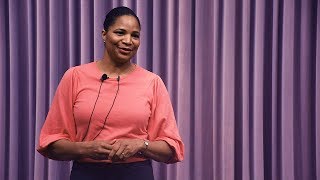
This content was created by GHION.AI . This content was uploaded by GHION.AI . This is a YouTube video titled "The Courage to Take Positive Risks" created on April 25, 2018. The content type suggests it might be a talk or presentation, but the excerpt is empty, so specific details about participants or topics are not available.
Chapters
Who you are defines how you build. I thought I'd start by talking a little bit about Girls, Inc. Talking to you a little bit about the entrepreneurial side of Girls, Inc. And then a little bit about my path as well, and how innovation and entrepreneurship have been part of that path. So Girls Inc. Is a national organization. It's actually in the US and Canada. There are 88 affiliates. And as Tom mentioned, we inspire girls to be strong, smart and bold. And we really focus on navigating the barriers that they face. So economic barriers, gender barriers, racial barriers, so that they can realize their full potential and thrive, become healthy, educated, independent adults. Who wouldn't want that, right? Girls, Inc. Actually started in 1864. Anybody know what was happening in 1864? We were in the middle of a civil war, and it was also the industrial revolution. So young women were coming from the farmlands, the rural areas, the country, into the city. And there was a need for these young women to have a place to socialize. At the time, the only places for them to socialize were saloons and bars, which were not places for proper, respectable women. So Girls clubs, that's what they were called then Girls clubs started, and they became a place for proper young women to socialize until such time as they married and then would socialize as part of their household and their family. Obviously, there's been a great deal of innovation that's happened from 1864 to now. We no longer serve young women who are 18 to 24. Now we're focusing on girls who are school age, so kindergarten through 12th grade and girls Inca Alameda county began 60 years ago. So even just between 60 years ago and now, there's been a great deal of innovation. When we started 60 years ago, it was 1958. There was still an expectation that women were going to be. That girls were being socialized mostly for being homemakers. And at that time, there were a few careers that were available. Teacher, secretary, nurse, and homemaker. Those were the expectations. And girls are being socialized mainly for that. There has been a great deal that's happened since then. We have the women's revolution. We had women in the workplace. And so now when we think about what it means to help a girl develop her whole self, her full self, we're really looking at the education aspects, educational aspects. We're looking at health and also leadership development. What does it mean to become a leader? What does it mean to practice, to be able to practice and embody those leadership principles? And so we have mostly focused on under resourced communities in the latter years at Girls Inc. Of Alameda County. And now we're looking at what that looks like for girls. So you can ask, what are you talking about? What does that look like? Well, we have girls who we're working with and they live in areas where in their school, one out of five children from a low income household reads at grade level by the end of third grade. One out of five. That means that 80% of children in that school are not prepared to go on and have the foundation for their academic success set up. Because third grade is when you stop learning to read and you begin to read to learn. So if I ask you to read a science problem and do your science homework and you're having trouble reading and comprehending, how well do you think you're going to do on that science problem? Take a guess. Probably not so well. So one of the things that we started looking at is how do we make sure that the girls we want to focus on, we want, of course, them to have this academic foundation. We've got to start with literacy. This is something they're not getting. So how do we make sure that they get that foundation? And that's the way that a lot of our programs have started, really looking at what's not happening and how do we innovate around that and create a space where that can happen? So first, I'm going to back up a little bit too, because there's a premise about the gender responsive. We talk about. There's a couple things that we talk about when we talk about girls link. So there's the gender responsive environment. And gender responsive really means there are things that we're used to and that's probably gender neutral. When you come into this classroom, we don't ask whether you're male, female. We don't ask that question. You just come into the classroom, you sit and you learn. But there's a premise in terms of how society interacts with each of us and the messages that we're told. If you're told you can't do that because you're a girl, you can't do that because you're a boy, you're actually not going to be good at that because you're a boy, you're not going to be good at that because you're a girl. So research shows that there are lots of these messages that girls are receiving every single day, every about what they should do, what they shouldn't do, what they can do, what they can't do. And let me tell you the way that shows up. So we worked with a young girl named Donna, and Donna showed up to one of our programs and we were doing some math, and we make it fun, hands on, interactive environment. And Donna says, oh, you know, oh, I thought we all hate math. Everybody hates math, right? We're supposed to hate math. Everybody hates math. And we looked and we said, no, we don't hate math. And she goes, oh, okay, this is new to her. This was not something that she'd heard before. And so, as Donna said, okay, I don't hate math. Maybe I should look into whether I actually enjoy it. And she found out that not only did she enjoy math, she was actually good at it. So you think about how that shifts your mind frame from being the, oh, everybody's supposed to hate math. Because that's what we do to, hmm, I'm actually good at math. She actually had the space to find what she might be good at. And so she started taking more math and she started exploring and then looking at what courses were available at her school. And then math led her to science. So then she gets this interest in science, and she signs up for computer science ap, which was offered at her high school. Powerful. I mean, we're in the Bay Area, Silicon Valley. She signs up for a computer science apartment. Would you like to guess what her teacher told her? Teacher said, you know, you're one of a few juniors in this class, mostly seniors, and you're one of two girls signed up for the class. I don't think you're going to be comfortable in this class. You should probably drop it. Right? Wow. So this is what she heard. What year is it? 2018. So this is two years ago, 2016. We're in the middle of a. Of a really technology revolution where we need more people who understand computer science. There's so much that's happening. There's so much innovation. And when you have a young girl who says, I'm interested in computer science, I want to sign up for this computer science AP class, she's being told, don't. You're probably not going to like it. The good thing is that Donna had been very involved with Girls, Inc. So she reached into her inner core and said, I know I'm going to face some barriers, and this is one of them. So she looked her teacher in the eye and she said, thank you very much for your opinion. I'll see you tomorrow in class. And so she went to class the next day and the next and the next. So into a couple of weeks. And turns out Donna is One of the students that other students are coming to for help who knew she's actually really good. And at the end of the semester, or actually this would probably be the end of the year when they take the computer science AP course, there's only a few students who pass and guess who one of them is. Donna. So you think about what transpired there. There was a gate, there was a barrier. And if Donna didn't have the confidence, if she didn't have the support, if she didn't think it was possible that she could do this, that could have been a gate for her that was closed. Now we have the opportunity to think about what can Donna do with this interest in computer science. The world is her oyster, right? There's so much opportunity, there's so many places she can go. We have to really think about how do we make sure we stop the limiting barriers that are happening. They're happening in a number of different factors. So when I go back to the gender responsive piece, I got into that story because of the gender responsive piece. So most environments are gender neutral. Neutral. We're assuming they're gender neutral. They're not really gender neutral. Most environments are, in our society, are built with boys and men in mind. They're the basis that we're going from. So when you ask, when a teacher stands at the front of the class and says, quick, answer the question. And anyone, anyone? Research shows that boys are more likely to raise their hand. And if you do it quickly like that and expect someone to raise their hand, you're most likely going to get a boy that's raising their hand. So what do you do in order to create a different setup that makes it possible for girls to engage as well with the information? We know that we engage and we learn more when we're actually going back and forth, you might not have the right answer, and that's not a problem. But how do you know how to kind of put yourself forward and raise your hand? How do you create environments where that's possible? There's gender specific environments where you say, okay, all the boys go over here, all the girls go over here. Everyone who identifies as a boy, go over here. Everyone who identifies as a girl, go over here. Those are gender specific. But if you're teaching the same material in the same way, it doesn't necessarily result in a shift. Now, if you're going to be gender responsive, that means that you're looking specifically at what the research tells you about girls. And there are a few things that the research tells you about Girls. Now, is this true for everyone? Maybe not, but it's true in our society a majority of the time. And that's what you have to think about. So one of those things is about the raising hands. I mentioned that. So girls are more likely to think about things too, about them a little bit more, raise their hands a little later. But if you've made this a quick answer to the question now, too late. We've already moved on giving, so. And this also goes to different learning styles. So sometimes giving answers, sorry, giving questions ahead of time so they can have a chance to ponder them and think about them in a different environment. It also means supporting the girls and helping them to know that it's okay to raise your hand and not have the right answer. You don't have to wait until the answer is perfect. You can kind of think about it or talk it out while you're raising your hand and it might not be perfect. And that's okay and you can understand, hmm, how could I be thinking about this? But there's a couple of different things that have to come in mind when you're thinking about how girls are responding to that. So one I mentioned is the perfection. Wanting the answer to be right. Another is the first to raise your hand. And you have to have a space that's safe to take positive risks. So that's a lot of what we do. We create safe, trauma informed, gender responsive environments where girls can feel safe, they can take positive risks, they can push themselves. And the idea is not that they will only do that in the space that we've created, but that becomes a nurturing space where they can then carry that with them inside to the other spaces. Like Donna, the story that I told you where she told her teacher, yeah, no thanks. I'm going to come back to class. Right. So the idea is that you have that core, that support. Another story I'll tell you is one of our girls, Iqra, talked about being in first grade and eating lunch in the bathroom stall. She was being teased so badly. It was post 911 and she was Muslim and so she was being teased so much that, that it was just easier just to eat lunch in the bathroom stall. You got to think about how much you must be being teased to want to eat in a bathroom stall. And she said before Girls Inc. She didn't have a positive environment where she could actually make friends, where she could feel safe and comfortable. Now you ask if you can take a girl like Iqra who's really drawing inward and saying, oh, gosh, I don't feel safe. My radar is telling me I'm not safe all the time and whether I can actually then go out and take positive risks and raise my hand. What's the likelihood that you think she can do that? That she's gonna feel comfortable enough to do that? Probably not very likely, right. So again, the idea is you create this space where there's an opportunity to process the things that you're experiencing. There's an opportunity to move through them and then you get that courage to then move forward. So I talked about Girls Inc. So the innovation has been a part of Girls Inc's history. It has been continuing to be a part because the world we live in has continued to evolve. So we're always innovating. And talk to you about a couple of the programs that we've developed. I mentioned literacy, that we developed a literacy program knowing that we want the girls to be in a certain space. We want them to be healthy, educated, independent adults. And if they're starting out already behind with reading, that's going to be really difficult. So we started this literacy program and it wasn't just about literacy. Literacy is important. But it's also all the socio emotional supports as well that I talked about making sure that the girls are also seeing. They're reading books that have girls in them who are taking the lead, not just girls sitting by while the boy is the hero and the boy gets to do all the learning and the boy gets to have all the adventures. And that's great too. But we wanted to make sure that the girls are really seeing themselves as the heroines of the story. So we pick books that are appropriate for that. Finding things that are interesting to them, that are culturally relevant for them. So they say, oh, this is familiar, this makes sense. And I want to know what happens. I'm actually reading it because I want to know what happens and not because you're telling me I have to read it and I have to spend this next 20 minutes reading. Right. So through our literacy program, our girls are two and a half times as likely to read. And I gave you the stat before about 1 in 5 students who are from low income households not being at grade level. So it's really important that we're helping to move that needle. And by doing that, we identified an issue. What's the challenge here and what's the opportunity? What's the place that we can play a role here in making a difference? So that's the literacy program. There are some other examples. We started a program called Build it actually with the Stanford Research Institute, we did some collaboration on that. And Build it was a STEM program that was really hands on and it was an opportunity for girls to get really involved in building things. So often I've heard about girls saying, we have these programs at my school, but I kind of get pushed out of them. They become all boy spaces. I'm shunned for being interested in this and told I shouldn't be interested. So they have this opportunity to do hands on. They were coding websites and building robots and doing all types of really engaging things. You know, you learn a lot when you're using your hands and kind of building things together. So that's an innovative program that we put together with the support and the collaboration of the Stanford Research Institute. Knowing that girls didn't have a lot of opportunities to build, to be hands on with technology, to be hands on with STEM and to get engaged. And you think, what's the result of that? Well, it's really about opportunity. It's really about opportunity. The world that we live in, it's so important that we're putting our full face forward. We're putting our best foot forward. When we think about how we're preparing our youth. And that's exactly what we're talking about. How do you best prepare youth and in our case, specific case, girls to make sure that they're ready to take on the world. So Girls Inc. Of Alameda county started 60 years ago. Mention that. I came on board a little over two years ago, myself, my predecessor and the predecessor before her, together we represent 40 years of leadership at Girls Inc. So it's pretty powerful. You don't often see that kind of longevity. So Pat Looms, who Kindergirls Inc. In the 1970s, I would say her stint was about 30 years and she was really known for the growth, a lot of growth, a lot of innovation, creating programs that weren't really heard of at that point. In the early 90s, we had a pregnant and parenting teens program for girls and there was childcare on site with the idea that you're really supporting the need that you see there. And the interesting thing is the other day I ran into an alumna of that program. I had no idea that she was an alumni. I met her in a business setting and she told me that Girls Inc. Had a soft spot in her heart. And I said, oh great. Well, how do you know Girls Inc. We've been around for so long and we've had so many staff, we've had so many volunteers. We have about 1,000 volunteers every year. We've touched so many different organizations, companies that come in. And so it's very. And we have a lot of alumni. It's very hard to know how someone knows of Girls Link. Do they have a friend? Tell me how you know us. And she said, actually I was a participant of the pregnant and parenting teens course in the early 90s, and I knew that had to be one of the first years of that cohort. And I said, wow, tell me more. She's in her 40s now. Her daughter she was pregnant with is 25, college graduate. And again, remember, we are serving girls in under resourced communities. So this in and of itself is pretty powerful. That her daughter that she had when she was about 18 is a college graduate. And she tells me that she remembers that Girls Inc. Was just there for her during a very vulnerable point in her life. And it was just a really powerful experience. And that's why she will forever have a soft spot in her heart for Girls Inc. And I thought, that's pretty incredible. We have stories like that she's in her 40s and so 1958. So that's that long time frame. And when you have an organization like that, you're really continuing to spread out ripples. So we think of it as not just touching the girl, but you're impacting her family, you're impacting future generations, and you're impacting the community that she touches. This particular woman works in philanthropy and so she has an impact on lots of organizations, really thinking about her experiences and bringing them to bear. So it's really pretty powerful. You know, I mentioned about the other pieces. So there's gender responsive. There's something that we call intentional and compensatory. And what that really means is thinking about what doesn't exist already. And that's really an important part of innovation. What doesn't exist? What gap is there that needs to be filled? What need is there? And as we think about some of the programs that I've discussed, they really are intentional, thinking about the opportunities that girls don't have. They're compensatory. They're trying to make up for that gap that girls don't have. And so that's a phrase that we talk about a lot. What's intentional and compensatory? What are the things that girls are not experiencing that they need to experience? So we had spring break in Oakland a couple weeks ago and we took the girls camping overnight. They had to pitch their own tents to build their own Fires. And for the majority of the group, I think There were about 12 girls in this group. Eleven of them had never been camping before. So you can say, okay, camping's an experience. Why is this important? Well, it's important because in order to encourage someone to take positive risks, they have to have had examples of taking positive risks in their life before. You don't want to wait until it's the big, big positive risk that's really scary and say, go for it. And they've never done that before. Right? So a lot of our girls, they're the first generation to go to college. Well, if they've never taken a positive risk before they head off to college, you don't want to wait until they're graduated, they've got their bags and you're saying, okay, go off onto that college campus. You got this. Think about how you might have felt going off to college. Right? It's scary. There's a lot of changes and we really want the girls to be prepared. We want them to have something to dig deep down and say, okay, you know what, I've pitched a tent before and I didn't know how to do that. And we figured it out and we slept under the tent. So I can figure this out too. I built a fire. I'd never built a fire before. In fact, I thought they were crazy when they told me we were going to be building fires. But, but we built fires and we stayed warm. We had s' mores too. So I can do this. So we really want to give them a lot of experiences where they have an opportunity to build those positive risks. And that goes into that intentional compensatory. So what experiences aren't they getting right now? And also because they're girls, some of them are still getting the message that, oh, you know what, you're too pretty to camp. Don't get dirty. Right? So it's dirty, you can get dirty, you'll be okay, you won't break, you'll be good, and you actually learn something as a result. The last piece is about the scientific inquiry. So we really want to encourage curiosity. Curiosity, of course, is a huge part of innovation. So why encourage curiosity? Well, in order to be innovative, you have to ask questions. In order to learn about science and technology and engineering, you have to ask why? Why does it happen this way? And so part of that is that scientific inquiry. So when we're working on those hands on projects, we're asking them, we're encouraging them to kind of tinker, to figure things out and to Ask questions. Why does it work this way? Why doesn't it work this way? Well, I thought it would work this way, but it actually didn't. So what do I need to change next time for it to work? There's no right and wrong. It's just this didn't work like I expected it to. So what might I need to switch? What do I need to change up? And that kind of keeps you flexible and adaptable. That's what we call a growth mindset, right? Where you're continuously learning, you're not saying it's fixed, it's right or wrong, and it's wrong. And so I'm done. What if every innovation that we ever had, the person started by saying, well, I didn't get it on the first try, so I'm done. We would never have any innovations. So that curiosity, that ability to not get the result you want to get the first time and figure out how you need to troubleshoot, that's an important skill. And it's hard to teach it by just saying, here, I'm going to teach you this skill. You have to really teach it through experiential opportunities. So that's a big piece of how we infuse innovation. Throughout the Girls Inc. Model, I mentioned a couple of different projects. I think I might transition now from Girls Inc. Specifically to my path. So how did I get here? Well, I didn't start out my career saying I want to be at Girls Inc. I didn't start out my career by saying I wanted to lead an organization. In fact, if you asked me 20 something years ago what I wanted to do, I'd probably say, I don't know. I mean, I knew I needed, I needed and wanted a job and I didn't want to do the same thing every day. That's pretty much the extent of what I know. So I went into my first role and I was trying to figure out whether it made sense for me. But in the meantime, I was asking a lot of questions. I got to know the business. I talked to a lot of my colleagues. What do you do? Why do you do it? Who's at the other end of what you do? What do they do with it once they get what they get from you? And learning more and more, I really was a sponge in that way. And that's one of the things that I always felt like helped me to learn about whatever industry and business I was in. I've kind of moved around a lot. We can talk a little bit about that. So I was a few months into this first job, which didn't turn out to be the final career. And my boss, who this was a small company, There was probably about 12 employees there. And my boss was actually the owner of the entire company. Too small to have hr. And my boss one day says offhand to me, you're going to be my Monica Lewinsky, right? And I said, ooh, you wish. And then my mind started whirring and clicking and I thought, huh, we're pretty small. There's no hr. Who do you go to? You don't really go to anybody. So I started looking for a new job. And I had friends who said, oh, you should sue. And I said, oh, my gosh, I'm like five months out of college. I need a recommendation. That's what I need. So I got out of there as quick as I could, and I got a recommendation, got into my next role. And my next role, I was working in publishing, Golden Books Publishing. And it's. I mean, I read these books growing up, the Little Golden Spine, you see them in the store. And I was really excited about the work that I was doing. It didn't feel like work. It was what we called edutainment. So there's the educational side of it, there's the entertainment side of it. And I was asked, they were kind of working on this thing called the Internet. I'm really dating myself here. But they had a website, and the website consisted of one static page. That's it. You couldn't click. You click. It didn't go anywhere. There was just a picture and their address. That's it. And they realized they wanted a web presence. And they said, okay, well, we don't really know what we're doing here. We need somebody to research it. Well, I. I raised my hand. Why? Why not? Why not? Even if I don't want to do it forever, it could be interesting and fun and I could learn something. And that's exactly what happened. I did some research, I did more research, and pretty soon I was the expert on the team on Internet marketing. I mean, imagine that I was 23, 24. How could I be the expert? But I was. I was the only one in the company who knew what I knew. And so they decided to create a department. And they asked me, well, you're the internal expert. Do you want to move into this new department? Of course. Of course I do. Great. So I move into this department and now all of a sudden they are looking at how they're looking at their brands. Rudolph the Red Nosed Reindeer, the Powerpuff Girls. There were a couple of other brands, Peter Cottontail, and they wanted to create these experiences with the brand online because it was another way to engage the customer. So I got to build these fun experiences. I got to work with the developers and build these fun experiences for kids and their families to come visit and have fun and engage with the brands and then decide whether they wanted to buy some products or not. So I'm literally at work testing games. That's what I'm doing. I'm testing games. And I caught myself laughing at a couple points and going, I'm getting paid for this. I would do this for free. I had a great time. It was a blast. And then 911 happened and I started to ask a lot of questions about what I was doing, what I wanted to do. I lived in New York at the time, so there was a smell of computers and ash and burning cement and things in the air that should not be burned. For months on the television every night, there were funerals where bagpipes were being played. And so I started a lot to think about my own mortality. It's not something that's natural to really think about when you're that young, 24, 25. It's not something that's natural to think about at that young. But I started thinking a lot about my mortality and I started thinking about what is going to be said about me when I go. Because. Because we eventually all go, what are they going to say about me? And I thought, well, I guess they could say that I'm making a company more money or I'm moving this profit or, hmm, are these things that matter to me? Am I giving my skills and my strengths to something that actually matters? And when I asked that question, I knew immediately that I needed to shift my focus away from the entertainment side and more towards something that mattered to me personally. And so at the time I started, I was leading a girls program on the weekends at the Prospect park ymca. And I was having a blast doing that. But that was only a weekend thing. It was a Saturday thing. I was having a great time. But I switched my website skills. I transferred those and transitioned those into the public sector, working with the Advertising council. So you may have heard of them, the friends don't let friends drive drunk. A mind is a terrible thing to waste. There's been some more of the seat belt crash test dummies. And I got to work on PSAs, public service advertising. So there were a lot of different campaigns. Education, public health, public safety, homeland security. See something, say Something there was parental involvement in education, high school dropout prevention, childhood asthma, AIDS awareness. You name it, I worked on it. It was pretty exciting. And at the time when I started there, they would run these PSAs on the television or the radio. So you'd hear about this issue and then they would tell you to either write to Pueblo Colorado for a booklet. Who's doing that in this day and age? Nobody. Or call an 800 number. And so remember, this is the age when the websites were just starting to take off. The Internet was just starting to take off. So. So I was at the forefront of transitioning all of those PSAs into having a web presence. So now all of a sudden, if it's friends, don't let friends drive drunk. There's a friendsdontletfriendsdrivedrunk.org where you go for more information and you can read all the campaign information. And it's basically what would have been in that brochure that nobody was going to write to Pueblo Colorado about on the Internet. And I got to advise national nonprofits and federal agencies about how they were going to get their message out there. And it was very different. It was advertising, but very different. Because you're not selling toothpaste. It's not as easy as, okay, the person bought the unit of toothpaste, so, you know, you're done. Changing awareness and changing minds is a longer process. It really is a multi stage process. So it's very different and very exciting. There were a couple of things that happened while I was at the ad Council that further refined my thinking. So remember I told you I didn't start out saying, I know exactly what I want to do. So I'm at the ad Council and we are doing a strategic planning exercise with McKinsey. McKinsey comes in, they do some research, they're talking to people, and I'm part of the group where they're getting input from, but not part of the decision making group. I didn't like that too much. And I remember some of the decisions that were made and I wanted to know, did somebody bring this up in that room? Because I think this is a really important point and I have no idea. And I thought to myself, yeah, so this doesn't work for me. I kind of want to be in the room where the decisions are being made and I want to make sure that this doesn't happen again. So how do I do that? Well, I looked at the information from the people who were in the room and they all had 10 more years of experience. Than me. So I said, okay, great, can sit at my desk and twiddle my thumbs and wait for 10 more years. Doesn't sound like too much fun. But they also, a lot of them had master's degrees. So I decided, hmm, maybe I should go back for a master's degree. And I started thinking about what type of degree I would wanted to go back for. The second thing that happened was that again, I was the Internet expert, the website expert on this team as well. And they had a biannual conference and I had the opportunity to speak in front of 200 people. And I got off the stage and I said, wow, that was a rush. When's the next time I get to speak? And they said, oh, we have another conference in two years. And I thought, two years, that's a long time. So I thought, hmm, that doesn't work for me either. So I learned a couple things about myself that I wouldn't have learned before. I learned that I liked engaging with the public, public speaking, interacting in person. You don't get a lot of that when you're working on your website development. My developers were in this country, they were in other countries. We did a lot by phone, we did a lot by whatever the equivalent of Skype was back then. And so we didn't actually, I didn't actually get to do a lot of in person interaction. And I thought, hmm, okay. Rather than so my next role, I'll need to think about what that looks like. I want more engagement and I also want to be in a decision making role. And then I thought about the work that I was doing on the weekends with girls and I thought about the, the meaning that I wanted from 911 and it clicked for me and I wrote my entrance essay to grad school USC about leading a youth development organization in my hometown. That's what I wrote my essay about in 2004 and then in 2016 that came true. That's not to say again that I started the whole path knowing this. But for some time, especially for the last 12, 14 years, I have known that a leadership role was something that I was moving towards. And once I knew that, then I began to purposely act with that in mind. So really thinking about what are the skills and experiences that I need to have to be successful when I'm in this leadership role? Well, I'm going to need to know HR and I'm going to need to know management, how to manage teams, and I'm going to need to know how to manage projects and I'm going To need to know how to work with a board and how to fundraise. So as I started thinking about all these things, I thought, wow, okay, now I've got my directive. I need to know how I'm going to go out and get these experiences. And I spent the next 12 years going out and getting those experiences that would allow me to be successful. One of the things I think about is I've never thought of myself as an intrapreneur. I say intrapreneur because I've never been outside kind of starting my own thing. But I definitely, as I look back over my career, I have generally been in roles where I'm the first one in. That role was newly created. So I'm kind of a part of shaping it, scoping it, thinking about what do we need to do and how are we going to accomplish it and what does that look like? Or I've been the person who comes into that role and really thinks about how do we take this to the next level. This is a platform that we're starting from and where do we need to go now and how are we going to do that. So after grad school, I mean, I did a stint in consulting when I was in grad school with Deloitte, and I got a lot of frameworks that were really helpful for me as I could structure my thinking. And after I graduated, I launched the Chicago office of Education Pioneers. And I'm in Chicago. I'm the first staff member in Chicago. We had six months to launch the program there. I started in December. And we had one partner, we had one placement, one fellowship placement, and I needed 20 placements. And how many of our partners would allow me to have 20 placements in six months with no staff? And only a few people in that city knew about Education Pioneers. And I don't know if you know anything about Chicago, but when I arrived there and start working on this launch, a lot of people say, well, who are you? Never heard about Education Pioneers. Well, why are you here? I don't want to hear your success in New York. I don't want to hear your success in San Francisco. And that was all I had. That was my back pocket. Right? I can't tell you about my success in Chicago. We're not here yet. So I really had to think creatively about what's going to get this person, this organization behind this launch, what's going to get them to say yes. And I started thinking about what are their needs. So I would ask them questions about things that I researched. Well, yeah, looks like you're growing and scaling a lot. Do you have the support that you need to do that? Wow. The talent is probably really challenging. And they would get them saying, oh, yeah, yeah, yeah, I'm trying to figure that out. And I'd say, oh, I have some talent for you. Are you interested in that? And then they would go, hmm, now it becomes a different conversation. So after launching the Chicago site and being in in Chicago for launching that site and growing it for two years, I then moved into a national role because nationally, education pioneers had been about already. And the whole idea was that there was this intervention, this targeted intervention that would have impact for fellows going forward. But as the time grew, from the time they did the fellowship, the impact kind of waned. So there was a need to re engage them and think about, what do you do with your alumni? Then I took on this role, which is really thinking about this alumni base that we had all over the country. How do you connect them? How do you keep the information sharing going? How do you make sure they're still engaged? And as they have questions, they can lean on each other. If someone's trying to implement an HRIS in Chicago and you've got somebody else in Dallas who's already done it, how do you connect these folks so that they don't have to reinvent the wheel? They can ask questions. What were your challenges? What are the things I should watch out for? How. How do I do this? So I was working on that, and I had this national role. I had team. I had team in lots of different cities. But I'm back in Oakland, where I'm from, and one day I happened to take a shortcut down 16th Street. It's an odd street to walk down if you don't have business on it because it kind of ends at the other end of it. So you have to split one way or the other. So you might as well just walk down the other streets. And I happened to walk down 16th street, and I pass by this building, and it's almost like it's been dropped there. It says Girls, Inc. And I'm looking like there's no context for this. This building was not here before. So how did it get here? How did it get here? What's going on? And then I looked and I thought, oh, my gosh, I want to be involved. I want to be involved. But I look at my schedule and I go, oh, I'm really busy. I'm traveling a lot for work. I have kids at home now. And so what does volunteering look like when I know from my experience that volunteering with teens means that you need to be engaged regularly. So I said, well, it's probably not the best time for that. I'm going to put my. Put a pin in that and come back to it. And I did come back to it two years later, two or three years later, when this position that I'm in now opened up and I thought, hmm, this might be a sign. So I applied. But as I think about the role of innovation, what is it that you need to be thinking about as you build your innovative muscle? It's really about being curious, observing the things that you see around you, asking questions. There might be a reason that things are the way they are, and there might not be a good reason, or there might be some challenges with the way that things are. So how do you think about innovation is not only just creating something new where there was nothing before, but it's also about improving and enhancing the things that already exist, making them better. And all of us can do that in our everyday lives. And you can do that from inside a company. And you can also do it when you're creating a new company that is a disruptor in the industry. I also think about that growth mindset, pushing ourselves as human beings, we like to be comfortable. So how do we get comfortable with not being comfortable, with pushing the envelope, with being on our learning edge and making sure that we're continuing to learn and grow? That's how you innovate. You don't innovate when you're sitting comfortable. So how do you make sure that you keep pushing and that you have a team? You surround yourself with people who keep you pushing, keep you questioning, asking questions and thinking, like, what if, what if, what if this happened another way? What if we could get a different result? Why do we keep getting the result we're getting? What could we do differently? If you can ask those questions and you can open your mind and really engage other people, I think the other thing is about perspectives. You really want to engage people who have different perspectives than you. Otherwise. It's called group think. How do you know if somebody has a different perspective? They challenge you. Sometimes they challenge you and it makes you uncomfortable. Those are the people I want on my team. I want people who make me think. I want people who they're coming up with something. I'm going, where'd that come from? Why did you think about that? How did you get there? Take me along with you. That's the way as I think about Innovation, that you can really create that, creating innovative teams. Because after all, if you're going to sustain innovation, it's not just an individual kind of going in saying, I've got my new idea, but it's really thinking about how do you have a team around that, how do you build the culture? And ultimately, if you're thinking about innovation and entrepreneurship, it's about sustaining that. It's about the change management piece of it. Interestingly enough, I saw Chip Heath is coming, and I was definitely going to say a couple of his books are great for that change management piece. But really thinking about how do you get people on board? Because even as you're innovating, there are people who are wedded to the way that it was. How do you get them excited about this next phase? And what is it that's going to take them along with you? I mean, as I think about innovation, it's really the curiosity. It's that piece that's always driven me, which is why. And how can this be better? Those are the things that I come back to. And as you learn the business, I talked a little bit about learning the business. When you learn the business, that can generate those questions for you, you can come in as an intern asking questions and really thinking, why is it like this? And learning the business, learning who are the stakeholders? What do the stakeholders want? Why do they want that? And are there stakeholders that we don't even know are stakeholders yet? They might be using the product in a different way. It might be useful for them in this different way. So I think I'll stop there. I mean, I've talked a little bit. The one thing I didn't hit on was partnerships and growth. When we talk about entrepreneurship, there's no way, especially when we talk about Girls Inc. There's no way that we can do all of the work ourselves. So we think a little bit about who we partner with and how we partner with them, and what does that look like. For us, it's very critical that there's mission alignment. We don't want to be partnering with someone who's not aligned with our mission. It's also, we have to think about the time that it takes. Sometimes when you're working on a partnership, it takes up more time than you have the capacity for. But there are all these measurements that we think about in terms of, you know, does this make sense? Are we going to get the outcome that we want? Is this going to further our reach and further our impact and how does it help us to ultimately reach the goal that we want to reach and how much capacity is it going to take when you're scaling, it's different when you're talking about scaling something that's technology and it's widgets, it's a product, something that you can create and you can say, well, great, I want 10,000 more of them. It's very different when you're talking about people and the impact on people because you can invest time and the same time you invest in one person, it might take twice as much to get the same result from another person. So as you're thinking about scaling with human intensive engagement, it's a different story. But I think it's important because scale is the name of the game. People are saying, scale, scale, how do we scale? But it is important to think about how do you scale when you're talking about human beings and saying, okay, well, I'm going to assign this amount of time and energy and intensity to you, whether or not you get the outcome. Well, is the goal the outcome or is the goal you just the goal how many people you touch? So I think those are questions you have to ask as you're talking about scaling human intensive projects. I think I will end there and I really appreciate the opportunity to speak with you and I look forward to answering your questions.
Please feel free. Thank you for joining us. First, silly question. Do you have a favorite Powerpuff Girl? But more importantly, what did you, what do you take from your growth experience as a woman, which I think is different for guys in general to girls, and how do you teach them from your perspective, the things that you learned along the way?
Great. So I heard the question about the Powerpuff Girls. Sorry. Yes, yes. So there's a question about my favorite Powerpuff Girl and that was like eons ago. I think it was the one with the two puffs on the side. And then there was a question about how I take, how I think about my journey as a woman and how I take that to the girls and help them think about their path and their growth. The one thing I think about is just it comes back to being open, being open to growing. If I had been very prescriptive and said, I already know exactly where I'm going and what I'm doing and I don't want this experience because it doesn't take me along to what I want to do, there would have been opportunities I would have been shut out of without even knowing. So if I go back to my 20 year old self, there's no way I Could have known that I'd end up here. Right. So I allowed myself to have a range of experiences without knowing where those experiences were going to lead me. And now looking back, it almost seems like, oh, yeah, it's perfect because you did this and this and these two came together. But I couldn't have known that. So I would say it's being open to experiences and being open to growth and letting that lead me.
What are the challenges leading a nonprofit? And over the last few years, what have you learned about how best to navigate those challenges?
Great question. What are the challenges about leading a nonprofit and what have I learned in the last two years? I would say challenges of leading a nonprofit, I mean, they generally tend to be around not enough resources, not enough capacity. Right. There's so much that you want to do when you're trying to change the world. And you think about there's a set amount of hours in the day, there's a set amount of staff you have, there's a set amount of resources that you're using. So I think all nonprofits tend to have some variation of that challenge. When I think specifically about the last two years, Wow. I mean, I think a lot about our girls are really at the intersection of a lot of the challenges that have happened in the last two years. Pull politically, not only are they girls, we also have Muslims, we have immigrants, we have African Americans, we have Latinas. They're low income. And so you think about a lot of the rhetoric that we've heard in the last two years, and our girls are really at the center of it all. And so I think the importance of self care, of realizing that there's going to be a lot going on in the outside world and that you. Each of us needs to manage ourselves so that we can stay the course for our goal and not let the other distractions stop us from our goals. At the same time, it's raised the importance of community. How very important we are as a space for our girls. Knowing that they have a community behind them, cheering for them is important. And knowing that we have given them the resources and the opportunities to define and create their own voice so that they can go out and advocate for themselves is important. And so that's. It's really powerful to see the girls say, you know, yes, this is challenging. And yes, it's scary. And we got this. We feel prepared.
I'd like to invite the women in the audience to raise their hand and speak. Had two guys speak already and it's getting strange. Please, women. Anyone? Please.
I wonder what. So we talk about like how you're a non profit and you know, I feel like in that arena we throw around self care a lot. But how do you think that we can bring that aspect to maybe not as much of a non profit environment and like creating those spaces that are more inclusive.
So creating spaces for self care that are more inclusive than just non profit or.
Yeah, like when you're thinking about how you have your purpose in the workplace and then that's very popular in nonprofit work. But how when we're creating purpose more in like less of a non profit environment, how can we. Like how have you experienced.
What are things that you think that.
We can bring from that to a different.
I think self care is important. Oh, sorry. So bringing. How do you bring self care to a space that's not just nonprofit, but in a wider space? How do you think about self care? And I think self care is important regardless of the space that you're in. I think it's important. While you're in school, you've got a lot of pressures on you. And I think it's managing your social time, managing your academic life, managing your family life. And I think self care is important regardless of the space that you're in. I think it becomes especially important when you find that you're pouring yourself into your work when you're not kind of creating a gate between like, okay, this is work and then I go home. I think about the work that we do all the time. I think about it at night. I think about it all the time because it is so important to me. So I think that's where self care becomes more important because you have to create a space and carve out a space that's just for you to renew so that you can give more.
Is there an antagonist for Thrills Inc.
Or is it more.
More systemic problems that you face?
Is there an antagonist for Girls Inc. Or are there more systemic problems like.
A tangible like sub organization or groups that you're fighting against? Or is it more just systemic social issues?
So yeah, is it an antagonist or are there just systemic social issues? I would say systemic social issues. When I started this role, there were people who said, is that still an issue? I mean, girls can do anything they want. Is that still an issue? And then it was interesting to see the political environment and kind of some of the messages that were coming out and realizing that this is still an issue for people who didn't think it was an issue that girls having the right to live their full lives and not be harassed or harangued. To have the opportunity to make choices about what careers they want to go into and to be able to fulfill their own destiny, that is still a challenge in many areas. And so how do we create the space not only for the girls to know that that's possible, but also, you know, do the messaging out to a wider audience saying, hey, we need you to pay attention to this. We're talking about half of our population.
Join me. Thank you.
Sa.
More from GHION.AI


O processo de reconhecer limites, mesmo quando a vida parece exigir sempre mais.





Depois de tantas histórias, aprendizados e pausas necessárias, o @interior_iza está de volta



