How to Create An Elevator Pitch - Kevin Ward
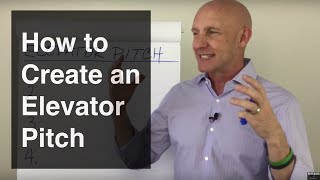
Kevin Ward teaches real estate agents how to build an elevator pitch in two parts: a 7-second bullet and a 30-60 second belief statement. He breaks it into four qualities (concise, catchy, crystal-clear, call-to-action) and walks through rewriting what you do, telling a story, and finding what you actually love about the work.
Chapters
Hi there, my name is Kevin Ward with yes Masters Real Estate Success Training, helping you get more yeses and more successes in your business and in your life. And today, let's talk about how do you create a compelling, powerful, jaw dropping shock and awe elevator pitch? Every real estate agent needs a good elevator pitch. Now, basically, an elevator pitch is whenever you're in an elevator or you're standing in line at Starbucks or at Trader Joe's or the market or in the mall or at a soccer game or at church and somebody says, so what do you do? And you say, well, I'm a realtor. Well, that's not very compelling, right? It's not very shocking. Odd. They probably, you're probably not the first real estate agent they met. So how do you create a concise statement of what you do that is compelling? That's what an elevator pitch really is. So there are four things that really make a great elevator pitch. And I'm going to walk you through what those four things are and then we're going to talk about as we go through it, how do you create that? How do you develop it so that you have something that when somebody says, so what do you do that you can give them a great answer that doesn't only communicate what you do, but it communicates it in a way that makes them go, really? Wow, that's awesome. As opposed to going like, oh, okay, so here's the four elements of a great elevator pitch. Number one, it is concise. The whole point of it being an elevator pitch is if you're on an elevator with somebody and you're traveling from the first floor to the tenth floor, you've only got a few seconds. When they say, so what do you do? So you've got to be able to get it out quickly, concisely, in a way that they remember that's memorable after it happens. So number one, it's got to be concise. Now when I say concise, I really think that a great elevator pitch has two parts to it. One is what I call the bullet. And the bullet is what do you do? That should take you about seven seconds. That's the way I look at it. I want to be able to say what I do in seven seconds. So when somebody says that, when somebody asks me as a real estate coach, what do you do? I say, I train real estate agents how to make more money and have a life. Now that's way more interesting than if somebody says, what are you doing? I said, well, I'm a real estate trainer. I'M a real estate coach. Oh, okay. Well, it's just bland. It's just blah. It's just boring. But it is concise. However, when I say, well, I train real estate agents how to make more money and have a life, it's amazing that people go, like, I know some realtors you need to talk to. Because, see, I don't just say, I'm a real estate trainer. I tell them what I do as opposed to what I am. When I tell them what I do, I create a benefit attached to it. But it's less than seven seconds long. So that's the first thing is it's got to be concise. Now, if they want more information, well, tell me more about that. Or you've got like 30 to 60 seconds, which most. If you go online and Google elevator pitch, most of the training out there, most of the blogs or things will tell you you need to have your. Your elevator pitch should be 30 to 60 seconds long. So the second part can be a little bit longer, and we'll say 30 to 60 seconds. And I think that part should be what I believe about what I do. So the first part is a bullet. Here's what I do. The belief is, what do I believe about what I do? Why do you do it? What makes it powerful? What makes it compelling? And that can be 30 to 60 seconds. And that would be total 30 to 60 seconds, both for the bullet and for the belief. So I want to be, number one, concise. If you can't say what you do fast in a way that's compelling, we got some work to do. Number two is to be an elevator pitch. It's got to be catchy. Okay? It's got to be creative. It's got to be different. It's got to be. It's got to be something that grabs them, that doesn't just make them go, oh, that's what you do. Oh, okay. All right. Yeah, I know a lot of realtors. See, there's nothing about that. You want it. When you say, when you tell them what you do, they go, really? Wow. I mean, I know realtors, but I never heard of it. I never thought of it that way. That's what you want to create. You want. An elevator pitch is a way to wake people up from their daily blah lives and to really kind of spark their curiosity. So they're going like, wow. So tell me more about that. That's what you want to have happen. So how do you go through this creative process of creating, taking what you do? I'm a realtor. Make it catchy. How do you get creative? What's the creative process to do that? So let me just tell you real quickly about three things or three steps of a process of how you start creating this elevator pitch with it both being concisely catchy. And then we'll talk about the other two in a second. So first, I want you to ask yourself three questions. I want you to write these three questions down and you're just going to think about it. You're going to answer the questions in writing. So number one, what do I do? What do I do? And then I want you to write down what you do in at least 10 different ways of saying it. What do you do? Well, I. I'm a realtor. Okay. What else do you do? Well, I help people buy and sell houses. Okay, cool. So what else do you do? And so figure out 10 to 20 ways to say it. What are different words? What are different phrases that actually and accurately describe what it is that you do? Now here's the thing. You can add on to it. What are the benefits of what you do? So now it's not when I say what I do, if I say I'm a real estate coach, it's about me. If I say I train real estate agents how to make more money and have a life, I'm now talking about a benefit that I deliver to other people, so it's no longer about me. So when I say I'm a real estate coach, I'm a real estate trainer, or you say I'm a real estate agent, it's about you. But when you say I help people get into. I help people get into the home of their dreams or sell a home. So however you want to say it, now I'm talking at least about a benefit. So start writing that out. It doesn't have. Don't. Not everything you write has to be catchy. As you do this, you're going to find the words that are both concise and catchy and have the other criteria that we're going to talk about in a minute. So what are the benefits of what I do? Who needs what you do? How am I different? How more important than how am I different? How am I better? Okay, number two, that's. Number one is what do I do? What do I do? What are the benefits of it? Who needs it? And so forth. Number two is write a short story of you doing your job and of the people that you help. In other words, what would a common scenario look like? Or just Maybe even write a story of one of the best experiences you've had in helping a seller move. And what was that like and how did it affect them? Tell it from their perspective. Tell it from your perspective. Tell it from both. Write out a story because a story is a narrative and narratives are compelling. They make people go like, that's cool. That's very cool. So to give you an example, I could say, well, I take agents, sometimes new, sometimes very experienced. And like last year, I had a real estate agent that was brand new, came to one of my events his first month in the business, and ended up less than 12 months later having made over $100,000 in his first year in real estate. Now that's a life changer. Now that would be part of the 30 to 62nd part. But when you tell a story like that, people go like, wow. It gives credibility, it gives heart, it gives reality. It gives meat and bone. It gives meat to the bones. It really puts some skin on it. And then the third question that I want you to write down and answer is, what do I love about what I do? What do you love about what you do and why do you love it? What is there about that, about selling real estate that just fires you up. And as you write all that out, I'm just. Now you're just brainstorming. You're just creating ideas. You're getting a flow of thoughts and words and statements and phrases that then you can start. That you can start crafting into a powerful elevator pitch. And I'm going to start looking for one. I've got to keep it concise. It can't be four minutes long. Number two, it's got to be catchy. I've got to use ways that make people go like, that's different. It kind of interrupts their pattern of a normal conversation about, so what do you do? Well, I'm an accountant. Okay, I'm a doctor. Well, what do you do? All of that is just boring. What can I do that's catchy? But number three, while you're being catchy, you must also be crystal clear. You got to be clear about what it is that you do. So, for example, I go to a lot of self improvement seminars and a lot of entrepreneurial workshops, and I do masterminds and events where you got a lot of entrepreneurs, you've got people that are into self improvement, and a lot of them are coaches and trainers like me. And so you'll ask them, so what do you do? And they say, well, I help people realize their Higher self. And I'm like, what? That may be catchy, but it's totally confusing now. I don't know what you do for sure. Okay, so for example, what do you do? Well, I am a consultant and I am a dream fulfiller. And I specialize in helping people realize their lifestyle goals by finding and purchasing and owning the home of their dreams. Now, at the end, it kind of came out that you're probably a real estate agent, but at the beginning you're going like, I'm a consultant, I'm a dream fulfiller. You know, I help people realize their lifestyle goals. And they're going like, okay, that all sounds cool, but I have no idea what you're doing. So again, in that first seven seconds, you want to make sure you're clear. It is not about selling or about using fancy words. It's about communicating clarity about what it is you do. So that they go like, ah, I get it. So they want to understand and you want to say it in a way still that is unique, that makes them go like, ah, I know what you do, but I like the way you say it because it sounds interesting. It's not boring. Does that make sense? So a way of kind of figuring out, what is it that I do? Another template, another way of kind of figuring out how do you be clear about what you do is what is the need that I fill? What is the need that you fill? What is the need that you feel, and how do you fill that need? Okay, so this is going to. We're working on being catchy and being clear. So, for example, what is the need that I feel? Well, the need that I feel is when somebody needs to sell a house or when somebody needs to buy a house, I help them, right? So that's the need that I fill when they need to buy or sell a house. And how do I fill that need? By representing them, by helping them find the perfect house, by negotiating on their behalf. And see, as you write all this stuff out, you're going to now then begin to boil it down and find the things that really speak to what you do in a way that's both catchy and that is clear. So now let's kind of play with a couple of ideas. So what if you just said, okay, so what is it that you do? Well, you know, whenever you see somebody that needs to buy or sell a home, now notice what I did. I started by, rather than saying, here's what I do, I start by saying, you know, when there's a situation where somebody Needs this. So I've started with what's the need that I fill. So you know, whenever somebody needs to buy or sell a house, well, I'm the go to guy that they call to help guide them through that process. Now just think about what we did here. We started out with, we started out with what is the need? So what is the need that I feel? And the need is when somebody needs to buy or sell, right then what I do, I'm the go to guy that they call to guide them through that process and help them get the best results. Now that's pretty clear about what it is that you do. Does that make sense? Or you can say so you know, when you. Whenever. So somebody says what do you do? Well, you know, whenever you see a for sale sign in the yard, in a yard, if it's got my picture on it, I'm the guy helping the seller owners sell it for top dollar or if it's not my picture, then I'm the one that may bring a buyer and help them buy it. That's, I'm a real estate agent. Okay? Now what I did is I just turned what I do into a little story, a little scenario. And the moment I say, you know, when you see some, you see a for sale sign in somebody's yard, now immediately their mind goes, oh, houses for sale. They're immediately going, yeah, I get it. And they're not thinking about what you do, who you, they're not thinking about who you are. They're think they've got now a connection and an association that's totally different than I'm a realtor. Does that make sense? Because I put it into a context of what it is that I do. Alright, now I'm going to share with you my an elevator pitch that I used to use. I don't even know if I like it anymore but because I had it for so long. But I would say I'm a realtor and a lifestyle designer which simply means I help people design and create the life that they want through buying and selling real estate. Now what did I tell them up front? I'm a realtor. I said right out of the gate in the first three words I am as four words. I am a realtor. Right. And a lifestyle designer. So I put it into a perspective of I don't just, I'm not just a realtor, I'm also somebody that the way I look at real estate is I help people design the life they want through owning real estate, through buying a house, through selling Their house through being able to move into a new home, all of that. That's what I do. And then I, and then I would then elaborate in the 30 to 62nd. What I believe you can see, for most people, it's not about real estate. It's not about owning a piece of real estate. It's about their lifestyle, it's about where they live, it's about how they live, it's about their home. And the way I look at it, for me, it's about helping clients not just buy a piece of real estate, but it's helping them really design the lifestyle that they want through home ownership and also through creating wealth through investing in real estate for people who want that. And I love being able to help people. People do all of that. And that was kind of my what I believed about real estate. Because to me, I said what I believe about real estate is it's not just a transaction. It's not just about them owning a house. It's about the way they. That's about their lifestyle. That's going to be their home, it's going to be the way they live. And that's what excites me about real estate is I'm not just doing a transaction. I'm helping people in a major transition in their lives. Hopefully it's a good transition from, you know, know, to a nicer place or a nicer neighborhood or a nicer home. But sometimes it's helping them in a transition that's going the other direction. Maybe it's downsizing or it's retirement or maybe there's a, you know, something bad that happened, a divorce or a lost job or whatever. But either way, I help facilitate and I help people design their life through you, through real estate as the vehicle. And I let them know right up front, I'm a realtor and a lifestyle designer. So I just tagged onto it. Here's what I do that you would recognize being a realtor, but here's what I really do. I really help people design their life. Okay, does that make sense? So you got to be. So you want to create something that's catchy, that's creative, that kind of sparks their interest, that opens their eyes, wakes them up out of their blah life. But it's got to be clear, don't get so fancy with words that people go like, okay, I'm not really sure what you do. Let me just give you a couple of thoughts. Anytime you say, I specialize in our world today, people very quickly have their BS radar detector going off. Like buh, bump, bump, bump. Don't use the word I specialize because that doesn't really mean anything. Okay, now you're using a big word now. I mean, it's not horrible to use it. And I'm not saying you should never use it. But be careful about using words like that. Say I specialize because everybody's got, everybody specializes in whatever they specialize in. If you specialize in one thing, especially in real estate, then you got to be clear that is that really what you specialize in? It? Are you just BSing them? And an elevator pitch above all to me has to be real, it has to be you. It has to be authentic and honest. And I probably should put that in as a fifth one. Here is it's got to be real. It's got to be really who you are and what it is that you do and what you're passionate about. If not, it's not going to be powerful. Does that follow? So just throw that on as a bonus. But number four is that at the end it needs to have a cta, which is a call to action. A call to action. What are they going to do about now? Knowing what you do, what's the action for them? So there's a couple of ways you can do it. And so the way I would play it out was, is when I, if I was introducing myself to somebody, here's what I do, here's why I do it. So do you, when you know somebody needing to buy or sell a house, do you have a fabulous go to realtor? Now that would be a call to action. When you know somebody needing to buy or sell it, do you have a fabulous go to realtor? And I'm looking now to qualify. Can I help them? Most people are going to say no. Now notice how I ask, I didn't say so. Do you know a realtor? Do you have a realtor? I didn't say that because everybody knows a realtor, right? Everybody knows probably 10 or 20 realtors. Do you? So whenever you know somebody that's needing to buy or sell a house, do you have a fabulous go to realtor that you refer them to? Well, I mean, I know some realtors, but I wouldn't say any of them are really my go to realtor. Perfect. I'd like to be your go to agent. So when you know somebody that's either, you know, needing to buy or sell a house or invest in real estate or whatever, would you call me then? Notice the question, would you call me? It's call to action means I'm actually making a request of them and asking for something as opposed to saying, well, here's my card. Whenever you know somebody that's looking to buy or sell a house or if I can ever help you, call me. That's telling them what to do. But asking them, whenever you know somebody or when you need help, would you call me? Is a question, and it's very different. So when I send a statement to your brain, it does something different than when I send a question to your brain. When I send a statement to your brain, like when you know somebody, call me, I'm just telling them, when I say, when I know somebody, would you call? When you know somebody, would you call me? And they go, yeah. Well, their brain not only understood that I'm asking for something from them, but they then made a commitment back to me by going, sure, yeah, I'd be happy to. Awesome. Well, I tell you what, here's my card. Let's exchange information and stay in touch. And that process. It's not only that I've made the connection now and got them interested in what I do, but when I walk away, have now established a pattern or I've established a commitment, I've given them a call to action so that now they know what to do with who I am, they know what to do with the information they just learned about what I do, and now they can actually help me build my business. Now, I'll say this. Whenever you do an elevator pitch, understand in life, it's not just about you that really being interested in helping people. In an elevator pitch conversation, when you're talking about what you do, find out about what they do, get interested in also what they do and ask them questions about it and figure out ways, how can I be. How can we reciprocate? How can we help each other and add value to other people? Because I promise you that them knowing what you do is not near as powerful as them knowing that you're interested in them and who they are. Way more important than them knowing what you do is that they believe that you're interested and you're real and you're awesome. And that comes not just by you talking about yourself and having cool things to say about you, but it's also about you being genuinely interested in other people and connected with them. And then when you walk out of that elevator, it's not that you've pitched them, it's that you've connected with them. And that is powerful. If you liked the video, give it a thumbs up, comment, ask questions, and we'll talk soon.
More from Kevin
When a Seller Says "Not Interested," Ask This #realestatecoaching #realestateagent


Suck At It. Stick With It. Succeed At It. #realestatecoaching #realestateagent #listingagent
You're Not Procrastinating. You're Lying to Yourself #realestatecoaching #motivation

