MARKET TURNING SHOULD I BUY, SELL, OR HOLD? - KEVIN WARD
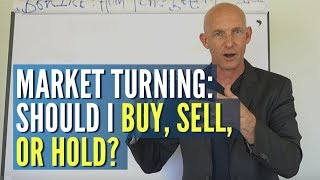
Kevin Ray Ward (YesMasters) offers a decision framework for homeowners and investors worried about a potential real-estate market turn. He emphasizes there is no single correct answer (buy/sell/hold); instead, list plausible scenarios (market up, flat, or down), map outcomes for each choice, decide whether the choice is primarily a lifestyle or a financial/numbers decision, and then select the "happy option"—the choice that maximizes happiness both if events go as hoped and if they go poorly. He also directs viewers to a prior video about preparing for a market crash for broader context.
Chapters
With the market turn coming, with a market adjustment, market correction, market crash, whatever is happening are going to happen. How should I prepare? What should I do? Should I buy? Should I sell or should I hold? Hey there, it's Kevin Ward, the founder of yes Masters Real Estate Success Training, and I did a video recently about the market crash that is coming. And in the video I talked about, we don't know when it's coming, and yet what's crazy is I got comment after comment after comment about people going like, well, should I buy my, Should I buy a house now? Should I sell a house now? Should I hold? Should I wait, what should I do? I have this much equity, I have this much cash. I had this, what should I do? And my first response to that is go. Like, would you just actually watch the whole video and take notes on it? So we'll put the link to that video here in the description of this video. So if you have not yet watched that video on how to prepare for a market crash, you can click and make sure you watch that video because it will give you a context for this video. But because I had so many people ask and comment with this question is with, with the market turn coming, with a market adjustment, market correction, market crash, whatever is happening or going to happen, how should I prepare? What should I do? Should I buy? Should I sell or should I hold? Okay, if I have money right now, should I buy a house? You know, we're thinking about buying or renting and people are telling us, you got to buy. And interest rates are kind of going up, but they're still low. What should we do? Should we buy? Should we, we have a property, we have equity. Should we sell it and get our cash out? Or should we hold? Or should we, what should we do? And so I'm going to walk you through a process, how to make a decision now. I want to just be very crystal clear here. I'm not going to tell you what to do. Anybody is telling you what to do unless you actually have hired them and they know your exact situation and they can advise and counsel you on what to do in your situation. Anybody that's saying you should do this on a video like this, and they're going like, this is what's happening, the sky is falling and you should do this, you should sell, sell, sell. Or if they're, you know, you're hearing a video like that, there are too many different variables. There are too many different scenarios that could happen and too many variables in different people's situations. For there to be one blanket answer. Okay, if the sky was actually falling, then there would be one answer for everybody. Take cover. But we don't know what's actually happening in the market. So first watch that other video that just simply says, is the market crash coming? Yes, we know a market crash is coming, but we don't know when and we don't know how severe it's going to be. Okay? Some people are going like, it's not going to be as bad as 2007, 2008, and others saying it's going to be 10 times worse. And some people saying it's already happening, it's already beginning. Other people say it's not going to happen for two years. Which is it? Okay, so first, I don't know. And neither do you, and neither do they. Nobody knows until it's actually happening. It's like forecasting a market turn is kind of like forecasting an earthquake. And I live here in Southern California where we have earthquakes all the time and we don't feel much, most of them, and the big ones coming, but we don't know if it's going to come this year or 100 years from now. But we got to be prepared for it. So that's the most important thing, is be prepared. So how do you prepare and what you do? So first thing I want to tell you about, should you buy, sell, or hold? I'm going to walk you through how to make that decision. So first, understand, there is not one perfect. Not one perfect answer, okay? There is not one perfect answer, and that one just reached the end of its life. So we're going to switch to the new one. There is not one perfect answer that in all scenarios. Should I buy? Yes, you should buy right now. Should I sell? Yes, you should sell. There's not one answer that's right for every person and probably not one answer that's right for you. It's a question of it's not one right and all the other ones wrong. It's which one is best. So just understand there's not a like, okay, I gotta. I can't make a mistake. So not one perfect answer. So here's what you do is you look right now I want you to look at all. Look at all the scenarios that could happen in your situation. All the scenarios that could happen in your situation. So let's say you own a property right now. You own a house. You've got equity in the house, okay? And you're thinking, okay, if the market crashes, then it would be a good idea for me to have to sell now, if we're at the peak, it would be great to sell my house now, get my cash out, hold that cash, or invest it somewhere that's safe, gold or silver or whatever. And I don't know if gold or silver safe, I'm not a gold or silver guy. But you've got to look at the scenarios. So let's just say you own this property, got equity in it, so you look at it and go like, okay, one scenario is I sell and I take my money out and I put it somewhere else. I may put it just in the bank and hope it's going to be safe there. I may put it in gold or silver as a, as a hedge or whatever. And then what if the market continues to go up for another two years, Then what's going to happen? Okay, so we sell it. We sell now, we get our equity out, we put it in savings and we hold it. We hold the money and while we wait. And then we rent and we just wait for the market to finally correct when it goes down. And then when it gets to the bottom and it looks like it's going to start going up, then we'll buy another property and we'll be able to leverage the money we've made in this last appreciation cycle. We'll be able to put that into another property when the markets, we sell it, we sell high, buy low, and we'll be able to move up in our house. Okay, that's one scenario. The other scenarios, you know, what if the market continues to go up for a couple of years? What if we keep holding and we wait until we know it's going down? Then we sell. Okay, so let's look at the scenarios there. So what I want you to do is literally get out a piece of paper and a pen, sit down with your other decision makers in this. If you're married, sit down with your spouse and have this conversation and go like, okay, what if this happens? What do we think is actually happening? What if we sell right now? What if we wait another six months? What if we wait another two years? What if we wait till we know it's turning? Or what if we just decide to ride it out? Okay, we just stay in this property and so forth. The same with buying is, should we buy right now? We have equity, we have cash, we've been saving for a down payment, interest rates are starting going up and we're like, we missed the best time. You know, the best time would have been in 2012, right? Or whatever. It's passed. At least that's the one. We can see the next best time, maybe in a year, we don't know. But you go like, okay, should we buy right now? So look at all the scenarios and say, okay, what if this happens? If we buy and the market tanks? If we buy and the market appreciates, if we buy and the market holds, Those are the three scenarios. If we sell and the market continues to appreciate, if it holds, if it crashes, okay, how am I, how are we going to be in those situations? If we just, if we wait, if we, you know, have money and thinking about buying or renting now and we wait, we just hold our situation right now. Or if we own and we hold, what could happen if it goes up, down or stays the same? Okay, so look at all the scenarios and then you ask this question. Is this decision, is this a life? Didn't spell that right. Is this a lifestyle decision? A lifestyle decision or is this a numbers decision? And what I mean by that is, which is more important to you? Is it living in the home you want to live in or is it about maximizing the money? Okay, is it about the numbers? Is this a business decision, a financial decision, or is it a lifestyle decision? So if you're, if you're like, if you live where you live right now, you have equity in it and you're thinking, we bought it back in 2014, the market's really done great for the last three, four years. And we're like, we're thinking we should cash out. Well, if you cash out and you wait for the market to tank and then you go buy something else, are you going to, how. And that, let's say that takes three years from now before you can do that, before you're really ready to buy the next property. When we hit the bottom, I don't know how long it's going to be, but let's say it's three years. Are you going to be happy that you spent those three years renting a little house or a little whatever condo or whatever you're staying in? Are you living with your in laws? Are you going to be happy living with your in laws for three years, waiting to make, to get a better deal? And then what if it doesn't happen? What if you sell right now and you move in with your in laws and you're going to wait it out and the market keeps going up for two years and then it tanks and now we got to wait another two years for it to bottom out and then you're Going like, are you going to be okay living for four years with your in laws and then when they kick you out, you have to go rent something or whatever? Are you going to be miserable if you do this to make more money to reposition yourself in the market with your house and say, we're going to cash out and get our winnings and we're going to cash out and wait to buy when it goes to the bottom and ride the money cycle, are you going to give up so much lifestyle that you're going to go like, I'm going to be hating my life for the next four years? Now again, we don't know what the scenario is going to be, but you got to measure all this out. I hope this is making sense. Does it make sense that we're looking at the scenarios and go like, okay, if I do this and it helps me make money but I'm miserable, then was it worth it? Okay, or you're going like, you know what? We're going to, we love this house. We're happy here. We could probably sell it now and make some good money and move somewhere else and downsize. Or we could rent and wait until the market corrects and then probably buy a nice house. But we love our house. We really like it. We, you know, we'd be happy to stay here for another 10 years. Then why not stay? Stay in the house, enjoy your life. If lifestyle is a primary purpose in this conversation, in this decision, then think about lifestyle versus money. Now if this, we're talking about investment property. If you got investment real estate and you're like, should we sell cash out of our rental property that we bought in 2011 and 12, we bought a bunch of rental property. It's really done well for us now and it's cash flowing good for us. But it's appreciated so much. Should we cash out and take our cash and hold it for till the market turns and then buy up a bunch of stuff. Now you're talking about a numbers game and we want to leverage our money to make more money. Well, that's a different scenario, right? And it's a different motivation because you're not thinking about immediate lifestyle, of what, how are we going to live for the next five years? You're thinking about how are we going to long term put ourselves in the best financial position. It's about the numbers. So you got to look at it. Is this situation and is this decision a lifestyle decision? Is it a financial decision? If it's a lifestyle decision, how's it going to affect your finances. If it's a financial decision, how's it going to affect our lifestyle or does it even matter? So those are the, then the scenarios that you have to look at and consider. And then here's what you do. Here is the decision. Okay, here's the decision. You pick what I call the happy option. Choose the happy option. And what's the happy option? The happy option is it's out of all the different scenarios, of all the different choices you could make right now, which one is going to make you the happiest? If everything goes just the way you plan, or if nothing goes just the way you plan that if everything goes the way you plan, you're like, yes, we're going to be so stoked. We're going to be like, we knocked it out of the park that you're going to be happy. And if things don't go the way we expect and the market doesn't do what we're expecting or believing or hoping or whatever, it takes longer, it happens sooner, faster, whatever, and it does this instead of this, we're going to be okay. And we're still going to be like, okay, we still made the right decision. That then for you, my friend, is the decision that you should make. And that is the answer for what you should do. With the market turn coming. Should I buy, sell or hold? When you'll go through those four steps and understand there's not one right answer. So you got to look at all the scenarios for your situation. If we do this and this happens, so what are the three scenarios? Market goes up for another year or two, market stays the same for a year or two, or the market tanks right away, One of those three scenarios is going to happen in our situation. We can do this or we can do this. So now you got six scenarios. You pick option A and this happens. Option A, this happens. Option A, this happens. In other words, you get, you pick all those, you take all the scenarios, then you look at how's it going to affect is which is more important, numbers or lifestyle. And then which one for us is the happy option that whichever way the market goes or the timing goes, we are going to be okay and we're going to be happiest. And then you have your answer. If you have other comments, thoughts, questions, rebuttals, whatever it is, make sure you post them in the comments below. Also, if you like the video, give it a thumbs up, subscribe to the channel if you haven't done so and make the decision that's right. For you. I'll see you on the next video.
More from Kevin
When a Seller Says "Not Interested," Ask This #realestatecoaching #realestateagent


Suck At It. Stick With It. Succeed At It. #realestatecoaching #realestateagent #listingagent


You're Not Procrastinating. You're Lying to Yourself #realestatecoaching #motivation

