What school didn't teach you about money | Ep 54 | Alan Akina
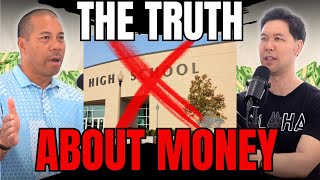
A recorded interview (Ep.54) where Alan Akina, founder of One One Financial, describes his personal poverty-to-entrepreneur story and the 22-year mission of his company: teaching practical financial literacy that schools omit. He outlines One One Financial’s model (private coaching + hands-on education + proprietary app), key program elements (cash-flow management, credit, debt management, smarter banking), impact metrics and student case studies, and gives actionable steps for listeners to assess and improve their finances.
Questions this video answers
Just over 70,000 students.
About 22 years (started in 2002).
In its seventh year of operation (around 2009).
Over 500 coaches across the country.
On average 5 to 7 years; coached clients see plan progress in ~90 days and can be on track quickly.
Chapters
It's just doing the simple things over and over again. And you look back five years later, ten years later. Whoa. Look at what I did. That's the way I found success.
What's up guys? Today we have a special guest for you, Mr. Alan Akina himself, the owner and founder of One One Financial. They do education for people of all ages. And welcome to the show, bro.
Oh, good to be here. Thanks Daniel. This is exciting for me to be here with you.
Yeah, no, I'm so stoked to finally get to have a sit down with you. I've heard your name through all the spaces and a lot of people have a lot of amazing things to say about you. And I know that you guys have an program, One one Financial, that really helps to educate people of all ages on just general basics, basic finance. Like personal finance, right?
Yeah. The void that we fill is really the, the things about money that we should have learned in school that we were never taught. Right. So we graduated from high school, even college. We come out into the world with a brand new job, but we got all these bills and debt and budgets to manage and it becomes a mess because we weren't prepared.
Yeah. And you know, when I first, when I first started investing in real estate, that's when I realized this, this void that I had in my life. Because when I started investing I realized, okay, actually finance is a big part of investing and if you don't have your finances right, like you'll kind of crash and burn on investing side. But it made me realize like, wow, all this stuff that's like so like helpful and useful like how to buy a house, how to like take care of your credit, how to pay down debt, all these different things. I didn't learn any of that inside of school, college or high school.
So just like anything in life, you can't skip steps, right? In school. You can't go from eighth grade to freshman in college. Yeah, that doesn't happen well in the world of personal finance, you can't skip steps either. So people see that real estate, the shiny object, really exciting. And it is, it's absolutely exciting to invest in real estate. But there's a process, there's steps to get there. You just can't jump into it. And that's where I've seen over all my years of being in the game, in the financial game in real estate is that's where people get in trouble. They're not prepared for what is needed financially from an individual when you're investing in real estate.
So how many Students did you have and like do you have the coaches and students in your program right now?
Right? Yeah, we probably have just over 70, 000 students.
Wow. That many?
Yeah, in about. Well, we've been in business now for almost 22 years.
I mean, wow.
Really started.
It doesn't look like they were you three years old when you started.
We started two. 2002. When you're in the first grade. Right. So we, we. It's been a long time. We. We have students in almost every state now.
How did you. I mean, so how did this. I'll start like what was like the, the brainchild. How was like the beginning of 1M Financial?
Yeah. I think it all starts with my, my story growing up in Hawaii. So I was born and raised here. Grew up in between Wahiawa and then North Shore, Laie Kahuku. So I moved around quite a bit. I come from a great family. The only thing for us is we were poor. Just like a lot of people, we grew up poor. I grew up on free lunch. When I moved to Laie elementary in the fourth grade, things got a little better for me because I got free breakfast and free lunch. My parents were making less, so we're eating better. We had food stamps, government cheese. We never owned a home. We're always moving. Living with people renting here and those struggles, you know, really motivated me. I didn't use it as a crutch or as an excuse, but I use it as motivation to want to find out about money. Just drove me to learn about money. So I did.
You know, I feel like whenever I hear people's stories, there's always like, there's like the origin story and there's two paths. There's one, like there's a lot of people who grew up like, like you, where they're struggling to survive. Parents, maybe single parents or whatever it is where they don't have enough like finances and they feel like I don't have enough, but I need more. And there's one path where they're like, I don't have enough. And so like they go let's say into like drugs or into like crime or some things because they blame like their, their, their situation. We have other guys like yourself who takes that and use as motivation to better your life. And now like you're very successful. You're actually educating and teaching other people about how to be successful in finances. And it's just, it's crazy to see just like the success that you've had over the last 20 plus years. Now, so.
Yeah, no, trust me, I. I've seen that. That fork in the road that you're talking about. When I was a senior in high school, one of my best friends I grew up with chose this one path, which was drugs.
Yeah.
Started smoking weed and then selling it. Right. Ended up in federal pen penitentiary.
Yeah. Yeah.
I chose a different route. And it. I'm so blessed. Very thankful that I had good people around me. My family, my parents, even though they were struggling, they tried hard. They did with what they had, but they never had financial education either. That's the thing, too. Just struggling.
It just. It just.
It's like generational.
No, that's the thing, too, is like, so you only. When you're growing up, you only basically learn what your parents tell you. Right. So that's basically like the world, the. The gospel. That's the truth. And so if your parents are not financially educated, whatever advice they give you that put them in that spot, they're going to pass it down to you. So it takes kind of breaking out of that mold, finding someone like yourself or an education program where you can actually break out of that cycle, because there's nobody who's going to actually, like, pull you out. Like, just like the. Out of the goodness of their heart.
Right? Yeah. I mean, think about this. When I grew up, or maybe even your. Your age group, sitting at kitchen tables like this, you weren't really allowed to talk about money.
True.
Right. Your parents, like, how much. How much do you make? Right. You don't do that. Such a taboo subject, especially in Hawaii.
Right?
Yeah. You can't talk about that. Oh, how much was that? Oh, don't worry about it. So, yeah, don't worry. It's not none of your business. Right. So imagine hearing that from the time you're like five years old all the way to your 20. What that does ingrain in our minds. Right. We got to remember. Right. Your audience has to remember that words are powerful. The words that we use and share with others and the words that we're thinking can really shape our lives. And again, I was very fortunate to be around different people that showed me a different path and I was able to take. I was like, you know what? I love this. I want to. I want to pursue this. I'm. I'm very passionate about personal finance, and that's what I did. I took $20,000. My wife and I had saved up.
Okay.
We had no debt, but I didn't own a house either. And I'm starting this financial education company. It Helped people get out of debt, pay off their mortgage. Now it was crazy because all my friends were saying, dude, why am I gonna listen to you? Don't even own a house. I got a house. You can tell me how to pay off my mortgage. Just give me five minutes. They all shot me down, right? So it was hard, just like anything starting new. But I was persistent, man. I believed in it. Did I know it was going to turn into this? I didn't. But I kept going because I believed in financial education. And come to find out there's millions and millions of other people like me that believed in it, that need it, and wanted to help. And so it became a really great business opportunity.
I love that. I mean, it all started, I think, in the beginning, just like you have a mission. And I think a lot of times when you're starting out as an entrepreneur, the beginning is so hard, right? Like, I mean, like, nobody believes in you. When I started investing in real estate, my friends and my family are like, don't do it. You're gonna lose all your money.
You're gonna go broke.
Yeah, exactly. I mean, that's like the. And like my co workers, everybody was like this, like a terrible idea just because it's. It's new and it's different, right? But then, like, you. If you have a mission or you believe in it, that's what's gonna push you through the difficult challenges that you're gonna face. And as an entrepreneur, we know, like, challenges are just part of life. That's part of, like, the. Your personal life is also part of business, especially business as an entrepreneur.
Yeah. This is what I tell people. There's three things that you want to do prior to getting your business going or while you're getting your business going is first, you just got to ex. Understand that there's going to be problems, trials, everything. It's life, right? But you got to put in your mind three things. Number one, when you encounter a problem, okay, first thing you do, just go around it. Just make it easy. Hey, there's a problem, there's an issue, there's a hurdle. Let's just walk around. Let's just go around it, okay? Number two, if you can't go around it, then go over it. We're going to go over this. We're going to step over this problem. If you can't go over it, then the third thing is you go right through it. You got to attack it, right? If you don't attack it, you don't address the problem. It's Going to get you.
Yeah.
And it's going to set you back. So those are three.
I love that mindset. I think a lot of times, like the. My natural reaction when I see a problem is to run away in the direction.
Right.
But like, I like how you said, like, you're always facing towards a problem. So whenever you face it, there's like three ways. Like you said, you can go around it, you can go over it or through it, but you're always facing in the direction of that problem.
Yeah. I was on the. On a Zoom this morning with a venture capitalist, a potential investor for my new startup. And he has a saying, big windshield, small rear view mirror.
I love that.
I love that. It was. Just makes so much sense. Right. You need that to see back, but don't focus on that.
Yeah, yeah.
Just learn from what you can see back there. But the big windshield, right. The opportunities ahead. And when you start to see that, then it's not really work. As an entrepreneur, you're doing what you're passionate about.
It's super important to have your vision clear. I think as an entrepreneur, like, like every day there's so much stress that's involved and if you're just to focus on the stress or like the Reaver mirror, you're never going to go anywhere. But you have to be able to always push forward and drive. So I think, like, I love that like the biggest. The big windshield. Because, like, you're always looking at the opportunities and when you see what's possible and out there, like, to me, when I first started as investing, as a, As a invest. Real estate investor, this whole world of entrepreneurship I didn't even know existed. But now that I'm in it, I'm like, wow, like, the opportunities are endless. I feel like this. You don't even like realize what's, what's possible to kind of step into this world.
Yeah. When you focus on all the negative things, like I'm going to go broke, I'm going to lose money. This isn't going to work. That's exactly what you're going to get. Right. If you focus on that. But if you focus on the opportunity, the upside, the big windshield stuff. Right? Like, what if. Yeah. What if I own five rental properties? What if I get to an apartment building? I own that. What could that do for my financial life? Now I can, I can see you're smiling. It changes our mindset.
Yeah.
Like now we start thinking about the possibilities and our mind automatically goes to the creative side. Like, how do I figure out how to do that.
It's funny. I mean, like, you just pointed out that I started smiling because when you start talking about those things, just my. My brain lights up. I'm like, what if we can do this? What if we can do this? And then that's when you get the energy. Like, everything changes. If you're like, okay, what about this problem? Like, your. Your continents will change. You're just. Your whole physical body, like, kind of matches to where your. Your mind is going. Yeah.
I just posted on my. On my Instagram the other day about being successful. Like, if you want to be successful, you need clarity. The more clarity you have, the less fear. Yeah. And you're. You're more willing to take action. So how do you get clarity in your life? Yeah. Number one, you got to write down. You got to write down your goals.
Okay.
What you really want. You got to be very clear as to what you want and why. Why are you doing this?
Right.
For me, my why is my family. I have two whys. My family and the people that I serve in my companies. Those are my two eyes. I'm very.
Those are strong wives.
Nobody's going to stop me from taking care of my family and my people.
Yeah.
I don't care what the challenge is, because I'm very clear. Right.
I love that. I love that. So when you're first starting out, starting one one financial, you said you had 20 grand in your pocket to start it. What did that look like in the beginning?
It was scary. It was scary because I didn't know if it was going to work, but I just knew it was helping me and if it could help me, it could help us. I basically, one on one Financial was solving my own family's problem of a lack of financial education. But I just went to it and grinding and started put into the time and effort and energy, and we started to help one family at a time.
Okay.
And one family at a time. One family time. And I was in the trenches. By our seventh year, we had made the Inc 500 list.
Wow.
So we're the second company at the time.
Wow.
To ever make Inc. Magazine's top 500 fastest growing companies. Wow. It was. It was mind blowing. So me and my two other executives, local boys from one from my one from Kauai, we flew to Washington D.C. for the Inc 500 conference.
Wow.
We're at this gala. So we got that, you know, black suit. Like, we're like, oh, look at this. We're looking good. We got a tie on. Right. And we're meeting all these people and we're like, wow, look at what we did. That was the first time that we really pulled our head up out of the trenches to see, gosh, we actually are doing something big, you know. And then from that it led to a segment on khon. I hosted the financial fitness report on the Wake Up Today show for 10 years.
Okay, okay.
Today I'm, I'm now with Davey D on kitv.
Love those guys.
Yeah, yeah. So I just started the Financial Freedom Friday segment. Bestselling book company has grown and a new tech fintech startup that led from all the years of grinding.
Want to dive into that fintech later, later on the show. But I mean, just to kind of like give the audience some kind of perspective. What exactly is one on one financial and what's like the. Who does that serve?
Yeah, so we work with people of all ages, like you said, and we really work with those that want to make a positive difference in their financial life because they just don't understand. You'll see that 80 plus percent of people are winging it when it comes to making financial decisions just because they don't know. So we work on things like cash flow management. That's number one. Cash flow management means how do you manage your paycheck? So when your paycheck comes in, do you know where each portion of your paycheck should go?
I think I got to take this class, man. I feel convicted.
Everybody has a paycheck.
No clue.
If you don't have a paycheck, you got to get a paycheck, then you can work with us. Right? But once you have a paycheck, now we say, okay, here's the first step. Cash flow management. What's your income, what are your living expenses and then what's your debt look like? Those are the three main categories that we, we try to figure out for you. Okay. Once we have that, the second thing we work on is credit.
Okay.
How do you build a positive credit score? Because in real estate, if you're investing in real estate, most times you see the no money down seller financing. But the new guys that are, you're not going to get those. Those are going to the experienced guys like you and I. Yeah. I'll tell you about a deal that we just got. We just, we're closing on this tomorrow. But you need positive credit so much.
Like it makes it so much easier. I mean if you have bad credit, I mean it's possible, but then like, it's just so much easier. But if you have Good credit like you get, I mean that everything in life is easy.
The window, if you don't have good credit, the window small, the opening is very small. But you want to have many opportunities because you got to vet many opportunities to find a good deal. So when you have good credit, that opens up to more lending opportunities.
I like what you said that. So by, if you don't have good credit like you, your window of opportunity is small. But when you have good credit, your window of opportunity is a lot bigger. I love that, that saying, but it's also because the what I, I think like a lot of people like they don't have a good credit and they're like, I don't need credit. But then it's so easy to get good credit once you're educated.
I think, yeah, everybody's scared of it for some reason. It's not, it' rocket science. It's really simple and just certain principles you need to follow and your credit could be excellent. You don't need to have an 850 credit scores 750 or higher. You're going to get the best deals, the best interest rates. Now that's, that's the second component. Right. So we work on cash flow management, credit. Okay. The third is debt management. Like debt. I got to tell you, if you don't know this by now out there, folks, debt is the biggest reason why you're broke and not able to invest. Because the, the amount that you're paying on your debt, specifically interest, interest costs on debt, keeps you out of the investing game. That's where a lot of money. When we evaluate, we've seen probably well over a hundred thousand financial profiles. Okay. And on those profiles, the debt is the biggest obstacle.
I feel like that's kind of like America in general where like we, we want things right away and then we, so we like, we can't afford it. So like let's put it on a credit card or let's just like put it on layaway. And so like it's a constant of just instant gratification and we pay for it later and we just want like the now and then we'll worry about it later. But you keep on doing that over and over. It slowly stacks up and then now you have like this mountain of debt. And it's so hard to escape from this mountain of debt once you have like that like kind of growing.
Yeah. Especially if you don't really know what to do or have a strategy. And so we implement several different strategies that get you out of debt. That snowball method, which some of you are familiar with, the debt avalanche method and the debt checking method. When you combine those two or three together, you can really accelerate your debt pay down. And what we've seen over the years is our students are getting out of debt anywhere between five to seven years. That includes their mortgage. So what that does now, it frees them up to go acquire more assets. Right. And then the fourth area that we work on is banking.
Okay, okay.
So the reason why we work on, on banking and helping consumers understand the world of bank is because everybody uses the bank. Yeah, yeah, right. And there's the banking method of the way they want you to use the bank, and then there's different strategies. So we start teaching people how to bank smarter to reduce interest cost. Right. Again, your biggest expense is going to be interest over the course of your life. Right. And simple math, simple math says this, take what you paid for your home.
Okay?
So if you bought a home for 500,000, okay, double that. That'll be your, your interest cost over the life of the, over the life of the loan. Because full refi three times.
Yeah.
And you know, so it's going to be a million dollars plus you got to pay the $500,000 back. Okay. But if you bought a house today, a million dollars, now it's $2 million in interest. So 3 million total. So that, that's what keeps people out of the game. So if we can reduce that interest cost and what we found, we could usually cut it down by 50% or.
More by just like, I mean, the thing is, like, you're not earning more money. It's just a way that you're managing your money.
It's the money you already have. Right. It's the money you have. But people aren't looking at that at their debt payment and the interest cost. They just feel like that's just a payment. Yeah, right. I'm going to take home lunch. I'm going to cut back on my eating out, which is fine. But we're talking about, you know, smaller dollars. But when we're talking about half a million to a million dollars in interest costs and we cut 50% of that off, which we've done. Now that keeps more money in their pocket.
Yeah.
It's not that they made it, it's that they kept it. And now we say, look, you just saved half a million dollars. Here's our suggestion. Take a hundred thousand dollars and put that on a down as a down payment. Five times. Yeah, go do that five times.
Yeah.
As A down payment. Because one of the biggest reasons people can't get into a property is they don't have the down payment or the debt. Right.
Because like there's the two, the two factors, the dti. So you need to have too much debt so you can't afford the mortgage or you can't qualify for the mortgage or you can't afford the down payment. So your, your strategy solves both of them. Where like, you're reducing your debt but also like building up a, building some cash balance at the same time.
Absolutely. That's, that's why this is the foundation. Right. People like want to get into investing. I always said get some financial education. Whether it's from us or others. It'll, it'll absolutely help prepare you for your real estate investing career.
What's like a typical timeline? Like let's say somebody comes in to join like 101 financial. Like, let's say they have like a bunch of debt, credit cards, a mortgage, different things. They're drowning in debt. What's the timeline for them to kind of turn things around and get like debt free?
They're on track to be debt free in about 90 days. They have a full plan and it's working. We've gone through three billing cycles. They start to see it and then we get them on this plan. They're able to get out of debt in that average five to seven years.
Okay. Okay.
But for those that are aggressive, they don't need to necessarily wait till they're out of debt completely. Once they start to see the window, we free up this availability.
Yeah.
Like I talked about that somewhere, you have availability to fund money now. You can go get in the game and then you have the confidence, you know, mentally.
Yeah.
Because you know how to handle the funds and, and then you're not in the game of, I'm going to buy all these houses and make 2 to 300amonth positive cash flow, but I'm going to have these mortgages for 30 years. Right. So you, you'll have X amount of cash flow for 10, 15 houses. When with five houses paid off, you could do the same thing with way less stress.
Yeah, yeah.
The cash flow, the same. Right? Yeah. Investing is all about cash flow. Budgeting is all about cash.
I feel like one of the challenges to this is that a lot of people are scared to look at their finances because they're like, I'll shoot you with their head in the sand. Like, I know it's bad, I don't even want to look at it. You know, so I think even for, like, the. Whenever there's something that's scary or like, you're. You know, it's a. It's a hole in your life, you just kind of like. Like stay away from it because you don't want to, like, take a look.
I don't want to deal with it. This is the first human reaction. If you're listening to the podcast, you can't see this, but this is the first human reaction when we don't know something like, oh, no, I don't know. Don't tell me I don't know. Right. They step back. This is exactly what you said. But what I found is when people are educated, they understand. Now they're leaning in. Okay, well, you know, Daniel, tell me about that. That makes sense, but I don't understand. Tell me how this works.
Yeah.
Now they're leaning into strategy. Their mind is thinking different as opposed to shutting off, stepping back, it shuts their mind down. But when they at least know a little bit more and they got some financial confidence, now they're leaning in.
I like that. And I think, like, having, like, an education or a mentor to kind of walk you through, that makes it a lot more palpable or easier to digest, I think. When I read this, we all know the book Rich Dad, Poor Dad. Right. The big question they're saying is, like, I can't versus how can I? So I think when you're looking at your financial situation, like, it's. If you know it's not good, you have a lot of debt. You're like, I can't. I can't. But then when you have someone like you to walk you through the process, you're like, how can I? And then now, when you look at it from, like, with some educated, educated point of view, now you can see, actually, I can solve this if I make a few moves here and there, and I don't need to get, like, another second job. I don't need to, like, starve or whatever. There's actually, like, a legitimate way to actually change my financial situation around by just being more educated and making a few moves.
Absolutely. So there's two things that help bring clarity to people's personal financial lives. Number one is seeing all their numbers on one page. Number right. Most people have never taken the time to see that. Yeah, right. Because they. I don't want to scare you. Scared. Right. The second thing that brings clarity is having a coach, a third party. We have over 500 coaches across the country. Wow, that's great. That helps you to review those numbers and is almost like that little buffer between you and your spouse. Right. That's. The financial life is really a killer because it's the number one cause of divorce.
Yeah.
So having somebody come in and help you walk through your own numbers, like a neutral party. A neutral party. A third party. It helps with clarity.
I mean, I can see that already because, like, let's say the husband and wife are going through their thing. They're trying to figure out themselves.
Right.
Then they're putting down the numbers. There's bringing out emotional reaction, like, why did you spend this? Why is this so much?
Right.
And so that's just like a natural. Whenever we're having, like, some issues over here, we're just. It's gonna. The emotion gonna come up, and then now it comes to a fight. Now you're not going to get anywhere as far as, like, the progress.
That's right. And then they start blaming. It's the blame game. Right. Well, I didn't know we had this credit card. You know, that happens so many times. Like, oh, where did this credit card? You know? But having that third party allows the spouse, whatever the husband or wife to bring. Oh, you know what? I have this.
It's almost like a mediator.
Yeah, like a me. Yes, like a mediator. Right. That's, you know, like, like, like, hey, the first thing you got to recognize is the problem. Yeah, right. I have a problem financially. If you don't recognize that, then what are we doing? Right.
Yeah, Yeah. I mean that. I mean, I. I love that. I mean, so like, the. Let's say we meet with a coach, they kind of get your. Go through your budget, go through your expenses, and the mediator or the coach will kind of help the work with the couple or the single person and trying to help them to form a game plan in the first 90 days.
Yeah. So what. What happens is we do private coaching sessions. So every 10 to 14 days, we have a private coaching session on Zoom. One of our coaches will sit down with you, and you and your spouse usually last 20 minutes to 50 minutes. But we're going through your financial life. So this is not out of a textbook. It's your numbers, it's your income, your expenses, and your debt payments. And we're strategizing. That all goes into an app. So we built this really cool app. It's not available for purchase, only available for our students, but really clarifies everything they're doing. And then once all the data is in there, the app builds a What we call a 12 month financial roadmap. So they'll be able to scroll. Our students are able to scroll up on their app for the next 12 months. And it shows them every day whenever there's some type of financial transaction, whether it's an expense, a pay date, or a debt payment. And then the big thing it shows is their monthly cash flow. So it shows, okay, you have $1,200 this month or you're going to be negative $300, you know, come December. Right. So now we're already looking ahead. So it's July. Our clients are looking. I'm going to be negative 300 December. Okay. Now we go through that and figure out why so we can, we can address it today as opposed to waiting in December when we're negative. Most people just get more negative by swiping their way out of it.
Yeah.
As opposed to addressing it. And then it helps answer these questions. Like people like, well, how do I know if I can afford to go on a Alaska cruise with my family? I know what it's going to cost. I did all the research. It's going to cost me 15 grand to take my family of four. But how do you know you can handle that financially? Most people don't.
Yeah.
Or how do we know? Think about this in real estate, how do I know I could buy my first investment property? People don't. They're guessing. Yeah, yeah, I got pre approved. Well, that pre approval doesn't mean anything, Right. Like can you really afford it? You know when they put that number, those numbers in our app. So they take the new mortgage, the new interest rates, the payment and all that, and then the rental income, they put that in the app and it goes through the 12 month projection to see if they can manage it.
I like how you guys are breaking this down because number one is you guys are getting like the, the personalized like finances of a person. So they're getting data, right? So like they have, you're forcing them to accumulate all the information and put it down into like a packet. And then you guys built an app where you can actually like interpret it and kind of give them like a game plan. So there's kind of two steps there. One is like the information and the other is like using the information to make decisions. And like you have a coach and you have like an app where they can actually project and see things and then they can make better decisions. And they have the knowledge to make better decisions. Once they have like the kind of like the rules of the engagement in place.
Yeah, you got it. Right. I mean, there's. We have this three pronged approach.
Okay.
Number one is the private coaching from one of our instructors. Right. That's huge. That's. That's what separates us. It's hard to get that private coaching. The second thing is the education piece. Right. You're learning. We call it the learn and do center in our system, you're learning while you're doing your own financial life.
Yeah. I mean, like, whenever you learn something, if you're doing it at the same time, you pick it up so much better.
Absolutely. That's all.
It's so vital.
That's why our school system is, because we learn all this stuff in a textbook, but we don't get to apply it. So we forget it. But we are teaching people with their numbers and we're making it happen. We say, okay, here's your homework. Pay this bill with this, move this over here and do this, and then. And report back next week. Right.
I love that. That's so important, I think, like, to actually have them, like, go through the exercise and actually do it. I mean, like, as far as just being able to absorb things, I know for myself. Like if I read a book and then like that, okay, I learned everything in the book. You feel like you, you got something out of it, but you don't really got it until you start applying it. So if you just like, let's say this, take the first chapter, start applying it right away. Like, you get so much more out of, like, the content that you consume if you just apply it immediately and use it, versus if you just consume a lot of content and never actually put it into real practice.
Absolutely. And that's where the third prong comes into play, which is the technology, the app, okay. Which helps people manage all the things they learn and that they're doing in one central place. And it comes down to 15 minutes a week. Once everything's in there, they just need to check. They sit down with your spouse. We say sit down every Sunday night. Okay, Go through your app, look at the projections, look at your next month, click what you paid, enter in any, any updates, and you're done. And then, and then you can look and people, people like, ah, if I get all this, I can't go to Vegas, right? You go, you go. You can't go to Vegas. I'm gonna say, you know what? You might not be able to, but you might be able to go more. Once you see your number, you just don't know. Yeah, yeah, let's look at your numbers. If it can fit in your projections, go for it. You can buy your next property on this date. Yeah. We can be very specific as opposed to winging it or guessing it.
But the good thing is, like, now that you have the information, you can like make a decision. Like, maybe I can't go to Vegas now, but I can plan in the future. Down the line, you'll be able to go to more Vegas trips because of like you have the financial planning you're doing in that in your current state.
Compare that to what people are doing now. Yeah, there's nothing. And guessing.
Yeah.
That's why credit card debt is at an all time high.
So when you're looking at the different like students that. So you guys have 70,000 students, which is crazy. Like what percentage of them you think would actually turn their finances around? And one of them. How. What percentage actually struggle with like the process?
Yeah. We have a very high success rate because we're not relying on them, just watching videos. We do have all the videos. We have the learn and do center which has all the videos, workbooks and everything. Combine that with a real person that they can talk to. Right. It's not just zoomies. They can text and call. We get this all the time. Hey, hey, I'm at the bank. The bank said this or they don't want. I'm trying to pay. You told me to pay 3,000 to my car loan, but my car loan. The bank said it's only 500. You only need to pay the 500. What do I do? Right. They're conflicted. No pay the three grand right now. And here's why. So we teach them why they're doing it. So the success rate goes up. Now obviously we have, you know, we're dealing with human beings so they just don't do what they're supposed to do. But our success rate, I would say is in the 90 percentile.
Wow, that's a really high success.
Success because we have the three things. Coach, you got the education, so you're learning why you're doing it. It's not just being told, this is why you're doing it. And you got the technology to help you manage it.
What is like your. So you're coaching the coaches? Like how does that, how's that structured for you guys? You guys pay the coaches?
We pay them. Yeah. So based on who they're teaching and what courses they're teaching, we pay them from, from the courses.
500 coaches is a lot of people to manage. I mean, Just from a upper operational standpoint, that seems crazy to me.
Yeah, it's. I've been doing it for a long time. So. Yeah, I. You know, we got it. We got an old team of, okay, a lot of leadership. We've been doing it for a long time. So with the experience that we have on the team, it really frees up my time to be able to do other things. And. And, like, we got some of the best people. I love my instructors. I love my executive team. They're just, number one, so committed to this financial education movement because we've helped them. First. Yeah, they're all former students, so they're, like, all went through our program and they all changed their lives for the better, and they wanted to be able to pay it forward. And. And a lot of them didn't know that we paid our instructors, like, hey, how can I help other people? And so we'll go pay you.
It's just fun to help other people. And just because.
But just because, like, it's such a passionate thing. Like, for those that get it, it's passion. Like, I want to change somebody's. I saw what happened to me. I was struggling. Like, right after this, I'm meeting with the pastor. We did a program for his whole church.
Wow. Okay.
And that's why I asked where to go to lunch, because he seen what we did with one of his families in his church that was living on the beach and struggling to now buy a house and being successful. Now we're helping their entire church, the congregation.
You know, what's very cool about your program is that it's applicable to every person. I think for real estate investing, a lot of times, like, we say, anybody can do it, but a lot of times, like, if you're not in a certain position, it's very, very difficult. But let's say, like, just financial education, it's. Whether you're making millions or you're, like, negative, like, and you're living on the beach, it's still applicable to you, and you can still apply the principles to, like, your current situation.
So, yeah, we have people at all different levels. I mean, some of the highest. Highest. One of my really good friends is part of the Marriott family, the hotel chain. They've been using my program for 20 years.
Wow.
To the guys that are living on the beach and trying to, you know, get out of that situation, we. We help them all. Because this is financial education. It doesn't leave you. You have this for the rest of your life. And the big thing, if, If. If for those of you that are listening, that have kids, this is generational. Right. Because we have to remember that the number one source of financial education for our children, I have seven of them. Right. It comes from us, comes from mom and dad through our example and through what we share.
So, so important, I think, as, as parents, it's, it's our responsibility to make sure that our kids have the education they need. Number one, we send them to school. Right. To public school or private school, whatever it is. But more important, there's some other things like life lessons. And financial education, I think, is a huge part that if you don't teach your kids, nobody else is going to teach it to them unless, I mean, until they're like 25 and 30 and they're struggling and then they can reach out to you. But if you can just teach them from an early age, it'll set them up for success at such a young age. It'll make their life so much easier.
Absolutely. If we knew what we knew know today about investing and compounding, we'd be doing this in middle school. Yeah. You and I would be trading stocks, actually trying to buy a house. Right. Like, but that's the thing that my wife and I, we challenge our kids to get two educations. Okay. The best school and education that you can get and the best financial education you can get. If you combine those two things, there is no ceiling. Right. And we're starting to see this. Our oldest son just graduated from byu.
Congratulations.
Marriott School. He went to the Marriott School of Business there, and he played golf for byu, Just turned pro.
Wow. Congratulations.
So super excited for his career. Very, very good kid. Our second oldest son is, is going to be a senior next year at New York University.
Wow.
He's at the Stern School of Business, majoring in finance. He's. He's working on Wall street right now at a big bank. Investment bank. And he wants to go into investment banking. Big, big. We're talking, you know, hedge funds, private equity, big stuff there. And he plays basketball. He's a point guard there. And then our third oldest is also going to be a senior in college at Harvard University. So she played rugby her first two years, but is at Harvard and just.
Athletes and scholars in, like, throughout your whole family.
Yeah, it's something my wife and I really push, like, hey, let's challenge yourself. Right? Academically and athletically. Let's use that to keep them busy. We honestly just wanted to keep them busy to keep them out of trouble because my dad said, hey, you keep yourself busy. Because you're getting in trouble. And I did. I was very fortunate. So we just took that same advice. We didn't really know what we're doing, but we said, hey, school and sports, that's easy. It's right there.
Sports have been so useful. I mean, so help for me personally, I think it just, it helps you to learn about teamwork, how to lose, how to win graciously. There's so much things that, like, just as when you're in sports, it just adds so much to your life and it gives you, like, purpose, something to strive for and keep you out of trouble. Because if you're like, if you're. You have like, nothing to do, that's when you kind of get into trouble. Right. So, like, you need to have, like a focus inside of your life.
Yeah. And that was our whole objective. And then fortunately, they learned from us. Working hard, trying to study and learn as much as we can. And they took that and they ran with it. And now, now they're all doing big things and, and, and it set the tone for the other kids. Right. My. My fourth son is the. The number one ranked golfer, high school golfer in his class.
Wow.
He had like 50 offers.
Wow.
From all these schools. And now the kids can get paid. So he's getting big.
Wow.
Offers and traveling. He's in South Carolina right now playing in the Wyndham Cup. But just. Yeah. If you set the tone right, hard work, education, keep grinding, it passes on to your kids. And I'm a lot older than you, so I can kind of see that now. Right. The hindsight a little bit. And hopefully that can pass on to you.
I mean, so you're talking about all important things and in life about passing to your kids. Right. Like hard work, like integrity, all these different things, like having like a passion. But a lot of times there's so many families, like in Hawaii or like anywhere in the world where, like, they have all the right things there. They work hard, they have integrity, they have a purpose. But there's a small leak in their life, which is finances. So the thing is, like, all these things are correct. Like, they're amazing person. Like, they're, they're helping the community, all these things. But a small leak of finances can cause a huge, like, hole in your life, which can lead to other things. Right. We're like, now, when your finances not in order and you're in debt, you get into more trouble with this. It's a slippery slope that can really wreck your life. If you can't, you can't fix that one small hole.
Yeah, it could compromise sometimes, right?
Yeah, yeah.
If integrity is not that strong. But it also limits you to what you can do for the greater good of the community. Because you know, if your finances are lacking, you can't give back as much.
Yeah.
But you can give in time in other areas. But to do programs or to help other kids go to college or to do these, it takes money. Yeah, it just takes money. And so if we could do both of those at the same time and empower the next generation like your young bucks here in the office today, if they're listening, they learn this stuff now. My goodness, what could the future be for them? And then they're going to impact my younger kids, right? All this next generation, the things that they're going to learn and do. My kids may be listening to them on a podcast or watching them on, on YouTube one day talk about this. Like, oh, that makes sense to me.
No, I mean it's so, so powerful. Everything you're talking about, just like the. I feel like you're leading a movement of just like generation of just like changing a lot of lives with just financial education. But the, the key part of it is it's not just the knowledge, it's like the way, the vehicle that you're using because it's like that the hands on approach is the feedback loop and there's so many things and then like the now your students are coming back and becoming teachers and that's kind of perpetuating the cycle which. So a lot of times there's like a negative downward spirals that can go. But you're kind of building this upward spiral and it's just kind of been amazing to kind of like see. And I've never met you personally before this, but I mean like that I've heard your name spoken so many times and so many people have so many nice things to say about you because of how you change your life, whether through one on one financial or through like one of your coaches.
Well, thank you, I appreciate that. And I think it's just my passion, Right. I think people when they meet me, they know like, wow, this guy, he's passionate about financial education, he's committed. That's. And it truly is coming from inside. Yeah, I truly want to help people and that's the one thing that I felt like was missing. You know, I read all of Robert Kiyosaki's books, right. And it's about investing and business and all that. But when I read his book, he's like man, this is awesome stuff. But how do I, I'm right here, I'm down at the, I'm like trying to get a little bit of money. How do I get to that stage? And that's where that, that gap that I filled with one on one financial came into play. And it just so happened to be something I'm passionate about and, and truly can see an impact. And now that we've been doing this for so long, I'm seeing the second generation of 101ers start to do their thing. And it, it's gosh, what's, what's like.
The craziest story of like a student? Do you have like a crazy story of a student?
Yeah. So I'll tell you about this couple on Maui. Nice couple, Earl and Rochelle. So I met Earl as a electrician and Rochelle was a hairdresser on the island, Maui. And Earl had this long ponytail, baggy jeans, local, you know, pigeon, like hardcore pigeon, man. Like what I'm from, I barely understand you. Right? But, but they wanted to do better, right. They did a real estate deal that just flopped on them. They were so scared of that. They had a mortgage that they just refinanced. She had credit cards that he didn't know about. And it was just a typical family, typical mess. But they wanted to make a change. So when we met with them, we helped them get organized, put everything together. And at the time we met them, they had a daughter that was going to uh, Hilo and a daughter that was a, a, a senior at Maui High.
Okay.
So just they had two girls trying to make it happen hard. They're hard working. They worked hard their whole lives. Just it had no direction. Well, we got them set up right. And we helped them number one pay their mortgage and their, all of their debt down. It was projected to be 30 years. We did an analysis that they can do it in nine years.
Wow.
Okay. Then they added more cash flow. So they actually became, they love what we were doing. They became instructors for us, started teaching. They took that extra money and put that in our one on one system. And they were able to take the projections from nine years down to five years. Wow. That's to pay everything off. And then they started to see us invest in real estate. So at the time, me and a handful of my one on one ers, we were pulling our money together and we were buying lots on the big island and we were flipping houses. But we're doing build up when new builds, okay. And we're flipping and they sat out the first one they saw. Oh, these guys made money. Right. They flipped it pretty quickly and so we ended up doing about 20 flips and they jumped in with us on that and they started making money. Then they took all that extra money they were making. So they ended up paying off all their debt and the initial debt that they started with in three and a half years.
Wow, that's a crazy. So from 30 years to three and a half.
30 years of three and a half. But more importantly, what they did, two things. Number one is they turned their real estate game around. They got out of the fear. Today they own over 10 houses, properties. All in Hawaii. All in Hawaii, mostly on Maui.
Oh, wow.
Like, phenomenal. And they own big, lots of land, like acres of land. And they're doing phenomenal. And then there are two girls to see. You know, I think one of the girls has three properties now working on her fourth and the other one has one. Wow. So it's the next generation that was in college or high school. Now I'm starting to see them do big things and totally change their life. Good local family.
Amazing, amazing, amazing story. I mean like the thing is it's, it's not outlandish. A lot of times, like you see things like on YouTube, like, you know, where like this guy goes from like zero to whatever it is in a short period of time and it seems like it's not repeatable. It's like you can't relate to it. But then like the stories that you're telling is like, okay, like this, it's very, it's not conservative, but it's like it's, it's realistic. It's like, okay, I can like in three and a half years I can like literally change my life by like making some big decisions. And it's not like I'm like doing anything crazy or anything. Like no high risk things. It's like very like you're the still a day to day grind. You're still doing the things, you're still working the same job. I mean adding another opportunity. Opportunity as a coach or something. But it's just using like the same tools you've always had, but tweaking them slightly. It can like drastically change the trajectory of like where you're going in your finances. Yeah.
Because. And the big thing is because they had clarity, purpose. Right. Like, okay, if you just do this. Yeah. And then what I did is I challenge them. I challenge all of my students to do five and five.
Okay, what's, what's five and Five.
Five and five is five properties in five years. Wow.
Okay. I love it.
So love it. And at first they're like, oh, the first one. Oh, I don't know. I cannot do a five and five. That's crazy. And Richie Boggy, I don't. You know, Richie said the same thing. Like, oh, five and five. You're crazy, bro. But by his second year, he did four.
Wow.
Right. And so the couple I talked about on Maui, they did the same thing. So they start to pay down their first house, created availability, and then slowly got one at a time. And they didn't do five right. In five. But it, it, it started to build up and then they ended up buying one property that had like five, four houses on it.
The thing is, like, the beginning is always the hardest. When you're trying to get that first property, it's kind of like trying to get the ball rolling. But once you get the first, the second one comes easier, third one comes easier.
But you just need like that 100%.
But you need that foundation. Because if your foundation is leaky now, even getting that first one can be a struggle or it can be like a negative because, like, you could be drowning in debt doing that process.
And I see a lot of investors that get stuck on the second or third. Oh, I got my, my first second property. Now they're stuck. Yeah, because they can't get any more loans. They're not savvy enough to find the, you know, the seller finance type of deals. So they're stuck with all this debt and they're making 300amonth in cash flow. So it's not really moving their financial life around, moving it forward. That's why they need that system. A system step by step process. And then the community, we, all of our guys, like you would never know, you look at Richie or even this, this couple, that they're that successful.
Yeah, yeah.
They, they don't flaunt it. They just look like regular local.
I feel like that's like the Hawaii vibe though. A lot of guys are like, we don't like the, like flashy. We don't like to fly things. We just like the T shirt and shorts and then just like save money.
Yeah, like, like, this is my nicest poll and I got this free. Right. My, one of my instructor's boyfriend sent this to me. Like, hey, Alan, this is my, my.
New, you know, isn't that shared though?
Thank you. Yeah. And so, yeah, it's just simple, step by step things. It's not complex. You get caught up in all that stuff out there on. On Instagram or whatever. It's flashy. That's not where it's at. It's just doing the simple things over and over again. And you look back five years later, ten years later, like, whoa, look at what I did.
Yeah. Yeah.
That's the way I found success.
I love it. I mean, that's. That's so, so powerful. So what is, like the next step in 101 financial? Where are you guys headed? What's kind of like the goals for this year, the next five years?
Yeah. So 101 Financial. We've been partnering with companies, so our biggest corporate client, I would say, is Halliburton. Oh, they're. They're the largest oil and gas company, Fortune 500 company.
So how do you. How do you guys partner with, like, the oil and gas company?
So. So they came to us for help with developing financial wellness programs for their HR department for the employees.
Wow.
Yeah.
Okay.
And then. And then we. We have other partnerships with other organizations, churches, things of that sort. That's what I'm starting to see now. And it. And that happened organically for us. It's just, I think, sign of the times with the way the economy is going.
Yeah, yeah.
It's so up and down. People are looking, they realize, like, wow, I got to do more with the money I have. The company said I can't pay more. Right. Employees or I can't make more. How do I do more with the money that I have? Yeah. So we're trying to hire more instructors to help us teach. And we're developing these partnerships that are coming out and about. And so those are some of the things that we've been doing. And we're continuing to develop our technology.
I mean, it's so it's been like a 22 year kind of run for you. Was there like a certain point where, like, the business really took off or you really kind of started to see, like, the trajectory change?
Yeah, you know, I think. I think once we hit inc 500, then we became legitimate in other people's eyes. Oh, is this a small business? This guy? What is he doing? He doesn't know what he's doing. Right. I was a nobody. I wasn't a finance major, and so I was a biology major in college. Right.
So, yeah. So how did you learn all this stuff?
Yeah, so just on the street, man. Just doing. Just studying and talking and interviewing, reading, meeting people and just putting it all together as to what I wanted, what I was looking. This is the stuff that I was looking for, how do I manage my finances, how do I organize it, and then how do I use this to build wealth?
So you kind of figured out the system yourself. You just kind of collected information from.
Collecting information, a lot of other people, books, people, interviews and experience.
And then you put together the package as far as like, here's all the things, like the best parts of it, here's what I want for myself. And then basically like creating a program for yourself, like, actually applies like a lot of different people.
Yeah, I, I did some of it, but my team that I had around me, every year we would, me and we were small at the beginning, but every year we would meet and we'd go to some hotel on an island. We lock ourselves in a conference room like this for a whole weekend. We would go through, okay, what's working, what doesn't work, what's the best practices that you learn from real life experience with all your students or your clients through this year. And we would go back to the drawing boards and we would add things in or take things out. And so we developed what one on one is today, a full financial education program over many, many years. Many years with experience working with real life customers.
I feel like that's like the key to business is you're always going through iterations. And every time it's not like a one giant silver bullet. It's like a lot of little golden BBs where like you're just slowly, like making small increments where little better. Little, little better. Little tweaks, little tweaks until you have this product that is like hundreds of different, like small iterations. But it's because like the small decisions that have been made over and over over like a long period of time.
Yeah. Experience can't beat that. Hard to. Can't copy it.
Yeah, yeah, yeah, right.
That's what again makes us unique is it's hard to copy what we did because we learned this from teaching real people in, in real houses, real situations.
Real garages, got the feedback loop. You've been through the, the married couples where they're fighting you. You've seen like the, the train wrecks and you've seen the success stories.
We know. I mean, there's very few people on this planet, and especially in the state of Hawaii that have the experience that I do. I've been on every island a thousand times, speaking, teaching, and meeting people on the phone, sitting down, kitchen tables, garages, you name it, I've been there, talked to tens of tens of Thousands of people and understand for the most part what they need and what they're thinking.
So, so powerful. So, like, somebody is just kind of just getting started on, like, on their journey and they're like, hey, I want to, like, change my financial future around. What kind of advice would you give to this person?
I would say, number one, you got to understand what cash flow bucket you. You sit in. Right now, there's three cash flow buckets, right? You're either positive cash flow, so you're making more than you're spending, or you're just breaking even. That's the second bucket. The third bucket is what we want to avoid, which is negative cash flow, meaning we spend more than we make. So how do you figure that out? So your viewers need to get out a sheet of paper.
Okay.
Old school. I know there's a lot of young.
Guys just curious, like, why paper versus, like on the digital?
I think in my personal opinion, when you write it down, somehow that goes all the way up your arm into your brain. I feel like that's true as supposed to, you know, type it into your phone, your notes, right? And you have a sheet of paper. So you got it. It's sitting there. So I, I just suggest that I like, you can use your phone, your iPad.
I like that. I like that.
So there's three things you want to write down is your income for the month. Write down all of your sources of income, right? You work, your spouse works. You have a side hustle, you have rental income. The next column, the next thing you need to write down is your expenses. Go through all of your living expenses. So look at your credit card statements, look at your bank statements. List every dime that you're spending. Be true to yourself. Okay? And then the third column is your debt payments, your monthly debt payments. So what is your credit card debt payment, your car payment, your mortgage. Write that down. And here's what we're going to do. We're going to find out what our cash flow is. Okay? So you're going to add your monthly living expense total to your monthly debt payment total. That's going to be your total money out. That's money out of your pocket. Then you're going to subtract that from your total in your income. Once you get that number, you will see what bucket you're in. Dun, dun, dun, dun, dun, dun. Let's find out. Drum roll. Let's see positive cash flow. Congratulations. My challenge to you is how did we increase that cash flow? 10, 20% or more. Second is we're breaking even. Okay, you're breaking even. Great start. But what can we do to get you to positive cash flow? And then third, if you're negative cash flow, we got to look at two things. Number one is go through the list. That's why we need to write it down. All of your expenses. What can we cut back and what can we do to reduce the expenses or pay off debt so we can free up that payment? Okay. And then the second thing, I, I, I suggest doing these two things. Cut back on your expenses and increase your income.
Okay.
Same thing a business is doing. Yeah, yeah, business. I tell my, my financial team, look, every month, we got to find ways to increase our income and cut back. We're doing both, not one or the other. Yeah, we're doing both. So how can you make more money and reduce your expenses? Expenses? Because that'll change the bucket that you're sitting in.
I think I got to do that for my business. Like our, our business. I mean, look, and that's something that, like, we, you don't do, like, often enough, I'd say is like looking at your, your financial picture. Cut your expenses and increase your income.
I'm always looking for both of those. Not either or. I tell my team, look, it's not an either or choice. It's a both.
Are there some, like, creative or, like, things you people may have not thought about before, either like to help increase their income or to cut their expenses?
Yeah, I think if people really just write down, like, let's say their business, write down all the aspects of their business and look for things that could connect to the business that could be revenue generating or assets that they own. How can I turn this asset and create more income off? That's what I was thinking. Right. I own a big property on the north shore. I own 17 acres on the North Shore.
Okay.
And it's just my house. So I'm thinking, okay, what can I do here? What could I do there to increase cash flow from just this one property?
Yeah, yeah. So I mean, you're constantly looking at your picture and you're trying to get creative on, like, is there a way where I can, like, add more income, Some different, something I already have, or take an expense that, like, I thought I needed, that I don't actually need, or something along those lines.
Yeah. And so, and, and that comes with experience as you keep learning. Like I tell people to learn every day, at least 30 minutes a day on learning. When you learn, it creates more things in your mind that you can reflect back on that may help you to see another opportunity that you may have missed before. That's why you constantly got to look at how do I increase my income from my properties? How do I increase my income from my business? Right. And that's where we're thinking, well, look, we're already servicing like the tens of thousands of people we service at 100y financial, already work for other companies. Yeah. They already go to church with their church. How can we serve their church? How can we serve the company and, and now serve more people in general. Right. So that's sort of things that we look at.
So that's what you guys are kind of like trying to analyze your business and you're trying to see like where are the opportunities where that we're missing and then just looking for like more, more ways to kind of like generate more revenue or cut some of your expenses.
Yeah, like, like this podcast. Like, how can you create more revenue through the podcast? Right. What other channels can you open up to? Advertising, special partnerships, joint ventures that you're doing that you, that you have that's sitting out there that you never take taken advantage of. Right. There's opportunities that are out there that.
You know, actually, I mean, I never thought about that. But yeah, that's a really good point that you're making. So, I mean, even from in our company, I think there are things where we're definitely not utilizing to the max. And I think if we were to go with like a fine tooth comb and look through them, I think we would have some opportunities where we could, could, let's say rent this space out or like monetize this or do other things that actually would actually help us.
And so do a little training on how, how to teach others to do a podcast. Right. You already know what to do. You got a great setup. Right. Or how do you create partnerships within your organization? And you know, that's some of the things that I was discussing with Tristan and Kamalhai as I spoke at their event. Like, what are things that we can do to collaborate together? Yeah. That could create additional revenue streams from what you do and what we do and like, oh, those two things coming together could be super powerful. Right.
I love collaboration. I feel like there's so many opportunities in business where if you can find somebody who's like, like minded and like they have like a similar kind of like direction, then like there you can help each other. Like for instance, like, let's say for us we struck a deal where, hey, if we could have like we would introduce some of our people who are buying houses from to one on financial or something along those lines. I mean there's so many ways where you can like partner with other business owners and there's like a, a shared kind of like resource or shared like mission together. Actually one of the things was like someone was mentioning like when like marketing costs in general just going up higher and higher. And so like as a Realtor, as a, as investor, we're seeing like, hey, we're spending more money in marketing to get like the, the clients that we need. Why don't we combine marketing with like a similar like business. Right? So like let's say like if you're a realtor, join forces with a lender and you guys can share the same clients because you're doing one marketing spend and then like your clients are going both becoming like you're buying a house or selling house and you're also being the lender on it. So like it's that collaboration when you're working together, you're actually getting more out of like the same amount of money that you're. And then so you're just very more like efficient on the money that you're spending.
Yeah. And that's one of the things that we started running into just over the last two years as the economy changed and as businesses like those in the real estate, like we've been working with a lot of real estate agencies and agents on, on how to increase their, their close rate because they have. When I talk to these real estate agents, like, hey, out of 10 people that come in your door, how many people can actually qualify or end up closing on a house?
Yeah.
Oh, less than half.
Yeah.
So what do you do with the other 50% that came in? Those are leads. Oh, we put them on an email drip campaign. Right. Or, or the people that came in, they couldn't qualify for a mortgage. So we say, hey, call me back when your credit is up, when you increase your credit. Well, we know they're not going to do that. Right. So now they're seeing collaboration opportunities to work with us where we come together to take that 50%. And what if we could increase from that 50% that walks away?
Yeah, yeah.
What if we could take one? Right.
I mean that's 20% conversion.
Right.
So you're a real estate agent. Right. Like you 10 guys coming to your door, five of them can't even qualify for a house. So before you're like, okay, five guys, they can't qualify. Okay.
Good luck.
Exactly. But instead they say, hey, let Me introduce you to my friend who has like a one on one coaching on finances. They introduce those five people to like someone like yourself. Three of them actually join the program and like turn their, turn their financials around. They're going to be super grateful to the agent who introduced them. So that when they're looking to buy or sell a house, who do you think they're going to go to, right? It's going to build that thing and it's like this, this partnership where it's a win win for everybody involved. I love win win partnerships.
And so yeah, and that's, that's where we create that joint venture so we can actually help that real estate agency extend the relationship, right? You know, once you buy a house, kind of go hey, I get this nice basket, free basket or whatever. And because the real estate agent knows they're not going to come back for 10 years for that house, right? So like there's nothing there. But if we can extend that relationship through financial education and do it through a partnership, like hey, they're leveraging us as, as like we're working together with them and we help them pay off their house in five to seven years. Well, halfway through now in year three, they're ready to buy their first investment property for the, the homeowners, right? Or the ones that did not qualify. Now in six months to a year we got them ready to qualify and they're coming back. So now we can with the same amount of client potential clientele, their, their marketing campaign instead of throwing half them out in the trash, we can now salvage some of that, bring that back and extend the relationship all the way around.
It's so, that's so interesting. I mean that's so creative. I feel like there's. Because in we're trying to, in our business we're trying to find a way to like be more creative or like utilize our resources better. I think as the world is changing, like marketing costs and the business expenses are just getting higher and higher, right? So like there's wages are going up, the cost of living, everything is just going up and higher. But not necessarily prices of your goods or the things are not necessarily keeping up with those things. And so as a business owner you're getting squeezed on both sides where your profit is getting thinner or you're having to compete more but then your costs and your expenses are getting higher. So it's forcing us to be more creative and think outside the box. But I really like the creativity that you're kind of utilizing and bringing. I Feel like a lot of businesses, businesses are going to have to start doing things more like that.
In today's environment, we're going to see more of that, more of the collaborations and joint venture partnerships. And that happens all the time with big companies. They're doing that all the time. Small companies don't really do that because they see each other as competitors or they're not thinking outside the box. But I think the environment, the economy that we're in is forcing small business owners. And when I talk about small business owners like the real estate agencies, the lenders, the insurance companies, the financial guys like you to be more creative to say how can we monetize more of what we do and collaborate to extend the reach. Extend the reach and monetize more opportunities that are just out there where we're not even addressing it. It's just that if we don't monetize it, someone else will.
Yeah, yeah, yeah, yeah. That's so, so, so good. Well, I mean like we're just about over time but if people want to reach out to you or find more about you working, can they find you?
I think just go to 101financial.com and then they can, they can email us. If you want to email us, it's info I n f o101financial.com or message me on Instagram. I, I, I'm a lot more active on Instagram. So my Instagram is Alan A L a n underscore Akina. Okay, you can DM me there. Happy to be a resource to any of your viewers, your listeners. They need, you know, some question and you know, answered. Happy to do it for your guys.
So thank you, I appreciate, I mean, I mean, honestly, after having like this talk, I think I might have to reach out to you myself and take you guys cars.
Yeah, you. Some people are just missing that one little golden nugget that can put them on a rocket ship. It's just that one little thing. And, and for a lot of investors, the thing that we provide is usually it.
I love it, love it. Well, thank you so much for your time, Alex. We appreciate you.
All right, thank you very much. Good stuff.
More from Alan




MBS622- Secrets of #Fail: Unlocking Financial Freedom: A Journey with Visionary Alan Akina

