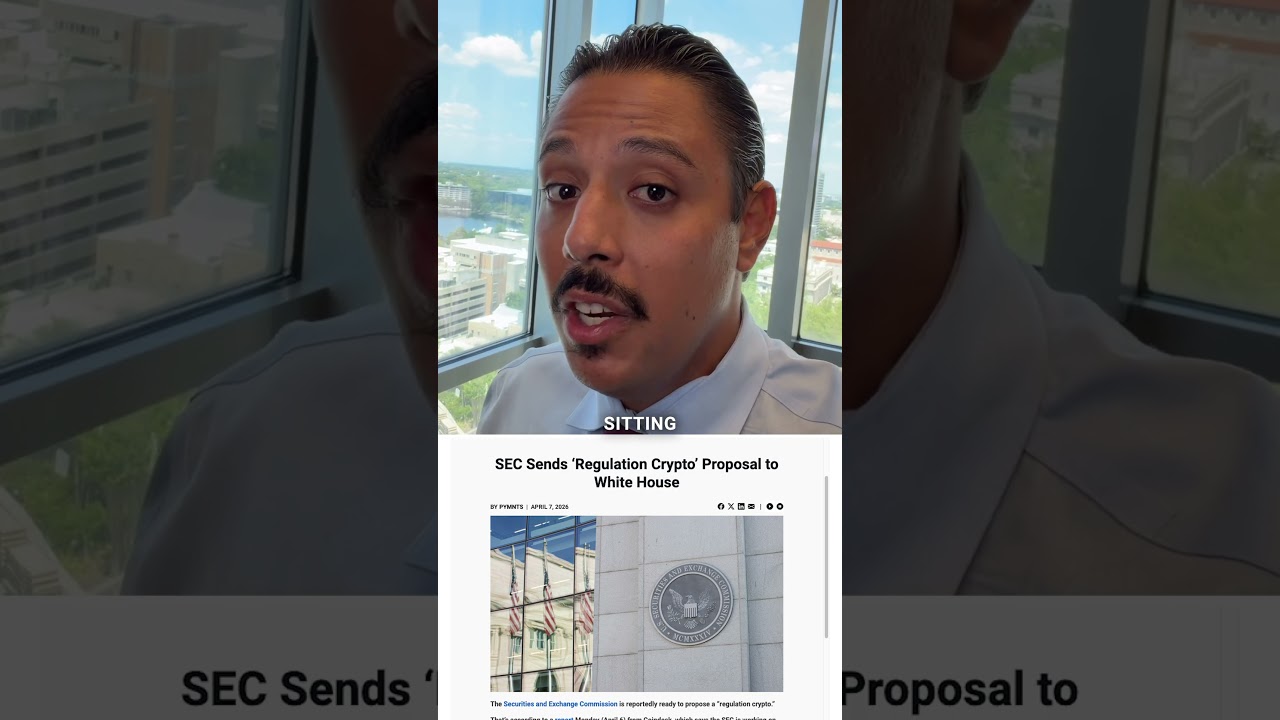
In this commentary, the speaker explains the SEC's April 13 policy change that exempts crypto websites and wallet providers from broker‑dealer registration for five years, provided the protocol operates openly in the United States and publicly discloses the team’s legal name, jurisdiction, and other information. The speaker argues that this exemption forces DeFi teams to reveal their identities, creating a permanent data set for regulators and investors. While the loss of anonymity may reduce rug‑pull scams, it could also slow innovation because many developers prefer to stay hidden. The rule creates a new credibility signal: projects that opt into the exemption will appear on a “credibility list,” giving retail investors a clearer way to assess accountability before buying tokens. Consequently, the speaker shifts the focus of altcoin research from pure chart analysis to deep team vetting, outlining a detailed verification process based on team background, education, and operational behavior. He offers a free, comprehensive altcoin checklist to help investors apply this methodology.
Chapters
Anonymous crypto projects in DeFi just died and it's officially over. This one SEC rule might make you reconsider or rethink your entire altcoin research process. I know it made me reconsider everything. So it all started on April 13th when the SEC said crypto websites and wallet makers no longer have to register as broker-dealers for the next 5 years. On the surface, it looks like a gift to DeFi, right? Because we're getting regulation. But they missed what the actual exemption was. To qualify, a protocol has to operate openly in the United States. That means the team puts their legal name, their jurisdiction, and their disclosures on record publicly. And keep in mind, this is with the Security Exchange Commission. By like 2031, when the permanent rules drop on exactly what's happening with broker-dealers, the SEC will already have exactly who was in the room the entire time, who was building the projects. That's actually really important because that's a massive data list. Combine that with the fact that there's something called Reg Crypto sitting right now in the White House that's basically giving short-term regulation to crypto. It's kind of a recipe for a disaster. It depends on how you look at it, right? To me, when you take out anonymous actors in crypto, there's probably going to be less scams. That's my personal opinion from what I've experienced. I have a very hard time buying into anonymous projects. But then also you slow down innovation because a lot of people don't want to put their face out there. What typically happens is there could be a bad actor that launches a coin with an anonymous team. They operate outside of the rules. Obviously, they rug pull people and nobody can really do anything about it right now, especially you get rug pulled, there's like no way to get your money back. And that's been the default for the last 8 years. They just made a filter, right? So if you take the exemption, that's forcing you to identify yourself. And if you don't take the exemption, then nobody with serious capital is going to invest in your project, right? So every team that steps forward in the next 5 years is voluntarily putting themselves on the credibility list. It doesn't prove that the project is good. It just means that they're not hiding. And this is kind of a clean signal for retail to enter a project because it gives it a little bit more credibility. For the first time in crypto history, we actually have a system to tell which DeFis are accountable before you even buy the Token. That's really insane because right now you just have to look at like DexScreener and look for honeypots and stuff like that. Altcoin research is not all about charts and technical analysis; it's more about who's behind the project in most cases. The teams that refuse to identify themselves over the next five years are telling you exactly who they are, and this is where I have like a research process where we look in extreme detail into the team to see exactly how they operate and which people are most likely to succeed based off innovation, based off of their credibility, their schooling, etc., etc. And if you want the full complete altcoin checklist of like how I verify any project, basically help me turn seven thousand. Into like $8 million online. I actually give it away completely for free. All you have to do is go to the link in my bio.