"I Used THIS SECRET To Build A 9-FIGURE COMPANY!" | Kara Goldin & Allison Maslan
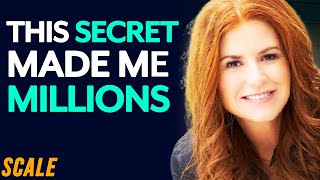
This is a YouTube video titled "I Used THIS SECRET To Build A 9-FIGURE COMPANY!" featuring a conversation between Allison Maslan and Kara Goldin, recorded around March 2021. Allison Maslan, the host and serial entrepreneur, interviews Kara Goldin, founder and CEO of Hint Incorporated, about her entrepreneurial journey, challenges, business growth, and insights on scaling a company. The discussion covers topics such as overcoming fears, diversifying revenue streams, the importance of learning, and the impact of a Super Bowl commercial. The content is an in-depth interview-style conversation focused on entrepreneurship and business scaling.
You know, the moral of the story is, I mean, we sort of stole the super bowl last year, so we did it. And so we got 80% of the country just by buying up local for less than a million bucks. When I put myself into situations where I'm learning, that is where. And I'm outside of my comfort zone and outside of the office, I'm actually a better a business person. I, I'm a learner. And then ultimately I bring a lot more information back into the team because when we're having a Facebook algorithm issue, I'm able to say, okay, are you stuck? Do you need me to go and try and, you know, network with people and ask who would I, you know, where should I go? Who should I talk to about this? Because then you can actually really be an effective leader when somebody really does need help.
How do you take the big leaps in your business when you're terrified, when you don't know what is going to happen? We're going to actually give you the answers so that you're able to take the big leaps right now. On Scale or Fail Show. Welcome to the Scale or fail show. I am your host, Alison Maslin. I am a serial entrepreneur. I am a Wall Street Journal bestselling author of the book Scale and I'm the founder of Pinnacle Global Network where we mentor business owners around the world to grow and scale and you are in the right place if you are ready to grow and scale your company. And I am so excited because we have the most amazing badass entrepreneur with us today that's going to share her journey. Kara golden is the founder and CEO of the multimillion dollar company Hint Incorporated, best known for its award winning Hint water, the the leading unsweetened flavored water. She has received numerous accolades including being named EY Entrepreneur of the Year in 2017 in Northern California and one of InStyle's 2019 Badass 50. She's the host of the podcast the Kara golden show and her first book, Overcoming Doubts and Doubters, which I've got right here, was released in October 2020. It is a Wall Street Journal best selling book. It's also an Amazon bestseller. Kara, Yay. I got you on the show.
Yay. So excited to be here.
I'm so happy you're here. You've spoken at my events now twice and I'm like, you haven't been on the show. What's up with that?
I know. Well, thank you for having me.
I'm so glad you're here. So I want to talk about the book. You have so much to share. You've built this major enterprise and there's so many business owners listening right now and they're like, man, I'm ready to scale. I want to know how to do this. So you've called yourself an accidental entrepreneur. What do you mean by that? And how do you think that's impacted your path to take hint to where it is today?
Well, people have asked me over the years things like, were you born this way? Did you always know that you wanted to be an entrepreneur? Did you hate working for people? Are you a big risk taker? You know, lots of things. And I frankly thought about a lot of those things and I didn't think that I was, I didn't sort of start off my career thinking that I was actually going to be an entrepreneur. And I was actually, as you know, at Arizona State University. We didn't know each other there, but we both went to school there and I was a journalism major with a minor in finance. And I thought that was that, that's what I want to do. I wanted to work for Fortune magazine. I moved to New York, they wouldn't hire me. And so I ended up getting what I thought was the next best thing working for Time magazine. And that was the Net that was sort of the launch of, you know, ending up. I got recruited out of there to work for a late stage company that was, I mean, it's ironic to think it was a startup at one point, but cnn and so I went there and you know, I talk about those things because it was the culture and sort of the having a founder who's still in the building. Right. It's just, it's a very different feeling and it's very entrepreneurial. And then when I moved to Silicon Valley, I worked for an idea that was a Steve Jobs idea that I didn't work for Steve, I didn't work at Apple, but there were four guys that had worked for him. So of course they brought that culture. And it was like nothing I'd ever seen in New York. It was everybody's wearing jeans and T shirts and ideas can come from anywhere. It was a very Silicon Valley esque, you know, kind of feeling. But I think that what I learned from all of these different experiences, including that company, that startup was acquired by a company called America Online. Another kind of, you know, very entrepreneurial spirit. When I left America Online, that's when I realized that, that if they can do it, I can do it. But I still hadn't gotten there because I Didn't really have an idea, which I think is the key thing in being an entrepreneur. You've got to have an idea and you've got to have a solve, right? And ideas can come from anywhere. I've always said to people, ideas are a diamond dozen. I think of so many ideas all day long, seriously, but I don't know how to solve the problem. And so that's what you need first. And so I, I stumbled upon this idea, not really looking for it, but when I was trying to get healthy and I realized how I wanted to lose weight, I had gained a bunch of weight, had developed terrible adult acne, and my energy levels were low. I kept looking at the food that I was eating, I was exercising, sort of had concerns like I wasn't doing enough. But then when I had almost given up, that's when I realized that the diet soda, Diet Coke in particular, that I was drinking so much of, I was just doing a little test and just to figure out if it would change any of these health things that I was trying to solve. And that's when I swapped it out. I was thirsty. I swapped it out for plain water. And two and a half weeks later, I lost over 20 pounds. My skin cleared up, it was crazy. And my energy levels came back. That is when I really started to look at the category as a whole and how consumers were fooled by these kind of healthy perception products like diet drinks that, you know, I thought most people are buying this because they actually think they're better for you. But that's not what I saw. So what I didn't realize when I had, you know, this idea and this, this idea for solving it, when I started slicing up fruit and throwing it in water in my kitchen, what I didn't really realize was that I was not only starting a company, but I was also starting an entirely new category in the beverage industry with no beverage experience. And I think that for me and you and I have talked about this before, I was missing this piece from my life that was really focused on learning. And that's the thing that I think so many people are missing. I'll even go out on a limb and say that I think happiness often is even a sort of check in, is figure out are you learning in your existing situation. And if you're not learning, try and figure out how to learn. If you've got your own company and you're sort of running it day after day, should you be innovating, should you be going and learning in some way? If you're at, you know, an old company, and you're trying to figure out, like, maybe you're managing a ton of people, but you're not learning yourself. Try and figure out how to inject learning in. Because when you do that, I think that you may also start a. Not only a company, but you may change a category and just. But the learning, being a lifelong learner aspect, I think is really, it's a mindset. It's also, I think, amazing how it motivates you.
You know what?
That is so true. I've been thinking about that recently because when I learn something new, I get fired up. And I was talking to a guy last night. I was actually on Clubhouse, and I was leading a room and a gentleman who had a very lucrative company, been running it for many years in the real estate industry. And he's just like, I'm bored. I do the same thing day after day after day. And I'm thinking that would be, you.
Know, that just sounds awful to me, like, existing.
To be honest with you, I think it's the pole for Clubhouse. Why you're seeing so many amazing people on Clubhouse right now is it's this place where it's fairly easy to go learn. Right. And they may not articulate it that way, but I think that it's. It's this place. Place where, I mean, you could technically go on and go into a chat room or join a group, but it's not real time. It's not right. There's just different aspects where you're going to meet people that are not really. You didn't even know you needed to meet them. Right? That's the, that's the beauty. You didn't know you were going to meet that guy. He didn't know he was going to meet you. And yeah, again, I think it's. There's something there where it sort of adds to that, you know, lifelong learner thing that I think more and more people are starting to talk about. And, and you are a perfect example. And, you know, as you mentioned my book Undaunted, I mean, you're somebody that lives undaunted, but you're. You're constantly sort of like living a life where you put yourself into positions where you are a little uncomfortable and taking your business to new levels and starting, you know, new, new groups that maybe you haven't worked with before. Teens, as you were mentioning. And, you know, I'm sure there's a little bit of fear in there as well, where you're just like, you know, hopefully this will work. I think I know what I'm doing. Right.
Well, we all kind of do that, right?
Every, like, well, I hope this works. I'm going for it, you know, But.
I think that that's an important thing that people do need to know that fear is. Is real. And I think that we. That we become resilient by putting ourselves into positions. Fear doesn't just mean that, you know, some scary person scared you around the corner. That can happen, too. But fear for the most successful people is. Is really being in a situation. Maybe it's even managing during the pandemic and sort of recognizing how you feel about something and what you did, and not only what you did successfully, but. But also what you did wrong. Right. I think that oftentimes, I mean, just managing. I'm still the CEO of my company managing during the pandemic. I mean, we knew Based on the 2008, 2009 financial crisis, the first thing I did is said at the end of March, I want to go raise money. And I remember my CFO saying to me, how are you going to raise money during a pandemic? Everybody's, like, sheltering in place right now. And I said, I'm on Zoom and I'm going to get on Zoom. People were just getting on Zoom. I mean, it was just. And so we did. We, you know, went out and just did it. But again, standing still and not figuring out and asking yourself, what can I do? And going and trying knowing it might not work out is exactly what successful entrepreneurs do. And if it builds, the more of these times that you go through, you become very resilient. Maybe you look like a fearless risk taker, but I'm sure there's points along the way where you thought, I don't know, this whole thing is going to work out. Right. But then you look back and you're like, oh, my gosh, it turned out much better than I even thought.
It's scarier to me to stand still.
Like, the thought of, like, let's take.
This out seemed way scarier to me. That's why we jumped in right away and started doing the virtual events, because I was like, well, we. We kind of keep. Need to keep this going here, so I'd rather do it and it totally flops than just sit there and wait for things to get disrupted. Right? You can. And so that leads me into, you know, I mean, you. Since you and I met the first time you spoke at my event, this has been, I don't know, five years ago, maybe now your business has grown Dramatically hint has. And you've got other lines now, but what have been some of the bigger hurdles for you where, like, some of the growing pains that you had to go through.
Yeah. One of the stories I talk about in the book that I think has. Has really, you know, is definitely a major, major, I guess, point in the timeline for a lot of reasons, but also one that I think a lot of people have gained learnings, I certainly have out of it. But we got into Starbucks, and we. I remember the day very well when we learned we initially were sort of shooting for a test of a couple hundred stores. And then they came back and they said, could you guys handle 11,000 stores? I thought, oh, my God, you know, it was gold.
Right?
It was such a great day. And then, you know, I thought I was so smart. I, you know, said to the Starbucks team, so what is success? And, you know, great question to ask, and what will you guys look at us as, like, being successful so we'll be. Remain in. And they, you know, told us, and after six months, we had achieved that. Felt pretty good. After a year, we were doing double that amount. Felt great. By a year and a half, we were almost triple that number. So I'm feeling really confident. Everything's great. And then all of a sudden, we get this email from the new buyer, and she said, can we hop on the phone? I was like, sure. And she's like, I'm so sorry. I have some really bad news for you. And I said, well, can't be that bad because we're doing triple, you know, the amount of business that we were supposed to be doing with you all. And she said, so we changed business strategy, and this is coming from Howard Schultz's office. And we are. We're discontinuing your product because we're going to be. We need room in the cold case for sandwiches. And I was like, no, you can't. You can't do that. I mean, we're doing triple the business. And. And she said, unfortunately, we can. And I said, when's this happening? She said, two weeks. Two weeks. And I had inventory that was going to go bad. I. I had investors. I mean, I don't cry very often, but I cried at that point, and it was a lot. And so then I was, you know, went home from the office. I thought, oh, my God, what am I going to do? Right? And at that point, still trying to figure out what to do, I was recognizing sort of the glimmer of hope, which I always, you know, what. What did I learn? From this, but also the glimmer of hope, which was that Starbucks had not only paid us for all of the product that we had had in stores to date, they had exposed us to a number of consumers. And so if, if we, but the problem was is that we didn't know who these consumers were because Starbucks wasn't sharing the emails with us. Right? The stores don't share the emails with us. And again, I had, previous to launching Hint, I had come from tech and so I understood about data and et cetera, but I, you know, sort of had accepted that that was, you know, the way I do business in this world. And so then just by coincidence, and I got an email from Amazon and there's a new buyer at Amazon, they're starting this new division in grocery. And so reached out and I was all ears because I had all this inventory. And the first thing out of his mouth was, hey, I've, I buy your product every day when I get my latte at Starbucks and I buy a BlackBerry Hint and I would love to have it in our store, our grocery offer. And I said, oh, that's great. I didn't know if I should tell him that we had been discontinued at Starbucks or not. I didn't. And so instead I sold him. I said, I can send a truck today if you can just wire me some money. And he did. And I'm thinking, oh my God, hopefully he'll not figure this out. And we became one of the number one products in grocery pretty quickly. And then about a year later, I was having the meeting with the new buyer for Amazon and he said, you know, your product is really interesting. Unlike other beverage companies, a lot of people are buying your product and also buying kind of health related items, including diabetes monitors and kind of healthier foods. And I said, oh, that's really interesting because that's why I developed the product. I mean, I developed it to actually get myself healthier. And I said, would you mind giving me some of those emails because I really want to reach out to the consumers and get a better understanding. He kind of chuckled. He said, jeff Bezos isn't going to give you those emails. And I said, what do you mean? I mean, of course he will. And he said, do you get emails from Whole Foods and Target? And I said, no, but they're retailers. And he said, we're a retailer too and you're not getting emails from us. And he said, you sell the product to us. And I said, but it's my brand. He said, no. And I remember getting on the Southwest flight going back from Seattle to San Francisco, just thinking, wow, just like this light bulb went off in my head. And it was at that point where I thought, okay, what can I do? How can I get what I want? Then I need to start my own direct to consumer business. And I mention all of this getting back to Starbucks because we launched a very bare bones direct to consumer business after a year with Amazon. And I remember my board saying, wait a minute, why are we doing this? We sell on Amazon. And I said, because we want the data and we want the connection with the customer and that. And I mean, I said it over and over and over again. And there were many doubters there and, you know, non believers. And I had to just keep going and, you know, break through and do it really cheaply and economically, whatever. And today that business is over 50% of our business today is through our own website. And I go back to Starbucks and something that I'm a huge believer in that people, you know, some people say, you know, forget about the past or, you know, doesn't matter. And I've always felt that everything actually matters. Right. You don't have to hold on to things, but you learn from them. And so what did I learn from going back to Starbucks? First of all, Starbucks, I think got us into Amazon, which ultimately helped us to really control our destiny. I'm thankful. If I was having a glass of wine with Howard Schultz, I'd say I'm super thankful for that experience because it didn't feel comfortable at the time. It seemed like a huge challenge, a failure, all those things, but it actually led. As long as I was open to thinking about, I didn't stop. I just had to go and figure out how to run my business and not destroy the inventory. And then the other piece of it was that 40% of my overall business was in Starbucks at the time. And the fact that I was allowing that to happen, that somebody could just wake up one morning and say, you know, strategy change. Okay, now we're doing this, was just insane to me. And so today, you know, I'm very cautious. It's part of my journey. I am very cautious about allowing, you know, any sort of element of my business, not only sales, but also suppliers. Like, allowing somebody to be too important to your business is very dangerous.
Yeah. You know what, that is such a good point, Kara.
Right. And it's not that you have to be mean to them or anything. It's just when you have options.
Yeah.
And it's not just business, it's Life. Yeah. You're able. And sometimes you just, you know, you don't know. Maybe it's not your first choice, but you have to, at some point get Zen about, you know, it's meant to be. And I mean, certainly, you know, there are probably a lot of people saying, allison, you can't do your business virtual. You can't. Right. And you just kept going and you tried and you learned, and there were elements that you, you know, didn't even realize were actually going to be more successful along the way. And so, again, I think that that is. There's a lot of learning, but at the end of the day, all the dots connect.
Yeah. So many things that you said. I mean, just so many things. First of all, diversification is so critical. And, you know, we have a lot of clients that want to get into the big box stores and all of that, which is great. But number one, your margin is smaller and you don't have the ultimate control. Right. And so anytime, like, I like leading my own events rather than being on someone else's stage because I can set it up the way that I want doesn't mean I won't do that. I do. But you definitely want to have different, you know, different revenue streams, different ways to reach your customer.
Totally.
And so that. That is really, I think, so brilliant what you did.
And I don't think stores are going away, by the way, too. I mean, when I talk about direct to consumer, I, you know, people are always asking me, is retail dead? And no. But during a pandemic, if my lifeline was stores, I mean, those are the people that are really hurting today because it was, you know, on and then off. I mean, I look at restaurants today. I mean, we both live in California. I mean, it's been really tough. Right. And I've. I know many restaurant owners and, you know, again, you have to look at this year and figure out how do I innovate in a way that's going to allow me to survive? And if you look at your life that way and think, I mean, this 2020 was a huge year for us, but we were also the beverage of Silicon Valley in offices. So when Google and Facebook and everybody else closed down in March, we lost 15% of our overall business. If I wouldn't have had these other revenue streams. We had, you know, talked about our business as three revenue streams going into our company. If I wouldn't have had those other two, that would have been a huge problem. And I hope that those corporate food service businesses come back, but they'll come back in stages. Right. It'll be a different world. But having said that, how many people who, for example, work at Google that are now working from home, missed drinking, hint at Google? And now I know who those people are and I'm able to communicate with them. And by the way, they go to Costco and they go to Target. And if they see our product in those stores, maybe it's cheaper, maybe there's a different flavor. They pick it up and they buy it.
Yeah.
And that's great. And I love that.
Yeah, no, it was super creative, super bold that you did that. I love that about you. Kara, you also did a Super bowl commercial last year. You know, just things that, I mean, you know, you've got a good size enterprise, but generally those companies that are doing super bowl commercials, you're talking about, you know, Coca Cola and Dorito and.
Right.
So, yeah, you did that. So I have a question about this because, you know, people are like, well, how does she come up with these ideas? I mean, do you brainstorm with your team? Do you, you know, sit on the.
Beach and, you know, with a margarita.
Like, what do you do to tap into.
I read a lot, but I think, you know, look, anytime that you're building a brand, I think the super bowl is something that is. It's almost a joke initially, like, maybe I'll do a Super bowl commercial, like one day. And then I remember I used to work at CNN and I was working in advertising, and I ran into again, things all happen for a reason. I was at a conference and I ran into somebody that I used to work with, you know, 20 years before. And Laura just said, oh, my gosh, she's at NBC. She's, you know, doing great. And we exchanged phone numbers and we were chatting a little bit. And then I reached out to her on one Sunday afternoon, just had this idea in my head and I said, who? I don't even know what network the super bowl is on. I mean, it was. I was super clueless. And I said, do you know who's. I heard inventory is. Is sold out. But I'm just curious, like, is it really true that a Super bowl ad is like 5 million bucks or something? And. And she said, yeah, you should talk to my friend over, you know, at the network. And so I did, and they were sold out. And then just by connecting and asking the questions, and that's when he said to me, you know, I bet there's some local advertising. And I had sort of forgotten about it, but I was a Quick study, because I used to work in this. He said, you know, in the major networks, they save a little bit of inventory, and it actually, in today's world, looks exactly like the national ads. You can't really. Way back when, they used to look a little, you know, more, you know, archaic and. And not sort of at the same level today. You really can't tell the difference. And I was like, oh, that's really interesting. So he connected me with somebody, and, you know, the moral of the story is, I mean, we sort of stole the super bowl last year, and again, it just kept getting funnier and funnier. We had an ad already done that. We didn't know what we were going to do with it. And. And, I mean, this whole thing went down 10 days before the super bowl was on. And so the other thing that I learned about, you know, in my previous life is that, you know, you're sitting there with inventory, and you want to get rid of it as fast as possible. Right. And all of a sudden, TikTok. Right. Every single day. And so at this point, we're like three days before the super bowl, and we hadn't made a decision. It was still too expensive. And so I said to my head of marketing, I said, let's just go in and just. Super low. Ball. Ball it. He said, oh, come on. They're never going to go for it. They're almost sold out. And I said, no, no, just do it, because I don't care. Like, I know what my walk away is.
Yeah, exactly.
Right. And so we did it. And so we got 80% of the country just by buying up local for less than a million bucks.
Yeah. That's insane.
Insane. And, yeah, the thing you always. I feel like you always learn something that you didn't expect to learn. So when the super bowl, we didn't know. We knew that we were going to be somewhere 15 minutes before the halftime and after halftime, and we didn't really know. They don't tell you anything more than that. So I thought, oh, we'll probably be the first, because everybody wants to be close to. As close to halftime as possible, because everybody's sitting there enjoying their chips, and, you know, they show up even if they're not watching the game. And, I mean, we were. We were. I think that we were two. Two spots away from the halftime. It was so beyond perfect. But when our commercial aired, my phone actually got hot. It. It was blowing up all over the US with people who. Friends of mine that were just like, oh, my gosh. Because I didn't tell people because it all happened at the. And. And the number of people, not only friends of mine, but also our employees texting saying, you know, how proud they were. And, you know, and. But also it said that the underdog showed up. Right to your point. The Doritos and the Pepsi. And then all of a sudden, wait a minute. What? Hint has got a commercial?
Yeah, I know.
I was so excited when. When I saw that. Did you see. I'm just curious. Did you see a bump in sales from that? Did you. Could you directly correlate?
We did. We, you know, we. It was interesting. We not only saw a bump in sales. Sales online because again, we had our direct to consumer people went to drink hint dot com. But the other piece of it was that because we didn't do a national buy, I think it's still absolutely crazy. The press doesn't cover people who do regionals. And I was trying to get press like a day before, and they said, yeah, you have to do a national buy. And I said, isn't there a story around the idea of kind of getting it for 80% of the country for less than a million bucks? I think it's a big deal. And they said, yeah, we just aren't allowed. The writers were like, we're just not allowed to cover it. And so truly, nobody knew that we were doing an ad. So everybody was a little surprised. Where's Hint in this whole thing? But then afterwards, people started to call and ask for more information on it. And in addition to that, the buyers at the retail stores started calling because they didn't know it was a regional ad. They just thought, oh, my gosh, Hint is doing a Super bowl ad. I mean, I'm my boss. Yeah. If I don't actually, you know, have this. And so it was. It was just really exciting. And, you know, we. We sat out this year just, you know, the world actually, frankly, just. We didn't have a new spot, you know, a little crazy and that. We had a pretty big growth year, so hopefully we'll be back next year and.
Yeah, I don't know, I might do it with you, Kara. I think you've inspired. I spend half that on Facebook ads, so there you go.
Right? I mean, it's just. It's really great. And, you know, it's pretty cool now. You know, you just put it on the list of what you've done and. Yeah.
Yeah, exactly. Let's talk about the book. Okay. First of all, love the COVID You look absolutely beautiful and powerful. I love the title. What inspired you to write the book Undaunted.
So I was doing a ton of speaking and. And really spending way too much time in some cities that, you know, we had distribution in, but there wasn't a whole lot to do. And. And so I started writing and journaling. And for those of you who, you know, haven't tried journaling, I really just started writing and writing and writing. And suddenly I had. After four years, I had about 600 pages in the journal. And, you know, I never. I call myself an accidental entrepreneur, but I call myself an accidental author, because even though I was a journalism major, you know, there's some people who have goals. One day I'm going to write a book that wasn't me at all. And in fact, I. You know, I think when I was part of your book, I mean, I just didn't. I knew a lot of authors, and I had sort of been a part of the many books, but I just didn't. It just wasn't what I was going to do. And. And then finally, I mean, the journal essentially was kind of giving myself prompts along the way after people would ask questions when I was out speaking that Q and A at the end, and then I would think, oh, that's right, I had that other. I should have answered it that way. Or I had another example along the way. So I'd start to write these things out and just think, you know, kind of cue myself to how I might answer it if I was ever asked that question again. And that's when I realized I had all these stories, especially in the audiences that I was delivering these talks to, that I thought, gosh, it's kind of sad that not everybody can hear some of these stories, because they could really help a lot of people. I started to hear on social media, people would say, oh, I heard you talk at Allison's talk. And it really helped me. And I thought, that's a powerful thing. I mean, first of all, if you can ever do something like start a company or work in a company where you're actually helping people or maybe just join a nonprofit or some effort, right? It's a very powerful thing. It's actually, you know, to hear somebody say, allison, you've really helped me. Right? I mean, it's. It's super powerful.
It is.
And that, for me, started. I mean, that. That's been the journey with hint, where people have said, you've really helped me to get healthier, enjoy water, whatever. So I didn't really think it would be. I thought that it, it would help people that maybe weren't at these conferences. I had no idea the emails and sort of the pride that I would get from people saying, wow, you know that story where, where you know, you're like getting kicked out of Starbucks or you're almost running out of money or you're, you know, you had no idea what you were doing and, and you just went and tried and you went and did it and what's the worst that can happen? I mean, the thing that people are picking up on these quotes and they're putting it all over social and it's just, I mean, it's amazing, right? And again, it wasn't my intent was to help a small number of people, but I mean, and then in this world that we're living in now where it's not even, I mean, there aren't as many live, live conferences either. And so I've been doing my whole book tour on Zoom and I just did two talks this morning in London and I mean, I haven't even been savvy enough to sort of go and figure out how do I grow that? I mean, obviously the book is available on Amazon and Audible and so people are able to get it. I did one in India yesterday. Because the thing is, is that entrepreneurism, it's not about just being in the U.S. but maybe the U.S. is a little bit more forward thinking, especially as it relates to women and entrepreneurism. And so it's the fact that a woman who is also a mom for Gen Zers, right, and is able to go and launch this company and not only found the company, but still be the CEO of the company and is talking about her challenges, her failures, her fears, her, you know, but she just kept going, right? And she kept doing it. And some days she stopped, right? And she said, I gotta take a break. And then she came back. And that story is universal. It's global. It's like, so this is a book that is not just about, you know, Yeah, I read. It was fine. I mean, people are telling me they're going back and reading it three, four times. And so it's, it's really, I mean, it hits my heart, right?
And it's not just. It's a fantastic book. So any of you that are listening, absolutely. Go get undaunted. There's so much there, there's so much wisdom. I mean, how many, how many people, right?
You.
And I hear this all the time, are surrounded by people and I know, I experienced this, that say, this is never going to work, you know, like, who do you think you are? I mean, I had all of that, and. And just think, if you would have listened to those people, we would not.
Either of us.
We wouldn't be having this conversation right now.
Well, you know, it's interesting because I think about it as it relates to your business. When you go back and look at those people that actually have shared with you, consumers or attendees or however you want to look at it, and you remember those conversations and how they tell you, you really helped me that having that connection with the consumer, no matter what business you're in, whether it's services or coaching or you've got a physical product, I now look at that as something that I don't. When there's a dark day, you need those people who are saying, I don't know what doubters you have out there. And this is a lot of what I talk about in the book. But I kept going back to my consumers and the ones that were writing to me and the ones that were calling me and saying, you're really helping me drink water. I have a number of consumers who have shared with me that they found our product during cancer treatment. And so one of my investors, I mean, ended up meeting me at a barbecue, and she asked what I did, and I said, oh, I founded this company. And she almost fell out of her chair. She said, your product actually helped me to know that I could get through cancer. I mean, how crazy. And again, I'm not making health claims. But she. She got to. I mean, that is her connection with the brand. And so it's so, again, I think that you end up. You end up doing something that is really helping people. I just always go back to that. You can have the darkest days. You can have so many people saying, oh, Alison, how are you gonna do this? You know, And. And it's not that you don't listen. I mean, you're human, too. That's the other thing. I mean, people are like, do you just brush it off? Do you just say whatever, just ignore them? No, not really. Everything kind of sinks in a little bit, right? I mean, it does, as long as you're human. And maybe you become more resilient, but the more these things that you've been through, and also looking back on those times, I. I think that that's another thing. I look back on history and times when, you know, everybody thought, like, look, Cara, you've got a couple thousand bucks in the bank, you know, in 2008, 2009, it's not looking good. And I You know, was like, okay, let's go. I mean, let's go figure it out. Because I'm gonna go down with a fight. If that's what it's gonna, that's what it's going to take. So the more of those things that you go through to call it resiliency, call it, you know, risk taking, whatever, it just makes you stronger.
It.
So does it, so does. We were just talking about this at my event this last weekend. It's not that you have to have all the resources. It's about being resourceful, like just getting.
Creative and figuring it out.
It's that figure it out muscle, you know, even though, like, you don't have the answer, you have no idea how it's going to happen, but you're just determined to figure it out. And I think what I've seen in you, in the articles, the interviews that you've done and the conversations you and I have had, you are a mission driven entrepreneur and so am I. And I think it's so interesting because your life changed, your life changed from what you did back in the day in your kitchen with the water and the fruit. And I think that because this is a heart centered journey and you are helping people and you're building a company and you're helping your employees and all of these things, there's so much reward all the way around. Totally. I do feel like that is something that is fuel for your company. I mean, I've witnessed that in you and I think, I mean, my guess is that that's a lot of where your energy comes from.
Well, I think that the other piece that I'm really hearing that people are getting from the book is that so often people, I think C Suite executives and entrepreneurs and leaders are sort of painted as this. Nothing bad ever happened. It just. And even if you don't necessarily think, think this, that's what your audience thinks, that, oh, they got lucky or. It just. Everything was great for Alison right along the way and she never was scared. She just, yeah, you know, had the.
Single money, single mom, no money, no.
Right.
And so I think that that is what really, you know, spews from this book too, is that I don't hold back. I mean, I, you know, talk about our failures, our fears, our Starbucks story, all of this stuff along the way. And what I'm hearing, actually this probably a whole different conversation, but particularly from millennials, I think that, you know, I'm part of as you are Gen X. Right. And there's a lot of Gen XERS that aren't really, you know, in the mind of the millennial, that they were sort of told, go to the best schools, live in cities, take debt, go and do all the stuff, and it's all going to be great, you know, and it's all going to be perfect, and it's not right. And there. There's a huge backlash. This is 70% of our workforce today are millennials. And they are really feeling that they failed, and they're nervous and they've got fears and they've got anxiety, and, you know, they're thinking, okay, I work really hard, maybe later I'll get pregnant. That's not happening. All of these things, mental health. Then the pandemic hits. And so what they're coming to me and hearing out of the book is that it wasn't easy for me. Right. And I have. And I think this is a really, really important thing for people of all generations to feel that, you know, for whatever reason, again, maybe because I'm just too close to it. I never felt that that was really what was kind of being said in the Gen X generation, but it's what a lot of millennials are feeling about our generation. And so while I'm here, I want to. I want to do what I can to lift, you know, a lot of millennials as well. And by the way, I have four Gen zers. These millennials who are unhappy are going to be managing my kids.
And.
And so I want to do what I can to actually, you know, tell people, nope, it wasn't easy. I mean, at times, I might have slowed down my business. You know, when I wanted to go to Mommy and Me classes, I definitely felt like I wasn't the best mom at times. But when my children got older, they started to participate in classes and talk about, you know, that women actually can be CEOs and that you can be a visionary CEO. There's not one definition of a CEO, like, things that they had learned along the way that I didn't intend on teaching. But as, you know, children are sponges. So, again, I'm happy that I did what I did. And I, you know, really made the decisions that I made, but accidentally. But I also want to share those stories along the way, that there's not one way.
Yeah, I think, you know, your kids are going to be inspired by the action you take in the world. Right. And that's. I remember I had, in 2018, my husband got really sick and was in the hospital, and it was really serious, and I had a big event in 10 days. And I was on the phone with our event, our event team lead, Barry, who, you know, literally sitting in the hospital, and I had hundreds of people signed up to come. I'm in the hospital planning this event. And, you know, it was a big part of our company. I mean, there was just. Right. And so here I was on stage, my daughter was there. She was working for me at the time. And, you know, we got through the event. My husband ended up, you know, getting well and all of this stuff. But she came up to me later and she said, mom, when I saw you on stage, I learned in that moment that when the hard things happen, you pick yourself up and you. You do what you need to do. You know, like, I couldn't have said that. Like, she knew what emotionally, that what I was going through when I was on stage in the back of my mind and worrying about my husband. And so. But she saw that I went on anyway, and that was huge for her.
Totally.
Yeah.
And it was a major lesson for her. And, you know, and it's, it's, you know, what they get from it. So again, I think that there's just, it's all part of the journey. There's so many things that people are picking up from the book. That was not my intention, but it's, you know, is sort of extra credit.
Yeah. It's just, it's such a great book. I do have one question that I do want to ask you because I do think that business owners get stuck in the weeds of the day to day of their business. Like, they're still doing tasks and, you know, running errands and doing their accountant and counting and, you know what I mean, the things that they don't have the freedom to then get out and work on the business, you know, they don't realize it's happening. What do you. What advice do you have for business owners that are kind of. They feel like they're in the trap and the business is running them instead of them running the business?
Yeah, great question. I, you know, I think that the main piece that I've learned is it's really important to know every aspect of your business as a business owner, including, you know, you mentioned doing the books or whatever. Understand that stuff, because I think that the best entrepreneurs today are the ones that know a little bit about everything. Right. That they know enough, as I always say, to get me in trouble. Right. When I can. When our algorithm is getting screwed up on Facebook, I have a network out there where I can, you know, go and Talk to people. If I don't actually know, I'm a quick study. And so that's important. But also when you get to a certain stage, start to really ask the question, what would happen if I actually hired somebody in who wants to do this every single day and dedicate focus, because that is so important. And so maybe you're not ready to go and spend the money today to go higher, but I think that's one of your goals, is that by the end of the year, I want to figure out how I can rejigger some other parts of my business in order to make this thing happen. Right. And you talked about, you know, spending time outside of the business. What I found too, and it sort of goes back to this lifelong learner. I used to think, especially going into an industry that I wasn't really, you know, part of. Right. I had such a hard time because I try and talk to all these people in the beverage industry and they kind of would, you know, count me out. Right. They were sort of depressing at some point because they were just like, oh, you're this arrogant tech executive. Which I'm. I was never arrogant, but somehow they like to label me that way. And I just, I thought it was depressing. And it's sort of like, you know, you, you know, pick the company that's actually going to value you or whatever the saying is right. For me, I felt that I could actually go and ask questions in industries. For example, getting into stores, I would go and talk to food people and who were not beverage people because they wouldn't view me as competitive. And I would talk to them about what I was doing. And not every. Not all of them, but some of them, I would start to network with more of them. And then, you know, even we're a healthy product. I remember meeting JJ and early on, and she loved our product. And she would talk to me about nutrition. I was very interested in nutrition, too. And then suddenly what I realized just to having a natural conversation with jj, she had a ton of knowledge, right. And I thought, wow. And then I was asked to speak at one of her conferences. And then I'd start, now I met you. Yeah. And I, you know, and part of her unicorn club. And, you know, and again, I think that I. Those weren't planned, those interactions, but what, you know, looking back and kind of connecting the dots, what I've learned is when I put myself into situations where I'm learning that is where. And I'm outside of my comfort zone and outside of the office, I'M actually a better business person. I'm a learner. And then ultimately I bring a lot more information back into the team because when we're having a Facebook algorithm issue, I'm able to say, okay, are you stuck? Do you need me to go and try and, you know, network with people and ask, who would I, you know, where should I go? Who should I talk to about this? Because then you can actually really be an effective leader when somebody really does need help.
Right? Yeah, because. Right. And I like what you said is when you get someone in that can focus on that thing, like, you might know pieces of it, but you can't do it all because you're going to be diluted in your efforts to. When you're working on the business, you can build those relationships that you can, you know, one day, oh, my gosh, that relationship could really open doors for you. Well, this has been so awesome. Every time I talk to you, it's, you know, there's always so many gems that you drop. What's one piece of advice, Kara, that you could leave with the business owner listeners today?
I think, look, you've already gone out and tried and you're building your business, but I think just know that as long as you continue to do what you love doing and you try to, you know, innovate along the way, I mean, I think that the thing that I didn't really realize when I was starting my business again, kind of tapped into this was I kept thinking that it was me that didn't know it and I had to go learn. But the reality is, is that when you're starting a new business, so often you're starting something where it's unchartered territory. Right. And it's a little hard because people haven't done it. And you're going to have doubters along the way and, you know, people don't have all the answers. So you just have to really look at it as your journey and one where you are a seeker. Right. You're going out and you're seeking and have fun with it. And just know that six months down the road, you're going to gain progress just by going out and being open to being a lifelong learner as well. And just don't look under the same rock that everybody's looking under. Think a little differently and maybe you'll make a mistake. Maybe it's not where you're supposed to be going, but then you'll also learn that that's not where you're supposed to be going. And doing and just keep, keep at it and look around, you know, not just in your general perimeter, but maybe open that circle up a little bit more.
Yeah.
That's fantastic. Well, I love this. I always learn something when I talk to you. It's been wonderful to get you on the show. Definitely. Everyone grab this book. Undaunted.
You will love it.
It's a also a great gift to give others as well. It will inspire your friends, your, your, your children.
And if you haven't tried, hint, water too.
Yes. And by the way, water.
Yes.
So good. We love it. We love it. And so, and so does my team. So it's also, this is amazing. So thank you all for listening to the Scale or Fail show. I hope that you enjoy it. Enjoyed this. And if you want some information on getting support, direct support to grow and scale your company, definitely check out pinnacleglobalnetwork.com and until the next Scale or Fail show, get out there. Elevate yourself because you are worth it. Bye, everybody.
Bye, everyone.
If you want more business insight and inspiration, check out the interview I did with Dan Young right over here, right now.
If you're not taking advantage of all these opportunities out there, you know this window is not going to come around for another decade. But we're sitting right in the middle of the greatest opportunity of the decade.
More from Allison

There are 90,000 marketing agencies in the U.S. but 99% aren't worth your money.

Would you leave your comfort zone for the sake of your business? #businessgrowth #scalingbusiness

Are you willing to trust the process to grow your business? #businessgrowth #scalingstrategies

He Built a $150M Company Without Taking a Single Dollar of Outside Capital | Erik Huberman




Wing Lam has run Wahoo's Fish Tacos for 38 years and his hiring rule is simple.


