Nobel Prize Economics: Beat Market Randomness, Get Rich! #shorts
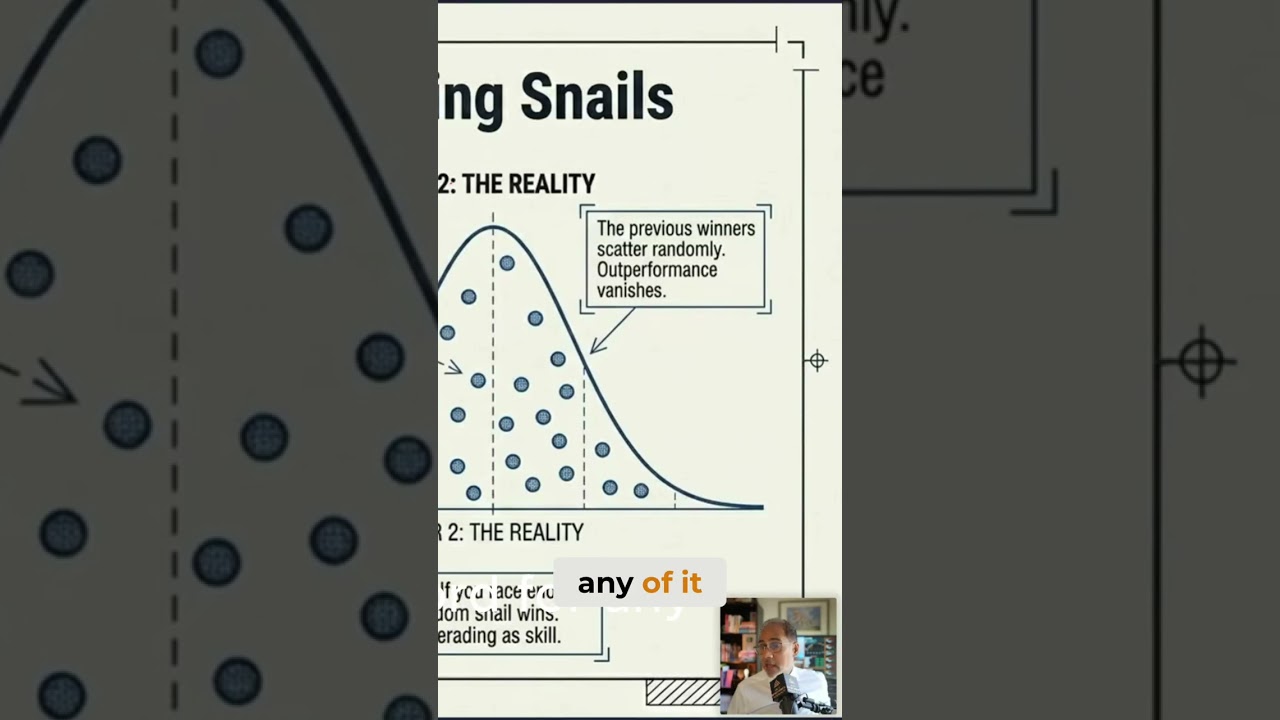
In this short monologue, the speaker argues that large fund managers suffer from excessive diversification, spreading limited capital across hundreds of stocks and thereby diluting returns. He cites Eugene Fama’s Nobel‑winning research on market efficiency to suggest that much of fund performance is random and that the industry’s marketing of short‑term “snail wins” masks this randomness. The speaker explains the concept of “forced buying,” where investors who place money in funds become indirect owners of many small positions, incurring drag and reduced nimbleness. By contrast, individual investors who hold a modest number of stocks directly through a broker can act quickly, rebalance, and avoid the friction of fund structures. He advises a long‑term, concentrated approach—holding positions for 12 months to several years, likening investing to buying a home that is not flipped quickly. The core message is that inoculating oneself against panic and boredom, and staying the course with a focused portfolio, offers a realistic path to wealth.