Alpesh B Patel OBE argues fund managers and wealth advisers avoid recommending cash because they earn fees on invested assets. When interest rates are rising, cash becomes prudent as declining average prices deepen market falls. Understanding the interest-rate regime helps determine whether to shift to cash or stay invested.
Chapters
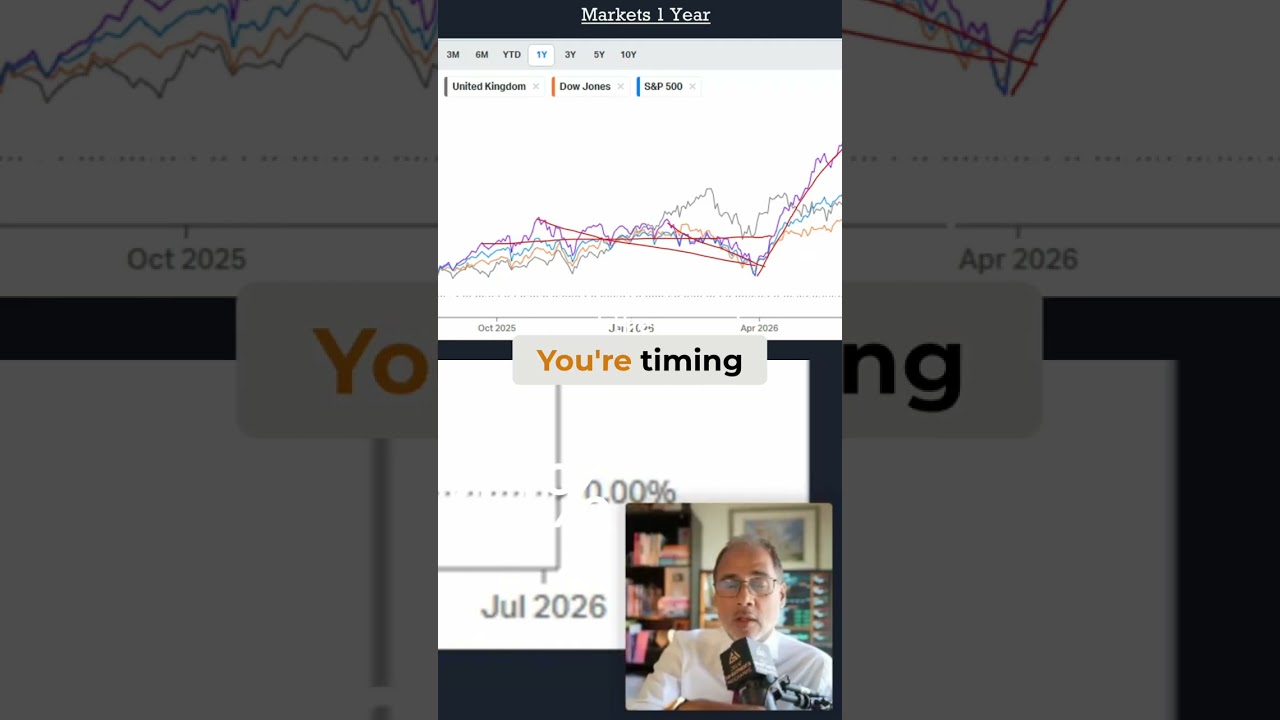
There wasn't a single fund manager or investment trust which went into cash during that period. Not a single IFA in the United Kingdom or United States or wealth managers said to their clients, go into cash at this period. Go to my YouTube videos, I did. Why? Because they didn't because they get paid if you give them money. If you hold cash, they don't get paid. So, not a single one of those buffoons told you to go into cash in that period. Go on my YouTube videos, I did. Why? For a very simple reason. This pattern, if you think, well, how do we know? We can't be bothered going to your YouTube. Well, go look at my books. I tell you the same thing. Why does that work? Well, it's average prices. Is it guaranteed to? No, it's not guaranteed. It's not voodoo. What it is, we know declining average prices when interest rates are set to rise causes a deeper fall. When interest rates are not set to rise and there's falling prices, then you'll get a short sharp shock like that, which was tariffs, that which was Iran, or that which was COVID. If interest rates are set to rise, it'll be longer, more prolonged, and you might want to go into cash. If they're not set to rise, then you don't need to go into cash because it'll be short and sharp. But you might go into cash because you're just worried. You don't like falls. Okay? Big, slow. I hate these more. I hate that period more.