Navigating Change Resistance During an ERP Implementation
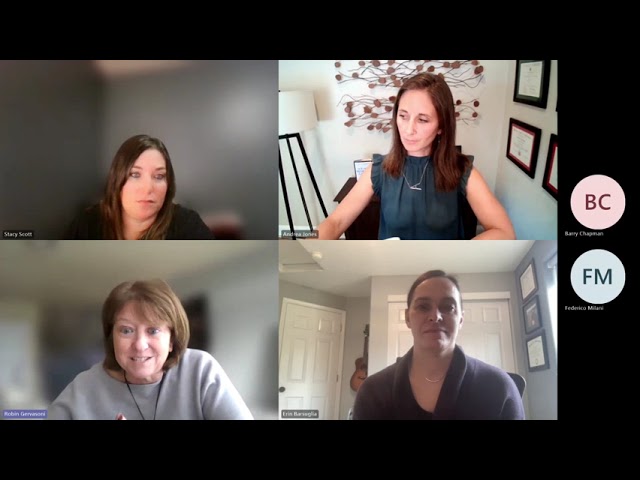
In this recorded panel, host Andrea Jones (AJC) sits with change‑management specialist Robin Gervasoni and VP of Operations Erin to discuss how organizations can successfully navigate employee resistance during ERP implementations. The conversation begins with a market overview, noting a post‑pandemic surge in ERP upgrades and a forecast that the ERP software market will reach $78.4 billion by 2026. They explore the typical emotional reaction of staff—panic, fear of job loss, and change fatigue—illustrated with a pre‑pandemic case study of a $40 M, multi‑state company moving from a legacy DOS‑based system to a modern ERP. The panel outlines a disciplined change‑management framework that includes stakeholder assessments, steering committees, core change‑agent teams, and a detailed change‑management plan. Key tools highlighted are communication templates, FAQs, manager talking‑points, and a readiness‑assessment model tied to the ADKAR framework (Awareness, Desire, Knowledge, Ability, Reinforcement) with a 0‑to‑5 scoring system. They also discuss risk‑impact assessments, the importance of first‑line managers as “salespeople” for the change, and the need for continuous, drum‑beat messaging to build trust. The discussion closes with advice on handling multiple simultaneous organizational changes (e.g., acquisitions, hiring drives) while documenting future‑state processes. Throughout, the panel blends practical anecdotes, data points, and actionable steps for enterprises undertaking large‑scale system transformations.
Chapters
Also, and I did start the recording, so I'm Andrea Jones. This is AJC, and we do a lot of change management with system implementations. Like Robin was saying, we've been in business since 2006, and we have been doing work for companies. We started in the Pacific Northwest. We've expanded nationwide really through the pandemic, working with businesses of all sizes on systems of all kinds, but primarily ERP. We aren't experts in any one system. Like, we don't only do Dynamics or only do NetSuite or only— in fact, we're working with another industry partner, but we aren't only in that industry. We'd like to, we'd like to stay a bit agnostic so that we can ask those questions you were just saying, Stacy. You know, sometimes you assume things when you're in industry, and if, if you don't have that experience and you need somebody to ask the questions, we're happy to be the one to do it, right? Like, let's just make it all super clear. What's the worst that could happen? You say it and everybody's like, yeah, of course we should have you know, we all do it that way. But if it wasn't said and it was something that was missed, then that could be a problem. So we're happy to kind of be that party that comes in and asks the questions because we really don't always know everything about your industry and everything about the new system, and we kind of like to keep it that way intentionally. But we also really, really focus on not only efficient project management, which is, you know, getting that data migrated, testing appropriately, making sure that all of the conference room pilot issues are ironed out, or, or etc. But we also work on effective project management, which really leads to change management. And Robin was saying a bit earlier, and she'll introduce herself here in a minute, that what effective management means is all of the end users and everybody who's going to be using this thing at the end of the day, if they don't absolutely love it and they're not super jazzed, at least they're willing to give it a go and they're willing to try. They're desiring of the new state. They understand why they're doing it. why it's going to be helpful for not only the organization, but their own jobs personally, and why it's necessary, and they have the tools and the training to be able to do that. So that's what effective management means to us. So, Robin, would you like to introduce yourself?
Well, I think we've already met, but I'm Robin Gervasoni. I've been with Andrea Jones 3.5 years. I had to look it up. Loving it. Every day is different. My background has been running internal communication teams, and I kept hearing about this change management, change management. What is that? And I realized it really was the same thing that I had been doing, but it gave more discipline and better tools to help people get from one side of the change through to the other, with hopefully with higher adoption. So how do we transition our employees and our teams through these challenges. That's kind of what I've been focused on. So, and like Andrea said, worked with a lot of large companies and smaller companies, as complex as you want. We rolled something out for a large pharmaceutical company globally to many countries, and we had a lot of resistance, so we can talk through some of that. But then also some domestic companies with various branches or different lines of business or products. So that's a little bit about me.
Yeah, and Erin is our VP of Ops and she's here to kind of moderate our chat and moderate our question and answer box. And so we'll, we'll get moving. Erin or Robin, why don't we get started? You know, one of the things you and I have been talking about lately is it does seem like there's some sort of trend in people doing ERP now. So I'm curious to hear, you know, kind of boots on the ground, what are your thoughts on that?
Yeah, I think we've noticed a huge uptick in ERPs. A lot of companies wanting to upgrade their ERPs or get one that they've never had. Part of the reason, what I'm reading is with the pandemic, a lot of companies had to go remote, working remote, and they were not able to do that because they didn't have the system in place. And then with all the changes happening in the economy with inflation, shortage of labor. The global supply chain has been dealing with a heck of a lot shortages. How do they fill these orders? And having a system that will allow them to be agile enough to be able to make those shifts is really key. And one system, it's NetSuite, they predicted that 50% of companies will soon be acquiring or upgrading or even buying a brand new ERP. And they expect the ERP software market to reach $78.4 billion by 2026. So you're not alone, Stacy. A lot of other companies are doing this for good reason. Makes a lot of sense. Right.
So this is happening. You're not alone. We know that this trend is increasing. And when something goes in as comprehensive as an ERP, Robyn, I'm curious to know, what do you think the sort of first level of sentiment is from the general employee base when they hear about, hey, we're going to rip out that system you've been using for the last 30 years and give you something else?
Well, and Stacy, feel free to chime in because I'm sure you're hearing a lot of stuff at your organization. Typically it's panic, like, holy cow, how are we going to do this? And I've had a lot of employees really dig their heels in and they get resistant with change. What we found with, uh, during the pandemic, uh, people had a lot of change happening in their personal life with people getting sick, losing jobs. So that was a struggle. And then in their work life, having to work remote was another whole thing that they had to try to juggle. So, um, during the pandemic, people got really sensitive to change and they can only take on so much change. Also, leadership teams were like, how much can you throw at us? Like, there's only so much change an organization can take on, but these companies had to deal with a lot of different stuff happening in the market. So we've had it not only from employees but also from leadership teams.
Yeah, and I'll just chime in with the story, and Erin is actually a part of this one. Um, I think it was actually pre-pandemic. We were working with a $40 million plus company had some 7 states worth of offices and they were trying to update all of their processes first for low-hanging fruit and then they were going to get a whole new system because they were in that old— it was a DOS-based, you know, F3, F4, F5 system. They actually gave us a demo of their system in the process mapping session. So we did do that. Here's what you're doing today. Here's what you could do in the future. Here's what you could change, you know, low-hanging fruit in the next 3 months. We also did that, but then the whole system implementation obviously took a lot. a lot longer. But I remember we did the future state map and we had all of the, you know, the data moving from one place to another with nobody re-manually typing it in. And you actually didn't have to print out this, you know, 2-inch thick stack of paper to schedule your drivers around these regions, and you could do it electronically. It would automatically do it. It would know based on addresses, you know, where people should go and what order and what sequence. And I remember one of the, one of the women who was a customer service rep in, I think, Idaho, Raise her hand and she told me, she's like, and she was probably, you know, maybe 4 or 5 years away from retirement, but she says, looks like in this new system I don't have a job. And I remember like, okay, right? So I can see how you might think that a lot of the things you're doing today, we've just demonstrated that we would love to have them be completely automated out. But I, I asked her, I said, well, you know, let me ask you a question. And actually, let me ask everybody. I said, how many of you would like to retire someday?
Right?
And, you know, all the hands in the room go up. And by the way, there were no recent college graduates in that room. They was all pretty seasoned employees. Like, okay, so how many of you would like to see this company go under when you retire? Of course, nobody raises their hand. And I'm like, how many recent college grads do you think are going to be super jazzed about coming out of school and pressing F3 and F4 and F5 in your DOS-based system? And, you know, they all kind of like started laughing. I mean, it was sort of funny, but But clearly, you know, they realized after that, like, actually, we do need to do this for the sake of the business and the sustainability. And if we want this organization to be able to continue, and then I also said, you know, by the way, this beautiful system we put up there, and you were just saying this earlier, there's so much potential out there. It's not going to happen overnight. Please don't think it's going to happen overnight. It's going to take a long time to even find the right software. It's going to take a long time to implement the right software. And then there's going to be a whole lot of phase 2 backlog things to do. to continuously improve and use all of the amazing tools and capabilities the software will have over time. So nobody's job is going away anytime soon, and that really helped that company.
We also, we have a client who, of course, we hear the same question. I'm not gonna offer value because the system's gonna do it. And the client had not been focused on the customer experience. So they said, you know, we may be taking some of these redundant tasks away from you that you don't even like doing anyway. And we're gonna ask you to service the customer better. And with the ERP system, they were able to text the customer where they were never able to do that before. So they wanted these people to shift a little bit their focus of what they were gonna be working on, but it added way more value and made their customers happier. So there's a lot of benefit to show when you install a new ERP.
So I think that's a great way, Robyn, of overcoming that resistance before you even maybe select a system or start that implementation process. But, you know, if you're already either in the process or you are about to start it, you've done the upfront work, what is the approach you would recommend to go through change management during an implementation?
Yeah, so, and then Stacy, I think we mentioned this, we have this kind of disciplined structured approach that includes First, figuring out who are your stakeholders. So doing a stakeholder assessment to say, wow, this is a complex project. We have these products, these product managers, these locations, and just get it all down and figure out who do we need to be in front of a lot? Who do— who's going to impact this if we don't get these people not only aware but trained and all that? this is not going to be a success. So just kind of writing it down and figuring it out. And then we always recommend setting up a steering committee or— and a core team. So who are the players that are going to work on this and make it happen? And improving the communication between this project team, making sure everybody's aligned. The worst thing is, I've seen this multiple times, where one department or one leader is saying this about the project and another person saying something completely different. So that truly gets your employees concerned. Like, if our leaders aren't saying the same thing about the project, what, what do we believe? And then getting all our managers on board. So doing leader talking points and really having our managers are our front line. I always call them— they're our feet in the street, our salespeople for our project. And a lot of times managers don't know how to communicate. So we Literally give them bullet points. Please try to share these with your team, and we educate them on that. And then what we do is once we get going, we, we develop a change management plan. And change management is— and I don't know if you're familiar, if you're certified in Prosci or any other change management.
Through Lee Hecken Harrison, LHH.
Oh, yeah.
Yeah, great.
So it's communications, it's change, it's training, resistance management, and getting the leaders up and running so they can help support it. And we developed that plan and it's in our back pocket. We're not telling end users anything about it. We're telling the project team, here's our game plan and here's how we're going to go about it. And then it's a huge amount of listening to the feedback and bringing it back in. So we'll have core team meetings and we will bring in and we'll say, you guys have to tell us what's going on. What are you hearing out there? What are people worried about? And then we're addressing it together. We're developing FAQs. So everybody's answering it somewhat the same. They can say it their own way, but we're saying the same thing from a contextual standpoint. And then a huge part of it is doing assessments. You know, are people aware? Like, we tell people, hey, we're coming out with this new ERP. A lot of people don't listen to that. A lot of people are busy doing their day-to-day jobs. And we, we always say tell them multiple ways, multiple times, and different ways. Sometimes what we'll do if, if groups are confused where to go get the information, we will tell them, we'll come to them and we'll say, this is where you're going to get the latest information. We expect you to go to this SharePoint site, or whatever it is, or we will email you, but it's up to you to figure this out and be aware of it. We will do town halls, whatever it takes, but we'll also do these assessments, readiness assessment. It's one thing for you and the core team to say, yep, we're good to go, we feel like we've got this. It's another thing to have the people that have to use the system say, yep, we're good to go. We have one client right now And one part, one segment of the audience is like, we are nowhere near ready for this. You have to slow down. So what we're doing is we're saying, okay, ERP vendor, come give them additional training and coaching to make sure they feel confident. Because if they're not confident and we ask them to go out and train end users, we're going to be in a huge jam from that. So that's kind of the steps that we use.
Yeah, thanks, Robyn. And, you know, I tend to be fairly analytical about steps and knowing if they're working and what you can do based on them. So I think the thing about the assessment, the readiness assessment, is— okay, I'm just going to geek out a little bit. Like, on a scale of 0 to 5, where 0 is you've never even heard about this new thing happening and 5 is like, oh yeah, I can do this in my sleep, I love it, right? Really, you're never going to get to 5 before you implement because they aren't using it yet. So that's an after implementation. Step that you're going for, but you align each of these sort of 1, 2, 3, 4 stages with the ADKAR system. So I'm aware, I want it, I feel knowledgeable and ready to go, I'm ready to adopt it, and that would be a 4, and that would be the ideal case. But so to Robyn's point, you can assess different groups at different points throughout the project. And if you, for example, gave them their first line of training and you mentioned these people are coming out here in December, this would be a great time to do it. I would assess them right before they come out. I would assess them again afterwards and get number scores of them and be like, hey, how ready do you feel? Are you at a 2 where you know about this thing and you're kind of excited about it, but you really don't know how to use anything? And then the goal would be after the training, they're at a 3 where they feel reasonably knowledgeable about how to do their job in the system. And then you also give yourself like a numerical target before you go live for really for the whole audience, but of course your, your most impacted audience the most. Like if the C-suite is going to be the recipient of reports, but they're not in there transacting you know, orders or anything like that. Like if they're super not ready, I mean, they should be ready for what they need, right? But they may or may not need to be in the system. But if your customer service people don't know how to transact orders or can't issue invoices or whatever it is that they do, and they're telling you that right before you're about to go live, that's a problem. Hopefully you've assessed them enough and you can come up with, well, I expected them to be at a 3 at this point in time because we just finished all this training and they're still at a 2. And to Robin's point, in that case, You have some real hard data and you can go to certain key people and say, what do we need to do better? What's going to work better for your group? Or how about if we bring in the vendor again, or if we, you know, get you guys in a sandbox and do some specific instructor-led training or whatever it might be, your plan can kind of say, based on these steps or these milestones within the project, we're going to provide this level of change management preparation and we're going to assess people to see if it's stuck. And then we're going to respond in real time. and communicate that accordingly. So we've seen that work.
One thing we also do, which I kind of went through that quickly, but we do something called a risk impact assessment. And I literally was just on a call today with a client, and we look at what are the common risks, uh, with an ERP implementation, no matter what industry, what business. And we compare and we say, have you thought about data? If your data is not accurate, people may not trust the system. And we go through what are the common risks. And then we look at, as you start getting feedback, and Stacy, sounds like you already know some of your risks, then we take it up to the steering and we say, heads up, we have mitigation here. This is what we're doing. Do you feel like this is enough or do you want to give us other ideas? And we are constantly having that conversation. So it's not a shock if the project If at the last minute we're like, you know what, we don't feel that we're there, they are already aware of the risks. They've been watching it with us as we go. So it's a good tool. And, and it's also, we use it not only for ERP, but any large change in a company. So we could, the HR manager at this company's like, I'm using this for when I increase rates on benefits to see how well it's going, you know, what issues we may, we have.
So that's awesome. Robin, so I wanted to ask you, we are talking about overcoming resistance, but even beyond that, like, why do people resist, especially if the company has done a lot of work on here's why we're doing this for the organization?
Yeah.
You know, the example I gave before, we're not gonna be able to hire new people if we don't get out of the Stone Ages, you know, with regards to systems. Why would people still resist?
Yeah. So what's interesting is I learned this early in my career. People resist when it impacts them directly, right? So it's funny, from being a communications person for so long, when I would change— when there would be a change to the cafeteria menu, I would get a ton of calls because it's food. It's a basic, basic thing that people need. So, if you're going to— if people are afraid of their job, losing their job, that's significant. That's impacting them financially, right? Or if they're gonna get a new job, that take— that's a pride thing. Like, I may want to always be an accounts payable person. I hear what you're saying about now I have this new role, but I may not want that. So, also, like, you change their location, they get upset. So think about it. We have, and I think Stacy, you mentioned you have a lot of people that have been there a while. I've been in the same role, let's say, for 20 years, and I've been using the same computer system and the same processes. And now somebody's saying they're gonna— they're not efficient enough, and we need a new, you know, shiny computer to help us do it. It's overwhelming for people. It's a lot of change. So what we have to do is really help them. It's an emotional support system that we're building around this change for them. Like, we have to come out and be really clear. What are we doing? Why are we doing it? Not only why are we doing it for the company and our customers, but how does it make their job easier or better? How can they help us through this change? What do they need to do and where can they go to get their questions Answered. Those are basic, basic questions. And with no matter what change it is, if you answer them, they're going to feel like, okay, I can get my head around this. A lot of people, if they don't have this information, they panic. And what we found is they automatically go to the rumor mill. And the rumor mill is not where you want them to go because you've probably heard some of the rumors and they're not usually realistic. So what we do is the most trusted source in a company for information is your direct line manager. That's why I keep saying they're our salespeople. The quicker we can get them up to speed, all saying this is what's going on, and, and also being change champions. Some of it's coaching. I mean, Aaron's been there with me where I coach people and say, you know, as a manager in the company, we need you to be supportive of this. We don't need you to pick holes. It's okay for you to have questions, but let's be positive. We're moving in the right direction for the company. And as the manager, this is your role we need you to play. And here are the talking points we need you to share repeatedly with your teams. So I don't know if that's a lot, but I wanted to—
Well, you know, Robin, I was about to ask you, you know, we keep saying you need to, you need to explain, you need to give them what's in it, but who needs to? And you, you did just answer that. It's really their first-line manager. But then I think the other thing you answered before I had a chance to ask was, well, how do they know what to say? Right? And, and I think you talked about this, and I know you've done this with, with our clients, like an FAQ talking points. When they ask about this, you need to say something about that. And then when they ask about something you don't know the answer to, you still maintain some level of positive, like, hey, you know what? I'm not totally sure about that. Let me get back to you. They get to come to the next core team meeting. They get a chance in a forum in the agenda to ask those questions that are being asked to them. And then you will add to the FAQ based on this new question that everybody gets disseminated so that the messaging is consistent.
And Stacy, what we do is we truly, we don't start off with the managers right off the bat. There's a, with your implementation, you know, it could be up to a year, right? Or depending on what you're looking at. So we keep it close with the core team, and we call them our change agents or change champions. But then when we're about to turn to get end users trained up, that's when we start really getting those managers involved. So it just depends on the journey that the change management plan and where we are. That's kind of— I just wanted to share that. It's not like day one, we just met the vendor, we're not pulling the managers in.
So, so, Robin, what I'm hearing you say are some of the, the main tools are have the stakeholder assessment so you know everybody who's involved and to what level, who's gonna be affected.
Yeah.
Get the steering committee and the core team aligned, develop a change management plan that will be tailored to the organization, their actual timelines, their actual stakeholders, the processes they're actually changing, and the goals that they actually have, right? But the tool itself is a plan. Which would include a communications template, and then all of the sort of subcomponents of that with the FAQs and the talking points and the messages, and then use an assessment tool at periodic and strategic points throughout to figure out if you're actually being successful with the tactics you're deploying through that plan. Is that fair to say?
Yeah, I would say one, and it's so basic, when you're trying to help somebody get through change, I would— I always say I had challenging teenagers, so I don't know if you have that, but we could even say challenging older parents.
I can't even think about teenagers right now. I know, because I've got them and they are challenging, and I'm so excited.
Yeah. So just telling them what they have to do or what's gonna happen is not gonna work with them. So we need to spend time with them and build that relationship. Right? Same thing with your end users and your employees. Like, we need to help them see that they can have input on it. We want to hear their questions and their ideas. So we're building that trust as we go. And so I would say spending time building that relationship. If you don't have a way to get their input in, then they're going to feel like a teenager. Mom, you never listen to me, right? That's That's kind of what happens. So, or it happens to me. So, so it's, that's kind of what we're doing through this change management plan. We're building the trust and the relationship with our employees. So then they know I can ask a question. This should be fine. I feel like I'm being supported throughout this. That's all we're doing. It's pretty basic, but—
Yeah.
A lot of companies do parts of it. They don't do the whole thing. So we come in, and that's why the change plan is so key. We make sure— I always say constant drumbeat. So yes, I had a conversation with this employee, but they're gonna hear from me again in 3 months. Then they're gonna hear from me about the data. Then they're gonna hear about, about this from, you know, their manager about the training that's coming up. We want that constant drumbeat of the message.
Okay, awesome. Well, before we open it up to any questions, and then we'll call this, I do want to say one last thing that I thought about here as you were talking, Robin, which is, you're talking about, you know, consistent interacting, letting people know when you're going to come to them with the different types of change that they can expect based on the stage you are with the project. One other thing we have experienced, and it was mentioned before, you need to document your new state processes in this new system. is just to be very mindful of the volume of change happening at the organization simultaneously. So if you are doing a full ERP implementation that truly affects every single person in the company, and you're trying to do a new acquisition, and you're trying to do a financial audit, and you're trying to hire 10 new people, and, and I mean, that's a lot of change, especially for some people to go through. And we're working with a company right now where we actually are helping them document their operational processes. And sometimes the team will push back on us and say, well, we can't work with you on the future best state because we've got these 5,000 other things the leadership team has asked us to prioritize. And that's challenging.









