He Teaches Entrepreneurs How To Be The Leaven of Society | Andreas Widmer | The Pope and the CEO

Andreas Widmer, who served as a Swiss Guard to Pope John Paul II, teaches entrepreneurs at Catholic University how to integrate faith with business. He argues that entrepreneurs can be the leaven of society by living out Catholic teaching in their work, using discernment to navigate their vocation.
You know, what God loves is taking a risk on him. I've seen it so many times. God loves that. You know, God loves this whole thing about you leaning out the window for him and then you fall, he'll catch you, you praise him, you go back up the stairs, you go lean out the window again. And that's the kind of life story that he loves because it is how he created us to work with him and to rely on him.
Hey, everybody. Welcome back to the Catholic Founders Podcast, where we discover how to run your business like a saint before we get started. If you have not already, check out the Saint CEO. This is a free weekly newsletter that comes out every Monday at 7am unless I'm a little late. And it will help you to learn how to run your business like a saint. It's completely free, so sign up today. All right, Today's episode is quite special because I got a chance to speak with Andreas Widmer, who you could kind of describe as the king of Catholic entrepreneurship. At least that's how I think about him in my mind. And the reason being, he is the director of the CHIOCA center at the Catholic University of America. This is basically the business center of the school there. He also helped found the Bush School of Business at the Catholic University of America. And on top of this, he has helped create the seed program, a nice play on words there because it's cede, which is a high school entrepreneurship program that they run every summer, I believe. And he's also the author of a couple books, the Pope and the CEO and the Art of Principled Entrepreneurship. And on top of all of this, he was in the Swiss Guard, where he was the bodyguard of Pope St. John Paul II. So he's got a very, very interesting life. No shortage of things to discuss. But the main point of our conversation today was to discuss how Catholic entrepreneurs are called to be the leaven of society and how our entrepreneurship journ is a journey of us coming closer to God. Now, this point on the leaven of society, I just want to make one interesting note here. Pope Leo the 13th founded the Catholic University of America, and it is the, you know, it is the Pope's university. So they're always kind of connected to the Pope. It's very interesting that we now have Pope Leo XIV, who is very interested in discussing these items of the new industrial revolution, if you will, with AI. This whole idea of leaven, of being the leaven of society, is what we spend most of our time talking about. It's also extremely timely for Us as entrepreneurs in the world. Whether you're building an AI business or not, you will be affected with it in some ways. And Leaven, being Levin of society involves being involved in every part of society, not just, you know, one. One area or the other. So it's a really good conversation. Without any further delay, enjoy the episode with Andreas Widmer. All right, welcome to. Welcome to the pod. Andreas, how are you doing today?
Thank you. Thanks for having me, Silas. It's nice to be here.
I'm glad to have you. And I kind of hope that your cat shows up a little bit. Maybe. Maybe we'll make a guest appearance at some point.
Very good. It wouldn't be the first time that my cat shows up.
That's good. Awesome. Well, give us just a little bit of a background for people who are not familiar with you. I think probably most people will be, but for people who are not, give a quick intro to who you are and what you're doing today.
So my name is Andreas Widmer. I'm a professor at the Catholic University of America at the Bush School. Helped found the Bush School with Andrew Abella and several other folks there. And my part of it is the SIOKA center, which is the center for principal entrepreneurship. That's what I do today. The coolest thing I've ever done in life is to work with John Paul II. St. John Paul II as a Swiss Guard. And in. In between, I. I became an entrepreneur. I. I helped build companies, mostly software companies, but also I also did some strategy consulting and. And then philanthropy and emerging market development and stuff like that. But, yeah, now I'm focusing on this. We're just finishing our semester with. What do we have for this. For this calendar for this academic year? This is one of my great privileges. I. I taught pretty much 300 students at CUA, and that is just really a key thing for me right now. Next to my family, I'm married. I have a son who actually also goes. Is a college student right now. And. But I count all of these kids. I call them kids. They're young adults now, but to me, they're kids. And I sort of see that as one of the main. I just. I just love teaching and I love those kids, and I. I want to help them in a way to know things that I wish I knew when I was that age. And I'm very excited about this generation. I think you hear a lot of negative things, think this is. This generation we have today, you know, is in a way more promising than the generation that I was in.
Yeah. I think there's a lot of things to be, to be hopeful about. You know, obviously one of the people from this generation, I'm pretty hopeful, but. No, I appreciate that. I want to do a sidebar, quick. How did you, how does one become a Swiss Guard? What's, what's the process look like there?
It's looks, it's all looks. Just kidding. It's. It's interesting. It's a foreign legion. So, you know, most people don't know that Switzerland is not a Catholic country. It's a Protestant country with Calvin and Zwingli and so on. We Catholics are a minority. There was a war about it and we lost it. And so it's, it's a very Protestant country now, very secular Protestant, but anyway, so. But the Swiss Guards, as mercenaries that would go in the Middle Ages and a bit before to go fight for other heads of states or the kings and stuff, that was something that predated the Swiss Guards, predate the Protestant Reformation. And so the Pope was as, as the head of a state, as a king, had Swiss Guards since like the early 1500s, like just before the Reformation. And we, we Catholics in Switzerland figured out a way to negotiate with, with the state of Switzerland back then that we, that we could remain doing this. It's just that you have to give up your Swiss citizenship while you do it and then you can come back and get back to Swiss citizenship. So that's what I did. And the way you become a guard is you, like in any Foreign legion, you have to apply. And so I did. And there are certain requirements. Like they say, well, we're not going to train you from scratch. You have to start, you know, you have to at least have done the Swiss military, which is easy because every male has to do it in Switzerland. And so that's what I did. I went there, I went through my basic training and then I went into the non commissioned officer school, which, you know, it's the sort of a stepping stone. But then after that I left and pretty much never came back to Switzerland after that.
I guess I just, I find it interesting because, you know, you wanted to join the Swiss Guard. I'm assuming this pretty early on in your life, so you must have had a pretty deep interest in, in your faith always from the beginning. Is that accurate?
Not at all, no. I joined the Swiss Guards because, Silas, being a bodyguard is about the coolest thing you can do. That's God caught me with my, you know, I think this is very good and interesting for Spiritual discernment as well, is to say that God catches you often with the kind of desires that are not always intentionally from your side, consciously from your side about him. And for me, finding the affirmation and being cool and everything in being a bodyguard, that's why I did it. I was not moved by religious intentions. Now, I didn't have anything against the church in that sense, but I just didn't know. I didn't. Catholicism was something my dad made us do, and so I went when they told me to do. And. And so I was baptized, first communion confirmed and everything, but it wasn't a. I. I knew faintly something about the Pope, but I didn't really understand anything. So to me, the cool thing was that he. That. That I would be the bodyguard with the gun and the thing in the air and stuff.
Yeah.
So. And so that's. That's, you know, that was my motivation. And I also did not know about the Swiss Guards until I was about 17 or so. I. I heard about them in the Scouts. I was always a. A rambunctious kid, outdoors, you know, and everything. And so I. I thrived in the Boy Scouts. I thrived in the military. Not so much in school, but that's in the. In the Boy Scouts is when I learned about the Swiss Guards, because one of the older scouts, like, 8 years old or so, just came back and talked about it, and that's how I learned. I'm like, I gotta do that.
Yeah. It's kind of interesting. I just. Maybe a segue. You pointed out that sometimes God, or oftentimes God, will use our natural tendencies or interests to kind of bring him. Bring ourselves closer to him?
Yeah.
Do you think that this plays a particular role in the life of an entrepreneur, of, you know, what are your interests in business? And then kind of finding ways to bring ourselves closer to him?
Yes. With age now, I started to realize that it's not unless your desire is an intrinsically evil desire or a desire to do evil or so it's okay to follow these things and God will work with it. I'll give you a quick example, in a sense of how this works. God is not. I deal a lot, you know, I do a lot of coaching and stuff and, of course, a lot of mentoring of the students. People have this image that God is this guy who sits there and says, okay, Silas, give me a guess of what I want you to do. And then you say, like, well, how about this? And he's like, no, no, no. Warm, but not, you know, you're not on it. And people think that it's a game like that with discernment with God. It isn't. In my experience, the way discernment works is that God says, look, Silas, I gave you all of these opportunities and things in your life and your family, your inner, your own talents and non talents, and I made you so unique, I only made one in the world. Now you get to decide what you want to do. Now tell me what you want to do. And then Silas goes, well, I want to start a company because, you know, I think this thing is really cool. And God will act like your grandma or your grandpa who says, this is great, you know, and go, I'm going to be your biggest fan. I'm going to help you make this happen. Look at discernment that way, that if you have this passion, if you have this interest, then you should go with this. Because in a way, God is in that. God will work with that. And then don't be afraid of the mistakes. I could have said, oh, this is such a bad image. It's not a pure. What I had was not a pure desire, right? I didn't say, I want to go to the Swiss Guards and love and serve God and everything. God works with your pure, with your own, with your not clearly pure desires to say, you know, I heard this once, actually, my son told me that he read that apparently Tolkien once said that the way God works in history is that he plays an instrument like he. He plays a symphony together with you. And your lifestyle is a symphony. And you're playing the first, you know, the first violin or something. And God is there playing all the other instruments and, and is basically composing this as you go along. And then there you go and you, you basically play a wrong note or a few wrong notes. So you go for a spin with it. That would do dishonor even to free jazz. And so, and then what God's reaction to this is God will instantaneously rewrite the whole piece to make sense of what you just did. God is your biggest fan. It's not a fan to say, do immoral things and stuff like that, but God made you to be a saint. And God is not going to give up on you that even if you make a mistake, rest assured, God is still going to rewrite the whole music to incorporate your mistake into the symphony. That's how you approach this. And especially as a. And I want to go, I do mean all entrepreneurs, you know, being an entrepreneur is such a lonely job, such a job where you're where you feel desolate because it's like, is this really, you know, am I crazy? Because usually you're perceived as crazy because you're seeing something that other people don't. Rest assured, have this relationship with the Lord. Pray about it, but have confidence that the Lord is saying, hey, you, go for it. It's also at the end, and we can talk a bit about this. The question in discernment and the question in you having your company is not, is this company going to work out? Because that's. That may not be it. I always talk about the companies that I did that did work out, but there's more companies I tried that didn't work out. Okay. What I do now with. With entrepreneurs, with the students, but also with the people I coach at the side to, to stress the fact that what this is about your Buddha project, you're the investment. This, this next project, you're going to go after, this next entrepreneurial project. I want you to go and hurry, do this, and go in and don't hesitate and do it, because the key out of it, the key result of it will be your development into the saint that you one day will be in heaven. Right. So I don't want you to slow down. I want you to keep going. Go for it. This is, of course, all in context of don't do immoral things or things like that. You have to understand where I'm coming from with it.
Yeah.
In that context, go and do it. Yes. Take a risk. Don't. Don't risk other people's stuff. But if, if take a calculated risk. Right. Count also on the fact that as an entrepreneur, I think you may have the gift and that there's something to discern that you see something that other people don't. Like you, Silas, with this, with this podcast, you're seeing something that other people don't. It's like I always call entrepreneurs sort of as it's. They're almost like they see an extra color and so they see patterns. You know, it's like, have you ever seen these pictures, like with my cat on the Internet, they have these websites where you say what they see. And the cat, if you look at what a cat season, what I see, completely different. Entrepreneurs are like this. They have this gift. It's almost like a. Not a color blindness, but a color alertness. What you're seeing is that there's Catholic founders and you know from your own life that it's a very lonely job. And you know from your own life that there is an Additional dimension of being a Catholic founder. And you're saying, you know what? I can fill that. I can address that. I'm convinced that you can, because I think you found a niche here that is, you know, a market segment that other people are ignoring because they think, well, it's just founder or not founder. And so. And so I would trust that and go all the way and then prove it right or wrong. And then the proving of right and wrong will. Will aid in your own development, which is actually the thing that this is about.
Yeah. So I like this a lot. I never heard about it from that perspective. Obviously, this idea of sanctifying your work has been something I've heard, but I guess for people who are entrepreneurs, oftentimes there's some sort of chip on the shoulder in many cases of, like, I want to achieve something, and there's great ambitions. How, like, how have you seen people sort through this? And how would you guide them to say, you know, maybe they're somewhat interested in understanding how their faith plays a role in their entrepreneurship journey and how God is working on us through it. But how would you say this if they've already begun? How can they go deeper to recognize that it's about their journey with God rather than just their making money and financial success? For example?
Everything else is an illusion, other than you and God and maybe the other people next to you and God. Everything else is an illusion because anything you possess, you can't possess anything other than that. Right. Because everything else is sort of. It can be taken away at any. At any moment. I think this is where faith has a lot to do with entrepreneurship. And I mean, take myself as an example. I was very successful in. With some of the companies. I look at my life in a. In a spiritual way, and I know that, you know, there were a lot of people with me. I was like, the company, the Dragon Systems that we sold for $600 million. I'm not the founder of that. I was hired in. I was help. I helped run the company. I did. I took care of everything outside the United States. Eventually, we sold it. And I can only interpret that now in retrospect from my perspective and in my spiritual life. And we sold that to what turned out to be a fraudulent company. And so a lot of. I mean, we sold this for $600 million. This wasn't all mine, not by any stretch, but enough for me to say, okay, I'm done. And we lost it within three months, the whole thing. What this is, is a lesson today. This is something and you know, from somebody to the outside, they're going to say, well, he's just saying that. But I can tell you today, I think this is one of the best things that ever happened in my life. It saved my soul. And I can't speak for the other people in the company. This is what I'm saying. You got to focus on yourself, on this. That God is like a good father who says, actually this toy that's going to hurt you. Because I would have never understood what money means, what success means, what business and entrepreneurship means if this didn't happen. This is why, Silas, why I'm coming back to this saying it's actually your story. I'm teaching others what I realized in my own life of what I should pay attention to. Is money bad? No, money is not bad. I'm actually. You have a moral obligation to make a profit with your company, otherwise you're wasting resources. Right. I've nothing against that. Entrepreneurs take such great risks that they should be rewarded. An entrepreneur is. Takes less than, probably less than a percentage of the value that they create. And if that less than a percentage is a billion dollars, that's fine with me. That's not. I don't have a qualm with that. What I do have a qualm with is to. To have the right approach of why you're doing this. And I think that the serious entrepreneurs I've met, very, very few of them doing this because. Are doing this because they say, oh, I want to just make a ton of money. A ton of money people. I usually see it. Now I'm thinking don't say it, but I'm going to say it anyway. The money people are more like the people who go on Wall street and do, you know, investing and finance and stuff like this. They're the people who do the. This is just. I just need to play the numbers and something. But an entrepreneur that is going to build something is. Is inherently other directed to see something that you saw as you want to help these other entrepreneurs, you want to help Catholic founders. That's. There's much easier ways to make money than what you're doing right now. And you could attest to that. And anybody watching or listening to this, you know there's an easier way to make money than you're doing it. I know so many entrepreneurs who have gone a year and two years without a proper salary, they pay other people first. This is not primarily about money. Primarily this is other directed and then your own journey of excellence.
Yeah, I appreciate that. I Think what I've noticed. It seems there's a bit of a pattern where usually you get started and you're like, you're trying to make the buck, right? And then you start to realize, hey, you know, like, I would, I would like to do something more impactful. And then a lot of people end up kind of going up the ladder of this game, and some people just speed run the same level over and over again. But I, I really appreciate the, the perspective. You know, if there's somebody who, who has started a business and, you know, maybe they were very mildly, you know, in their faith or completely away from their faith, but they came back to their faith after their business is going. I've had some people say they become very on fire with their faith and say, oh, you know, I need to go, like, change them something about this. What would you say to those people who believe that in order to truly partake in their faith, they have to go change the business that they're building, assuming it's a successful business and, you know, there's no reason to shut it down?
Yeah, they, they, first of all, you should change your business all the time to adapt, right? But yes, faith, you know, without action, we should do just like my life. I should. I'm trying to do an examination of my conscience. We should do this every night, every evening, and the next day, fix it. There are many very good examinations of conscience for businesses. I promote something called principled entrepreneurship. And I have these five pillars that are in a sense, like an examination of conscience, if you will, that will lead to actions. Action the way I would ask for somebody who finds the faith. So I would talk differently to somebody who's not sure about it and has the two things separate, we can talk about that. And I would approach that differently. But somebody who, if you just found a faith or it just occurred to you that you should probably do something about your faith in your business. What I would start with is to say, first of all, what's first and foremost on your heart in terms of where do you think you're doing something that doesn't give glory to God in your business? And so let's say the person's. And I'm sort of thinking of the past of saying what people say. So then person, well, how would I know? Like, I'm not selling drugs, okay. I'm not creating a suicide machine or something like that. It's like, yeah, but think about this. Or as a recognition of God being the good, the true and the beautiful are your goods that you produce truly good? Are your goods truly good? The question then becomes, well, tell me what truly good is. And I would say, no, I'm not. No, you tell me. This is part of the dance with God. You tell me how your goods are truly good, or if you do a service. Silas, how is your service? How does your service that you provide, how does that truly serve? And this is sort of what I'm saying. The Catholic teaching, there's too many approaches and too many thoughts about faith that say just, I went through it when I first had my conversion. I'm like, lord, just tell me what to do, I'll do it. It's like in the military, just give me a job. Tell me which hill to fight on. And that's what I said. That's not how he works. He wants to work with us to say, well, where do you want to fight? And so truly good or truly serve? It's like you get to actually work with God on this.
Yeah, I like that perspective because it's. It's. Instead of just giving, like some kind of rule book. I mean, there's no rulebook for entrepreneurship, no matter what. Even if you're building a business, it's been built 100 times, right? It's that we are required to have this engagement with him, right? With. With God and to help him, have him guide us. And I appreciate that. That perspective. I'd like to shift a little bit. So you encounter many, many entrepreneurs, especially Catholic entrepreneurs, of course. What do you think is the main reason a lot of Catholics don't make the leap into actually starting a business?
There's two kinds. I see a lot of the students so joyful, you know, you see so many of the students finding the faith and being on fire for the faith and everything. And I say, what are you going to do after college? You know, I go travel a lot and give a lot of talks. And many of the kids have most on fire with the faith, say, well, I'm gonna go into ministry. Somehow I need to go into a ministry. Or, you know, and I'm like, well, no, you don't. You should. When Jesus sends us out and the church speaks about this very quick, very clearly, he wants us to be the leaven in society. Somebody young, with that much energy and with that many possibilities going out and being. Even just having a normal job, somewh is a ministry. And you should be on fire to go out and then be in the middle of the secular society to go into the large companies, the small companies, and go do this Thing. And then if you have the calling and the ability to be an entrepreneur, you should totally go for that. Because especially at that age, you can take risks. And this is sort of where the people take the risk. Like on the ministry side, they live on close to nothing. I mean, think of focus missionaries and things like that, which is beautiful. Okay? And they should do that if they're called to. But there's others who then say, well, I'm going to split. I'm going to go, you know, I can. And then you can make a living. So I go into this company, but then I'm going to focus on this ministry. No, no, no, no, no. Give it all. Give it all. Go in. And if you, you know, I do a whole discernment with people about finding their talents and then finding a way to be an entrepreneur and then give that all. The thing is, you can give. You can take risks when you're in your 20s that you could never do. I'm in my 50s. I can't take those risks. I have people dependent on me. And, you know, what God loves is taking a risk on him. And if you're taking a risk with a company, I've seen it so many times. Oh, boy, boy. God loves that. You know, God loves this whole thing about you leaning out the window for him and then you fall, he'll catch you, you praise him, you go back up the stairs, you go lean out the window again. And that's the kind of life story that he loves because it. Because it is how he created us, right, to be to work with him and to rely on him. And so there's a lot of. There's a lot of beauty in this, and I want to encourage people to do this. I'm thinking of stories where I'm seeing folks who have dedicated their work once they found faith, or so they've dedicated their work and their company to the Sacred Heart or to Mary and so on, and really made their promises to say, help me build this and. And I will do XYZ with this. And it's so beautiful to see that come to fruition. That's lived faith, right? And that's a part of what that I want to, you know, promote and give people courage to do this. And the younger you start it, the better.
I love the idea of just taking the risk and trusting in God. It's the same way we always talk about, you know, trusting in God for all things. But for some reason, people don't want to apply it as Catholics, usually to starting a business Right. They're like, oh, no, that's too crazy. But it's like, you know, St. Joseph, he. He just listened to God when it was called in the middle of the night, got up and left. Like, if, if one of our friends did that today, we'd be like, hey, man, are you okay? Let's sit him down and say, hey, hey, chill out. But no, I appreciate that perspective.
And look, St. Joseph, what it says at that come. At that time, he was a small business owner, and therefore Jesus was trained as a small business owner, because at that time they weren't large carpenter firms, so these were family businesses. He may have had some cousins and other people participate in that. And Jesus was trained in it, that sustained them. It doesn't say that they had benevolence and benefactors and everything that pulled them through. They were a small. They had a family business. I lament sometimes that it doesn't say more about that in the Gospels, but Jesus makes a lot of references to it. If you read some of the parables and everything, there's a lot of reference about business and both large and small in it. And I find those to be very encouraging and very trusting. There's a, there's a very good book by Father Sirica, by the way, that does the parables. He has a book on the parables that then talks about. I forget the name right now. We can probably find it out and put it in the show notes. And I, I wrote a review of the book because I found it so insightful. How do you read the parables from a perspective? I lament sometimes that it doesn't say more about that in the, in the, in the Gospels, but Jesus makes a lot of references to it. If you read some of the parables and everything of a business person or.
An entrepreneur, I'll definitely have to check that out. Let's talk more about Levin, though. You mentioned this earlier, and I think I've been thinking about this a little bit because we obviously have just recently heard of.
There's a lot of reference about business and both large and small in it. And I find those to be very encouraging and very trusting. There's a very good book by Father Sirica, by the way, that does the parables. He has a book on the parables that then talks about.
I forget about Pope Leo XIV. So coming after Pope Leo XIII, I believe Pope Leo 13 is who founded the Catholic University of America, correct?
Yep, that's right.
And he spoke specifically about people being the. Being the leaven of society. Can you Talk more about what that means to you and how we can be that.
The leaven animates. The leaven rises, you know, the bread, it rises. Our mission at the Catholic University of America is according to Pope Leo XIII and now I think also from the 14th, because we are the pontifical. You know the name right now we can probably find it out and put it in the show notes. And I, I wrote a review of the book because I found it so insightful. How do you read the parables from a perspective of a business person or an entrepreneur?
I'll definitely have to check that out. Let's talk more about Levin, though. You mentioned this earlier and I think I've been thinking about this a little bit because we obviously have just recently heard about Pope Leo XIV. So coming after Pope Leo 13, I believe Pope Leo 13 is who founded.
We're the Pope's university in America. And the purpose of it is to. To in. To. To make it. To set of. To produce or educate its best citizens, to send Catholics out into American society and make them the leaven, make them that society rise, to go imbue it with. With love, possibilities, with prosperity, with. With all the good things.
And the Catholic University of America are correct?
Yep, that's right.
And he spoke specifically about.
And the Catholic University started that first with educating priests and brothers and nuns and so on. Then they started to say, well, we need nurses.
So they start people being the. Being the leaven of society. Can you talk more about what that means to you and how we can.
Be that the leaven animates. The leaven rises, you know, the bread, it rises. Our mission at the Catholic University of America is according to Pope Leo, they start eventually architecture, sacred music, the 13th and now I think also from the 14th, because we are the pontifical, you know, engineering, chemistry, all this stuff and eventually business. Just 10 years, 12 years ago. And how are we 11 in business, in society? We, the Catholic Church has this beautiful patrimony of Catholic social thought, which is we're the Pope's university in America. And the purpose of it is to weigh, to think about what we're doing. And Pope Leo XIII started to formally write about it, but it's of course older than that. But he formally wrote about it out of the need to address the industrial revolution and to say, well, how should we think about work and how should we think about companies and private property and all these kinds of things? And the Church has a lot to say on this to, to make it to set of. To produce or educate its best citizens. To send Catholics out into American society and make them the leaven, make them that society rise to go imbue it with. With love possibilities, with prosperity, with. With all the good things. It's in a sense often called the best kept secret. And so us bringing that in those things of how we think about it, they're not exclusively Catholic. These are those encyclicals are always addressed to all people of goodwill, right. And because those are ways of how do we live together better, like how do we create prosperity in society. They're not dogmatic things, in a sense. They are deep insights that follow from what we know. And the Catholic University started that first with educating priests and brothers and nuns and so on. Then they started to say, well, we need nurses. So they start nursing, they start eventually architecture, sacred music, engineering, chemistry, all this stuff. And eventually business. Just 10 years, 12 years ago. And how are we 11 in business? In society, we the Catholic Church on the Gospels, but also follow from our out of the ministry of the Church for seeing how you know, it's almost like best practices. The challenge with the Catholic social teaching is they're not like the Ten Commandments that say, you shall do this, you shan't do that. They are a mental model. They're saying, when you think about the poor, think of them this way. Or if you're solving this kind of problem, think of it that way. The beauty. What I love about the Catholic Church has this beautiful patrimony of Catholic social thought, which is the social teaching is it is a way to form our conscience, to form our view of the world, which then still needs our collaboration, a way to think about what we're doing. And Pope Leo XIII started to formally write about it, but it's of course older than that. But he formally wrote about it out of the need to address the industrial revolution and to say, well, how should we think about work and how should we think about companies and private property and all these kinds of things? And the Church has a lot to say on this into action. So it's like the Catholic social teaching requires the human conscience and person to then digest it and then act in the situation. There is no one size fits all and say in this situation, always do that. In that situation, always do that. No, it's a situational thing and it needs wisdom and the human conscience to apply it. And that makes it very interesting, especially in the sense of a company. How do you what does that. It's in a sense often called the best kept secret. And so us bringing that in those Things of how we think about it. They're not exclusively Catholic. These are those encyclicals that always address to mean preferential option for the poor. What does it mean to have to human dignity, subsidiary solidarity, all these kind of things. What does that mean in this situation for my company today? Boy, that's rich. And I think that's the beauty of all people of goodwill, right? And because those are ways of how do we live together better, like how do we create prosperity in society. They're not dogmatic things, in a sense, they are deep insights that. That follow from what we know. 14th now is that something has just changed with AI with the Internet first and then technology and AI. It is in a way the second industrial revolution. Just like Pope Leo 13th said, okay, we got to do something about this. And what does the Church have to say on that? And I think that's now forthcoming with Leo xiv. Like what. What is a person? What's an individual conscience? Is it. Is it from the Gospels, but also follow from our out of the ministry of the Church for seeing how conscience or. Or conscious is the word. They're saying AI is like a human being. No, it isn't. AI is a person. No, it isn't a person. But the Church needs to give her richness. You know, it's almost like best practices. The challenge with the Catholic social teaching is they're not like the Ten Commandments that say, you shall do this, you shan't do that. They are a mental model. They're saying, when you think about the poor, think of them this way. Or if you're solving this kind of problem, think of it that way. The beauty. What I love about the Catholics to the world on this, and it's not, you know, the average person in America is not going to listen to the Pope. But if you do a really good job and you're in a company, they'll listen to you. That means being the Levant, that we are called to go out there and do this, be the leaven by starting a company, by doing excellent, that people say, wow, this guy Silas, he really knows what he's doing. And then you share your faith and especially in terms of saying what is good, what is true, what is beautiful. And that witness is what we're called to as laypeople. Social teaching is a way to form our conscience, to form our view of the world, which then still needs our collaboration into action. So it's like the Catholic social teaching requires the human conscience and person to then digest it and then act in the Situation, there is no one size fits all. And say, in this situation, always do that. In that situation, always do that. No, Paul, the Pope is not going to get into any boardrooms. That's going to have to be you or me, right?
Yeah.
The Pope isn't going to get into a sales conversation, but you and me are. And so that's. That's what we're calling there. Our key of our toolkit there is the Catholic social teaching. And not as a burden, but as a beautiful again, as seeing more colors.
One thing I just maybe add to this that I think it would be important to highlight is that for those who are thinking, oh, you know, there's the Church and then there's the state and these separate things, it's a situational.
Thing and it needs wisdom and the human conscience to apply it. And that makes it very interesting, especially in the sense of a company. How do you. What does that mean? Preferential option for the poor? What does it mean to have human dignity, subsidiary solidarity, all these kind of things? What does that mean in this situation for my company today? Boy, that's rich. And I think that's the beauty of Pope Lee.
Society is not made up of any one particular component. There's many, many components. And it's all founded on the idea of why we were created, to know, love and serve God. So nothing is outside of the scope of the faith. Basically, we must bring the leaven to every place. And this brings me to my next question for you. I've come across some people who, when I tell them about my Miss of Catholic founders, like, I would never want to bring my faith into my work stuff because that'd be like, you know, bringing some kind of social justice item to my. To my work. And I think that's wrong. I'm just here to make tons of money for my investors and then, you know, give money to the Church. How would you talk to those people and convince them or maybe give them some things to think about?
The 14th now is that something has just changed with AI, with the Internet.
First, how they need to find a way to make sure the faith is.
Is integrated with their business, technology and AI. It is, in a way, the second industrial revolution. Just like Pope Leo 13th said, okay, we got to do something about this. And what does the Church have to say on that? And I think that's now forthcoming with Leo xiv. Like, what. What is a person? What's an individual conscience? Is it. Is it conscious? There's nobody who doesn't have faith. That's an Illusion. Somebody says, I have no faith. Even in faith, even in science, we have faith because you can't ultimately prove anything. So faith is a fundamental human attitude. It's just that people who don't go deep enough don't realize that if you look at great scientists, they will all tell you that there's certain assumptions that we make which we don't know if it will always be like this or if it's of some. Or something is really true. Therefore, we all have these assumptions. These are conscious, is the word they're saying. AI is like a human being. No, it isn't the faith of where we believe something that we don't. We don't question. Otherwise it'd be hard. AI is a person. No, it isn't a person. But the Church needs to give her richness to the world on this. And it's not, you know, the average person in America is not going to listen to the Pope. But if you do a really good job and you're in a company, they'll listen to you. That means being 11, that we are called to go out there and do it every day, to get up in the morning and figure out what to do. If you wouldn't have that faith in something. Now, faith in God is a deeper thing, but I just want people to understand that there's nobody, especially in business, everybody has faith. And an entrepreneur needs to have a lot of faith. And George Gilder wrote a great book about that, about how entrepreneurs need to have faith. Because if you don't believe in your vision, then it's never going to happen. And our faith, our religious beat 11 by starting a company, by doing excellent, that people say, wow, this guy Silas, he really knows what he's doing. And then you share your faith. And especially in terms of saying what is good, what is true, what is beautiful. And that, Witness, is what we're called to as lay people. The Pope is not going to get into any boardrooms. That's going to have to be you or me. Faith isn't all that different from that. Like our faith in heaven. Right. Is not helpful if you're not having it. Pope Benedict talked about that. Your faith in something, your faith in having a wife one day makes her present today. It's a beautiful thing. Your faith in heaven makes it present today because you can then today start to live towards it. Right. And for that. Which. Which, Right.
Yeah.
The Pope isn't going to get into a sales conversation, but you and me are. And so that's. That's what we're calling there our key of our toolkit there is the Catholic. So gives things a lot of meaning. Entrepreneurs are like this. They behave as if this already happened and they believe in their vision and everything. Let me just say that that's right there. That's bringing faith to full teaching and not as a burden, but as a beautiful again as seeing more work. Sometimes we Christians have done a disservice to Christianity because we walk colors.
One thing I just maybe add to this that I think it would be important to highlight is that for those who are thinking, oh, you know, there's the church and then there's the state and these separate things walk around and.
Talk about our faith as if it was a constraint. And we go around and they don't want and people say no, you can't bring that here to sort of be the party pooper and say, well you can't do this, you can't do that. That's not what I mean by bringing the faith to work. What I mean bringing the faith to work is an enrichment of it. And the deeper living of your own.
Life in a society is not made up of any one particular component. There's many, many components and it's all.
Yes, there are, yes, there are rules. It's also, I mean if you start a company and listen to this founded.
On the ide why we were created to know, love and serve God. So nothing is outside.
You're not going to use slave labor, are you? You're not going to use child labor, you're not going to do human trials on Chinese prisoners or something like that. Those are all faith based.
They have the scope of the faith. Basically we must bring the leaven to every place. And this brings me to my next question for you. I've come across some people who when I, you know, tell them about my mission of Catholic founders, like I would never want to bring my faith into my work stuff because that'd be like, you know, bringing some kind of social.
Things because you believed in human dignity that somebody should not violated like that. Okay, that's completely arbitrary in a sense. If you go scientifically, it's completely arbitrary rule. Right. And so my point is pull on this and keep going to see how, how you create what is right, what is wrong. This is why my, my, my, I'm saying it's a loaded question when I'm asking you are the goods you produce.
Justice item to my, to my work. And I think that's wrong. I'm just here to make tons of money for My investors and.
And then it's truly good half. How are the services you provide? Do they truly serve how and that you work on this? If you bring your faith into. To work that way you will give.
Money to the church. How would you talk to those people and convince them or maybe give them some things to think about of how they need to find a way to make sure the faith is integrated with their business.
There's nobody who doesn't have faith. That's an illusion. Somebody says, I have no faith. Even in faith, even in science we have faith. Because you can't ultimately prove anything so factually enrich everybody around you. And if you have that discussion around the table, that's what I mean by bringing the faith in. And then these kind of Catholic social teaching principles of saying how can we bring the decisions closer to where people are actually affected by the decisions to bring in, you know, subsidiarity or solidarity? Say, how can we show to the community around us that we are actually feel a part of this community and that we value this? How do we do this? Or somebody's hurting on your stab and how can we show them that solidarity? Nobody's going to say, hey Silas, you're an ex, you know, religious freak. Faith is a fundamental human attitude. It's just the people who don't go deep enough don't realize that if you look at great scientists, they will all tell you that there's certain. Get out of the room to say this person has human dignity. How do we recognize the dignity of assumptions that we make which we don't know if it will always be like this or if it's of some. Or something is really true. Therefore we all have these assumptions. These. Everybody in the room, nobody's going to say that this is crazy. You're bringing your faith to work. It never happened to me that way.
Yeah. I think it's very important in my opinion, to make the faith of where.
We believe something that we don't question. Otherwise it'd be hard.
Sure. That we never forget that the human. Obviously this goes back to laborum exertions and just the teaching of the church in general has always been that the. The human is. Must be treated as the good. Right. We are workers made for man and not man for work. Right. And we can never separate that. And that means there's certain that there are certain every day to get up.
In the morning and figure out what to do if you wouldn't have that faith in something. Now faith in God is a deeper thing. But I Just want people to understand.
That there's nobody especially consequences of that in terms of how we act as leaders in our business. So I appreciate that. One thing before we run out of time, I'd really like to ask you is about your experience working and I guess you could say some people call like impact work through entrepreneurship. Can you talk a little bit more about what you've done there and then maybe just share a little bit of the model so other people can understand how they could do an impact in business?
Everybody has faith and an entrepreneur needs to have a lot of faith. George Gilder wrote a great book about that, about how, how entrepreneurs need to have faith. Because if you, if you don't believe in your vision, then it's never going to happen. And our faith, our religious impact through entrepreneurship, it's tricky territory because my core point that I'd like to make to everybody is that if you do normal business, if you have an SME, you have a Main street company, you have a manufacturing company, you do something and you're doing that and you're saying, the goods I create are truly good and the services I provide are truly serve, and my team is pursuing excellence. You're doing more good to society by just doing that. Than faith isn't all that different from that, like our faith in heaven, right. What you could do is if you make money, then give it away because this is a multiplier in their business in itself is a good. I want you to build your companies in a way, or let me say it in the negative. It is not helpful if you're not having it like Pope Benedict talked about that your faith in something, your faith in having a wife one day, if you have to apologize or give something back after you've done business, you've just done business, makes her present today. It's a beautiful thing. Your faith in heaven makes it present today because you can then today start to live towards it. It. Right. And for that which, which is wrong, business itself needs to be done in a way that it is part of your path to holiness. If it isn't, then it's not like, I made this now and now I have to pay an indulgence afterwards. No, that's not. We don't do that. You have to fix it. Right? And so this whole idea of saying social impact, well, social impact by creating 20 jobs, 200 jobs, 2,000 jobs, that's social impact. If you, you give people this way gives things a lot of meaning. Entrepreneurs are like this, they behave as if this already happened. Of pursuing their excellence, pursuing a career. Beautiful. You do God's work, you believe in their vision and everything. Let me just say that that's right there, that's bringing faith to help people become prosperous and flourish. Now there's some social impact that work. Sometimes we Christians have done a disservice to Christianity because we walk around and talk about our faith as if it was a constraint. And we go around and, and, and they don't want. And people say, no, you can't bring that here to sort of be the party pooper and say, well, you can't do this. You can go. And you say, well, we have issues like poverty, we have PE issues like people migration, people coming out of prison and so on. It's basically where you look at a state in, as, as a state in life or a lifestyle. Like a. I call them flywheels. Where you're saying these people keep falling and they're in a flywheel that just. It's not a crisis, it's something I keep doing. Right. Then you can say enterprise solutions can't do that. That's not what I mean by bringing the faith to work. What I mean, bringing the faith to work is an enrichment of it and the deeper living of your own life. And the comp would be something to say, okay, how can I create a disruptor in that flywheel where somebody open it? Yes, there are, yes, there are rules. It's also, I mean if you start a company and listen to this, you're not going to use slave labor, are you? You're not going to use child labor, you're not going to do human trials on Chinese prisoners or something like that. Those are all faith based. That keeps going in and out of prison or somebody keeps being homeless. This is not a crisis. They just are always in a crisis. Is time limited. Right. So charity is not going to fix that. Let's look at this flywheel. I do this with some of my classes at cua. Let's look at the flywheel and find what's called an enterprise solution. A way out that creates a new flywheel that does not include jail or it does not include homelessness. And that change in that flywheel is usually something that creates economic value because apart things, because you believed in human dignity, that somebody should not be violated like that. Okay. Of any solution is always the financial sustainability of it. And that is a good thing. That's completely arbitrary in a sense. If you go scientifically, it's completely arbitrary rule because it is. You know, when we create like that we imitate God's work in creating an abundant world. That's our work is supposed. It's the imitation of God. Right. And so my point is pull on this and keep going to see how, how you create what is right, what is wrong. This is why I'm saying it's a loaded question when I'm asking you are the goods you produce are the. And God made things abundantly, right. And so if we change the flywheel and help somebody and use it and that's often in the beginning, not profitable right away because you're really helping somebody, but you're moving into this sustainability. Some people would call that social entrepreneurship. I call that principled entrepreneurship because my goal with it is to create sustainability and profitability. But it starts truly good. How are the services you provide? Do they truly serve how and that you work on this. If you bring your faith into to work that way you will out at a different one. You're leading somebody out. And it's one of the core things we do here at our entrepreneurship center at Catholic University and actually enrich everybody around you. And if you have that discussion around the table, that's what I mean by bringing the faith in. And then these kind of Catholic social teaching principles of saying how can we bring the decisions closer to where people are actually affected by. We call that principled entrepreneurship.
So in maybe another way, if I could put it this way, if you would agree with this is instead of looking at something from like a non profit or charity perspective, if you can, if you want to make an impact in that area, find a way to actually make it make money so that it self funds itself and changes the outcome.
The decisions to bring in, you know, subsidiarity or solidarity. Say how can we show comes of these people's lives? Yeah, we have plenty of examples. Like just a small example, if you say you also implement dignity. Why do people keep going back to jail once they were in jail? Because we throw them in jail and then and they were, they did to the community around us that we are actually feel a part of this community and that we value this. How do we do this? Or somebody's hurting on your stamina. How can we show them they, I don't know, they were drug dealers or God knows what and everything. And then we put them out and then suddenly they're back on the street. We kick him out of jail and the next day the guy's got to eat. So, so what does he know that solidarity. Nobody's going to say hey Silas, you're an ex, you're not a religious freak. Get out of the room. To say this person has human dignity. How do we recognize the dignity of. To do. What would you do? You do what you know. I mean, you go where you come from and you do what you know. And then of course this person is going to go back and do this again and they catch him again and put him in. How about we disrupt that? And so a good friend of mine started a program where he started a call center in everybody in the room. Nobody's going to say that this is crazy. You're bringing your faith to work. It never happened inside the jail. And so I'm going to teach you a new skill. Like you can be on the phone and you can solve whatever complaint line or whatever it is a call center. And then to me that way, yeah.
I think it's very, it's very important in my opinion to, to make you.
Start to make money already when you're in jail. And when you come out there's a job waiting for you because the call center is also outside. So you get the skill and you get a job security when you get out.
And so now sure that we never forget that the human. You know, obviously this goes back to laborum exertions and just the teaching of the church in general has always been that the human must be treated as the good. Right. Work is made for man and not man for work. Right.
You can go and rent a place to live and you can eat and you have an economic sustainability. Right. That's profitable. I tell you, the recidivism race rate, you know, craters after this because you're giving the person the way out. What are the great.
And we can never separate that. And that means there's certain. That there are certain great issues we.
Have in solving social issues is that those of us who don't have it always think the other ones are somehow stupid or, or, or not able to think. But what I learned in life is that if you were in the other person's position, usually you would probably do the same thing if you had their information, their opportunity, their life and everything.
They're not stupid Consequences of that in terms of how we act as leaders in our business. So I appreciate stupid.
But you could help them see some things that they haven't seen. You can ring a bell.
They have that one thing before we run out of time I'd really like to ask you is about your experience working. And I guess you could say some people call like impact work through entrepreneurship can you talk a little bit more about what you've done there and then maybe just share a little bit of the model so other people can understand how they could do an impact, make an impact through entrepreneurship.
It's tricky territory because my core point that I like, haven't heard, and most of all, you can give them access to things that they didn't have access to. And then suddenly everything changes. And so that's something that we Catholics, we Christians can really bring to the economy. That would make a profound change. And I hope will.
I hope that. I hope, I hope we will too. Can you. Speaking of this kind of like, like the change we want to make, can you paint what you would say is your kind of version of a vision of what let's just focus to make.
To everybody is that if you do normal business, if you have an SME, you have a Main street company, you have a manufacturing company, you do something and you're doing that and you're saying, the goods I create are truly good and the services I provide are truly serve and my team is pursuing excellence. You're doing more good to society by just doing that.
On America because it's easy for most of our listeners what America could look like if many, many Catholic entrepreneurs decide to take this seriously, to really treat the people, their customers, their suppliers, their employees, like Christ would. What do you see as the vision for what, what could be.
One key metric that would change is employee engagement. You know, the employee engagement is so low, it's like two thirds of employees are disengaged. Have you ever tried to find somebody at Home Depot to help you or go into. What you could do is if you make money and then give it away because this is a multiplier engagement, their business in CVS or Rite Aid or something and ask somebody something it's not. It's like, it's just like. It's like bird watching. Like you, you have to sneak around until you see somebody and then maybe they fly away when you self is it good? I want you to build your companies in a way, or let me say it in the negative, get there. Why not because of them? It's because, because of the whole way we look at work. If we would start to look at work as creating excellence and value for others and to look at our employees not as the problem, but as the solution. If you have to app, apologize or give something back after you've done business, you've just done business wrong. Business itself needs to be done in a way that it is part of your path to holiness. If it isn't, then it's not like I made this now and now have to pay an indulgence after to actually invest. You know, our employees are the only investment we can make that has infinite return. That's so important when we, when we talk with entrepreneurs that you, you create your culture right away. The culture isn't what you say. The culture is what you do and how you behave. No, that's not. We don't do that. You have to fix it. Right. And so this whole idea, the stuff that's underneath your words and underneath your actions and very early on we need to say this is why the first pillar in my book is clear of saying social impact. Well, social impact by creating 20 jobs, 200 jobs, 2,000 jobs, that's social impact. If you give people this way called the economy exists for people, not people for the economy. It's the same as I give the advice of pursuing their excellence, pursuing a career. Beautiful. You do God's work, you help people become prosperous and flourish. Now there's some social impact. That is to the entrepreneur to say, look, this is about you, not about this company. I absolutely hate it when people say it's just business or it's for the firm. Note that there's no such thing as the firm. There's only you and I. And so if we start to do that, the first thing that changes is employee apathy. There's even actively this game you can go and you say, well, we have issues like poverty, we have issues like people migration, people coming out of prison and so on. It's disengaged employees who try to hurt the company. Not for no reason. Like we need to set that right, understand work right. And then what you can start to do is to. It will be a revolution in how our economy works. Right now the economy is becoming more and more a power play. It's sort of this, I call it crony capitalism, which people think now is capitalism, which is not really true. But whatever this crony capitalism where I basically where you look at a state in, as a state in life or a lifestyle. Like I call them flywheels. Where you're saying these people keep falling and they're in a flywheel that just, just. It's not a crisis, it's something I keep doing right. Then you can say enterprise solutions call is very large governments that over regulates everything and very large businesses that shoot that squishes any competition and then, and then go try. It's not competitive anymore. It's not an opportunity anymore. The American dream is treated with feet. It's kicked around. The opportunity for the next generation to be better off than the previous generation seems to be escaping most Americans today. I think what we can bring would be something to say, okay, how can I create a disruptor in that flywheel where somebody like keeps going in and out of prison or somebody keeps being homeless? This is not a crisis. They just are always in a crisis. Is time limited? Right. So charity is not going to fix that. Let's look at this flywheel. I do this with some of my classes at cua. Let's look at the flywheel and find what's called to the economy. Back to the economy is to. To is to change that. One of the key principles of this is to. And here we go again is. I often criticize the financial system. I don't mean it all the way, but one of the things we need to understand what is work. And then we need to set priorities. The core of our prosperity and the core of our American economy is Main Street. It's people who actually make stuff. People who create enterprise solutions. A way out that creates a new flywheel that does not include jail or it does not include homelessness. And that change in that flywheel is usually something that creates economic value. Because apart things and then we have ancillary stuff. So the banks and the financial market and everything that should support the Main street that is no longer so we have of any solution is always the financial sustainability of it. And that is a good thing because it is. You know, when we create like that, we imitate God's work in creating. Made the ancillary, the central. We need to reverse that. I think this is one of the things that Catholic social teaching would bring to the table to say, focus on the essential and put the essential in the middle. Like put the human person in the middle of the economy. Then the finance stuff is creating an abundant world. That's our work is supposed to. Is the imitation of God. And God made things abundantly. Right. And so if we just. It's important trading in terms of like options and stuff. It's very important. But don't make it the main thing. And that's what we've done. And so it would be a transformation of the economy that celebrates the human person. Again, not I'm totally for profit and everything, but at the end, actual reward, even the actual reward of prosperity is human happiness. Right? Human. And if you change the flywheel and help somebody and use it, and that's often in the Beginning not profitable right away because you're really helping somebody but you're, you're moving into this sustainability. Some people would call that social entrepreneurship. I call that principled entrepreneurship because my goal, we put that back into the middle of our economy. I think we have a very bright future and a long way to go. There's also not this is never exhausted. What I'm painting is a picture that with it is to create sustainability and profitability. But it start is never exhausted. As long as one person can create value for the other person. Our economy, our amount of money prosperity that we can create is never exhausted. And out at a different point you're leading somebody out and it's one of the core. I think we should focus more again on creating value for others rather than trade things we do here at our entrepreneurship center at Catholic University. And we call that principled entrepreneurship.
So in maybe another way, if I could put it this way, if you.
Would agree with the or betting against each other or with our equities and everything to outdo to make zero sum games. Because when we create value for others.
Instead of looking at something from a non profit or charity perspective, if you want to make an impact, create win.
Win solutions which is the foundation of the American dream.
I think it's extremely important what you're mentioning right now because I always think about right now where we're at is on a cliff, right. And as AI becomes very, very capable, we have many businesses in that area find a way to actually make it make money so that it self funds itself and changes the outcomes of these people's lives.
Yeah, we have plenty of examples. Like just a small example, if you say you also implement dignity, why do people keep going back to jail who.
Will face the pressure to become even more profitable by replacing thousands and thousands and thousands of employees with, with no real care to them.
Yeah sure, jail because we throw them in jail and then, and, and they.
Would, they did, I'll give them some severance. But they don't really, they don't really care because they're going to make so much more money on their stock when it, when it goes up. And this idea that we, we prioritize just making money, as much money as possible over the human person to me is, is disgusting and it's very difficult for me as a, as an American. Like we got all this AI they.
I don't know they were drug dealers or God knows what and everything. And then we put them out and then suddenly they're back on the street. We kick Them out of jail and the next day the guy's got to eat. So what does he know to do? What would you do? You do what you know. I mean, you go where you come from and you do what you know.
My invention going on. I just really, I want people to think more deeply about this and I hope people listen to your words. So any, any final thoughts? You would leave us because we, we've already burned through our hour very quickly.
No, I think what you're saying is true. I, I'm with AI particularly. I'm not running away from it. I want to work with it. But I think we should go back to understanding that working is an essential part of our human being because it's how we imitate God. It's what we do. And then of course this person is going to go back and do this again and then catch him again and put him in. How about we disrupt that? And so a good friend of mine started a program where he started a call center inside the jail and said I'm going to teach you a new skill. Like you can be on the phone do that animals can't do. And anybody who thinks that we. That they're happier when they don't work, they should talk to an unemployed person and they will find out that it sucks, literally sucks the life out of you. And that work, work is not only about making money. Work is about becoming more.
Yeah, no, I like, I like that. Awesome. Well, where should people reach you if they, if they want to reach out.
And you can solve whatever complaint line or whatever it is a call center. And then.
And you maybe plug your books because you've got a couple.
Thanks. Thanks for giving me this opportunity. Yeah, you start to make money already when you're in jail and when you come out there's a job waiting for you because the call center is also outside. So you get the skill and you get a job security when you get a job out. And so now you can go and rent a place to live and you can eat and you have an economic sustainability. So my latest book is called the Art of Principal Entrepreneurship and my website is andreas-or/whitmer.com but I'm easily found if you just put in Whitmer and Catholic University. Then you probably get to our web page with the webpage at the Sioka Center. I'm always on LinkedIn is the part. It's the only social media that I really do right that's profitable. I tell you, the recidivism, race rate, you know I do myself and so people can always reach me there. I do, I have a little business at the traders after this because you're giving the person the way out. One of the great issues we have in solving social issues is that those of us who died and I do coaching usually for post revenue companies but I always like to hear from people and I, you know, I help where I can. I've. I've been in startup mode many times my don't have it always think the other ones are somehow stupid or, or, or not able to self. So I'm. We have a lot of programs for that. I created a video series called the Gospel of Work that people can see. It's on forum and so on but also on our website. There's a lot about how to think. But what I learned in life is that if you were in the other person's position, usually you discern and, and how to be an entrepreneur from a Catholic perspective. And then my first book probably do the same thing. If you had their information, their opportunity, their life and everything. They're not stupid but you could help them see some things that they haven't seen. You can ring a bell they haven't heard. And most of all you can give them access to things that they didn't have access to. Book that I ever wrote was called the Pope and the CEO which is sort of my spiritual and my path to say can I be a Catholic? The catchy way to say it is can I be a Catholic capitalist? Like can I be a free market person and be a Catholic? And the answer is in the book.
Book, yeah, I have not read that one yet. I do have it sitting next to me. I read the, the Prince Bar Art of Entrepreneurship and I really enjoyed it. But also I will say for anybody who, who might see you in person, it's pretty easy to pick you out in a crowd as well because you're very, very tall.
And then suddenly everything changes. And so that's something that we Catholics, we Christians can really bring to the economy. That would make a profound change and I hope will.
I hope that. I hope, I hope we will too. Can you. Speaking of this kind of like the change we want to make you guys, you guys will find him easily. But thank you so much for coming on, man. This has been a real pleasure. We'll have to do it again soon.
God bless you for what you do, Silas. Thanks for having me.
Everybody. Thanks so much for tuning in to this episode of Catholic Founders podcast. If you enjoyed this, leave a five star review. On your favorite podcast player and if you are not already, give us a follow on YouTube to help us get to 1000 subscribers. Be sure to go and subscribe to the same you paint what you would say is your kind of version of a vision of what let's just focus on America because it's easy for most of our listeners what America could look like if many, many Catholic entrepreneurs decidedly CEO Weekly newsletter as well Again comes out every Monday at 7am Central with a little bit of advice on how to run your business like a like a saint. It's very short and for people who prefer to read. If you're listening to this, maybe you're not that kind of person, but go check it out. And then finally, if you are looking for a group of other Catholic entrepreneurs to hang out with to learn from, consider joining our Catholic Founders peer group, the Catholic founders guild. It's $10 a month or $100 a year. Do you take this seriously? To really treat the people, their customers, their suppliers, their employees, like Christ would. What do you see as the vision for what? What could be.
One key metric that would change is employee engagement. You know, the employee engagement is so low, it's like 2/3 of employees go.
To our substack and upgrade to paid. You'll also get access to any of our paid wallet content from the past or in the future. So thank you so much for supporting this work. Thank you for tuning in and we'll see you next time.
Time.
God bless.
You are disengaged. Have you ever tried to find somebody at Home Depot to help you or, or go into CVS or Rite Aid or something and ask somebody something? It's not. It's like, it's just like, it's like.
More from Andreas





Principled Entrepreneurship with Andreas Widmer: Lessons in Leadership and Humanity

Principled Entrepreneurship with Andreas Widmer: Lessons in Leadership and Humanity



The Virtues of Free Enterprise and the Heroic Spirit of Entrepreneurs | Villanova University | 2024

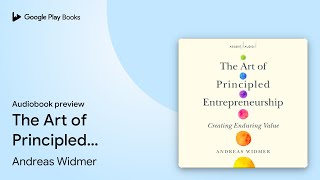
The Art of Principled Entrepreneurship:… by Andreas Widmer · Audiobook preview