Building, Growing, and Selling a Niche eCommerce Brand - Jeff Richards, Founder of Rayneta
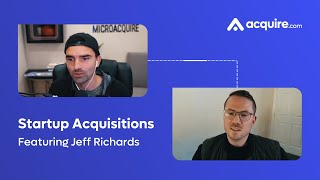
This is a YouTube video titled "Building, Growing, and Selling a Niche eCommerce Brand - Jeff Richards, Founder of Rayneta" containing an English podcast-style interview recorded in July 2023. The conversation features Andrew Gazdecki interviewing Jeff Richards about the journey of building, marketing, and eventually selling his outdoor dog goods brand, Wolf Republic, alongside insights into the acquisition process and advice for entrepreneurs. The discussion covers topics such as influencer marketing, product development, due diligence, and post-sale consulting.
All right, I'm here with Jeff, founder of Reneta. Jeff, how you doing today?
Good, good. Thanks for having me on. Andrew. Stoked to be on your podcast and yeah, this is great. Thanks.
Yeah. So we were chatting a little bit before this and just want to say congrats on. On the newborn and also the acquisition.
Yeah, thank you. Yeah, there's been a lot happening. We have a one month old. Those two things happening at the same time aren't a coincidence either. We actually sold the company knowing that we were going to have a baby. So yeah.
That it's a lot to juggle. I. As a father, I can, I can relate. So let's, let's talk about that. But before we do, do you want to give just a brief introduction of yourself for people that might not know you?
Yeah, definitely. My name is Jeff Richards. I'm the founder of Rainetta. We are an agency that helps growth stage companies grow their revenue with data driven paid media, primarily DTC brands and technology brands as well. And Wolf Republic is a company that. It's a brand, a pet goods brand that my wife and I started back in 2018 as a side project and just. You want me to talk a bit about the background with that or.
Yeah, I'm on the website now. I'm like. So I'm on the website and it looks to me like you created a really nice e commerce brand for. To help basically probably save your life if you go hiking and your dog is like a safety pack on. Yeah, the.
The focus is really. It's an outdoor dog goods brand. We started it back in 2018. We. You meant for camping and stuff like that. So yeah, it's. We branch out into a number of other products with the lead product is really the ranger pack, that harness dog backpack.
That's awesome. Are these pictures of your dog?
Yes, so that. Some of them are. We actually have doggy models. So we actually did photo shoots with doggy models and then there's a lot of photos on there that are actually UGC content from customers. So we, as part of our influencer marketing strategy, we gifted to a lot of these. There's this whole world of dog influencers and specifically outdoor doggy influencers where the. The owner is usually a photographer and they build a following with their dog taking photos of their dog outdoors. And so our. Our customer base is really that outdoorsy person with a dog. And that's probably what you're seeing there. A mix of. And the. Yeah, the doggy influencers and customers.
Tell me more about that so let's, let's go through just kind of like the timeline from start all the way to acquisition. Does that sound good?
Yeah, that sounds good. Yeah, definitely.
So how did you get your first customers? So you get the idea, I assume you manufactured the products and then now you got to sell them. And it sounds like influencer marketing was the initial strategy or was it something else?
Yeah, that was the biggest channel that we focused on in the beginning. And my wife, who isn't here because, because she's on baby duty, of course, she was the co founder in, in Wolf Republic and she, she had experience, she was working at the time for fashion swimwear brand and had influence experience with influencer marketing. And we created this ambassador program where we gifted products to these doggy influencers with a certain following in the space. And we were just gifting product to them. We weren't actually paying them any fees at that point. And then from that point, we, we didn't even ask them to post necessarily. They just started posting because they liked the product. And then we used that content that was part of our deal with our ambassador program is we would use the content and then post it on our own social. And so we built up a social following primarily on Instagram of all these cool outdoor photos of these dogs, you know, on trails, and beautiful photography from these different doggy influencers and photographers. And that's really how we initially started growing the brand after that. So we started entering into different products. We added on leashes, collars, the camp bowl, the first aid kits, things like that. All the things that, you know, an outdoor enthusiast would use with, you know, with their dog out on the trail. And we started branching out. We also started adding paid media fuel to the fire. And that's when things really started growing, is when we started adding ads, you know, meta ads, Google Ads. After we already had a strong base with our influencer marketing, our organic social, adding fuel to the fire. And then the brand just started growing. We had a few years where it doubled year over year. Over the past five years, I think we had a 75% growth rate. So.
Yeah, that's awesome. I'm looking at your Instagram page now and yeah, I can confirm you built a really big following on Instagram.
Yeah, we, yeah.
And these photos are great. Unfortunately, these products, I have a mini orchid, so yeah, I don't know if you have that size.
Yeah, any, any dog below £15 is, is there's products that you could, you could buy like the dog bandana or some other things, but Most of them are meant for medium sized, large sized dogs.
Yeah, this is so. Yeah, it doesn't. It looks like something I would wear. It's like a very nice beige. Is it, is it leather or.
Yeah, it's.
Yeah, genuine leather. Yeah, these are, this is like quality.
Yeah, it's canvas and genuine leather. We, my wife, Brittany, she, she's the one who actually really worked on the design on the production side of these products. And the idea was to make something that we would want to wear too, because there's all these products we were getting from Petsmart and Petco that were really cutesy, kind of with like paw prints and like bright blue colors. And we wanted something that we would want to wear too. And that was the idea. Is a cool design, quality product that was not going to fall apart on the trail and would last.
That's awesome. Well, your wife did an excellent job because these photos are beautiful and the product is beautiful.
Yeah, yeah, it is. It's. A lot of people comment on that on the trail. We actually just. The prototype that we started putting on our dog, we had people stopping us on the trail and asking about it.
That's so cool. I'm reading all the reviews too. This is great. All right, so let's, let's continue the journey.
Yeah.
So you got, you got your first customers. You, you built it comes time to sell. What made, what made you make that decision?
Yes. So we, of course we had the baby on the way, so that was one thing. Right?
We were. Congrats again.
Yeah, thank you. And we knew that we wouldn't have the, the time, so we actually. Wolf Republic was always a side thing for, for both of us. There was a period of time for about half a year when Brittany did work on it full time for six months. But other than that, we have our own full time jobs this entire time over the past five years. This was always a side thing. So it started growing to a point as well, where it grew to a point where it was. We were on the cusp of it no longer being a side thing where this last holiday season we spent all of our free time packing orders. We came back from visiting a family over Thanksgiving and we had over 250 orders to pack. And so we were just constantly packing orders and doing all this on the side. So it was reaching a tipping point and it wasn't quite large enough for us to, you know, quit our full time thing and start working on it full time. And it was too large for us to, you know, fit in a baby on the side with this thing. So the growth over the past couple of years was great too, and it was just a great time for us to go ahead and sell it.
That's. Well, that's awesome to hear. So you, you now you're at a point you're going to sell the business you listed on acquire.com. how did that process go? Like, give me kind of the, the good and the bad. How did the first, you know, two weeks of being on the marketplace go?
Yeah, we, we did pretty quickly get a number of inquiries and, and questions from potential buyers in the first couple of weeks. I would say one of the first things is we were thinking, you know, the interest that we were getting from these potential buyers. We were thinking maybe we should just jump on one of these because, you know, we have the baby coming in a couple of months and we're not going to have time to, like, go through this process before then. So we did start talking to both firms that were interested in buying the company and then individual buyers. And we actually received an LOI that we didn't sign immediately. And we were thinking about signing it and we talked to this buyer and it was close to our asking price and it was, you know, all these different things were lining up. But then we, we talked to one of the potential buyers was this VC shop that was, you know, buying E commerce brands. They would grow them in house, build them in house. That was their whole thing. And the M and A director of merger and acquisitions for that small shop told us that we didn't meet, you know, the exact criteria that they were looking for. But he was open to giving us advice in the process moving forward. So he kind of became a mentor, if you will, throughout the process and gave us some pretty good advice in terms of, you know, this is when you should sell, like, sign an loi. This is what you should look for. And we even went back to him and asked questions once we had an offer that we liked. And it was helpful getting advice from others. And I was, I was surprised, you know, how helpful some of the people were. There were some buyers that were potential buyers that would come in and they would ask questions and they'd be very, very quick to tell us, you know, whether or not they would be able to match our asking price or if they were looking for something else. But we're glad that we listened to advice and held out until we, we did eventually match with who became our, our buyer, because this, this buyer was great, was a great fit they had.
That's my Next question. Hey, yeah, you're taking from me, Jeff. Well that's great to hear. And I, I always recommend, you know, getting to someone in your corner when you're going to sell your business and we actually provide that now@acquired.com so for anyone hearing this and you get a LOI or you just want a walkthrough of just kind of the process we team that we built the, to help people with a little bit more hands on touch. So you're not alone. But when I, when I sold my prior startup, I had kind of a similar relationship with a friend. He was an investment banker and he gave me just small tips and it made all the difference. So having someone even just as like a therapist, like that's just go to bed, like just don't send that email. Just. Anyway, so what made you comfortable with the buyer? What, what about this individual made you feel like this was the person that was the right person to sell the business to?
Yeah, the buyer, this buyer was, was great in that they had a lot of previous experience within the industry, within pet goods, pet e commerce. And their skill set was also complementary to our skill set. So my wife, both, my wife and I, we, both of our fields are, we specialize in marketing. And this buyer had more of product and you know, understood more of like the logistics, product fulfillment, inventory planning, that side of the business. And so this buyer came in and the offer was a bit different too. We, the offer that we got from him was actually an offer that wasn't. We were initially looking for, you know, an outright buyer that would just buy 100% of the company. But his offer was unique. It wasn't what we were asking for. But his offer included a percentage of equity that we would retain. A small percentage, 15%. And we ended up going with that because we, number one believed in the future of the brand with this new buyer and where he was going to take it. He had experience and yeah, it was, it was good vibes all around. It wasn't rushed really. And he was very helpful throughout the process too.
That's great. I mean I, I say this on a lot of the podcasts, but the majority of acquisitions that I see close and I see a lot always have some form of just goodwill where you and the buyer are getting along. There's no tension. That's kind of where deals fall apart. Like you get a really high price, you sign the loi, you both just can't get along, whatever it may be. It's so much easier when the person, you know, Admires what you build, they love what you built. They say what they're going to do and same to you. And that just makes the acquisition process flow really nicely into closing. So now I want to know about the fun part. Due diligence. How's that?
Yeah, yeah, the due diligence. Luckily, Brittany at her previous company, they went through an acquisition, a big acquisition from a large Fortune 500 company. So she was used to, you know, a very detailed due diligence process from going through that process in the past. So she already, you know, where they have like a data room and they spend months and months getting like all this information together and digging in. So we put together this. We had this due diligence tracker, a list of things that we needed to grant access to. Brittany put together this deck that had tons of information and, you know, on the financials, but also the opportunities within the brand and opportunities for growth moving forward. And so she put together this great presentation. We had this list where we were granting access to all the platforms. And it was actually fairly, fairly straightforward, the due diligence process. So that was easier than I expected, for sure.
I really liked one thing that you said, or actually multiple things. But one thing I want to hone in on is what you were doing. And you may not have thought of it this way, but you were still selling the business even though you were under loi and pointing out things like growth opportunities or just making it easier for the buyer to understand. What tools does the business run on. How could I grow this thing even further? Because you, as owner of the business, you know that better than anyone. And when you share that with the buyer doing during due diligence, that can exponentially increase the chances of close case. Something pops up. They don't like one product or something. Something always pops up in due diligence that a buyer doesn't like. But you can counteract that by, you know, sharing a lot of information about, you know, future upside in the business, things that you would do if you add another two years in the business to keep them excited. So if they find a minor issue or one number is slightly off or something like that, it doesn't totally blow up the deal. So I like how you had a presentation and kept them excited. And that also shows just good faith on you and your wife on the sell side by sharing as much as you possibly can with the buyer to make sure they're successful.
Yeah, and that was one thing that I think was key too, is not trying to oversell it or hide it. Things that were wrong with the business, because those are actually positive things. You don't want to get too far down the process and they find something. They're like, oh, how come you didn't mention this? Or what's this? We didn't know that you guys had this issue. So, yeah, being upfront with the growth opportunities and, you know, the good and the bad of the business, I think was. Was helpful.
Yeah, I completely agree. I, you know, a lot of entrepreneurs think taking their business to market, they want to show it as perfect, but it's actually the opposite. You want to show with bumps, bruises, the good parts, bad parts, because the bad parts can also be good parts. Like you just mentioned, they're things that you've tried in the past, they didn't work, or you tried in the past and you couldn't figure out how to make it work. And a new buyer hears that and they say, oh, I have experience with that. And what you're doing is you're ensuring they don't go down a path that you've already tried and doesn't work. So again, that really helps, again, make sure the acquisition closed and the buyer doesn't back out. So. Okay, so it sounds like due diligence was. Was handled well, you and the buyer are getting along great. How did you transfer all the assets of the business? Did you just ship them, all of your stock? All this. All this dog merchandise? How did that go?
Yeah, so we, The. The easy part was transferring access to the digital platforms, the website, the domain, all that stuff. The. The harder part was the inventory and we had to figure out. We had. Because we were. We had all the inventory in storage and we had to figure out how to ship this across the US because the buyer is across the US and we had to ship. We were literally packing up the inventory into a, like a shipping freight thing last minute on our due date, our baby due date, the day before our son was born. So I'm glad we got that out the door because that was a big part of, you know, before closing, we had to make sure all the inventory was sent over. And we had, thankfully, the. The buyer had experience with this too and, and was very understanding and even help, like, even coordinated the. The pickup of all the inventory because it was multiple. Multiple pallets of inventory that we had to ship over. And yeah, that was the biggest thing for an e commerce business. The rest of it, the digital platforms were. Were pretty easy.
That's good to hear. And again, your wife. Wow. She on her due date. Wow. My My wife, when. When she was on her due date would. Would not be able to lift crates.
She wasn't lifting. She was supervising me lifting. Well, all this stuff. But, yeah, she was there. We were. We were getting it all sent over before that baby came.
That works.
We.
You got it all done in time, it sounds like. So did the acquisition close before your son was born?
So it. It actually, the closing date came after he was born, but that's because the inventory had to reach the, you know, had to get across the US So that took some time, but we. We knew everything was all good as long as the inventory got there before the closing date and we were good to go. Yeah.
Nice. And so at this point, are you still doing any sort of, like, transition or consulting? You still own a portion of the business, which is great, too, in case. You know, I think I can see this blowing up. I mean, there's. There's certain categories. I'm kind of. I'm kind of ranting now, but there's certain categories where people have an irrational spend limit. And it. I think the saying is dogs and weddings and children is specifically like. I don't. I don't know if you've been to. What's that baby store? It's like the biggest baby shop I've.
I've. I've been. Do a lot of baby stuff lately.
So anyways, like, you can spend like, 300 bucks on, like, clothes that your kid will grow out of and like a month and.
Oh, yeah.
And then people actually spend a similar amount on their child as they do their dog.
Oh, yeah.
So really good niche. And then it's intersecting with, you know, a trend of. During COVID You know, so many people just want to get outside and obviously hiking and just outdoors. And, you know, people just want to be, you know, in shape, feeling good, and then they bring the dog along. And you built a product that kind of merges those two things. So that. That's, you know, that's great that you kept a portion of the business. But in terms of, you know, is there any activities that you're doing now to assist the new owner? Are you completely just there if he needs. He or she needs you?
So at the moment, we are still. We're still meeting with them to make sure that, you know, everything is up to speed. There's still lingering things that, you know. Oh, we. We didn't realize. There's this account over here that. Oh, you need. You need the login for this account. There's, like, these little things that seem to happen even after the sale that we didn't realize.
It always does.
Yeah. And then there's. We are still like in terms of the long term plan here, we will consult on the marketing side because that is our strength. Right. And I have an agency that we manage paid media for growth stage brands. And we are, you know, working with this potential. This buyer who bought the company has more experience on the manufacturing, supply chain, logistics, product development side of things. So we do plan on still consulting on the marketing side, but we're not in it day to day and obviously we want to see it grow and succeed because we still have a stake in it. But also it's our baby. Right. We, we built this brand. Even if we sold it out. Right. We still probably would have been willing to, you know, answer questions and consult on the side.
But so yeah, that's such a great story. Just you and your wife building this and then selling it as your, your son is born. Congrats to, to you and to you and Brittany. Jeff. I'm happy for you. Is there any, I guess, you know, if you were to do this all over again in terms of, you know, building and selling a business and you just had to give advice to a new entrepreneur looking to do and accomplish what, what's maybe like two or three things you'd share with them?
Yeah, I think the big thing, at least in the acquisition process is like you mentioned before, not being afraid of the growth opportunities, the places where you haven't been able to, you know, we really did well on the marketing side, but the product development side, there was a lot of room to improve things there. So those are things that buyers like to see. Actually it seems like investors, buyers don't like to come in and buy a perfect business because there's not a lot of upside if the business is all perfect anyway. So they want to get a deal on buying a business that they can improve over time in certain areas. And then the other advice, I would say, let me think for a second. I think not trying to do everything all at once. I think focus was a big learning thing for us. There was a period of time where we really branched out into a lot of different products, maybe a bit too many all at once. And then we, you know, instead of just focusing on, on what had really worked really well, we, we started diving in and getting kind of like add with like, oh, we should do this, we should do this, we should do this. And then we had all these different products being developed at different times that some of them didn't even come to fruition yet. So they really not spreading yourself too thin so being focused in, in building your business.
Yeah, I like that. And, and if you're building a SaaS company, it's kind of akin to building just more features that maybe no one wants. When you should just, you know, solve one problem really well rather than a bunch of problems just okay or mediocre.
Yeah.
So that's great advice. Well, Jeff, I've loved hearing your story and congrats to you and your wife and your family. And if you want to learn more about your story, where can they find you online?
So you can find me on LinkedIn or Twitter and LinkedIn is, is probably the best place. Twitter. I'm somewhat active, not super active, hoping to get more active. But yeah, LinkedIn and Twitter and then.
What'S the name of your agency as well is Rainetta.
So it's R A Y N E T A and we again we, we work with growth stage companies, both D2C E commerce brands and technology brands in helping them grow their re with data driven paid media.
Awesome. I'll make sure all that's in the show notes. Well Jeff, thanks so much for joining me on this podcast and congrats again on the acquisition.
Yeah, thanks a lot for, for having me and appreciate it. It's. It's been an honor. Thanks.
My pleasure.
Love what you've built. Of course with acquire. It's, it's been an awesome experience.
Appreciate it, Appreciate that. Got to give full credit to the, the team though because like you I'm, I'm a marketer. I'm not technical. So got to give 95% credit to them. All right, Jeff, well enjoy the chat and wishing you all the best. Hope to see you again soon.
Awesome. Thanks, Andrew.
Cheers.
More from Andrew



The Buyers Who Made the Move: What They Bought, How They Did It, and What Happened Next






