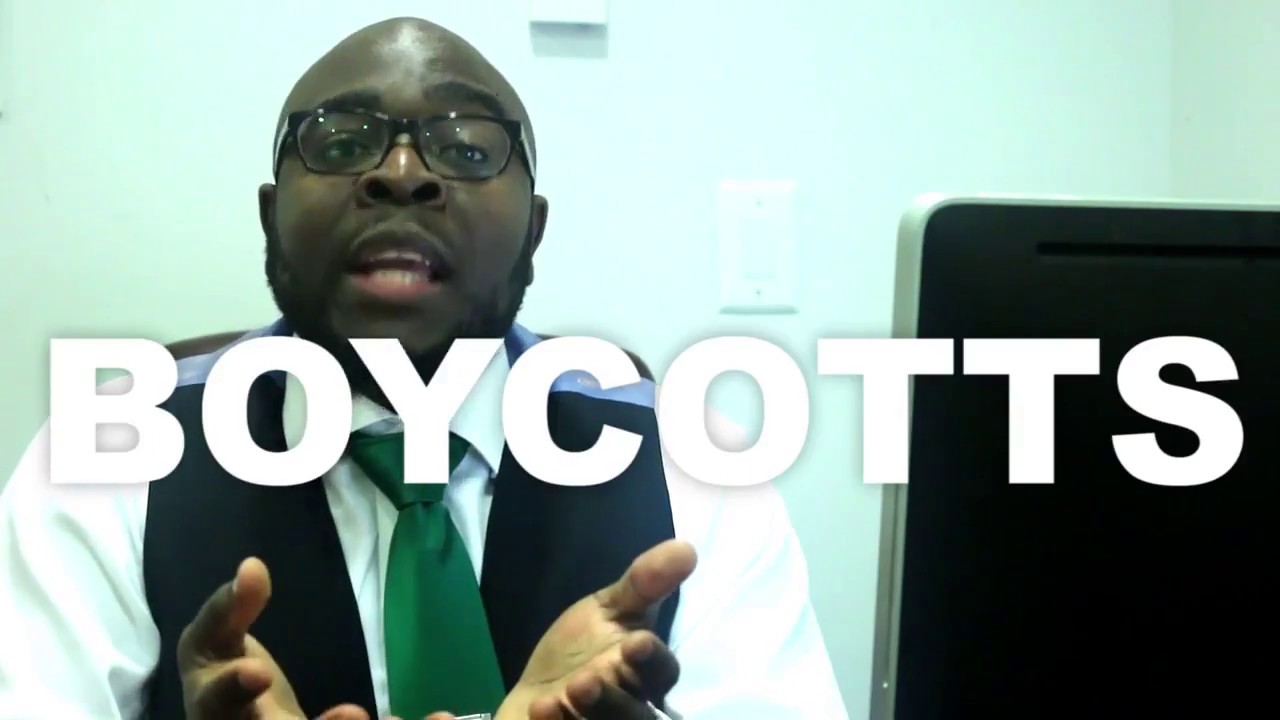
In this monologue, Ash Cash shares his 15‑year banking career—from teller to CEO of a federally chartered credit union—and his transition to a personal‑finance educator. He critiques conventional advice that equates hard work and a corporate ladder with financial freedom, arguing instead that true wealth stems from ownership, multiple income streams, and collective economic power. Drawing parallels to the civil‑rights era, he highlights the impact of boycotts and the historic prosperity of Black Wall Street as evidence that unified community action can force economic change. Cash emphasizes that poverty is as much a mindset as a lack of money, urging listeners to adopt a habit of saving—even small amounts—and to pool resources with family and friends. By building these habits, individuals can become owners, teach wealth principles to their families, and revive a thriving, self‑sufficient Black economic community.
Chapters
I always loved money. I've been hustling since 9. I've been in banking for 15 years. I've done everything in banking. So I was a teller, personal banker, private banker, branch manager. My last position in banking, I was the CEO of a federally chartered credit union. I since have left that to pursue my journey as a personal finance expert. Growing up, a lot of the things that they were telling us about money was incorrect. They taught me that money was in appearance, right? You can tell what money looks like. They taught me that in order to build financial freedom, you have to go to school, work hard, you work for somebody for a certain amount of years, and then you work your way up to the top, and then you'll create financial freedom. Now that I know that there is a difference between being rich and being wealthy, and that wealth is about multiple streams of income, it's about ownership. The people who create wealth in this world are those who own. When you think about, you know, the civil rights movement, people think that it was the marching that did it. help, but it was the boycotts. When they didn't take us serious, they said, ah, whatever, they'll be all right. And then a year later, they're like, whoa, we can't afford to not give them what they want because they are united. Real wealth sticks together. Poverty is not only about money, it's about a mindset. A lot of us have a poverty mindset. We don't believe that we could get past our circumstance. It's the story that you tell yourself. Guess what? We were kings and queens. We were the original people. God didn't put us here to suffer. God didn't put us here to be poor. He put us here so we could all thrive. We can live the life of our dreams, but we just have to believe that. So if you start the habit of, you know, saving money and putting, put, you know, putting money aside, and then you have, you know, your friend do it, your brother do it, your sister do it, your mother do it. So once you unify and you put your resources together, as you're watching this right now, you need to change your habit today. And even if it's a dollar, even if you're saving a dollar a week, I just want you to have the habit. And before you know it, You're an owner, you're building wealth, you're teaching your kids, you're teaching your family, you're teaching the community about building wealth. And then we're back to the, to the days of Black Wall Street where, you know, our word mattered, where we had our own doctors, our own lawyers, you know, our own teachers, and we were thriving as a community.