In a Fox Business News segment aired shortly after the 2016 U.S. presidential election, a millennial panel consisting of attorney Christy Kunzig, Democratic strategist Jessica Tarlov, conservative commentator Kirstjen Haglund, and personal‑finance expert Ash Exantus discusses the implications of Donald Trump’s win. The conversation begins with Christy attributing Trump’s appeal to his tough trade stance and promises to protect domestic jobs and industries such as coal. Jessica highlights the uncertainty around exit‑poll data, noting that early figures suggested a larger-than‑expected share of millennial support for Clinton and a 10% drop in minority turnout compared with Obama’s elections. Ash emphasizes that 52% of voters cited the economy as their top concern, arguing that Trump’s messaging on jobs and infrastructure resonated, though many voted on emotion and character rather than policy. The panel then examines the immediate market reaction, with Ash predicting a sell‑off driven by fear of the unknown. Kirstjen observes a mix of despair and optimism among millennials on social media and calls for national unity, urging listeners to listen to voters rather than gloat or become hostile. The segment closes with a reminder that the country must come together despite differing reactions to the election outcome.
Chapters
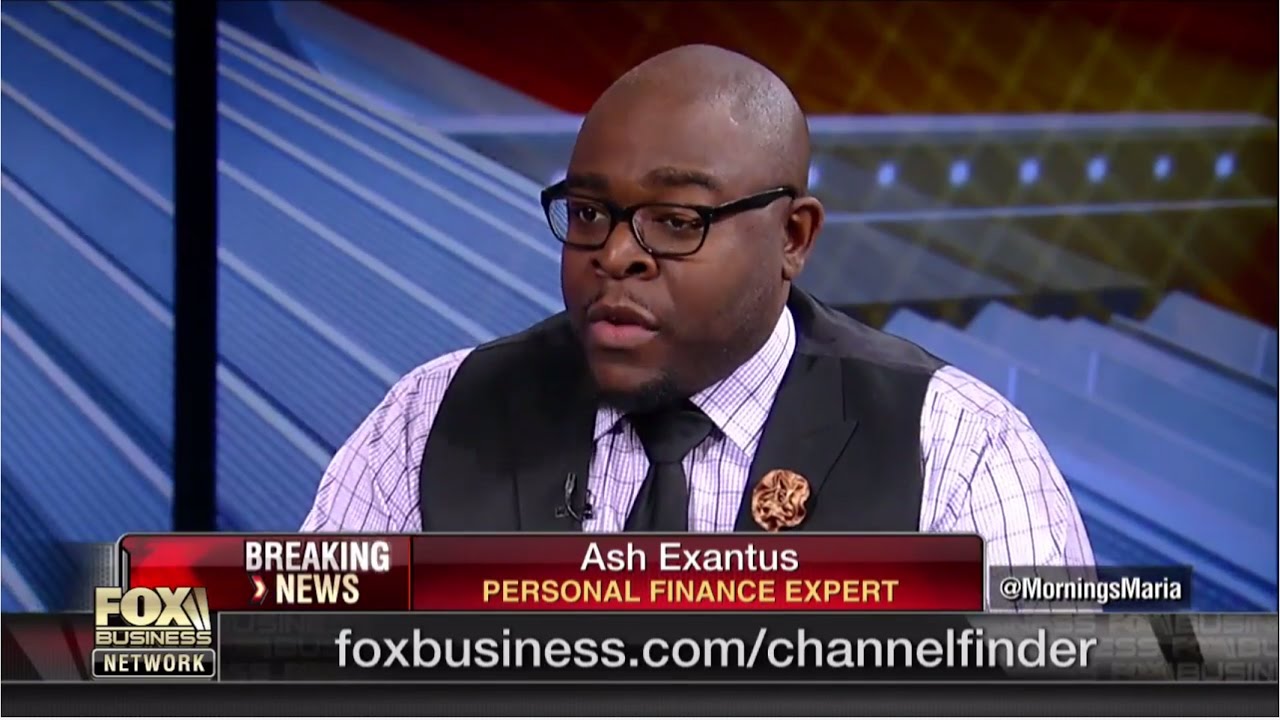
On that note, let's bring in our millennial panel. Attorney Christy Kunzig is here, Democratic strategist Jessica Tarlov, conservative commentator Kirstjen Haglund, and personal finance expert Ash Exantus. Good to see you all. Thank you so much for joining us. Wow, I want to get all of your reaction this morning, but Christy, let me kick it off with you. What role do you think Trump's tough trade stance had on luring working-class whites?
I think that's really what brought it home for him, telling people that I'm going to make sure you have a job here. I'm going to keep your industry alive. I'm going to keep coal industry alive and just make sure that you can really prosper and have a future here in America. I think that's really what captivated them and motivated them to go vote for him.
What do you think about the election in general? Jessica, I haven't gotten your opinion on this yet. Do you think it was— I mean, we know it was working-class whites, right? What about millennials?
Well, we need to actually get updated data because all of the exit data was actually wrong. From the numbers that I did see, it showed that 55% broke for Clinton and 37% broke for Trump, which is higher than we expected because she was leading close to 50 points in a recent millennial poll. So we need to see that. But we were just talking in the green room and I've been up all night, so thinking about this deeply. Thank you for that. There are a lot of groups here. There are women, minority voters, Black and Latino, that if they're disappointed in this, kind of have a lot of work to do. You know, and when we talk about this, people, you know, they're engaged with the election, they're tweeting about it, they're posting on social media, but did you actually go out and vote? You know, if this is someone who you thought was a misogynist, if this is someone who you thought was racist, did you show up and say that? And the numbers show that the turnout, especially amongst minorities, was 10% depressed from Obama's election. Granted, Obama was our first Black president, but that's something very serious that we're going to have to reckon with. You know, you need to vote if you want to be heard.
Yeah, Ash, that's a really good point. I mean, you know, we talk about it a lot, but do they actually vote? Ash, let me ask you about the economy. 52% of voters said that the economy was the most important issue that they faced. Over time, toward the end of this, I think it did move toward corruption. People wanted to see an end of that. But what's your take on Trump's message in terms of the economy, and did that help him?
No, absolutely. I think if you quiet a lot of the noise as it relates to, you know, what was being played around what he was saying, when you look at the economic policies, he was, you know, promising jobs here domestically, a lot of talk about infrastructure. So a lot of the economic policies weren't off. They were actually promoting, you know, a more prosperous America. But I think a lot of people We're voting based on emotion, based on character, and not necessarily policy.
Are you surprised that the market sold off right away?
Of course not.
And we're going to see a big, sharply lower opening this morning?
Absolutely not, because people are afraid, right? So people don't know what's going to happen. They don't know if a lot of what he said is going to come true. So I'm not surprised because people are afraid, and when people are afraid, they act.
Well, he was the unknown.
Absolutely.
Right? Kirsten, how do you see it?
Well, you know, I think that a lot of people have woken up, checked their Facebook feed, checked their Twitter feed, especially young people, millennials, to see this news. And are feeling a lot of despair, you know, you know, not contented with the outcome necessarily. Yes, a lot of people are very happy, but now is not the time to gloat. It's not the time to, you know, be nasty to your fellow citizen if you're disappointed or you're excited. It's time to really come together. I think Donald Trump did look the most presidential he has ever looked in this campaign last night. Yeah, I know it. So I think he has a great opportunity there, but we need to start listening. We need to, we need to speak here and really listen to what voters were going to the polls with. Yesterday, and we need to come together. I think that is the message we all need to take home this morning.
For sure. All right, we will keep talking about it. Thank you so much to our great millennial panel.