Hear Directly From People Who Have Recovered: A Global ME/CFS, Fibromyalgia & Long COVID Live Event
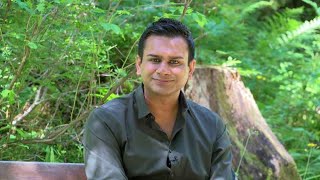
In this live streamed panel hosted by Ashok Gupta, three individuals—Nathan, Laura, and Cindy—share their personal journeys from severe, bed‑bound states caused by ME/CFS, chronic fatigue, and Long COVID to functional, active lives after completing the Gupta Program. Each guest describes the worst symptoms they endured (extreme fatigue, post‑exertional malaise, light sensitivity, vertigo, cognitive fog, tachycardia, anxiety), the many conventional and alternative treatments they tried without lasting relief, and the pivotal moment when they were introduced to the Gupta Program. Across the stories, common success factors emerge: a slow, titrated start with short meditations; the 5‑step or 7‑step brain‑retraining visualizations; somatic and breath‑work exercises that down‑regulate the nervous system; a shift from a fear‑based internal narrative to a hopeful, safety‑oriented mindset; and the supportive community of coaches and peers. Ashok reinforces the program’s neuroplasticity‑based premise—viewing chronic fatigue as a software problem of nervous‑system over‑reactivity rather than a hardware issue—and cites ongoing clinical research. The event concludes with a call to share the video, join a live Zoom Q&A, and use a limited‑time discount code for the program.
Chapters
Okay, welcome everybody. Welcome to our live event. We're super excited to have all of you here with us live on Facebook and on YouTube to talk about our really interesting topic today in honor of ME/CFS and fibromyalgia awareness day, which is looking at and talking to people who've recovered from these conditions. And so this is a very important topic because often we're told by support groups or we're told by our doctors that there aren't ways of healing from these very complex conditions. But imagine if you could actually get some advice from those people who have healed, who have recovered, to hear it directly from them, not from me, not from others, but directly from people just like you who thought that they couldn't recover. So I'm really excited to be here with all of you. And once again, we'd love for you to share this on your social media, to share this with others who could really be inspired by what we're going to be talking about. And, um, you know, after this live event, we're going to be having a live interactive event on Zoom where you'll be able to ask our guests who are going to be sharing their stories, you're able to ask them questions directly as well. So I'm kind of just facilitating this. It's not about me, it's about the people here and and their incredible story. So I'm really excited to introduce Nathan. Nathan, how are you? Thank you for joining us.
Hi, I'm doing well, thank you.
Good. Well, I know I've heard about your story and how you suffered from very intense chronic fatigue syndrome and ME and then Lyme disease as well and the transformation. So I'm sure people, in a nutshell, how would you describe that transformation you've been through from being at your worst to what you're able to do now?
For sure. You know, at my worst, I had to leave my house and live in a care facility that was really set up for caring for people at the end of their life and for people with late-stage dementia. I was being spoon-fed. I was so weak I couldn't get out of bed for— like, literally could not physically get out of bed. For probably 8, 9 months. And I've been able to come back from not being able to feed myself more than a couple of spoonfuls of food at a time to living, you know, such a— having my life back, being able to go camping with my son. I'm looking to return to work on a part-time basis. I, you know, I'm no longer wheelchair-bound. I, in fact, you know, I'm hiking mountains. Mountains and sailing again and, um, you know, cooking my own food and, and able to be there for my family.
Um, wow. I mean, that's an incredible, incredible transformation. And that's the, the inspiration. It's your kinds of stories where people are literally bedbound, wheelchair-bound, to being able to live a normal life. I mean, that's just an incredible transformation just through Yeah, well, obviously we'll talk about what you did. Um, and, uh, what, you know, when your symptoms are at your worst, like, what were some of the worst symptoms that you experienced?
Uh, debilitating fatigue, obviously. Just, you know, physically couldn't, you know, couldn't move. And I mean, even at one instance when I was being moved from one bed to another, uh, just my body being physically moved set off days of post-exertional malaise. Um, so Nausea, dizziness. At my worst, I was so light sensitive, I had to wear a blindfold when someone came in to feed me. So I had to completely black out my eyes. I couldn't handle any lights or sounds. I had extreme vertigo and dizziness. Yeah, those are probably the most poignant symptoms.
Yeah. Yeah, no, that's incredible. And what did you— what had you tried before? Because obviously many people try different things, like what kind of interventions, treatments did you try that obviously weren't getting you the healing you needed?
Yeah, certainly. I mean, at the beginning, um, what kicked it off was a Lyme disease infection. So initially I, I did an antibiotic course for the Lyme disease, um, which really did turn around a lot of those earlier symptoms, which were kind of like a permanent migraine, dizziness, light sensitivity, and fatigue. And those did improve with the antibiotic treatment, but it was obviously only part of the problem. And the CFS was really what set in. And that's what, you know, took my life away and made me so debilitated. So, I mean, I tried treatments, antibiotics. I tried all sorts of naturopathic supplements, all of these sorts of things. Counseling. Yeah, I mean, it was a very long list of things that I tried. So many different medications. Right.
So kind of a whole suite of different interventions that you actually, that you actually tried. And then I think, so what shifted for you? What was the moment or or realization that really changed things for you?
Yeah, I mean, to be honest, your program was recommended to me by my doctor. I finally got in to see the preeminent chronic fatigue specialist, a GP— not a GP, an internal medicine doctor. And when he spoke about— he said the only thing that I've seen people give— give people remission from chronic fatigue is the Gupta program. And it just blew my mind. I said, "Remission? I've been told for 8 years that this is a permanent condition. There is no recovery. The best you could hope for is if you don't push yourself and you don't crash, that you might be able to maintain what your physical, you know, level of activity is at the time." And for me, over those 6 years, it had been constantly decreasing from, you know, being able to walk and maybe jog for 10 minutes to then not being able to walk, to then being housebound, wheelchair-bound, and bedbound, right? So it had been 6 years of being told it's permanent, it'll only get worse, there is no such thing as getting better. And yeah, and just living in this world of fear. This was a real interesting thing once I started doing the Gupta program was that the medical profession, you know, in the best of their knowledge and from the best of their experience, I guess, and and what they have, you know, had been telling me a message of fear. If you ever overcrash, if you ever crash, if you overextend yourself, if you experience these symptoms, then that's an indication that you've done too much and that you're going to get worse and worse and you're going to crash and never fully recover and so forth. So it was a fear message. And it was only after sort of going through the first few videos of your program and really meditating and doing all of that sort of meditation nervous system downregulation work that it twigged on me, oh, I've actually been living in a fear state for 8 years. My body has thought every time I experience a little bit of vertigo or light sensitivity that this is this whole precipitous fear message that I've been told and had been reinforced by medical doctors, right? So that was a really pivotal trip. sorry, pivotal turning point for me was realizing, oh, this message that I had accepted about chronic fatigue for 8 years was false and was also perpetuating the fear state that my body was living in, which is ultimately what perpetuates chronic fatigue, is your system being in fear about, for my case, even just moving, was activating a fear response from my nervous system.
Yeah, it's really interesting, isn't it? Because we think of fear, uh, or trauma or PTSD as something that's related to the outer world and outer situations and people. But what's interesting here is that you're recognizing, or you recognize, the shifting moment was, I don't feel safe in my own body itself, from my own symptoms and my own sensations. And I think for a lot of people who use brain retraining and neuroplasticity, that is really a kind of pivotal aha moment that obviously you experienced.
Yeah, and hope, you know, finding a program that could tell you, you can recover, you can put this into remission or partial remission. You know, it was the first time I had hope in 8 years. And that is really, really so important.
Yeah, no, it's, it's incredible, Nathan. And as you say, it's, it's you know, bringing you back to your family as well, because that's often something that we have when we have the condition like this, is that it can feel like we are kind of distancing ourselves from normal life, from people around us, because of what we're experiencing. And to be able to kind of get back into that, I think, is so important. What, what do you think made the biggest difference? Obviously, you use the Gupta program to, to heal and recover. What do you think in that program really kind of shifted the needle, like really got you to your health? And how do you feel now? Like, what are you able to do now?
Oh, I mean, it's so hard to say because I really feel like, you know, the program works as a whole. And so it's hard to say that one thing was fundamental more than another. But for me, I would say the real turning point was I moved very slowly initially. I only did 5 minutes of video every couple of days. That was all that my cognitive stamina could tolerate at the time. But I did those meditations, even just 5 minutes or the breathwork for 5 minutes. That was really pivotal to finally feel after a first couple of months. I'd only gotten up to the third video series to finally feel calmness in my body again. So that, I think, was a very important turning point because it also made me realize, oh, my body has been living in fear for 8 years. And I could finally feel that. I always thought I'm relaxed. I mean, here I am. I've been bedbound. How much more relaxed could I get? I've been sleeping for 14 hours, 18 hours a day. And then I would really say that the visualization work in the the 5-step reprogramming, retraining rather, the visualization, imagining and remembering what it felt like viscerally and the smells and just creating the whole. So, I spent a lot of time just really recreating 5 or 6 really concrete visualizations, embellishing these memories I had of what it felt to feel virulent and strong. And, one of those is hiking. And so, you know, just 6 months ago with my girlfriend, we hiked a mountain, you know? So that's an example of how far I've come. I mean, I couldn't, I couldn't stand up for the better part of a year, right? So to come all the way back to being able to go for a 3, 4-hour hike to the top of Mount Seymour to this vista, um, you know, meant so much. And, um, you know, and this weekend I'm going to be going away with my son, so I'm back to being able to be a parent again. You know, bless his heart, he did so well with me living in a care facility with octogenarians. But, you know, to be able to pick him up from school, to be able to put him to bed, to be able to lift him and throw him in the air and give him a hug when he's crying, that is so, so sweet. You know, you can't put a price on being able to hold your child again.
No, that's so moving. So moving as you say that. Nathan, and, uh, you know, your story is so inspiring, and well done to you for having the perseverance, because I can imagine if you're, you're bedbound and you have a program, it can be difficult to start saying, right, I need to have the energy to engage with a program. But you stuck with it. You just titrated a few minutes a day, a few minutes a day, and you were able to— yeah, it's that recovery. So, you know, I, I honor you for that persistence and that commitment, uh, to it. So lovely to hear your story, Nathan, and Anything finally you'd like to say to others, like in terms of people who are feeling stuck with their condition, people who need inspiration, like what you would have done differently, like anything you'd like to say to people who are maybe in a similar position to where you were?
Um, I would say, you know, just to, to start and to work at your own pace. Um, there is no, there is no goal about how quickly this happens. You know, for me, it, it took literally months of me just doing small little tiny meditations every day, uh, and little breathing exercises to start feeling things shifting. And it's water on a rock, um, and, and so just, you know, there are ups and downs. There will be ups and downs. I certainly felt that, um, but, you know, one day you'll go from being able to take a step and stand to then being able to take tens of steps to hundreds to thousands. And it will happen. And even if it's slow, just know that in your heart, you know, this works. It really does. And yeah, so I just encourage you to just gradually work on it every day, every other day, as you can, and just give yourself the time and the space to just trust in the process. And I would say, you know, something— I have a friend who actually started the program, and I said, you know, really take your time to do those worksheets for anybody who started the program. Do the worksheets, really sit down and try and get into that inner monologue of what your brain is telling you you can't do and why and responding to symptoms and so forth. I really found those very helpful in getting into those deeper layers.
Yeah.
Amazing, Nathan. Thank you so much for joining us. So many interesting insights that I've taken from from your journey and your story. And, uh, you know, uh, I wish you all the best and, uh, continual health and happiness and healing. And, uh, yes, uh, thank you so much for, for joining us. So thank you so much, Nathan.
Okay, well, thank you so much for the program. Thank you, Ashok.
Thank you. So I think, you know, what's— I found a pattern there that we see often is the people who we observe having those recoveries are the ones who who continue with the commitment no matter the ups and downs that they experience along the way. And we're very pleased to have our next guest with us, who's Laura, who's going to join us on the stage. Hi there, Laura.
Hi.
Hi. Thank you so much for joining us and taking some time out of your day. So I'm sure our listeners— and by the way, if you are watching this, listening, please do share this on your social media, on your your Facebook, your Twitter, your Instagram. Please share this feed. I think we've got some really inspiring stories here that I just love for other people to hear and be inspired by, that people do recover. People are recovering from these conditions every day, and, and this is living proof of that. So yes, Laura, um, I, uh, would love to start by just giving people that contrast of where you were at your worst and where you are right now in your journey.
Uh, my worst was, was horrible. I was bedbound. Um, I was stuck in the house for so long. Um, I could only transfer from a wheelchair to a chair. I needed help for everything— getting dressed, uh, bringing— someone had to bring water to me, food to me. I couldn't even just go get a glass of water. And my, just my cognitive functioning. I mean, I just had such bad brain fog and I was just so physically and mentally exhausted. And I couldn't walk at all. Obviously, I was bedbound and I was in fight or flight the entire time. I mean, I didn't know that at the time, but I was panicking the whole time of what's wrong with me. So that was the worst. And now I'm much better. See, it's even emotional for me to even think about it or talk about it. I'm much better. I pretty much have gotten my energy to levels where I can live my life mostly independently. I'm traveling, I'm involved in my community, I'm working a little bit, and I'm able to stay in that window of tolerance most of the time. So yeah, total difference from where I was before. I'm so grateful for this program.
Wow. So a similar, a similar story of going from once again bedbound with that intense fatigue to actually being able to lead a, you know, a normal life, which is, you know, just, just incredible. And what had you tried before? Because obviously when people get diagnosed, what were you diagnosed with? So everyone also knows.
I was diagnosed with chronic fatigue, which took a really long time to even get a diagnosis. I think I probably went a year of going to every kind of specialist. I'm in Canada, so every kind of specialist out there to try to see what it was. We have long wait times for doctors, and I would call in the mornings because I knew they'd get cancellations, and I'd be crying because I'd think I want to see a neurologist, but I— my appointment's in 8 months, you know, and I don't want to wait 8 months because I keep going downhill. So I don't know what I'm going to look like in 8 months. So I was really panicking. Um, I saw all these different doctors and they all kept saying, oh, it's a virus, it just has to run its course. Not helpful at all. Um, I waited 18 months to see an environmental specialist, and she's the one who diagnosed me with chronic fatigue and gave me a few tips and that was helpful. I mean, she didn't have great things to say about having chronic fatigue, but at least I had a name for it. Um, and I had tried a whole bunch of things. I mean, I tried a mindfulness, uh, stress reduction program that was, um, just meditation. Um, I tried— I saw a functional medicine doctor, had a whole bunch of tests done, changed my diet, you know, all that kind of thing. Naturopath, osteopath, physio, um, went on some medication, a couple different therapists. And then finally this private chronic fatigue clinic opened up in Toronto after, uh, Long COVID became a thing. And it was $2,000, and I thought, okay, I'm going here and we're gonna figure this out. And they told me to do the Gupta program, and I cannot believe that I never came across the Gupta program in all of my you know, frantic searching on the internet of anything to help me. Somehow I didn't find it, and they told me. So, you know, I paid $2,000 to see them, but they gave me what I needed, which was you, um, to get better. So that's what led me here. And all those other things that I did, I would say they helped a little bit with the downstream symptoms, just they didn't get to the, you know, the heart of it.
Of course. And yeah, it's quite a journey that obviously you were on. What do you think made the biggest difference? So obviously you, you use the Gupta program, and what, what do you think was the kind of critical success factor to make it work for you? Because obviously there'll be lots of people watching who perhaps have thought about brain retraining, thought about neuroplasticity as a kind of something they'd like to take on. What do you think was really made it work for you?
I love the program, love it, um, and I think you're amazing. Um, I think first of all, those— the first couple videos where you were explaining, and I was debating, you know, if this is the right thing for me, uh, you were explaining about when you have a lot of stress and you get a virus, that can lead to chronic fatigue. The way you were describing it was exactly what had happened to me. And that was the first time that I had heard anyone in all of this whole crazy thing happening to me say anything that made sense about what had happened in my body. And so right away I felt hope because I thought, wait, I feel like I'm understood here. I feel like this is the right thing. And then when I joined the program, hearing other people going through the same thing that I was going through, regardless of where they were in their healing journey, That helped me so much because I felt so alone and so isolated in what I was going through. And I felt like I wasn't alone. And that, that took away a big chunk of that fear right away because now I can stop ruminating on what is this, what's wrong with me, you know, what's going to happen next kind of thing. And I focused on healing and I made these amazing friends in the Gupta program. And we still keep in touch and we helped each other. And that was a huge part of it. I even came to the Gupta retreat and that was also just such an amazing experience. And just the structure of the program, I needed that, you know, when you're just lying there, not feeling well, you have way too much time to think. You just looking at your house, which is a mess, and you can't do anything about it, and you can't really help your kids or do whatever. That's how I felt. And now I had this program that was giving me tools, and it was giving me structure in my day. And I think all of that really helped. It was what I needed. Yeah.
And I love actually, Laura, what you said about not feeling alone, because many people, whether you've got chronic fatigue syndrome, fibromyalgia, long COVID, mold illness, you know, it can feel very isolating because doctors don't believe you or they don't take it seriously. Uh, you can have friends and family who don't really understand. And to have a community of people who you're connecting with online, and obviously we have people connecting on Zoom as well, we have a buddy program, all of those options for community connection, I think, then are half the battle. In terms of overcoming fear and being able to say, hey, I can work on my recovery. And obviously the daily, the daily group size as well, the daily live events. I think these are all things we've tried to put in place to make sure that people feel a sense of camaraderie and community with everybody. So Laura, I've been, you know, personally, I'm just so inspired. And once again, it's these, these patterns that we're seeing in people who recover, which is that sense of not being alone with their condition, that sense of commitment to their retraining and keeping going no matter what. Anything that you'd like to say to people who may be feeling stuck right now with their condition? Perhaps they've been told they're never going to heal or recover, or, you know, something that you'd do differently if you could start again. Anything, any final words of encouragement you'd like to give to others?
Well, I would definitely say if you're not doing the Gupta program, just start it and start doing it because I wish— that's my one thing, I wish I had found it so much earlier because I think I had been at least 6 years maybe by the time I found the program that I wasn't walking and I couldn't really do anything. And what I would say is you will recover, you can recover. So Maybe when you go to the doctor, they don't know very much about this condition, and your friends and family don't either. But if you take your time with this program, don't put the pressure on yourself. Just do it in manageable amounts for you. And that was one thing that I felt I did really well, was I, I'm normally a type A personality. Just do it right, get it done. But in the program, I really took my time and I didn't put pressure on myself. I didn't give myself timelines. Okay, you know, in 6 months I'm going to be here. I didn't do that to myself. I just let it happen naturally and it started coming. And then as you start feeling better, then it gives you more hope and it gives you the perseverance to keep going with this because obviously there were ups and downs. And I used to live hour to hour, you know, and then I hit the point of, okay, now I'm actually having some good days. And now I'm at the point where I can say that every now and then I have a bad day, or maybe I have a few bad hours, right? So I've just come so far, but it's also taken me quite a while. I felt that compared to some of my Gupta friends, I was taking longer than other people, but I didn't let that get to me. And everybody was so supportive. We're all on our own journeys and everyone is on their own timeline.
I think that's a really interesting point, that it can be very tempting to compare our journey to somebody else and think, oh, they use that program and they got well in a month, or they got well in a— and actually it's about our own journey and saying, I'm not going to put a timeline on it. I'm going to have that commitment and continuing brain retraining until I reach that recovery. And then you take the pressure off yourself and that, and that comparison. So, Laura, thank you so much for your time today. I really, really appreciate it. Thank you for coming on. And I wish you all the best in life and hopefully see you again soon. So thank you so much, Laura.
Thank you. And thank you for everything that you're doing for us. I really appreciate it.
Thank you so much. So yeah, that's our, uh, our second guest who is sharing her story there. And I think once again, when we ask people what are the critical success factors, what got you well, there are a number of things that come up regularly. It's that sense of getting involved in the Gupta Program community. For some people, that's very important. Most importantly, that sense of I am going to trust and let go in brain retraining. I'm not going to put a timeline on it. I just keep going until I make that recovery. And of course, there'll be ups and downs along the way. But with that commitment, with that keeping going, people tend to have the recoveries that they choose to have. And I'm also, you know, I have a story myself. As many of you may know, I suffer from ME and chronic fatigue syndrome back in the late '90s when these conditions weren't really understood. They weren't really taken seriously. It was called yuppie flu. And I went on a journey of trying to understand what caused these conditions. And in my worst moments, I felt absolutely terrible, had no energy, couldn't do anything. And I remember in that worst moment, I made a contract with you, with the universe, to say, if I can just get myself 30% better, 50% better, I will dedicate the rest of my life to helping others with this condition. And I managed to then find some information that I thought was, was interesting. It was actually a book in Cambridge. It was a bookstore, and there was one book by Professor Joseph Ledoux called The Emotional Life of the Brain. And that was the book, that was the neurology book that helped me understand what I believed was going on in the brain that may be causing these chronic conditions. Not in the mind. We definitely don't say these conditions are in the mind, but we do believe they're in the unconscious brain, and that is often at the root cause of many of these, uh, conditions. And then through some ad hoc brain retraining, I got fully well within months and then set up a clinic to help others. And that has been my life purpose, is to help people like you or people that you know who are suffering from a chronic condition and your doctor has said there's nothing more we can do. Then we realize it's not a hardware problem, which is what mainstream medicine is very good at dealing with. It's a software problem. It's a problem of systems biology. It's the brain overreacting, overresponding. And through this gentle nervous system regulation called brain retraining and all the other things that we do in the Gupta Program, you can gradually train the brain out of these chronic immune and nervous system responses. And get people back to health. And we've now published 7 clinical studies on this and more, about 3 or 4 more RCTs, randomized controlled trials, about to be published. So lots of great evidence to support this as well. And if you're enjoying this today, please do share this on your social media. Please like us on Facebook, Instagram, YouTube, and share this video far and wide to people who need to hear this today, that recovery is possible no matter what anyone And that leads me nicely to our next guest. We're very pleased to have with us Cindy. Hi there, Cindy.
Hi.
Hi. So lovely that you can join us. And Cindy actually experienced a different condition, Long COVID. And once again, I just always like to kick off with just that contrast of how did you feel in your absolute worst moments, and what are you able to, to now do, uh, having had Long COVID?
Well, I actually got Long COVID— I've had Long COVID twice. I got my first, uh, bout of Long COVID in December of 2020, and, um, in the beginning, same thing, bedbound. I was bedbound for about 6 months. Luckily, my husband found your program on a symposium, a doctor symposium about Long COVID. And so, I was able to, after 6 months of being bedbound, get on the Gupta program. And, you know, immediately I, I loved the hypothesis. The hypothesis made so much sense to me. So, the belief was a huge factor. And so, little by little, I just started getting out of bed because I had also had tachycardia. I had heart palpitations and severe anxiety, like really severe. And then now, and actually both times, I, you know, now I travel, I, you know, do yoga, I walk 3 to 4 miles every day. I remember the first time I cooked dinner for my family, how emotional that was. I literally, I cooked and wept and cooked and wept. Just the fact that I was able to do things that I, you know, had not done for so many months. So it was incredible.
Yeah. No, I mean, yeah, that's the reason all of us at the Gupta Program do this type of work, to hear these stories, to see these transformations. I mean, as we know, the level of disruption or disability that these conditions have on people's lives is incredible and it's underestimated. And to be able to get your life back, to be able to do the things you want to do, I think for us is what we, we at the program live for, is to see and hear these stories. Yeah. So when you first got unwell, like what had you tried before that you thought might help and what was the only thing that did help?
Yeah, I was fortunate in the fact that it didn't take long. Like Laura, you know, had so many years. I was fortunate that it wasn't that long before I found the Gupta program, but I did work with a functional medicine doctor and she was using, you know, at the time in 2020, they were using off-label medications with off-label uses, you know, that type of thing. Nothing helped. I only became more and more anxious, more and more debilitated. And it really wasn't until, you know, I got on the program that all of a sudden, I mean, literally after the first week of doing the 7-step retraining, I started feeling my energy coming back. I mean, very, very tiny increments, but boy, was that a spark of of hope for me. You know, it was incredible.
That is amazing. And what in the program do you think— you know, we always use this phrase critical success factors— what do you think for you were the key attitudes towards it or the key tools that really made the biggest difference?
Well, the 7-step— gosh, I just, I love the 7-step program. I mean, I love the visualizations. I love the process of kind of being more in my body as I'm standing there, as I'm disidentifying with the worried part. I'm able to become the observer of my thoughts instead of so connected to my thoughts. I love the somatic exercises. Those have been incredibly helpful for me. I love, you know, just being able to discharge some of that sympathetic energy that gets stored in the body. That has helped me tremendously. And I think really, for me, such a big factor was coaching, group coaching, individual coaching, being with a community of people that are going through the same thing I'm going through. So I had the coaches that have been through it, so they know my journey, but they have, you know, they, they've gotten better, you know, they're 100%. So that was inspiring, just, just knowing that it was possible. And then secondly, being with other people that are going through what I'm going through in real time, you know, we're all encouraging each other. And boy, having a community, that was probably— I mean, the program itself is powerful, like utterly powerful. And to support me in that journey, having that coaching, uh, was a critical factor.
Yeah, absolutely. And, uh, by the way, so everyone watching, if you're enjoying today's session, once again, please do share it on your social media and straight after this, we're going to have a Q&A with myself and also Cindy and Nathan are going to join us. So if you'd like to ask them questions, ask me questions about the program or about recovery in general, then please do join us on Zoom and our team will just share the Zoom link. So in the comments, wherever you're watching this, our team will share the Zoom link and you can join us straight after. And for those who join us, we'll also be sharing a special discount code just for the next few days on the Gupta program. Just to, in honor of this CFS and fibromyalgia awareness day. So Cindy, what would you say to those who have chronic fatigue or, or kind of long COVID in terms of if they're feeling stuck, if they've been told, you know, there's no healing, there's no recovery? And in fact, I'm hearing this actually in long COVID groups where there's a sense of doom and gloom, there's a sense of, oh, nothing really helps, perhaps change your diet, perhaps do this, but nothing's going to help unless we have some miracle pill that's going to come along, which is, I think, what a lot of people are waiting for. And I think the chronic fatigue syndrome sufferers have been through 40, 50 years of that, you know, of waiting, waiting for this magic pill to come along. You know, what advice would you have for them having gone through this journey?
Oh, I think belief is, is, is huge. And I think I was fortunate in the fact that I actually— it was so new at the time. So I didn't— I wasn't involved in a lot of the doom and gloom on the Facebook pages, right? I think that really helped me because so much of it for me was just knowing I was going to get better, like knowing this program was gonna help me restore my life. And so that was a big factor. And, and again, I would say the coaching, you know, just getting right away somebody that I can share with, because it is such an isolating condition. And it didn't seem, especially in 2020, nobody understood understood about what, what I was going through. And that isolation, um, really ramped up my nervous system, right? Instead of— and the connection, the connection with others, reg— you know, just immediately started helping me regulate my nervous system.
Yeah, I think that co-regulation that you're talking about there is so important in healing, because in the modern world we think of healing like, you know, you're at home by yourself in your bedroom, or you're in a hospital room and someone's bringing you medications. But in most cultures, most civilizations, healing was always part of a community, part of a group, right? Realizing that healing happens at many different levels— the physical, the emotional, the spiritual. And having that connection is something that I think is an important part of everyone's journey. And having that understanding that someone knows what you're going through and they, they care and they want to help you, I think is powerful because I remember in 2020, I mean, we were all in fear. It was a pandemic. We didn't know where it was going to go, how people were going to be affected. And then to suddenly have long COVID after that was very scary for many people. And so as you say, that co-regulation with the coaches, having people who've been on this journey who can be with you, sit with you, listen to your story, and inspire you towards recovery, I mean, that is invaluable. And we have 30 to 40 trained coaches around the world who support people one-on-one and you say do the group coaching as well. And the, the amount of experience— I mean, they've been doing it for 10, 15, 20 years. The amount of experience that they've now got from treating hundreds of patients, uh, to me is always— it always inspires me as well, that the depth of knowledge from our coaches.
Yes.
Yeah, yeah.
There's— they are such great regulators, you know, nervous system regulators, because They're calm because they understand. Yes, I totally agree.
And so, yeah, finally, what any, any words that you'd like to share with the people watching right now? Perhaps they suffering from chronic condition, perhaps they know somebody who is. Any final words you'd like to share with them?
I think what I am so grateful for is that this condition kind of came about because there was a lot of deeper patterns running in my life that were draining my energy that I didn't even understand. That even now that I'm 100%, I live by that guidance, you know, more in my life. So it's, it's not just, yes, hallelujah, I'm back to, you know, living a normal life, but I also understand myself so much more. I understand, you know, and I, and I really love and care for myself so much more. I was the type of person that was always trying to take care of everybody else so I could feel safe, and now that is switched with me, and I hope for my life that I really value my, my self. And then out of that comes the love, like the compassion for myself has helped me have more compassion for others. But it has, it's really taught me the deeper way, a deeper way to live my life authentically.
This is so powerful because as you, you've lived in the program, we aren't just about getting people well in terms of the short-term hit of do some brain retraining, you can heal, but we want people to stay well for the longer term. So we go much deeper into what was the original reasons behind this condition? What kind of patterns were we running? How are we overpushing our bodies too hard? And what did we learn from that? And often that deeper healing— dare I use the word spiritual— that deeper spiritual healing is what then gets people the longer-term healing for the rest of their lives. So it's, it's using the condition as an opportunity for an even deeper self-reflection, which I think people get a lot from. And the somatic work, the, the parts, uh, retraining, all of that is, is so powerful. So Cindy, thank you so much for your being with us today and your inspiring, uh, words. It's been, you know, So beautiful to have you here. And so now for everybody, Cindy and Nathan will join us on the Q&A. So I've put that up on the screen there. It's in the comments section wherever you're watching this. So please just join us on the Q&A. We'll talk a bit about the program. We'll talk— you get the opportunity to ask Cindy and Nathan questions and find out more. And we have a special discount code for anyone for the next few days in honor of the awareness day today. And that discount code is RECOVERY12. So it's the 12th of May for ME/CFS and Fibro Awareness Day, so we're giving a 12% discount. You can use the code, uh, RECOVERY12 on our website and that will give you 12% off. And that's obviously with the program with a money-back guarantee as well. So thank you so much to everybody for watching. Please once again do share this video on your social media, just click share. You can watch it in the future and let's inspire others. And I look forward to now seeing you on our live Q&A. And we're also— we'll be launching our next webinar series on the 1st of, um, June. So the 1st of June will be our next webinar series, our 12-week webinar series that follows the 90-day program. Every day you get a video, every day you get information on what you can do to follow the program, and that's accompanied by our webinar series. So now's a great time to take advantage of coming to the Gupta program, and we want to do whatever it takes to help you recover. So thank you so much for watching, and we'll see you on the Q&A. Bye everyone!










