10 Things I Wish I Knew Before Moving to San Francisco
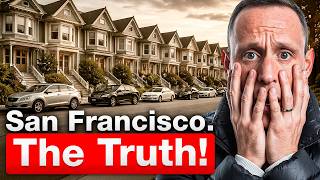
Austin Klar, a former lawyer turned San Francisco real-estate agent with 13 years in the city, shares ten lessons for home buyers. The 7-by-7-mile footprint is deceptive: topography and limited transit make short distances feel long. HOA fees have risen 40 percent in six years, and Victorian homes often need expensive seismic retrofits and historic-preservation permits.
Chapters
San Francisco is one of the best cities in the world to live in, but one of the easiest cities to get completely wrong. There are so many reasons people buy homes in San Francisco and get totally caught off guard, both with the realities of homeownership in San Francisco and just what day-to-day life means for them. This is Austin Klar, your lawyer turned real estate agent in San Francisco, and in this video, I'm giving you the starter guide to buying in San Francisco that nobody asks for, but that everybody absolutely needs. A reality check of what it's really like living here based on my over 13 years living in San Francisco, having moved here from the suburbs in Oregon Orange County, not really knowing much about the city, and from experiences of the dozens of clients that I've helped relocate here. So if you're thinking about buying a place in San Francisco, you can start thinking about the process and the factors you need to be considering in completely new and different ways, and potentially avoid a disastrous financial decision. Because there are definitely a lot of San Francisco's, and not every San Francisco is the right San Francisco for you. So let's get right to it and talk first about how deceptive the city is from a size standpoint and what it means for your daily life. This is probably one of the biggest misconceptions people have about San Francisco. They look at a map of the city and think, okay, it's only 7 by 7 miles. Everything is so close to each other. Even if I live in the Outer Richmond or the Outer Sunset, I can still commute to downtown or to Mission Bay really easily. It's not going to be that bad. Or if I live in a quiet neighborhood like Lake Street, I can still go out to the bars and restaurants in the Mission when I want to. Technically, yes, San Francisco is geographically small. It is only 7 by 7, 49 square miles. But in reality, it lives a lot larger. There's a reason why, even though it's so small, it's mentioned in the same breath as places like Chicago, Los Angeles, Austin, New York, and other major metropolitan areas in our country. It lives much more like a big city than a small city. Its topography, its traffic patterns, and its transit shortcomings, which I will get to later in this video, all make day-to-day life in San Francisco feel a lot different than what you might think living in a tiny geographic area would be. There are only so many ways to get across town. There are only so many ways to get in and out of certain neighborhoods. Some neighborhoods feel tucked away in a peaceful, residential, almost village-like way until you realize that every time you need to leave, it takes a lot of effort and it starts to lose its charm because of the physical and mental toll it takes on you to get out. And that's why I always tell people who are moving here that San Francisco gets hyper-local, really, really local, really, really fast. Where you live starts determining a lot more than just your address. It determines your mornings, it determines your weekends, your routines, whether going to the gym is easy or if it's an ordeal, whether meeting friends for dinner dinner feels really easy, or whether you start saying no more often than you thought you would because the crosstown trip is a little annoying, whether your commute feels sustainable or soul-crushing. This is one of the classic mistakes people make when they're moving to San Francisco and they're not that familiar with the city. They think, oh, 3 miles or 5 miles isn't really that bad, but it can be. In Orange County, where I grew up, 3 miles was like 3 or 4 minutes, but in San Francisco it can be 20 or maybe longer. And that's before you factor in, for example, waiting for a late bus or endlessly looping around the block or the neighborhood to find parking. The city can definitely lure you into thinking everything is right there when it's really not, depending on where you live. So if you are thinking about buying a place here, you need to ask yourself not just, do I like this house and do I like this specific neighborhood? It's, you know, how do I see my Monday mornings going? How do I see my Saturdays going? What does it actually mean for me on a day-to-day basis? I've got a couple different videos breaking down a bunch of micro neighborhoods throughout San Francisco and what you should or shouldn't be prioritizing from a geographic standpoint, depending on, you know, what you prioritize in your day-to-day life, like views, food, nightlife, walkability, architecture, things like that. I'll link them in the description below. Go check them out if you want to get a head start on your research. And if you're thinking about buying a place in the city and need help narrowing down your options, or you want to understand how all the changes that we've been seeing across San Francisco more broadly are impacting our local real estate market, reach out to me. I was a lawyer at one of the biggest law firms in the world before getting into real estate, and I've helped numerous people relocate here from all over the country. Be happy to be a resource for you. I'll put my contact info in the description below. Reach out anytime. And if you like videos about San Francisco lifestyle, different neighborhoods, current events, new developments, its history, or all things San Francisco real estate, subscribe to my channel because I make videos about that stuff every single week. Now back to some brutal truths about living in San Francisco that most people aren't really thinking about. And the next one on my list is how expensive it is to own a place here. And I don't just mean the price of owning a property, like in terms of buying the property, obviously that's a huge factor, but that's just the starting point. There is a whole marathon of ownership after just purchasing a property in San Francisco. Let's look first on the condo side of things. You know, one of the largest aspects of your monthly expense is going to be your HOA dues. And one thing most people overlook when they're budgeting is that HOA dues are constantly on the rise. Over the past 6 years, the median HOA payment in the San Francisco Metro is up about 40% in a small HOA without a lot of amenities. That might mean like $100 or $150, something like that. That's not, you know, totally earth-shattering. It's not going to, you know, make or break your ability to afford a home. But in higher cost HOA buildings, that's brutal. I'm selling a place for clients right now. They bought it in 2016. It's a super high-end amenity building. At the time that they bought it, their HOA payments were around $1,200 a month, which is already a pretty hefty sum. But right now they're over $1,900 a month. So in the last 10 years since they bought it, it's gone up $700 a month, about $8,400 a year. Their overall HOA payment is about $23,000 a year. So it is an astronomical figure. And when you're in these larger HOA buildings that are professionally managed and there's a board making decisions, you're not really in control over what happens with your payment. So they've had no real control over that rising cost. And why are costs rising? Well, everything is just getting more expensive. Elevator maintenance is more expensive today than it was 10 years ago. Cleaning staff, security staff, lobby attendants, all of that is more expensive today than it was 10 years ago. Insurance is more expensive today than it was 10 years ago. Construction materials and labor for repairs and maintenance is more expensive today than it was 10 years ago. And all of these things are only going up as time goes on. And that's why HOAs, whether in a big building or small building, are getting more expensive. Aside from the HOA fee itself, You know, in buildings of certain size or of a certain age, you might have ongoing repair or retrofit obligations, fire alarm modification requirements, fire sprinkler retrofits, seismic retrofits. There's a laundry list of things that San Francisco has legally obligated owners in these, you know, larger and older condo buildings to do at their own expense. And it's not just condos with these issues. When you live in a condo building, you split a lot of these costs among the association, among all the unit owners in a building. But it's not as though these costs fall away when you own own a single-family home that's not, you know, controlled by an HOA. When you own a single-family home, you still have roof repairs and plumbing repairs and security issues that need to be taken care of. You still have to pay for ongoing maintenance of the property. And because it's a single-family home, you as the sole owner of that property are solely responsible for those costs. And particularly devastating, especially for single-family homeowners in San Francisco, is that a lot of homes, because of the aging infrastructure here, have a lot of deferred maintenance. The, you know, newest single-family home that I've ever sold in the city was built in the 1940s, and the oldest place that I've ever sold was built in the 1800s. So the city's old. A lot of times there's, you know, significant deferred maintenance when you're buying into a property. A lot of people, you know, age in their property as they pass away and pass down or sell their properties. At that point, they haven't done a lot of maintenance, you know, in the later stages of their life. And a lot of these issues have a really nasty habit of rearing their ugly head very shortly after people take possession of the property. Electrical updates mandated by insurance companies, seismic updates HVAC issues. I mean, the list goes on and on. When you buy one of these architecturally significant, very prestigious, elegant, you know, Victorians and Edwardians and Craftsmans, they come with a lot of issues, and it's only getting more expensive to resolve those issues. So when you're thinking about budgeting for a place in San Francisco, you got to ask a lot more than just, can I afford this right now? You need to project 5 years into the future, 10 years into the future, make sure you're being conservative about it and making the right choice. The next thing you need to think about before buying a place in San Francisco is that architecture and functionality don't always go hand in hand. San Francisco has stunning architecture. There's no doubt about it. It's one of my favorite things about living in San Francisco. Beautiful tree-lined streets, colorful Victorians and Edwardians and colonials and Spanish-style homes built over a century ago. It seems idyllic when you're walking around, but that vintage charm comes with some real quirks that can make day-to-day living not particularly functional. You've got to remember these homes were built in an entirely different era for people living totally different lifestyles than what we're living right now. For example, most of these homes they were built before cars were ubiquitous. So your garages, if you're fortunate enough to even, you know, be able to afford a place that has a garage, might not be built for the types of cars that we have today. Storage space in these older homes, not always as robust as you probably need. Homes weren't built with laundry machines in mind, so they might be shoved into awkward corners or closets or in basements, parts of the house that aren't convenient. The gabled roofs that we love from the outside of a lot of these Victorians make for really awkward ceiling heights. And make it really difficult to lay out furniture. The Queen Anne style turrets that we love so much make it really hard to lay out furniture too. Smaller kitchens, segregated dining spaces, fewer bathrooms than most people want in today's world. Really steep and narrow staircases, yards that are built into hillsides, so are mostly unusable. Some of these things are easily changeable, but a lot of these things are really costly to adapt to modern standards. So that's something you need to be thinking about when you're buying a home in San Francisco, especially an older one with a lot of that character and charm that you might be looking for. And that relates directly to my next point, which is that most people underestimate the time and expense that renovations really require in San Francisco, especially for older homes. I promise you, everything is more expensive in San Francisco, and everything takes longer than you think in San Francisco. The city's bureaucracy, especially when you're renovating historic structures, can implicate completely separate additional permit and design review processes. And yes, the process is getting better. The city has implemented a lot of changes that have kind of streamlined the permitting processes, but it's still really difficult and really expensive. especially with those historic homes and especially when the renovations are larger in scale than, you know, just in-kind remodels. And scope creep is real here, especially when you're dealing with older homes. You have an older home, maybe you want to open up the kitchen. And when you do that, you discover framing damage, water issues, electrical issues, plumbing issues from these older structures that you need to remediate. And so your scope gets bigger and bigger, the expense gets bigger, the time gets bigger. It is very rarely as simple and as limited as what you intended. That's true in most places with construction. It is especially true here. So buying an older home with the intent that you'll, you know, make it your own and make it great and perfect for you, yes, it is possible. It does present an opportunity, but it does come at great cost. The next thing you should know about living in San Francisco is that owning an investment property here can be an absolute nightmare, and in many instances is not really worth the money. A lot of people looking to buy starter homes tell me their plan is to have a smaller space for a few years, maybe a small condo, and then when it's time to start a family, they'll just rent it out and buy something bigger. And like, that's a great plan, and it can lead to tremendous wealth and success if done right and if you're lucky. But there are some real downsides that can come with it that you need to be prepared for in San Francisco. Rent control is certainly part of it, but doesn't necessarily apply to all properties. General rule of thumb, places built before 1979 in San Francisco are subject to rent control, and after that are not. Rent control in San Francisco means there are very strict limits on how much you can increase rent that are tied to changes in CPI year to year, and they're not very big changes in terms of how much you can increase rent. You're very limited on those increases. And what that means is you're probably going to have under-market rent rates within a year or two after you rent out a place at market rent. And those limits are in place even if a giant special assessment is coming that requires repairs to the building. You can't really pass those costs on to a rent-controlled tenant because you're limited how much you can increase rent. Now, if your underwriting works at, you know, minimal projected increases into the future, great. But on the off chance that you end up needing the equity out of that house to buy a bigger place like you initially intended and you need to go sell the place, well, selling a place with an in-place tenant at below market rent is going to seriously devalue your property. And that's going to be true whether or not the place is rent controlled because of how difficult it is to actually get tenants out of your unit. There are strict limits limits on forced evictions in San Francisco, whether or not a place is rent controlled. So once you have a tenant in place, whether it's in a condo or in like a duplex or apartment situation, it's really hard to get them out unless they agree. There are some narrow exceptions to these rules, like with owner move-in evictions, and of course if the tenants are breaking the law or breaking the lease, but otherwise it's pretty difficult to get them out. So long story short, you really need to have a thick stomach if you're planning to be a landlord in San Francisco. There's really no such thing as of income in this city. It requires a lot of work, mental and physical. The next thing you need to be aware of about buying a place in the city is that your ideal neighborhood might not match up with your ideal home. A lot of buyers come to the city looking to purchase a place and have a wish list that on its face sounds reasonable, but when you start to dig in, you realize that they're describing two different housing ecosystems. I want a modern building with an elevator, parking, air conditioning, and if possible, I would love it to have a gym on site I want it to be modern. I want a doorman. And then 2 minutes later they say something like, but I want classic San Francisco charm. I want a beautiful tree-lined street, a neighborhood with character. I would love to be in Pac Heights or somewhere that feels timeless. Sounds great, but it's not very common for these things to overlap unless you have a ton of money. A lot of the newer, larger, more amenitized housing lives in places like SoMa, Mission Bay, South Beach, Dogpatch, places that have had more recent development cycles and more inventory built for modern living. On the flip side, some of the most charming, visually iconic, peaceful San Francisco neighborhoods are defined by much older housing stock, traditional architecture, smaller buildings, older systems, fewer amenities, and all the quirks that come with age. Now, as I mentioned, sometimes if you have a lot of money, you can get that best of both worlds. For example, in Pac Heights, there's one modern amenity building called the Pacific. It's one of my favorite buildings in San Francisco, built by Handel Architects a little over a decade ago. One of the most beautiful buildings in the city, and prime location, really close to Fillmore Street, full amenities like 24/7 doorman, onsite gym, rooftop, you know, the whole shebang. But it's the only modern amenity building in Pac Heights, and it comes with a hefty price tag. One bedrooms around $2 million plus, two bedrooms start around $4 million. So unless you have $4 million to spend on a two-bedroom place, you're not getting that modern amenity building in Pac Heights. What that means is usually for most people, you're going to have to compromise, and it's up to you what element you want to compromise on. Is it the neighborhood character or is it the character of the home itself? Yeah. If you prioritize newness and amenities, then you're probably going to have to give on the neighborhood. If you prioritize, like, classic neighborhood charm and pedigree, then you're probably going to have to give on the qualities of the home itself. If you prioritize views, you might have to sacrifice walkability. If you prioritize walkability, you might have to sacrifice peace and quiet. If you prioritize square footage, you might have to sacrifice on the location. If you prioritize commute convenience, you might have to sacrifice the quintessential San Francisco aesthetic. There's a lot of give and take in San Francisco, even at the high end in some cases. So be prepared to compromise. The next thing you need to be aware of, and I've talked about this in a couple other videos, public transit isn't as good as people think. I think a lot of people moving here from outside of San Francisco have the assumption that because San Francisco is so dense, it obviously has a robust public transit system, and that's not necessarily the case. Certain neighborhoods are definitely better positioned from a public transit standpoint, and certain lifestyle are more akin to reliance solely on public transit. If you mostly stay within a handful of central neighborhoods, if your work setup is flexible, if you don't frequently leave the city, if your routines line up with major transit corridors, and if you're temperamentally okay with a little unpredictability in your schedule from transit delays, then yeah, you might be perfectly happy without a car in San Francisco. But if your life involves regular trips to the North Bay or South Bay, carrying groceries, traveling to clients, getting kids around, escaping the city on weekends, traveling across town, or just you have a low tolerance for unpredictability in scheduling, you might feel a little differently. And this loops back to my first point. The transit conversation in San Francisco is really a conversation about location because there are definitely neighborhoods where relying on transit feels easy and workable and areas where it definitely does not. And it's going to differ person to person, depending on their particular lifestyle and their particular day-to-day. There are people living in one version of the city where they're like, "Why would anybody need a car here?" And there are other people potentially even living in the exact same neighborhood thinking, "How could anybody get by here without a car?" And the annoying thing about that, which is my next point, is that San Francisco seems to be at war with cars. In an environment where public transit isn't as reliable or as robust as you might want it to city, that's becoming more and more of a problem. In my view, city policy increasingly feels anti-driver. When they're designing new neighborhoods or reshaping existing neighborhoods with massive new developments, priorities are always to encourage walking, encourage biking, and to encourage transit use, all of which should in theory work to reduce traffic, but it doesn't really work that way. Instead, what it does is it just makes driving in the city more onerous without attendant increased convenience or robustness of public transit. Yeah, Yes, those things should be prioritized, but they shouldn't be prioritized in a way that makes driving that much more difficult because driving is always going to be a reality and a need for a lot of people in San Francisco. This is not New York City and it never will be. Lanes get repurposed into bike lanes, creating more congestion. Curb use gets rethought to be more limited to commercial loading or to eliminate parking during the daytime. Parking rules change that eliminate thousands of parking spots across the city. And a lot of these changes are justified, especially in the name of safety, city, but as somebody who needs a car for their job on a day-to-day basis, multiple times a day, it is incredibly frustrating. The cultural and policy mindset of the city points away from car use, but the reality for day-to-day life of many residents that live here across all different vocations doesn't align with that. And that just makes day-to-day living here more annoying and more expensive. And on top of it just being a little bit more annoying to have to have a car in the city because of your job or where you live in relation to where you work, for example, the actual experience of driving is also awful in San Francisco. And that's my next point. For how much we pay in taxes, the city's roads are pretty terrible. Potholes, abrupt lane changes, not being able to find parking, paying too much for parking, pedestrians and bikers who seem to not have any value for their lives whatsoever because they completely disregard basic rules of the road and don't pay attention. It will drive you absolutely nuts. So just be prepared to pull your hair out if you have to rely on a car and drive around the city on a daily basis. And be prepared, depending on where you live and what you do for work, to have no meaningful choice other than getting around by car. And the last point I want to make, which I've sort of hinted at at different points throughout this video, is that there are many different versions of San Francisco. There is no one San Francisco. It is not a singular city. It is— Yes, a singular city that is made up of 80+ plus different microcities, each with their own vibe, lifestyle, culture, weather, walkability, all these different factors. It really can feel like you're living in different cities, even if you just move a couple blocks away. So it is really, really important that you understand the nuances of all these areas before you make a decision as big as buying a home here. If you have any questions about how these different areas differ, how the markets in these areas differ, or what all the changes we've been seeing across San Francisco mean in these local areas, local real estate markets, reach out to me. I've lived here for over 13 years. I've helped numerous people relocate here from all over the country. I'd be happy to be a resource for you. I'll put my contact info in the description below. Reach out anytime. And if you like videos about different parts of the city, lifestyle, current events, new developments, the city's incredible history, or all things San Francisco real estate, subscribe to my channel because I make videos about that stuff every single week. And if you want the biggest San Francisco headlines delivered every single week directly to your inbox, I've got a weekly newsletter that does just that, I'll put the link to subscribe in the description below. Would love to have you on there. And before you go, if you want to learn about what neighborhoods you should prioritize or deprioritize based on different factors you're considering, like views, food, commute, convenience, walkability, architecture, all those things, I've got a couple videos on those. I'll put those in the description below too. Go check them out. I hope you enjoyed the video, and I'll see you in the next one.










