The BIGGEST Headlines in San Francisco (March 2026)
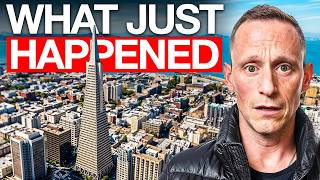
In this March 2026 YouTube video, former lawyer and current San Francisco real‑estate agent Austin Klar breaks down the most consequential February 2026 headlines shaping the city’s real‑estate landscape. He begins by explaining the city’s decision to pause enforcement of a costly fire‑sprinkler retrofit mandate that would have forced high‑rise condo owners to spend hundreds of thousands of dollars per unit, highlighting the legal and financial implications for buyers and sellers. Klar then details the pending sale of the iconic Transamerica Pyramid to a Cyprus‑based investment firm, summarizing the building’s recent luxury repositioning, near‑record office rents, and the potential market signal for other office‑to‑trophy conversions. The video shifts to the culinary scene, spotlighting three new high‑profile restaurant openings—Mon Ami (Korean BBQ by Chef Junsoo Bae), Maria Isabel (upscale Mexican by the Dolita team), and Juju (French cuisine by the Lazy Bear team)—and their design collaborators. Next, Klar reports a retail resurgence in Union Square, noting the return of The RealReal, AT&T, and the first U.S. store for Japan’s Bathing Ape, alongside other luxury brands expanding their footprint. Finally, he examines newly‑passed legislation aimed at incentivizing the conversion of underutilized office buildings into housing, outlining tax incentives, projected unit counts, and the economic challenges that may hinder implementation. Throughout, Klar offers practical advice for prospective condo buyers, emphasizes due‑diligence, and invites viewers to subscribe for ongoing San Francisco market insights.
Chapters
Condo owners have been spared from a devastating law that would've cost them hundreds of thousands of dollars. The most iconic building in San Francisco has just sold for the second time in 6 years after a major glow-up by one of the world's most renowned architects. New restaurants with Michelin star pedigree are popping up left and right. Major retailers are returning to the city and expanding their footprint, especially in Union Square. And the city just passed legislation to incentivize conversion of empty office buildings into housing. But will it actually work? This is Austin Klar, your lawyer turned real estate agent in San Francisco, In this video, I'm breaking down some of the biggest headlines from February of 2026 that are sure to change the trajectory of San Francisco into 2026 and beyond. Let's get right to it and talk about how the city just pressed pause on enforcing a soul-crushing law applicable to thousands of condo owners across the city. San Francisco enacted major changes to its fire code, compliance with which would require astronomical time and capital expenditures from condo owners across San Francisco and potentially force them to leave their homes because they can't afford it. The biggest component of these changes requires equipping certain high-rise buildings with automatic fire sprinkler systems in every single room of every single unit. That means demolishing existing walls, installing new water tanks, installing new generators, installing new plumbing, installing new electrical monitoring equipment, making necessary electrical upgrades to accommodate that new equipment, and fitting each space with the required sprinkler system. Under the law, owners were required to submit permit applications and design drawings for these systems to the building department by 2027. And the sprinkler system and the intended monitoring system that they're supposed to install had to be installed by 2035. So obviously doing all that work was going to be incredibly expensive. And several news outlets reported after talking to homeowners associations and condo owners across the city that they were estimating up to several hundred thousand dollars per unit. The homeowners associations also indicated that they might have to increase dues by up to $2,500 a month in order to build up adequate reserves to help cover some of these costs. And because the work is so invasive, homeowners can't live in their homes while all this is going on. They'll be forced to leave, forced to temporarily rent other space, further adding to cost of living. So the costs here are potentially catastrophic for these condo owners affected by the new rules. Yes, it's all for safety, and that's important, but it comes at astronomical cost, potentially life-altering costs for many of these homeowners. Obviously, as the deadline was looming, residents were up in arms about the prospect of these debilitating capital costs. The city held multiple public hearings on the subject and officially voted to push back the deadline by 5 years while it conducts further studies to better understand how feasible these types of repairs are. So at least for the next several years, condo owners can breathe a little bit easier. Condo associations in buildings that are potentially affected by this rule have more time to build up reserves, which means they don't have to increase association dues as high as rapidly. I'm also really skeptical the city ultimately enforces these rules. There are challenges to these not just playing out through like the public hearing process, but there are legal challenges to these rules as well. But for now, The prospect of them being enforced still exists. So it is a huge issue that you need due diligence if you're thinking about buying a condo in certain high-rise buildings in the city. It's also something you need to be aware of if you're selling a condo. And there are other things you need to be aware of too, like fire alarm system retrofits, seismic retrofits. There are a ton of other legal changes that have occurred mandating owners to retrofit older high-rise buildings at their expense. And it stands to reason that future code changes may mandate future retrofit expenses again at the owner's expense. You should also Also know that the city isn't the only entity that's pushing for these retrofits, whether the city ultimately requires them or not. A lot of insurance companies are requiring them too. So you may still need to do it in order to get or in order to maintain existing homeowner's insurance. So when you're looking at buying a condo in one of these high-rise buildings, make sure you do your diligence, get really familiar with their books and what expenses they're planning for, and make sure that you're planning for things that they might not be planning for that you think might be coming down the line. If you want to learn more about other potential obstacles or pitfalls associated with buying a condo reach out to me. I was a lawyer at one of the biggest law firms in the world before getting into real estate. I've helped numerous people relocate here from all over the country. Be happy to be a resource for you. My contact info's in the description below. Reach out anytime. And if you like videos about the San Francisco real estate market, lifestyle, different neighborhoods, current events, new developments, or its incredible history, subscribe to my channel because I make videos about that stuff every single week. Now back to the biggest headlines that made waves in February of 2026. And the next one on my list is quite possibly the largest real estate transaction the city of San Francisco is gonna see for the foreseeable future. The iconic Transamerica Pyramid is in process of being sold to a Cyprus-based investment firm. It'd be sold for the second time in 6 years. The iconic 48-story tower was purchased in October 2020 by Michael Schwoz's investment firm for $650 million, and he subsequently invested another $400-ish million into rejuvenating not just the building, but the entire surrounding area. The goal of the project was to turn it into a true trophy property, a one-of-one kind of hospitality and wellness-driven luxury amenity building. Schwoz is known for creating ultra-high-end hospitality spaces, and he applied that concept to Transamerica with the goal of hopefully driving people back to the office. One of the world's preeminent architecture firms, Foster and Partners, led the design with focus on public spaces, renewed office interiors, and amenity spaces, including a 45,000-square-foot social club, cocktail bar, fitness center, updated lobby with library and a coffee bar. In addition to the building itself, nearby Mark Twain Street was completely redesigned, re-landscaped, created a tree-lined pathway that led to a completely refreshed Redwood Park. They also opened several new restaurant concepts at the space, helmed by renowned chef Brad Kilgore, and those restaurants have been very successful. And all of those efforts to reposition the building as a true trophy property worked. As of December of 2025, the building was already 85% leased, and the leases he signed garnered near-record rents— rents that we haven't seen in San Francisco or really anywhere outside of New York City. So there are astronomically high office rents. We don't know the specific price yet because the Pyramid is in process of being sold to a new owner, a Cyprus-based investment firm called IOTA PLC. We also don't know the buyer-specific plans for the building. We do know that SHVO is not going to be the operator of the hospitality spaces anymore, so they're going to have to hire somebody new to take over that. So a lot of TBD here, but it would be a huge signal for the trajectory of San Francisco's office market if this building trades at a meaningful premium. It'll also set a baseline for other buildings in the city that are kind of undergoing similar transformations. For example, the Spear in the South Beach neighborhood near the Embarcadero is being turned into what's being called San Francisco's first luxury office resort. So this transaction might kind of set a baseline for what that might eventually trade for if it sold. We'll definitely keep you posted of any sale updates, probably through short-form video on my TikTok or Instagram or YouTube Shorts. So make sure you're following me on there for more updates. And if you've been paying any attention to what's been going on in San Francisco at all, you know, it's not just the office market making a comeback. Restaurants and retail are making a comeback as well. And I want to talk about those two things next. First, restaurants. It feels like new restaurants are popping up left and right all over the city, spanning the gamut of food types and, you know, casual all the way to Michelin-star level food. And there are 3 recently announced restaurants that I want to focus on in this video. First up is a brand new Korean barbecue restaurant with Michelin-star pedigree coming to Pacific Heights. Chef Junsoo Bae of Michelin-starred Seol On Polk, he's bringing what he's calling the Korean barbecue version of House of Prime Rib to Fillmore Street. There won't be all-you-can-eat options, but there will be an à la carte menu and a tasting menu with a lot of different menu items from his restaurant on Polk. The restaurant called Mon Ami is taking over the former Nouch location on Pine Street as part of the Upper Fillmore Revitalization Project. The group behind that project is restoring the vacant Clay Theater and bringing a ton of other new restaurants and retailers to the area, which I'm super happy about because I live here and would love to see more great food in the neighborhood. Avroco is helming the hospitality design and they do awesome work. They're the brains behind, you know, Single Thread the J Hotel, China Live, and a ton of other awesome spaces in the Bay Area. The second restaurant I want to talk about is from a powerhouse chef team that is opening a brand new Mexican restaurant in Presidio Heights. The masterminds of renowned Mediterranean restaurant Dolita are opening up an upscale Mexican restaurant called Maria Isabel at 500 Presidio Avenue, and it'll probably be open by the time I post this video. Named after Chef Laura's sister and mother, the restaurant will seat up to 60 people, and it'll highlight food and wine that are not often used in Mexican restaurants, so bringing kind of awareness to different aspects of Mexican culture. Sounds like a great concept to me, and if it is half as good as Dolita, we are all in for a treat. Last but not least is a new outpost from the team behind 2 Michelin-starred Lazy Bear. They're opening a brand new French restaurant in the Design District called Juju in March. The location is the 6,000-square-foot loft-style space at the former Grove location at 1 Henry Adams. The menu is going to be traditional French things like duck l'orange, salmon almondine, shrimp bisque, omelette, bits, seafood towers, plus some New Orleans-inspired dishes. Restaurant design powerhouse John de la Cruz is helming the design of the space, which will also include a really cool outdoor area. He did spaces like Park Tavern, Wayfarer Tavern, and Kayfico, some of the best restaurant design in the city. Really excited for each of those, and there are so many more I haven't talked about. And I promised you retail updates as well, and the biggest ones making the biggest headlines in San Francisco are happening in San Francisco's retail capital in Union Square. Two big-name retailers are actually returning to the spots in Union Square that they fled from during the pandemic. The RealReal is the first one, and they just reopened their flagship at 253 Post Street. So you can once again go purchase and consign luxury clothing, you know, handbags, watches, jewelry. You can do it in the city. You don't have to drive across the bridge to Marin to get to your closest location. And they're coming back specifically because of all the great things that are happening in Union Square right now. Union Square's comeback is real. Visitorship is up nearly 14% over the past year. Crime is down 40% and major events like the NBA All-Star Game and Super Bowl 60 showed how incredible the area still is and can be. And it's getting better every single month. And they're not the only ones recognizing that. AT&T is also reopening their, you know, formerly closed location at One Powell, and they're joining a ton of other new retailers that have opened along Powell Street like Pop Mart, Nintendo, and Dandelion. And it isn't just stores returning, it's stores opening up San Francisco locations for the very first time. For example, a legendary Japanese streetwear brand is opening its first ever San Francisco location right in Union Square. Nigo's renowned Bathing Ape came to prominence in the '90s and has been donned by numerous celebrities, mainly in the music industry. To date, most of their brick and mortar has been focused internationally, but the brand has wanted to expand into the United States and made that a priority. And the Union Square location would be the 10th location in the United States, first one in San Francisco. Construction is underway across the 3-story building that used to be occupied by Warby Parker. Their direct Union Square frontage. It is prime real estate, and they are joining a cohort of other ultra-luxury brands that are opening in the area or expanding their existing spaces, like Goyard, Brunello Cucinelli, Rolex, Breitling, Patek Philippe, and many others. Really excited for all these spaces opening in Union Square and what's to come. And the last story I want to talk about today is new legislation designed to incentivize building more homes in San Francisco, which is something we desperately need. In February, Mayor Lori signed legislation to promote the conversion of old and underutilized office buildings into housing. Despite relaxed zoning restrictions, eliminating transfer taxes, and streamlining permit processes for conversion projects, we still have zero active conversion projects in the pipeline in San Francisco at a time when we desperately need more new homes. To help address this, the new legislation provides tax incentives, or payments from collection of future property taxes that would be generated from these projects, to the developers to help kickstart building. The city believes that there are about 50 buildings in San Francisco in the downtown area that are suitable for office-to-housing conversion, and that if those were converted, the city would see about 4,000 or over 4,000 new housing units. Based on those estimates, it's believed that about $1.2 billion would be provided as incentives to these developers, which equates to savings of, you know, 6 figures per unit, which is a ton of money. It's a great idea, but will it actually work to incentivize more building? I mean, only time will tell. It definitely helps provide future savings, but interest rates are still very high. Construction costs are still high and getting higher. We still have a very tight lending market. Market and office valuations in the city because of all the positive things happening in the office market, but also in the city overall, office valuations are rising again, which makes conversion projects less feasible. It's almost easier in some cases to just build from scratch instead of trying to kind of retrofit or, you know, reorient or reimagine office buildings into housing. So we'll see if the new legislation really does incentivize any new building. I mean, it definitely can't hurt. It's a good step in the right direction, but only time will tell. Well, there you have it. Those were some of the biggest headlines from February of 26th. There's obviously so much happening in the city right now, from new restaurants and retail to new office spaces and new developments and frameworks for new developments in the city. I'm really excited to see all these changes come to fruition. And if you want to stay up to date on all the things going on, current events, new developments, or just want to learn more about San Francisco real estate, its history, or lifestyle, subscribe to my channel because I make videos about that stuff every single week. And if you're thinking about relocating and want to better understand how these changes are impacting our local real estate market, reach out to me. I've lived in San Francisco for over 13 years, and I've helped numerous people relocate here from all over the country. I'd be happy to be a resource for you. My contact info is in the description below. Reach out anytime. And before you go, if you want to learn more about some of the obstacles and pitfalls to avoid when purchasing condos in San Francisco, I've got a separate video dedicated to exactly that. I'll link that in the description below. Go check it out. I hope you enjoyed the video, and I'll see you in the next one. [FOREIGN LANGUAGE]










