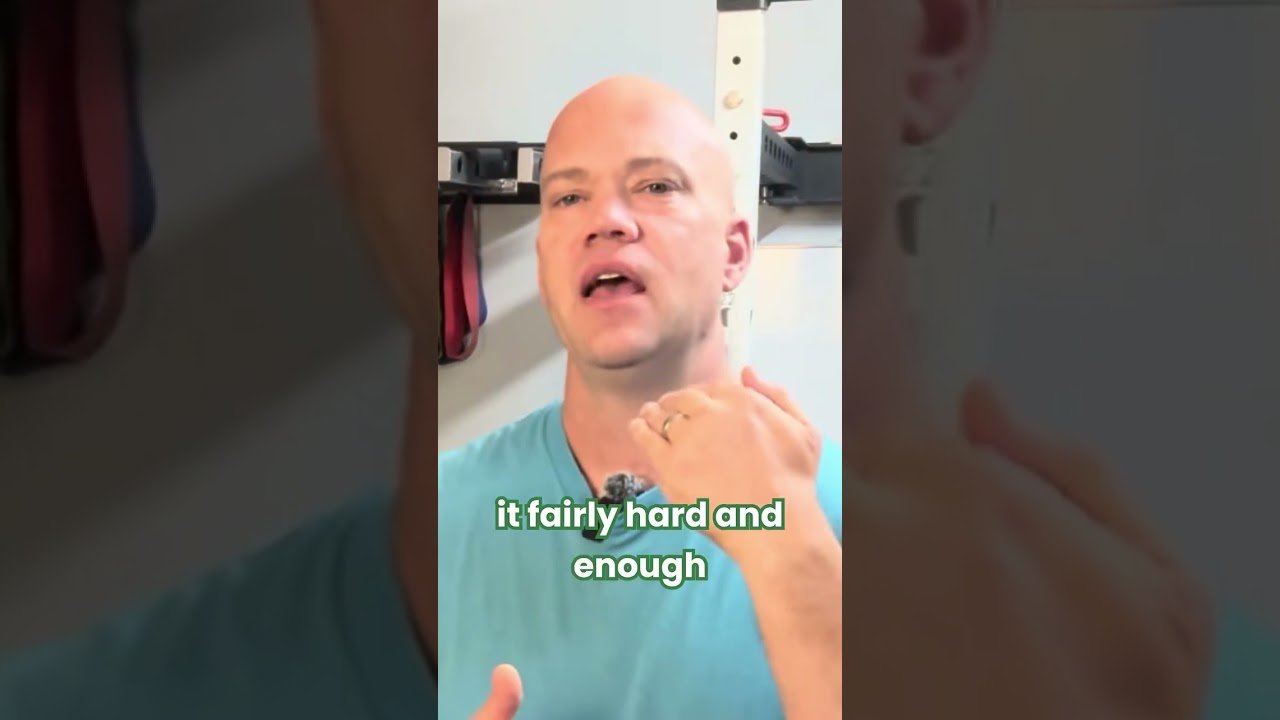
In this instructional video, Bill Daniels, owner of beyondfitnessonline.com, explains how neck pain is linked to altered gait patterns and reduced thoracic spine rotation, based on a study comparing people with neck pain to pain‑free controls walking on a treadmill. He interprets the findings to suggest that improving thoracic mobility and addressing vestibular function can alleviate neck discomfort. Bill demonstrates three practical interventions: (1) a thoracic spinal glide exercise to increase upper‑back rotation, (2) a saccule‑focused vestibular drill involving toe‑rise bouncing while maintaining visual fixation, and (3) an utricle‑focused vestibular drill involving side‑to‑side gliding in a squat while keeping eyes on a fixed point. He emphasizes proper posture, safety precautions (consult a doctor before attempting if pain is severe), and encourages viewers to monitor neck range of motion and repeat the drills throughout the day. The video ends with a call to action to subscribe and engage with his content.
Chapters
If you suffer from neck pain, I may have a solution for you. Hi, I'm Bill, owner of beyondfitnessonline.com, where we go beyond the standard nutrition and exercise stuff in order to help you eliminate your pain and lose the weight that you want to lose so you can live the active, healthy lifestyle that you want. So today what I want to talk to you about Is neck pain. If you suffer from any kind of pain in your neck, then there may be several different ways you can approach that. So the reason I'm making this video today is because I came across a study that was done, and it was very interesting to me. So basically what they did was they took 2 groups of people. They took people with neck pain, and that could be any kind of neck pain at all, and they took another group of people that were Had no pain at all. They were the standard group or the control group. And what they did was they had these people get on a treadmill and walk at 3 different speeds. They walked at whatever speed they were comfortable at. They walked at 3 kilometers per hour and 5 kilometers per hour. And they took videos of them from various angles to see what kind of compensations we saw through the rest of the body and to see if maybe there was something in the body that elsewhere that could potentially help the neck. So they had them do this 2 different ways. They had them doing it while looking straight ahead, and they also had them with their head turned about 30 degrees, like that, about that much, which is a little bit of a weird way to walk. What they found in this study was pretty interesting. The people who had the neck issues had shorter strides at whatever speed. They found that the speed didn't matter. And that if you had a neck issue, your strides in your gait cycle were much shorter than if you had no pain. So that started to make them wonder, well, what else is going on throughout the rest of the body? So they started taking a look at the pelvis and the spine. What they found in the spine was that there was less rotation. When we walk, the arms are supposed to move and the gait— And During gait, the torso is supposed to twist a little bit. Well, they found that people with neck pain had severely diminished rotation in their spine. And so that was something to take note of. Now, in addition to those 2 findings, they found that when people walked with their head turned to that 30 degrees, that it actually made the results even more apparent. So what does that tell us? That tells us several things. First of all, that tells us that there could be long-term problems in the spine if you don't treat the neck issue. 2, that tells us that maybe we can start working on the spine, on the lower spine, the thoracic spine. So basically below the neck to above the lower back, anywhere where you have ribs. And that may potentially help you relieve your neck pain. So I'm going to show you a real simple exercise here. It's called a spinal glide or a thoracic spinal glide specifically. So I'm going to go from this angle so you can see it, but you want to get nice and tall with the best posture you can. And just real quick before I show you this, if you have a lot of neck pain, make sure that you see a doctor first and clear this with them. This is just a safety precaution just to make sure there's nothing else going on. Okay? So we get nice and tall, good posture with the head, make sure the hip chain is slightly tucked, and then you're going to kind of put your finger right here in the middle of your chest. And you're going to let your spine kind of fold over it, so you kind of go into a hunchback. And then you're going to push into that spot. And then you're going to fold over your finger again. And then you're going to push back into that. And you repeat that. And you can repeat it up here, you can repeat it down here. Remember, the thoracic spine goes from here to here. So you can try to go here, you can try to go lower, and getting that mobility in the spine may make all the difference for you. Now the other piece to this is the vestibular system. The vestibular system is in your inner ear and helps control your balance. Now that's important because not only does it help control your balance, but it helps control a lot of your postural muscles, particularly down the spine. So neck pain and spinal problems could be related to the vestibular system. So I'm going to show you 2 quick drills for that. The first one is for a part of the vestibular system called the saccule. So what you're going to do is you're going to pick one spot. I'm going to use the camera lens right there, and you're going to stare right at it with good posture. You're going to come up on the toes and you're just going to bounce, keeping your eyes on that spot. Do that for 10 to 30 seconds. If you start to feel dizzy, lightheaded, Like it's really, really hard, then stop. You don't have to do quite that much. And you can come back and repeat that several times during the day as long as it doesn't make you feel ill or dizzy or you have any of those bad symptoms. The other part is the utricle. Now, the utricle helps your body— helps tell your brain which way your body's moving laterally or forward. So what we're going to do is we're going to use that same eye target. We're going to squat down kind of into a bit of an athletic position. And you're just going to glide side to side, keeping your eyes on that one spot. Now you're looking for those same symptoms. If you're getting dizzy, if you're getting lightheaded, you need to stop. But try again, 10 to 30 seconds, and see if that helps you. One of the things you can do is you can take just a note of how far can you turn your neck without pain, and then try the drill, and then see if it goes a little further. If it does, that's a good drill for you. If it makes it worse, then you want to stay away from that for now. So if you have any questions, let me know. Shoot me a message below, and don't forget to subscribe right here so that you can see all of my updates that I send out every week. And until next time, live healthy.