She Put AI on Her Own Phones. Here's What Happened to Her CSRs.
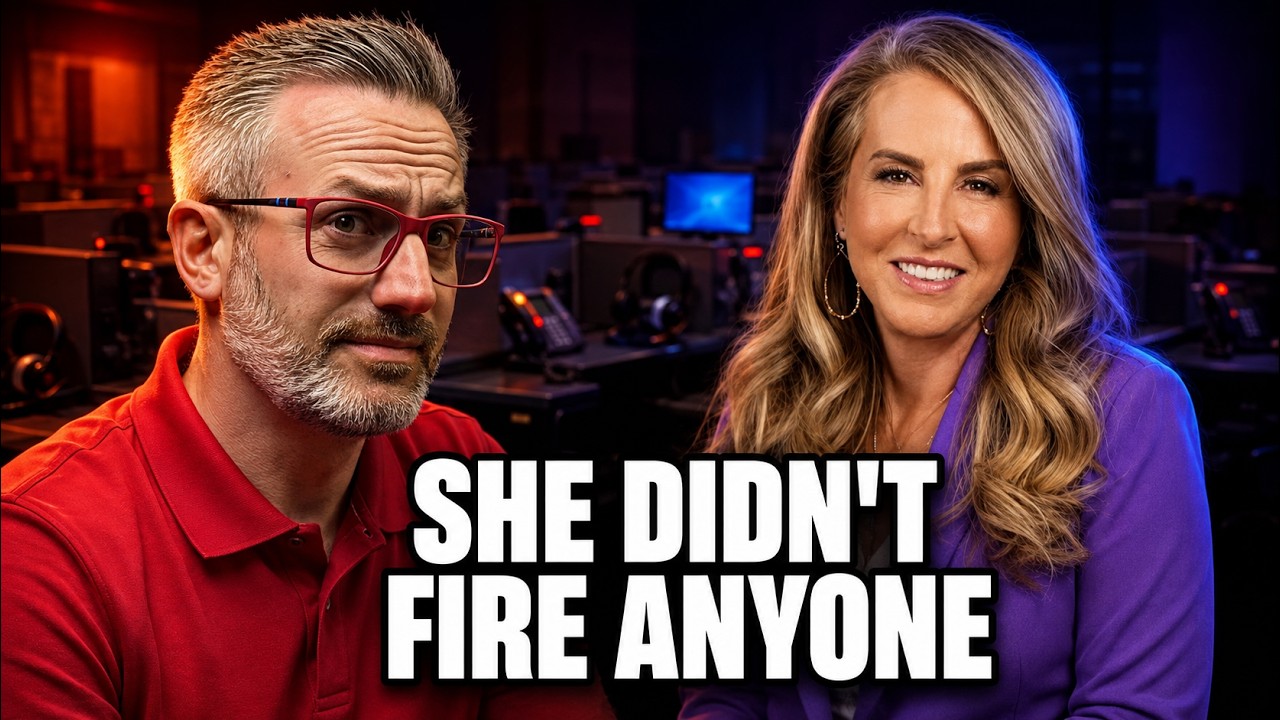
Marcel Flowers installed an AI voice agent called Dane on her plumbing company's phone lines to handle scheduling and bookings. Her CSRs now monitor calls instead of answering them, handle complex situations, and get regular breaks. After-hours staffing costs dropped, and she didn't have to replace anyone.
Chapters
So today we're talking about the part of the AI conversation that no one in our industry actually wants to have out loud. So everybody wants to argue about whether the technology works. Does it book the call? Does it sound human? Does it screw up? I think that's the easy conversation. The hard one is the one that I get in the DMs and usually not in the comments section. It's what happens to the people who are answering your phones right now? You've got a CSR who's been with you for 6 years. She knows half of your customers by name, and you're sitting there doing the math and you feel a little guilty about it. That's the conversation that I want to have today. And I went and found somebody who can actually have it because she made the call on her own payroll. So my guest today is Marcel Flowers. Marcel runs and owns Armstrong Plumbing out in California. She's the operator and she's the one deciding on how the phones get staffed. And who's covering the weekend. And at some point she made the call to put AI on her own phone lines in her shop and in front of her own team. And she's also the COO at Broccoli, which is a company that makes this AI voice along with other products. And Broccoli is a partner of ours here at ServiceTitan Hacks. So she's the customer, she's the vendor at the same time. And I want that on the table in the first 2 minutes, not buried in a disclaimer at the end, so you can weigh everything she says accordingly. And I'll tell you why I wanted her to sit in this chair. There's almost nobody in this industry who's put this in their own shop and can also tell you what it looks like from the other side of the table. So that's a rare seat. And she's not here to run a pitch. I'm not gonna have that turn into— this is a story about her experience. And I wanted the operator version.
Yeah.
What she was scared of, what she did wrong, and what it actually did to her front office and If there's anything she'd do differently. Marcelle, thanks for joining me and let's get into it.
Bill, thanks for having me. I appreciate it.
So before we do any setup at all, when you decided to put AI on the phones at your own shop, what was the first thing that you thought about your own people?
That is a great question, Bill. And some, I think it would be difficult to answer without the story behind it and what I experienced coming up to putting AI in my office, because I Didn't think about the people part at first. And I think it has to be said that, you know, when I met the guys from Broccoli, I met these 2 young, young men. What I heard was so incredible that it changed everything for me. Like just a little sample of the AI that they brought, I thought, oh my gosh, I may have had this wrong. So I just want to say that first because I, I came from a place that a lot of people do, which is like. You know, I'm not bringing AI in for any, any way, shape, or form. It's, it's not going to happen. But then as I realized that AI would replace an answering service, I realized the weight of that, right? It's going to come in and replace a lot of people. It's going to replace an answering service that probably is a business offshore somewhere with, you know, 30, 40 people business. And, uh, and we're going to replace it with one excellent experience. In terms of, you know, what I thought about on the people side of it, I think it's a bigger story to talk about. And I just think it needs to be understood that maybe in the very beginning I had all those fears. But it wasn't always about the people. Then when I did actually bring in AI, I did become aware that, oh my goodness, if we bring this in-house and it is answering the phones after hours, what can it do on the inside as well during hours? And that was a pivot for us, pivot for me. And so we can talk about that if you'd like to get into that a little bit further.
Sure. We're definitely, we're definitely getting into that. Let's, let's set the scene a little bit about Armstrong. How many trucks are you guys running and like, What's the day look like? Who, before AI, before any of that, who was answering the phones? How did you guys kind of handle those calls?
Yeah, uh, we've, uh, you know, like everybody from COVID on, uh, things rapidly changed in our world. Um, I had a lot of trucks running for, at one point we were down, I think at the time that AI came in, I think we were running about 12 to 14 trucks at that time. And, uh, yeah, we, we, uh, a typical plumbing shop, right? We get the emergency calls. We did take 24/7 emergency. Uh, I've got a lot of commercial clients and, you know, McDonald's doesn't wait at 2 AM in the morning when their line's backed up or they got toilets backed up or whatever. So I had to be available 24/7 to capture a lot of these commercial clients that we have. And, um, yeah, I was just answering a typical answering service, but I had gone through a lot of different answering services. Uh, the bar is high. I want an excellent experience for my customer and it doesn't matter what time of the day it is. If they call at 2 AM in the morning, I want that call, need that call, have to take care of that customer no matter what, or I lose a contract, a very big contract potentially. So our 24/7 was manned by an outsourced answering service, like I said, and we had just gone through the gamut. We had been, I probably, gosh, no less than like 5 of them that I think that we had gone through in a period of maybe 4 or 5 years. And what I found was I just couldn't get better. Each one I adopted had a promise of we're better, we're better, we're better, you know, and they know, but then they weren't. It was the same story.
Yeah.
put on hold forever. I had them dropped because they didn't realize, you know, the nature of the emergency, or they claim they sent it to my technician who claims that he never got it. Or Monday morning I had a pile of things to sort through that were just messes, you know, from a weekend of answering services that calls that just were subpar. And, and I remember getting on those calls just going, I, I was like cringe, right? Just like, oh my gosh, we just potentially lost 5 customers, you know? And Whatever, you know, your, your average ticket on that is, it's a big expense, right? And potentially even a client because we couldn't get to 'em. I mean, a good longstanding client. So that's how we were set up in the beginning. Probably pretty typical of most plumbing shops. Busy plumbing shop needing to really take care of our customers and, and, and, uh, respond to those emergencies and just not, not an adequate solution at all.
Yeah, that, that makes sense. I mean, and my HVAC company, I went through many different answering services as well. Really just hoping that they would come close to my CSRs as far as what they could do. Right. And with everything, you get that promise at the beginning. We're a home, we're, we specialize HVAC, we specialize for home services. We understand after hours and emergency. And let's be honest, what they ended up being was a glorified answering machine.
Yeah.
And I, I don't even really want to go back and look at the, the dollars of how much we lost. There's so many things, so many metrics like that in, in business, the what-if money, the opportunity cost. I just know that my customers weren't getting a great experience. And so I went, and maybe, maybe you've done this as well. I went from one answering service to another, then having my CSRs do it, you know, on call on the weekends, which they hated. And when I sold my company, AI was not, uh, wasn't, it was very, very new, wasn't really much of an option. So I just kind of fluttered around with the whole one answering service to another.
Yeah.
And did you ever have, did you ever have your CSRs answer the phones after hours or, uh, was it always the answering service for you before AI?
Yeah, no, we, we went down that path too, for sure. Uh, I think because the last option we selected as an answering service was so expensive. And the reason we were willing to pay all of that is because they could book it into ServiceSight and they could put, they could put the call right on, uh, on the platform and then notify the technician. And I thought, finally, someone's got, you know, an ability to do that at night. I can relieve my, my CSRs because I was burning them out, right? Absolutely burning them out. In the beginning, everybody's like, oh yeah, we'll do that. You know, and then in California, we've got so many restraints on how we have to pay them. So I'm like, this is not even competitive anymore. So I selected an answering service that could do it for me and was willing to pay $5,000 a month for that service. And then found out it was just, it was just a bigger mess, right? It was a, it was still messy. I went back and forth to the answering service and to my CSRs. And, and then I kind of came up with a hybrid for a while. I took my CSRs, I said, look, we'll pay you, I think it was $20 or $25, I think, for an experience. So once you capture that call, take it all the way through, get it on the books, it's $25. And so if you can do that in, you know, 1 minute, then 2 minutes, great. Then you got $25. If it takes you several calls to get on there, you still got $25. But they, they started doing the math and realized we like that, right? So. Raise their hand for that one a little bit more than just be on call and I'll pay you if you pick up the phone, right? California's really tricky about that. We have to be careful. And so, so they offered to do that. And then we realized that again, you know, it was someone's got a wedding to go to this weekend and somebody's got this and that, you know, the typical stuff. And so it was like, who's gonna cover the call this weekend? I don't have anybody. And then we were back to the answering service again. So kind of did a hybrid model, which again, you know, depending on how many CSRs you have, right? You rotate 'em through. It's, it's, it's still difficult. It's a difficult model. So we finally, um, you know, when AI came through, um, we just decided that we didn't need any of it anymore. We just let the AI do the job. So that's how we—
So it broke the people, even though they like the idea of the incentives and the money, they, they didn't want to be on call, you know, for the whole weekend, just for—
Yeah, I think you could say that, Bill. I, I think, um, And what I would say is just fast forward a little bit. We still carry a hybrid model, even with the AI. We still have a little bit of our CSRs because I think, you know, what I'd wanna say, and I'll say it early on right now, is that AI is a teammate and you've gotta look at it like that, right? I think there's a lot of shops that go in with, oh yeah, they're gonna be our frontline and we're gonna put 'em on full-time and no one else, no human will touch it. And, you know, it's, there's some people that honestly wanna run their shops that way. We don't recommend that. Not saying that it's not capable of doing that, but the way I like to look at it and, and Brockley looks at it is AI really should be a teammate. And so we still do a hybrid model, but what's nice is the CSRs aren't picking up the weight, right? They've got 5% interaction with it. I still, I still give them the $25 if they have to pick up the call. But when I say pick up the call, what they're doing is just monitoring what call has already taken place, making sure that it got into the right hands. And if the customer decided that they wanted a callback for any reason at all, they have the, the CSR can still do that, right? So a human is still on the line. It doesn't mean the human responds to every single call because they don't have to, but it was kind of a hybrid.
So it wasn't, it wasn't you going out searching for an AI solution. You said you were really apprehensive about that. The founders of Broccoli just showed up to your shop one day and said, Check this out. This is what we have. Is that kind of how it, how it went about?
I would say that's the one sentence, 2-second pitch there. You want to hear the story? I mean, I, you know, I got time.
Yeah. Tell me the story. That sounds, that sounds interesting.
Actually a really fun story. And I love telling it. I never get tired of hearing it because I think it speaks to so many other things. Not just, not just, you know, a pivot from a little, you know, small town girl living in a small town world here, but I think it's, It's just one of those miraculous stories really that happens only once in a lifetime. And I'm so grateful to have been part of it. In, in June of 2024, and which was really only about 3 months into the release of ChatGPT and the voices hitting the market, um, I had a knock on my door and I actually didn't entertain the first knock because I was busy. And so they came back the next day, but these 2 young, young men, my team came in. I was sitting at my desk. They said, there's these guys out there. They said they're students and So I, you know, I grabbed my wallet. I'm like, okay, I've got some kids out there selling chocolate bars for the soccer team. Right. So I just believe that, uh, you know, the Bible says we entertain angels unaware sometimes. I'm like, I'm going out to the counter. If I'm available, I'm going to the counter. Um, cause you just never know who's going to walk up to your office, right? Or what opportunity you might have. And I love kids and students. And so I'm like, okay, grab my wallet. Let's, let's, let's, you know, buy the box of chocolate bars. So I went out there and then realized that AJ and Adi are standing in the lobby, these 2 young Hansen, kids from India. And they're, they said, we're students and we're just wanting to learn. We want to learn about the plumbing company, what kind of problems you're having, what challenges you're having. And I thought, well, this is not what I thought, you know? So I literally held up my hand and go, you got 5 minutes, guys. I can give you that, right? So we walked into the kitchen and they asked me a couple of questions. I listed a thing. I, you know, I mean, plumbers always have problems, right? We had talent problems. We had Training problems. We had inventory problems. We had fleet problems. I mean, there was just all kinds of things I could list. And then all of a sudden I thought, you know, I had just lost my receptionist. I had just lost my happy call person. I had one person dedicated to just making those outbound calls. And so I, I brought that up. I said, I just lost 2 people, you know, and not thinking AI necessarily, but I said, so I got problems with some talent right now. I need to get that fixed. And anyway, AJ holds up his phone. He goes, um, have you ever heard of AI? I'm like, Oh boy. And that was it. Like I was ready to like, okay, we're done with this conversation because I just like, AI is not coming in my business. I don't know what you're selling because it wasn't a pitch, right? It was just like, we just want to hear your problems. And all of a sudden there's a pitch on the phone. I'm like, oh, you sneaky little guys. So, but I, but I agreed to listen to it. And then when they played this AI, they had made an outbound bot for a previous customer in the Bay Area, knocked on 140 doors, got one, one to open enough that they could create this outbound bot for them to, it was as an appointment reminder. So that's what they played for me. of the 141st door they knocked on and then it's Sacramento. But anyway, I heard that and, uh, and Bill, it changed everything. So I heard that voice. I went, that is really good. And it's so human-like. I said, I could barely tell there was a conversation going on between a bot and a human. It was amazing. So it was enough to get their foot in the door enough for me to get curious to say, okay, let's look at this. Can you do that to replace my person I just lost? Right? I just lost somebody at the front desk and I need someone to pick up that phone immediately when they come in. And they're like, yeah. So they came back 2 days, had this incredible script that I gave them, and the bot had it perfectly every single time, right? So employed it. And that started this wonderful journey of broccoli. They came back day after day after day. At 3 months, they embedded in my office. AJ literally sat next to me, shoulder to shoulder, listening to my problems, bringing up solutions, creating a future that incorporated these teammates into my business to give me a lift, to give the CSRs a lift. And it was an amazing experience, has been an amazing experience. I loved it so much. And I love these 2 guys that walked into my office so much. I've never seen such incredible talent wrapped up in, in 2 humble kids. I mean, they were 25 years old when they walked in my office and driven and motivated and kind and humble and just willing to just sit here and listen to my problems. It was like having my own, you know, plumbing therapy right here, right? It was like, we're going to fix it. I mean, that was, that was their only intent. Was, was not building even a business. Their only intent was just like, let's help you figure this out. I mean, it was amazing. And I thought I'd never had anybody in the industry do that for me. Never anyone. I, I, I've been solicited with a million pieces of software before. And you guys just to sit there and say, we've got a solution for that problem and we're going to sit here until we fix it for you because you matter. So I couldn't, I just told them, you're stuck with me. I'm not going anywhere. You are stuck with me the rest of your lives. So here I am.
Yeah, that, that's a great story. It sounds like the timing was good for both of you guys. It sounds like it was good for you that, that you didn't replace someone or make that decision to let somebody go. You just, you needed to fill that slot to get those calls done.
Had to.
And so, you know, going through it after that, after you started doing those outbound calls with AI, What did your other CSRs think? What was their immediate feeling about it? Because, you know, you were apprehensive to start it probably a lot. I'm just going to put words in your mouth, probably because what are my people going to think? So after you started it, what did they think? What kind of, what did they say?
Yeah. You know, it's funny. It's like 2 years ago and it's just been, we've been on this journey for so long. I have to go back and really think about that. It's like, what, what did they say in the beginning? We were all learning together, right? It was like, it was so new to us. There wasn't a comparable out there. And it wasn't like there was offices with AI that had all these CSRs and we could all get on a call and collectively talk on a mastermind, right? We didn't have that. So I wasn't quite sure how, what do I do with this, right? So now I've just got inbound. We didn't even have outbound at the time. Excuse me. We had the other way around. We had outbound. We didn't have inbound at the time because the first, you know, couple of weeks, it was just like outbound, outbound. Well, the CSRs love that. You know, I don't have to do the happy calls anymore. I don't have to do the appointment reminders. It just lifted for them. Like that teammate philosophy really came into play. So all of a sudden the CSRs were like, you mean I don't, I don't, I don't have to make those calls anymore? Like, no, you don't. They're like, woo. Yeah. The two thumbs up. We're all about that. I think what changed is when at about the 3-week mark, we created the first inbound. And the inbound started coming in and they were picking up the calls. And again, I initially, we used the inbound for just the, um, the receptionist. And then pretty soon, you know, we were able to, to say, gosh, it can take it beyond that, that initial call, and it can actually book a call and put it into the software. That's when I think all of a sudden, you know, a couple of my CSRs are like, uh, what is this about? You know, so initially in all transparency, I got a lot of resistance with, and probably laced with the same thing that I had, right? A lot of fear. Like, what is this? going to do to my job? And I remember one of, one of my CSRs who's still with me today. She's amazing. She's walked through this journey with us and she goes, this, this is scary. I mean, it's going to book a call. And, and, and I think initially she tried to find, a couple of them did, tried to find every mistake it made and then highlight it, right? It was like a new employee on the block. It's like, you know, Dane scheduled a call and Dane took down the wrong, you know, number. And I mean, didn't happen often, but Dane maybe have heard the number incorrectly. It got the wrong number on there, but they were all too quick to wanna point that out. Right. And I'm like, okay, like they would with any new employee, right? Like, you know, you're too new. And then it's really not much different than when you do bring on a new CSR. And, uh, and we likened it to that a lot. So, but as we moved along in the journey, I think that, um, you know, they begin to get used to it. And, and, and actually AJ and Adi and I talked about this a lot. We thought, how do we frame this? So that CSRs aren't threatened, but they feel, they feel lifted. They feel unburdened. They feel like they've got a teammate, right? How do we position ourselves in a way that there's, you know, acceptance and adaptability in it, and they see that it's a positive thing for them? And that, I think that's, you know, even what we're on here talking about today is like, how do we do that? How do we breach that gap where employees are scared to death to be replaced? And I think for us, it was, let's look at Dane as an employee. Let's look at him as an employee. What would we do with a normal employee alongside another CSR? You know, they're going to train him. They're going to talk to him. They're going to say, hey, how can we make him better? Not to replace us, but to assist us, right? To, to come alongside and make my job easier. And over the 2 years, Bill, I will say that I did lose a CSR. I might've even lost 2 of them actually. And what AI did was help me not to have to replace them. So I, I never had to fire anybody. I never let anybody go because they were replaced by AI. However, with a teammate as good as the AI is, I didn't have to replace them. I'm down, I'm down to 2, you know, 2 and a half, I guess. And they're happy. They're so happy because their burden is light, right? And they enjoy that now. And I get a lot of positive feedback. It's never going to be perfect, right? AI is not, not perfect. It just won't be. And there's, you know, certain things we still, I think we still have to kind of concern ourselves with, but in terms of replacement, you know, we've not had to deal with that. Now, I know there are some shops, maybe that's a bigger concern. And, but I, again, I think the focus is just, is how you move into that area, right? And how you posture the AI. And quite honestly, how does the owner feel about the AI, right? And how do we say this is a help, not a hindrance, and this is a lift, right? And to lift a burden and a true teammate. And that's the way it should be perceived.
Yeah, that, that makes a lot of sense. So today, do you have, uh, fewer people on the phones than you did before?
We do. Yeah. Because as we've, uh, you know, people have kind of come and gone. We just haven't replaced, right? We just haven't needed to replace. We just did hire a, a young, a young man that's coming in part-time because we realized that just, you know, there's still, I still want humans there, right? Humans are important to me. So I still want the human connection. I think as humans, We want that as well. There's some of us that are like, you know, let's get an AI cuz they're gonna gimme the answers I want. They're gonna get me booked as I want and they're gonna gimme the space that I need it in. And I don't mind talking to AI because they're really good and they know what they're doing. But at the end of the day, I think there's still a good percentage of us that want to connect with a real human. And so, yeah, so I, I brought on a part-time guy right now that is working with us to kind of answer phones during the day and what it really means, you know, it's, it's important during the day. Yeah.
So what do your CSRs do now that they weren't able to do before? Now that they have this extra capacity, what, what kind of activities are they doing?
Yeah, I think that's a good question. We have a, we have a, the CSR slash dispatch model in our office, so we've never really been big enough that we would separate those 2. So our CSRs are our dispatchers as well. And I think any plumbing shop my size knows, you know, the day goes like that because from the moment get there to the moment they end, uh, those phones are ringing off the hook for some reason, right? And, and maybe some shops like mine, I don't have a receptionist anymore. My AI usually takes care of that for us, but there's always a phone call that comes through that it's a customer that needs to reschedule or somebody that just wants to pay their bill, or maybe they're checking on, has my part come in yet? And I mean, you get those kinds of calls and the dispatcher CSRs are burdened with those, right? All day long. It's just like, you know, phone to phone to phone to phone. So I think at the end of the day, it's given them some breathing room, right? The CSRs for the first time, and this sounds trivial, but my team never could put the phone on lunchtime and they could all go to lunch. I know this sounds really trivial, but that was important to them. My team's like, for the first time, we know that we've got a bot on the line that can do everything end to end and we don't have to worry about it. We're going to get up from our desk and we're all going to go to lunch together. I'm like, yay. So I know that's, it's kind of a silly thing, but It started there, right? And then pretty soon I noticed the, I just noticed more laughter. I noticed more connection, more, you know, they'd come out in the hallway. I just see them more and I'm hearing the phone ring, but it's getting picked up. And I think what it did for them, I mean, ultimately it just gave them some breathing room in the day, right? We've got one more teammate that it doesn't matter if 10 calls come in at once, that teammate's gonna be on all of them. And take care of it for us, right? We don't have to worry about, oh, put that on hold, put that on hold. Now there's three phones ringing, four phones ringing. We don't have to worry about that anymore. We can all get up, take a big breath, go out and stretch, and really take a ten-minute break like we're supposed to, and and know that if twenty-five calls come in, they're all going to be handled like that by one bot, right? So when I say lift, I think it's I think it really is a lift. I mean, I think the CSRs are going, okay, we can breathe a little bit more, and that's just maybe really surfacey. I could get Really, I mean, we've obviously kind of revamped what we wanted, that they were able to get more into the minutia of things and, and parts of the calls that were really important. Like, you know, does this customer really need a water heater, you know, change out? Or is this thing now at, you know, we can research the length that the water heater's been installed and do we really need to go out and give them a replacement or is it a repair? I mean, they could research that more. They can take the time to do that, right? Or they can take the just converse with Mrs. May now because they don't have to worry about the other 4 calls coming in. So now they're building the relationship with the client in a more human-like way. And so I think it's just given them freedom to do things that really matter. And some CSRs, some companies are like, you know, stay 2 to 3 minutes. That's all you need on that phone call. But the relationship starts there. The relationship starts on that phone. And so if you're in and out of a call in 2 minutes and you haven't built that first relationship with them, I think we're missing out. And I think some customers call just because they want to talk to Melissa. They want to find out how Melissa's doing. Melissa has more time to talk to them without the fear of losing 2 or 3 other calls because she's, you know, they've all come in at the same time. So.
That makes sense. And I think it's, that's consistent with how we've been training technicians when they go to someone's home, how much time they spend, right? I mean, the best shops that I've seen don't run 5, 6, 7 calls a day. They run. 3, maybe 4. Yeah. And they take as long as they need to on each call.
Exactly.
And, um, that's what, you know, that's, that's great service being able to take that kind of time and not having one foot out the door. Same thing with the, with the phones. You, you see another call coming in and you cut that conversation off and that, that just hurts that, that, uh, relationship, right? Yeah.
That's it. When you call somewhere and I mean, ServiceTitan gives us the visibility to actually see who's calling and, It's right into their account. But how wonderful would it be to call an office and Melissa picks up the phone and of course you recognize who she is and she asks about your dog and how did it go last time you called? You had to rush off because your dog needed a vaccination or maybe wasn't doing well, had to go to the vet. I mean, how nice is that when someone actually says, how's your dog? Last time you talked, or how are the kids? Or it sounds like you had a birthday party last time we talked. How are they doing? I mean, it's just You're right. It's, it's that human relationship that we're all after so desperately that still means so much. And the more AI that's introduced, I think the more we have to get back to what really matters. And AI's just given us time to do that, really. You know, now you could argue that, well, what about the other 3 calls? They had to talk to the AI. Well, the AI is getting smart and being able to do that as well. But I, I think that for those that, you know, want to optimize a little more time on each call, I think Knowing that you've got a backup, you've got a teammate to take care of the other calls allows us to do that.
I heard on a, uh, on a reel today, this morning on, on Facebook that, that I was, that this psychologist was talking about AI and replacement of people and everything. And so let's, uh, let's just run into that right now. So what this person said was that for customer service reps, They're the nature of the calls that they take during the day, right? Like you said, the inbound and outbound ones, some of them are very routine, schedule my maintenance appointment. And it's a 1 or 2 minute call. It's scheduling of an appointment. It's confirming arrival time, things like that. Very easy, very simple, very low stress. It's easy victory for the CSR, right? And so that is maybe 80% of their calls. All day, but if AI handles those easy ones, then the CSRs only get the difficult ones. How does that make them feel that they're only getting the upset customers and the ones that are very nuanced? Is it, how's it make them psychologically? It sounds like in your shop, you were saying that they see some relief from it, from not having those calls. So that flips what this psychologist was saying on this, uh, reel. And I was like, you know what? I'm going to ask Marcel about that. What's it like for the people to handle the calls that the AI can't handle? How do they feel about it?
You know what? I, I, it's a really good question, Bill. You know, I'm going to have a bias because I'm the kind of person that loves those kinds of calls, right? I love a challenge. So. All day. I'll take those because I'm, the goal, the goal is to turn that thing around, right? The goal is to take that, work it through and make a believer out of that person on the other line. And it's one of my favorite things to do actually. So, so I'm going to come with to you with, gosh, what a great opportunity, right? What a great opportunity for a human to get in there and pick up a difficult call that might be a little bit more challenging and turn it around, get that customer Realizing that, you know, they're going to get an A+ experience and, uh, and send them on their way and make sure they're going to call again. I just got a customer for life because of the way that call was handled. I mean, that's the way I would look at it. Now I can go in, in that room in there and ask my CSRs, what do you guys think about the hard calls? You know, and they're going to give me that look. They're going to cross their eyes. They're going to go, dang, it's hard. But at the end of the day, I think, I think that's where the reward is, right? And I just think you have to frame it. In a way that, like, would you rather take care of, you know, 15, 20 menial little, like, get your appointment rescheduled or, you know, pay a bill or something? Or would you really like to work through a problem that's a challenge for someone on the other line and help that customer realize that they're in good hands, right? We're going to give them the best experience. We're going to help them alleviate the fear, whatever they happen to have. And we're going to send them on their way with a renewed mindset that, you know, Armstrong Plumbing has got your back. So I, I think I'd answer that call all day long. I really would. Those become the customers for life if they're handled right, in my opinion.
I think that that's definitely a mindset you have to have. And if all of the calls that you handle, so I disagreed with her to an extent. And I think that what I heard from you at the beginning is there's a lot of tasks that CSRs do that they actually really didn't want to do. Like, is it really a victory to call and remind somebody about an appointment? And how many times do they actually answer anyway? So does it feel good to let a phone ring and leave a voicemail? I mean, for me, I don't ever leave voicemails. I did when I did outbound calling at my company, which I hated, by the way. But going, going back to that, I, and maybe I should reach out to this lady because I was like, I don't know how CSRs will feel about that. But the mindset that you have that, yeah, this is hard. This is a challenge. I have to, I have a A problem that I'm gonna be able to solve might bring much more reward to their job than making those routine type calls, because that's what technicians do. When we went out to homes, we knock on the door, we know this customer has a problem. Maybe they're not a jerk about it, but we're not there if they don't have a problem. And we get to be the heroes to turn it around and, and make the customer feel good. And CSRs only got to do that a little bit. I also think that With CS, if that's, if they're expecting those challenging calls and that's just the kind of the pitches that they're swinging at now, they're going to get better at it. I think that if 80% of your calls are easy and then boom, a challenging one comes, it could kind of take you, it could catch you off guard, right? If it's, you've been smooth sailing all day and now it's 2:00 PM and somebody calls up and they're upset, you're kind of like, whoa, what's going on here? So I think that it might also help your mindset. So I'm with you on that.
Yeah.
But ultimately, if it was so bad, your people would tell you or they would leave, right? Like if, if they were just getting beat up by customers. Well, you know what, if you have a bad company that doesn't provide good service, then that's going to be a lot of the calls that your CSR handles anyway. Exactly. That's kind of my thoughts on it.
So I thought that was really— Yeah, no, I think you're right. AI has made my team better. Made it better. So it's interesting, even if we do have one of those calls that come in that are really challenging and maybe the customer is hating the AI or maybe the customer is just like, you know, I'm fed up or whatever it is, the bot handles it so well that we, we actually love those calls because then the CSRs will get on there and they'll go, oh, I guess I could have said that, right? So it makes them better too. So that's not to say that the AI can't pick up some of those, you know, those tougher calls and work through them. I'm not sure they would be doing the role that they're doing if they weren't the type of person that really welcomed the challenge throughout the day. A good CS lover loves to be that person that turns situations around and at the end of the day to be a hero. I mean, otherwise I don't think they're going to choose that role. Right?
Sure. It's not for everybody. I couldn't handle it all day. Just hearing the complaints from customers. I couldn't, I couldn't do it. All day, although I was a business owner, so I heard complaints from employees and customers all day anyway.
Bill, you're not supposed to hear complaints from customers all day. Why do you hear— why are you hearing complaints from customers all day?
No, it was a lot of times it was relayed from the technician.
Uh-huh.
Oh, this customer's not happy. And then you call them and then they're— it wasn't relayed accurately from the tech. Right.
There you go.
And maybe the tech just took it that way because of the customer's tone or nonverbals and everything. But as the owner, I, I didn't hear about the victories as much as I did the problems. I actually went searching for the problems though, right? I've seeked those out, but getting back to the CSRs, yeah, if you're someone that can't handle an upset customer, it's not the job for you because it's going to happen no matter what, right?
Yep. Got the wrong, the wrong, in the wrong seat is what I'd like to say. So.
That's right. That's right.
And I think it's a tool to work with. And I think the line, you know, the pendulum, maybe it's that.
I think it's going to make great strides for shops that are trying their best. If you are a shitty owner with ill intent, then you're going to go to AI and you're going, this is, and I've heard this before, right? Like, oh. We get, we're going to get rid of all of our CSRs and everything, uh, and use AI. Well, that's because nobody wants to work for you.
That's right.
Because you bring the CSR in and they have to deal with a bunch of negative customers because you don't provide great service. There's no vision for your company. There's no incentives for the CSRs to do well. There's no training at all. What do you mean? How hard could it be to just answer the phone? Just answer the phone. Right. And so I think that, that bad managers and leaders look to technology as a replacement for the things that they're not good at at all.
100%.
And that puts a lot of weight on you as your company, on the tech company to just come in and make your whole entire operation smooth sailing for, you know, a certain amount of money per month. That's not, that's not going to happen. It'll never happen. But then the companies that have people that wanna work there and the owner is trying to do their best, that's where they're gonna take something like AI and it's gonna supercharge their people and make them more satisfied in their jobs.
100%.
And customers ultimately more satisfied. So you can, you can use, there's shops that can use this technology, the same technology and not have a great result from it. And then there's some that will have a great result. I think it's a little bit more about the mindset going into it, right?
Yeah, 100%. I could, I couldn't agree more, Bill.
I just don't, I don't see where the question right now is, can the technology do this? It can. It's built in. You guys have like a line that you can call that you can talk to the AI. It's, it's freaking incredible.
Yeah. It's a lot of fun. It's a lot of fun. You listen to those calls. It's fun. You know, people will call in and try to give them a run for their money. And they're fun to listen to those calls. We get people a lot. They're like, you know, they're cussing at it. They're like, you know, F you. I can't stand you. I want to talk to the owner right now. Dane, we call him Dane, is our bot. You know, he just is quietly, you just reassure.
I'm so sorry you feel that way.
And it's how it works.
That sounds very frustrating.
So frustrating.
What's the difference between one tech company making it versus the other? Another, is it really come down to the tech at the end of the day? I mean, the tech is getting incrementally better over time for every company. That's just how it is. And even if you guys didn't work on it, ChatGPT is going to make better models. Claude's going to make better models. The ElevenLabs is going to make better voice models. It will get better. I've done some products where I've built them And it got better over time. And the, my customers were like, wow, this has gotten better. I'm like, I haven't done anything to it. I just upgraded the model. And so what's the difference between one company and another when it comes to tech? It's, it's the, uh, customer support and onboarding is what I really think it comes down to is as a, as a, uh, owner of a business, what are you asking me to do as far as implementing this solution you have? And are you setting reasonable reasonable expectations on what it's gonna take for me to do it. Or you may minimizing it, make it act like super easy, hands-off, don't have to do anything. And then I find out I needed to dedicate a couple weeks of time to get this going, and then it just flops. And then when something goes wrong, interesting enough, this is similar to how we deal with our customers when we—
Yeah, exactly.
Uh, when we do work like, uh, replace an HVAC system. Anybody can replace it. What happens when something goes wrong? And that's your differentiator, right? So set it, making it easy at the beginning to set it up and have success early. And then when something goes wrong, can they, can your customers get support? And I think that that's the difference between how you choose, how you're going to choose one tech company versus another as the technology starts to not be Completely different from one to another, right? Not to minimize your guys as engineers, but I'd say that out there, there's other AI voice companies that will have similar tech and everything. But like I said, what's the difference on what kind of support they have?
Yeah, I do think it parallels our businesses. Any good business, right?
The AI will even out the playing field, but today it's still relatively early in our industry. Today, if you are adopting it and optimizing it, you will have a great advantage over your competition if you do it today, right? It's like the first website, the first websites that came out. A lot of contractors, man, does this age me? This dates me a lot.
Geez.
The first contractors were like, why do I need a website?
Right.
And now, could you imagine not having one? The first contractors that adopted Google Ads and paid for pay-per-click used to, I mean, they used to just kill it on that as far as how inexpensive and how high quality the leads were. Then the ones that got into Angie's List first, the ones that got Google reviews before anyone else, the ones that adopted iPads when they finally came out and had LTE, the ones that went paperless, the ones that got ServiceTitan. Well, that's where we're at today with AI. You can adopt it or you can fight it, but if you fight it, you're not going to be able to compete with the competition. You're just not. I believe that wholeheartedly. It's not the silver bullet that's going to make your business amazing. There are ones that were amazing on pen and paper, right? But you have to, you're going against your competition. And if they have the tools like that and you don't, you're going to lose the game. It just That's just how it'll be. That's my feeling on it. I don't think it's a negative look at it. I just think that, uh, that's just the way it is.
I don't think we're going to keep up if we don't adopt some form of it. We're just not going to.
There's no way. No way.
Yeah.
I think that people can get soured on it if their expectations are out of line of what they think it can do. And some of those expectations are set by the salesperson at the tech company. And then some of them are just like your wishlist as an employer. Like you've ever seen the way job descriptions are written today? They're ridiculous.
Yeah.
Like what you want out of a person and the laundry list of skills, this person is amazing. And then you see what it pays and you're like, what? And if you have that expectation on anything in your company, you're just going to be let down.
Right.
So that the reality has to match the expectations when it comes to that.
I'm laughing because I just had to write a bunch of job descriptions. I know exactly what you're talking about.
Isn't it crazy? Have you ever read them today?
Oh my gosh.
I feel for these, uh, these people out on the job market.
Well, I think they're all, they're all created in AI anyway. Right. So you just do a job description, put it in AI, you get a job description and it's like 2 pages long. And yeah, so I'm laughing.
It's one of those things that nobody likes writing. Nobody, like we are going to offload the work to robots that we hated doing.
Exactly.
I don't know people that love writing job descriptions.
Yeah, no, never have.
There's some perfect jobs for robots to do. And let's give those to robots, right?
Yeah. Well, let's, let's, let's roll that back to the CSRs. I mean, I think what you just said is perfect, right? It just illustrates the same thing that AI can do for the CSRs. There are jobs CSRs hate doing and the AI does. So.
Yeah, it's, it's, it's a perfect apprentice, right?
Yes. There you go.
I'm really, uh, really efficient when it comes to like doing this stuff now, just because of AI. It's crazy. I don't think people know that ServiceTitan Hacks is just me, that I do all of it, all the content, all the writing, all the creative, all the editing. So I'm a big AI fan. It's, it's taken me into getting unbelievable production out of one person. But I'll tell you what, Marcel, it, I can only go till like 2 o'clock in the afternoon. I'm cognitively fatigued after that.
Yeah.
Because AI and me, we go at it pretty hard from 7:00 AM till about 2. And then after that, I'm just like, I'm just dumb.
Wait, think about it. Like you're, you're the boss of like 30 employees, right? All wrapped up into one AI bot. So yeah. Right.
And I have to explain everything to them. I've gotten so much better at explaining things.
Yeah.
Like, I feel like I would be so much better of a manager today because of how I've been so much more patient with AI than I, than I was with people. Yeah. You know, I just, I look at it as it's trying its best. I think that if we, looked at, at our people that way, we probably would be better managers to them.
Right.
And it's, it's made me have a lot more production and enjoy my day a lot, a lot more. So it's, it's fun. And I hope that that's what it does for all the other people that are using it. So.
Yeah, I think everybody could echo that for sure. Like it's, it's been a big lift for all of us that are using it in the best of ways. I can tell you honestly right now, I wouldn't want to go back. I wouldn't want to go back. I, I, if I could walk back to 2, 3 years ago and I don't have that at my fingertips anyway, I, I, no, no, thank you. I'm not going back. I don't want to write those job descriptions, right? I don't want to answer every single phone call in a, you know, and I don't want anybody having to do that, that, you know, that just someone wants to pay a bill or something like that. And not to say that I don't want to have a relationship or a conversation with customers, but I think there's just some things that I'm not going to return to. It just doesn't make sense. And bots do what they do really well. And that's the data and the routine and put the humans in where, where we want to build those relationships and work through difficult conversations and things like that.
It does bring a lot more meaning to relationships when, like for me, when I'm talking to Claude all day, it's not a person. It doesn't give me that feeling. It's just strictly production. And then when you have a conversation like this, you're like, oh, this is really nice. And I can put Just like with CSRs, I could put a lot more into it because I'm not, I don't have a million things to do after this. Right. And, and so hopefully our relationships will be deeper and we can not be so busy with a bunch of things going on like we have been.
Yeah, that's wonderful.
Since like computer age started, right?
Yeah, I, I think that's the biggest gift that AI will be to us, Bill. I really do. I, I think it's—
Well, let's see how everyone else feels about it, right? You know what I mean? The, I know that a lot of people are on board with this, especially a lot of people in the, uh, in the Service Site and Hacks group. There's a, I can tell that most people in that group are on board with adopting it. They're just not sure which part of my business I should do it first. And then what vendor do I use to do it? And then there's some people that are like, should I do it myself? So they'll like maybe try to use vibe coding or Things like that. So there's kind of just like a lot of questions out there from owners of what do I, what do I do? It's, there's not, isn't like a, a great roadmap or plan of exactly how to, how to source these, these vendors and everything. I put together a, like a sheet, like an audit sheet that you can use when you're calling different AI voice vendors of the questions that I believe you should ask them. Before you choose who to go with, because there are a lot of choices out there. And I think that you want to make the best choice for your business. There's some things that I found when talking to vendors that they, that I assumed that they did, like book jobs directly into ServiceTitan, like yours says, that they don't do. And that might be a deal breaker for you. So I put together this list of how to How to choose, uh, you know, just to make sure you ask the right questions when you're, when you're looking for a vendor.
I think it'd be really helpful. I, I think it's anything that, that we, we, we purchase, right? Anything like, or I purchase a car or, you know, or a water heater or whatever it is, to do the research, right? Make sure you know what questions to ask. I think that's the most important part. And then what are you optimizing for? What do you, what do you really want? What's most important to you and your business? And evaluate that before you bring it on, right? I, I think it would be wise. To do that, you'd be foolish not to. You know, we've gained a lot of market share from customers that have tried out other AI and, and that's fine, but it's costly. You know, it's costly to bring in AI, your team and the disruption in the office and the onboarding. And, you know, there's, there's a price to pay for that. And there's a bigger price to pay for bringing on the wrong one. So I think that tool's great, Bill. And I think that your people should, should use it for that very reason. Like, make sure you, you do your homework. And then know what you're, what you're wanting, know what you really want to optimize for. I can tell you that, you know, of course I'm here not to, I'm not here to promote broccoli and that's not what the point of this whole podcast is, but I just want to, I want you to know that, you know, we, uh, as a contractor sitting alongside of broccoli, I want to make sure that we've got the best product on the market, but I think, you know, your listeners have to know that for themselves. They really, really, really got to know going in. I have a little clip that used to be on our website. I, we're, we're revamping the website for broccoli right now. So, um, I had a little clip that just says, you know, take a bite It's good for you. And, and, and I probably just leave it with that. Like if, you know, you've got listeners that are kind of on the fence about AI or, you know, they've got some fears still associated around with it. I think you've given so many good tips today to be mindful of and hopefully to help them with that decision. And, and all I'd like to say is just, you know what, take a little bite. It's good for you, for your business. You know, it's, it's here. We need to, we need to adopt it. We need to work it through. And, and work alongside of it. So.
I love it. Thank you. So for those people that are, you know, skeptical about AI in general or adopting AI voice, I would recommend that you call, have this AI call you and have a conversation with it to try to understand its capabilities. And I think that you'll find it more than capable. And then I would have a conversation with someone from Marcel's team and try to Try to bring your, the biggest problems that you feel like you need to solve to that conversation and see if, if you feel that this is going to be beneficial for your business. Right. And also I'm going to drop a link in this podcast to that, that audit that I have. So if you're just, if you are looking at multiple different companies, you can kind of make sure that you're, that you're all on the same page and you know their capabilities. But yeah, it was a great conversation. I appreciate you joining me today and—
Bill, you know what? I can just say this. You're one of my favorites. I, I never tire of talking to you. I think we could talk till, you know, the day is long, but just really appreciate being here today and given this opportunity. And I love that we can talk contractor all day long. It's my favorite part, you know? So— All day.
All day. Yeah.
Just been amazing. So thank you so much for having me today. I really appreciate it.
Thank you.
More from Bill




Capturing the 80%: How SmartAC’s Gen-2 Targets Non-Membership Homeowners | Podcast Ep. 296

Build better customer data with every booking in ServiceTitan | TAD Tune-Up Series

The Biggest Change for Roofers Coming From Other Roofing Software to #ServiceTitan?

