189: Chiropractic Entrepreneurship with Dr. Tabor Smith
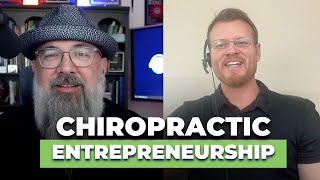
In this episode of the Chiro Candy podcast, host Billy Sticker interviews Dr. Tabor Smith, a veteran chiropractor and entrepreneur, about his journey from early spinal screening initiatives to building a multi‑office practice centered on the "spinal hygiene" movement. Dr. Smith recounts how he partnered with Chris Burfield to create a spinal screening product, then expanded that into a broader patient‑education platform aimed at lifetime spinal care. He describes the rapid growth of his practice—from a single office seeing a few hundred patients weekly to four offices approaching 500 visits per week—and outlines the challenges of scaling, emphasizing the need for solid systems, SOPs, and team alignment before adding more locations. The conversation delves into marketing tactics, including the documentary "A Better Way," content creation (webinars, pre‑appointment videos, a 21‑day spinal hygiene challenge, drip email sequences), and the importance of consistent patient education to improve retention. Dr. Smith also discusses pricing strategies, differentiating high‑ticket corrective care from wellness plans, and maintaining honesty with patients. Interwoven throughout are reflections on faith, stress management, and parenting philosophies, illustrating how personal values inform his professional approach. The episode concludes with practical resources for other chiropractors: spinalhygieneproducts.com, spinalhygienist.com, and the Certified Spinal Hygienist program.
Chapters
There's an inherent benefit of something being hard. I mean, because it's a reward of actually putting in that harder work that you're gonna get. And sometimes we forget that you are.
Listening to Chiro Candy, the podcast of sweet chiropractic success.
Here's your host, Billy Sticker.
Welcome to another episode of the Chiro Candy podcast. And this is a special one. I was going through some. Some old things. You know, the CO candy just brand is right at 10 years old now, and I was looking at. Actually pulled up the original, like, the very first episode I ever did. There's even, like, episode zero, and was listening to it. But then I looked in. Dr. Tabor Smith, who joins us today, was the very first guest we ever had on the Cairo Candy podcast almost 10 years ago. And so thanks for being a good friend and thanks for being on today.
Absolutely, man. Yeah. You're one of my very, very, very good close friends and, you know, just appreciate the journey. A lot can happen in 10 years, you know, and I think that was episode three, wasn't it, on your podcast?
I think so, yeah.
Yeah. Because you had 012, and then I was episode three. That's. That's cool. We've been on a cruise. We did a seminar cruise and everything. That was a blast.
We want to do another one of those.
Yeah, we should.
We. We definitely want to do another one. I've got. I've got some ideas kind of bouncing around for that, but yeah, and we had met before then because back in 2007, 2008, I was working in office for a chiropractor, and. And then we doubled the volume in both practices. I started selling some stuff on ebay, showing what we were doing. And then you had your screening, which. I forget.
Spinal screening.
Spinal screening, yeah, the DVDs and everything. You had that going on to teach.
People how to do that.
Yeah. And so we met back then, which is one of the reasons I had you on the podcast whenever we launched that. So let's kind of talk about that journey. Yeah, like you did. You started the spinal screenings, and then, you know what you're doing now.
Yeah, So I. And I was, you know, this is my 18th year of practice, but I did two years in associate, so 16 years in my own practice. And I was always doing spinal hygiene with my own patients. I used to have these big Tupperware boxes. I would go to Hobby Lobby and fill it up with, like, what I needed to, you know, it was, like, super clunky. And I would give it to Them. So I wasi was doing spinal hygiene in my own office back then, but I don't know if I was teaching spinal hygiene yet. I had started spinal screening because that's how we started marketing my practice. And Chris Burfield helped me to put together a spinal screening product for chiropractors. And then I kept teaching that spinal screening. And I thought, well, man, these chiropractors need to know. Like, you know, it's one thing to get people in the door from a spinal screening, but, like, the real goal would be to educate the patient and teach them about lifetime spinal care, which was what my spinal hygiene was. That's what I was really passionate about anyway, sharing with my patients and community. And then so we put together the spinal. The spinal hygiene movement, and that was. Shoot. That. We didn't even start teaching that to chiropractors till about four or five years ago, probably.
Yeah, it's been great. So.
And then our offices exploded, too. So we went from that one office, we were probably seeing a couple hundred a week, to that office. Now is we've hit 475. I like to say 500 because we're close. We're so close, but we haven't hit 500 yet. I said, I told my team when we hit 500 visits, we're throwing a pizza party or something. We're gonna have. We're gonna have a good time, but that. That office is doing well. And then we got three others now, so four total.
So what's your goal with your offices?
You know, that question is really hard for me to answer. The goal, if I just throw it out, an easy answer would be, we said 10 offices is what we want in the Houston area. But why? You know what I mean? Why do you want that? That's the hardest question is, like, I love chiropractic. I want chiropractic to grow. I like practicing chiropractic. I love my team. I love helping the community and being the chiropractor in the community. And so that's, you know, that's the why behind it. And we just chose 10 because it's like a big, you know, what's that saying? Like, shoot for the. Shoot past the moon or whatever. Shoot for the stars, and you'll hit the moon or something. You know, I'm like, we're at four now. And like I was telling you before we started here, it's like, now we've got to slow down and get things. Like, you were at one, I was at one. And we had to get it, in fact, this is a good point, is you've got to get the systems down at each level that you're at. And when I was at one and I tried to open a second one in Tomball, and it was me trying to travel back and forth between offices and see patients in both places, and it was driving. It just wore me out. I couldn't do it. And we sold that office. Ended up being a good thing because we sold that office and I invested all that money in the documentary A Better Way. That's how that documentary came out, because that was not a cheap production. But. But then it allowed me to get my systems right and my marketing right in my main office. That got us up to 3, 400 a week. And then we were able to purchase or acquire, you know, three other offices since then. And now we're. We were at that one office, we got systems, right? We're at three offices and offices we're running well, four. It's like wobbling again, you know what I mean? So we're gonna go back and make sure we got it all down, got our systems, got our team right before we move forward and go. That's a long way to answer your question of what my goal was.
But no, I think that's good because obviously you and I are both entrepreneurs and both passionate about the profession. I love that you went from spinal screening to the. Spinal hygiene is such a movement. Right. And it's just making a big impact on the profession as a whole. I think that's fantastic, that. But then also, you have the Better Way, the documentary that you did and these offices. And so it's like, there's something in us. I think it's innate that God put in us to grow. Yes, go ahead.
No, I was just going to say the interesting thing is I can tell you where the core passion is in me is spinal hygiene and lifetime spinal care. Because even when I pitched that movie A Better Way to. To Reverent Media, that's who helped produce the movie. I pitched it as Spinal Hygiene Preventing spinal degeneration. Like, we need, like, we have an epidemic of spinal decay. It's. We have degeneration that's affecting kids now. This is a. This is a crazy silent epidemic that someone needs to put this big documentary out on, you know, and they thought it was a great idea, but then they were like, you know, this. We gotta. We gotta like a. A corrupt healthcare system, you know what I mean? And there's a reason why. There's a deeper reason why nobody's looking to the spine because it's being covered up and it's being marketed by all these billions of dollars to keep your mind away from, you know, yourthe function of your body, and then the core cause, the root cause of all the problems, and we need to focus on that. So they built that on the first half of the movie. And then you'll notice, like, the second half of the movie is more about chiropractic and prevention and even mentioned spinal hygiene in there. But, yeah, so itit definitely is. The passion of mine is spinal hygiene. And the Lord just kind of, like, has directed me through that spinal screening. We're still checking spines. Spinal hygiene, we're teaching people a better way, is about chiropractic. Chiropractic offices are growing, so I try to keep it in because you mentioned we're entrepreneurs, and I can get so all over the place. I could start five businesses with you tomorrow if you want. You know what I mean? Like, I love it, but also I'm like, no, guys, let's stay on this highway right here. And it's been. That's the hardest part for me to do, is stay in one lane, which for me is going to be educating the world about lifetime spinal care.
I think it's great. But looking at where you are right now, just having a conversation here.
Yeah.
One entrepreneur to another, like, it smells so similar as far as what you were saying. It's wobbling now.
Yeah.
Because you do. You've got to make sure your systems and stuff are in place for growth. I think we. We have this talk at church. I'm on the leadership team in our church, and we can. We know what gets new people in. Like, we can turn on the marketing. It's working phenomenally well. But we don't want to because we don't have all the teams in place to be able to literally affect the life change and help usher in the life change we know God wants to do in these people. And we don't want it to be just about numbers. Like, we want it to literally, we want to create an environment where people are experiencing life change. So right now we've. I mean, we still got. Have some marketing going, but we're focused on building our people and building our SOPs, building our teams, making sure, you know, they get the vision. And it's the same thing in business.
Yeah.
It's like, we've got to make sure, okay, what's working well and what's not working. What have we done? What are the SOPs we have in our other offices. And I would imagine, you know, especially buying some established practices, there's probably some things that you step in, especially with this last one, because it was a great practice already, but you walk in, there's probably some things there that you're like, I actually really like that. We could probably do that in our other ones.
Oh, 100%. Yeah. And like you said, it'. Syou're, you just, you know, you just mentioned you gotta have those systems, right. If things, things get a little wobbly and you don't want like all those new patients or all those new clients coming in at one time when you don't have your systems. Right. And that's true. Like, I'll tell you, new patients, I love them, they make your life easier, right? Because you don't have new patients, you're in trouble and you're, you're kind of hurting. But at the same time, like in our Cypress office last month, we had 108 new patients in last month, and our conversions were terrible. Like, I had a, we got in this morning, this is the first day of December. And so I told, we went over November's numbers and I'm like, look, we're changing things back to way they were when our conversions were higher. We weren't processing as many new patients. But we have to get these systems. They're important, you know, like, I guess, yes, they're not as important if you have nobody to go through them. So you do need some new patients, but you're gonna get to a point where it's like you can't handle them more if you don't have the systems where they need to be or you're gonna lose them, you know, and faster than you can keep signing them up.
Yeah, we ran into that whenever I worked in office for that chiropractor. We had two locations and we had a satellite location that was ran by an associate doc and focused on a lot of marketing, did a bunch of screening out in the community, this really big event, and we had like 80 new patients in the two to three week period. And it was a train wreck. Yeah, I mean, it, it just all of a sudden we had our existing patients having to wait and we just didn't have proper amount of new patient time. And then even our, the doc that ran that office was a, I say he's older, he was in his late 30s, but he was a new doctor. Like he had gone to chiropractic school. He started when he was 30, early 30s. And we used to joke that he spent a lot of money to learn the words that he did and he wants to show them off. It was just so. Even the day ones and day twos were just. They just weren't where they needed to be. It's like, look, a fifth grader needs to be able to understand what you're saying.
Right?
Right. Rusty was a nurse and she went through a day one and day two with him, and she's like, it was over my head. And this is nothing negative about him. It's just kind of at the time where we were so everything was just clunky. We didn't have everything in place. And when it was all said and done, it hurt the practice. I mean, we. We were able to, you know, get a handful of clients, new patients from it, but it was just really messy. One of the things that I was going to throw out there that we're doing with some offices that's working well, it's going to just see if this might be something you can implement is some type of a pre video that they watch before they come in, some type of content beforehand. We have like a weight loss office doing it right now that's really, really working. And I share the story. You know, I had a Chiari one malformation and was undiagnosed till I was on an MVA and then started having some issues. Like after the, the car accident, went to the neurologist and he's like, look, here's the issues. I really think you need to go see a surgeon. And the surgeon was there in Houston, Dr. Dong Kim. And he required I watch a webinar before my appointment, and I was like, here's a neurosurgeon. From a marketing standpoint, like, this is fantastic. But we have some offices doing something very similar. Like I get having a day one and day two, but what if you can do something a little bit different? Even Chad Warner, when you know, we were doing a lot of stuff with them, generating a bunch of leads, but then it's like, okay, sometimes they're not showing up or the quality is not there. What he did was they took a podcast interview, him and his business partner talking like they were doing some functional medicine stuff. And they just took this podcast that talked about problems with traditional approach to functional medicine. And then what they're doing different in their office and how well it's working. And it was just this podcast interview. And they started giving that to the. To the people that had scheduled but before they would come in. And it drastically improved their show. Rate. And then even people accepting care, their conversions went up. So that may be something that you guys might be able to figure out. Yeah, you know, a piece, something.
Definitely. Yeah, I definitely. That's. That's, I think, like the best approach to marketing so far that I've learned in my in and I think is in creating content. You know what I mean? Whether it's you. Whether they've already scheduled or they've already signed up for care, or you're just trying to keep them under care for retention, like, you can't go wrong if you're creating good content because you could literally use it at any point of that life cycle for the patient.
And then how often do we have to hear something over and over and over again before we actually get it?
It's true.
If your patients, when you think of your favorite patients, the ones that do get it, they didn't learn everything at a dinner talk or your day one or day two, you've got to kind of repeat over and over again. This is why spinal hygiene is important. This is why we're doing this. This is why you're having this issue again, because of xyz. You know, just that education is so crucial.
Yeah.
You know, it's never been easier to create content either, but it's a lot.
For clinic owners, I feel like. You know what I mean? I mean, because it's like the first several years, you're trying to just get the adjustment down, you know what I mean? And then you're like, yeah, I know a lot of great stuff. But then you're trying to create this content, but then you're trying to figure out, how often do I create it, how can I post it? While at the same time you're trying to adjust patience. And it really is, I tell people, like, practice isn't really easy, I don't think.
Yeah.
You know, but if it was easy, everybody would do it. So it's not. It's. It's like there's a. There's an inherent benefit of something being hard. I mean, because it's a reward of actually putting in that harder work that you're going to get. And sometimes we forget that.
That's so good. I've been not to get super spiritual, but God's had me in Isaiah 55 for the past couple of weeks just like digging into that chapter. And it's so cool because if most Bibles, at the beginning of the chapter, that chapter is entitled An Invitation to Abundance. And so I've just been. It's just Been neat just getting these downloads from different sections of it. But it talks about that in there. It's like, hey, those are. If you're struggling. Come here, come listen.
Yeah.
Here's what I want you to do. I'm going to give you a plan, but you have to work it. You know, it talks in there. One of the things that's in that chapter is his thoughts are higher than our thoughts. His ways are higher than our ways. I mean, just that right there. We don't think big enough. Yeah, we don't. We just like, God thinks so much bigger. How can I be a bigger thinker? And then right after that, it goes on to say, you know, that God brings the rain. Just like the rain in the snow. We need it to water, you know, the soil. Yeah, we. We. We complain about the rain. We don't like going through those seasons.
Yeah.
If it's up to us, we'd just go through spring in a mild summer.
Right.
But we have to go through falls and winters. Some winters are harder than others, you know?
Yeah.
It's like we need all of it. And one of the things God was showing me in that is he provides the seed. Like, one of the things the rain does is it helps bring forth the seed. God provides the seed, not the harvest. He'll help us with the harvest, but he provides the seed, the soil, the sunshine and the rain. We have to take that and just like what you're saying, we have to work it. We have to plan it. We have to till the ground. We have to keep it fertile. We've got to do that stuff and then we see the harvest. Yeah, but, you know, I think there are times where God just brings in a harvest. Like, there's just some grace, and it's like, oh, wow, thanks. Like, that was a benefit. But, yeah, that's not sustainable. Or he doesn't want. He wants to sustain us with systems and processes and ideas, and he'll give us those ideas, those seeds, and he gives us all the recipe to bake the cake. But we got to do the work.
Yep.
You know, we've got it. You know, we've got to do something with the seed that he provides.
That's good. I feel like I listened to Brian Johnson from. He does this app called Heroic, and I was, like, super stressed the other day. Like, just from, you know, we got money in this marketing. This isn't work. I'm looking at numbers. I'm like, what's working? What's not? And then so I was like, I got A de stress. And I clicked on the. One of his trainings on stress, and he was like. And this one hit me. It said, you know, we stress when we don't. When we're fighting what is. Like, we just. We're not accepting what is. And so we stress over it. And as soon as I heard that, I was like, you know what? This is just work that I have to do. And this is just how it is right now. And there's really no reason to be stressed over it. The only time I was mentally stressed over it was when I was fighting it.
Yeah.
It's like, yeah. And by the way, I love your preaching. I see your. You were up on stage, I don't know, talking. Sound like you're preaching maybe to a group or something the other day, and you said that you believed that it's okay for kids to hear their parents argue sometimes. You know what I mean? Like, some parents go in a room and they hide, you know? But kids never learn how to, like, deal with confrontation or something, you know, if you don't hear that. And last night, me and my wife, we were arguing. You know, we just. It wasn't like, mean arguing. It was just like a disagreement. And I thought about you, and I thought about what you said there, and I was like, the kids were sitting there listening, and then we resolved it, you know, and then it was over, and nobody ever said a word. But I thought in my mind, like, they're sitting there going, oh, okay. Mom and dad have a little bit of a disagreement now. They're all right.
Yeah. Thank you. We preached a message on parenting. We did a series. I'm on the speaking team in our church. And so normally about once every other month, I'm speaking at one of our campuses. There's a group of us that do that kind of rotate. But we did a series where pastor had asked just the people to what are topics? What are questions that you have that you would like us to do a message on? And one was on parenting. And I was really honored because he's like, look, your fruit speaks so highly. Like, your kids are phenomenal. He said, would you mind preaching on parenting? Doing a message on parenting? And so I was honored and humbled because sometimes your kids turn out the way they do because of you. Sometimes it's in spite of you. But our kids are fantastic. Brady worked with us here at Chiro county for a long time, then launched his own business. He has Church Candy now, working with over 400 churches across the country doing lead generation.
That's awesome.
Like, they're. They're literally making a huge impact on the kingdom. My daughter and her husband, they, like all of our kids, serve faithfully at our church. Brendan, you know, Brendan, he's 18. He's the band director at our main campus. He is a just so gifted. He's an incredible musician and leader when it comes to music. And so that's why they had asked, you know, us to do this.
That's cool.
But that was one of the key things is, you know, we've learned a lot being married almost 29 years now, and there's been good years and bad years, but I think when it comes to parenting, which we can talk about this for a long time, I don't know that much time. The goal is to raise good adults, not good kids.
Good point.
You have. You will spend the majority of. Of your life knowing your children as adults. For a brief moment, you get to experience them as kids. And when I first heard that, I was like, oh, my goodness. I mean, all of my kids are adults now.
Yeah.
Brady's been an adult for eight years.
Right.
I remember when he was eight.
Yeah.
And it's like, I still plan on living another 40 or 50 years. You know, I've. I'm going to know him more as an adult.
Yep.
So this time, when they're kids, we've. The goal is to not make them good kids. We want to make them good adults.
Yeah.
Equip them to. To go out and be successful. I'll share this real quick, and then we'll go on to something else. I was sales manager at a coin company for a long time, and I noticed we were training the sales guys that, you know, we would only call people who had done business with us. So we weren't cold calling, but we were calling leads. Maybe they haven't bought in a couple of years.
And.
And as soon as they heard, the salespeople heard no. The new people, they just get off the phone. What's. Because they were taught no means no.
Right.
That's what we teach our kids.
Yeah.
But to be good in business, you have to be able to respectfully. If you think your product or service really will benefit them, how do you get past that? First? No. How do you really understand what's going on? And I remember realizing, you know What, Brady was 12 at the time, and I was like, okay, how can. What can I change in our parenting? So he's a better salesman when he's older. And I told him, I said, hey, here's the Deal. If we're going to change our parenting style a little bit, if you ask us something and we say no, I'm giving you permission to respectfully. Still make your case. Respectfully. But at the same time, sometimes it's a hard no. And it's the same way in business. Right. Sometimes you make your offer and it is like it is a firm.
No.
They're not even listening.
Yeah.
Well, then you just. You're like, okay, we'll come back to this another day. And obviously that paid off.
Yeah.
Brady is extremely successful. They got married at such a young age. They have two houses now and of extremely successful business. And I'm not trying to take credit for that. I think there was just wisdom there that was given. But, yeah, there's so much on parenting that that's cool. We need to talk about. But going back to growth. So you've got the businesses now that you have the fourth with several businesses, but the fourth office. I know Dr. Jeremy was telling me the goal there is just kind of take this next month and kind of get in there and get some foundation, see how they're doing things, which are going to implement, and then see about rebranding going into the first of the year. Was that the.
That's right. Yeah. So the Better Way Chiropractic is our. The brand of our chiropractic offices. Now, we used to be Pure Life back then when I did my podcast with you. But then when the movie came out A Better Way, we branded to match the movie. And then that helped us through marketing because the movie is a patient education, like a doctor's report. Anyway, if somebody watches it, they're better patients. And so then we. Yeah, so we. Then we moved. Our second office was Montgomery, and we rebranded it last year, changed it from Simple Life to A Better Way. And then we have A Better Way, Memorial City now. And that office in Conroe is amazing Office. It did 1.1 last year just, you know, on before we even bought it. But it's called Back Pain and Joint center of Texas, which is a really cool name, you know, like. And it's a beautiful, beautiful office. So I hate to even change that name because it's like it attracts kind of that population. But at the same time, it was a little bit less family, you know, wellness, and a little bit less, like, more clinical. More clinical, yeah. And which helped it have higher. Like, the numbers in that office were crazy. I mean, like, we're talking average. The per visit average was like $175 a visit. Which is. And it's a cash, like practice. It was doing like, I think 5% insurance and we just wiped that out. We don't do insurance. But yeah. So like, its collections are crazy. And it's per visit. I've only seen like 120 visits a week. And doing 1.1 in that office, which is awesome. But you sacrifice the. You don't get to see kids that much, you know. And we want to keep our values the same across all offices. So we're, like you said, we're keeping some of the really good things that were in that office that are already working. And we're trying to add some of the things from our brand that we know is working in our other offices as well.
Yeah. I'm excited for you guys. I'm excited to see. I guess I didn't really know the vision that you guys had until actually I was preaching because Dr. Jeremy goes to our church and he's like, hey, you know, we. We've got to just open up another office or bought another office in. In Conroe, which isn't too far from my house.
Nice.
Because we were driving. We were driving 30 minutes.
You gotta go see that office, dude. It's beautiful.
That's what he said. He said it's incredible. So, yeah, I'm gonna go. Have to go check it out, but I'm excited for you guys.
Yeah.
What's. What's next? I know we only have a few minutes left. What's next with. With spinal hygiene? Yeah, it's going well. Seems to be going great.
Thank you for asking. Yes. So spinal hygiene is one thing that is in every office. Every patient gets a spinal hygiene kit. And it's one thing that has helped us to, I guess, you know, they call it like, plug the leaks of the bucket. It's like we. If you teach people, like, Dr. Steven Fransen's a mentor of mine and he always says, like, the number one reason people drop out of care is not because they feel better. The reason they leave is because they just don't know why they should stay. And they're like, yeah, I mean, you're great. I love you. Love the adjustments. But I have no idea why I'm still coming, you know? And so, like, that's what spinal hygiene does for our patients is it's that education of why you need lifetime spinal care, that if you don't take care of your spine, it will decay and degenerate. It's the same concept the dentists have brought us with Dennet with Dentistry and brushing your teeth and flossing and going to a dentist regularly. It's like, look, if you don't take care of your teeth, they'll decay and they'll, they'll, you know, you'll get cavities and they'll break down. If you take care of them, they will last longer. You'll, you'll have good teeth into your older ages. And we come from that standpoint and that's helped a lot of people kinda go, okay, I get it, I'm gonna come regularly because I want a healthy spine just like I want healthy teeth and I'm gonna get my family under care. And it starts with thatthat spinal hygiene kit because that education's built in there. And then we kinda bring, you know, we have built in table talk, we have emails, drip emails that go out soon as a new patient starts. We sign them up for our 21 day spinal hygiene challenge. And so they get an email every day reminding them to do their spinal hygiene exercises and teaching them something about the spine and about their, about why they should be taking care of their spine. And so we do 21 days because that Maxwell Maltz from Psycho Cybernetics said it takes 21 days to make a habit. And we tell them it takes 21 days to make a habit, 90 days to change your lifestyle. So we're just getting started. You know what I mean?
So good. Let me ask you this. So we started going, we switched from Dr. Jeremy just whenever he sold the practice to you. It was so far for us to drive. And Dr. Tony, you know, with Sandstone, they, yeah, we're talking like everybody knows who these people are.
Right.
They open up a new office like a mile from our house and it's so convenient and that he's great like there, which he's not there. You know, it's associate driven and it's a big, they've got lasers and all the different gadgets.
Sure.
But one of the things I noticed and from being in the profession, it really, it bothers me and I would tell this to him. And I don't even know if, if they teach this so it like they do it on purpose for me, I would, I would think not. But all of the staff, whenever you get there, they always ask, hey, how are you feeling today? Like, are you in pain? Are you hurting today? Are you feeling better? And to me, that tells a patient I should only come if I'm hurting.
Right.
And it kind of bothers me that they'd ask it all the time. And I Said, look, I'm not. I'm not in pain. That's not why I come.
Right.
I'm not here for that, you know, and. But that's. It's their team.
It's like, I find that the. And maybe this is not the same across the board, but I find if. If you have the higher price per visit, like, people who are trying to really get high ticket, you know, sales on those, they are really focused on symptoms. You have to be, you know what I mean? Like, no one's gonna put down seven grand because I just want, you know, a little bit more movement, you know? Yeah. And so they're really trying to find. Which is okay. I think you kind of have to be in the middle, you know what I mean? Because I don't mind doing. And if you have neuropathy, man, and we do. We do amazing neuropathy test in our office. Like, we can tell you thethe percentage of degeneration. I mean, the percentage of neuropathy that you have and, like, what phase. Andand I mean, way better thanin my opinion than a lot of neurology offices. And so it's like, dude, like, this is serious. Like, it's going the wrong direction. We gotta help you turn. It's not gonna happen overnight. And I'm okay with, like, a $7,000 plan for that because, like, I mean, there's a lot there that's a very big problem. If I'm saying, you know, you, we need corrective care, and, you know, it's gonna take three months, and then we want wellness after that. My $3,000 $2,500, you know, plan, I feel like, fits that pretty well. Um, and if you're. But if you're just coming in for wellness and, you know, like, I had a patient today who's coming from another chiropractor was referred to. She's already under wellness care. She comes every week, and she's under wellness care there. And I'm gonna let her be under wellness care in my office for $160 a month. They come, she comes in once a week. But I'm not going to try to resell her another $3,000 plan when she has no pain. She's been under care, she's had the chiropractic, and yeah, it might hurt my per visit average a little bit in my numbers, but you know what? I feel like it's like, it's also just real and honest, you know?
Yeah, good. And I think there probably is something there. I mean, obviously they're sandstone's a very successful practice.
They are.
They've got offices all over, you know, part of Houston.
They do some pretty big high end stuff though too.
I think they do have a bunch, a bunch of stuff like Dr. Jeremy.
All kinds of. Right.
Dr. Jeremy had referred me to one of the ones by his old office, Montgomery office.
Yeah.
For some shoulder issues I was having because they have the lasers and all the stuff and it was great.
But that's a niche on its own too, right? Higher. Higher end. Niche. Just like the joint would be like a lower end. Nich. So I guess you kind of got to figure out where you want to be on that too, you know?
Yeah. But I guess it's just going in and every time I go in they're like, it's, it's the stat. It's not the, the doctors, it's not providers, it's the, you know, all the CAs.
Interesting.
How are you, how are you feeling? Are you hurting today? I'm not hurting. It just bothers me. It's like you're telling people that that's why they're here.
Right.
And then they're going to be like, oh, I feel fine, so I'm not going to go. That's, that's, I don't know, I'm just maybe.
No, I get it. Yeah. I've said a couple times, how you healing? And then they're like, oh, my neck, neck. And I'm like, no, no, I said how you healing?
Which is much better.
That's right.
Tabor, thank you so much for being on today. How can people find out more about spinal hygiene? Because obviously it's something every office out there needs to be implementing for their. Just for the lifetime value of a patient is going to increase if this is something they're doing in the practice.
Doctor, I appreciate you saying that. Yeah. If you go to spinal hygiene products, that's plural with AN S. So spinalhygieneproducts.com check it out. You can see all our products there. There's actually a button there that you can click on a webinar where we talk more about it. And I'm always here if anybody ever has any questions. Dr. Taberpinalhygienist.com spinalhygienist.com will actually take you to one of our life university programs that we do called the certified spinal hygienist. So we've had a couple hundred doctors and their staff come through now where we create certified spinal hygienists and teach them about spinal degeneration, prevention of spinal degeneration, the best practices and exercises and how to implement spinal hygiene like that, and education like that in your practices as well.
Well, good stuff.
Yes, sir.
Thank you so much. Appreciate you being on.