197: A New Spin on Corporate Wellness w/ Dr. Andrew White & Billy Sticker
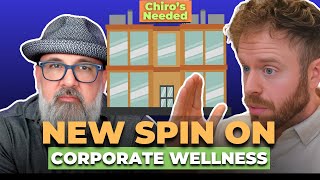
Dr. Andrew White built a nationwide platform connecting businesses with chiropractors, sparked by his mother's opioid addiction after a workplace injury. His model uses tax-advantaged wellness plans to fund two adjustments per month per employee at no cost, and a recent partnership gives him access to roughly 3,000 U.S. businesses.
Chapters
I'm called to help business owners see the value in investing in chiropractic for their team. And then my job is to find the best chiropractors in the United States and then pair them with a business so that they can serve more people, make a bigger impact. You are listening to chirogandy, the podcast of sweet chiropractic success. Here's your host, Billy Sticker.
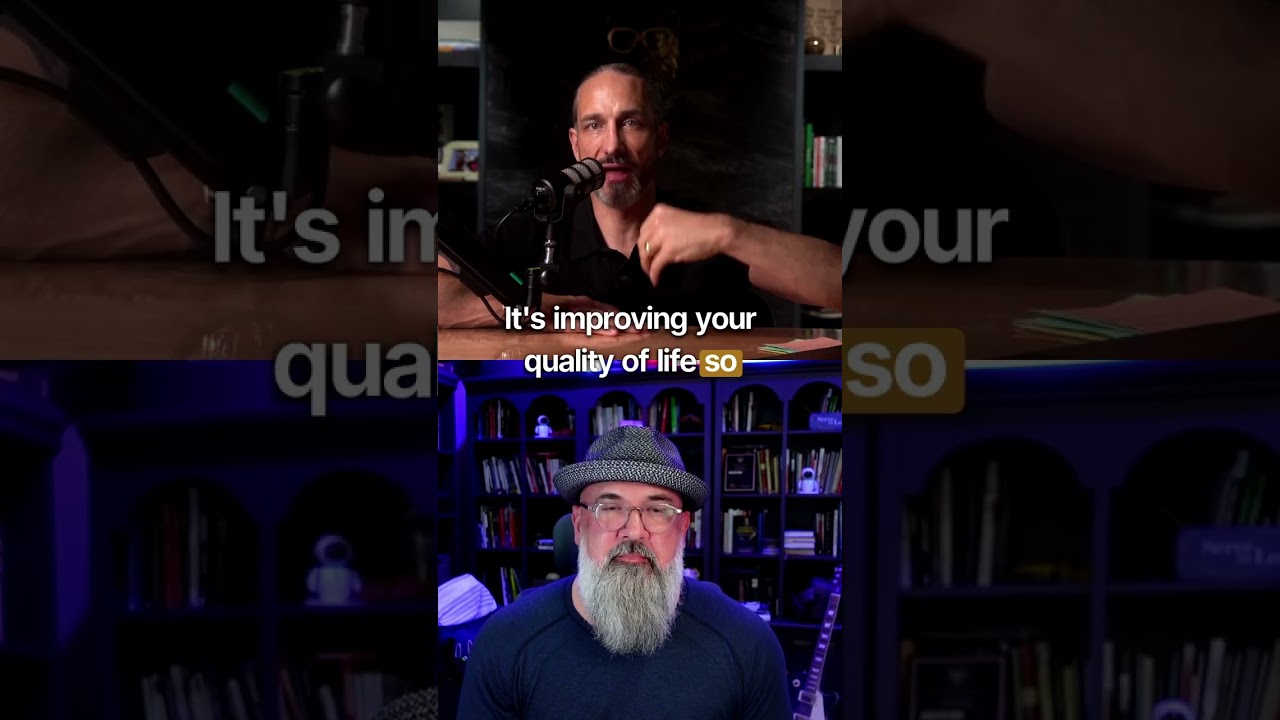
Welcome to another episode of the Chiralkindi podcast. Today I have Dr. Andrew White with me, and we've known each other for eight or nine years. Met back through amped years and years ago, and we've seen each other at several events over the years, and he's got some great new things going on. It's making a huge impact spreading the gospel of chiropractic, if you will, to more and more people. And it's fantastic if you. He and I have been friends on Facebook for a long time, and I saw some of the things he was doing and the help that he needs, the help that he's providing for chiropractors. So I reached out and said, hey, man, why don't we have you on and see what we can do to help you out, help all these patients out. So, Dr. Andrew White, thanks for being on today.
Yeah, thanks for having me, Billy. It's awesome. Yeah, it's been a long road, man. Almost 10 years ago we first met. So.
Yeah, definitely. So let's, let's get into a little bit of your backstory. This is. We are going to be talking about a totally new spin on corporate wellness that you guys have doing that. You've really, it's just kind of a birthed out of your brain on seeing a problem and, you know, how do we solve this problem and how do we get chiropractic in front of more people? Just what are the opportunities out there? So I think it's great. But before we get into that, let's get into why this was so important for you, a little bit of your backstory.
Yeah. So I grew up in Michigan. I still live in Michigan now with my wife, and we have three children. And I got into chiropractic and really healthcare because of my mother. So she was a nurse. And when I was a kid, she had a workplace injury that she was referred to an orthopedist who recommended back surgery post op. She had a lot of pain, and then they ended up recommending another surgery post op, still pain. So they started feeding her opiates and she became an addict and so watched my mother struggle with opiate addiction and just the trauma that it created in my family and with my siblings. And I was a big reason why I wanted to go into healthcare. I was pre med in school, ended up realizing as I was shadowing some medical providers that I developed a pretty strong aversion to just the rush to drugs and surgery. And so then I looked at chiropractics. I played football in college and had a lot of experience as a patient. Ended up going to Palmer out in Davenport. And while I was there, really kind of did a lot of work on just a lot of the trauma that I dealt with as a child and had buried for a long time. And really again realized that I had this story that was very disempowering. There was just kind of this victim of my childhood. And I realized that it could be a very empowering one that I became a provider. I'm becoming a doctor because of my mother, and I can help so many people because of that. And so through that I wanted to figure out what I could do. I felt this burden to do something because I'm very fortunate that I had some other family in my life and friends, parents and teachers that really helped me to get out of a, like a tough situation where like, normally, statistically I probably shouldn't have made it to the places I have. And so I wanted to do something about it. So then I got involved early in school with like ACA and ICA doing lobbying in D.C. trying to help improve access to healthcare for, specifically for chiropractic for Americans, and had some good experiences with doing that. But the big reform that I was dreaming of, I could just tell wasn't going to happen with amount of money and influence in D.C. in the pharmaceutical industry. So then when I was actually, when I was in chiropractic school, I was actually, I attended a forum with one of the executives from Standard Process who had presented a white paper on some of the results they had seen as a company when they brought on a bunch of medical services as benefits to the employees. And so that was the first kind of seed in my brain around the idea of corporate wellness as a tool to improve access to good care for Americans. And so then there's always this thought in my mind and I was trying to do some research, but I got out of chiropractic school, ended up going back to Michigan, working with a very successful clinic in Grand Rapids, ended up partnering with that clinic, helping them to open more clinics early in my career. And we were having a ton of success. I Mean, we were running very high volume practices through amp processes and just had a lot of really good success early on. But what was interesting was I was feeling really frustrated in this like, call of the stirring that I wasn't satisfied. And I was, I remember having these long conversations with my wife actually about like she, I told her, I'm like, I feel like there's something more like I, I, I'm not happy. And she was like, why are you like, I saw you in school, you had this dream of like opening a practice and being successful and you have it now and now you're wanting to pivot and do something else. But I told her, I'm like, I feel like there's something around corporate wellness. Like there's, because the barrier. I meet people at my mom every week, all right, we're running this high volume clinic. We would do screenings and health talks and like everything we could to get in the community. And I would meet patients like my mom that had been on drugs, had surgeries. And when I would ask them why they didn't act sooner, they would say, either I didn't have the money or time, like busy, like working, whatever. And so I felt like corporate wellness could get rid of those barriers because we can meet people at work or subsidize care through work. So I, in 2019 set out to create some software to try and help. Cause in fairness, any chiropractor listening to this likely has had the thought at some point of like driving through their town or doing a lunch, learn at a business and thought to themselves, like, I get amazing results. Like, patients feel better, they're like achieving all this stuff. Like, I can help a business increase productivity and like, you know, like all this stuff and they should pay me to adjust their, their team. And so like I thought those same things, but also as a business owner, I understand the prudence. Like, well, what's the roi? Like, I get it. So like the soft savings you're describing, that's, yeah, I can, I can follow you. But if you're going to ask me to invest a lot of money, like, I need to be able to see it better. And so that was the catalyst of like, I need to create some software to tell the story. So I actually hired a patient who was a engineer at a local manufacturing company and I hired a VA out of India because I was broke as a joke, still trying to like build a practice on just like a side project. I try to gather a bunch of data and create like a beta software to launch in 2020 to like go sell the idea of chiropractic some local businesses. And I got my first couple of clients in 2020 and had some success. So then in 2021 sold to a couple more businesses, continued to have success. Learned a ton through that process of just like how to cause there's two big problems in trying to do corporate wellness well for chiropractic because I had also asked lots of people around like who's done this before in the field. And there's been a lot of one offs like doctors who have had friends, like they own a small business and so they've set up like a one time thing or. But nobody that's like operationalized it and like made it into a scalable venture. So I was learning a lot trying to figure out like first how to sell it and communicate it and then secondly how to actually deliver it. Those are two very different things. And then along that process started working a lot with insurance brokers to try to better understand the economics of like the these plans and how to actually drive more value for businesses from like a monetary perspective. And then 2020, originally the model was that I was going to a business would hire us, they would pay us and then we would either hire a doctor or go or subcontract a doctor that was local to that business. But the one thing that we'd have to send the employees off site for were their exams because I can't take X ray and other tech into the business. And that worked, but we ran into some operational issues. So then I ended up in 2023 we launched what we call our mobile units, which are actually mobile X ray. So now we actually do all the onboarding on site for an employer, Biometrics, X ray, everything on site. And then again we'll either hire a doctor or subcontract them to work weekly in the business. And again, I've been mainly working with insurance brokers for the last two to three years and had a lot of success doing it. And then more recently ended up getting involved with a couple other products that I know we're going to talk about today. But again that's kind of the journey of like really far back, why I started it, why I'm passionate about it. And again I just also. The last thing I'll say about my backstory is that early on in practice again I was having success. But when I hired my first associate, I realized something about myself that I realized that they were better than me at some of the parts of patient care, in my opinion. And what I mean by that is they were more patient, they were more detail oriented, they're more empathetic. And so I realized when I hired my first associate, she was much better than me at the day to day patient care, walking with the patient through the entire process and getting them to wellness. Very different personality. Like there were things again that I'm like, different or better than her, quote unquote, on connecting with people. But there were things that just as a doctor, I felt like she was like crushing and like it came clear to me like she was called to be a provider. Like she was called to be an amazing provider. And she's better than I am in a lot of ways at that. But I think I'm called to do. The reason why I think I was sheltered and made it through the trauma I did to where I am today is because I'm called to help business owners see the value in investing in chiropractic for their team. And then my job is to find the best chiropractors in the United States and then pair them with a business so that they can serve more people, make a bigger impact. And so again, I just had that whole kind of revelation of like, I'm exceptional at this thing where I'm pretty good at this other thing. And so I just went all in on that, if that makes sense.
It's almost like you had a bigger heart for chiropractic than you did for the patient care.
That's a, that's actually a really good way to say it. Yeah. Because I just felt this, like, I don't know, I, I would get so pissed off when I would meet people, actually. So I, I didn't mention this, but when you look at the opiate statistics in the United States last year there was just under 300 people a day that were dying of opiate overdose. And what's crazy is that when you look at the statistics, about 60% of those deaths, they originally started taking their opiates from either chronic pain or musculoskeletal conditions. And of that number, about 3/4 hurt themselves at work. So a massive number of opiate deaths can be traced back to workplace injuries, which makes sense. I mean, that's what the most adults spend the most of their time doing a lot of repetitive stress injuries or hurting themselves, getting sore, and then they end up getting put on some sort of painkiller. And so again, I just would get so pissed off and frustrated at the injustice of like, why in the world did you end up on a pill like out of all the things like, like, again, like chiropractic is so amazing in so many things. But like, I think we can all agree that we are phenomenal at back pain. Like, if you walked in my office with anything, if your back hurts, like, I know the test to do, the advice to give, like treatments, it's like the easiest thing in my world. And yet I would meet people that that was the last thing on their mind.
Right.
And it would just break my heart. I'm like, this doesn't make sense to me. Yeah.
So whenever we think of, typically whenever we think of corporate wellness, we do think of going into businesses doing health talks. I actually had a call with the doc earlier today and that's what he was talking about. That's one of the main things that, that they've been doing. And I used to work in office for a chiropractor who had multiple locations. I was the marketer, I was the one going and doing these health talks in different businesses. So I get that. But I love that you've actually created this whole new program, this, this whole new option for patients, for businesses, for providers to go out and actually bring chiropractic to these businesses. And you're, you're looking for docs that you can pay to go out and you've already found them patients. You're just looking for providers to, to go out and service these patients.
Yeah. And I think that's a good jumping off point to mention that again. For the last five years, I've been selling on site contracts directly to employers. And then if we had a lot of success, we're still having success with it, but my business is growing exponentially right now. And there's really two reasons why. The first one was again, I mentioned before that I was working a lot with insurance brokers and so I'd heard about some different tax advantaged wellness plans that some insurance companies were selling where they were leveraging tax dollars to pay for some health services for employees. Almost all the products that were being sold were all telemedicine based. And the vision that they were selling of like this product being this life changing health service for employees, I felt like was a stretch to say the least because telemedicine is great for a lot of things, but when it comes to general wellness, like what I often say in sales meetings with business owners is like, if the answer to better health was as simple as more information, the Internet would have given us all abs a very long time ago. So it's not that easy just to and especially if you're talking about, like, a person in, like, a manufacturing setting, if you think the solution to their back pain is just telling them to do the tree pose and yoga poses in the middle of their workday, and that's going to, like, solve your problem. Like, you're, I don't know, you're on some other level. Like, that's not going to be the reason that they can actually get better. And so the way the visual that I try to help business owners see is that, like, your employees are drowning in information, right? Like with social media and like the advent of smartphones, like, we have access to more information than we ever had before, but they're, they're drowning information, but at the same time, they're drowning, they are dying of thirst for knowledge. Like, that's a really good visual to understand. Like, imagine you can't take more in and yet you're dying of thirst. That's what it's like right now. So, like, how do you get knowledge? Well, the first step in knowledge is to build trust. Well, how do you build trust? You need relationships. You need a reason to engage. So I'd say it all the time. Like, the adjustment is an invitation to relationship. The biggest, biggest thing that our profession has over every other profession in the United States is what we call proximate leadership. Like, the idea that we get close or proximate to people and there's a reason to engage. Like, if I was a medical doctor, even if it was free for an employee to talk to me every single week, they'd be like, why, like, why would I talk to Dr. Andrew? Like, I had my physical, like, what am I going to talk to him about? But employees are used to, yeah, you go to a chiropractor regularly. Like, that's, that's the thing. Like, you go and you do your thing. And so when they're on the table, we all know, like, table talk is like some of the biggest value that we get to have. We get to build these relationships, then we get to help these employees or patients to think differently, to distill and discern information. Like, what are the things that they need to do in their lifestyle to attack the three T's. And so again, I started working with some insurance brokers to say, let's get chiropractic in one of these tax advantage plans. So that way employers can actually leverage tax dollars to pay for chiropractic. So I worked for 18 months to get that done, and that product launched eight weeks ago. So we're not the first tax Advantage Planet states, but we're the first that includes chiropractic. And so I want to just pause for a minute and just again, imagine as an employer, like, you can use tax dollars to pay for chiropractic for your team. If you are a chiropractor listening and you have at least three employees, then there's also like a cherry on top of, like, what else we can do is because now we have that product, if you have at least three employees, you're a small business owner, obviously. So that means that I could set up one of these tax advantage plans for you and you could save on your taxes. But also because the plan pays for two adjustments a month for the employees at no cost to them, I can now pay you to adjust your team so you can not only increase your revenue by getting paid just your team members, but you can save money in taxes. And more importantly, imagine if, if you're, if you ever talk to a business and you got stuck on the idea of corporate wellness contracts that they're like, well, we just want the money. HR budgets are tight. Well, now it's like, well, what if you could use your taxes? And then the last thing, too. The other reason why we're growing is I, through these brokers, ended up meeting a large insurance group that represents about 3,000 businesses in the United States. Hundreds and hundreds of thousands of employees that they represent. And they were doing direct contracting with hospitals. Again, this idea of like, well, I'm going to go to the hospital, I'm going to negotiate some direct rates, and then it's going to be cheaper for the businesses. And so to incentivize the employees, we're going to make it free for them to go to this doctor instead of this doctor, and then the business will pay for it through this insurance. Well, I negotiated with that insurance group and said, hey, I've got a lot of amazing chiros that I'm working with. Why don't we get chiropractic in that? Now the employers, through this insurance can get free chiropractic paid for for their employees. So we got that deal done literally earlier this week. So now I have to go find chiropractors for these 3,000 businesses in the United States to be able to pair them so that they can be seen for free or not for free, technically, because you're going to get paid for it. But it's free for the employee because it's subsidized through this plan. And so again, it's an amazing time. Like I just, I keep like a pound this drum all the time with kairos when I talk to them. Like, I mean more than ever businesses are looking for us, they just don't know it. Like they're like the number of HR people I talk to in a week that say something like, you know Andrew, if only I could find something that like would help my employees to feel better, move better, think better, like just there's, I don't know, like they just need something like you know, the healthcare costs getting crazy and I just, I feel like they're, they're spending more and getting less and I feel like there's a way that we just help them to get healthier. I would love that. And they're describing the three T's and they just don't realize like answer is chiropractic and you just don't know that language. So again, it's an amazing, amazing time and I just need great kairos that we can like broker deals for them and give them access to more people.
So You've got roughly 3,000 businesses all over the U.S. yes. That have all of these employees right now that can go see a chiropractor. You just need the chiropractors.
Yeah.
And so that's why you're here.
Exactly. And that's why you and I started talking. Because I was like, I start posting my Facebook, I was like, oh my gosh, like once this tax product launch, I was like, I need chiropractors. And then when this insurance deal ended, I'm like, I really need chiropractors. Because if you are a good fit for us, we're 100% commission based guys, it doesn't cost anything to work with us. So like you know, we get paid either by insurance or tax dollars. Again, we're the middleman. So as long as you're a good fit for us, you get in our quote unquote network. I'm not insurance. So again you don't have to be accept insurance. You could be a cash based practice to work with us.
That's.
Yeah, yeah. So you don't have to be.
Right now some people are already thinking that, yeah, they're like, I'm cash based so we don't do insurance. But you're saying it doesn't matter. That's fine.
Doesn't matter. Because again, essentially you're creating a. What, what, what's happening, like just from like a very high level is that we are a broker that will connect you directly with contracts to employers. So it's a Direct relationship between your chiropractic clinic to a business through us. So we broker that deal, and through that brokering, we get paid, but then we pay you. So how it functionally works, it'll feel like insurance because you will submit documentation to my business saying, hey, I saw Billy on this day. He got adjusted. When that happens, then again we get paid by the business and then we pay you. So again, we just have margin on that. So we have a fee schedule that you agree to, but again, at the end of the day, it's not insurance. It's just a direct relationship. We're just the broker that's making that connection for you.
And these are right now all over the U.S. yes. Not in any other countries or anything. It's just here.
Yeah. It's funny, I was just at. I just spoke at a remarkable practice event down in Tampa, and I met some doctors from Canada. And then I've also met. Became friends with a very successful doctor out of Iceland. And they've. They've asked me, like, if I could help them with it or if, like, they could buy a mobile unit from us or other things. And it's. I'm very open to, like, down the road helping them, but I know that, like, how complex it was for me to, like, be able to learn the language of the US Health system and the insurance industry, for me to build these products.
Or anywhere else.
Yeah. So eventually, yes, I would love to be able to use some of the, like the, the case studies and the white papers that we're going to publish to help chiropractors around the world to do this. But in the United States right now, that's where we're focused in all 50 states and Puerto Rico, technically. So again, if you're listening to this and you're in any of those areas, I would love to talk to you again. There's. There are some things that we look for in offices that work with us, but again, as long as you're a good fit, we'll sell on your behalf for free.
So if you're a chiropractor listening and you could use more patients, then you need to reach out.
Yeah.
Whether you take insurance or not doesn't matter. You need to reach out if you really have a heart for patient care for chiropractic, which is why you're doing what you're doing. You want to make more money. Everybody wants more patients.
Yes.
And there's even opportunity. Think of the referrals that you get from the patients that you're treating from this, they have family 100%, they go to church with people. It's such a huge opportunity and then it's no out of pocket expense for these doctors.
So no.
So it's, it's such a great program. I'm so excited to help spread the word on this. Yeah.
I mean just to give you a real world example, so I still own a clinic in Michigan. I don't practice in there anymore. I have an amazing team that runs the day to day. But I just landed a 300 person employer for my practice that's gonna represent hundreds of thousands of dollars a year for my practice, that all 300 of those employees can go to my clinic alone in my town to be seen for free, to get like the sponsored visits through their employer. And again when they show up, we can still upsell them on other services or more care outside of what we negotiated with the employer. But again those 300 people have kids and spouses and friends. And so just from the, I mean the contract alone is worth hundreds of thousands of dollars. But if I were to like look at the tangential ripple effect of the referrals, I mean you can imagine what that could be like for a clinic. It's massive. Now are all the employers that big? No, I have some smaller employers that are, you know, 30, 40, 50, 60 employees. But still that's tens of thousands of dollars a year that I'm getting that otherwise I wouldn't. And plus again, 10, 20, 40, 50 referrals that again I could simulate through that as well. So again, you can imagine for a clinic it's just another vertical. Right. I'm not replacing your marketing but I will add another vertical to it.
Yeah, fantastic. How do people get in contact with you?
Great question. So I will include just some couple of links to Billy that he can put in show notes. But our email, if you wanted to just email us for some more information is helloinco Life. So A L I G N C O L I F E. We host weekly webinars that I intentionally make small and kind of intimate so it can be more Q and A based. I talk about again essentially the process to join and work with us. We start with what we call a pre qualification questionnaire. So it's just, it may take you 10, 15 minutes just to answer questions about your practice. We're going to ask you about your philosophy, techniques you use, your current volume, your goals, just so we make sure that you're a good fit for us before we even get working. But again we have some questionnaires that once you're approved in our network that like we start selling for you. And then again, if you have at least three employees, we can run a free quote for you for that wellness plan. The other thing you can check out is alignwellcertified.com that's a landing page that'll take you to some more information. And again we can, I'll include some of the links in the show notes. But again it's. If you're interested in corporate wellness at all, if you're trying to, you know, again, increase the leads coming in your door, as long as you're a good fit for us, it's going to be free to work with us. It's a no brainer. Yeah.
Thank you so much. Just the work that you've put into this over the past several years, the heart behind it is admirable. It's unfortunate, the situation with your mom, but the fact is that story's so common.
Yes.
This is why you do what you do, which is why so many chiropractors do what they do. So I think it's fantastic. It's making such a huge impact in people's lives. So I think it's fantastic. Thank you for doing this and I'm excited to, to see how we can help you.
You grow, appreciate it. And then appreciate like, Billy, you give me the opportunity to speak and the last thing I'll just say real quick is a prayer that I've been. I'm sure you're okay with it, Billy, but like there's a, there's some scripture that has been on my heart for like the last six months. I just want to share with you if you're listening to your chiropractor. So in the book of Joshua, there is a prayer that Joshua makes to God. That God, Lord, make me strong and courageous. And as so often happens in the Bible, the direct translation from Hebrew to English, there's a lot lost. And so the Hebrew of that prayer is rak kezat amatz. And what that. And it's so much deeper in Hebrew. And so really what that prayer, rakazatimatz is, it's Lord, I know you go before me in all things. I know you have the good works that you've laid out for me. And I know you are calling me for those good works for your kingdom, your glory, not my own. And so, Lord, I know that when you are calling me to do something for your kingdom, that because it is big, there will be times that I feel fear, times I feel Anxiety times that I feel doubtful that I won't want to follow where you have called. And so in those moments, I pray that you give me the strength and the courage to take the next step. And so again, if you're listening to this and anything that I said stirred anything in you, I just pray Rock Zada Matz over you. We have an opportunity, a window right now in the United States with everything going on with the Maha movement and there it is a amazing opportunity for us to step in and make a big impact in healthcare United States. And so I pray that you'd have the strength and the courage to follow where you've been called. You could have done anything, you could have been anything, but you chose to be a chiropractor. You choose every day to take up that mantle. And that's a responsibility. There's a burden to knowledge. There's things that you know that your community that to you are common sense, that are revelational to people around you. And so you have a responsibility to meet that call and to serve people so that you can again make impacts in the lives of others. Like my mom, who didn't even know that chiropractic could help her. So again, I would just pray that you would have the strength and the courage to, to just get out there, whether you work with us or not, to make a bigger impact in your community because your community deserves it. And you were called to do this. So I just wanted to end with that. Cause it's been something that's been on my heart for like the last six months and has me very fired up.
Yeah, that's so awesome. And think about this too. There's a difference between knowledge and wisdom. And we just spent the last half hour or so giving you knowledge. But Scripture says that if we have knowledge and we don't do anything with with it, which is wisdom.
Right?
Wisdom is that the application of knowledge is doing something with the knowledge. The Bible actually calls us a four letter F word. It says that we're a fool whenever we know and we just don't do. So yeah, I, I stand behind you 100. Now that you know you have the opportunity to do something here, act on it, do something with it. So fantastic. Dr. Andrew White, thank you.
Yeah, thanks, Billy.