Patient Communication Mastery Webinar
Billy Sticker and co-host teach chiropractors how to structure patient consultations using a three-step process, a leadership statement positioning the doctor as a guide, and storytelling techniques from StoryBrand and negotiation tactics from Chris Voss to handle objections and frame recommendations around patient goals.
Chapters
Operate them on. Oh, now it's left.
All right, let's see here.
Give it a minute. Just because. Did you make it or are people able to submit questions? Is that possible? It is.
We're gonna have to do something different for that. You have any ideas? I want them to be able to. I wonder if we. Had Facebook open. How.
I'll have my Facebook open in case people send me a private message.
Yeah, I don't know why I couldn't get that link to work. I mean, I did it just two weeks ago for a webinar for Dr. Morgan, and we had quite a few people on. It was working good, so I don't know. Yep, it's on. I'm looking at the broadcast room. It's there. So you mean the link. No, the link that everybody received, your live. It's on there.
Oh, but in the broadcast room, people.
Well, they can't. Yeah, they can't ask any questions right now. That part's not working. The chat box area.
Okay.
But everything else is. We have eight. Looks like right now, eight viewers. I know that eat that email just went out, guys. We're just having all kinds of issues getting this thing started, but we've got some good stuff for you, so. Okay, thanks for bearing with us. And the good thing is, too, this will be recorded so we can send this back out to everybody. So we just giving it a minute.
Yeah, I'm just getting some messages now on Facebook that people didn't get the link, but they probably haven't checked their email. Yeah, I'm just copying and pasting, sending it to them.
Okay, let me see if I got any.
Hold on one second, though. I think I'm gonna change rooms.
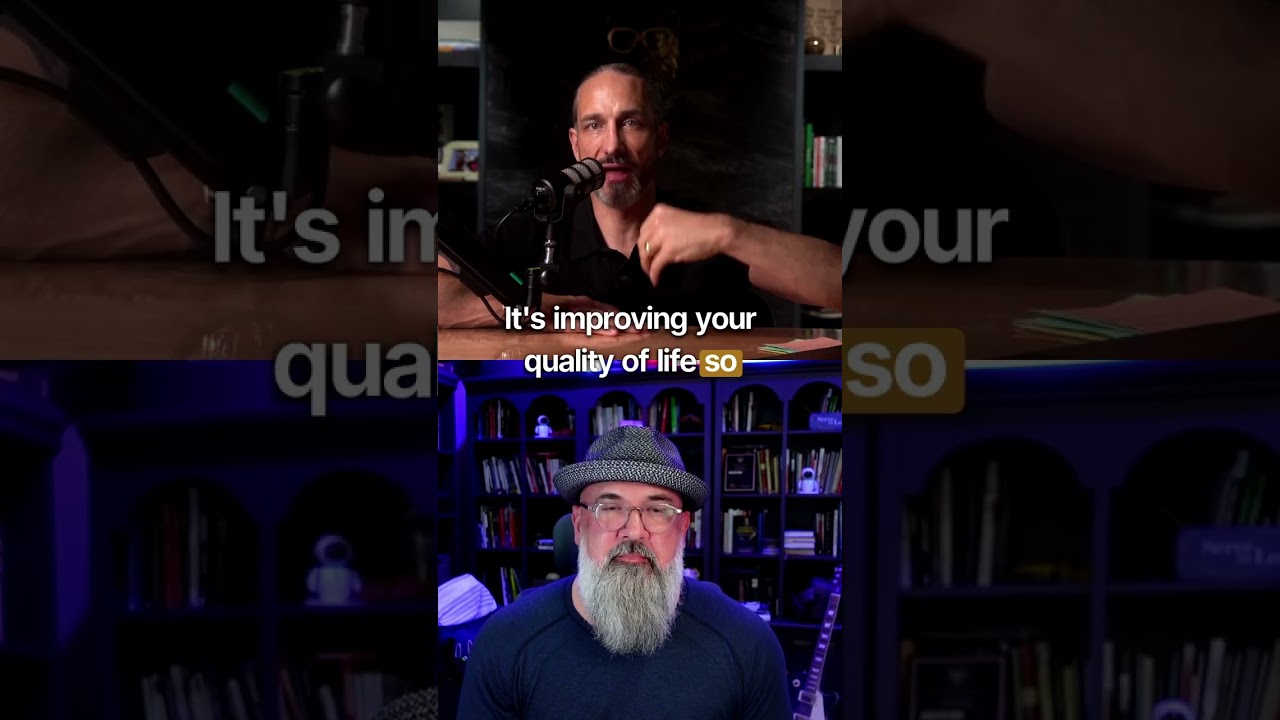
Okay. Yeah, this is actually a brand new camera that I just. Just got, and it picks up everything in the room, which I guess is good. But I bought some of these acoustic sound blankets. I've got one in this big entrance here, and then we have another one over here. This was the dining room in our house. We had the big tile floors, and it echoed during the podcast. I needed something. Obviously, I'm not talking to Josh because he was busy changing rooms. So this is for anybody else wondering why I have blankets hanging up in my. In my house. So. All right, we've got about. Right now, it's about 20% of the people that registered are on, so.
Okay. All right, so for those of you that are on because you don't have the ability to type in questions, there's some. Just technical glitches. I have my Facebook up so you can send me a private message or send Billy a private message with your question. And we'll be monitoring that. And that's the easiest best way. Don't send an email. Okay, hold on one second. Again. All right, well, I got one question through the messenger already. Yes, I just got one. So I'm going to talk for a bit before. But then I'll look at my questions, I'll answer them, and then whatever isn't answered, you let me know and. Yeah, let's get right into it. Do you think when you send out the recording, is it possible to chop off all of the. Okay, yeah.
As a matter of fact, whenever you were switching rooms, I was explaining this new camera, the angle so wide it picks up. You know, normally you can just see my bookcases in the background, but I have those acoustic wave blankets hanging up.
Oh, I thought they were just curtains.
No, they're the. They're heavy. I've got. We've got about an eight foot opening there. And then I think that size is like 8 by 10. It's really. They're really heavy. I put them on the tracks, you see in the barn doors you can put in homes slide back and forth. I bought those tracks to hang these on for this side. And we're actually putting those barn doors on the other side. But especially recording the podcast, it really helps with the sound in here.
Now, is it blocking out ambient sound outside or is it just making your sound better?
A little bit. You know, our house, especially once you go in the living room, which is just right on the other side of that wall, we have 18 foot ceilings and we have the big, you know, tile floors, which we have a rug in there. But this whole place just echoes. Putting these in. I mean, it's amazing. Just from walking the living room foyer area into this room, you just hear such a dramatic difference. You can just feel it when you walk in the room. It's crazy. But yeah, these blankets work. Well, it took a little bit of convincing, you know, for me to.
Convincing wife allow.
Yeah. For my wife to say, okay, hang them up.
Because I'm assuming taking them up and down is a bunch of work.
Yeah, yeah. So it's up, but they roll out of the way. You know, we slide them all out of the way so you can't see them. But anytime I'm recording or doing, you know, something like this, doing a webinar, I open them up because it really helps the sound quality.
Cool. All right. All right, so let's get into It. Thank you. Hey everyone, that's on the line right now. I know we had some technical difficulties with getting the links out and that's just something to realize if you're going into anything web based with your patients, with your practice podcast, webinars, just about anything, expect there will always be glitches. And this isn't a one off. This is the norm. So that's one of the best things. If you were going into that digital world to deliver your message and your service boy, don't try to do anything for the first time. Live always cross your T's, dot your I's, like just and plan on. Everything will still somehow go off slightly. And that's one of the best ways to prepare so you don't go nuts and have a meltdown like, hey, we're starting 15 minutes later. No big deal. It's not easy to get a message through through the webinar app. Send us one on Facebook, we'll answer it. So just go with, go with the flow. And that's one of the best advices besides all the technicals is realize that things will go wrong. You can't avoid it. Yeah, things are changing every week with how Facebook operates, webinars operate, then you have the whole WI FI aspect, audio. I mean, when I first got on the line with Billy, he couldn't hear me. And that's scary at first, but guess what, restarted the computer. He can hear me, didn't change anything else. So trust me, I've been doing online stuff for the past few years and as proficient in some areas like it's, it's a never ending learning curve. So I know that has nothing to do with the patient mastery communication, but that's something to just really know and benefit. Because most likely if you're going to be practicing for the next five, 10, 15 years, you're going to be doing online stuff for your patients or for your prospects in the community. So let's get into why you are here right now. And I'm not going to do a whole foreshadowing or preamble. I'm going to dive right into strategies because that's what I promised. And a lot of this comes out of just in the last few months, I've been getting testimonials from chiropractors who are getting referrals, new patient referrals, immediately after a new patient consult, from that new patient consult, before care was even given, before results were given, before any referral strategies were implemented. Just because patients had that grave an experience with the doctor with the chiropractor that they felt compelled to tell other people about it because they hadn't been treated that way. And I mean communication treated that way from a doctor or a chiropractor before. So I'm going to jump right in to when you're first meeting that new patient. And a lot of what I'm sharing can also be applied to your office manager or CA on the phone with a prospective new patient. Because a lot of times when people call you, they may be price shopping, you may be the fourth chiropractor they called that day and they're trying to get a good feel. Remember, every patient that is coming to you or calling, there's a level of nervousness and anxiety. One, because they've got an issue, they're in pain, they've got a condition, they haven't been able to figure it out on their own. But two, unlike going to a pediatrician or a dentist, there's more skepticism around chiropractic. People don't know exactly what they're going to get. And if they happen to chiropractors, they know that everyone is different. And chiropractic is very personal, personality driven. And since it's hands on, there's another level of connection, unlike just an MD who listens to your story and writes a script. So there's a level of skepticism and you've got to be able to connect to that to make people feel welcome. So let's get into it. You walk into that new patient consult room. Most likely they're in a room by themselves and maybe your CA was in there before, maybe your CA led them to the room. But it's the first time you're meeting them in person. Or perhaps you walked into the waiting room, introduced yourself, shook their hand to lead them to a consult room. Let's start with baseline, establishing some rapport so it doesn't just feel like there's this doctor patient white coat syndrome of like in a sterile MD office. And oftentimes you learn from practice management companies build rapport by thanking them or acknowledging their referral source. Like if Mary referred Molly in. Oh, Mary's a great patient. You know, we're going to make sure we thank her for trusting, trusting us with your health and all that. That's all great, but we all know not every new patient is a referral. Some of them purely just found you out of the blue. They googled, they saw an advertisement, you were doing whatever. So you can't always use that canned approach. So one thing I like to do when you have nothing in terms of a referral of how they found you or nothing of concrete to find out how long they've lived in the community and whether that's a month, like they just moved there or they lived there 20, 30 years. Let them know how long you've been in the community, whether living or practicing or both, and just let them know how much you've enjoyed being in the community and taking care of community members. So right there you're just. It's like you're acknowledging that even before you start a conversation with them or take care of them, that they're part of a group of people that you really love taking care of, and you're sharing that you've been in that community, even if you just opened up, even if you've been there two months, there's a reason you're there. So that's a great way to establish some connection and rapport before, if there's no obvious referral, which is not going to be for everyone next, before they start speaking before now. So I practice in Manhattan, and it's a lot more of an aggressive personality type. And people love to just word vomit everything that's going on with them, and that's understandable. But when they start out the conversation that way, there's a balance of power that you lose. And suddenly they're leading the consultation. And that's not good from a subconscious level, because when you try to turn it around and talk about the exam or maybe the next day or later on, when you talk about the recommendations, if they felt that they were leading the consult, they're not going to take your recommendations as seriously. They're going to question them more so. And since patients are coming into you only because they obviously don't know how to solve the problem, that's why they're there. Obviously. They don't want to have to be in charge or lead that conversation. So by you taking charge in the beginning without any force, without any pressure, anything like that, it actually takes a weight off their shoulders. And when you say the sentence I'm about to share with you, you'll see the shoulders relax, you'll see the face soften, and you'll see that sigh where they're like, okay, like, I don't have to figure anything out more. I'm going to be taken care of. And so right after you acknowledge them for how they got in, you know, that refer, that rapport connection, you look right at them and say, mary, this is exactly how the visit's going to go now. I'm going to share with you some choice lines that I think are really powerful, but essentially it's going to be your own because your first day is going to be unique to you. How you do your exam, how you do your consult, who else they may interact with in the practice. What's going to happen at the end is going to be unique to you. So it's not a script, but I would always start with, I'm going to listen to everything you have to say. Just by saying that again makes people feel so much better because most people don't get the feeling that they can ever really say as much as they want to a doctor without getting cut off or that the doctor's not even listening. So, Mary, this is how the visit's going to go today. I'm going to listen to everything you have to say and I'm going to ask you a bunch of questions based on what you've told me to see if you're even a candidate for care. You see, what I did right there is I'm not assuming or guaranteeing or promising that I'm the solution for them. Even though you may be the solution for, and you probably are the solution for 99% of the people that come into you. Let's just say the stereotypical thing. Someone comes in with like low back lateral pain and that could be a kidney issue. And even though they could benefit from your care, like you're going to be in a lot of trouble if you realize that and you don't send them to the error. So this is not a tactic as much as you're being completely honest, authentic and saying exactly what will bring that new patient closer to you. So you're going to ask questions to see if they're even a candidate to get an exam. And it's important to preface it like that, that there is a three step process. There's a consult with you which they're about to go through. There's an examination which will only happen if you feel that there's a chance you can help them if what they've told you is in the realm of what you take care of. And then only if based on the exam results you find what you're looking for, that you can help them, then you start care. So that separate and distinct three step process is very important. And it goes against most of the initial chiropractic teachings of trying to get everyone before they come into your office on the first phone call during the consult, that they're Definitely going to get your care, get helped, and their life is going to change. So even though that may all be true, when the patient is hearing that, what they're thinking is, is this a one size fits all approach? Is this cookie cutter? Is this like, is this really for me and my problem? If he doesn't even need to listen to me or she or exam me, but he or she already knows I'm going to get helped, Patients don't want to hear that. That immediately raises like skepticism and red flags. Whereas if you tell them there may or may not be now, they're going to be a lot more intrigued and listened, like, ooh, like, am I even a candidate for this? So you've told them that, ask you a bunch of questions. If I feel you're going to candidate for exam, then we can go forward. And here's the next important part to tell them in that leadership statement. If I feel there's someone else that's better to help this condition or what you're looking for, I'm gonna tell you exactly who that is. So right there again, you're coming off with that unsalesy, unneedy energy, and you're telling the patient that if it's a podiatrist or an acupuncturist or a physical therapist that is better suited than you to take care of their issue and get them the results they're looking for, you're gonna tell them exactly who that is. And when you say that again, that's gonna create so much more trust and connection with that new patient. And then it's your responsibility to obviously do that if necessary. Like, don't just say that as a line to get people to trust you if you're not gonna actually do it. And that doesn't mean you can't co manage a patient. I have physical therapists who in many chiropractors eyes physical therapists. Are you lose audio, Billy? Oh, no. Okay.
No, you're good.
In many chiropractors, as physical therapists are competition or the devil or all that garbage, it's like, no, there's some things that physical therapists are better at than chiropractors for certain conditions. And so I have physical therapists that I can either refer out or co manage a patient with. So don't think that you're potentially losing a patient. If you really believe another provider can also help them, they're going to be grateful for it and that's going to cause more referrals. Even if you did potentially lose that patient. So that's a necessary message to convey in that leadership statement, that if you feel someone else is better suited in the community to get them their goals, you will tell them who that is. From there, you outline exactly what else is going to happen in that visit. So you tell them, if we go forward with the exam, remember, if not, when we're going to it maybe take X rays, it may be do scans, it may be do palpation. Be careful of the words you're using. So if you say electric scans now, you may just be referring to like an SEMG or a thermography. But when you say electric scans, that scares patients because they don't know what you're talking about and they think they're going to get electrocuted. So I would recommend creating your introductory statement, your leadership statement, and using it with your spouse, using it with your ca, and ask them, from a new patient's perspective, is there anything I'm saying that may cause red flags? And I don't even realize it? So a lot of it can be around if they have to undress for an X ray, an electric scan. Even if you're saying, I'm going to palpate your spine, I wouldn't even say that with those words because most people don't know what palpate is and they may think you're going to insert something. So remember, put yourself in that patient's perspective and it's going to make all the difference. So what I would say is, in terms of palpating the spine, you're going to go face down the table and I'm going to check your entire spine with my hands. Instead of saying, I'm going to palpate or do digitally assess or motion palpation or any of that, just always put yourself in that patient's mind, tell them how long that visit is going to go, what's going to happen at the end? They're going to check out. They're going to schedule another appointment. If you see you feel you can help them, who are they going to check out with? Is a CA gonna do any part of that exam? And if so, who is the ca? Are they going to change rooms? And you're just foreshadowing exactly what's going to happen. So at no point are they thinking what's happening next? Because when they're thinking that, they're not listening to you. And there's a very, very vital point in that consult that switches from it's all about them. So the consult begins, it's all about them. And they've never experienced that before. They can really share with a doctor how they feel, what's going on, what their goals and what their wants are. And then once you establish that, there's this very, very unique point where it switches and it's now going to be about what you're looking for in the exam that no one else has looked for. Not the pt, not the acupuncturist, not the internist, not even the last chiropractor that they saw. And that's what's going to make with them wanting your exam so much more powerful. Because instead of you trying to educate them or lecture them on what subluxation is, you're going to be letting them know that you're going to be looking for something. Whatever you may call it, whatever it may be for you, someone who does CBP will be different from someone who does nuca to network to a modality based practitioner, that's all fine, but you're going to be positioning your exam as so intriguing and mysterious that what you're going to be looking for, no one else has looked for. And that is most likely why they're not recovering from this condition. Their body's not healing on its own, they're not feeling great. And when you put it that way, pretty much no matter what your exam cost is, they're going to pay for it. And that's why it's beautiful to offer a free consult, a free conversation with the doctor, which intrigues them to want the paid exam, even if insurance doesn't cover it. And then that paid exam is still not saying they're going to get better. It's just an inquiry, it's an investigation to see if you can help them. And then based on the results, then you can tell them whether you can help them or not and what the recommendations are. But when you preface it as even when we do this exam, I don't know if I'm going to find the underlying cause. They're going to listen to you so much more when you, either later that day or two days later come back and share what the exam results were and your recommendations, whether that's a care plan or whether that's a referral to someone else, doesn't matter. The patient's going to be so much more engaged when you position your exam. Not as you know, every single person that gets this exam finds out that they have subluxation and that's the root cause of every problem in their life. And what we do here is correct, that it's like you're already giving it away. So what's the point of even doing the exam? People know they're going to be a positive candidate. Position it as what you're looking for. An upper cervical doctor is looking for something different than a CBP doctor, than a network doctor, than a Graston doctor.
So.
So you've got to be able to make what you're looking for so interesting. Intriguing and mysterious because they haven't been anywhere else where the doctor is looking for it, that they not only want your exam, but want it to be positive. You see the difference there? They want to pay for your exam and they want it to be positive because they know if it's positive, then you're going to have that much more confidence and certainty in fixing it, correcting it to get them the end results they're looking for. So that's a huge transition point in the consult. And if you don't really establish that leadership in the beginning, do the three essentials. I'm not going to go through all those now. Do the three essentials really listen to them? They're not going to listen to you when you start talking about the exam, then after the exam, really finding out what's the difference. And here's a good point. You're going to foreshadow. You're not going to guarantee they're going to get their disc issue fixed, that their headaches away, but you're going to foreshadow and you're going to paint a picture of what their life's going to look like when they get the end result that they came in for. Not just I want the headaches away, not just I want the disc injury healed. Like, how is that going to change their life? And again, you're foreshadowing, you're not guaranteeing this is what's going to happen. You're literally sharing with them this is what could happen and then finding out what else. And so the gold is how different, what else is going to be better, going to be returned in their life that they don't have now because of their condition, their symptoms, their subluxation, all of that. And when you paint that picture, that's the end of your consult before you go into the exam, of this inspiring, beautiful vision that's possible for the patient, whether it's a week from now, three months from now, a year from now, that'll be determined based on the exam. But you're painting this beautiful picture of what's possible and you're leaving the person On a high note to be inspired to get the exam and inspired to actually want to find positives in the exam so they can get the care, so they can get those end results. And those end results is the third part of the three essentials is really finding out what's missing in their life that they don't have because of the pain, the condition, the subluxation, and letting that person know that you know that that's what they want. And your goal is to get that back in their life. And now we're going to transition into, when you're delivering your recommendations, a much easier way to preface it so it doesn't come off to the patient like you're trying to convince them, you're trying to sell them, or you need them more than they need you. So just in the consult, you found out that third essential. You found out that beautiful picture of what life can look like. Now, when you come back from after the exam, whether it's on the first day or you brought them back for another visit, you're going to recap what you found out in your consult. You're going to tell them a story of their life. And a story of their life, meaning everything they told you. You're going to summarize it and tell it back to them. Because people can always listen, or people can. People can always listen to more about themselves. So you're going to give them a summary of what they shared with you. You're going to do the three essentials, you're going to remind them what you were looking for in the exam. You're going to tell them what you found, whether that's with scans, X rays, subjective findings, whatever it is for you, you're going to share with them that you found. Now, make sure it's super simple. I mean, you should be able to show your exam findings within like a minute and explain them. Because think about from, if they went to a cardiologist, they get the ekg, is the cardiologist explaining and educating every spike and how it works. They're just, they're showing this is what it is and this is what it means, not how do you understand it yourself? So be really, really concise. And that will also come off as you're more certain because the more you have to explain, it comes off like you're explaining it. So they understand it, so they believe in it and agree with it, rather than just, this is it, this is what it means. You can believe it or not, this is what it is. Huge difference. The more you try to educate and explain, the more it comes off as convincing and selling. So go through the exam and then you're going to again paint that picture of what if you believe you can help them, what's their life look like when they don't have again, the pain, the condition, the subluxation, when it's all great and you're going to position your recommendations as the pathway to get to that end point, rather than what most chiropractors are taught to do is to position their recommendations as a pathway to get to a chiropractic outcome, meaning subluxation free, proper curve correction wellness. So even though everyone subconsciously of course wants to be well, wants to not have their issues come back, that's not what they're thinking in the moment because they're so stressed. So if you're leading people immediately to wellness from those initial recommendations, there's a disconnect and wellness doesn't exist until people can gain and grasp that understanding that it's even possible that it even exists. And it really doesn't happen until they start feeling better from their initial condition. Otherwise you're shooting the gap. It's like A is they have no idea what's going on. What is chiropractic? B is you can help them with their condition. C is they can utilize you for more than their condition and wellness and prevention and all of that. Chiropractors often go from A to C and not realize that when they do that, 95% of patients bail because you missed B. And B is getting in their world and delivering to them what they are looking for first is as a pathway to that end result. So you give your recommendations as this is the best way to get their third essential. And when you do that, what's really powerful is that people don't have to buy into chiropractic, they don't have to buy into subluxation, they don't have to buy into another paradigm of health that can come later through your lectures, through your table talk, through your videos, through your emails. But right there, when you give those initial recommendations, maybe it's a three month care plan, you're giving them exactly what they're asking for. Fix this problem, make me feel better and make it so it doesn't come back. That's the positioning. And then during that care plan, you can open them up to other possibilities of everything else. Chiropractic can help with, with their family, for themselves afterwards, other conditions, wellness, immune system, all of that. But initially, make sure it's all about what they can understand what they want and what they can digest, which is their specific issue. And that doesn't mean a two visit quick fix because you're the doctor. You know what it really takes to get this person from the acute to not just feeling better, but stabilization. So it's not going to come back two months later or three months later if they stop right after they start feeling better. When you preface your recommendations like that, you will have much, much easier new patient care acceptance, less objections about the fees, more referrals, and people staying with your, your care plan even if they didn't prepay upfront. So even if they're doing per visit, even if they're doing installments, you will have far more retention. Yeah, Billy, I saw you taking a lot of notes and I know, like, if I don't stop myself, I just keep, I can keep going. Any questions you have before, get into some of the participant questions.
No, that's really good. You know, there's. I don't know if you know who Donald Miller is. He has a podcast called storybrand.
Yeah, I am familiar. And that's a great. What he shares is great.
Oh, it's great. Because he talks about how no matter what your service is, and this goes hand in hand with chiropractic. Sometimes we're taught to be the hero of our business and the journey we're taking our clients on. But we need to step back and we need to make the patient the client, the hero in their own story.
Absolutely.
We're just helping them get to that ideal goal. Essentials just like what you were talking about. We're just a path to get them to where it is they truly want to be. This is just great stuff. I mean, I'm not a chiropractor, but I've taken two pages of notes so far.
I'm glad you brought that up. So that's another analogy. Like, not just are your recommendations the pathway to get the patient the results they want, but you, like, you're the guide. And so when you preface it like that, because if you're a chiropractor, you've had the experience of patients saying, I need to think about it. I need to talk to my husband after the holidays. Like, that sucks because, you know, they weren't convinced otherwise. They'd convince their husband otherwise. The holidays don't matter, they want it now. So something went wrong during your consult exam or recommendations conversation to have them say, I need to think about it. They don't really need to think about it. What that means is I'm not convinced. And this is one of the major reasons in chiropractic why that happens. When you're trying to convince the patient to understand subluxation, to understand wellness, to understand the spine and the nervous system. And pretty much your recommendations are buying into to get that outcome, subluxation, free curve crush and all that, it's so much easier for the patient to say no or to hesitate and say I need to think about it. Because that's such a foreign concept to them. Even if you have the best subluxation definition, even if you have the best lay lecture, even if you have the best video series in that first two visits or whatever. But when you position your recommendations as the end goal is them getting exactly what they told you. And that's important, what they told you rather than what you told them. What you told them is the spine and subluxation and wellness and what chiropractic is. When you base what they're going to get on what they told you. For them to say no is pretty much like them saying, well, actually I lied to you, I didn't really want that, or it's not that important to me. And they didn't lie to you. It is important to them. And that's why this is so powerful and beautiful and humanistic and uplifting because it's all about what they said they wanted to get. You're giving it to them and here's the way to get it. And it's so much less likely that they're going to object to it or have excuses or just not go forward. And in that space, since many other doctors do that, that's why it's a whole new experience that, that's why they tell other people about you. Like they'll, you know, it's, it's just crazy how quickly people want to talk when they have experiences that they've never had before and they want to, they want other people to them. That's, it's just, it's just, you don't even have to ask. That's what's beautiful. You don't have to, you don't even have to say, chiropractic helps all these other things. Now it's fine if you do, but it's not, it's not like that's the only reason we'll go out and tell their co worker as headaches, you know, Dr. Wagner can help you. You didn't have to give a headache lecture or point to it on the Merrick chart. They just want other people to Experience what they just experienced because it was so empowering and leading them to what they wanted, rather than leading them to like a new paradigm of health which they just cannot understand within one, two or three visits or even within the first month.
You know, from a marketing standpoint, which is what I do, it's one thing to get doctors leads. That's one of the things that I have to tell doctors all the time, is you're never going to get a new patient that is qualified as a referral or that's going to accept care as much as a referral. But I can see where this approach to patient communication is huge because I can see where you're going to have more people accepting care, more people referring more people. I mean, that's just going to build a healthier, more satisfying practice for your patients and for you.
Absolutely. One of the pieces inside Patient Mastery, one of the last videos, is an audio interview with Chris Foss, who is arguably the world's best negotiator. He was lead FBI international hostage negotiator for like 15 years and then and now has started a company for businesses. And one of the takeaways is that all communication and all that is all based on human emotion. So he really wanted to do this, or he accepted enthusiastically my invitation to do an interview because he's had the experience of walking out on medical doctors who he knew had their own agenda and they weren't really there for to listen to him and to fully hear his story. Just like Billy mentioned before, it's like that story and making the patient the hero of their own story. And so he didn't want that to happen to chiropractors. And so during the interview, one, one of his biggest takeaways was follow the three essentials. Make sure you are using that in every single conversation, especially the new consult with new patients. And that means letting them know you heard what they said by giving them a summary, letting them know you know how they feel. Which means if they didn't tell you, you should be asking. And I don't mean how you how they feel like sharp, stabbing, tame, sharp, stabbing pain. I mean how they feel like they're scared, they're nervous, they're frustrated. That's how they feel. That's what's important. And the third is what I was just harping on is the end result they're looking for. So he was in complete agreements. You have to be using that with every conversation. Another one he was talking about is if there is any potential concern that, you know, patients are thinking to bring that up immediately and don't have it in the back of their head. I'm not going to get into that. You can see that in the program, in the interview. But another, a really powerful one because it really relates to chiropractors, is the difference between asking questions that get a yes and asking questions that get a no. When you ask people questions that obviously get a yes, let's talk about it in chiropractic. Mary, if we can find the root cause of your problems, do you want us to tell you obviously, that's a yes and that person feels like they're being pigeonholed into a future yes. Or like a sale or. Mary, are you 100% committed to your health? Again, that's an obvious yes question. That makes someone feel like a sixth grader or six year old. And those obvious yes questions, think about your own practice. Have you been told to ask those? Is that part of your scripts? If you're doing that, it causes the patient to feel nervous anxiety and like they're going to be trapped into a future yes, which means they're going to have to pay you. And what happens in that state? They stop listening to you and they retreat. So what Chris is amazing at is he switches all of those yes questions around to get a no answer. But that still leads people to you being what they want and your care being what they want. So an example is, let's say there's an initial maybe objection by a new patient. You show them the recommendations, what they should expect, and they say legitimately, like, oh, wow, I didn't know it was going to be this expensive. If you say, right then, Mary, well, are you 100% committed to your health? That kind of again, comes off like, yeah, obviously I'm 100% committed to my health, but I still didn't think it was going to be this expensive. And it doesn't lead them towards wanting you. But let's say they said that same thing. Wow, I didn't know it was going to be that expensive. And you did your due diligence before and you knew their third essential. You knew that end result they really wanted. Like they wanted to have that low back pain away so they can do their workouts and lose that £15 to be on the beach this coming June. And that's really important to them. And if you said, sorry, none of this is like scripted or written down. So I'm just making sure I'm giving the right question. Sorry, I'm blanking. Billy, I'm blanking I want to make sure I'm doing it right. What?
Oh, I just said, yeah, you were talking about, you know, yes, I care about my health, but I didn't know it was going to be this expensive. So that's kind of where you were going. I don't know if you lost grade.
I just, I wanted to position the question correctly so I didn't mess it up for the viewers, even though it's in the, in the program, but ultimately you're going to ask them a question. So they say no. And by them saying no, here's what happens. They feel protected. They feel like more in charge. And the no answer, again, the no wasn't like, do you want my care? No. The no answer leads them to that your care is going to get them what they want. So for instance, in this example, I would immediately say, hey, I understand the expenses, the finances are more than you were anticipating. Absolutely understand that. So I acknowledged what their concern was. And then I would immediately lead into guiding them to their third essential, their end result with a no question. So in terms of Mary's response of wanting her low back pain away to be able to exercise, lose those 15 pounds to look right on the beach, the no question. And I'm sorry, I'm like blanking right here again, because none of this is scripted. It would be, hey, Mary, do you want June to come around? And this back pain is still here. So you weren't able to exercise and not lose that weight to look how you want it on the beach. And that's an obvious no answer. But the patient doesn't feel trapped or pigeonholed or being sold because they're able to say no, even though that leads them to well, then that means this care is what's going to get them there. So there's an example of getting a no rather than an obvious yes, but leads the patient more towards you and your care are the answer for them. So that's an example from one of the biggest takeaways from the Chris Voss interview. I'm checking my Facebook messages.
While you're doing that, I want to say something.
Yeah.
I spent 17 years in sales and marketing for, in the precious metals industry. And one of the things that we would tell the new guys is, you know, we didn't do any cold calling. We just called people who hit order coins off, you know, TV ads we did or magazine, you know, publications or whatever. So even though these people had done business with us, whenever you would call them, there's always a wall. Nobody wants to be sold. And so that's, I think that's true. In most communication that you do, there's a wall. Even whenever they come in to see you as the doctor, there's still a wall. They don't want to be taken advantage of. And I love the way everything is positioned here because the first thing you're doing is you're removing the bricks. You're taking down that wall to where they can open up, they can listen to you, they do trust you. You build that rapport. They realize that you have their end, their lives, their goals in mind, not your own. This is very, very solid, very, very valuable stuff here.
And to go deeper into that, Billy, what you just said about them feeling like breaking down those walls and feeling that connection that they're not being sold. A lot of what I mentioned in the beginning about that leadership statement that can be used by your CA on the phone call when the new patient comes in. And one of the best lines is to let that person know that, hey, you can have a consultation with the doctor and make sure they know it's a conversation. The consultation does not include X rays or the exam, but you can have a free consultation with the doctor and if he feels or she feels that there's someone else better in the community to get you the goals you're looking for, we're going to tell you who that is. Like that immediately is the opposite of a sell. And now what that someone's. I'm going to get a free conversation with a doctor who's going to listen to me and tell me if someone else can help me. Like they feel like they're, you know, ripping you off. So that is such a beautiful way to establish that connection and rapport and make it a safe place for people to come in and talk to you. And then when you do the consult, well, there should be no reason, even if insurance doesn't cover it, that they're not willing to pay, whether it's 75, 175, 275, your exam fee, to find out if what you're going to be looking for is what's keeping their body in this stuck, stressed state that isn't allowing them to heal and recover, let alone get the end result that they want. And so, yeah, exactly like you said, it doesn't even start with the console. It starts, right? It starts on your website, stuff you put on your website. It starts with that first phone call to the ca. It's got to be the culture of your office, not just a consult Tactic. And that, that's, that's a huge understanding too.
Right. Let's talk a little bit about the program, Patient Mastery.
Yes. Yeah. So Patient Mastery is an introduction for patient communication, an introduction to the perfect patient funnel system, which is my main membership program. Patient Mastery I just created about a month and a half ago and tons of DCs going through it already and it's great and you can go through it in a few days. And it's going to give you all of the introductory principles like what I talked about here, plus a lot more that you can immediately give to your staff. Use yourself in the consult the recommendations conversation. So new patients just feel so much safer connected to you and get an easier. Yes. And it's an absolute no brainer to get it. It's a one time low fee. It's usually, you know, right now it's $97. It's like the rate of one or two office visits for most practices. No subscription, you keep it for life and you'll probably see a return on investment like within 24 hours and then for the rest of your career like once you go through it. So that's, yeah, that. I mean, what else, Billy, from your perspective, what do you think doctors should know or want to know about Patient Mastery?
Well, when you look at something like this, it is, it's, you know, you spend more money than this going out to a nice dinner. But look at the information that was shared just in the past half hour on this. If you implement just a fraction of this into your practice, it's going to increase the results for your patients, your bottom line. It's going to help you build that practice that you really want to build. And because every doctor that I talk to, they all, they want new patients. New patients is the answer to everything.
Well, that's part of it and it's necessary. But it's only part. Yeah, it is.
It's only part. You have to be able to close the patients and the new patients that come in. So you have to be able to do this effectively. And I think that's, that's what, you know, just the past half hours helped with. How much more, you know, can this course help? And then from there this is also going to help people refer more, which those are going to be your best new patients anyway are the ones that come in from a referral. And then also you're going to increase your pva. I mean, you know, people are going to want to stay longer because they know that you're not doing this for you, you're doing this for them and this is helping them achieve those goals. And you know, I like how in this process you're even, you're helping them discover what their goals are. You know, sometimes we have issues and, or we go through life and we never stop to think, what is this keeping me from doing? What is it that I really want to do to begin with? And so, I mean, this is really good stuff. I highly recommend, you know, doctors taking advantage of this.
And I want to share in case because I don't know if you could post it. Since Billy was generous to share to host this webinar, share it with his clients, everyone that gets his podcast recordings, his emails. I'm giving a gift to anyone that gets into patient mastery through Billy. I don't know if you could. The link will be in the email you get with the recording for being on this, but chirocandy.com mastery chirocandy.com mastery so whether you're on this live or you listen to a recording, I'm going to give a special gift for anyone who gets in through that before tomorrow at midnight. So before the end of the week. That's my thank you and gift for trusting Billy, introducing me to you, and sharing this information. And just like Billy was saying, as valuable, of course, you need new patients and as valuable as Billy's services to get more patients into your practice. We all know as chiropractors, I'd rather have no new patient on the books than have a new patient who said no because it's a gut shot, it's an ego shot. I wasted time and energy and it's just that end feeling of like, what did I do wrong? So have the new patients come to you with a way that you feel great about taking them from prospect to under care? So, and Billy, I think I want to touch on this because not being a chiropractor, I think that's something you may not fully realize from a chiropractor standpoint is the emotional distress when patients say no of how frustrating that is of new patients saying no. And to be able to have a lot more patients say yes and do it in a way that you really feel congruent with because there's a lot of stuff out there that comes from angles of force and pressure and coercion and fear. And I'm sure from listening to this, you know that none of my stuff contains any of that. So being able to communicate to new patients in a way that feels great to you and gets the yes is just a win, win, win. And that's. That's the number one gift I can give chiropractors in this profession is. Is that so? Really? Thank you for, for. Obviously, if you're listening to this now, for being on and being with us, whether it's a recording or live, and for what you do day in and day out, serving chiropractic in just a beautiful way and communicating the message in a really beautiful way.
You know, talking about the rejection. I'm not a chiropractor. I did work in office for several years at a clinic. This doctor had two different offices. And it started off me just doing marketing, and then I started doing the reports.
So, you know.
Yeah, yeah, we use the insight subluxation station. So I would actually do the exams and, you know, I would do the day ones, the day twos. And I do understand, but even from a sales point of view, because that's, you know, most of my career it's been sales. If we didn't sell, we didn't eat you. Whenever you go through that, because really, from a business standpoint, it is what you're doing. Yes, you're making a greater impact on someone's life than, you know, I was selling them a rare gold coin. But that it's still. When people tell you no, when you offer them something that you truly believe in, it does hurt. Do you understand that? And you know it. Sometimes you're gonna have that. It's almost like a batting average. You know, you may have a few, you know, or several in a row that are just no. That are just no. That are just no. So sometimes it's like one. Okay. You just have to be able to manage your head and then know that the next five or six, you may get every one of them to accept care. You know, it's just part of it. But this is how you equip yourself to get more of those yeses.
Yeah.
This is how you equip yourself to not have to go through the rejection. This is how you equip yourself. Just when you grow and you learn something like this, it makes you more valuable as a business owner, but it makes you more valuable as a doctor. You need this. This stuff.
Yeah, absolutely right. And the number one, you know, when any survey I've seen or just knowing, being a practitioner, the number one area that we're more. Most chiropractors have apprehension and reservation is the recommendations conversation. And if you just took that from wherever you are, like feeling 50, 60, 70% confident, certain about it, to 90 95. It's going to make your days go so much easier. It's going to obviously have more people saying yes to you and whatever that means to you. Maybe it's covering your overhead easier. Maybe it's nicer dinners out with your spouse, maybe it's nicer vacations with your family. Maybe it's more retirement security. It's different for everyone on their path. But you know what it is for you. And if you're not getting 90% of new patients to say yes to a not just a one or two visits but a reasonable care recommendation, then there's room for improvement. And that's what I love sharing with chiropractors. You can look at Testimonials, go to PerfectPatientFunnel.com, look at testimonials from DCs all over the world, whether you're in Australia, England, US, Canada, South Africa, anywhere, and get patient mastery. You will not be disappointed whatsoever. I mean, if you're listening to this now, you're obviously engaged. That's just going to go deeper and for a one time low rate. Get in with Billy's link. Get in Kyracandy.com forward/mastery. I'll send you an extra gift which has made a huge difference for me in the past year. I'm going to send that to you. That's my. Yeah, that's my gift.
All right, well, did you have any questions, any other questions come through on your end? I didn't have any on this end.
No. It was the Chris Voss, it was the three essentials. And yeah, apologize guys for the not being easily to ask questions. But I'll tell you if you're in the program or not. You email me, send me a private message on Facebook, I'll get back to you. So you have something you need answered, I'll get back to you.
All right, well that sounds good. We will get this posted, we will have the links put where they need to go and get this sent out to everyone. So thank you so much for everything that you do. Great information, great value. I just encourage everybody to take advantage of it. And even if you just implement what you learned right now, it's really going to help your practice.
Yeah, Billy, thanks for all you do and thanks for sharing this with chiropractors. It's my passion, so that means a lot to me.
All right, thank you. We're going to go ahead and sign off.
All right, Be well.