22 Minute Pelvic Floor & Deep Core for All Workout: At home bodyweight exercises
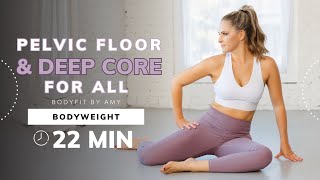
Amy leads a 22-minute at-home pelvic floor and deep core workout using bodyweight only. She emphasizes diaphragmatic breathing and coordinated lift-and-release movements rather than just squeezing, moving through bridges, bird-dogs, planks, and side-plank regressions. The routine includes cues on when to see a pelvic floor physical therapist.
Hey, everybody. I'm Amy from BodyFit by Amy. And this is your pelvic floor and deep core for all workout. So in this workout, we're going to work exactly that, your pelvic floor, all of those core muscles, especially focusing on that deep core. And this is something that everyone can benefit from. The reason I wanted to make this video is I have tons of prenatal and postnatal and core workouts where we do talk about the pelvic floor and the deep core. But I know it's something that many of us, whether or not we've been through a pregnancy or postpartum or had an event that maybe caused some trauma to our pelvic floor, many of us are looking for this type of content, and all of us need it. So let's go ahead and start in a standing position, and I'm going to talk you through a few things early on with some breathing techniques and some posture. And I know that sounds boring and it may even feel a little slow, but believe me when I say this is the most important thing you can do for your core and your pelvic floor. So let's start with our hands on our sides. And the first thing that I want you to do is get in touch with your posture. A lot of times that core issue or low back pain or pelvic floor is a posture and pressure control issue. It's not necessarily strength. So I want you to think about stacking your ears over your shoulders, shoulders over your rib cage, rib cage over the pelvis, pelvis over the knees and the ankles. And I want you to feel where that is. Where do you feel yourself holding tension? Sometimes this it's up here. Sometimes it's up here. And while we're there, really pay attention to where your pelvis is in alignment with your rib cage. A lot of us tend to be out a little bit. Sometimes we get what we call rib flare or arching of the back, or we're rounded here. If you've been through pregnancy or postpartum, that sometimes can be what the cause of that. Sometimes it's sitting at our desk, things like that. But when we think about stacking our rib cage over our pelvis, I want you to feel how that turns the core on a few other cues. I want you to think about zipping up the core like you're zipping up a pair of pants, bringing those hip bones together, not actually turning them in, but imagining that there's magnets bringing them in, that we're doing a little button up of that rib cage and pulling everything in. Now, do you feel that core turn on? Now let's add some breathing to that. So hands on our side. I call this TA breathing. Transverse abdominis, that deep core. We're going to connect the pelvic floor activation to that. But big inhale. As you inhale, I want hands here so you can feel it expand all the way around on the inhale. I also want you to release that pelvic floor. So let everything go. And then as we exhale, everything comes in and up. So watch me here, inhale. I'm not pushing out or arching my back, but what I'm also not doing is sucking in. A lot of us have what we call backwards breathing. Exhale everything in and up. I'm also not tucking my butt, which many of us do, especially if we're holding kids or holding things like this. So again, imagining that rib cage stacking over that pelvis. So while you're breathing, let's talk through why this is important, and then we'll get on the mat and do some more work from the mat. So this is something that I would encourage you, this breathing, diaphragmatic breathing or belly breathing, sometimes it's called to do daily. If you can get a few in the mirror, you know, before you get in the shower, when you get out of the shower, when you go to bed at night, you can do it on the floor, you can do it on the mat, but this is going to help you connect to that deep core and pelvic floor. Let's think about the. What the pelvic floor is doing with this pelvic floor. Our muscles are like a hammock. They're like the foundation of the hat, the house, the bottom of our core muscles holding everything up. Right. I want you to think of it like a fishing net. So as we exhale, again, we're bringing that deep core in. We're going to lift up with that fishing net. Or sometimes I'll say like we're sucking through a straw or lifting a blueberry. So it's enough strength to lift the blueberry, but we're not squeezing where we might squish the blueberry. So I want you to connect that. Inhale, exhale everything in. And then fishing that coming up and in, and then also let go of the fish. So really important that it's not just about Kegels. It's not about squeezing. It's not about just overly tightening. It is about being able to contract and release, keep going, and then we'll take it to the mat. What we're not doing is, again, breathing in and out. That's going to be a pressure management problem. We're inhaling to expand, exhale, everything in and lift. And just be aware. Are you someone who clinches? Are you someone who breathes up? Whatever it is, These are some things that you can work on on your own outside of your workouts to really connect with that deep core and pelvic floor. All right, let's take it down to the mat. So I know that's slow, I know it feels boring, but trust me, it is so, so important. So let's take it to an all fours position and I want us to do that from here. So again, from here, I want you to think about your pelvic floor having four corners. So we have our pubic bone, we have our tailbone, and we have these sits bones, right? So here to here. And again, if you think of those four corners coming up and then releasing, it really helps to think front and back and sides. It's not just squeezes. If you're trying to stop peeing, I know that's a cue we did for a long time, but now we know better. So on the release, on the inhale, really think about everything relaxing. Exhale, everything up and in. And again, what I'm not doing is tucking in through here. I'm not sucking in, but through here. Now, as we do that, can you add a little knee hover? That's where that deep core work comes in, but also connecting with the pelvic floor. So again, not moving through the back, not pushing out and in. We're staying steady. Exhale, lift. And here, inhale to expand through the back, through the sides to the belly release of that pelvic floor. Exhale, exhale, lift. Now, as we're doing this, I don't want you to think that you have to on every exercise that you do, especially if you're in a regular workout, be going through this full, slow breathing process. But I do want you to think about the connection and I do want you to be doing these exercises outside of your workouts so you can connect with that pelvic floor and have the foundation and the strength and the function to be supported in all of your other exercises and everything we do from life. One more lift, little hover. And this is also a great modification if you're in a workout and planks or something feel like too much for your core, your pelvic floor. Doing that little knee hover is a great option. Now let's take it to a little bird dog. Another one we love. Now, I know sometimes we think, oh, this is just a nice, good stretch, right? But what I want you to do is lift. Shift your hips forward a little bit. Feel how your core has to kick in. And then again, lift on the core, lift on the pelvic floor. Inhale, release, exhale. I know the bird dog can sometimes feel boring, especially if you've had to modify your core for different reasons. But shift your hips forward a bit, you're going to feel the difference. And then again, stabilizing that core in that pelvic floor. And lift. Not holding your breath. Inhale, exhale, Stabilizing. Let's get one more each side. Right through here. Go ahead and come down on to your back. I'm gonna go this way. So we're here. Still sticking with that ta breathing, that diaphragmatic breathing. Hands can be be on your side or your belly. Inhale, let the pelvic floor release. Remember, super important that you know how to release. And again. And then exhale, Pull everything in, bringing the core in a little tuck of the pelvis to lift up on that pelvic floor. Now, let's keep going with that, but I want to add a little pelvic tilt. So release. Inhale, exhale, Little tilt to the pelvis. It's a stick. Small movement. We're not jamming our back into the ground. But think about your hips coming in. Do you feel that in that core? Do you feel that lift? Remember, imagine the fishing net or the straw. And then release, Inhale, exhale, Pelvic tilt. Bring it in. Now, again, the reason I'm talking so much about needing to relax the pelvic floor as well as contract is a lot of times, if we have any pelvic floor dysfunction, it's not necessarily that we're weak because we need that strength. We may be what we call hypertonic. We may be overly tight, which is also a form of weakness. So, again, if you have any pelvic floor dysfunction or you're having any pain or pressure, any issues, I highly recommend seeing a pelvic floor physical therapist. These are all going to help, but you also want to find out the root of the problem, and that internal exam can really help. All right, so let's keep going with this. Inhale, expand, little tuck. Slowly roll it up. And then we're going to slowly come down. So the bridge. Great exercise for so many things. Inhale. But we're going to start with that pelvic tilt. So we can really connect and then slowly come up so we can pick up that pace. But I do want you to really think about all of the parts, right. Everything in and take it down and in and down. Let's get two more. You thinking of all those parts? And with the bridge, it's a little bit trickier because obviously we are contracting the glutes as we come up. But I want you to think of that first part as using your core, not squeezing in the glutes. So you contract, and then as we lift, we connect with the glutes. Hold it at the top. Thinking of everything from here. Yes, we're tightening through the legs and the glutes, but little tuck of the core lift on that pelvic floor. Can you feel everything turn on? The glutes are a big part of that. They're really important to your pelvic floor. But being able to hold this while also connecting through here, not just relying on those big, strong muscles, glutes, hips, quads, our low back, things that are used to compensating. If we have a weak core, we want to really actively engage. Go ahead and hug those knees in right through here. You can even get that little hamstring stretch if you want. We're going to take it to another good core, deep core, pelvic floor. I want you to start with just a little march. So again, tuck that pelvis, wrap that core. You're not holding your breath, but you're getting a nice, strong foundation. Going to start with just a little march. So if you are a beginner or you're new to the these exercises, you may want to stay here if you're just getting back into it. But if you can, we're going to go up, up, down, down. I love this little toe tap because we can really get that deep core. It's generally safe for most people, but certainly it's totally fine to keep. Keep it as the march. And then one more layer. We can be here in that tabletop and tap our toes from here or tap our heels. Whatever feels better for you. We're going right through here now, see, that takes a lot more work now that you know what you're doing down there, right? Does it feel different? A lot of people who've never done this work are used to getting in that core class and just muscling through it again, again, those big muscles that are used to compensating. But now that we really know how to engage, you feel the difference, right? You feel that deep core connecting and that Pelvic floor. And again, they need to work in synergy. We need them both working right through here. Hug those knees in. So we're going to take them back down one more time, Take those big stretch over your head. We're going to connect that upper body. Big inhale to expand, exhale. We're going to lift the knee, and I want you to take both hands, and I want you to push the hands into the leg. And at the same time, the leg is pushing into your hands as we exhale. Here we go. Then big stretch. Inhale, relax, expand, exhale, contract. So you can keep it with just that. And you're going to feel how that opposing resistance is going to really make sure that we connect without having to crunch or flex or rotate. Now, if you want, you can lift the legs a little bit and be here. You can even make it a little bit of a dead bug back through here. If that is too much, I want you to keep one foot on the ground. But the idea, again, is that you're pushing against each other. Can you lift your shoulders a bit? A little deeper core connection. So deep core lift up on the pelvic floor. Yes. And back and push. And one more. So many variations on this. And I do this in a lot of my deep core workouts or pre and postnatal. But starting with just the resistance is going to really help you learn to connect. Let's roll to your side. So we're here, same thing. We're going to stay on our knees. Even if you're used to doing side planks or things up on your toes, let's stay on our knees. Knees can be slightly forward, and we're just going to think about that lift again, wrapping that core in, and then lift on the pelvic floor, not squeezing, not gripping the glutes. But as we come up, we're going to exhale, exhale, and we're going to lift into that side plank. So we're here. Everything lift, relax it down, inhale, and lift. Now, again, when you're in those other workouts, maybe you do some of my other workouts where we're getting into a side plank and we're going through it quickly. Doing this focused work outside of those other workouts is going to make a big difference in you having that control, having that function, having that strength. Let's take it down in those other workouts. So don't feel like every workout you have to slow down to a snail's pace. It's all about doing this isolated, specific work let's get one more and lift and relax. Let's take it to that other side. Trying to keep it short, not keep you here too long, but there's a lot to talk about. I've got lots of other workouts. Be sure to check those as well. Lifting up from here, from that oblique, but also contracting through here and lifting on that pelvic floor. Here we go. So we've really changed a lot of what we teach when we talk about pelvic floor and deep core, because again, for many years we were telling women to squeeze like you're stopping the flow of urine, which is not really a good cue because a lot of us tend to overly squeeze versus the lift. Right. Lifting with strength and then also being able to release. So I want you to think about that and really be aware. Again, the front, the pubic bone, the tailbone, and the sit bones all pulling up and in and then release. Up and in and then release. And let's get one more and release. Come up to a seated position. So some other things you've heard probably over the years, people talk about doing Kegels or Kegels. Do them at the stoplight. Do them, you know, before you go to bed. Do them before, while you're sitting in a chair. And again, those can be great times to do them. But make sure that you're really thinking, making that mind body connection. You're not just mindless, mindlessly squeezing. But something we can do in addition to these short holds is we can do what we call an elevator. So you're in a seated position. Inhale to expand. As we exhale, we're going to lift. In those floors of the elevator, you're not holding your breath, but we're coming in. We're going to that first floor. Lift into that second floor, lift into that third floor. Do you feel that? If that's starting to feel like too much, making sure that you can breathe and talk through it. We're not holding our breath. Keep coming up, keep coming up. And then let's release it down. So that's something that you can do on your own. Or we can get in. Let's do that one more time. Inhale, exhale, exhale. First floor, second, third lift. Notice fourth. As you're going up, you're connecting with that core even more. And the reason I like to sometimes put this at the end of a workout is because we are already engaged with that core lift. Front of the pelvic floor, back, sit bones at the top and release. So being able to Control the hold, hold and the lift versus those little short release like we've done throughout. And let's do some 5 second holds. So inhale to expand. Exhale, lift. Hold. 5, 4, 3, 2. And relax. Inhale to expand. Exhale or lift, 5, 4. Being aware of your posture here, stacking that rib cage and your pelvis. And release. We'll just get one more. Inhale, exhale, lift, hold. 5, 4, 3, 2. And relax. Go ahead and come if it's comfortable you, for you to come all the way down. If this is not right, I want you to go back to all fours. And you're just going to do this from this position. But if you can, we're going to get a little stretch here, that little baby cobra. So, last thing, this is what I call plank singles. And I love this exercise because when you're doing it right, you really feel it all the way through. Even if you're used to doing all the crazy planks that I often do. But I want you to think big. Inhale. This is also a great modification when you're getting back into planks or when you're strengthening your core. Inhale, again. Expand, release. So release those glutes. Maybe you're feeling tight like me. Release the glutes. Release the pelvic floor. Exhale. Tuck the pelvis. I want you to lift the. Just to the knees first. So we were coming up to here. Feel that nice and tight. Lifting through. You're still breathing. And then slowly inhale and release. Your goal here is not to push from the elbows to come up, not to push from the knees or the toes, but to use your core. Inhale to expand through the sides. Let the pelvic floor release. Exhale to lift. Contract. Tuck the pelvis. Activate the pelvic floor. Up to the knees. Knees. You may be feeling a little shaking. If you're really thinking about your core doing it. I know I am. And then release it down. Inhale, release. Release those glutes. I know you may be feeling tight. Release those glutes. Exhale, lift with the core. Tuck the pelvis. Zip it up. And then if you're feeling good here on the knees, come up to the toes. But again, don't push through those toes. Don't push through the elbows. Use your core. Do you feel that? Yes. All the way through. And then just as slowly as you came up, all the way back down. We're gonna get two more and then we'll stretch. We'll call it a day. Inhale, release. Exhale, lift. Pull everything in, use your core to lift to the knees. Use your core to lift to the toes. It should be this low. Slowly down. One more. Release everything. Exhale, bringing it up. Hold. And then slowly back down. Yes. So stay on those elbows. Just get a little stretch through the core, relaxing your shoulders. You can even look side to side. And then very carefully, I want you to come up to all fours and just roll through that cat cow, just to release through your back. If your wrists are feeling it, you can come on your hands here. Remembering that mobility and flexibility is super important to everything that we do. It's not just about strength, right? And that is true for all, all of our muscles. So making sure you're getting that flexibility work. If you think you have a tight pelvic floor, which again, many of us do, this child's pose is a great way to really get that release. Also, sitting in a deep squat, Happy baby, where you're on your back, you're holding your feet. But great ways to really release in the pelvic floor and just again, pay attention to how you feel. Are you tightening up? Try to let it release. I know often, if you have any pelvic floor dysfunction, prolapse, or incontinence, we often think, oh, I just have to strengthen. I just have to tighten. But again, that's the reason if you're able to go get an internal exam and they can tell you exactly what's happening, these exercises are all going to help. But if you're really feeling like you have a lot going on, highly recommend, come up to all fours. Come to a seated position. Seeing a pelvic floor pt, if that is an option for you, take a big stretch over to one side. Leave me a comment, let me know. How do you feel after this. Do you feel like you've connected to your pelvic floor and your deep core? I know I talk a lot through it, but especially with things like this, those cues can be really helpful. I try to give them to you in my other workouts, but again, we're moving fast, fast. We're doing a lot of different things. When you can get this focused, work outside of those workouts where we really work through the breathing, work through the alignment, then you're going to develop that strength and that function. So you can go into those other workouts or just go into life. Maybe it's running, maybe it's jumping on a trampoline. Maybe it's, you know, exercise or something else where you just want to feel strong and secure. So let me know in the comments, the comments. Hopefully this was helpful. Big stretch and be on the lookout for more deep core and pelvic floor for all. I'm going to be making more workouts, some shorter, some longer, so you have more options. Let's get one big deep breath in and out. Thank you for being here. This was your pelvic floor, deep core for all. Great job, everybody.
More from Amy

06: Dumbbell Tabata Build Workout | Full Body Strength + Cardio | BodyFit By Amy

01: Total Body HILIT Strength Workout | High Intensity, Low Impact | BodyFit By Amy | 30 Mins - NEW!

18: 🔥 Upper Body Fusion Workout | Strength + Mobility | Bands & Dumbbells | BodyFit By Amy

16: 🔥 Full Body Strength Ladder Workout | Dumbbells & Kettlebells | BodyFit By Amy | 31 Mins
13: 🔥 Lower Body Fusion | Strength + Mobility with Mini Bands, Dumbbells & Kettlebells (No Repeat!)
11: 🔥 Dumbbell Strength Complex Workout | Full Body Strength + Cardio | BodyFit By Amy | 30 Min

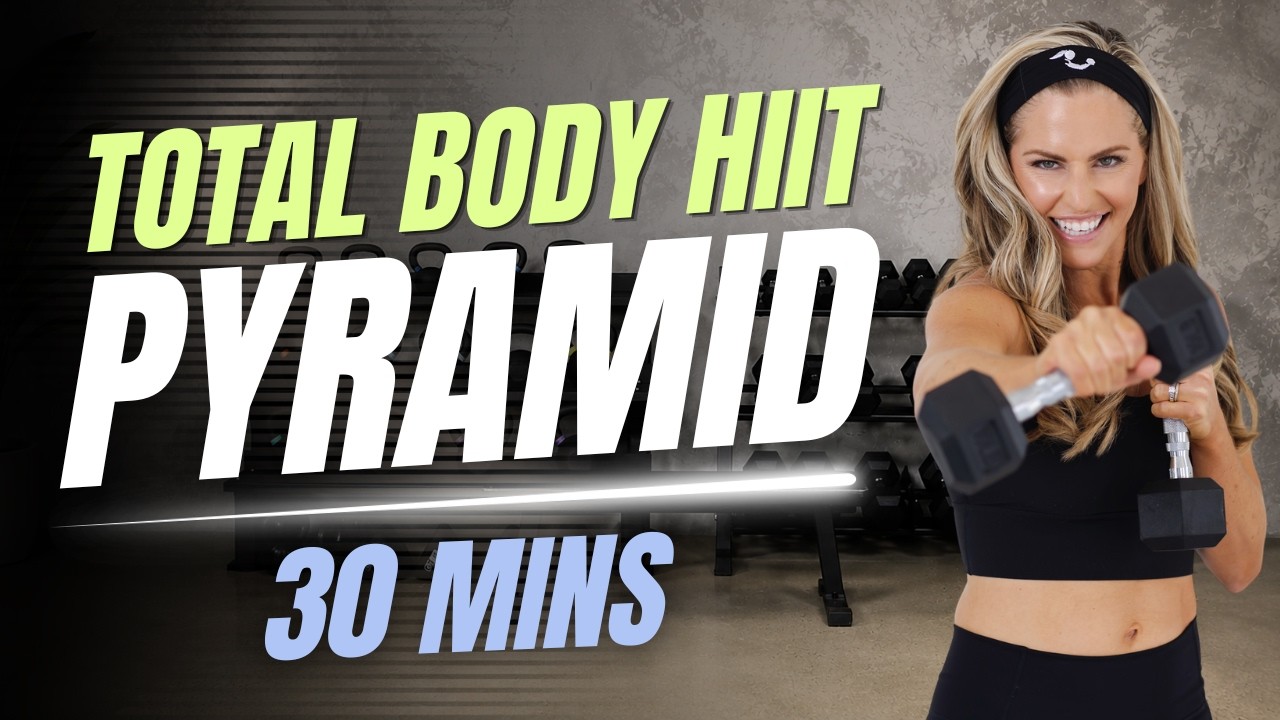
01: 🔥 Total Body Pyramid HIIT Workout with Dumbbells & Kettlebells | Strength + Cardio

Midlife Fitness: Ditch Old Advice, Embrace New Training! #midlifewomen #perimenopause
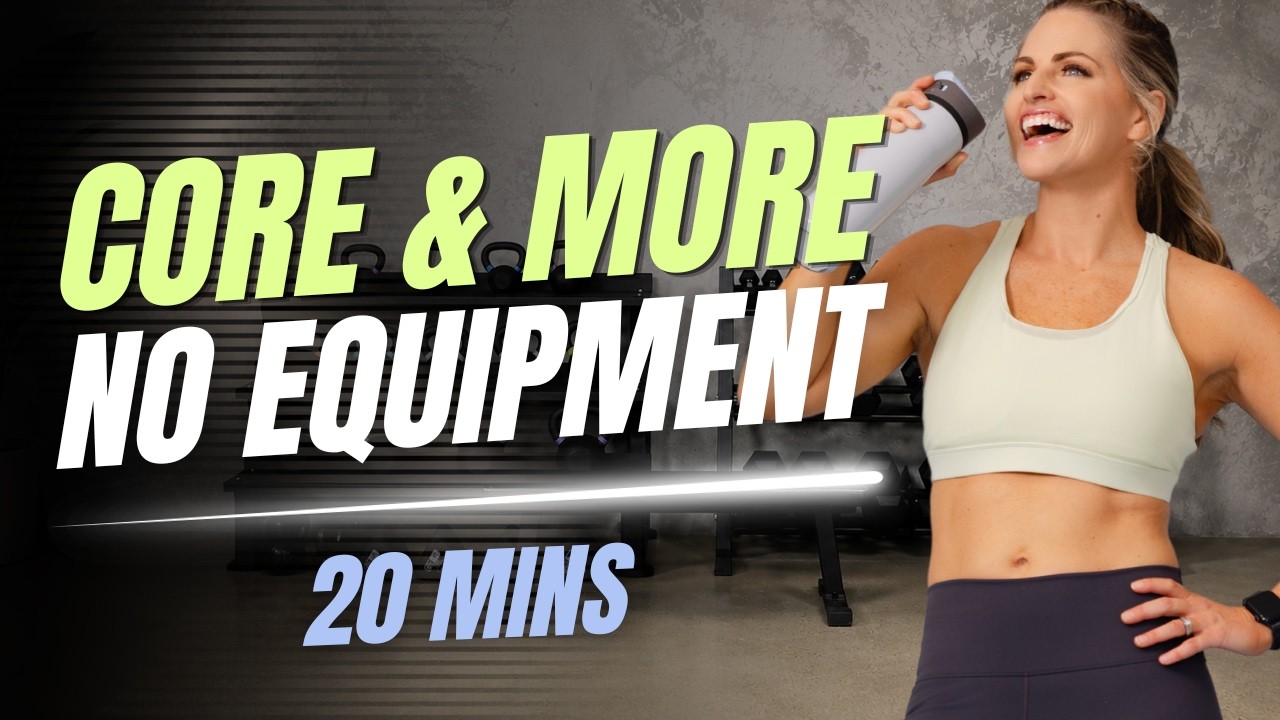
25: No Equipment Core & More Workout | 20 Mins Full Body Strength, Cardio & Mobility (Ab Focus!)